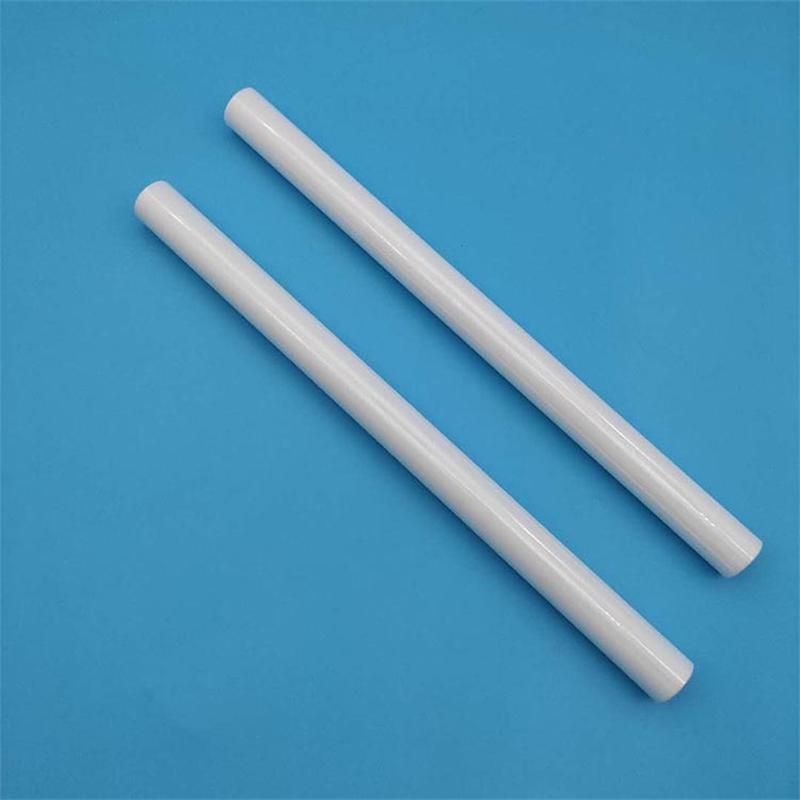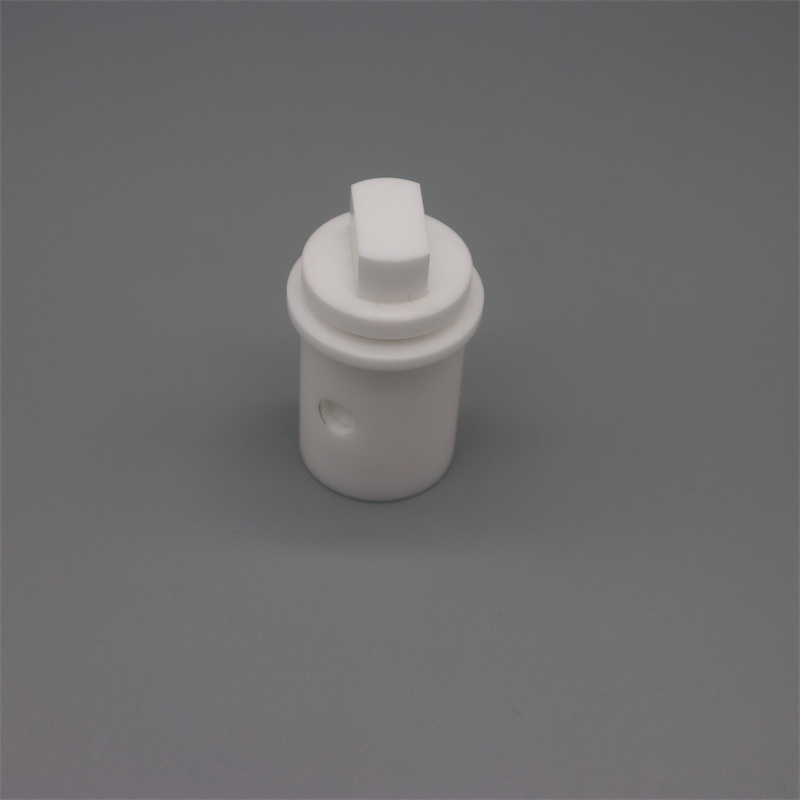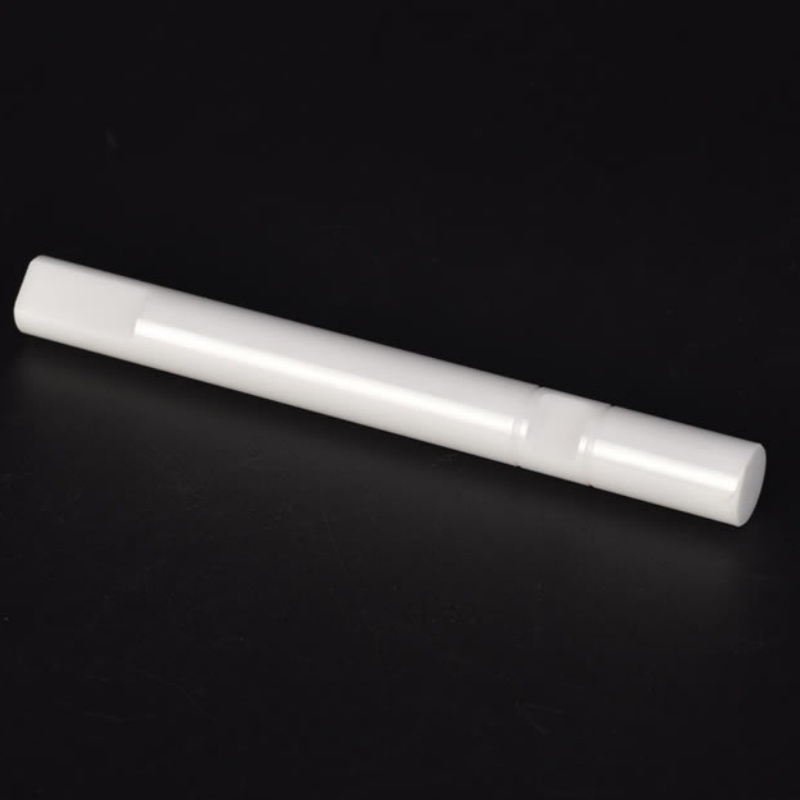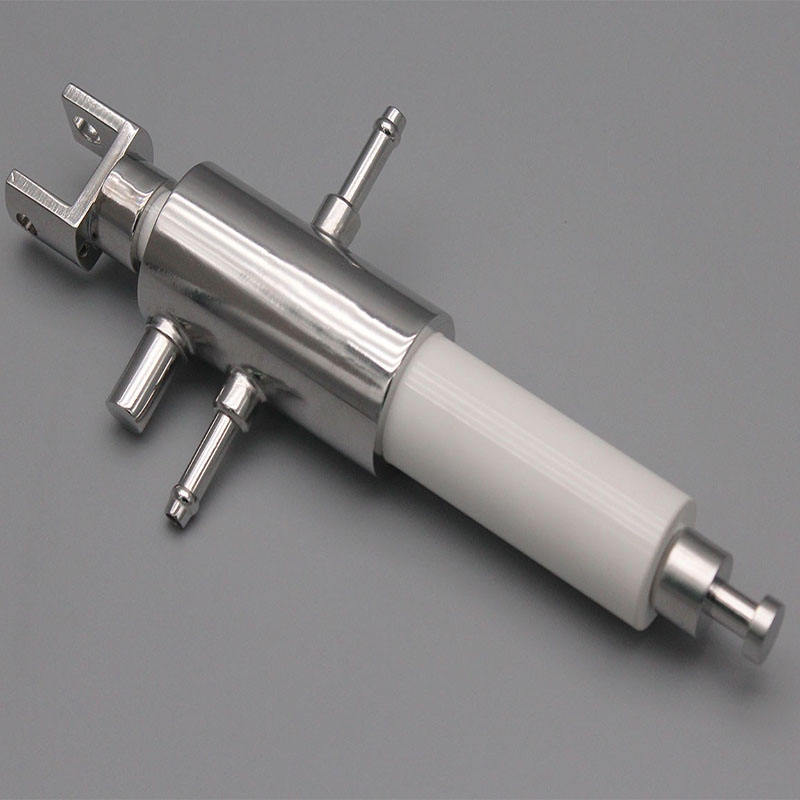
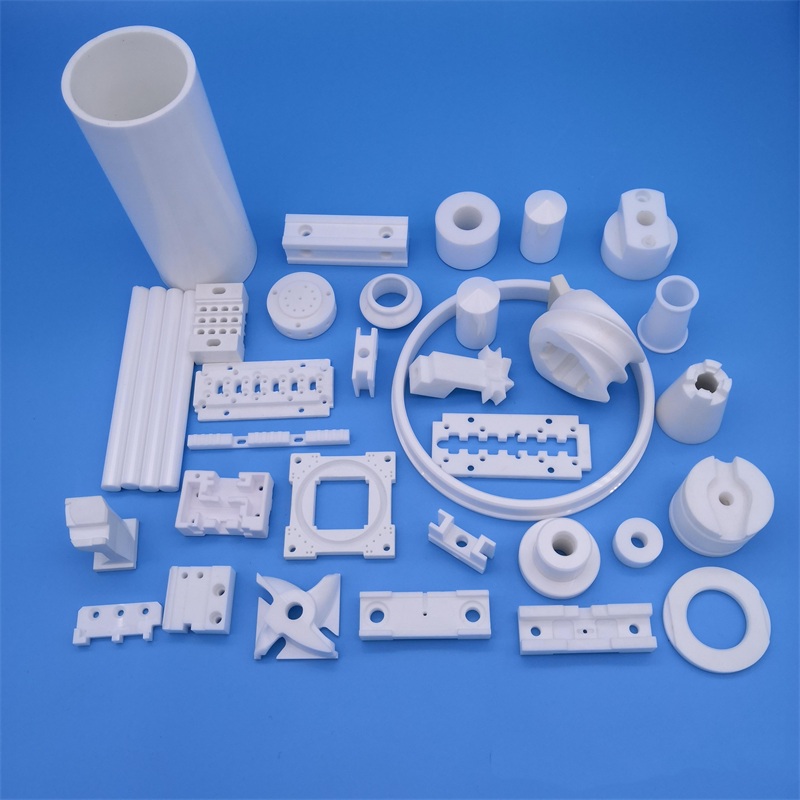
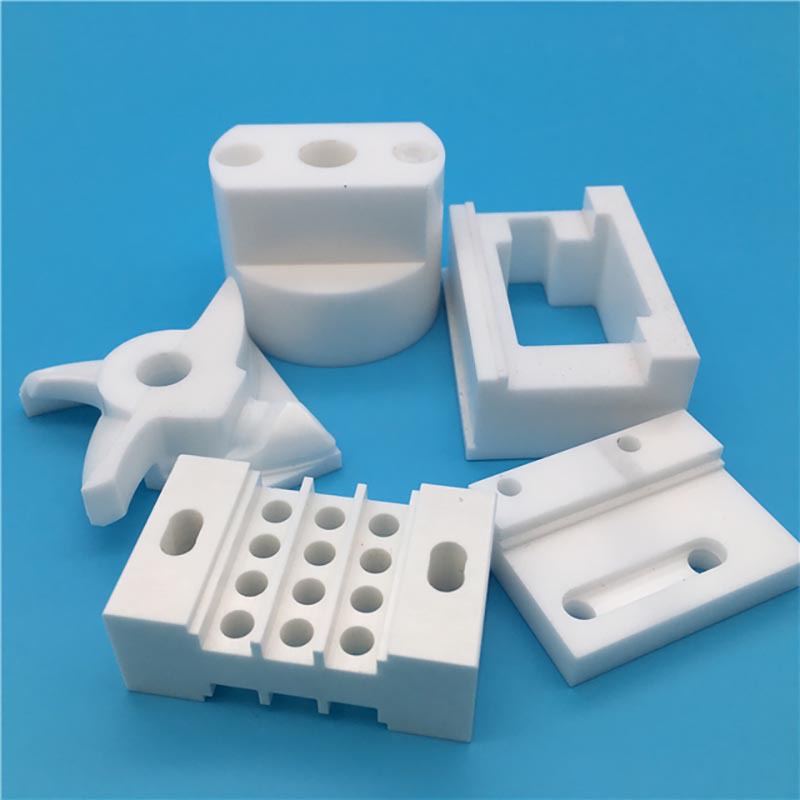
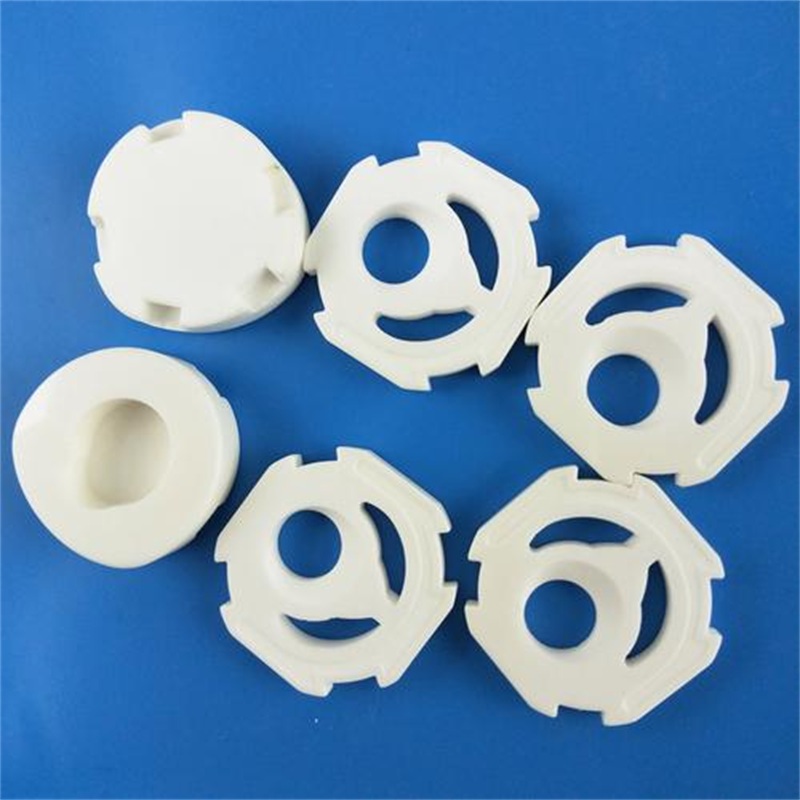
Machinable Ceramic Parts
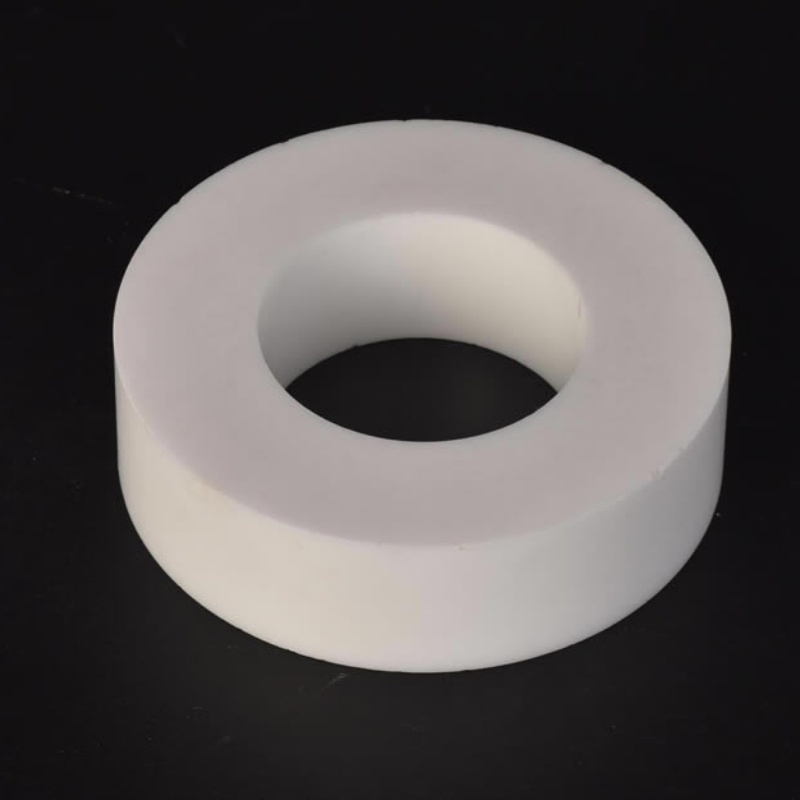
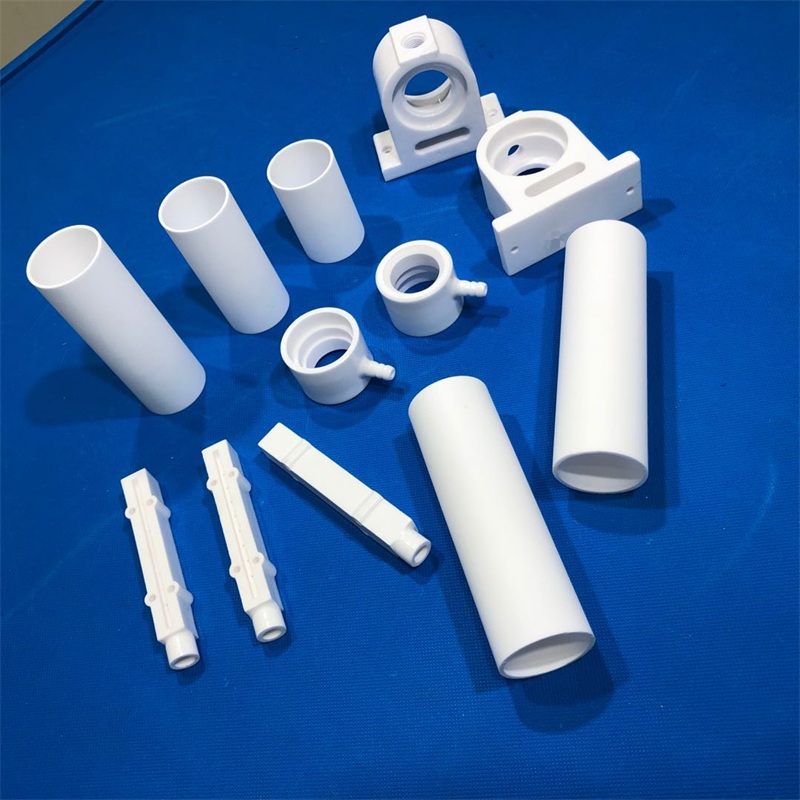
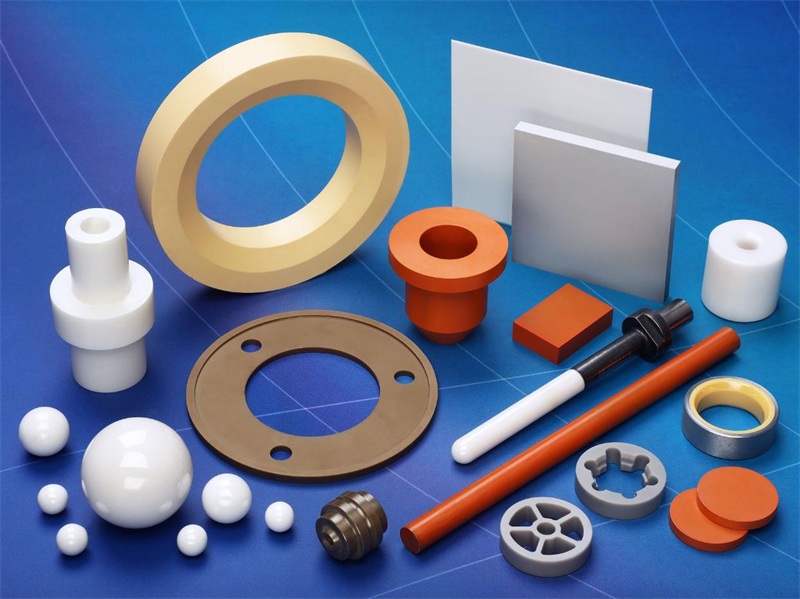
Machinable ceramic parts are precision components fabricated from ceramic materials that can be shaped, drilled, milled, turned, or ground to tight tolerances using conventional or specialized machining processes. Unlike metals, most advanced ceramics are extremely hard and brittle in their fully sintered state, making them difficult to machine after firing. To address this, engineers use either pre-sintered (partially densified) ceramics that can be machined in a “green” or “bisque” state, or apply diamond-based machining techniques to fully dense ceramics.
Common machinable ceramic materials include Macor (machinable glass-ceramic), alumina (Al₂O₃), zirconia (ZrO₂), silicon nitride (Si₃N₄), boron nitride (BN), and aluminum nitride (AlN). These materials are selected based on the application’s thermal, electrical, mechanical, and chemical requirements.
Key Takeaways
Machinable ceramics fall into two categories: those machined before sintering (green machining) and those machined after full densification (hard machining).
Pre-sintered ceramics like Macor can be machined with standard carbide tooling, while fully dense ceramics require diamond grinding or laser machining.
Typical tolerances for green-machined ceramics range from ±0.05 mm to ±0.1 mm; hard-machined ceramics can achieve ±0.005 mm or tighter.
Design for machinability is critical: sharp internal corners, thin walls, and deep narrow slots should be avoided.
Application sectors include semiconductor processing, aerospace, medical devices, vacuum systems, and high-temperature instrumentation.
What Are Machinable Ceramic Parts?
Machinable ceramic parts are ceramic components that have been shaped to precise dimensions through subtractive manufacturing methods. The term “machinable” can be somewhat misleading, because the machinability of ceramics varies enormously depending on the material’s densification state.
In practice, there are two distinct approaches:
Green-State Machining (Pre-Sintered)
Certain ceramics are manufactured in a partially sintered or porous state, where the material retains enough structural integrity to hold its shape but is soft enough to be cut, drilled, or milled with conventional tooling. Macor, developed by Corning, is the most well-known example. It can be machined using standard metalworking equipment with carbide tools, and it does not require diamond tooling. After machining, the part may be used as-is (if the application permits) or further processed.
Hard-State Machining (Post-Sintered)
Fully dense advanced ceramics—such as sintered alumina, zirconia, silicon carbide, and silicon nitride—are machined after firing using diamond grinding wheels, diamond wire saws, laser cutting, or ultrasonic machining. This approach achieves the highest dimensional accuracy and surface finish but is significantly more expensive and time-consuming than green-state machining.
The choice between these two approaches depends on the required tolerances, material properties, production volume, and cost constraints.
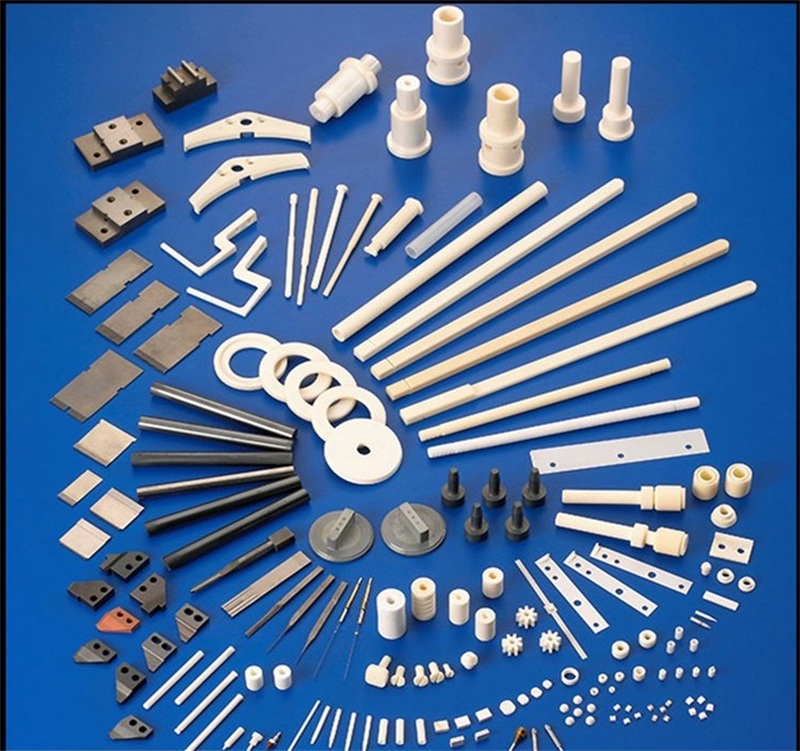
Materials Commonly Used for Machinable Ceramics
Different ceramic materials offer different combinations of machinability, mechanical strength, thermal resistance, and electrical properties. The following are the most frequently specified materials in engineering applications.
Macor (Machinable Glass-Ceramic)
Macor is a fluorophlogopite mica glass-ceramic that can be machined to tight tolerances using standard metalworking tools. It offers excellent electrical insulation, low outgassing, and good thermal stability up to approximately 800°C. Its primary limitation is relatively low mechanical strength compared to fully dense structural ceramics. It is widely used in vacuum systems, semiconductor fixtures, and electrical insulators.
Alumina (Al₂O₃)
Alumina is the most widely used structural ceramic. In its fully sintered form (96% to 99.8% purity), it offers high hardness (15–19 GPa), excellent wear resistance, and good electrical insulation. Machining alumina requires diamond tooling. It is commonly used in wear plates, substrate holders, insulators, and medical components.
Zirconia (ZrO₂)
Zirconia, particularly yttria-stabilized zirconia (Y-TZP), offers exceptional fracture toughness among ceramics—up to 10 MPa·m^0.5—along with high flexural strength (900–1200 MPa). It is often selected when impact resistance or damage tolerance is critical. Applications include cutting tools, biomedical implants, and wear-resistant components.
Silicon Nitride (Si₃N₄)
Silicon nitride combines high strength, thermal shock resistance, and low density. It is frequently used in bearing applications, turbine components, and high-temperature structural parts. Machining is performed in the hard state using diamond abrasives.
Boron Nitride (BN)
Hexagonal boron nitride (h-BN) is sometimes called “white graphite” due to its lubricious nature and ease of machining. It offers excellent thermal stability in non-oxidizing atmospheres and is electrically insulating. It is used in crucibles, release agents, and high-temperature electrical insulators.
Aluminum Nitride (AlN)
Aluminum nitride is valued for its combination of high thermal conductivity (170–230 W/m·K) and electrical insulation. It is machined in the sintered state and is commonly used in heat sinks, electronic substrates, and semiconductor processing equipment.
Machining Methods and Processes
The selection of machining method depends on the ceramic’s hardness, the required geometry, tolerance, and production volume.
Diamond Grinding
Diamond grinding is the most common method for machining fully dense ceramics. It uses rotating wheels impregnated with industrial diamond particles to remove material. It can achieve surface finishes below 0.4 µm Ra and tolerances within ±0.005 mm. However, it is a slow process and generates significant heat, requiring careful coolant management.
Ultrasonic Machining (USM)
Ultrasonic machining uses high-frequency vibrations (typically 20–40 kHz) to drive an abrasive slurry against the workpiece. It is particularly effective for creating complex shapes, blind holes, and internal features in hard ceramics without inducing significant thermal damage.
Laser Machining
Laser cutting and drilling offer non-contact material removal, making them suitable for thin ceramic sheets and complex 2D profiles. However, laser machining can introduce microcracks and thermal stress zones, so post-processing may be required for critical applications.
Electrical Discharge Machining (EDM)
EDM is applicable only to electrically conductive ceramics, such as certain grades of silicon carbide and titanium diboride. It is not suitable for insulating ceramics like alumina or Macor.
Waterjet Cutting
Abrasive waterjet cutting can shape ceramic plates and tiles without generating thermal stress. It is commonly used for initial blank cutting before precision grinding. Tolerances are typically in the range of ±0.1 mm.
Advantages of Machinable Ceramics
High-temperature capability: Most advanced ceramics maintain structural integrity well beyond the limits of metals and polymers, with service temperatures exceeding 1000°C in some cases.
Chemical inertness: Ceramics resist corrosion from acids, alkalis, and molten metals, making them suitable for aggressive chemical environments.
Electrical insulation: Materials like alumina, Macor, and AlN provide excellent dielectric properties for high-voltage and high-frequency applications.
Wear resistance: Fully dense ceramics offer hardness values 3–5 times greater than tool steel, resulting in extended component life in abrasive environments.
Low thermal expansion: Many ceramics have near-zero coefficients of thermal expansion, providing dimensional stability under thermal cycling.
Biocompatibility: Alumina and zirconia are well-established biocompatible materials for orthopedic and dental applications.
Limitations and Design Constraints
Despite their advantages, machinable ceramics present several design challenges that engineers must account for:
Brittleness: Ceramics have low fracture toughness compared to metals. Sudden impact or stress concentrations can cause catastrophic failure without plastic deformation.
Machining cost: Hard machining of dense ceramics is expensive. Complex geometries with tight tolerances can drive costs significantly higher than equivalent metal parts.
Tolerance limitations: Green-machined ceramics typically hold tolerances of ±0.05–0.1 mm. Achieving tighter tolerances requires post-sintering grinding, which adds cost.
Size limitations: Large ceramic components are difficult to sinter uniformly, and machining large parts increases the risk of cracking.
Joining difficulty: Bonding ceramics to metals or other ceramics requires specialized adhesives, brazing techniques, or mechanical fastening methods.
Design Guidelines for Machinable Ceramic Parts
Based on practical engineering experience, the following design principles help ensure successful fabrication and reliable performance.
Avoid Sharp Internal Corners
Sharp internal corners create stress concentrations that can initiate cracks during machining or service. A minimum corner radius of 0.5 mm is recommended for most ceramic geometries. For high-stress applications, radii of 1.0 mm or larger are preferable.
Minimize Thin Walls and Deep Narrow Slots
Thin walls (below 1.0 mm for most ceramics) are prone to chipping during machining and may fracture during handling. Deep narrow slots increase the risk of tool deflection and breakage during grinding operations.
Account for Sintering Shrinkage
For parts that are machined in the green state and then sintered, shrinkage of 15–25% must be accounted for in the initial design. The exact shrinkage depends on the material and the manufacturer’s processing parameters.
Specify Realistic Tolerances
Requesting tolerances tighter than necessary is one of the most common causes of cost escalation. For most industrial applications, ±0.05 mm is sufficient. Tolerances below ±0.01 mm should only be specified where functionally required.
Consider Surface Finish Requirements
As-machined ceramic surfaces typically have a roughness of 0.8–1.6 µm Ra. If a smoother finish is needed, additional polishing or lapping operations will be required.
Typical Applications
Machinable ceramic parts are used across a wide range of demanding industries.
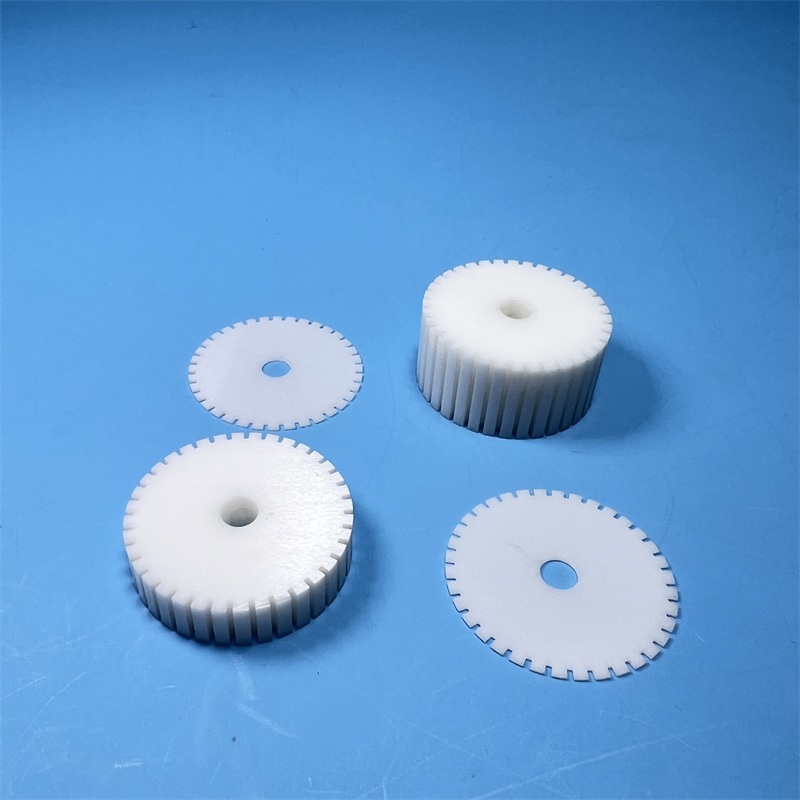
Semiconductor processing: Wafer holders, focus rings, showerheads, and chamber components made from alumina, AlN, or silicon carbide.
Aerospace: Thermal protection components, sensor housings, and insulators exposed to high-temperature gas streams.
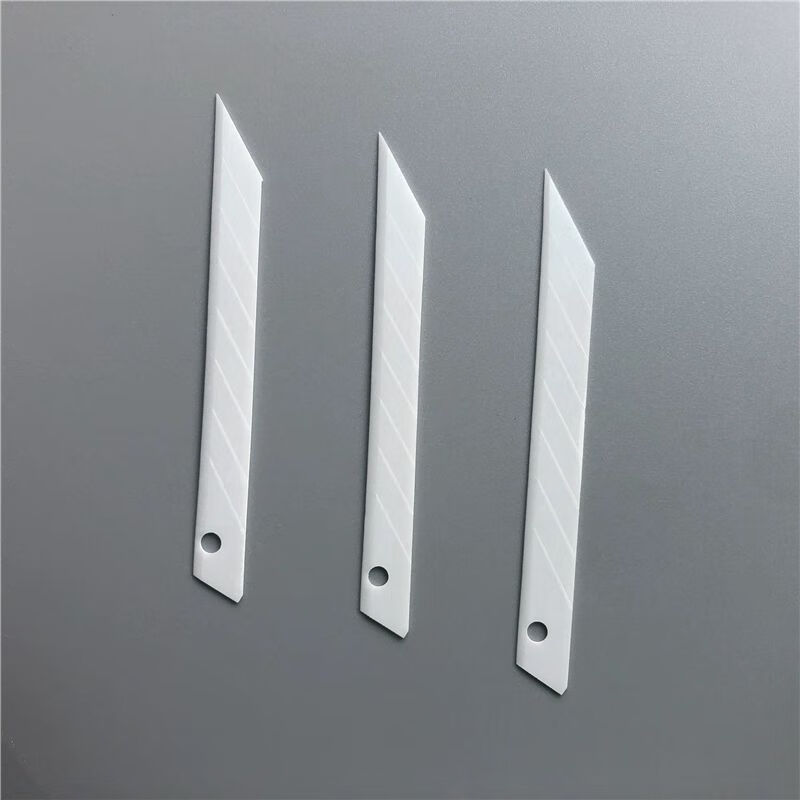
Medical devices: Ceramic cutting tools, orthopedic bearing surfaces, and dental restorations using zirconia and alumina.
Vacuum systems: Electrical feedthroughs, insulators, and structural supports made from Macor or alumina.
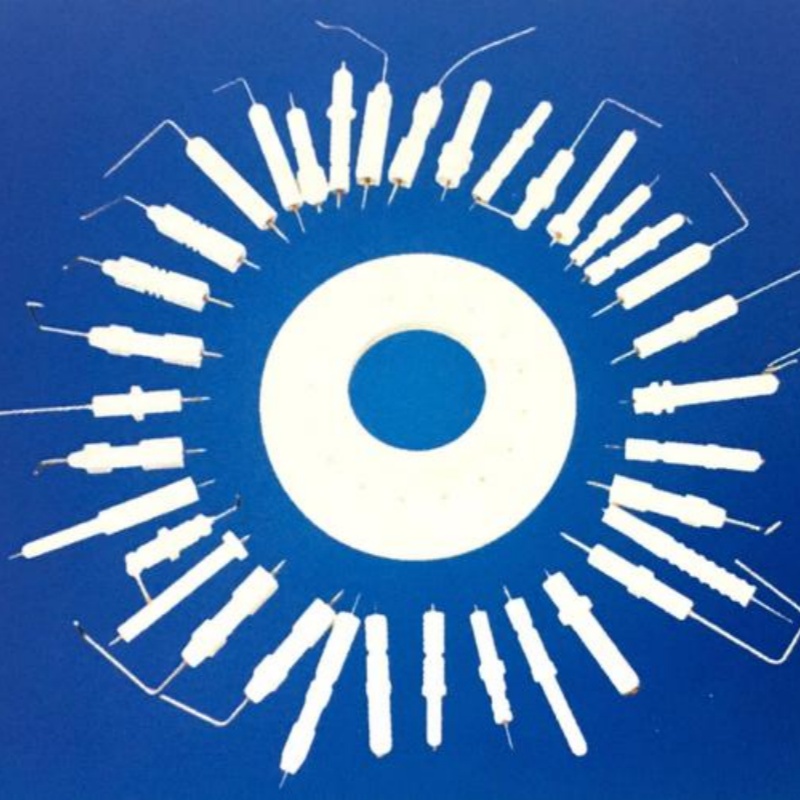
Industrial instrumentation: Thermocouple protection tubes, furnace fixtures, and wear-resistant nozzles.
Electronics: Substrates, heat spreaders, and insulating spacers using AlN or alumina.
Material Selection Summary
Selecting the right machinable ceramic requires balancing multiple factors. The following considerations should guide the decision:
Temperature requirement: If the application exceeds 800°C, Macor is generally unsuitable. Alumina, zirconia, or silicon nitride should be considered.
Mechanical loading: For applications involving impact or bending loads, zirconia or silicon nitride offer superior toughness.
Thermal conductivity: If heat dissipation is critical, AlN or BeO (with appropriate safety handling) should be evaluated.
Electrical requirements: For high-voltage insulation, alumina and Macor are standard choices. For applications requiring specific dielectric constants, material-specific testing may be needed.
Cost sensitivity: Macor and green-machined alumina are generally more cost-effective for low-volume, complex geometries. Hard-machined dense ceramics are justified when performance demands it.
Frequently Asked Questions
What is the most machinable ceramic material?
Macor (machinable glass-ceramic) is widely regarded as the most easily machinable ceramic. It can be cut, drilled, and milled using standard carbide tooling without requiring diamond abrasives. This makes it suitable for rapid prototyping and low-volume production of complex ceramic parts. However, its mechanical strength and maximum service temperature are lower than those of fully dense structural ceramics like alumina or zirconia.
Can you machine ceramics with standard CNC equipment?
Pre-sintered ceramics like Macor can be machined on standard CNC milling machines and lathes using carbide cutting tools. Fully dense ceramics, however, cannot be machined with standard equipment. They require specialized diamond grinding machines, ultrasonic machining centers, or laser systems. Attempting to machine dense ceramics with standard tooling will result in rapid tool wear and poor surface quality.
What tolerances are achievable with machinable ceramics?
Green-machined ceramics typically achieve tolerances of ±0.05 mm to ±0.1 mm. After sintering, shrinkage variations may introduce additional dimensional changes. Hard-machined (post-sintered) ceramics can achieve tolerances of ±0.005 mm or tighter with diamond grinding, depending on the geometry and material. Surface finishes below 0.2 µm Ra are achievable with fine grinding and polishing.
Why are machinable ceramic parts expensive?
The cost of machinable ceramic parts is driven by several factors: the raw material cost of advanced ceramics is higher than metals, hard machining with diamond tooling is slow and requires specialized equipment, and the brittle nature of ceramics means that scrap rates can be higher than with ductile materials. Complex geometries with tight tolerances amplify all of these cost factors.
What is the difference between green machining and hard machining?
Green machining refers to shaping a ceramic part while it is in a partially sintered (porous) state, before final densification. The material is softer and can be machined more easily, but the part will shrink during subsequent sintering. Hard machining refers to machining a fully sintered, dense ceramic. This produces the highest accuracy and best surface finish but requires diamond tooling and is significantly more expensive.
Can machinable ceramics be used at high temperatures?
This depends on the specific material. Macor is suitable up to approximately 800°C. Alumina can operate above 1600°C. Silicon nitride and silicon carbide maintain strength at temperatures exceeding 1400°C. The maximum usable temperature also depends on the atmosphere—some ceramics oxidize or degrade in certain gas environments.
How do I choose between alumina and zirconia for a machined part?
Choose alumina when you need high hardness, excellent electrical insulation, and good chemical resistance at a moderate cost. Choose zirconia when the application requires higher fracture toughness, impact resistance, or damage tolerance. Zirconia is also preferred in biomedical applications due to its biocompatibility and wear performance in articulating surfaces.
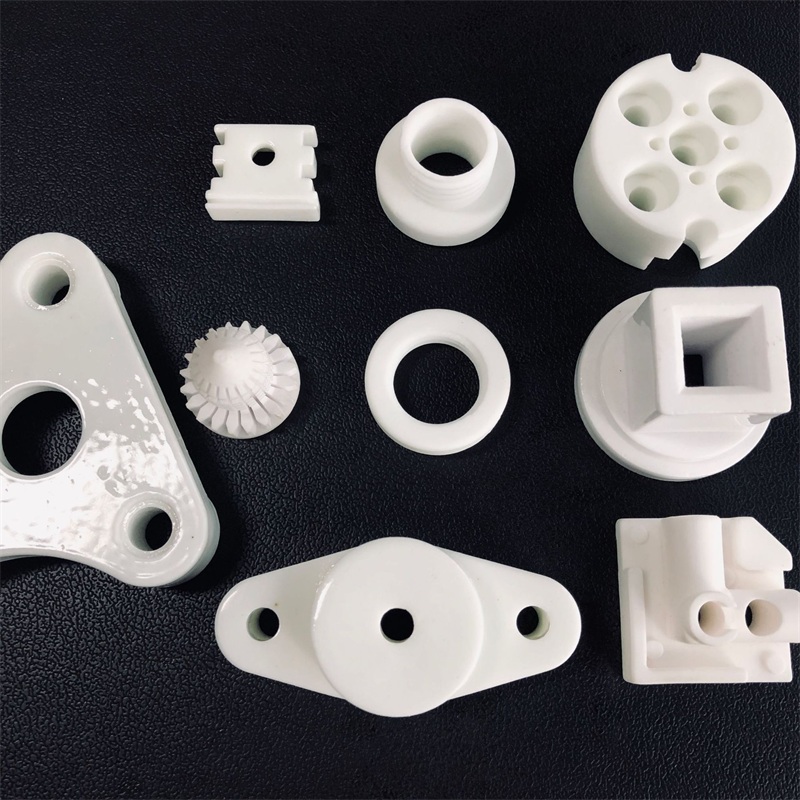
Is it possible to machine ceramic threads?
Internal and external threads can be produced in machinable ceramics, but they require careful design. Thread forms should use generous root radii to reduce stress concentration. Green-machined threads in Macor are straightforward. Threads in dense ceramics require precision grinding and are significantly more expensive. For high-stress threaded connections, metal inserts bonded or brazed into the ceramic are often a more reliable approach.
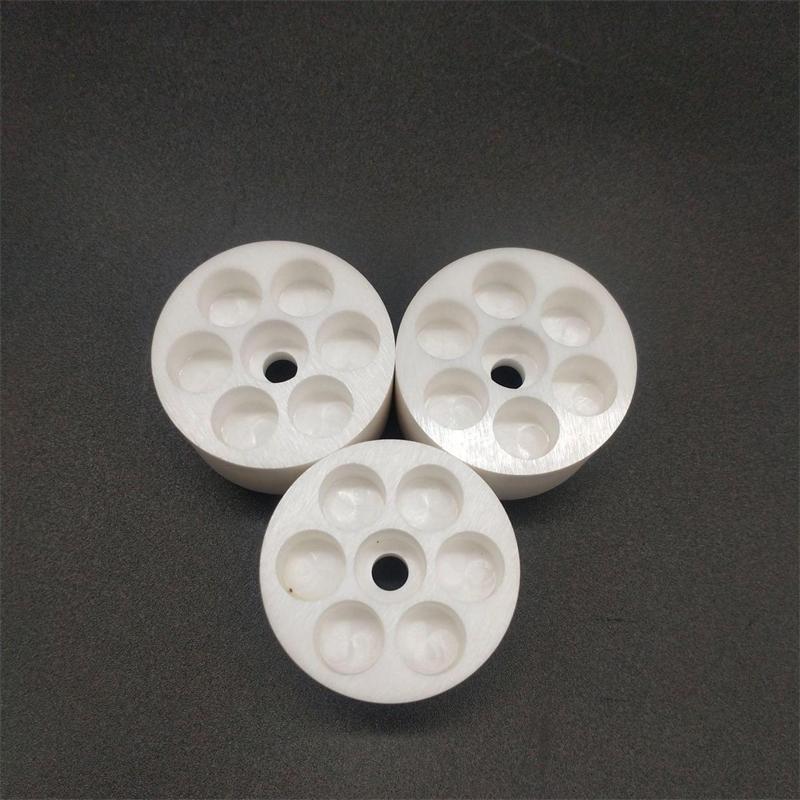
Machinable ceramic parts serve critical roles in industries where metals and polymers cannot meet the demands of extreme temperature, chemical exposure, electrical insulation, or wear resistance. Understanding the distinction between green-state and hard-state machining, selecting the appropriate material for the application, and following sound design practices are essential for successful implementation.
For engineers and designers working with advanced ceramics, the key is to engage early in the design process with realistic expectations for tolerances, geometry, and cost. Machinable ceramics are not a direct substitute for metals—they require a different design philosophy—but when applied correctly, they offer performance capabilities that no other material class can match.