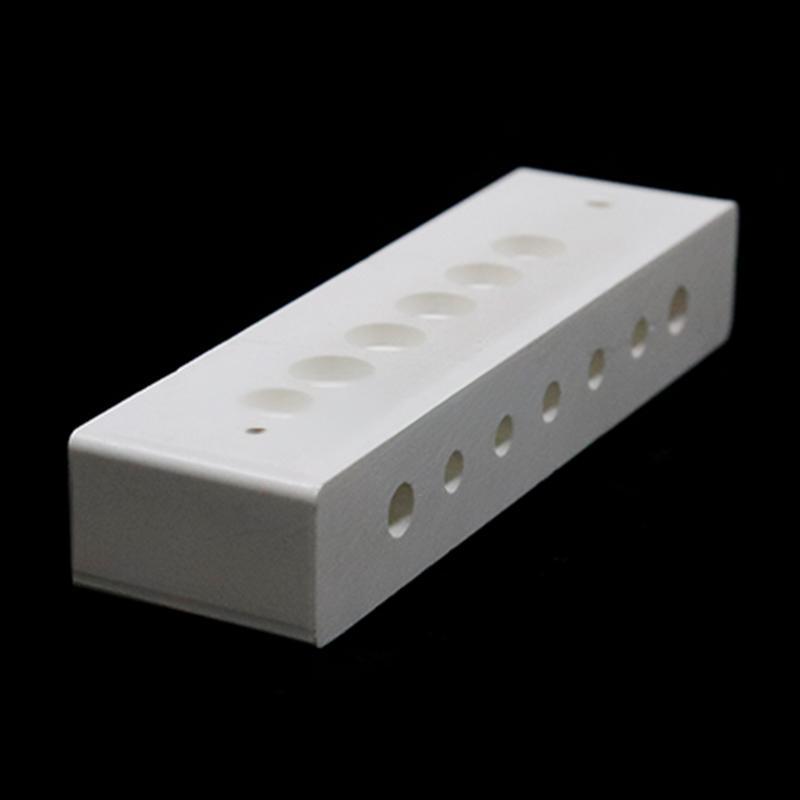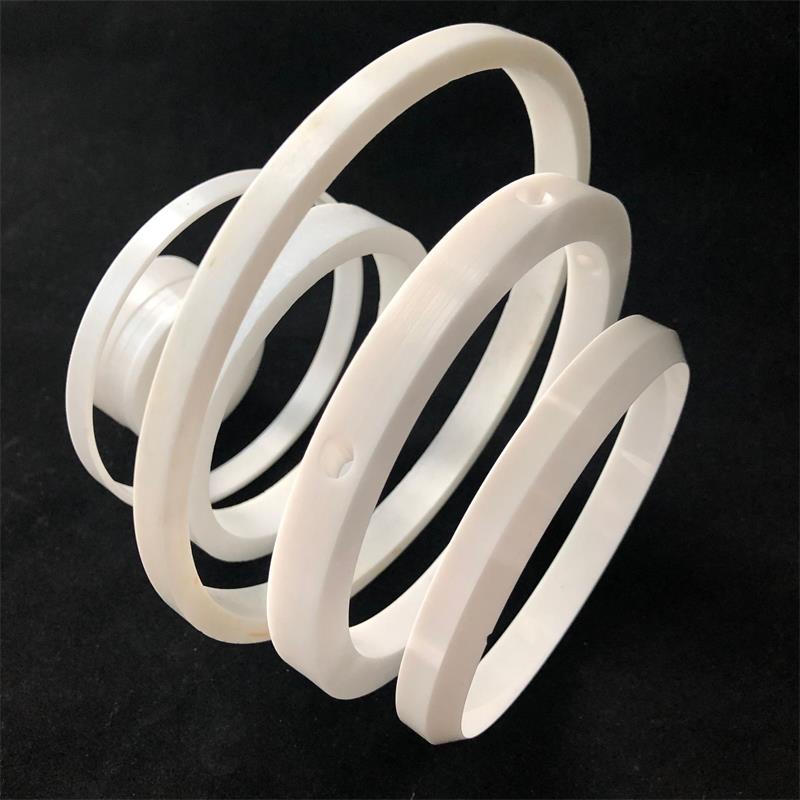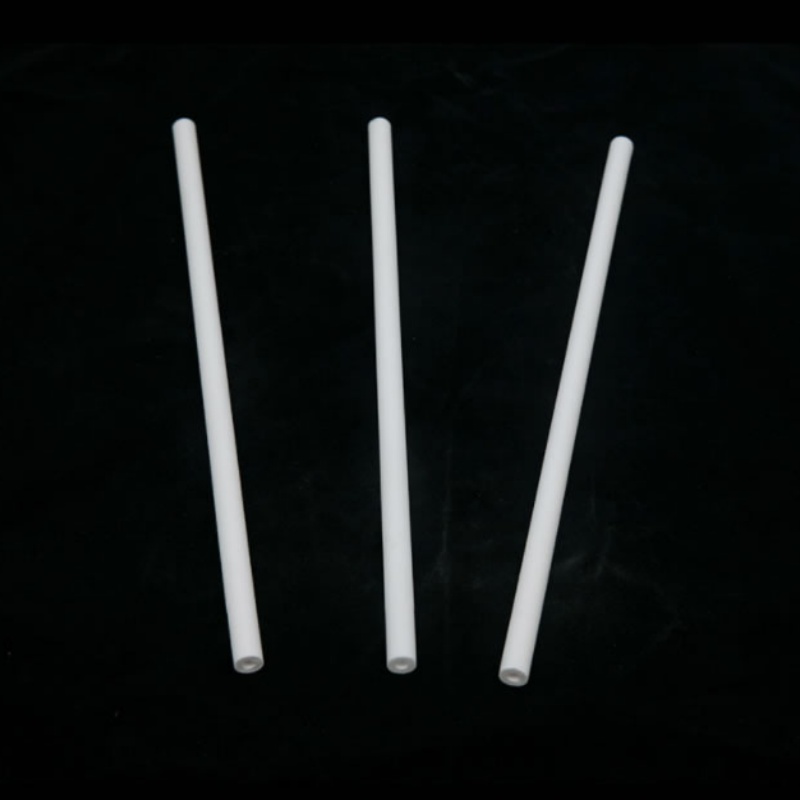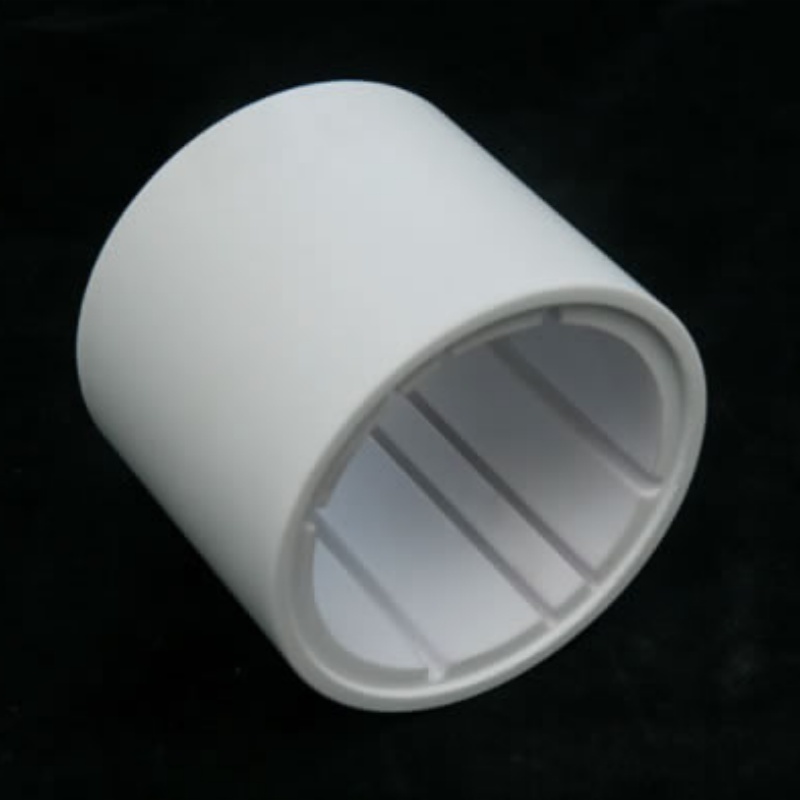
Irregular-Shaped Silicon Carbide Ceramic Plates
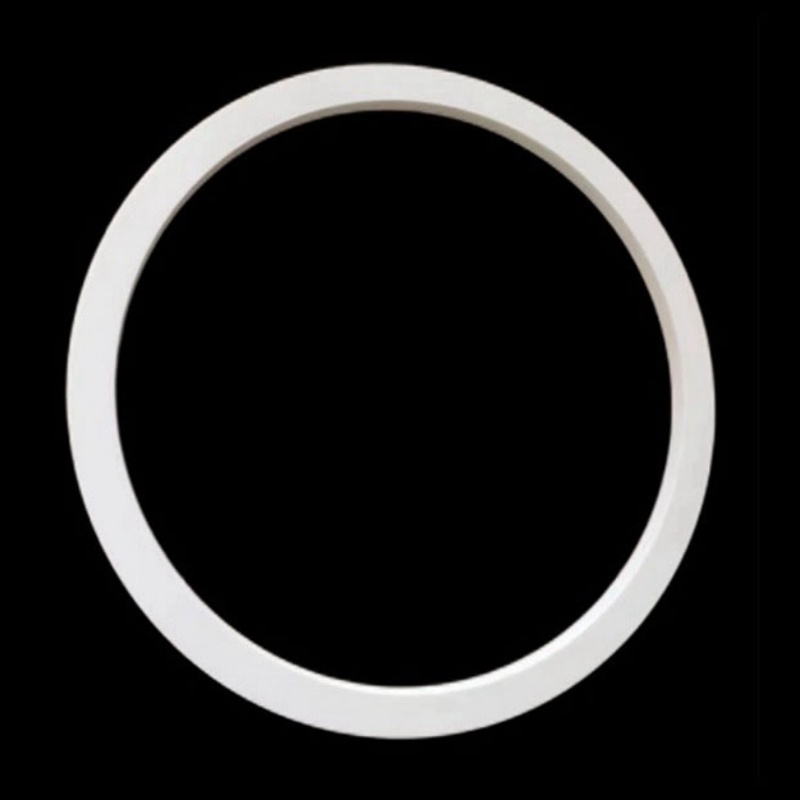
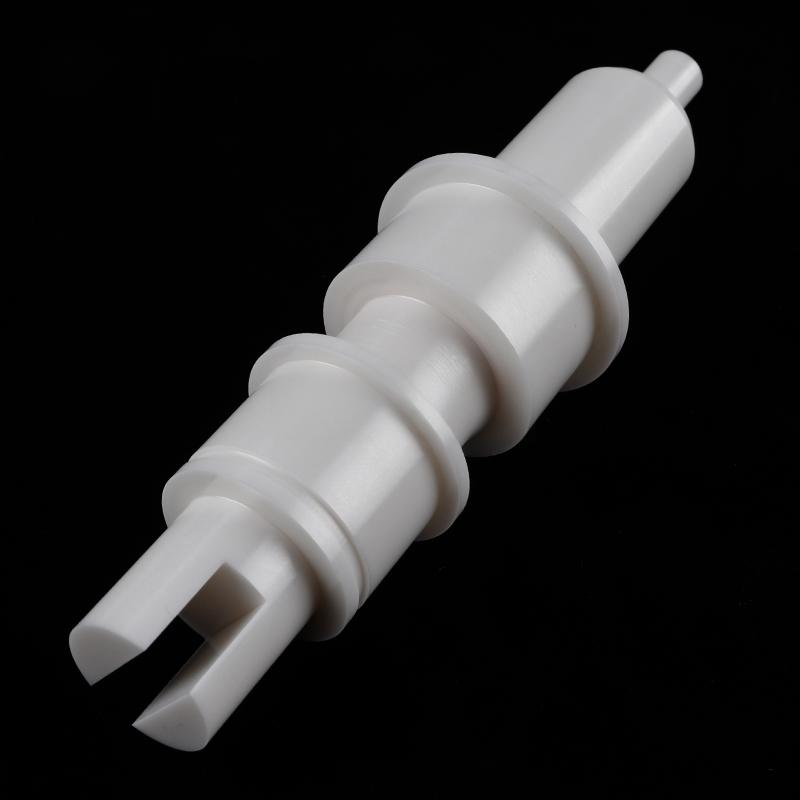
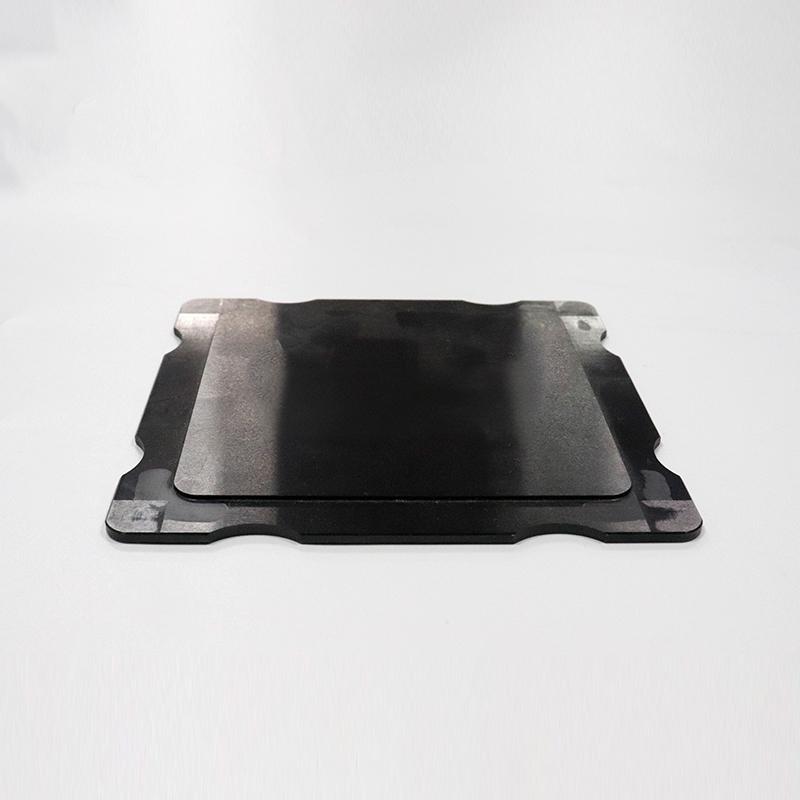
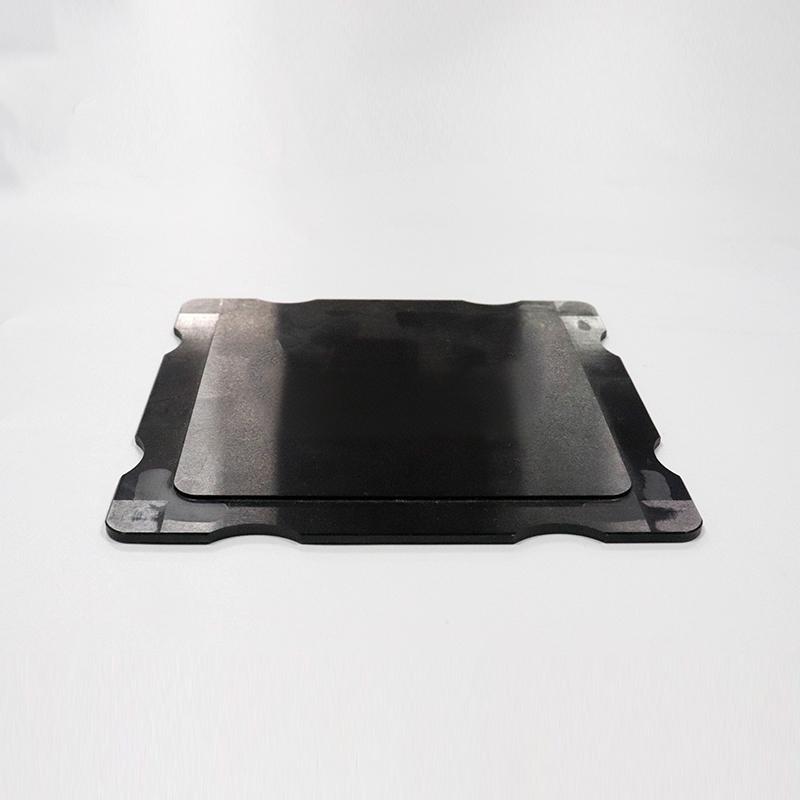
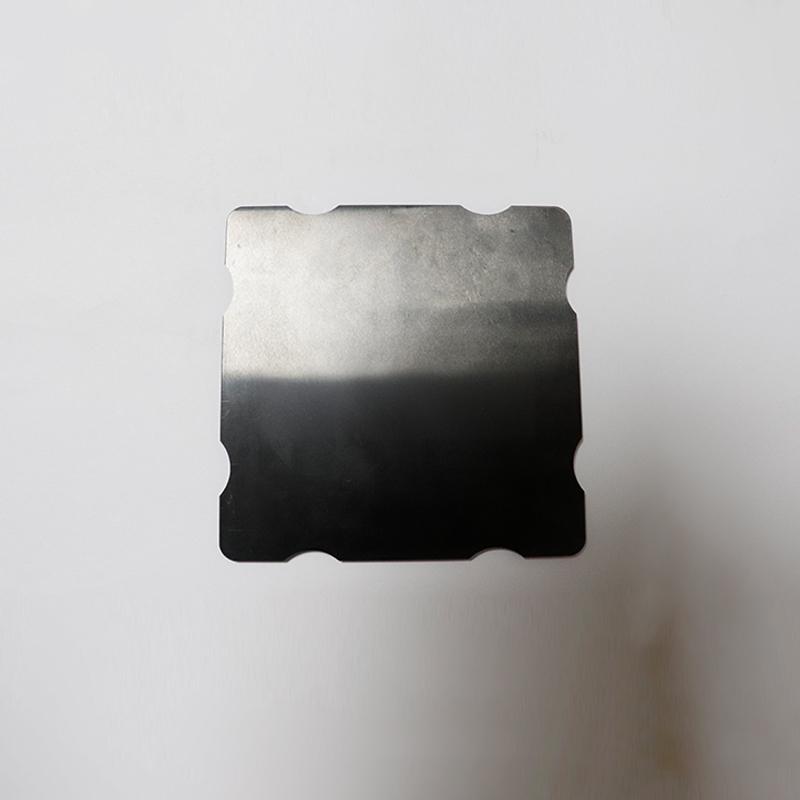
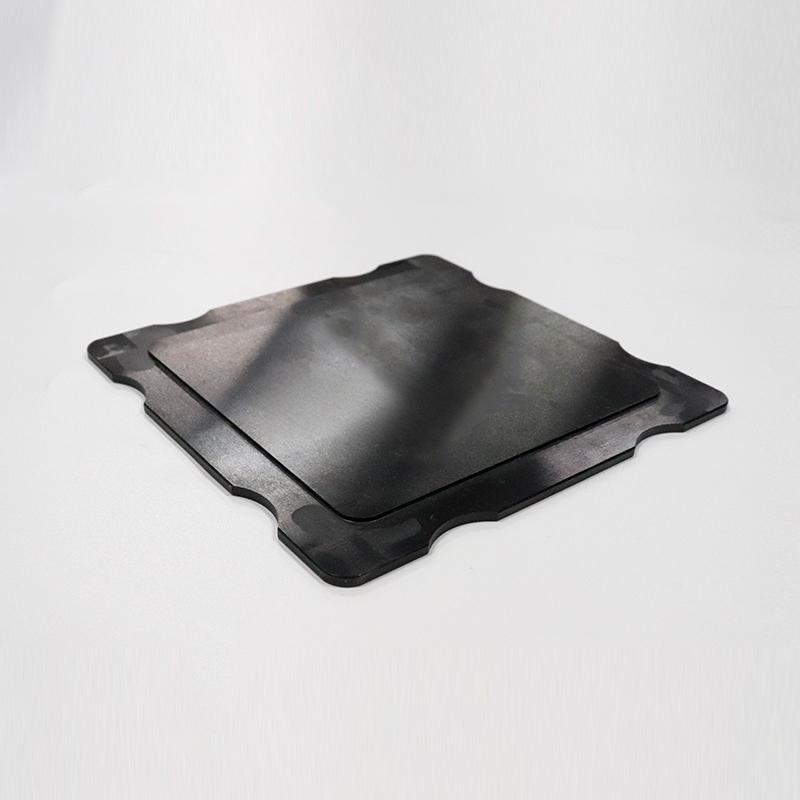
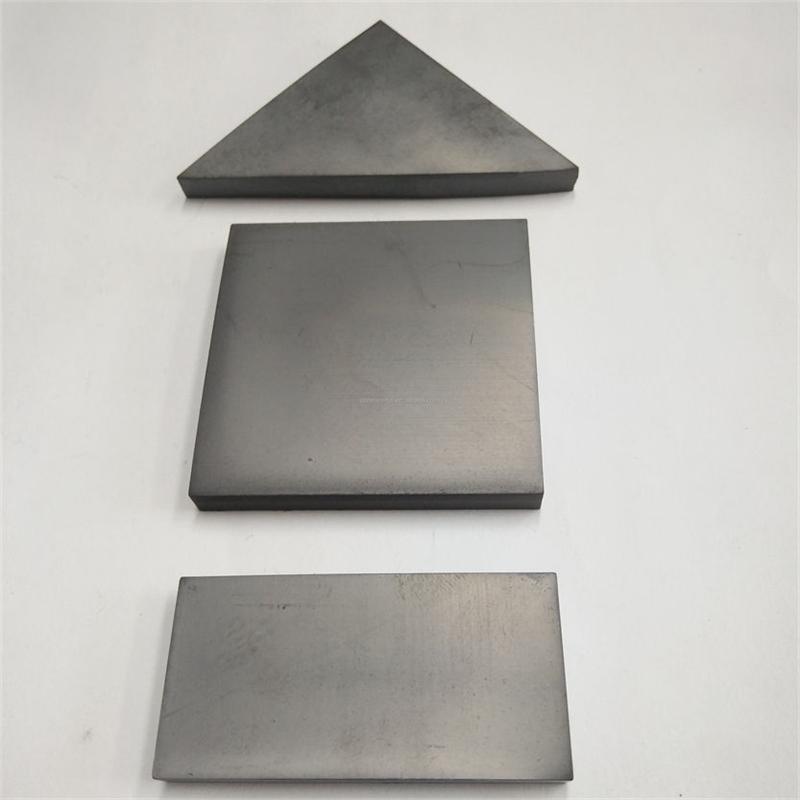
Irregular-shaped silicon carbide (SiC) ceramic plates are specialized advanced ceramic components designed for demanding industrial environments where standard geometries are insufficient. Unlike conventional flat or rectangular plates, these components feature non-standard contours, cutouts, holes, or complex profiles tailored to fit specific mechanical assemblies. Silicon carbide itself is a covalently bonded ceramic known for its exceptional combination of hardness, thermal conductivity, and chemical inertness. When manufactured into irregular shapes, these plates serve critical roles in semiconductor processing, thermal management systems, and heavy-duty wear applications, providing a robust alternative to metals and polymers in extreme conditions.
Material Composition and Manufacturing Challenges
Silicon carbide is composed of silicon and carbon atoms linked by strong covalent bonds. This atomic structure is the foundation of its high strength and stability. However, this same bonding makes the material extremely difficult to machine in its sintered state. Consequently, producing irregular-shaped SiC plates often requires near-net-shape manufacturing techniques.
Engineers typically encounter two primary grades for these components:
Reaction-Bonded Silicon Carbide (RBSC): This grade is created by infiltrating a porous carbon preform with molten silicon. The resulting material contains free silicon, which fills the pores. RBSC is advantageous for creating complex, irregular shapes with tight tolerances because it exhibits near-zero shrinkage during processing, reducing the need for expensive post-sintering grinding.
Sintered Silicon Carbide (SSiC): Produced by sintering pure SiC powder with sintering aids, SSiC offers superior chemical resistance and higher temperature capability compared to RBSC because it lacks free silicon. However, achieving complex irregular geometries in SSiC is more challenging and costly due to significant shrinkage during sintering and the hardness of the final part.
Key Performance Characteristics
The selection of silicon carbide for irregular plates is driven by a specific set of physical properties that outperform many other engineering materials.
Thermal Conductivity: SiC possesses high thermal conductivity (ranging roughly from 80 to over 200 W/m·K depending on the grade), allowing it to dissipate heat rapidly. This makes it ideal for plates used in heating systems or heat sinks.
Wear and Abrasion Resistance: With a hardness second only to diamond and cubic boron nitride, SiC plates offer outstanding resistance to sliding abrasion and particle erosion.
Chemical Stability: The material is highly resistant to attack by acids, alkalis, and molten salts. This is particularly important for irregular plates used as linings or seals in corrosive chemical pumps and valves.
High-Temperature Strength: Unlike metals that soften at elevated temperatures, SiC maintains its mechanical strength and creep resistance up to 1400°C or higher.
Common Applications
The utility of irregular-shaped SiC plates is best understood through their specific engineering applications:
Semiconductor Equipment: In wafer fabrication, SiC plates are used as heater chucks, focus rings, and showerheads. The irregular shapes allow for precise gas flow distribution and uniform heating. The material’s low particle generation and high purity are essential here to prevent contamination.
Thermal Management: Custom-shaped plates act as heat spreaders or substrates for high-power electronic modules. The ability to machine specific mounting holes or contours allows for direct integration into compact cooling systems.
Wear Protection: In mining and mineral processing, irregular SiC plates are bonded to chutes, hoppers, and cyclones. Their complex shapes ensure full coverage of wear zones, significantly extending equipment life compared to alumina or steel liners.

Advantages and Limitations
When specifying irregular-shaped silicon carbide plates, engineers must weigh the performance benefits against manufacturing realities.
Advantages:
Lightweight: SiC has a low density (approx. 3.1–3.2 g/cm³), significantly lighter than steel or tungsten carbide.
Dimensional Stability: Low thermal expansion ensures the plates maintain their shape and fit during thermal cycling.
Versatility: Available in various grades (RBSC, SSiC, CVD SiC) to balance cost and performance.
Limitations:
Brittleness: Like all ceramics, SiC is brittle and lacks ductility. Irregular shapes with sharp internal corners or thin walls are susceptible to stress concentration and fracture.
Machining Costs: While RBSC allows for complex shapes, final grinding of critical surfaces is slow and expensive due to the material’s hardness.
Joining Difficulty: Integrating irregular ceramic plates into metal assemblies often requires specialized brazing or mechanical fixation methods, as standard welding is not possible.
Material Selection Considerations
Choosing the right ceramic for an irregular plate often involves a trade-off between cost and performance.
Vs. Alumina: Alumina is cheaper and easier to machine into complex shapes. However, SiC should be selected when higher thermal conductivity, better wear resistance, or lighter weight is required.
Vs. Metals: Metals offer toughness and ease of fabrication. SiC is the superior choice when the application involves temperatures exceeding metal limits or corrosive environments that would degrade alloys.
Vs. Zirconia: Zirconia offers higher fracture toughness. If the irregular plate is subject to high impact loads, Zirconia might be safer, though it lacks the thermal conductivity of SiC.
Ultimately, irregular-shaped silicon carbide plates are a high-performance solution for specialized engineering challenges. Successful implementation requires careful design to avoid stress risers and a clear understanding of the specific SiC grade best suited for the operating environment.
FAQ
What is the maximum operating temperature for silicon carbide plates?
Silicon carbide generally maintains structural integrity up to 1400°C–1600°C. However, for Reaction-Bonded SiC (RBSC), the limit is lower (around 1380°C) due to the melting point of the free silicon phase.
Can irregular-shaped SiC plates be welded to metal parts?
No, ceramics cannot be welded. Joining SiC plates to metal components typically requires active metal brazing, adhesive bonding with high-temperature epoxies, or mechanical fastening methods designed to accommodate thermal expansion differences.
Why is Reaction-Bonded SiC (RBSC) often preferred for complex shapes?
RBSC undergoes negligible shrinkage during the reaction bonding process. This allows manufacturers to create near-net-shape irregular components with complex features without the extensive and costly grinding required for Sintered SiC (SSiC).
Is silicon carbide electrically conductive?
It depends on the grade. Pure Sintered SiC is typically semi-conductive or insulating depending on dopants. However, Reaction-Bonded SiC often exhibits electrical conductivity due to the presence of free silicon and the nature of the grain boundaries. Engineers must verify the specific electrical grade for their application.
How does SiC compare to Alumina for wear plates?
Silicon carbide is significantly harder and has higher thermal conductivity than alumina. While alumina is more cost-effective for simple shapes, SiC is preferred for irregular wear plates in high-speed or high-temperature applications where heat dissipation and extreme abrasion resistance are critical.
Are there design constraints for irregular SiC plates?
Yes. Due to the brittleness of ceramics, designs should avoid sharp internal corners, sudden changes in cross-section, and extremely thin features, as these create stress concentrations that can lead to fracture during handling or operation.