High Toughness of Zirconia Ceramics
Among advanced ceramics, zirconia (ZrO₂) holds a unique position. While most ceramics are characterized by inherent brittleness and low fracture toughness, zirconia stands out for its remarkable ability to resist crack propagation. This distinctive property, known as transformation toughening, allows zirconia to achieve fracture toughness values that rival those of some metals—a feat unmatched by other oxide ceramics.
What Is the High Toughness of Zirconia Ceramics?
Definition: The high toughness of zirconia ceramics refers to their exceptional resistance to crack propagation, achieved primarily through a stress-induced phase transformation mechanism. This mechanism enables zirconia to absorb significant energy during fracture, resulting in fracture toughness values (K₁c) typically ranging from 8 to over 20 MPa·m¹/²—substantially higher than most other ceramics .
For context, alumina (Al₂O₃) typically exhibits fracture toughness of only 3–5 MPa·m¹/², while silicon carbide ranges from 3–4 MPa·m¹/². Zirconia’s toughness approaches that of some cast irons and aluminum alloys, making it suitable for demanding structural applications where ceramic components must withstand impact, thermal shock, and cyclic loading.
What Makes Zirconia Tough? The Transformation Toughening Mechanism
The Tetragonal-to-Monoclinic Phase Transformation
The toughness of zirconia arises from a crystallographic phenomenon. At room temperature, pure zirconia naturally exists in the monoclinic phase. However, when certain stabilizing oxides (such as Y₂O₃, CeO₂, or CaO) are added, the high-temperature tetragonal phase can be retained in a metastable state at room temperature .
When a crack propagates through the material, the stress field at the crack tip triggers a localized phase transformation: the metastable tetragonal grains transform to the monoclinic phase. This transformation is accompanied by a volume expansion of approximately 4% and a shear strain .
Energy Dissipation Mechanisms
This phase transformation absorbs energy through multiple mechanisms:
– Volume expansion creates compressive stresses around the crack tip, effectively shielding it from the applied tensile stress.
– Shear strain contributes to transformation-induced plasticity (TRIP), allowing limited plastic deformation before fracture .
– Microcracking in the transformation zone further dissipates fracture energy .
Research has shown that the transformation does not occur instantaneously during dynamic loading; instead, it exhibits a time delay until after the onset of fracture, suggesting the transformation impedes crack-driving forces through a complex interaction with stress waves .
Key Takeaways
– Zirconia’s toughness is not an intrinsic property but a microstructural feature enabled by metastable tetragonal phase retention.
– The t→m transformation absorbs energy and generates compressive stresses that shield the crack tip.
– The effectiveness of toughening depends critically on the transformability of the tetragonal phase—a balance between stability and responsiveness to stress.
Stabilizer Systems: Comparing Y-TZP, Ce-TZP, and Ca-PSZ
The choice of stabilizer significantly influences the toughness, strength, and environmental stability of zirconia. Each system represents a different compromise.
Yttria-Stabilized Tetragonal Zirconia Polycrystals (Y-TZP)
Y-TZP, particularly the widely used 3 mol% Y₂O₃ grade (3Y-TZP), is the most common zirconia for structural applications. It offers:
– Fracture toughness: ~6–10 MPa·m¹/² for standard grades; advanced formulations have achieved >20 MPa·m¹/² with strengths exceeding 1200 MPa .
– High strength and hardness.
– Concern: Susceptibility to low-temperature degradation (LTD) in humid environments, which can lead to surface transformation and microcracking over time .
Ceria-Stabilized Tetragonal Zirconia Polycrystals (Ce-TZP)
Ce-TZP is gaining attention as an alternative to Y-TZP, particularly for biomedical applications:
– Fracture toughness: 10–19 MPa·m¹/²; 10.5 mol% Ce-TZP has recorded exceptional values of ~19 MPa·m¹/² .
– Excellent resistance to hydrothermal degradation.
– Trade-off: Often lower strength than Y-TZP; however, co-doping strategies (e.g., with CaO) have produced Ce-TZP with both high toughness (10.4 MPa·m¹/²) and high biaxial bending strength (1210 ± 43 MPa) while maintaining translucency comparable to dental-grade 3Y-TZP .
Calcia-Partially Stabilized Zirconia (Ca-PSZ)
Ca-PSZ represents a more traditional stabilizer system:
– Fracture toughness: Peaks at ~9.15 MPa·m¹/² for 3.25–3.75 mol% CaO, with higher doping levels causing a sharp decline .
– Cost-effective but generally lower toughness than Y-TZP and Ce-TZP.
Practical Implications
For most structural engineering applications, 3Y-TZP remains the baseline choice due to its balanced properties and established processing. However, for applications involving prolonged moisture exposure (e.g., biomedical implants, chemical processing equipment), Ce-TZP or co-stabilized systems are increasingly preferred .
How Do Composites Enhance Zirconia Toughness?
While transformation toughening is the primary mechanism, zirconia-based composites offer additional toughening pathways.
Alumina-Toughened Zirconia (ATZ)
ATZ combines the transformation toughening of the zirconia matrix with dispersion toughening from alumina particles. When a crack encounters a harder alumina grain, it may be deflected, bifurcated, or forced to take a longer, more tortuous path—consuming more energy .
Key properties of ATZ include fracture toughness ranging from 8 to 16 MPa·m¹/² depending on composition, hardness that is higher than monolithic zirconia due to the alumina phase, and, with SiO₂ additives, the ability to exhibit transformation-induced plasticity at room temperature under compression .
Recent research on ATZ with 4 mol% SiO₂ additive demonstrated reversible transformation-induced plasticity—samples could be compressed to stresses >2 GPa with strains >1.25%, and post-deformation annealing restored >90% of the tetragonal phase, enabling repeated deformation cycles . This opens intriguing possibilities for self-healing or damage-tolerant zirconia components.
Other Composite Systems
Additives such as Ni particles, SiC whiskers, SiC particles, and Inconel fibers have also been investigated to enhance transformation toughening in zirconia. The effectiveness of these additives depends on:
– Mismatch in material properties (thermal expansion, elastic modulus) between the zirconia matrix and the reinforcing phase.
– Internal stresses generated during fabrication .
For example, the addition of SiC whiskers can create residual compressive stresses around the reinforcement, further impeding crack propagation. However, processing challenges (e.g., achieving uniform dispersion, preventing deleterious reactions at grain boundaries) remain significant considerations.
Material Grades and Selection Factors
Typical Grades and Their Characteristics
The selection of a zirconia grade should be guided by its stabilizer system and resulting properties.
3Y-TZP is stabilized with 3 mol% Y₂O₃ and offers typical fracture toughness of 6–10 MPa·m¹/². It is widely used for structural components, bearings, and dental crowns due to its balanced mechanical properties.
4Y-TZP contains 4 mol% Y₂O₃, providing toughness in the range of 8–12 MPa·m¹/². This grade favors higher toughness over moderate strength and is suitable for applications where crack resistance is prioritized.
10Ce-TZP is stabilized with 10 mol% CeO₂ and achieves toughness values of 10–19 MPa·m¹/². Its excellent resistance to hydrothermal degradation makes it a preferred choice for biomedical and extreme-environment applications.
Ca-PSZ is stabilized with 3.25–4.5 mol% CaO and exhibits toughness of approximately 8–9 MPa·m¹/². It is commonly specified for wear components and automotive applications where cost is a significant factor.
ATZ combines Y₂O₃ stabilization with an Al₂O₃ second phase, achieving toughness of 8–16 MPa·m¹/². This grade is used in high-stress structural and orthopedic applications.
Available Shapes and Typical Dimensions
Zirconia components are manufactured in a wide range of shapes to suit diverse engineering requirements.
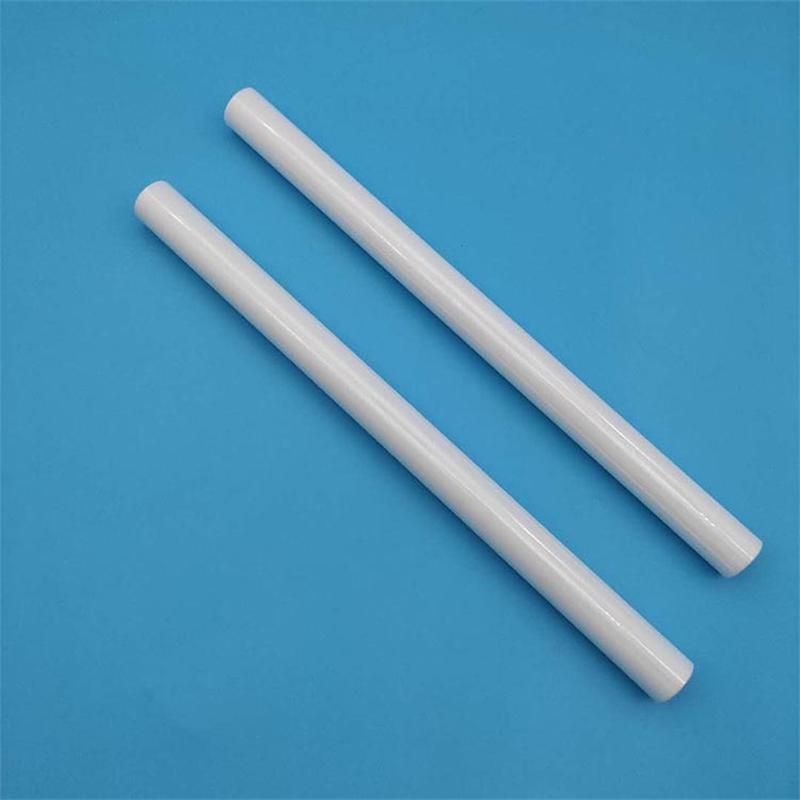
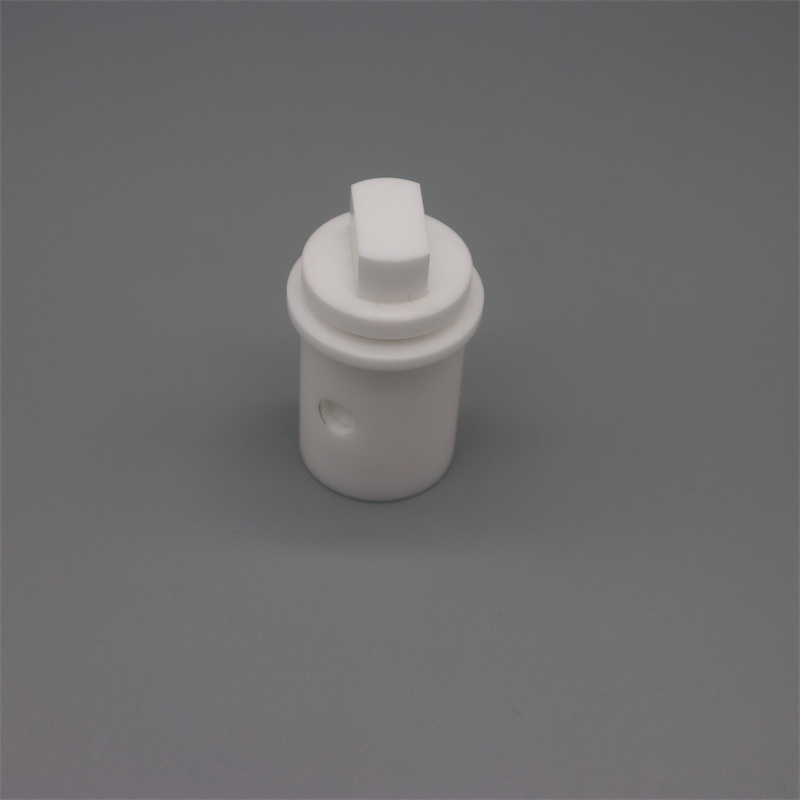
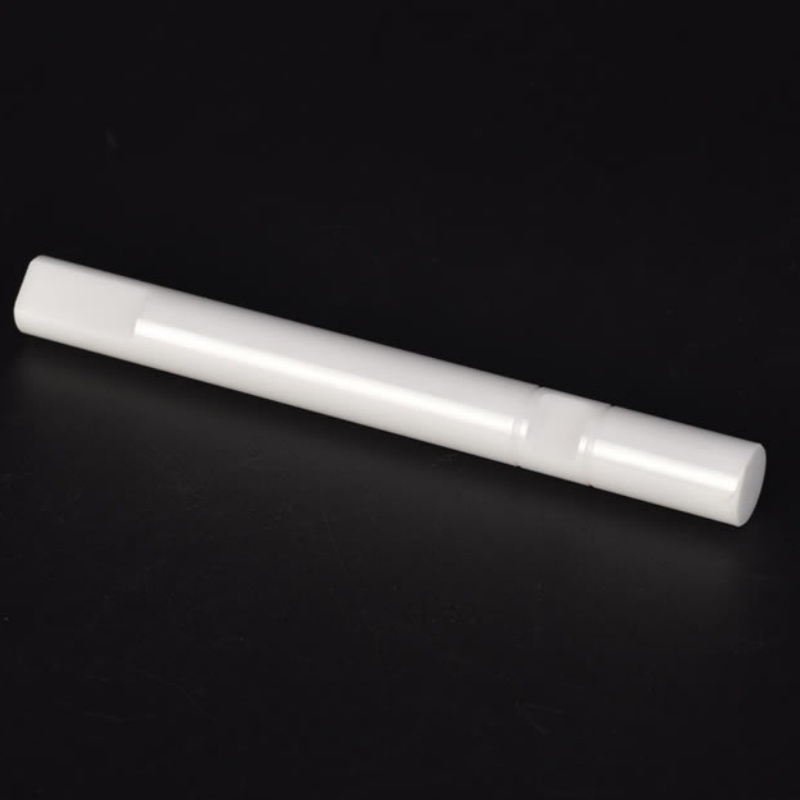
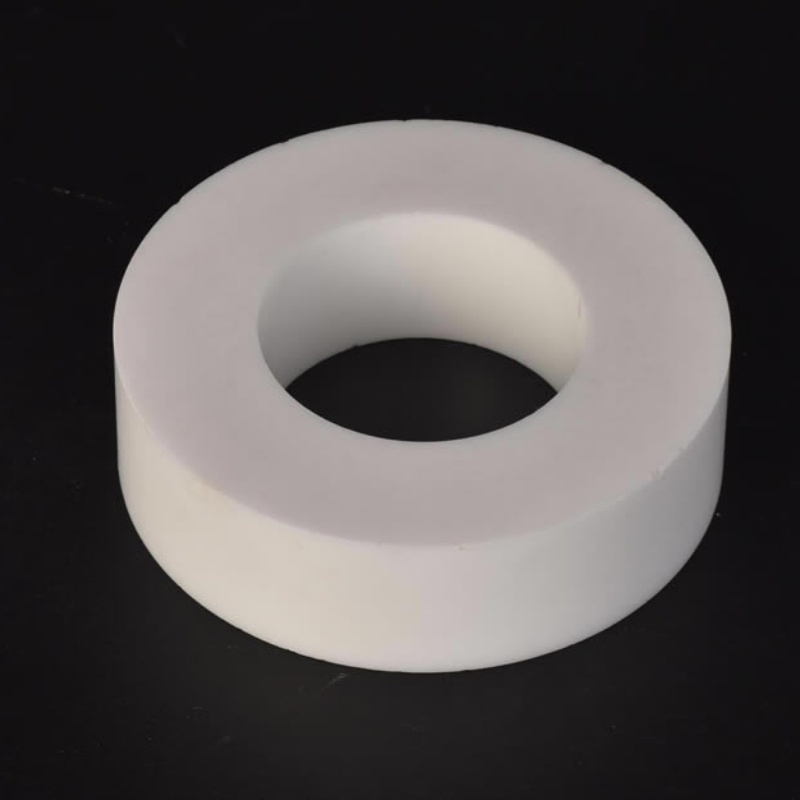
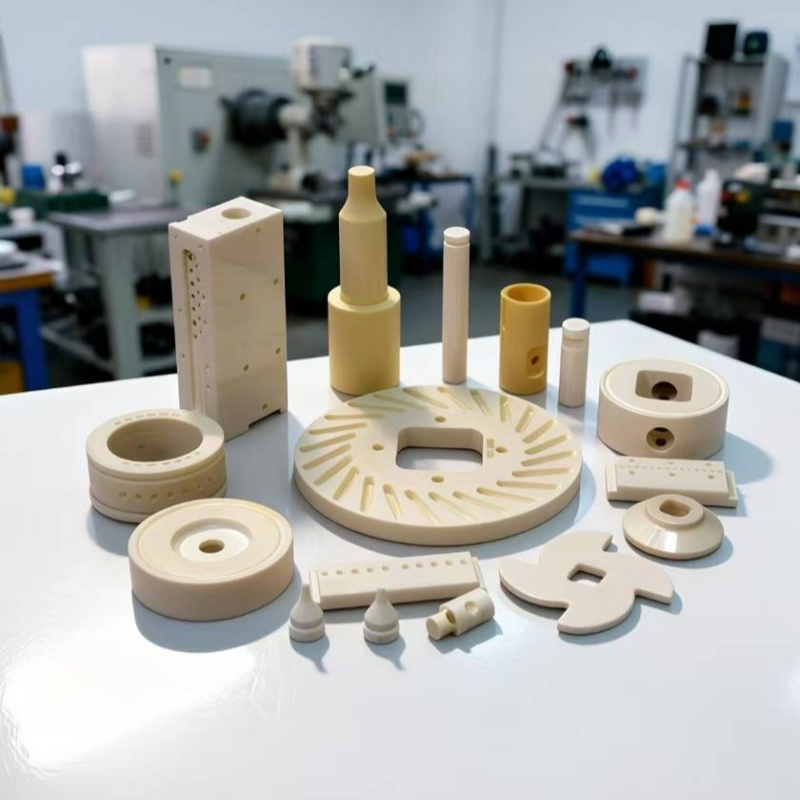
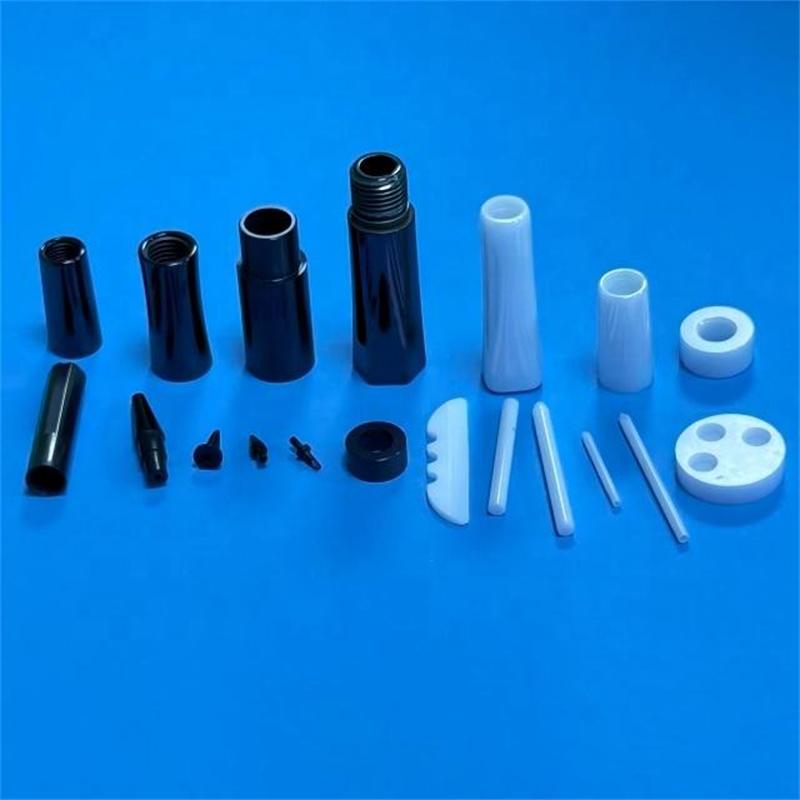
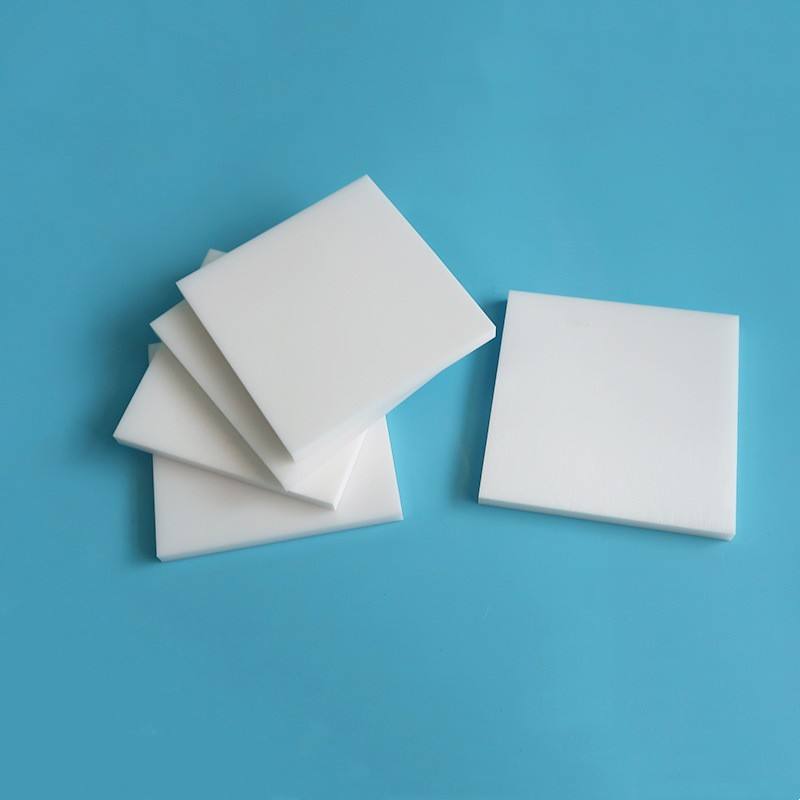
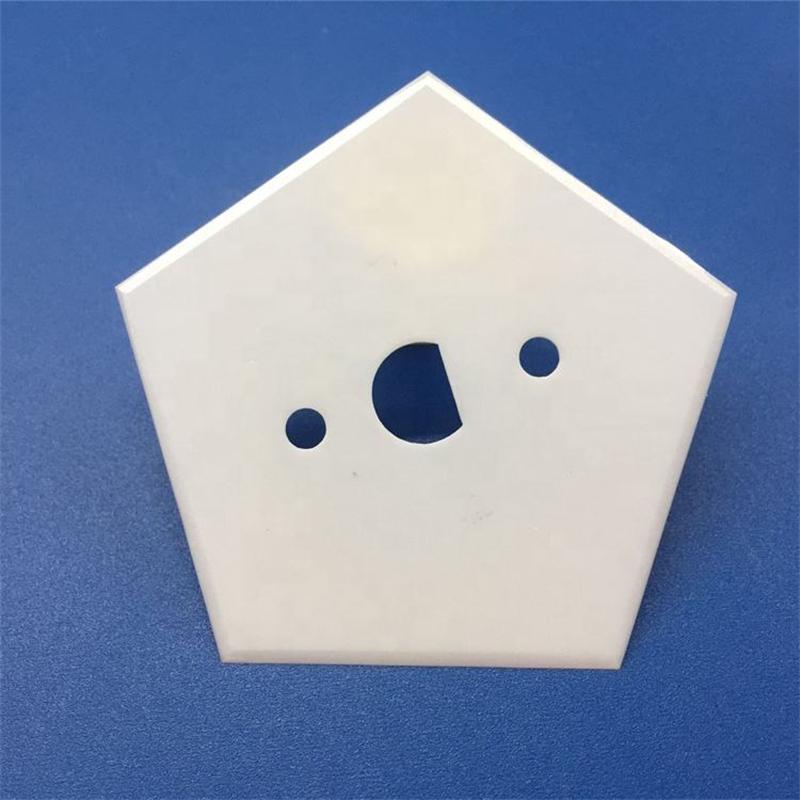
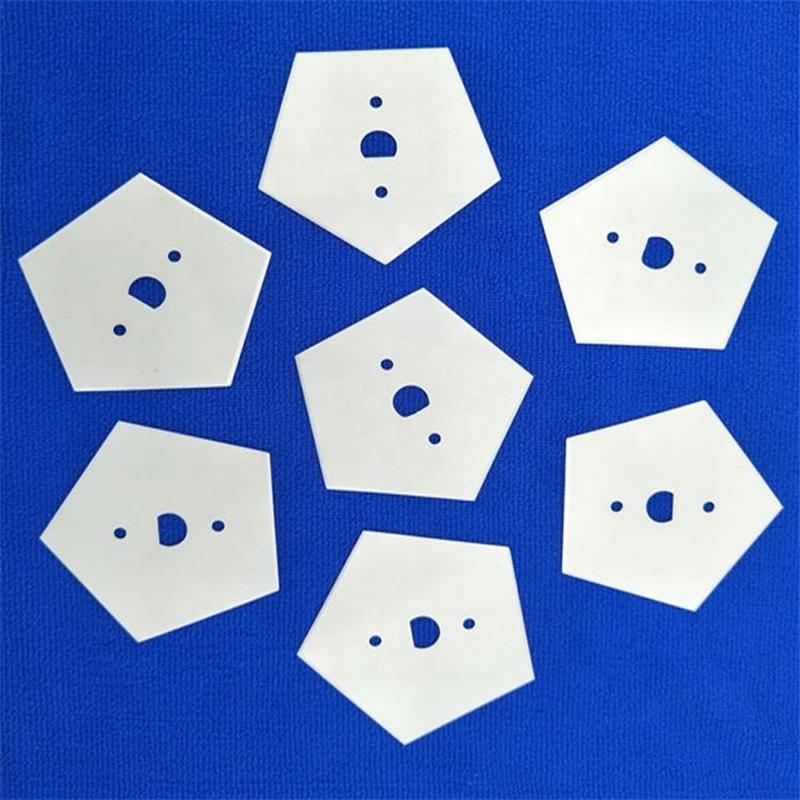
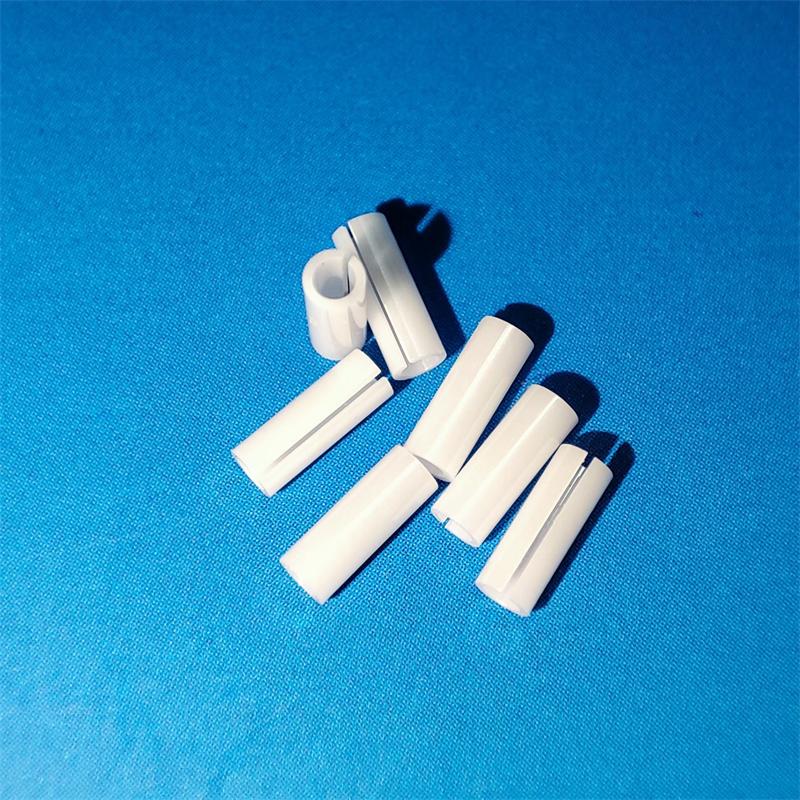
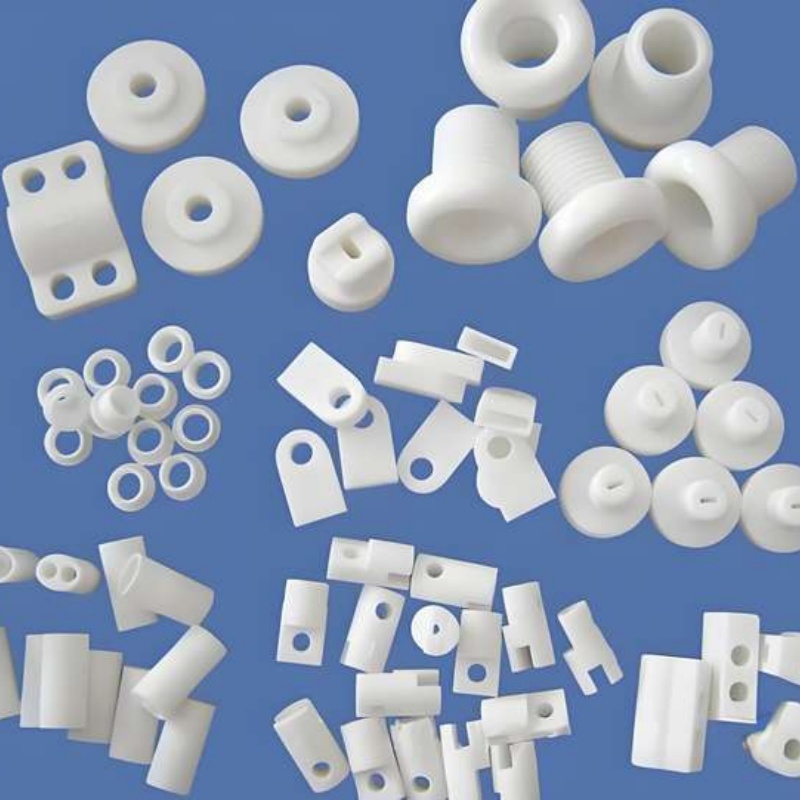
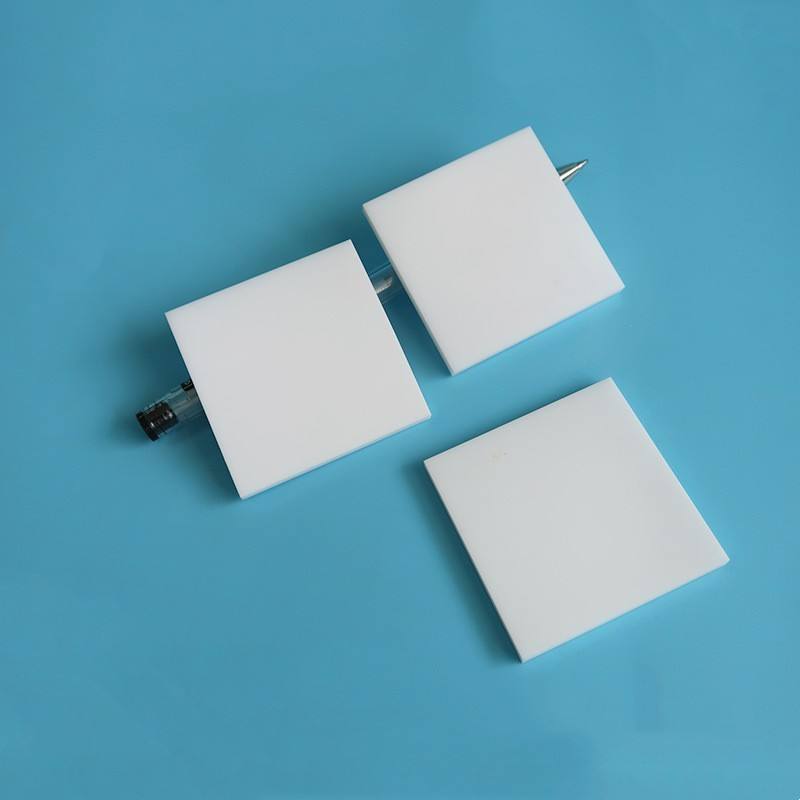
Standard shapes include rectangular plates and blocks, cylindrical rods and bars, discs and washers, tubes and pipes, as well as custom near-net shapes.
Typical dimensional ranges are as follows. Plates vary from 10 mm × 10 mm up to 200 mm × 200 mm or larger, with thicknesses ranging from 0.5 mm to 50 mm. Rods and bars are available in diameters from 1 mm to over 100 mm, with lengths commonly up to 300 mm. Tubes have outer diameters from 2 mm to 150 mm, with wall thicknesses from 0.5 mm to 10 mm and lengths typically up to 200 mm.
Important Selection Factors
When selecting a zirconia grade for a specific application, several critical factors must be evaluated.
Required fracture toughness is the primary consideration. Does the application involve impact, cyclic loading, or thermal shock? Higher toughness grades such as 10Ce-TZP or ATZ may be warranted for severe conditions.
Environmental exposure must be assessed. Will the component operate in humid, aqueous, or high-temperature conditions? Is low-temperature degradation a concern? For moisture-prone environments, Ce-TZP or ATZ offer superior stability compared to standard Y-TZP.
Strength requirements present a trade-off. Some high-toughness grades sacrifice strength; the design must prioritize either toughness or load-bearing capacity. 3Y-TZP offers a favorable balance for most structural applications.
Processing route influences material selection. Is the component to be machined from a pre-sintered blank, or manufactured via near-net-shape pressing? This affects the achievable microstructure and final properties.
Cost constraints are always a factor. Y-TZP is generally more cost-effective than Ce-TZP, but if long-term moisture stability is critical, the premium may be justified.
Typical Industries
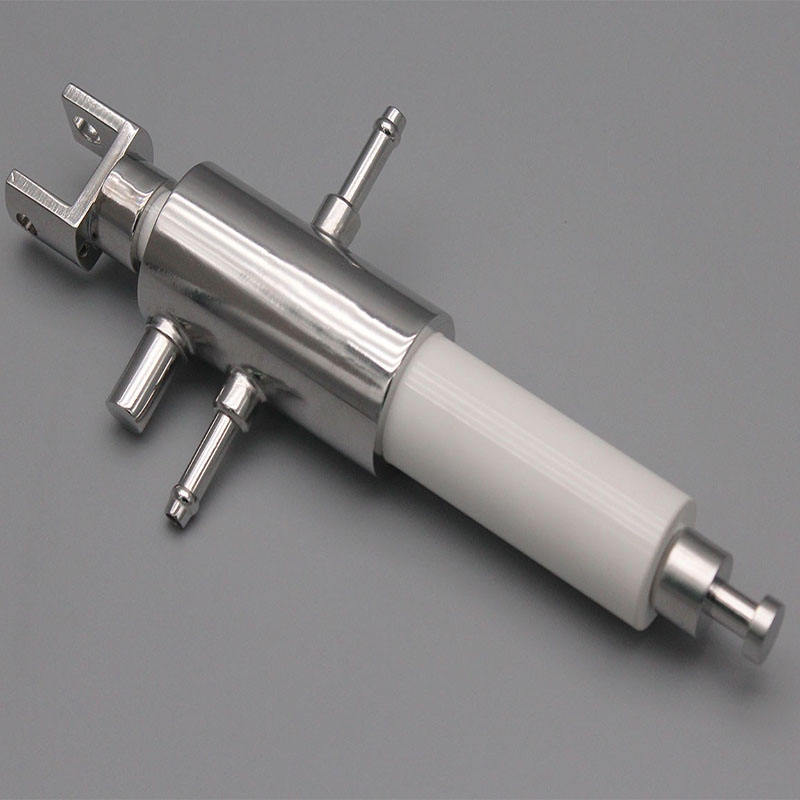
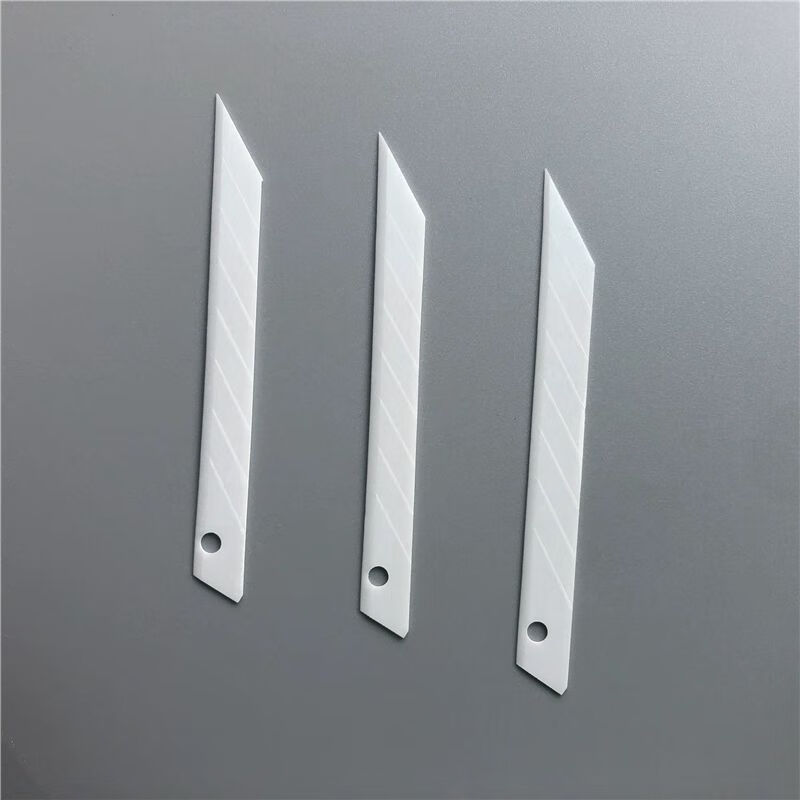
High-toughness zirconia serves a broad range of industries. In the biomedical and dental sector, it is used for implants, crowns, and abutments. Aerospace and defense applications include thermal barriers and armor systems. The automotive industry relies on zirconia for sensors, wear components, and fuel cell components. Chemical processing employs it for valves, pumps, and seals. Electronics and semiconductor manufacturing use zirconia for precision tooling and components. Precision mechanical engineering benefits from zirconia bearings and cutting tools.
Limitations and Challenges
Despite its exceptional toughness, zirconia is not without limitations.
1. Low-Temperature Degradation (LTD)
Y-TZP ceramics gradually degrade in humid environments at temperatures of 100–300°C due to spontaneous tetragonal-to-monoclinic transformation on grain surfaces. This can lead to surface roughening, microcracking, and loss of mechanical properties . Ce-TZP and ATZ offer improved resistance.
2. Strength–Toughness Trade-off
While high toughness is desirable, it often comes at the expense of strength. The most transformable grades (highest toughness) tend to have lower fracture strength because the tetragonal phase is less stable and can transform prematurely under applied stress.
3. Processing Sensitivity
The mechanical properties of zirconia are highly sensitive to processing parameters—including sintering temperature, cooling rate, and grain size. Achieving consistent, high-quality components requires tight process control.
4. Cost
Zirconia is significantly more expensive than alumina or silicon carbide due to raw material costs and the need for precise processing. The cost differential can be a deciding factor in high-volume or cost-sensitive applications.
Frequently Asked Questions
What is the fracture toughness of zirconia ceramics?
Fracture toughness values vary by composition: 3Y-TZP typically exhibits 6–10 MPa·m¹/², while 10Ce-TZP can reach 19 MPa·m¹/². Advanced Y-TZP formulations have achieved >20 MPa·m¹/², comparable to some metals .
How does transformation toughening work in zirconia?
When a crack propagates, the stress field at the crack tip triggers a phase transformation from the metastable tetragonal to monoclinic phase. This transformation involves a 4% volume expansion, creating compressive stresses that shield the crack tip and absorb fracture energy .
What is the difference between Y-TZP and Ce-TZP toughness?
Y-TZP (3Y) offers toughness of 6–10 MPa·m¹/² with high strength but is susceptible to low-temperature degradation. Ce-TZP offers higher toughness (10–19 MPa·m¹/²) with superior hydrothermal stability, though often with lower strength. Co-doping strategies are bridging this gap .
Can zirconia ceramics be toughened further with additives?
Yes. Alumina additions (ATZ), SiC whiskers, and metallic particles can enhance toughening through dispersion toughening, crack deflection, and residual stress effects. SiO₂ additives in ATZ can even induce room-temperature plasticity .
What industries use high-toughness zirconia?
Biomedical (dental implants, hip prostheses), aerospace (thermal barrier coatings), automotive (sensors, bearings), chemical processing (pumps, valves), and precision engineering (cutting tools, wear components).
Is zirconia tougher than alumina?
Yes. Alumina exhibits fracture toughness of only 3–5 MPa·m¹/², while zirconia typically achieves 8–20 MPa·m¹/²—a significant advantage for applications requiring impact and crack resistance .
What is low-temperature degradation (LTD) in zirconia?
LTD is a time-dependent, moisture-driven phase transformation that occurs in Y-TZP at 100–300°C, causing surface roughening, microcracking, and property loss. Ce-TZP and ATZ offer much better resistance .
What does the “3 mol%” in 3Y-TZP mean?
It refers to 3 mol% yttria (Y₂O₃) added to stabilize the tetragonal phase. This composition balances strength, toughness, and transformability. 2Y-TZP offers higher toughness but lower stability; 4Y-TZP offers higher stability but lower transformability .
The high toughness of zirconia ceramics is a remarkable example of how microstructural engineering can overcome the fundamental brittleness of ceramic materials. By leveraging the stress-induced tetragonal-to-monoclinic phase transformation, zirconia achieves fracture toughness values that approach those of metallic materials—a feat unmatched by other advanced ceramics.
For engineers and materials professionals, understanding the interplay between stabilizer choice, microstructure, and processing is essential for selecting the right zirconia grade for each application. Whether designing components for biomedical implants, demanding mechanical systems, or extreme environments, zirconia offers a unique combination of toughness, strength, and durability that continues to expand the boundaries of ceramic engineering.
As research into novel stabilizer systems, composite architectures, and processing techniques progresses, the toughness and reliability of zirconia are likely to improve further—cementing its position as one of the most versatile advanced ceramics available.