Engineering with Planar Irregular-Shaped Silicon Carbide Ceramic Sheets
Understanding Planar Irregular-Shaped Silicon Carbide Ceramic Sheets
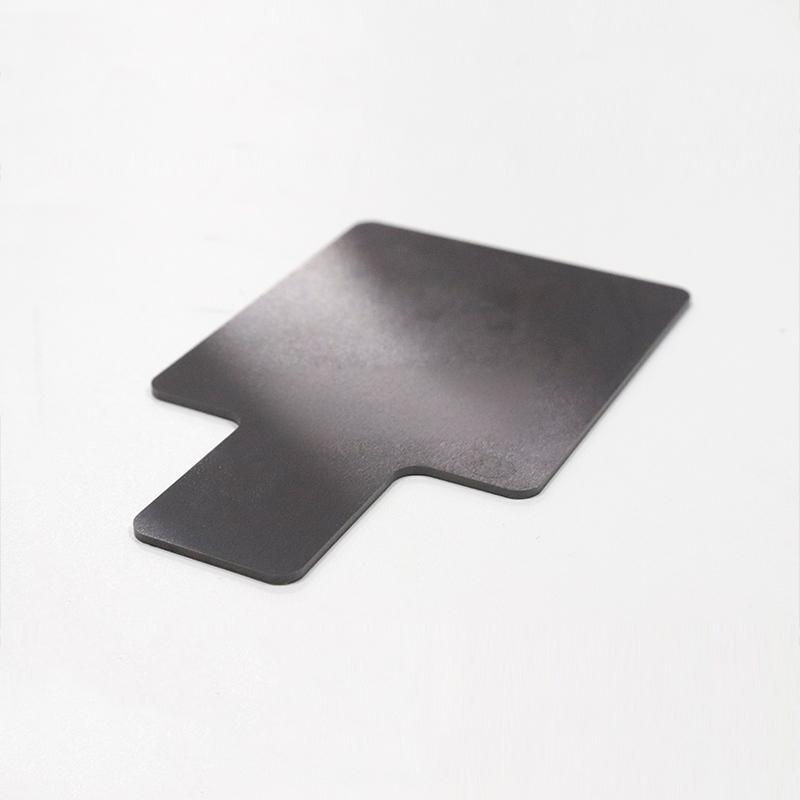
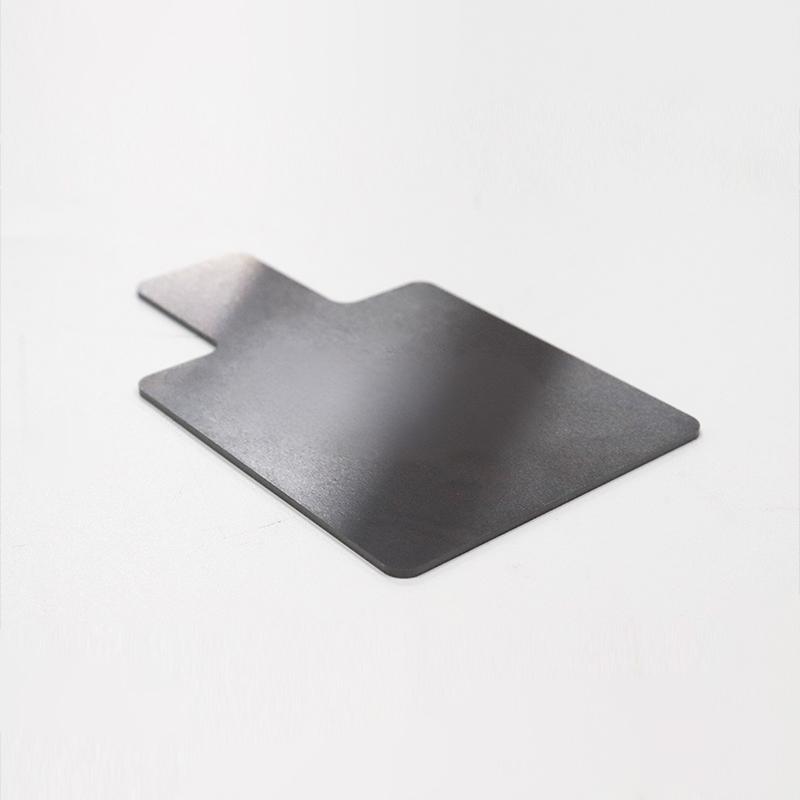
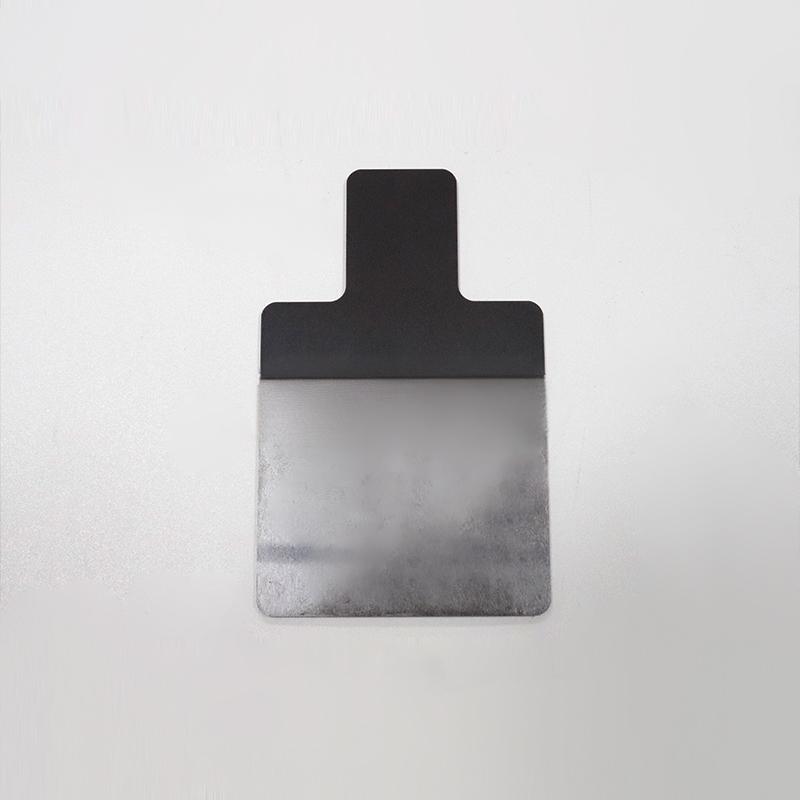
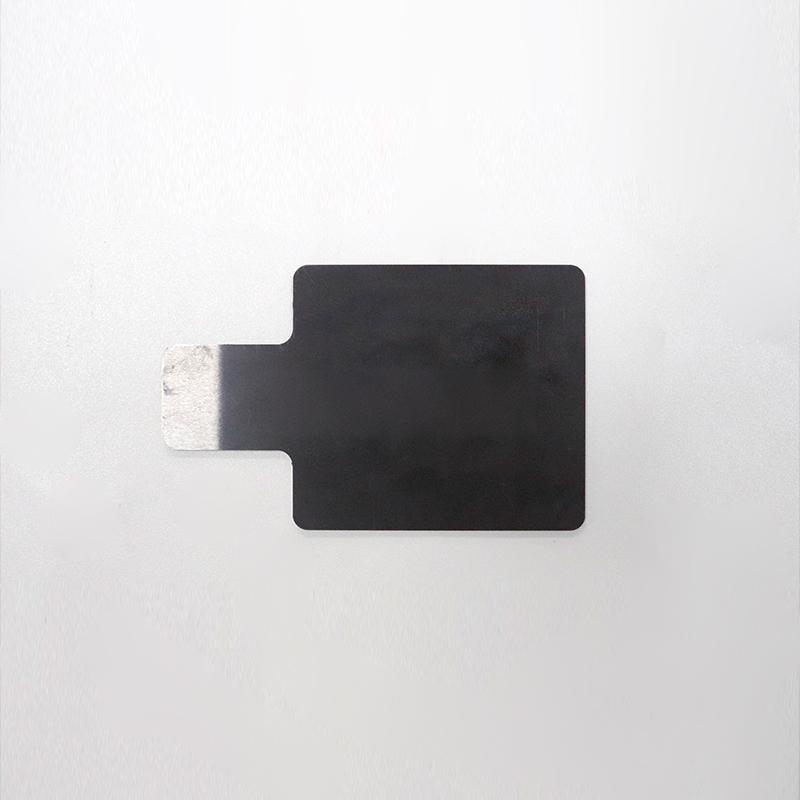
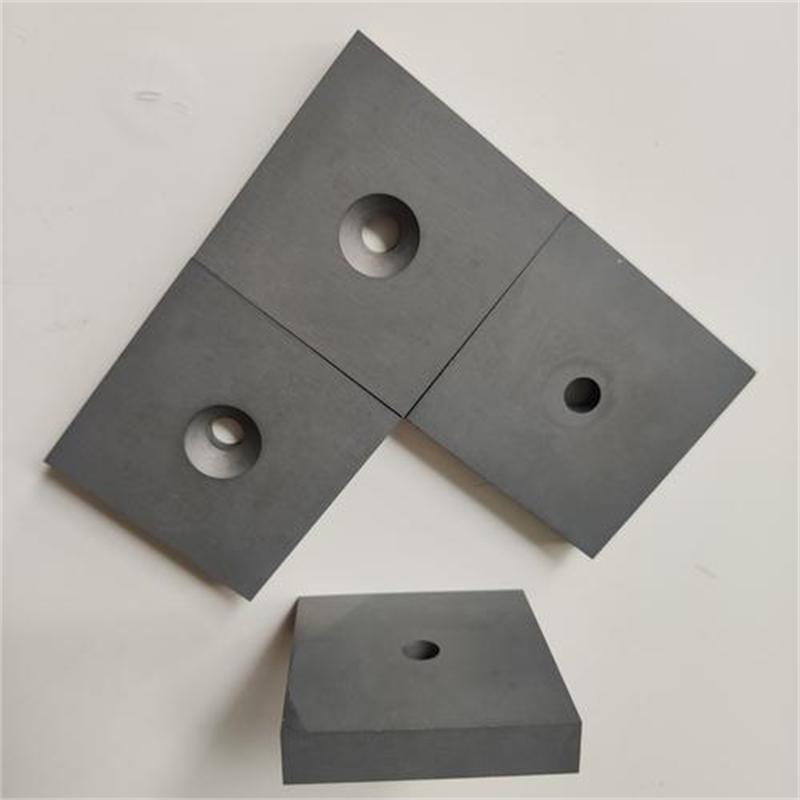
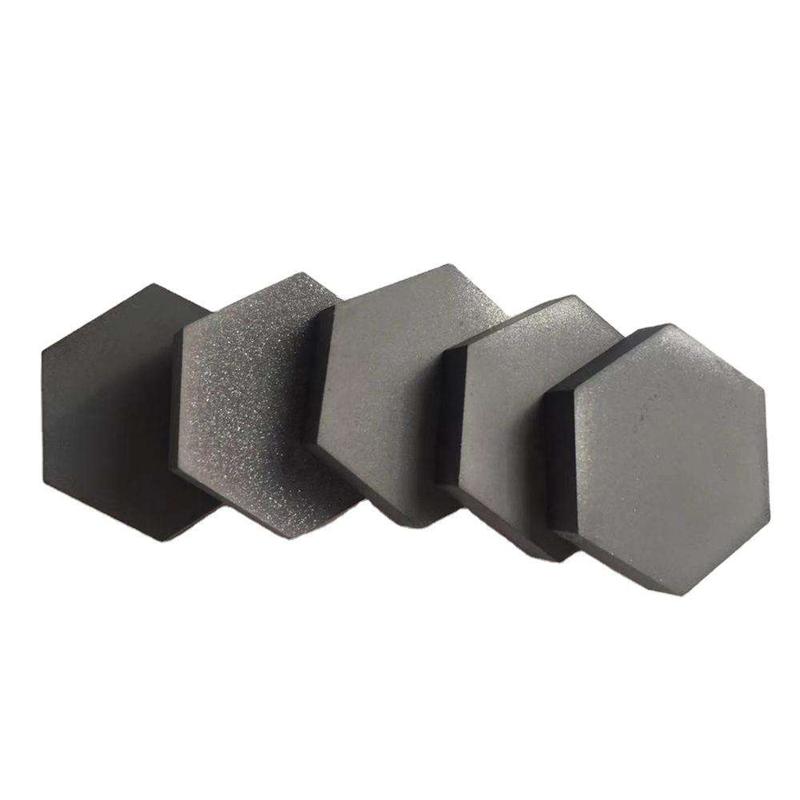
Planar irregular-shaped silicon carbide (SiC) ceramic sheets are specialized structural components designed to withstand extreme environments where standard geometries are insufficient. Unlike simple tiles or plates, these sheets are engineered into specific, non-standard contours to fit complex machinery or process equipment. The defining characteristic of these components is the combination of silicon carbide’s intrinsic material excellence—exceptional hardness, high thermal conductivity, and chemical inertness—with a geometry that maximizes surface coverage in irregular spaces. For engineers and designers, selecting these components is often a solution to challenges involving abrasive wear, corrosive chemical exposure, or high-temperature thermal management in non-linear equipment layouts.
Material Composition and Processing
Silicon carbide is a covalently bonded ceramic composed of silicon and carbon. To create planar sheets, particularly those with irregular shapes, the manufacturing process typically involves pressing SiC powder into a green body, followed by sintering. Two common forms are reaction-bonded silicon carbide (RBSC or SiSiC) and sintered silicon carbide (SSiC).
RBSC is often preferred for large or complex irregular sheets because it offers near-net-shape capability with minimal shrinkage during processing, reducing the risk of distortion in thin, planar geometries. SSiC, while offering higher purity and better corrosion resistance, requires significant shrinkage during sintering, making the production of large, irregular, flat sheets more challenging and costly due to the need for extensive diamond grinding to achieve flatness.
Key Performance Characteristics
The utility of SiC sheets lies in their robust physical properties.
Extreme Hardness and Wear Resistance: With a Mohs hardness of roughly 9 to 9.5, SiC is one of the hardest materials available. This makes irregular sheets ideal for lining chutes, hoppers, or cyclones where abrasive materials slide across complex surfaces.
Thermal Conductivity: SiC exhibits high thermal conductivity (ranging from 80 to over 120 W/m·K depending on the grade). In applications involving rapid heating or cooling, these sheets dissipate heat efficiently, preventing localized hot spots that could damage underlying structures.
Chemical Stability: Silicon carbide is highly resistant to acids, alkalis, and molten salts. This chemical inertness ensures that irregular sheets used in chemical processing vessels maintain their structural integrity even when exposed to aggressive media.
Low Thermal Expansion: The low coefficient of thermal expansion contributes to excellent dimensional stability, ensuring that the irregular sheet maintains its fit and tolerance even under thermal cycling.
Common Applications
The “irregular” nature of these sheets dictates their application in specialized industrial sectors:
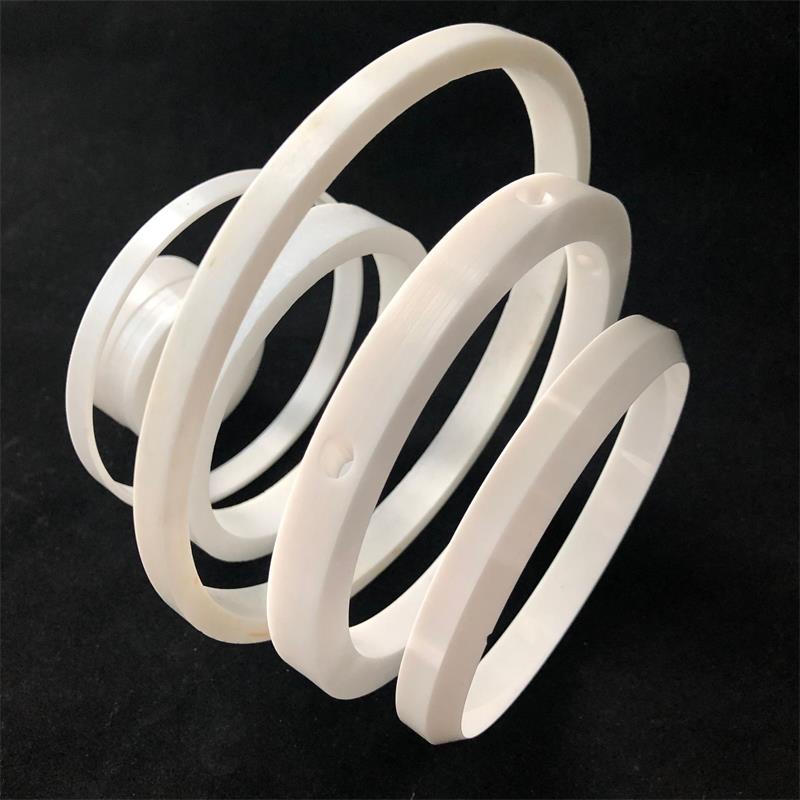
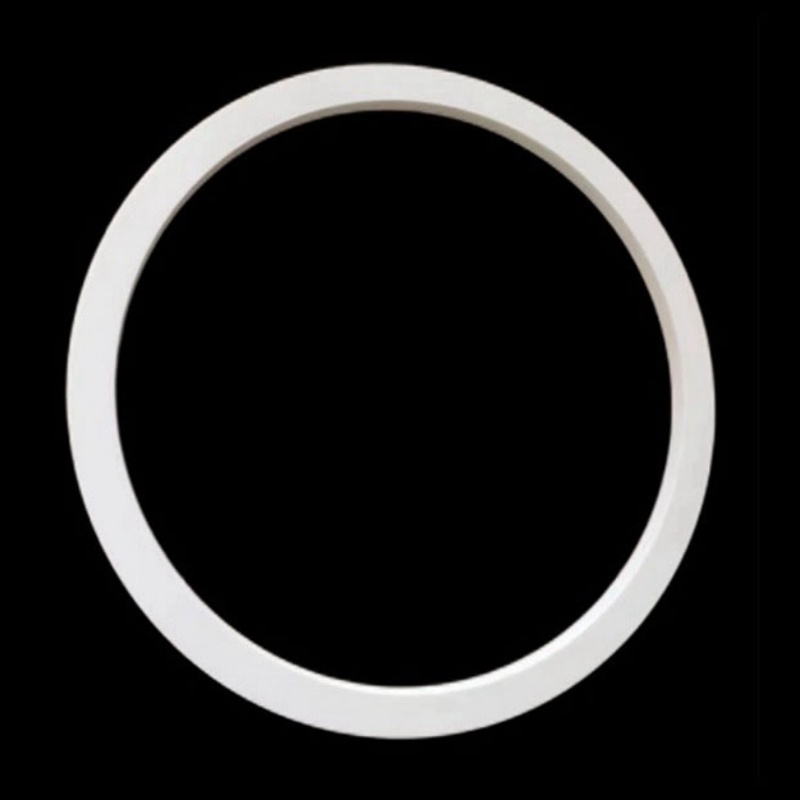
Semiconductor Manufacturing: In wafer fabrication, irregular SiC sheets are used as focus rings or edge rings in plasma etching chambers. Their ability to withstand plasma erosion and their specific geometric fit are critical for process uniformity.
Mineral Processing: Custom-cut SiC sheets line the interior of hydrocyclones and separators. The irregular shapes conform to the curved or angled walls of the equipment, providing a seamless wear-resistant barrier.
Thermal Management: In high-power electronics, SiC sheets with specific cutouts or shapes serve as heat spreaders or substrates, utilizing the material’s high thermal conductivity to manage heat in compact, non-rectangular footprints.
Advantages and Limitations
While silicon carbide offers superior performance, it has limitations that must be considered during the design phase.
Advantages: The primary benefit is longevity in harsh environments. Replacing metal or alumina parts with SiC sheets often results in extended maintenance intervals. Additionally, its low density (approx. 3.1 g/cm³) offers weight savings compared to many metallic alternatives.
Limitations: The most significant constraint is brittleness. SiC has low fracture toughness compared to metals. While irregular shapes are possible, sharp internal corners should be avoided to prevent stress concentration and cracking. Furthermore, machining sintered SiC into complex irregular shapes after firing is difficult and expensive; therefore, design for manufacturing (DFM) is crucial.
Material Selection Considerations
When choosing between SiC and other ceramics for planar sheets:
Vs. Alumina: Alumina is cheaper and easier to machine but lacks the thermal conductivity and extreme wear resistance of SiC. Choose SiC when thermal shock or extreme abrasion is a factor.
Vs. Zirconia: Zirconia offers higher toughness but lower thermal conductivity and hardness. SiC is preferred for high-temperature or high-wear applications, while Zirconia might be chosen for impact resistance.
FAQ
What is the maximum operating temperature for SiC sheets?
Silicon carbide can generally withstand operating temperatures up to 1600°C in inert atmospheres. However, in oxidizing environments, a protective silica layer forms, limiting continuous use to approximately 1400°C–1500°C depending on the specific grade.
Can irregular-shaped SiC sheets be machined after sintering?
Yes, but it is difficult and costly. Because SiC is extremely hard, it requires diamond grinding tools. It is more cost-effective to press the irregular shape as close to the final dimensions as possible (green machining) before sintering.
Is silicon carbide electrically conductive?
Pure sintered SiC is a semiconductor, while reaction-bonded SiC (containing free silicon) is more conductive. If electrical insulation is required, alumina or aluminum nitride sheets should be considered instead.
How does reaction-bonded SiC differ from sintered SiC for these sheets?
Reaction-bonded SiC (RBSC) contains free silicon, making it easier to manufacture in complex, irregular shapes with high dimensional accuracy. Sintered SiC (SSiC) is purer and offers better corrosion resistance but is harder to form into large, complex sheets without distortion.
Are these sheets resistant to thermal shock?
Yes, SiC has excellent thermal shock resistance due to its combination of high thermal conductivity and low thermal expansion. It can withstand rapid temperature changes better than most other oxide ceramics like alumina.