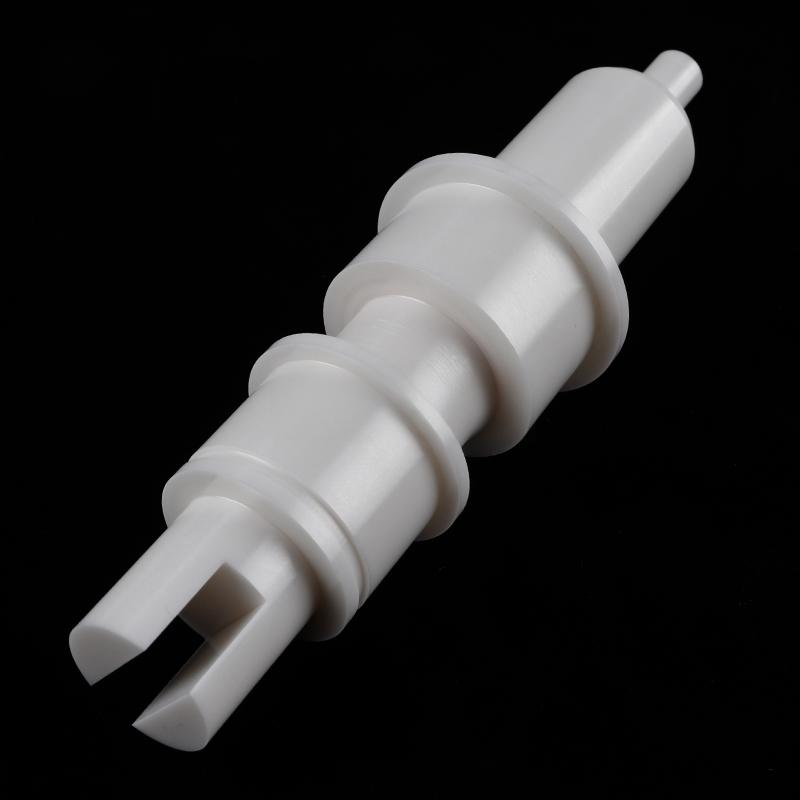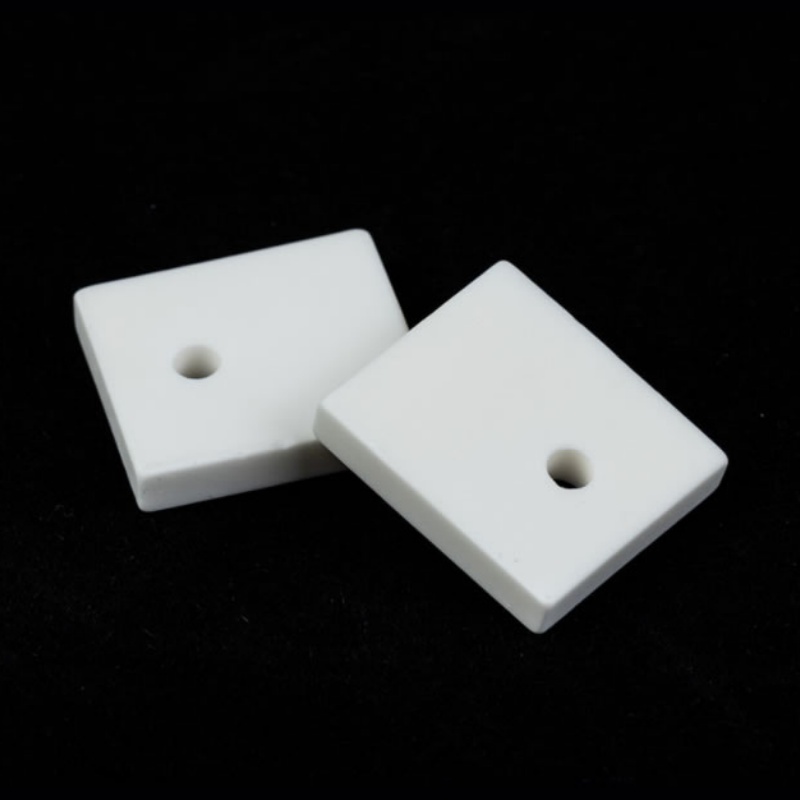
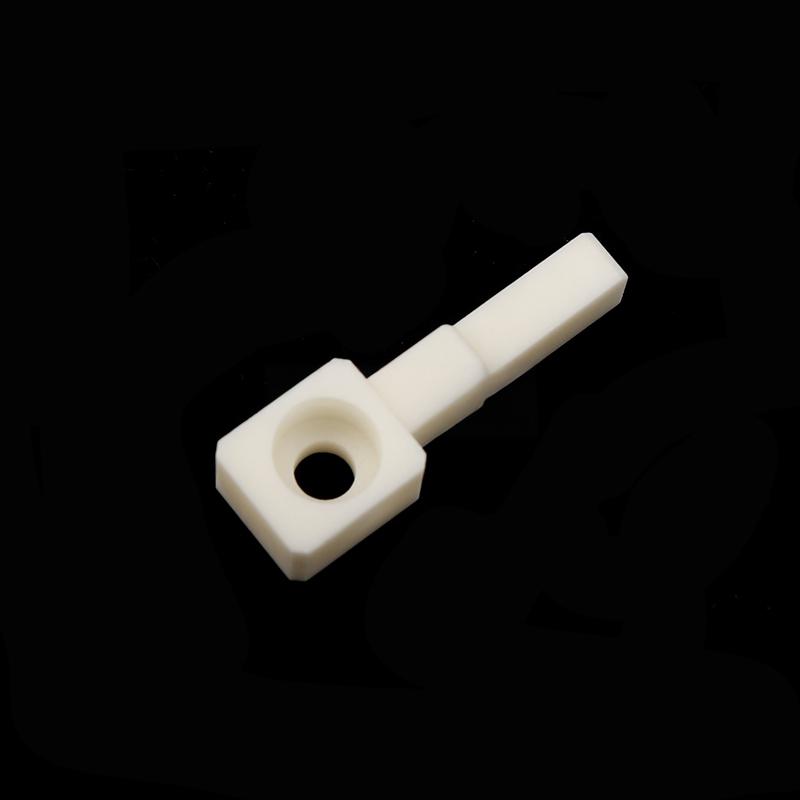
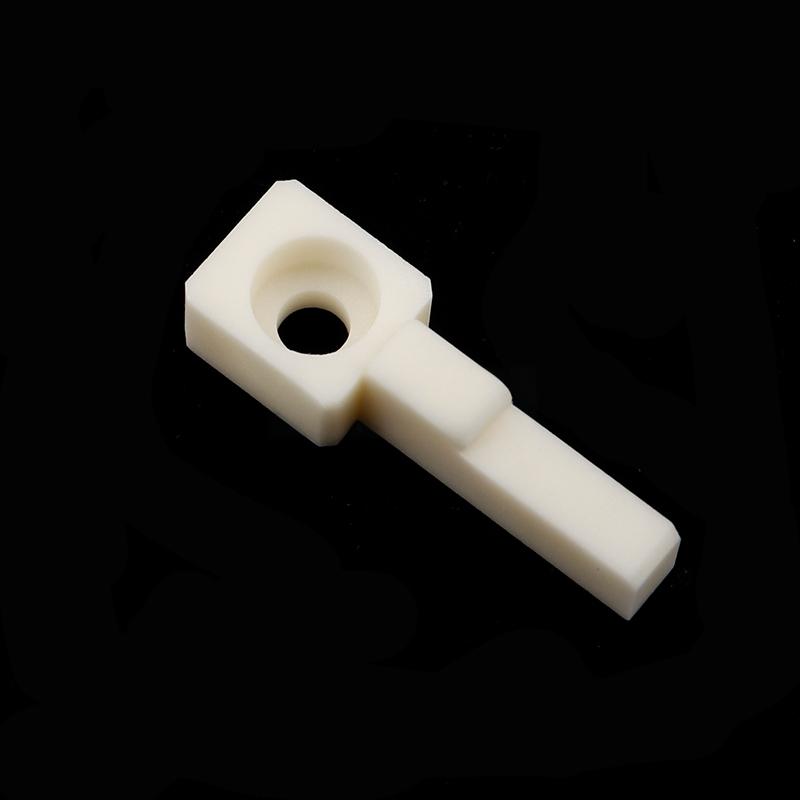
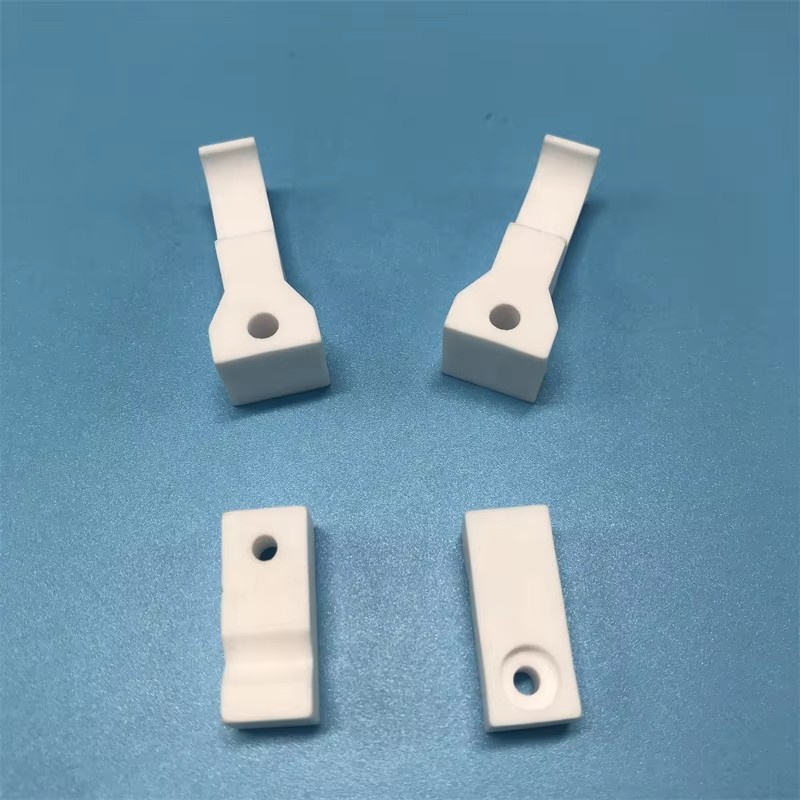
Engineering Rectangular Perforated Alumina Ceramic Structural Components
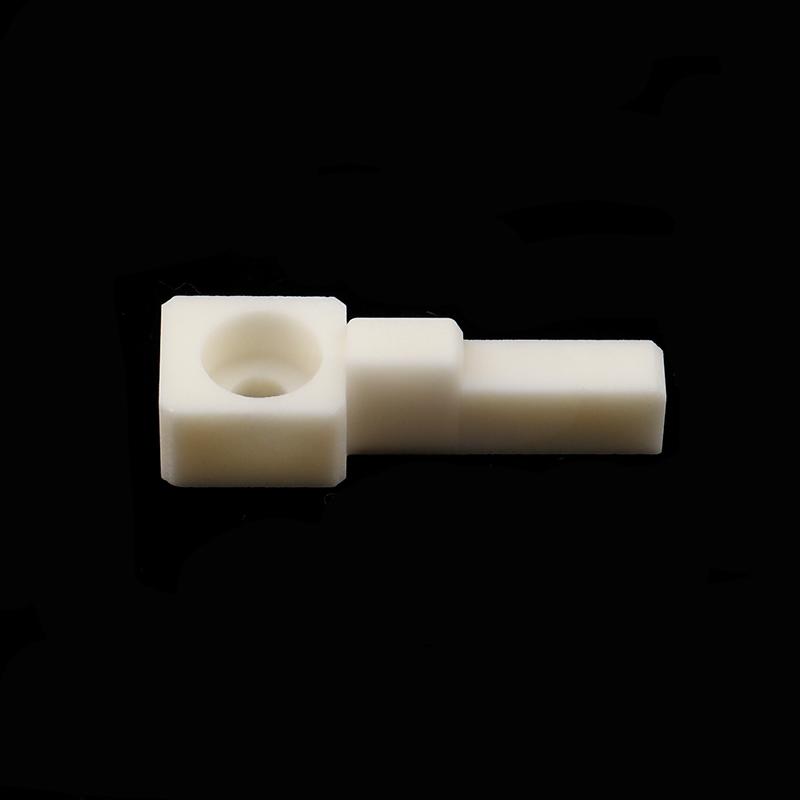
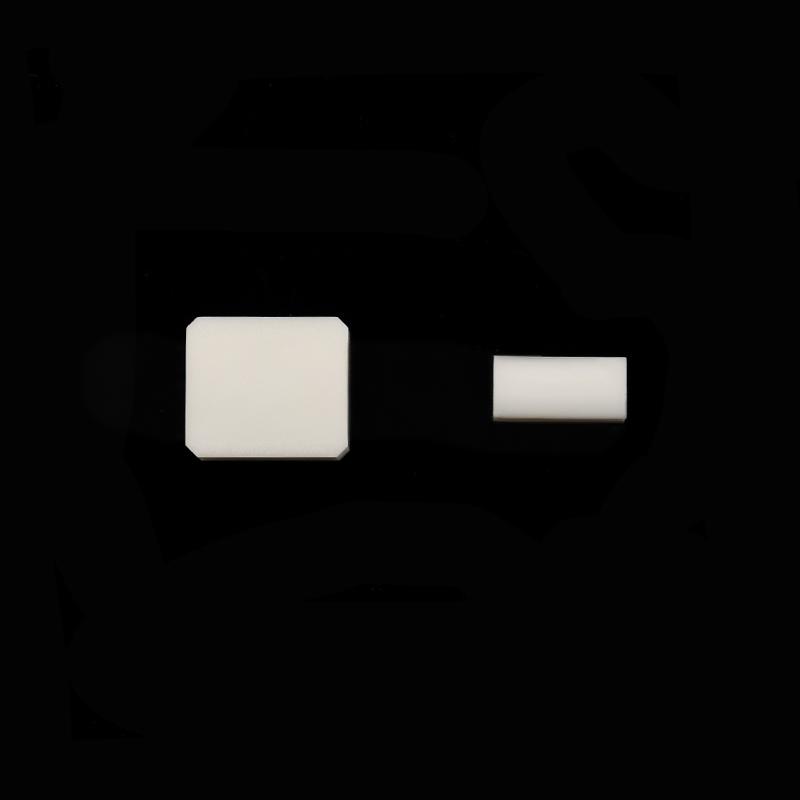
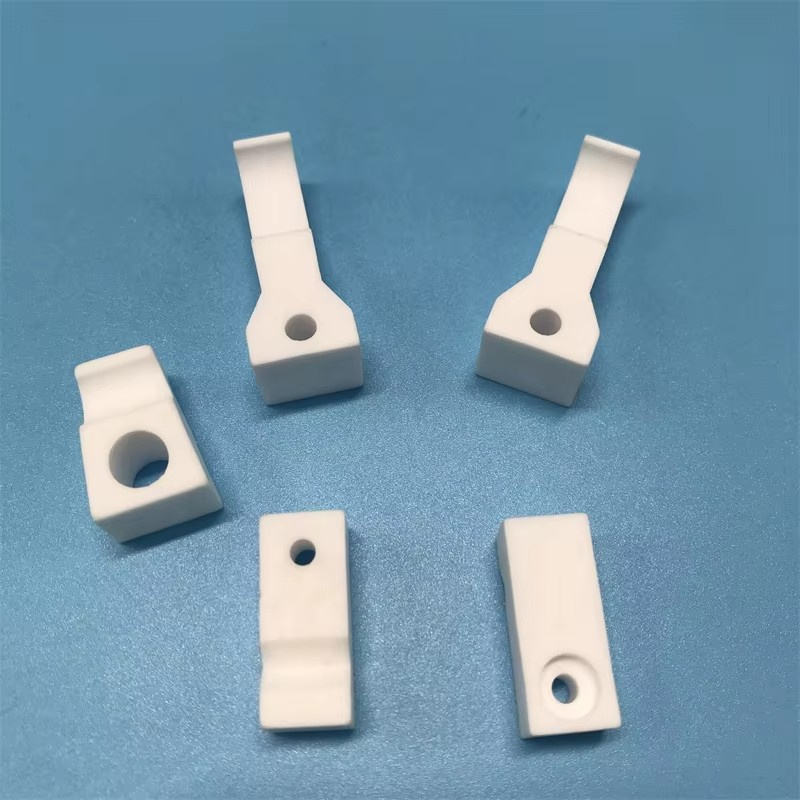
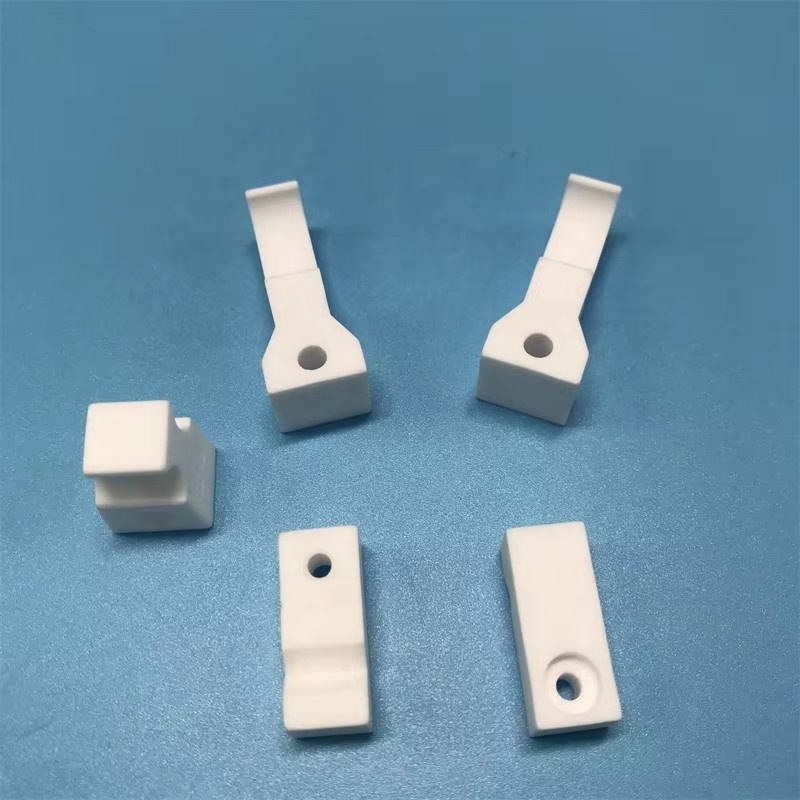
Rectangular perforated alumina ceramic structural component is a precision-engineered part made primarily from aluminum oxide, designed to provide mechanical support, electrical insulation, and environmental resistance in systems that require controlled airflow, fluid passage, optical access, or mounting interfaces. The rectangular geometry makes it easier to integrate into frames, chambers, manifolds, and machine assemblies, while perforations allow the component to perform additional functions beyond simple load-bearing or shielding.
Alumina ceramics are widely used because they combine high hardness, good compressive strength, strong electrical insulation, and excellent chemical stability. In a perforated structural form, these properties remain relevant, but the presence of holes changes how the part behaves under mechanical and thermal loads. Engineers should therefore treat perforated alumina components not only as insulators or wear parts, but as functional structures whose strength depends on hole size, hole spacing, edge distance, wall thickness, and overall geometry.
Material composition and typical grades
Alumina structural components are commonly produced in purity grades such as 95%, 96%, 99%, and 99.5% alumina. Higher-purity alumina generally offers better electrical insulation, higher thermal stability, and improved chemical resistance, while slightly lower-purity grades may provide better processability or cost efficiency for less demanding applications.
For perforated rectangular components, 95–96% alumina is often selected for mechanical fixtures, wear plates, and general-purpose insulating structures. Higher-purity grades such as 99% or 99.5% alumina are more suitable when electrical performance, high-temperature stability, or exposure to aggressive chemical environments is critical. The final choice depends on operating temperature, voltage requirements, mechanical stress, and the expected service environment.
Key performance characteristics
Mechanical behavior
Alumina has high hardness and good wear resistance, making it suitable for components that contact abrasive media, powders, or moving parts. However, alumina is a brittle ceramic. Perforations create stress concentration points, especially near hole edges and corners. Rectangular components with closely spaced holes or thin webs between perforations may be more sensitive to bending, impact, or uneven clamping. Proper edge distance and uniform hole distribution are important for maintaining structural integrity.
Electrical insulation
Alumina is an excellent electrical insulator across a wide frequency range. Rectangular perforated alumina components are therefore suitable for electrical isolation plates, sensor mounts, heating element supports, and insulating brackets where some gas or liquid passage is required. The perforations do not reduce the intrinsic dielectric strength of the ceramic, but they can change creepage and clearance paths in high-voltage designs.
Thermal properties
Alumina retains its mechanical properties at elevated temperatures and offers good thermal stability. It is commonly used in high-temperature fixtures, furnace components, and thermal shielding structures. However, alumina has limited thermal shock resistance compared with some other ceramics. Rapid temperature changes across a perforated plate can generate uneven expansion, especially if one side is heated or cooled more quickly than the other.
Chemical and wear resistance
Alumina is highly resistant to many acids, alkalis, and organic solvents, though it is not universally inert. Strong hydrofluoric acid and some hot concentrated alkalis can attack alumina. In industrial environments involving powders, slurries, or high-velocity gas flow, perforated alumina plates can provide durable flow control while resisting abrasion better than many metals or polymers.
Typical specifications and design considerations
Rectangular perforated alumina components can vary widely in size and configuration. Common design parameters include:
Plate thickness from a few millimeters to tens of millimeters
Hole diameters from sub-millimeter to several millimeters
Hole patterns such as round, square, staggered, or custom arrays
Surface finishes ranging from as-sintered to ground or polished
Tolerance levels depending on whether the part serves as a fixture, insulator, or flow component
Because alumina is difficult to machine after sintering, perforations are often formed before or during sintering, or produced by precision grinding, laser drilling, or ultrasonic machining. The chosen method affects edge quality, dimensional accuracy, and cost. Sharp corners should be avoided where possible, and hole edges should be free of microcracks to reduce the risk of fracture.
Common applications
Rectangular perforated alumina components are used where mechanical structure, insulation, and controlled opening are required together. Typical applications include:
High-temperature fixtures: Supporting heaters, sensors, or thermocouples while allowing gas circulation.
Electrical insulating plates: Isolating conductive parts in equipment where ventilation or wiring access is needed.
Flow distribution plates: Guiding gas or liquid flow in laboratory, analytical, or process equipment.
Wear-resistant guides: Acting as abrasion-resistant plates with openings for material passage.
Semiconductor and vacuum equipment components: Providing clean, stable, and insulating structural support in controlled environments.
Optical or inspection windows with mounting holes: Allowing alignment, fixation, or limited transmission depending on thickness and surface finish.

Advantages
High hardness and good wear resistance
Excellent electrical insulation and low dielectric loss
Good chemical stability in many industrial environments
High-temperature capability and dimensional stability
Suitable for precision structural and functional designs
Limitations
Brittle with low fracture toughness
Sensitive to impact, bending, and uneven clamping
Perforations increase stress concentration
Limited thermal shock resistance compared with some advanced ceramics
Machining and finishing are more difficult than for metals
Not suitable for highly reducing atmospheres or hydrofluoric acid environments
When to choose alumina, and when to consider alternatives
Alumina is a strong choice when the application requires electrical insulation, moderate to high temperature resistance, chemical stability, and reasonable cost among engineering ceramics. Rectangular perforated alumina components are especially suitable when the part must combine structural support with openings for flow, mounting, or inspection.
If higher fracture toughness is required, zirconia may be considered, particularly for impact-prone or high-stress applications. If extreme thermal shock resistance is needed, silicon nitride or certain composite ceramics may perform better. If very high thermal conductivity is required, aluminum nitride or beryllia-based materials may be more appropriate, though cost and safety considerations differ significantly. For highly corrosive chemical environments, material compatibility must be confirmed against the specific medium, temperature, and concentration.
Engineering precautions
Avoid concentrated mechanical loads near hole edges.
Use compliant mounting methods instead of rigid over-tightening.
Minimize sharp internal corners in perforation patterns.
Allow for thermal expansion when installing into metal frames.
Confirm hole tolerances and surface finish requirements early in design.
Evaluate electrical creepage distance if the component is used in high-voltage systems.
FAQ
What is a rectangular perforated alumina ceramic structural component used for?
It is used where a rigid, insulating, and chemically stable ceramic plate must also allow gas, liquid, light, or mechanical access through perforations. Common uses include high-temperature fixtures, electrical insulators, wear plates, and flow control components.
What are its main advantages?
The main advantages are high hardness, good wear resistance, excellent electrical insulation, strong chemical stability, and the ability to maintain performance at elevated temperatures.
What are its limitations?
Alumina is brittle and sensitive to impact, bending, and stress concentration. Perforations can reduce mechanical strength if hole spacing, edge distance, or plate thickness is not properly designed.
Is it suitable for high-temperature applications?
Yes, alumina generally performs well at high temperatures. However, rapid temperature changes should be avoided unless the design accounts for thermal shock risk.
Is it electrically insulating?
Yes, alumina is a well-established electrical insulating ceramic. In perforated designs, electrical clearance and creepage paths should be evaluated for high-voltage applications.
How does it compare with zirconia?
Alumina offers better electrical insulation and typically lower cost, while zirconia provides higher fracture toughness and impact resistance. Alumina is usually preferred for insulating and high-temperature structural roles, whereas zirconia is considered when mechanical toughness is more critical.