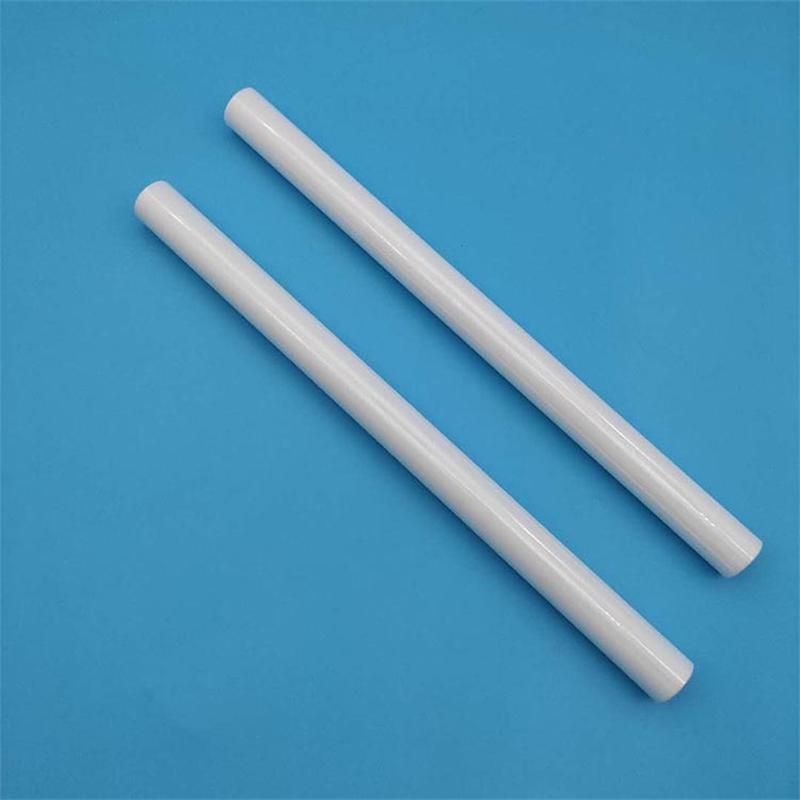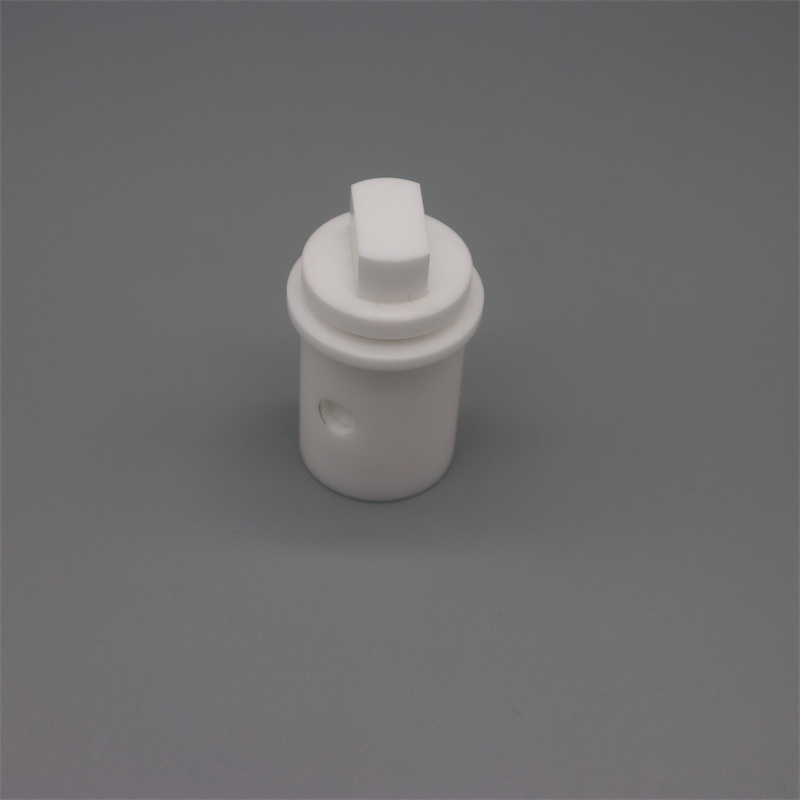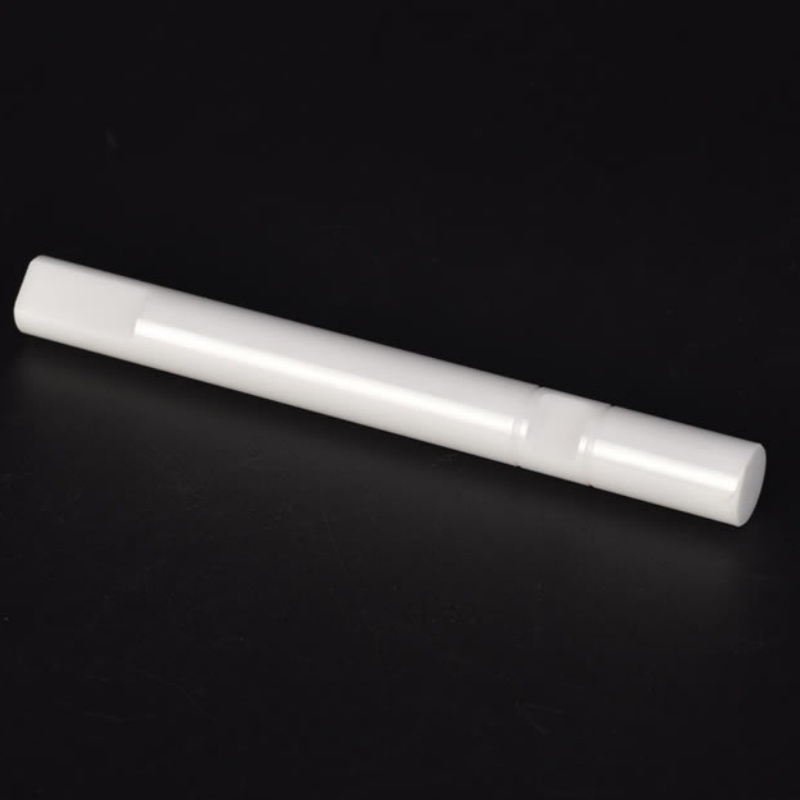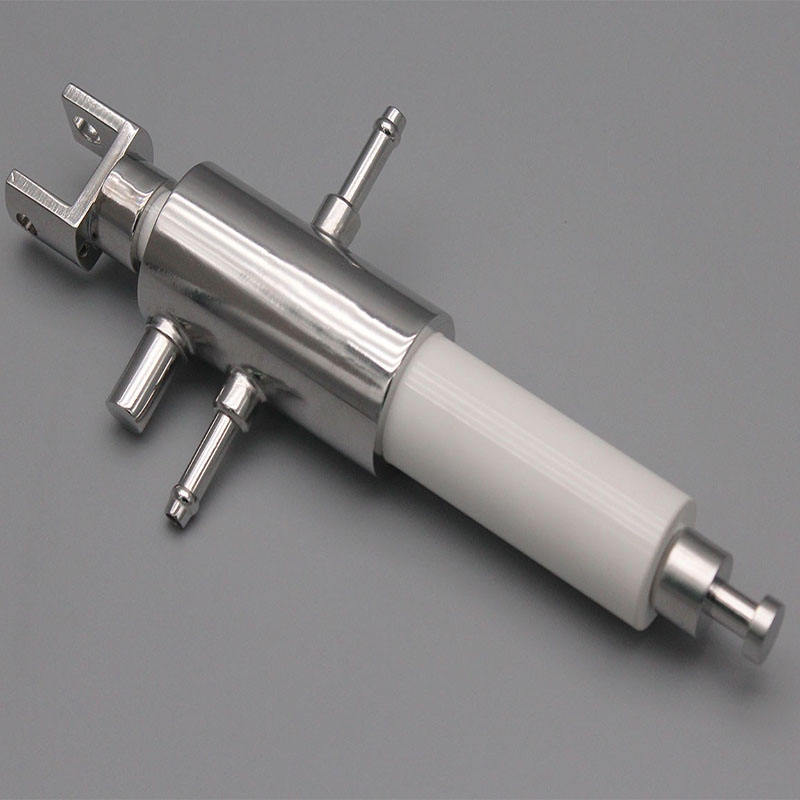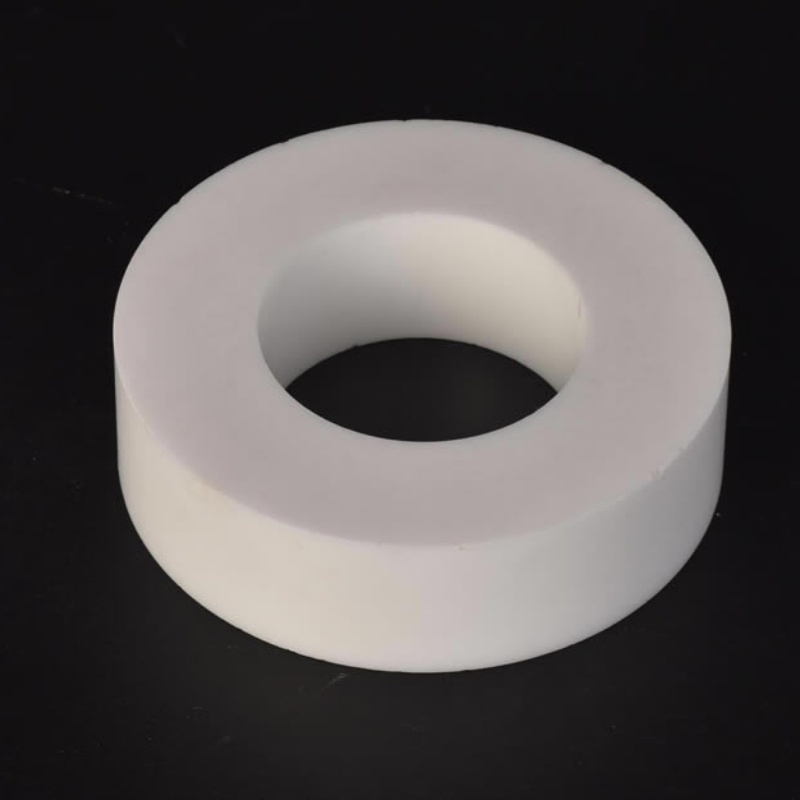
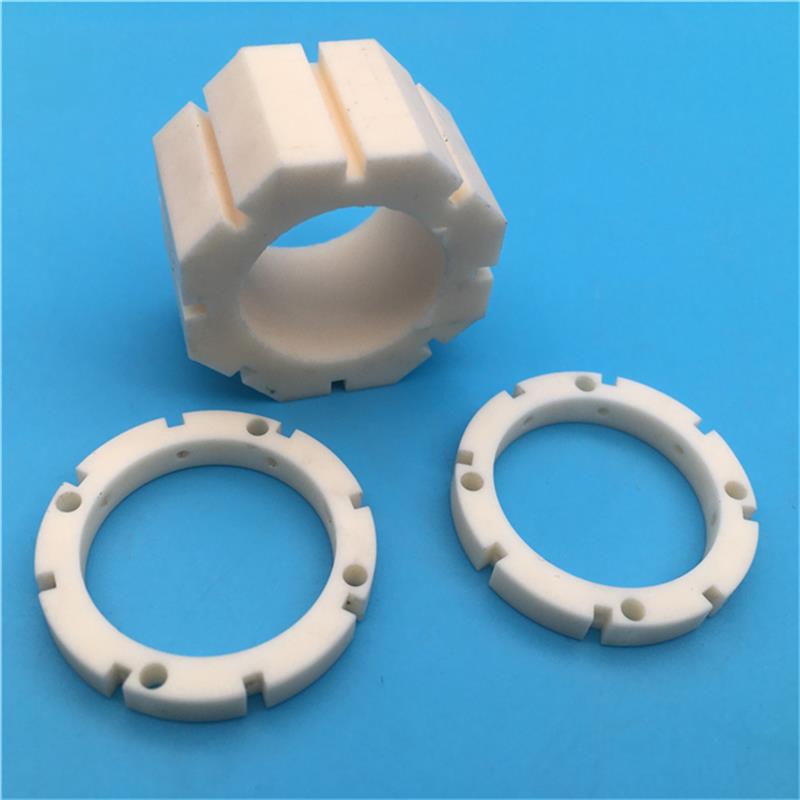
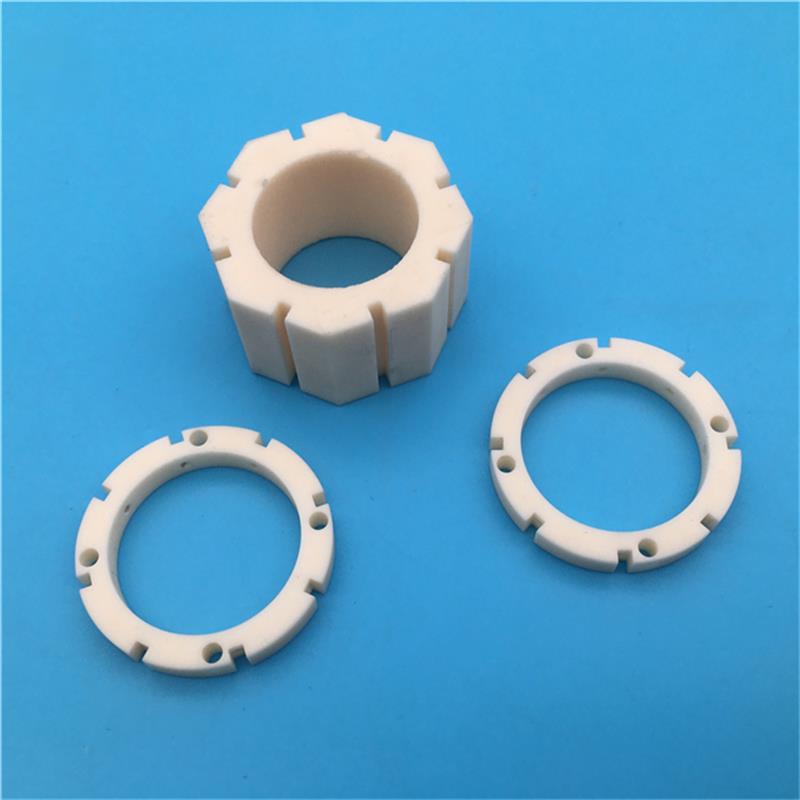
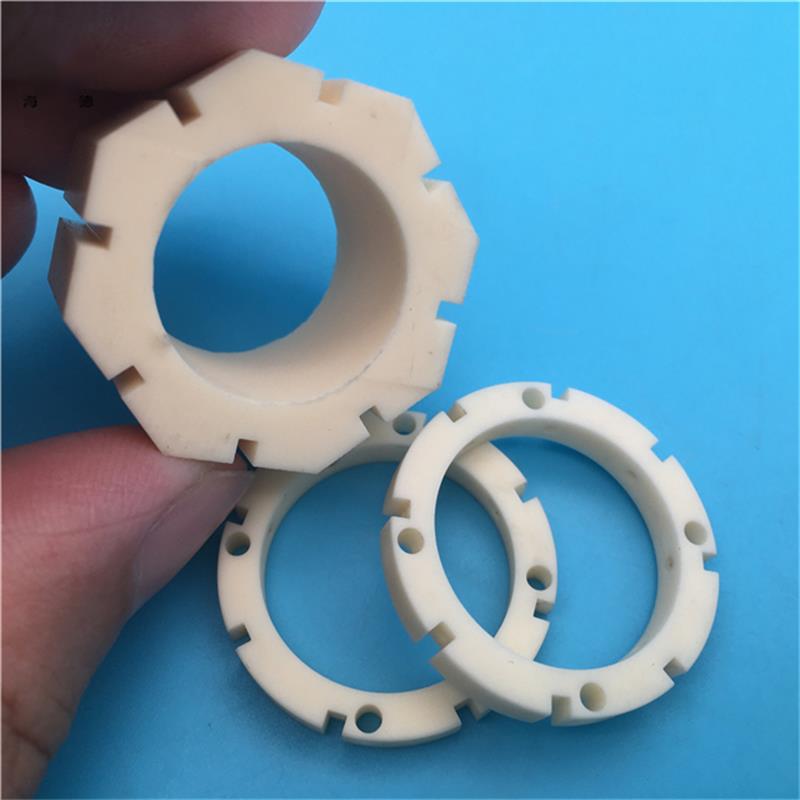
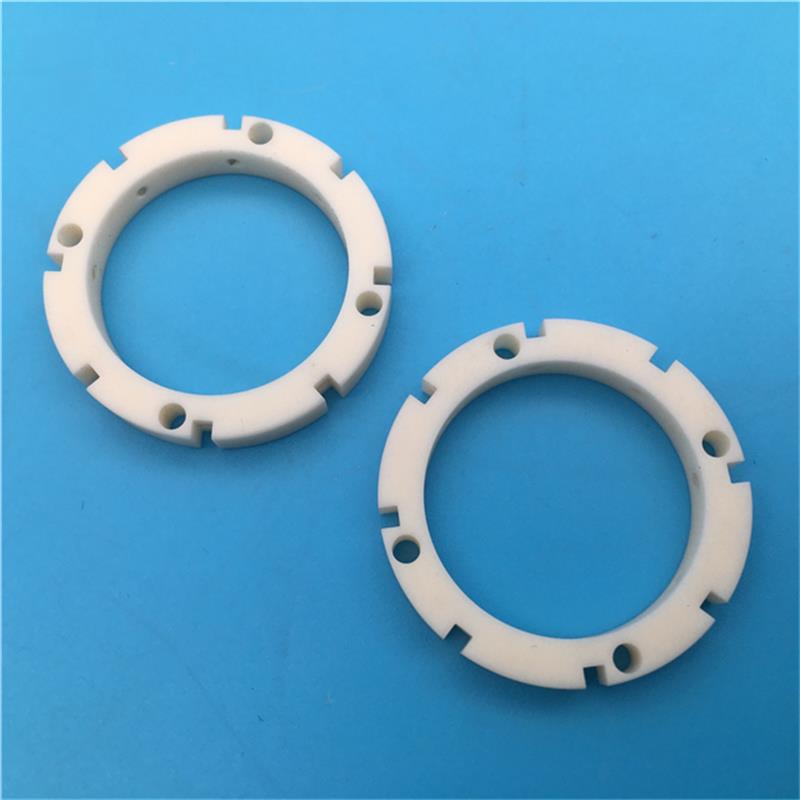
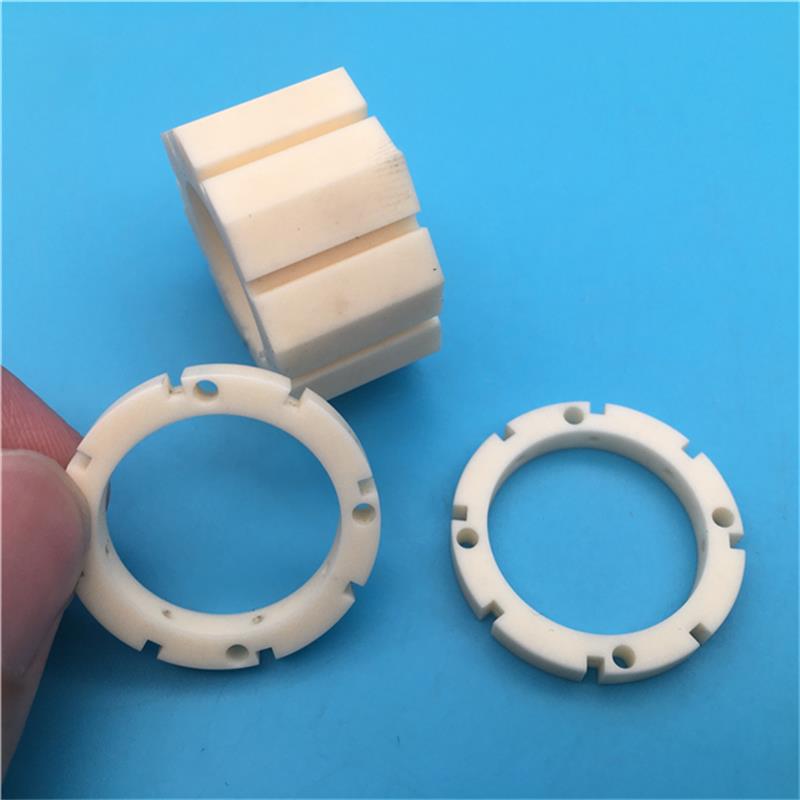
Circular Alumina Ceramic Drilled Valve Body
What Is Circular Alumina Ceramic Drilled Valve Body?
Circular alumina ceramic drilled valve body is a precision-engineered component made from aluminum oxide (Al₂O₃), one of the most widely used advanced ceramics in industrial applications. It typically features one or more precisely machined holes or flow channels, enabling it to regulate fluid or gas flow in demanding environments. As a member of the technical ceramics family, alumina is valued for its exceptional combination of mechanical strength, chemical stability, and thermal resistance, making it a preferred choice for engineers designing systems that operate under extreme conditions.
Key Properties of Alumina Ceramic Valve Bodies
The performance of alumina ceramic valve bodies stems from a set of intrinsic material properties that distinguish them from metals and polymers.
High Hardness and Wear Resistance: Alumina ceramics typically achieve a Vickers hardness of 1500–1900 HV (HRA 85–90), ranking just below diamond and cubic boron nitride. This extreme hardness translates into outstanding wear resistance, particularly in abrasive environments such as slurry transport or powder handling, where metal valves would rapidly degrade.
Corrosion Resistance: Alumina is chemically inert to most acids, alkalis, and organic solvents, with the notable exception of hydrofluoric acid and hot concentrated phosphoric acid. This makes alumina valve bodies suitable for chemical processing, pharmaceutical, and wastewater treatment applications where corrosive media would attack stainless steel or polymer components.
High Temperature Resistance: With a melting point of approximately 2050°C and a long-term service temperature up to 1600°C, alumina retains its mechanical integrity far beyond the limits of most engineering polymers and many metals. This property is critical in high-temperature industrial processes such as glass manufacturing, metallurgy, and thermal energy systems.
Electrical Insulation: Alumina exhibits excellent dielectric properties, with a volume resistivity exceeding 10¹⁴ Ω·cm at room temperature and a dielectric strength of 15–25 kV/mm. This makes it suitable for applications where electrical isolation is required alongside fluid control.
Moderate Thermal Conductivity: With a thermal conductivity in the range of 20–30 W/(m·K), alumina dissipates heat more effectively than many polymers but less efficiently than metals or silicon carbide. This moderate conductivity, combined with a relatively low coefficient of thermal expansion (6.5–8.0 × 10⁻⁶/°C), contributes to reasonable thermal shock resistance, though care must be taken in applications involving rapid temperature cycling.
Low Density: At approximately 3.7–3.9 g/cm³, alumina is roughly half the density of steel, offering weight savings in mobile or rotating assemblies without sacrificing structural rigidity.
Typical Specifications and Grades
Alumina ceramic valve bodies are available in several purity grades, each suited to different performance requirements:
95% Alumina : The most cost-effective grade, offering a good balance of mechanical properties and affordability. Density is approximately 3.6–3.7 g/cm³, with flexural strength around 300 MPa. Commonly used in water treatment, general chemical processing, and consumer plumbing fixtures.
99%–99.5% Alumina : Higher purity provides improved hardness (HV 1800–1900), higher flexural strength (300–340 MPa), and better corrosion resistance. This grade is preferred for semiconductor equipment, precision pumps, and aggressive chemical environments.
99.7%+ High-Purity Alumina: Used in the most demanding applications where maximum chemical inertness, fine grain structure, and minimal impurity leaching are required, such as in pharmaceutical processing and high-purity semiconductor manufacturing.
Common shapes include circular discs, cylindrical bodies, and custom geometries with drilled through-holes, blind holes, or complex flow channels. Hole diameters can range from sub-millimeter micro-holes (produced via laser or ultrasonic machining) to several centimeters for larger flow passages. Dimensional tolerances as tight as ±0.01 mm and surface roughness below Ra 0.1 μm are achievable through precision grinding and polishing.
Common Applications
Circular alumina ceramic drilled valve bodies are employed across a broad spectrum of industries:
Chemical Processing: Handling corrosive acids, alkalis, and solvents in reactors, pipelines, and dosing systems.
Water and Wastewater Treatment: Regulating flow in filtration systems, desalination plants, and sewage treatment facilities where abrasion and corrosion are concerns.
Semiconductor and Electronics: Used in ultra-high-purity fluid delivery systems for wafer fabrication, where contamination must be minimized.
Energy and Power Generation: Employed in coal-fired power plant ash handling, flue gas desulfurization (FGD) systems, and nuclear applications where radiation resistance is beneficial.
Mining and Mineral Processing: Controlling abrasive slurry flows in beneficiation plants and tailings disposal systems.
Medical Equipment: Found in diagnostic instruments, fluid handling pumps, and dental equipment where biocompatibility and chemical resistance are required.
Automotive and Aerospace: Used in fuel systems, sensor housings, and high-temperature fluid control assemblies.
Advantages and Limitations
Advantages:
Exceptional wear and abrasion resistance, extending service life in harsh environments.
Superior chemical inertness, resisting attack from most acids, bases, and solvents.
High-temperature capability, maintaining structural integrity well beyond polymer and many metal limits.
Excellent electrical insulation, enabling use in electrically sensitive applications.
Low density, reducing weight in dynamic or portable systems.
Smooth surface finish achievable, minimizing flow resistance and fouling.
Limitations:
Brittleness: Alumina has relatively low fracture toughness (3–5 MPa·m¹/²), making it susceptible to cracking under impact or tensile stress. Design must avoid stress concentrators and account for ceramic’s brittle failure mode.
Machining Difficulty: Post-sintering machining requires diamond tooling, ultrasonic machining, or laser processing, increasing manufacturing cost and lead time for complex geometries.
Thermal Shock Sensitivity: While alumina has moderate thermal shock resistance, rapid temperature changes can induce cracking, especially in thick sections or components with sharp geometric transitions.
Cost: Although more affordable than zirconia or silicon carbide, alumina components are generally more expensive than comparable metal or polymer parts, particularly for low-volume or highly customized designs.
Alumina vs. Other Materials
Alumina vs. Zirconia (ZrO₂): Zirconia offers significantly higher fracture toughness (6–10 MPa·m¹/²) and better impact resistance, making it preferable for high-shock applications such as mining slurry valves. However, zirconia’s long-term temperature limit is lower (typically ≤600°C for yttria-stabilized grades), and it is more expensive. Alumina remains the better choice for high-temperature, high-corrosion, and cost-sensitive applications.
Alumina vs. Silicon Carbide (SiC): Silicon carbide surpasses alumina in thermal conductivity (80–120 W/(m·K) vs. 20–30 W/(m·K)), hardness, and thermal shock resistance, making it ideal for extreme thermal environments and high-wear applications. However, SiC is significantly more difficult to machine and considerably more expensive. Alumina provides a more economical solution for moderate-temperature, corrosive environments where extreme thermal performance is not required.
Alumina vs. Stainless Steel: Stainless steel offers superior toughness, ductility, and ease of fabrication, but it cannot match alumina’s hardness, wear resistance, or chemical inertness. In abrasive or highly corrosive media, stainless steel valves may require frequent replacement, whereas alumina components can last several times longer. The choice depends on whether impact resistance (favoring steel) or wear/corrosion resistance (favoring alumina) is the primary design driver.
How to Select the Right Ceramic Material
When evaluating a circular alumina ceramic drilled valve body for your application, consider the following factors:
Operating Temperature: Confirm that the maximum and minimum service temperatures fall within alumina’s usable range. For temperatures above 600°C with thermal cycling, consider silicon carbide or silicon nitride.
Mechanical Load and Impact: If the component will experience shock loading, impact, or high tensile stress, zirconia may be a safer choice due to its higher fracture toughness.
Chemical Environment: Verify compatibility with the specific media. Alumina resists most chemicals but is attacked by hydrofluoric acid and hot concentrated alkalis.
Wear Conditions: For highly abrasive slurries or powders, alumina’s hardness provides excellent wear life. Confirm that particle size and flow velocity are within acceptable limits.
Dimensional Accuracy: Define tolerances for hole diameter, flatness, and surface finish early in the design process, as these directly affect manufacturing cost.
Electrical Requirements: If electrical isolation is needed, alumina’s dielectric properties are a significant advantage over conductive ceramics like silicon carbide.
Cost and Volume: For high-volume applications, alumina offers the best cost-to-performance ratio among advanced ceramics. For low-volume prototypes, machining costs may dominate.
FAQ
What are the main advantages of alumina ceramic valve bodies?
Alumina ceramic valve bodies offer exceptional wear resistance, chemical inertness, high-temperature stability, and electrical insulation. They are significantly harder and more corrosion-resistant than metals, resulting in longer service life in abrasive and corrosive environments.
What is alumina ceramic commonly used for in valve applications?
Alumina ceramic valve bodies are commonly used in chemical processing, water treatment, semiconductor manufacturing, power generation (especially flue gas desulfurization), mining slurry handling, and medical fluid control systems.
How does alumina compare with zirconia for valve bodies?
Alumina offers higher temperature resistance and lower cost, while zirconia provides superior fracture toughness and impact resistance. Choose alumina for high-temperature, corrosive, and cost-sensitive applications; choose zirconia for high-impact, high-wear slurry applications.
Is alumina ceramic suitable for high-temperature applications?
Yes. Alumina can operate continuously at temperatures up to 1600°C and has a melting point of approximately 2050°C, making it one of the best ceramic choices for high-temperature fluid control applications.
What factors should be considered when selecting alumina ceramic for a valve body?
Key considerations include operating temperature, mechanical load (especially impact or tensile stress), chemical compatibility, wear conditions, required dimensional tolerances, electrical insulation needs, and production volume. Alumina’s brittleness requires careful design to avoid stress concentrations.