Ceramic Suction Cups
Ceramic suction cups are vacuum-actuated end-effectors used to grip, lift, and position workpieces in demanding industrial environments. Unlike elastomeric suction cups made from rubber or silicone, ceramic suction cups rely on a rigid ceramic body to maintain sealing contact under elevated temperatures, abrasive conditions, or chemically aggressive settings.
In engineering practice, the term ceramic suction cup can refer to two closely related components:
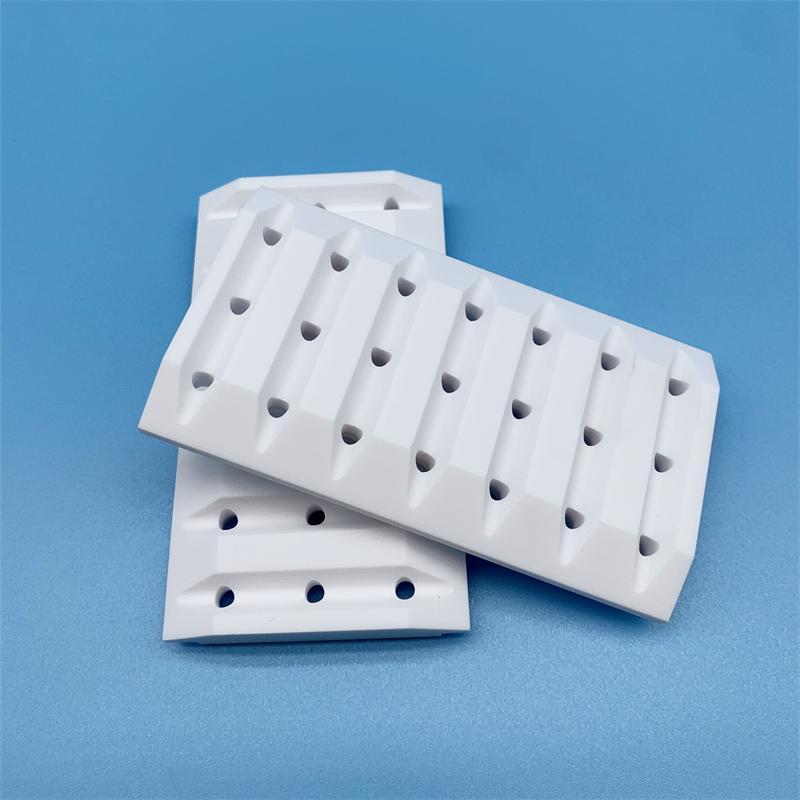
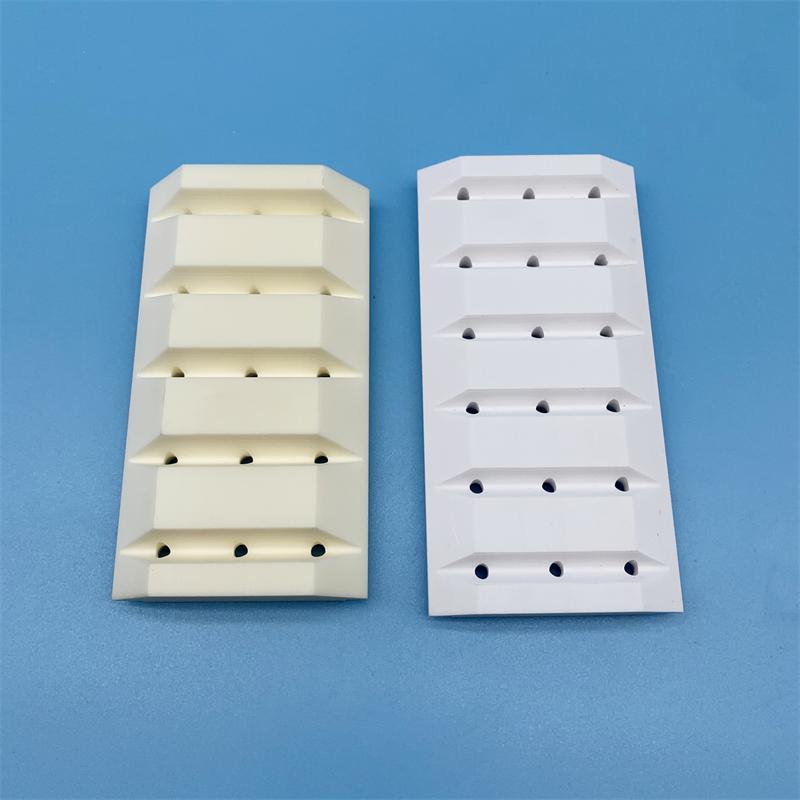
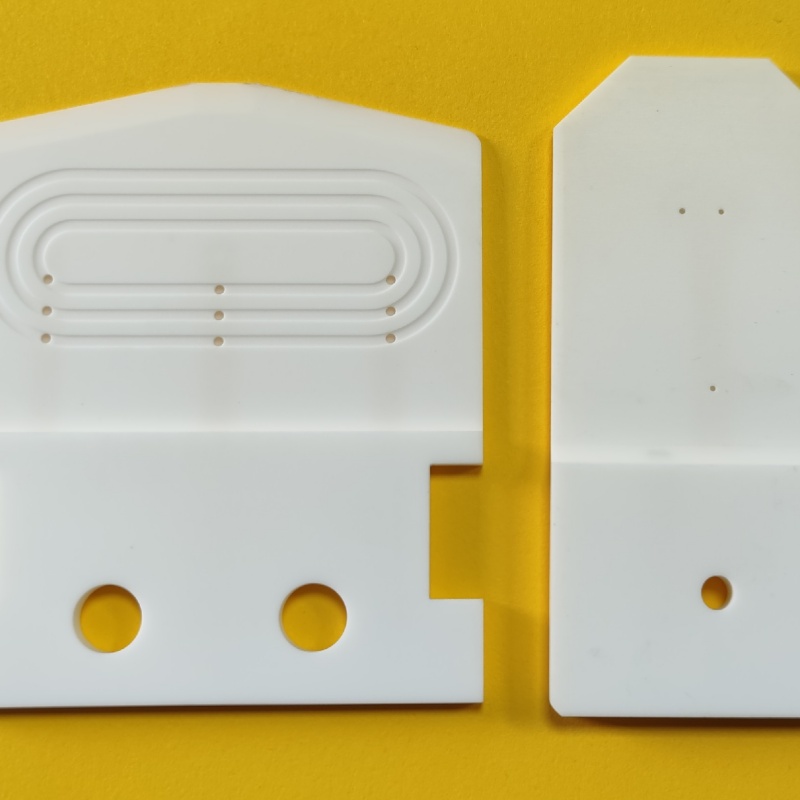
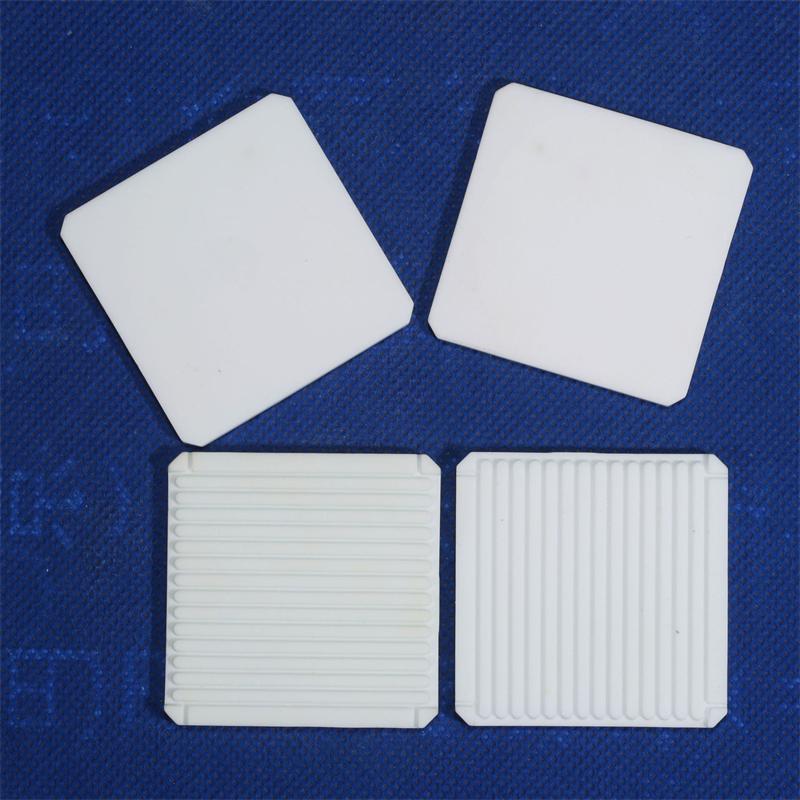
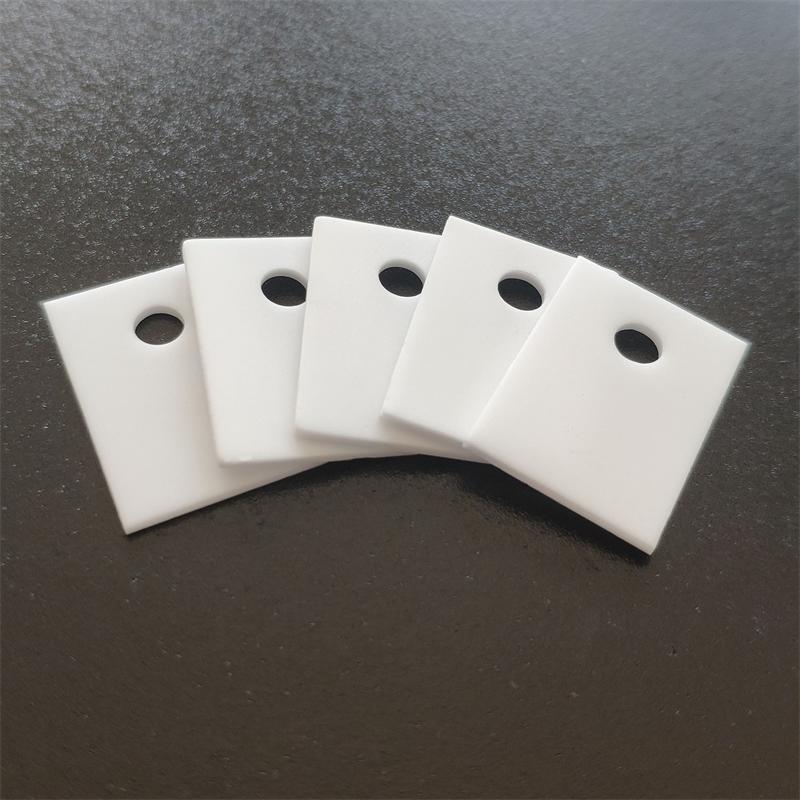
A ceramic vacuum cup, which is a rigid ceramic body used as the contact interface in a vacuum handling system.
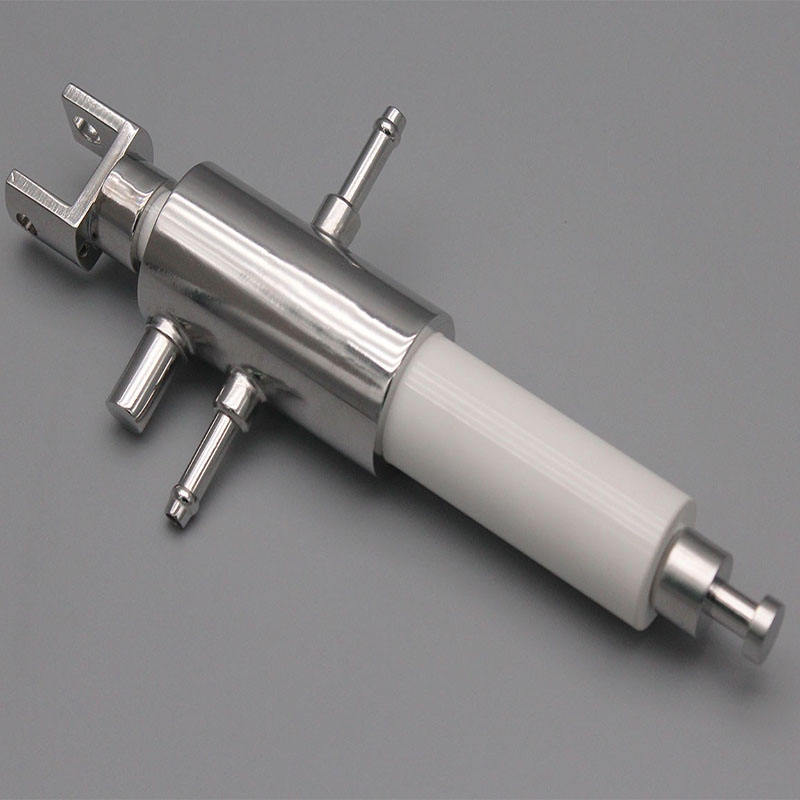
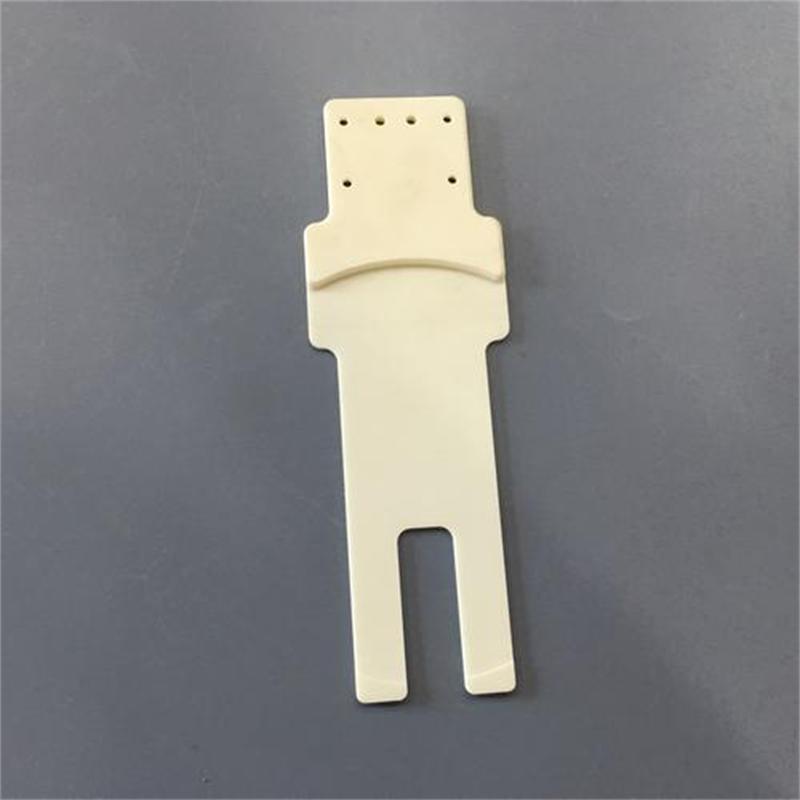
A ceramic vacuum end-effector, which may include the ceramic cup, sealing geometry, vacuum port, and mounting structure.
Because ceramics are hard, thermally stable, chemically resistant, and dimensionally stable, they are often selected when conventional polymer-based suction cups degrade, soften, melt, contaminate the surface, or fail under repeated thermal cycling.
What Is a Ceramic Suction Cup?
A ceramic suction cup is a vacuum-based gripping component whose primary contact surface or structural body is made from an advanced ceramic material. It creates a sealed interface with a workpiece, and when air is removed from the cavity, atmospheric pressure holds the part in place.
The ceramic component does not usually act as a flexible seal in the same way a rubber bellows cup does. Instead, it typically provides:
A rigid contact surface
A defined sealing edge or groove
High resistance to heat, wear, and chemical exposure
Dimensional stability under repeated vacuum cycles
Low particle generation in clean or sensitive environments
In many automation systems, the ceramic cup is paired with a separate compliant seal, such as an O-ring, gasket, or elastomeric lip. The ceramic body provides structural and environmental resistance, while the softer sealing element ensures surface conformity.
Key Takeaways
Ceramic suction cups are used where heat, abrasion, chemicals, cleanliness, or dimensional stability exceed the limits of polymer suction cups.
The ceramic component is usually rigid; sealing is often achieved through a separate compliant element or precision-machined geometry.
Alumina, zirconia, silicon carbide, and silicon nitride are common ceramic material families for demanding vacuum handling applications.
Material selection depends on temperature, wear, chemical exposure, part geometry, vacuum level, and contamination requirements.
Proper design must consider sealing method, surface finish, thermal shock, mechanical strength, and vacuum system reliability.
How Ceramic Suction Cups Work
Vacuum handling depends on a pressure difference. When a sealed cavity is created between the suction cup and the workpiece, air is evacuated through a vacuum port. The higher atmospheric pressure outside the cavity presses the workpiece against the cup.
The holding force is not created by the ceramic material itself, but by the pressure differential across the effective sealing area.
The basic relationship can be expressed as:
Holding force ≈ Pressure difference × Effective sealing area
In practice, the usable holding force is lower than the theoretical value because of surface roughness, leakage, misalignment, acceleration forces, part weight distribution, and dynamic motion.
Ceramic suction cups are especially useful when the environment around the sealing zone is too harsh for elastomers. The ceramic body can remain stable while other materials would soften, crack, swell, outgas, or lose mechanical integrity.
Why Use Ceramic Instead of Rubber or Silicone?
Polymer-based suction cups are common because they are flexible, inexpensive, and easy to seal against uneven surfaces. However, ceramics offer advantages in environments where polymers are unreliable.
Ceramic suction cups are typically considered when the application involves:
High operating temperatures
Repeated exposure to hot surfaces or thermal cycling
Abrasive workpieces or dirty handling environments
Chemical exposure from solvents, oils, acids, or process residues
Cleanroom, semiconductor, optical, or low-contamination handling
Long service life under repetitive vacuum cycling
High dimensional stability requirements
Applications where elastomer outgassing or residue transfer is unacceptable
The main trade-off is that ceramics are rigid and brittle compared with rubber. A ceramic suction cup cannot deform as easily to compensate for surface irregularities, so sealing design becomes more important.
Common Ceramic Materials for Suction Cup Applications
The best ceramic material depends on the handling environment. No single ceramic is ideal for every application. Engineers should evaluate thermal performance, mechanical strength, wear resistance, chemical compatibility, machinability, and cost.
Alumina Ceramic
Alumina is one of the most widely used structural ceramics. It offers good hardness, chemical stability, electrical insulation, and moderate cost compared with other advanced ceramics.
Typical advantages include:
Good wear resistance
High-temperature capability
Chemical inertness in many environments
Established machining and finishing methods
Suitable for general industrial vacuum handling
Alumina is often a practical first choice when the application requires thermal and chemical resistance but does not demand the extreme toughness of zirconia or the thermal conductivity of silicon carbide.
Zirconia Ceramic
Zirconia is known for its high fracture toughness relative to many other ceramics. This makes it useful where mechanical shock, edge loading, or handling impact is a concern.
Typical advantages include:
Higher toughness than alumina
Good wear resistance
High strength
Ability to be polished to a fine surface finish
Resistance to many corrosive environments
Zirconia may be preferred when the suction cup edge must resist chipping or when the component is exposed to repeated mechanical contact.
Silicon Carbide
Silicon carbide is extremely hard and thermally stable. It is often selected for abrasive environments or applications involving rapid temperature changes.
Typical advantages include:
Excellent wear resistance
High thermal conductivity
Good thermal shock resistance
Strong performance at elevated temperatures
Resistance to many corrosive media
Silicon carbide is often considered when the suction cup must withstand abrasive contact, high heat flux, or aggressive process conditions.
Silicon Nitride
Silicon nitride combines good thermal shock resistance with high mechanical strength and moderate toughness. It is often used in demanding mechanical and thermal environments.
Typical advantages include:
High strength
Good thermal shock resistance
Low thermal expansion
Good resistance to thermal cycling
Suitable for precision mechanical applications
Silicon nitride may be appropriate where repeated heating and cooling, mechanical loading, and dimensional stability are all important.
Material Selection Guidance
When selecting a ceramic material for a suction cup or vacuum end-effector, engineers should avoid choosing based on hardness alone. A harder ceramic is not automatically better.
A practical selection sequence is:
Define the operating temperature range.
If the cup contacts hot parts or operates near furnaces, thermal stability and thermal shock resistance become primary concerns.
Identify chemical exposure.
Process oils, solvents, acids, bases, or cleaning agents may limit polymer seal options and influence ceramic compatibility.
Assess abrasion and particle generation.
Handling rough, coated, or contaminated surfaces may require a wear-resistant ceramic such as silicon carbide or high-purity alumina.
Evaluate mechanical shock and edge strength.
If the cup may strike parts, fixtures, or conveyors, zirconia or silicon nitride may offer better damage tolerance than more brittle ceramics.
Consider sealing requirements.
If the workpiece surface is uneven, the ceramic cup may need a compliant seal rather than direct ceramic-to-part contact.
Review cleanliness requirements.
Semiconductor, optical, medical, and precision ceramic handling often require low-particle, low-outgassing materials.
Balance cost and manufacturability.
Advanced ceramics can be expensive to machine and finish. The design should avoid unnecessary tolerances, sharp internal corners, and overly complex vacuum passages.
Typical Applications
Ceramic suction cups are not general-purpose replacements for rubber cups. They are usually selected for specific industrial challenges.
High-Temperature Handling
In heat treatment, sintering support, furnace automation, and hot-part transfer, polymer suction cups may soften, degrade, or release contaminants. Ceramic cups can maintain structural integrity at temperatures where elastomers fail.
Semiconductor and Electronic Component Handling
Wafer handling, ceramic substrate transfer, and electronic component positioning often require clean, stable, and chemically resistant contact surfaces. Ceramic end-effectors help reduce particle generation and contamination risk.
Glass, Optical, and Precision Ceramic Handling
Glass, lenses, optical blanks, and technical ceramics often have sensitive surfaces. A rigid ceramic suction interface can provide stable support when combined with an appropriate soft seal.
Abrasive or Dirty Environments
When handling rough ceramics, refractory parts, sintered components, or coated surfaces, elastomeric cups may wear quickly. Ceramic contact surfaces can extend service life in abrasive handling systems.
Chemical Processing and Corrosive Environments
In environments where solvents, acids, bases, or process residues contact the end-effector, ceramic materials can provide better chemical resistance than many polymers.
Cleanroom and Low-Contamination Systems
Ceramic components are often chosen where outgassing, particulate shedding, or elastomer residue could affect product quality.
Advantages of Ceramic Suction Cups
Ceramic suction cups offer several engineering benefits in demanding environments.
High-temperature resistance: Suitable for hot parts and elevated-temperature automation.
Wear resistance: Longer service life in abrasive handling applications.
Chemical stability: Resistant to many solvents, oils, acids, and process chemicals.
Dimensional stability: Maintains geometry under thermal and mechanical loading.
Low contamination risk: Useful in cleanroom, optical, semiconductor, and precision handling.
Long service life: Can outperform elastomers when degradation mechanisms are thermal, chemical, or abrasive.
Limitations and Design Risks
Ceramic suction cups also have important limitations.
Brittleness: Ceramics can chip or fracture under impact or improper handling.
Limited flexibility: Rigid cups do not conform well to uneven or curved surfaces without a compliant seal.
Sealing complexity: Achieving a reliable vacuum seal often requires careful surface finish, flatness control, and seal design.
Machining cost: Precision ceramic components can be expensive to produce.
Thermal shock sensitivity: Some ceramics are vulnerable to rapid temperature changes.
Weight: Dense ceramics may add mass to high-speed handling systems.
These limitations do not make ceramic suction cups unsuitable, but they mean the design must be engineered rather than treated as a simple drop-in replacement for a rubber cup.
Design Considerations for Vacuum Handling
When integrating a ceramic suction cup into an automation system, several design factors affect performance.
Sealing Method
The most important design decision is how the vacuum seal is formed. Options include:
Direct ceramic-to-part contact on very flat surfaces
Integrated ceramic sealing lips
Separate O-ring or gasket
Elastomeric pad bonded or mounted to the ceramic body
Precision-machined sealing grooves
For uneven or slightly curved surfaces, a compliant seal is usually more reliable than direct ceramic contact.
Surface Finish and Flatness
A smooth, flat sealing surface improves vacuum consistency. Surface roughness, burrs, scratches, or edge chips can create leakage paths.
Vacuum Port Design
The vacuum channel should allow rapid evacuation without creating excessive flow restriction. Port size, passage geometry, and filter placement all affect response time and holding stability.
Load Distribution
Holding force depends on the effective sealing area and pressure difference. Engineers should calculate holding force with a safety margin, especially for dynamic motion, inclined handling, or high-speed transfer.
Thermal Expansion
If the ceramic cup contacts a hot part, differential thermal expansion between the ceramic, seal, metal fixture, and workpiece must be considered.
Mounting and Shock Protection
Ceramic components should be mounted to reduce impact loading. Misalignment, vibration, and accidental collisions are common causes of damage.
Maintenance and Troubleshooting
Ceramic suction cups generally require less frequent replacement than elastomeric cups in harsh environments, but they are not maintenance-free.
Common issues include:
Loss of vacuum: Check for seal damage, surface contamination, incorrect flatness, or vacuum line blockage.
Intermittent gripping: May indicate surface roughness, misalignment, or insufficient vacuum flow.
Edge chipping: Often caused by mechanical impact, improper mounting, or handling collisions.
Reduced holding force: Can result from leakage, worn seals, contaminated surfaces, or incorrect effective area.
Thermal cracking: May occur if the ceramic is exposed to rapid temperature changes beyond its thermal shock capability.
A practical maintenance approach is to inspect the sealing surface, verify vacuum pressure, check filter condition, and confirm alignment during scheduled downtime.
Frequently Asked Questions
What is a ceramic suction cup used for?
A ceramic suction cup is used to grip, lift, or position workpieces using vacuum pressure in environments where rubber, silicone, or polymer suction cups may fail. Typical uses include high-temperature handling, semiconductor and electronic component transfer, glass handling, abrasive part handling, and cleanroom automation. The ceramic component provides thermal stability, chemical resistance, wear resistance, and low contamination risk.
Are ceramic suction cups flexible like rubber cups?
No. Most ceramic suction cups are rigid. They do not deform like rubber or silicone bellows cups. Because of this, sealing is usually achieved through a precision-machined surface, a separate O-ring, a gasket, or a bonded compliant pad. The ceramic body provides structural and environmental resistance, while the sealing element adapts to the workpiece surface.
Which ceramic material is best for suction cups?
There is no single best ceramic material. Alumina is often chosen for general high-temperature and chemical-resistant handling. Zirconia is preferred when higher toughness and impact resistance are needed. Silicon carbide suits abrasive, high-temperature, or thermally demanding environments. Silicon nitride is useful where thermal shock resistance and mechanical strength are important.
Can ceramic suction cups handle hot parts?
Yes, in many cases. Ceramic suction cups are often selected specifically for hot-part handling because they can remain stable at temperatures that would degrade elastomeric cups. However, the complete design must consider thermal shock, seal material limits, thermal expansion, and vacuum system compatibility. The ceramic body may survive the temperature, but the sealing element or adhesive may not.
Do ceramic suction cups need a separate seal?
Often, yes. Because ceramics are rigid, they do not conform easily to uneven surfaces. Many designs use a separate O-ring, gasket, elastomeric pad, or precision sealing groove. Direct ceramic-to-part sealing may work on very flat, smooth surfaces, but it requires careful control of flatness, surface finish, and alignment.
Where are ceramic suction cups commonly used?
Common applications include semiconductor handling, electronic component transfer, glass and optical component handling, precision ceramic handling, furnace automation, heat treatment systems, abrasive part handling, and chemical-resistant vacuum gripping. They are also used where low particle generation and long service life are important.
What are the main disadvantages of ceramic suction cups?
The main disadvantages are brittleness, limited flexibility, higher machining cost, and greater sensitivity to impact and thermal shock. Ceramic suction cups are not suitable for applications that require large deformation, low-cost disposable end-effectors, or sealing against highly irregular surfaces without a compliant seal.
How should engineers select a ceramic suction cup?
Engineers should start by defining the operating temperature, chemical exposure, abrasion level, cleanliness requirement, part geometry, vacuum level, and motion profile. Then they should select a ceramic material that matches the environment, choose a sealing method that matches the surface condition, and verify that the effective sealing area provides sufficient holding force with an appropriate safety margin.
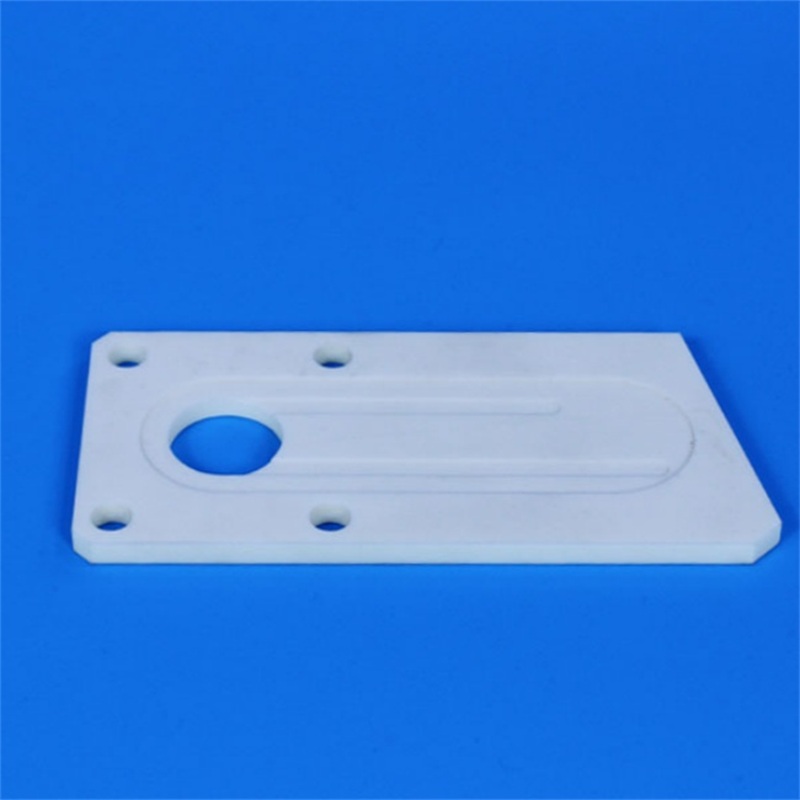
Ceramic suction cups are specialized vacuum handling components used when temperature, abrasion, chemical exposure, cleanliness, or dimensional stability exceed the capabilities of conventional elastomeric cups. Their value comes from the combination of ceramic hardness, thermal resistance, chemical inertness, and long-term stability.
However, successful application depends on correct material selection and sealing design. Alumina, zirconia, silicon carbide, and silicon nitride each offer different trade-offs, and no single ceramic is universally optimal. Engineers should treat ceramic suction cups as precision system components rather than simple replacements for rubber cups.
When properly designed, ceramic suction cups can improve reliability in high-temperature automation, semiconductor handling, glass and optical processing, abrasive environments, and clean manufacturing systems.