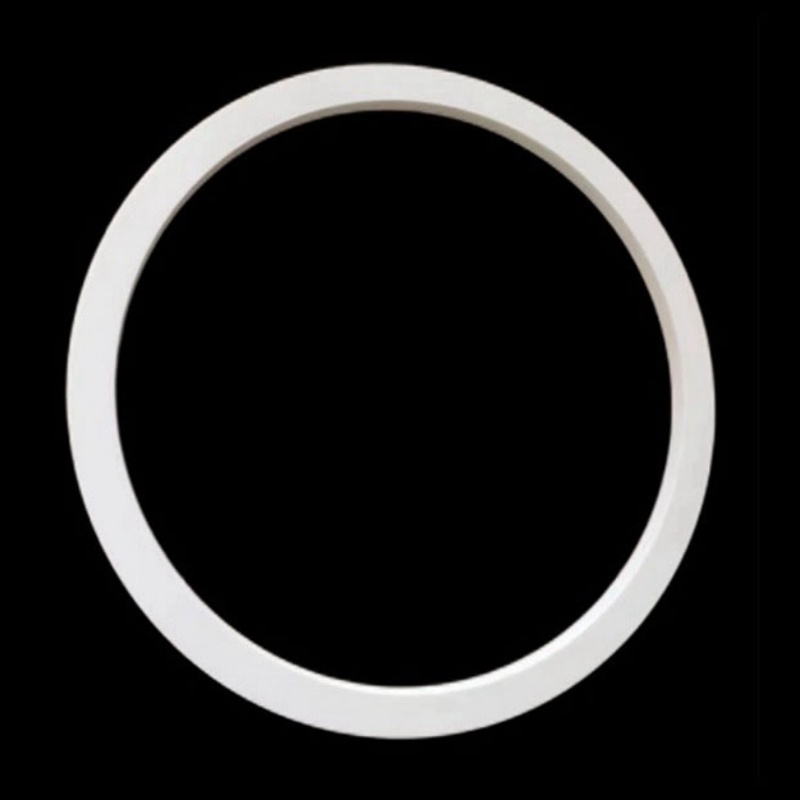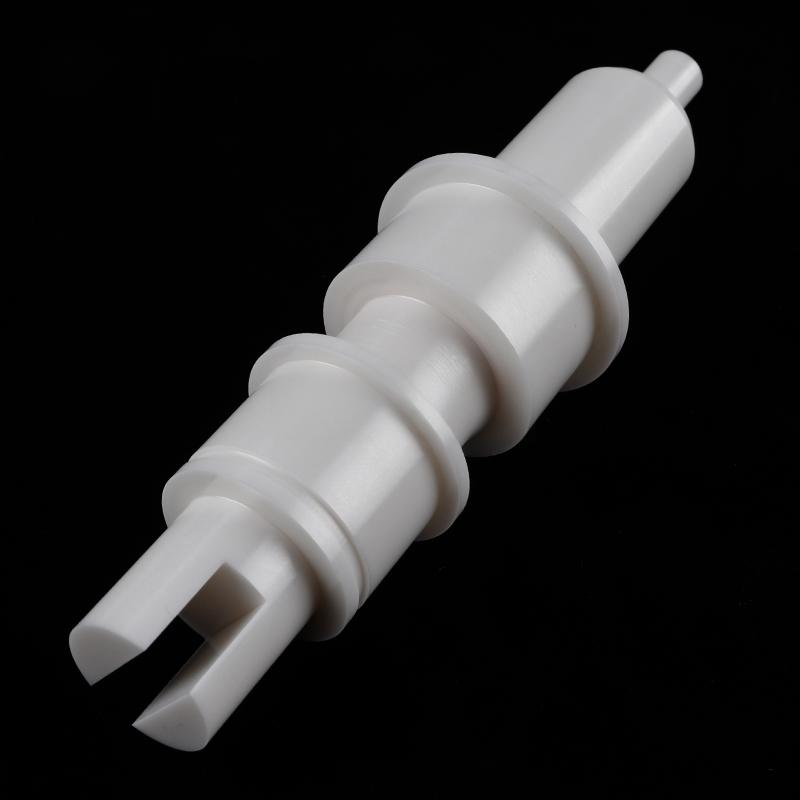
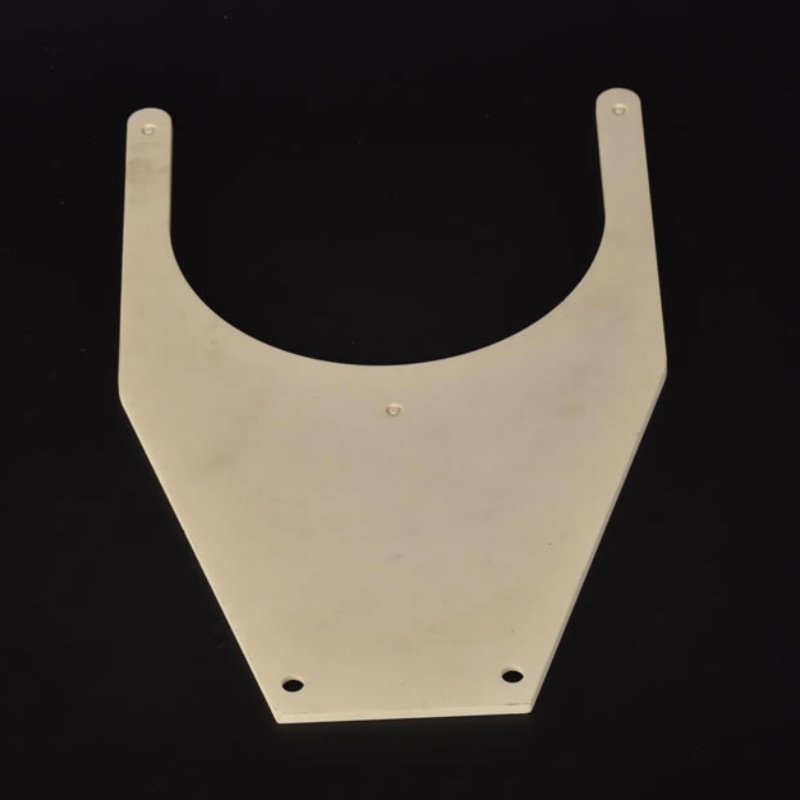
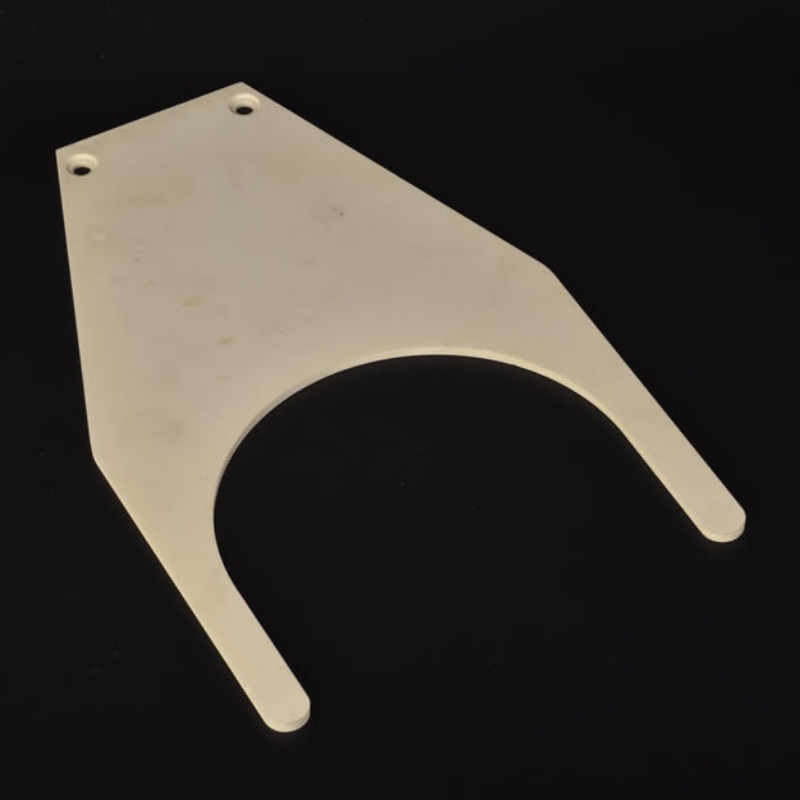
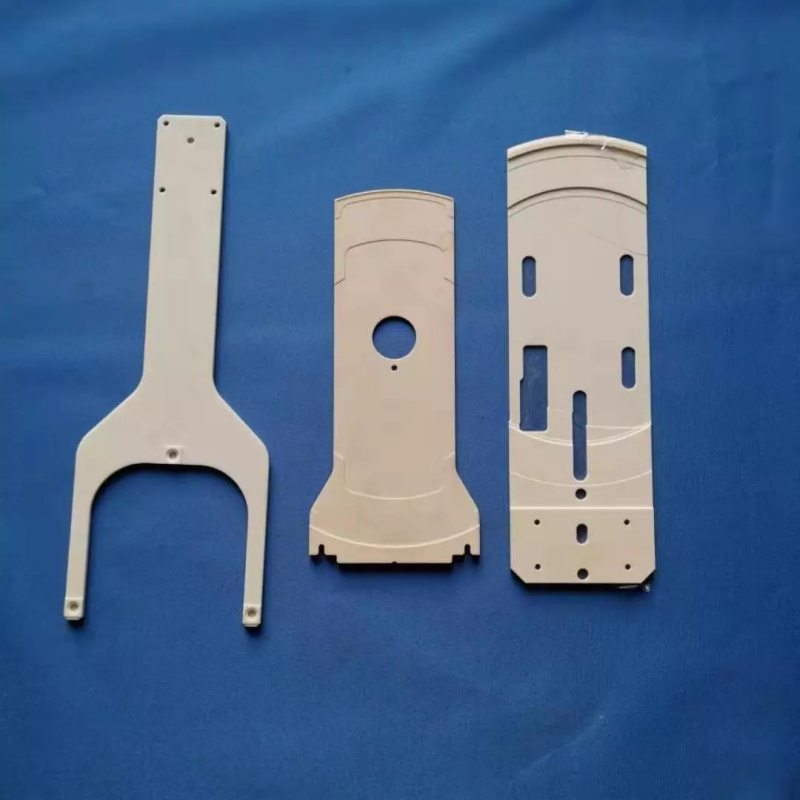
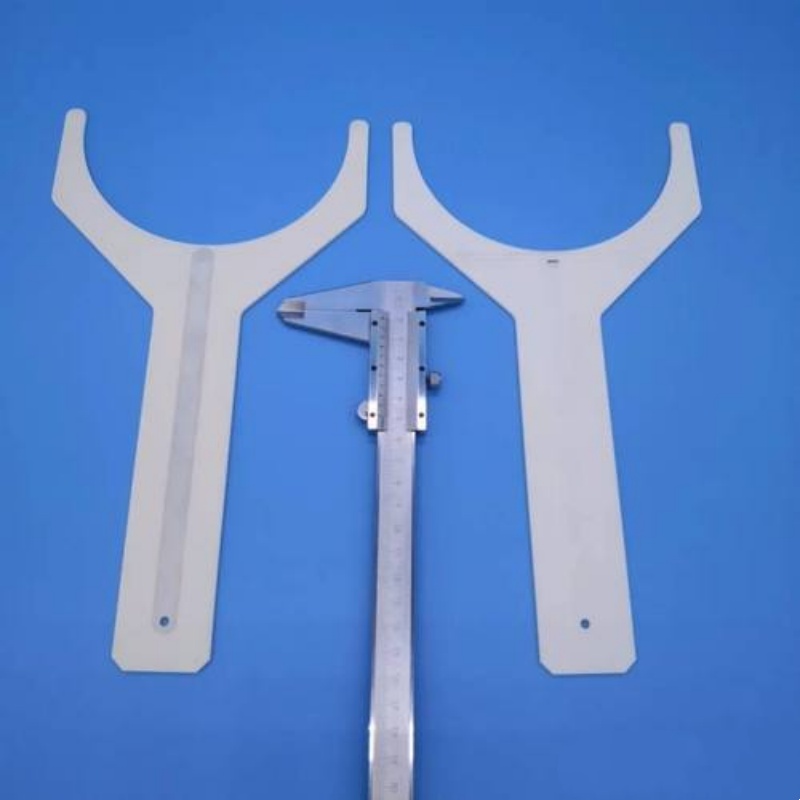
Ceramic Robotic Arms
Ceramic robotic arm is a precision structural component used in advanced automation, semiconductor handling, and high-purity manufacturing environments. Unlike conventional metallic arms, ceramic arms rely on the intrinsic properties of advanced ceramics to deliver low weight, high stiffness, excellent corrosion resistance, and stable performance under demanding process conditions. In practice, the term usually refers to articulated arms, end-effectors, link structures, or handling fixtures rather than a fully integrated robot system.
Advanced ceramic robotic arms are most commonly made from alumina, silicon carbide, silicon nitride, zirconia, or engineered ceramic matrix composites. The choice of material depends less on a single property and more on the operating environment. For example, semiconductor wafer handling requires low particle generation and chemical stability, while high-speed pick-and-place systems may prioritize stiffness-to-weight ratio and dynamic response.
Why ceramics are used in robotic arms
Ceramics are selected for robotic arms because they combine several properties that metals and polymers cannot easily match. Their high elastic modulus provides excellent dimensional stability, which helps maintain positioning accuracy under load. Their relatively low density compared with many steels reduces moving mass, allowing faster acceleration and lower inertia in dynamic systems.
Chemical stability is another important reason. Many advanced ceramics resist acids, alkalis, plasmas, and high-temperature atmospheres better than aluminum or stainless steel. This makes them suitable for environments where metal contamination, oxidation, or corrosion would compromise process quality.
Thermal behavior also matters. Ceramics generally have low thermal expansion and can retain mechanical performance at elevated temperatures. In processes involving heating, vacuum, or rapid temperature changes, a ceramic arm may maintain tighter tolerances and avoid outgassing issues associated with some metals or polymers.
Key material types and their characteristics
Alumina is one of the most widely used ceramics for robotic arms and handling components. It offers good stiffness, electrical insulation, and chemical resistance at a relatively moderate cost. High-purity alumina is often chosen when electrical isolation or low metal contamination is required. However, alumina has limited fracture toughness compared with zirconia or silicon nitride, so it is less suitable for high-impact applications.
Silicon carbide provides very high stiffness, excellent thermal conductivity, and strong resistance to wear and corrosion. It is particularly useful in applications where thermal stability and dimensional accuracy are critical. Silicon carbide arms can perform well in high-temperature or high-rigidity requirements, but the material is more difficult to machine and typically more expensive than alumina.
Silicon nitride is valued for its combination of high strength, good fracture toughness, and thermal shock resistance. Compared with alumina, it is generally more resistant to mechanical shock and cyclic loading. Silicon nitride is often considered when the arm must endure repeated motion, moderate impact, or temperature fluctuations.
Zirconia, especially yttria-stabilized zirconia, offers high fracture toughness and wear resistance. It can be a good choice for components subject to contact stress or edge loading. However, zirconia may not be ideal in all high-temperature or humid environments due to potential low-temperature degradation, so its use should be evaluated case by case.
Typical performance considerations
When evaluating a ceramic robotic arm, engineers should consider stiffness, density, fracture toughness, thermal expansion, thermal conductivity, electrical properties, and chemical compatibility. Stiffness affects deflection under load, while density influences dynamic response. Fracture toughness determines resistance to crack propagation, which is especially important because ceramics are inherently brittle.
Thermal shock resistance is not uniform across all ceramics. Silicon nitride and some silicon carbide grades generally handle rapid temperature changes better than dense alumina or zirconia. Electrical insulation is another differentiator: alumina and zirconia are typically insulating, whereas some silicon carbide grades may show semiconductive behavior depending on composition and processing.

Common applications
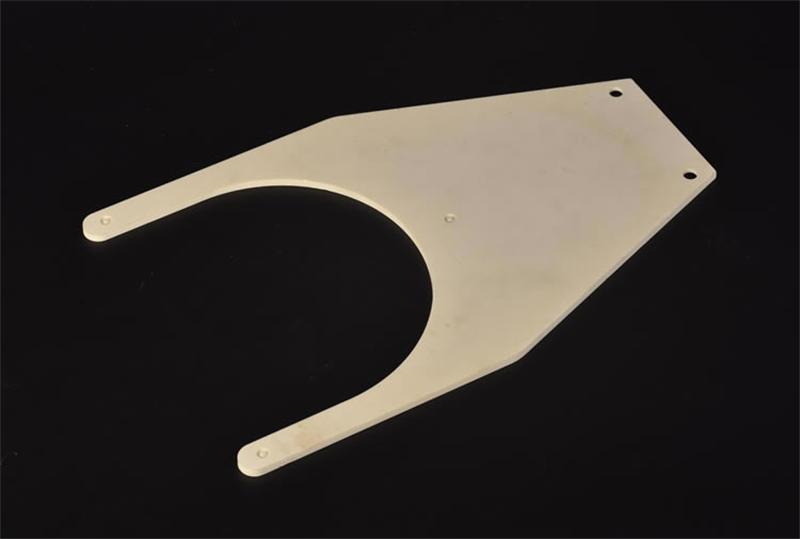
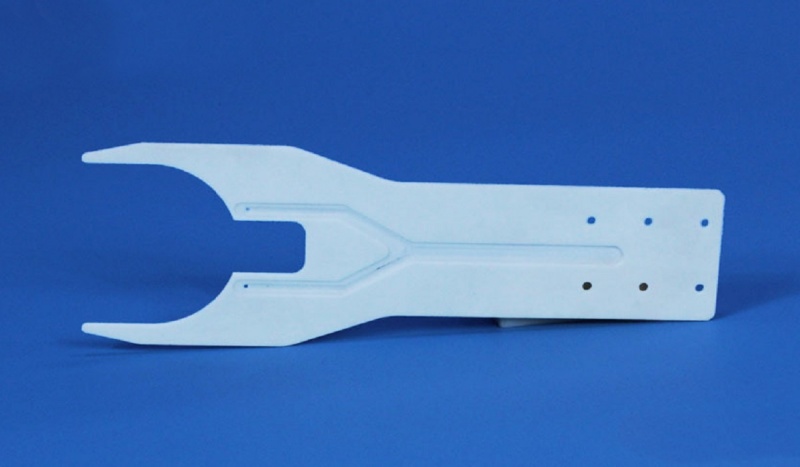
Ceramic robotic arms are frequently used in semiconductor wafer handling, where low particle generation, chemical cleanliness, and dimensional stability are essential. They are also used in vacuum processing equipment, plasma environments, high-temperature furnaces, battery material handling, and precision inspection systems. In these applications, the arm must often operate without introducing metallic contamination or degrading under repeated thermal and mechanical cycles.

Advantages and limitations
The main advantages of ceramic robotic arms include high stiffness, low weight, corrosion resistance, thermal stability, electrical insulation, and low outgassing in vacuum environments. These properties help improve process cleanliness, positioning accuracy, and service life in harsh conditions.
The limitations are equally important. Ceramics are brittle and sensitive to impact, edge chipping, and tensile stress concentrations. Design must avoid sharp corners, uneven clamping, and localized overload. Joining ceramic arms to metal joints or actuators also requires careful engineering to manage differences in thermal expansion and stiffness. Cost and manufacturing complexity are higher than for many metal alternatives, especially for large or highly complex geometries.
When to choose a ceramic robotic arm
Ceramic arm is worth considering when the operating environment involves contamination control, corrosion, vacuum, plasma, high temperature, or strict dimensional stability. It is also suitable when reducing moving mass can improve dynamic performance without sacrificing stiffness.
If the application involves heavy impact, complex low-cost structures, or extreme toughness requirements, metals, composites, or polymer-based systems may be more appropriate. In many cases, the best solution is not a single material choice but a system-level evaluation of load paths, mounting design, thermal environment, and maintenance requirements.
FAQ
What is a ceramic robotic arm used for?
It is used for precision handling, positioning, and end-effector support in environments that require high stiffness, cleanliness, corrosion resistance, or thermal stability.
Which ceramic material is best for robotic arms?
There is no single best material. Alumina suits general-purpose insulating applications, silicon carbide offers high stiffness and thermal stability, silicon nitride provides better toughness and thermal shock resistance, and zirconia delivers high fracture toughness for contact-loaded parts.
Are ceramic robotic arms electrically insulating?
Alumina and zirconia are typically electrically insulating. Silicon carbide may be insulating, semiconductive, or conductive depending on grade, so electrical behavior should be confirmed for each material specification.
Can ceramic arms withstand high temperatures?
Many advanced ceramics retain mechanical performance at elevated temperatures, but allowable temperature depends on material grade, atmosphere, loading, and joint design.
What are the main limitations?
Brittleness, sensitivity to impact and tensile stress, machining difficulty, and higher cost compared with many metals. Proper design and handling are essential.
How do ceramic arms compare with aluminum arms?
Ceramic arms usually offer higher stiffness, better corrosion resistance, and lower contamination risk, while aluminum arms are tougher, easier to machine, and more cost-effective for less demanding environments.