Ceramic Products
What Are Ceramic Products?
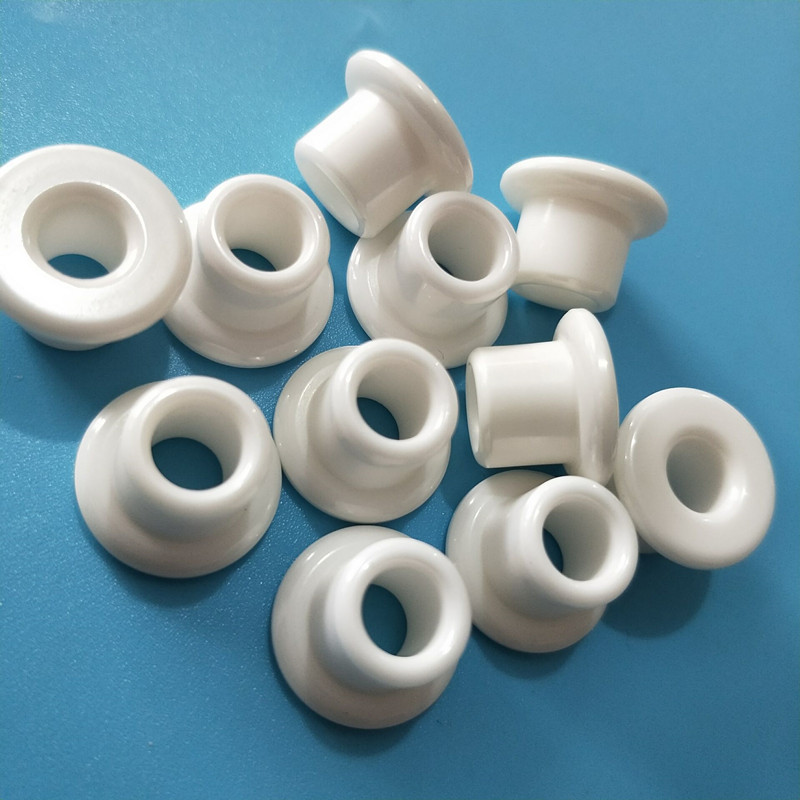
Ceramic products are engineered components made from inorganic, non-metallic solid materials that are shaped and then hardened by high-temperature firing. Unlike traditional ceramics such as pottery or porcelain, advanced ceramic products are designed for demanding engineering environments where metals, polymers, and glasses cannot perform adequately.
These products are manufactured from high-purity raw materials including aluminum oxide (Al₂O₃), zirconium oxide (ZrO₂), silicon carbide (SiC), silicon nitride (Si₃N₄), aluminum nitride (AlN), and boron carbide (B₄C). The resulting components exhibit exceptional hardness, thermal stability, chemical inertness, and electrical properties that make them indispensable across aerospace, semiconductor, medical, energy, and automotive industries.
Key Takeaways
Ceramic products span a wide range of materials, each with distinct mechanical, thermal, and electrical characteristics.
Material selection depends on operating temperature, mechanical load, chemical environment, and electrical requirements.
Advanced ceramics are not a single material but a family of materials with vastly different performance profiles.
Understanding the limitations of ceramics, particularly brittleness and machining difficulty, is as important as understanding their advantages.
Proper design for ceramic components accounts for tensile stress concentration, thermal shock resistance, and surface finish requirements.
Classification of Ceramic Products
Ceramic products are broadly classified into two categories:
Traditional Ceramics
These include clay-based products such as bricks, tiles, porcelain insulators, and refractory linings. They are produced from naturally occurring raw materials and are typically used in construction and general-purpose thermal applications.
Advanced (Engineering) Ceramics
These are synthesized from highly refined powders and engineered for specific performance criteria. Advanced ceramic products are further divided by their functional properties:
Structural ceramics — valued for mechanical strength, hardness, and wear resistance (e.g., alumina, silicon carbide, zirconia)
Functional ceramics — valued for electrical, magnetic, optical, or thermal properties (e.g., piezoelectric ceramics, thermistors, dielectric substrates)
Bioceramics — designed for compatibility with biological systems (e.g., hydroxyapatite, alumina for joint implants)
Refractory ceramics — designed to withstand extreme temperatures in furnaces, kilns, and reactors
Material Properties of Common Advanced Ceramics
Selecting the right ceramic product begins with understanding the fundamental properties of the material families available.
Alumina (Al₂O₃)
Alumina is the most widely used engineering ceramic due to its balance of properties and relatively lower cost compared to other advanced ceramics. It offers high hardness (approximately 15–19 GPa on the Vickers scale), good electrical insulation, and strong chemical resistance. Typical purity grades range from 96% to 99.8% Al₂O₃, with higher purity providing improved electrical and thermal performance at the expense of slightly reduced fracture toughness.
Common applications include electronic substrates, wear-resistant liners, cutting tool inserts, and biomedical components.
Zirconia (ZrO₂)
Zirconia stands out for its exceptional fracture toughness among ceramics, often reaching 5–10 MPa·m^0.5 when partially stabilized with yttria (Y-TZP). This transformation toughening mechanism makes zirconia suitable for applications requiring resistance to crack propagation, such as cutting tools, wear parts, and dental restorations.
However, zirconia has lower thermal conductivity and can undergo low-temperature degradation (LTD) in humid environments over extended periods, which engineers must account for in long-life applications.
Silicon Carbide (SiC)
Silicon carbide combines high thermal conductivity (120–270 W/m·K depending on grade), excellent thermal shock resistance, and outstanding hardness (approximately 25–30 GPa). It maintains structural integrity at temperatures exceeding 1400°C in inert atmospheres, making it a preferred choice for high-temperature structural components, heat exchangers, and semiconductor processing equipment.
Silicon Nitride (Si₃N₄)
Silicon nitride offers a rare combination of high fracture toughness, good thermal shock resistance, and low thermal expansion coefficient. These properties make it particularly well-suited for bearing applications, turbocharger rotors, and components subjected to rapid temperature cycling.
Aluminum Nitride (AlN)
Aluminum nitride is primarily selected for its high thermal conductivity (170–230 W/m·K) combined with electrical insulation. It is widely used in power electronics substrates, LED heat sinks, and semiconductor packaging where efficient heat dissipation is critical.
Advantages of Ceramic Products
Ceramic products offer several performance advantages that justify their use in critical applications:
Extreme hardness and wear resistance — Many advanced ceramics exceed the hardness of hardened tool steels by a factor of three or more, resulting in significantly longer service life in abrasive environments.
High-temperature capability — Ceramics retain mechanical strength at temperatures where metals creep, soften, or oxidize rapidly.
Chemical inertness — Most engineering ceramics resist corrosion from acids, alkalis, and molten metals far better than metallic alternatives.
Low density — Ceramics such as silicon nitride and silicon carbide have densities roughly one-third that of steel, offering weight reduction in rotating and structural components.
Electrical properties — Ceramics can be engineered as insulators, semiconductors, superconductors, or piezoelectric materials depending on composition.
Biocompatibility — Certain ceramics, including alumina and zirconia, are well-tolerated by human tissue and are used in orthopedic and dental implants.
Limitations and Design Considerations
No engineering material is without trade-offs. Understanding ceramic limitations is essential for successful component design.
Brittleness and low fracture toughness
Unlike metals, most ceramics exhibit minimal plastic deformation before failure. This means that stress concentrations from sharp corners, surface scratches, or impact loading can initiate catastrophic fracture. Engineers must design ceramic components with generous fillet radii, avoid tensile stress concentrations, and apply appropriate safety factors.
Machining difficulty
Advanced ceramics are typically machined in the “green” (unsintered) state or finished using diamond grinding, laser machining, or ultrasonic machining after sintering. This adds cost and limits achievable tolerances compared to metals.
Joining challenges
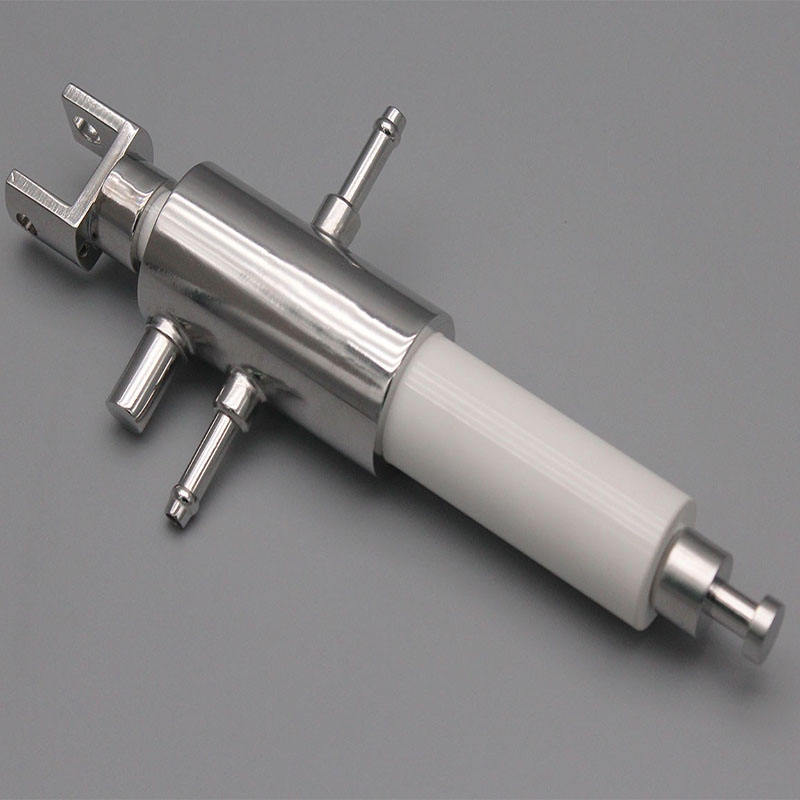
Bonding ceramics to metals or other ceramics requires specialized techniques such as active metal brazing, diffusion bonding, or adhesive bonding with surface-treated interfaces. Thermal expansion mismatch between joined materials must be carefully managed.
Cost considerations
Raw material processing, precision forming, and post-sintering machining contribute to higher unit costs. However, when evaluated on a total-cost-of-ownership basis—considering extended service life, reduced downtime, and elimination of lubrication—ceramic components often prove economically favorable.
Industrial Applications
Ceramic products serve critical roles across diverse industries:
Semiconductor Manufacturing
Alumina, aluminum nitride, and silicon carbide components are used in wafer processing chambers, electrostatic chucks, focus rings, and showerheads. The extreme purity requirements and resistance to plasma erosion make ceramics the only viable material in many process steps.
Automotive and Transportation
Silicon nitride and zirconia are used in oxygen sensors, catalytic converter substrates, diesel particulate filters, and ceramic brake discs. The automotive industry has been one of the largest drivers of advanced ceramic adoption.
Energy and Power Generation
Ceramic thermal barrier coatings protect turbine blades in gas turbines, while silicon carbide heat exchangers operate in corrosive flue gas environments. Ceramic insulators are critical in high-voltage transmission systems.
Medical and Dental
Zirconia dental crowns, alumina hip joint bearings, and hydroxyapatite bone graft substitutes represent well-established bioceramic applications with decades of clinical history.
Industrial Processing
Ceramic wear plates, pump seals, valve seats, and nozzle inserts extend equipment life in mining, chemical processing, and slurry handling operations.
Material Selection Guidance
When evaluating ceramic products for a specific application, engineers should systematically consider the following factors:
Operating temperature range — Determine both steady-state and transient thermal conditions, including thermal shock potential.
Mechanical loading — Identify whether the component experiences compressive, tensile, flexural, or impact loading. Ceramics perform best under compression.
Chemical environment — Assess exposure to acids, bases, molten salts, oxidizing or reducing atmospheres.
Electrical requirements — Determine whether insulation, controlled conductivity, or piezoelectric behavior is needed.
Dimensional tolerances — Account for sintering shrinkage (typically 15–20% linear) and post-sintering machining capabilities.
Production volume — For high-volume applications, injection molding or isostatic pressing may be cost-effective; for prototypes, machining from stock shapes is often preferred.
Frequently Asked Questions
What is the difference between traditional ceramics and advanced ceramics?
Traditional ceramics are made from natural raw materials like clay and silica, and are used in construction, tableware, and basic insulation. Advanced ceramics are manufactured from highly purified synthetic powders and engineered for specific mechanical, thermal, electrical, or chemical performance. The processing methods, material purity, and resulting properties differ substantially between the two categories.
Why are ceramic products brittle?
Ceramics have strong ionic and covalent atomic bonds that provide hardness and high-temperature stability but limit dislocation movement. In metals, dislocations allow plastic deformation that absorbs energy before fracture. In ceramics, the absence of this mechanism means cracks propagate rapidly once initiated, resulting in brittle failure with little warning.
Can ceramic products be machined to tight tolerances?
Yes, but with limitations. After sintering, ceramics can be ground, lapped, and polished to tolerances within a few micrometers using diamond tooling. However, the process is slower and more expensive than metal machining. For complex geometries, near-net-shape forming methods such as injection molding or isostatic pressing are often preferred to minimize post-sintering machining.
How do I choose between alumina and zirconia?
Choose alumina when you need good hardness, electrical insulation, and chemical resistance at a moderate cost. Choose zirconia when fracture toughness and resistance to crack propagation are the primary requirements, such as in cutting tools, wear parts subject to impact, or dental restorations. Zirconia has lower thermal conductivity and may degrade in certain humid environments over time.
Are ceramic products suitable for high-temperature applications?
Most advanced ceramics outperform metals at elevated temperatures. Silicon carbide and silicon nitride retain useful strength above 1200°C, while alumina remains stable well beyond 1600°C. The key consideration is the operating atmosphere, as some ceramics oxidize or decompose under specific conditions.
What are the most common shapes available for ceramic products?
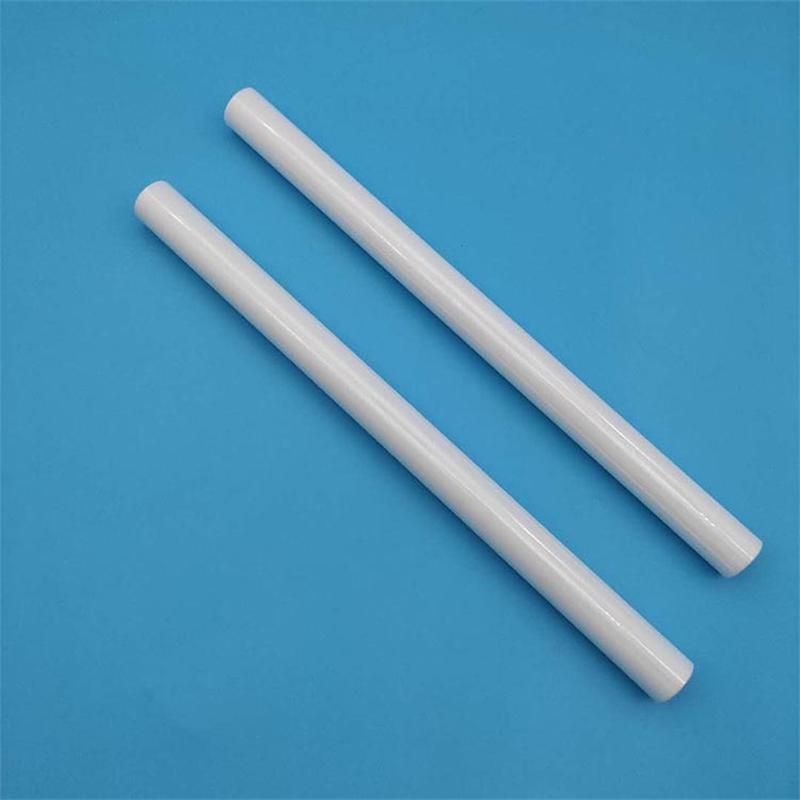
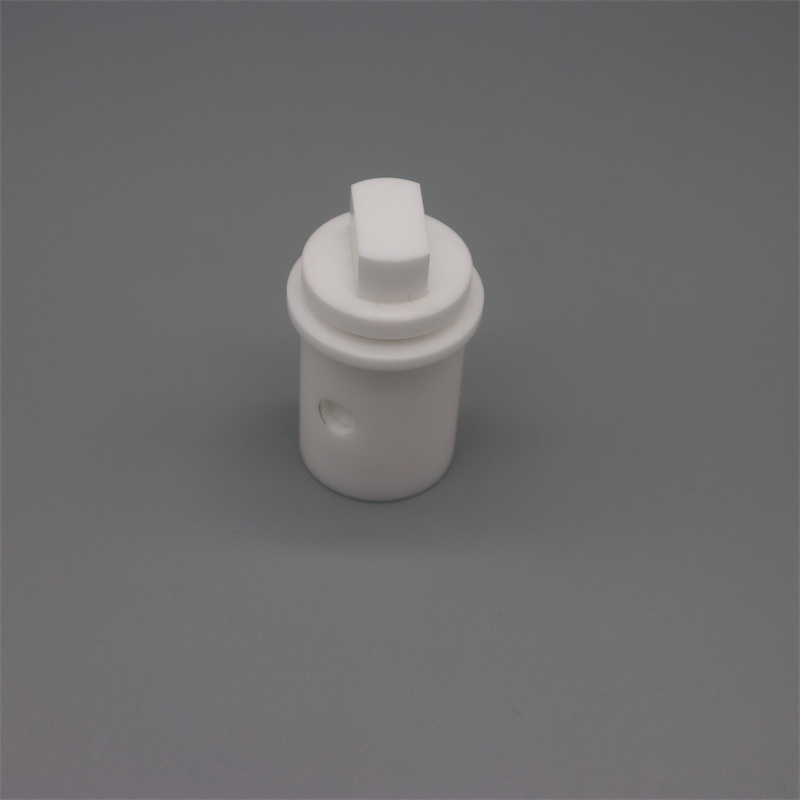
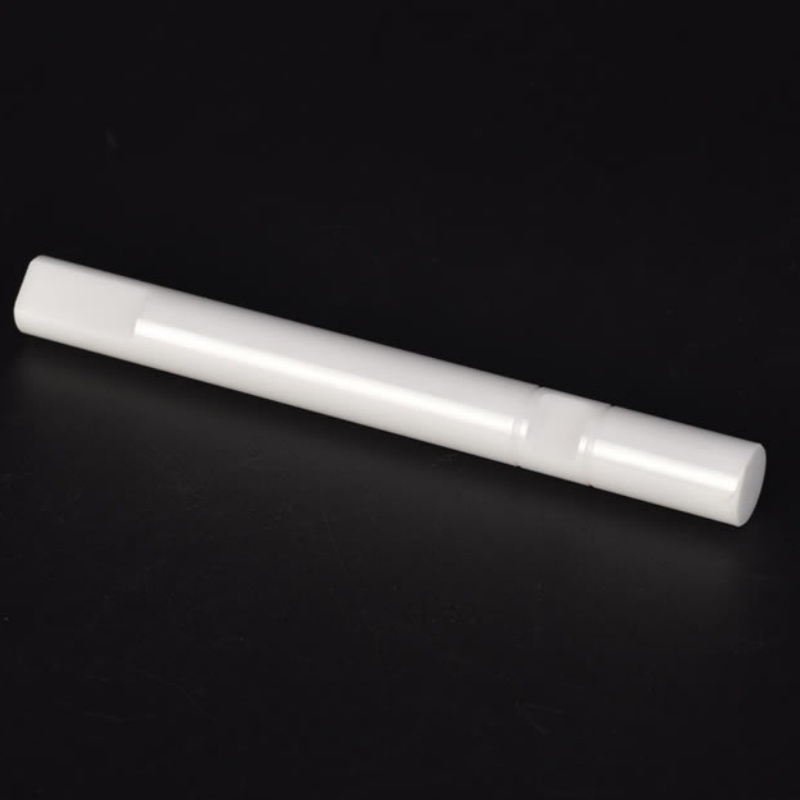
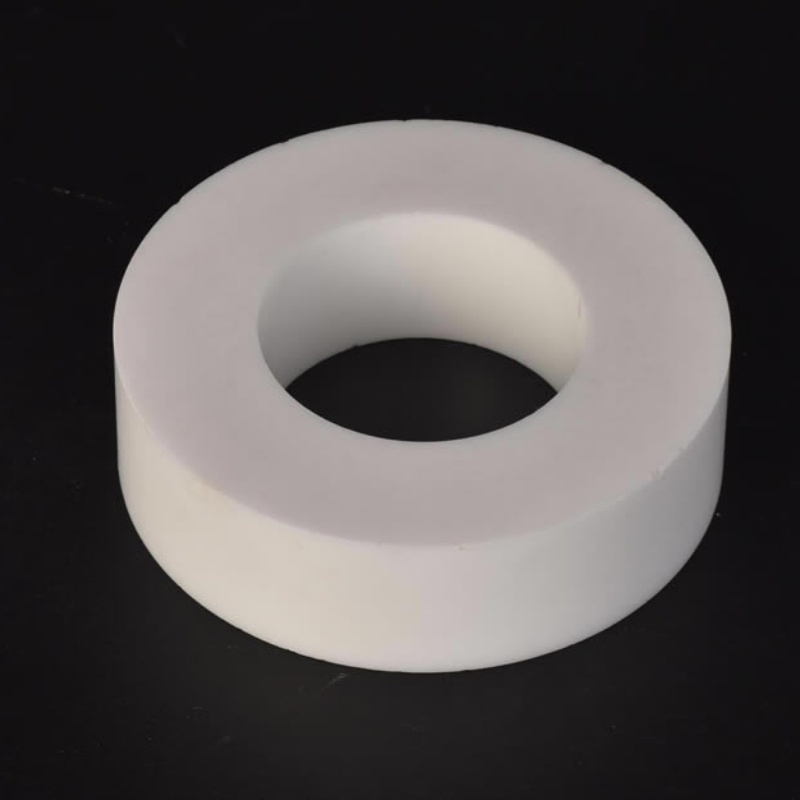
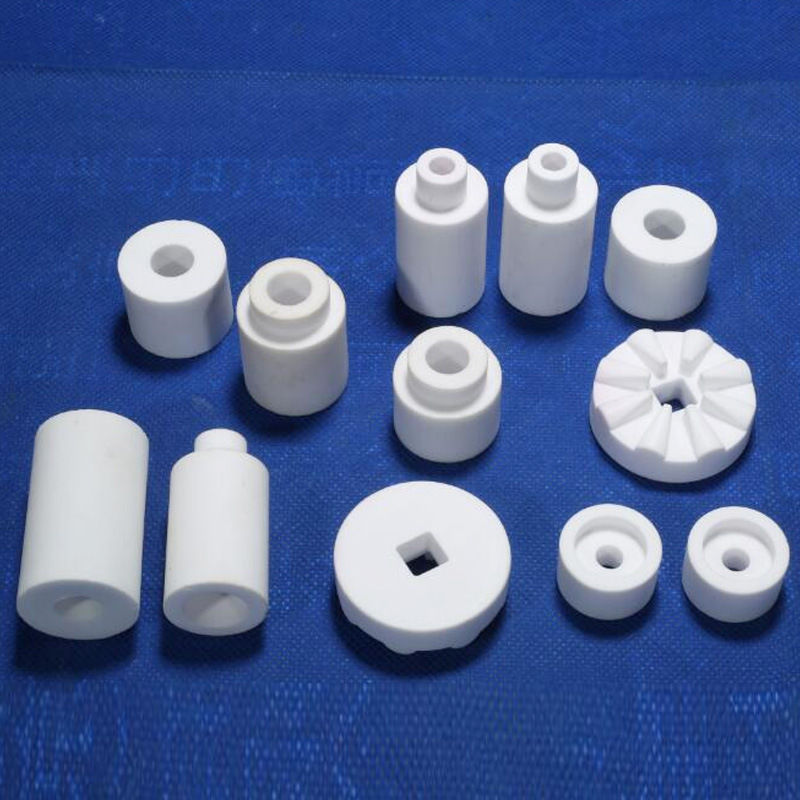
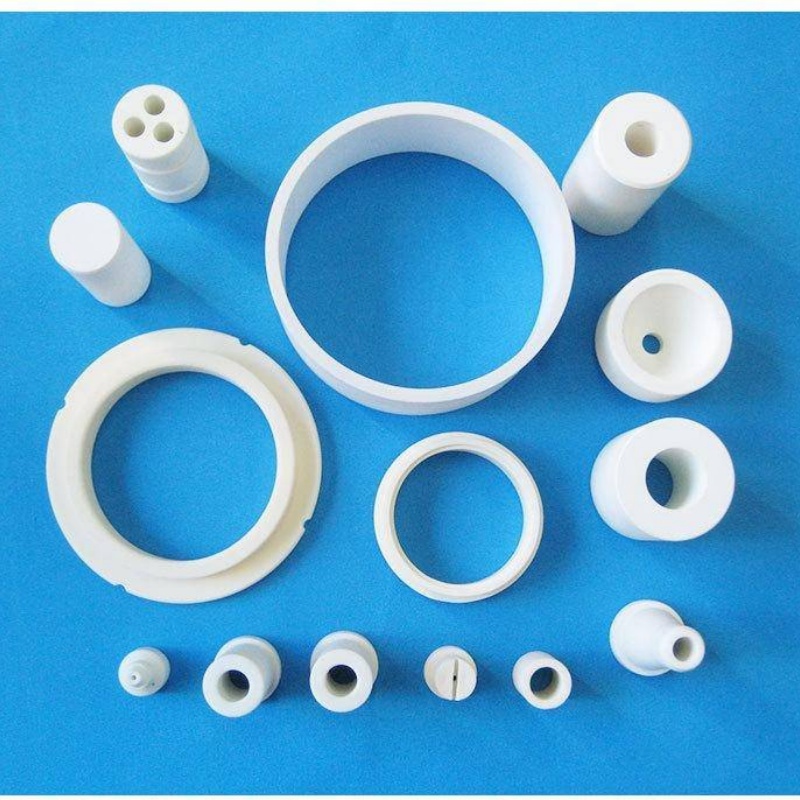
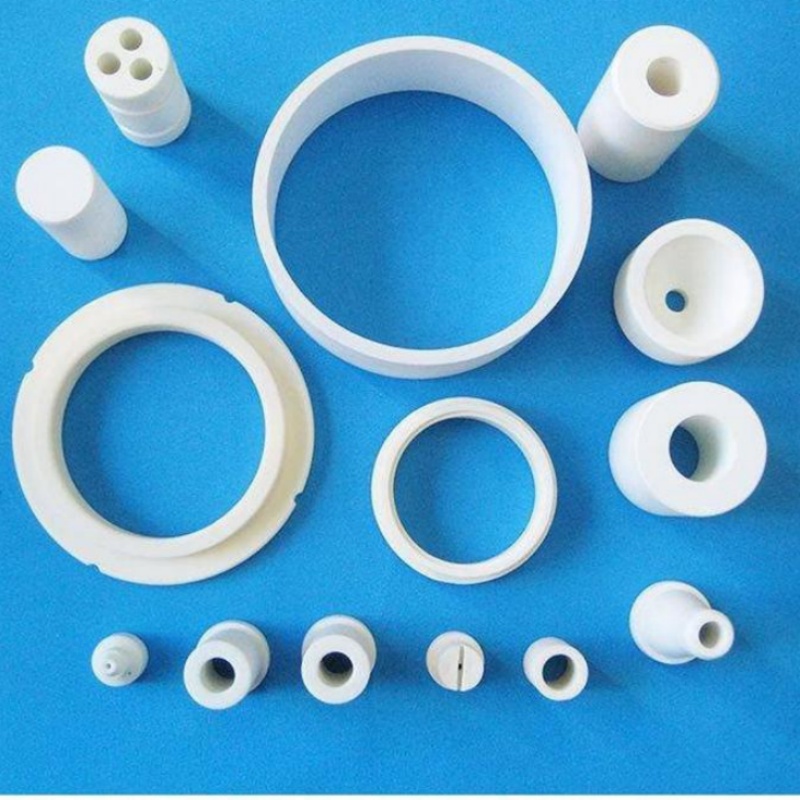
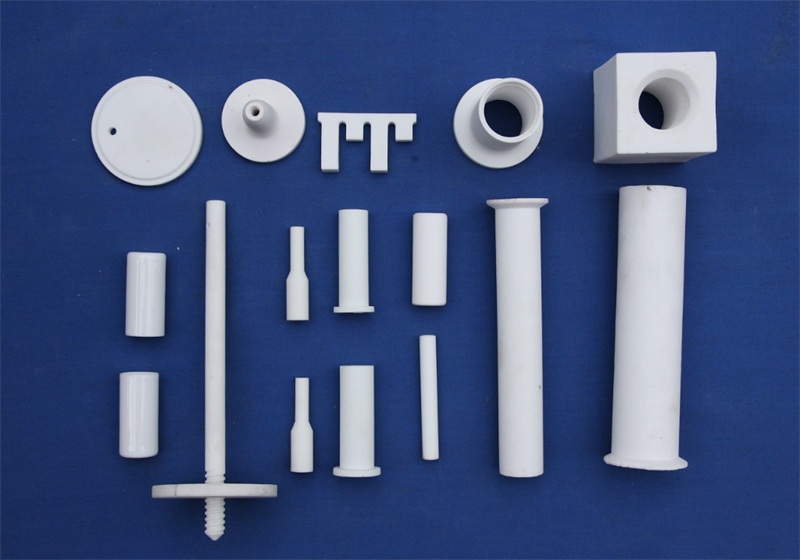
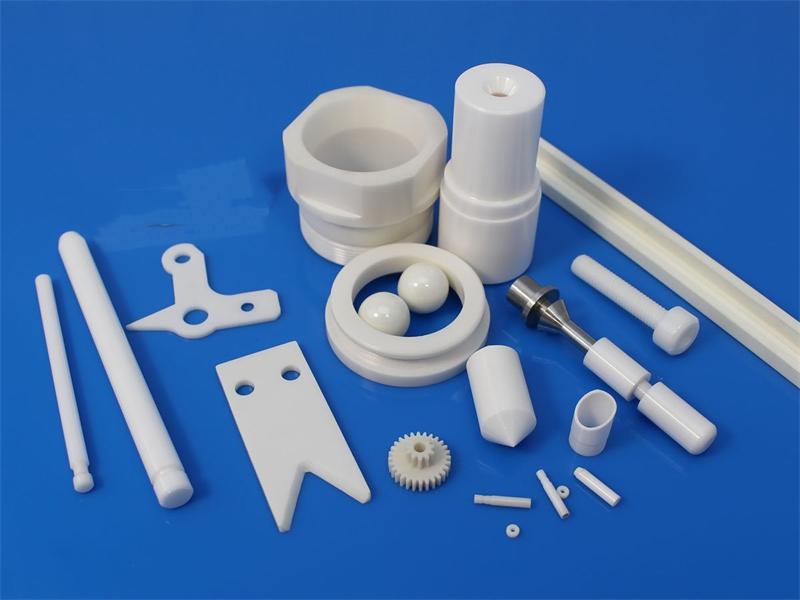
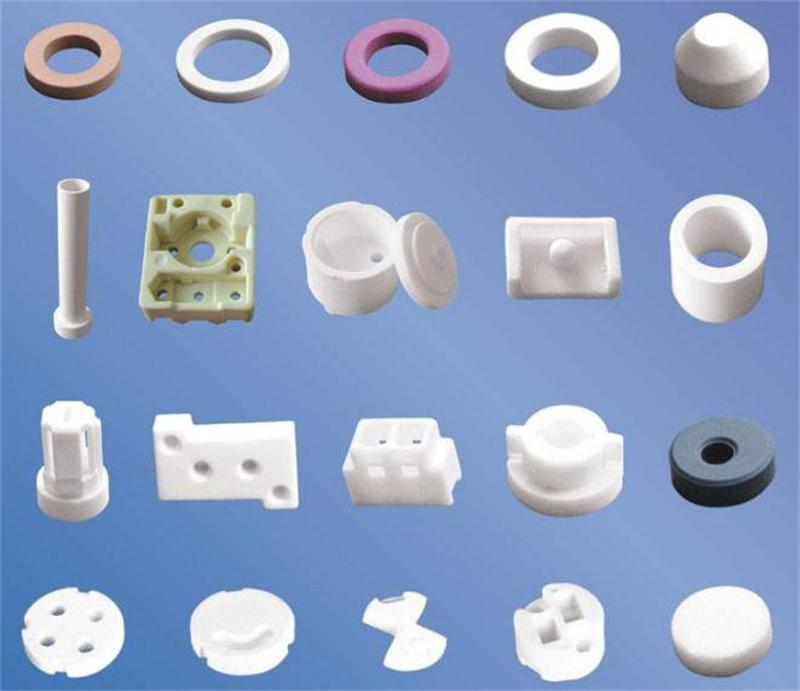
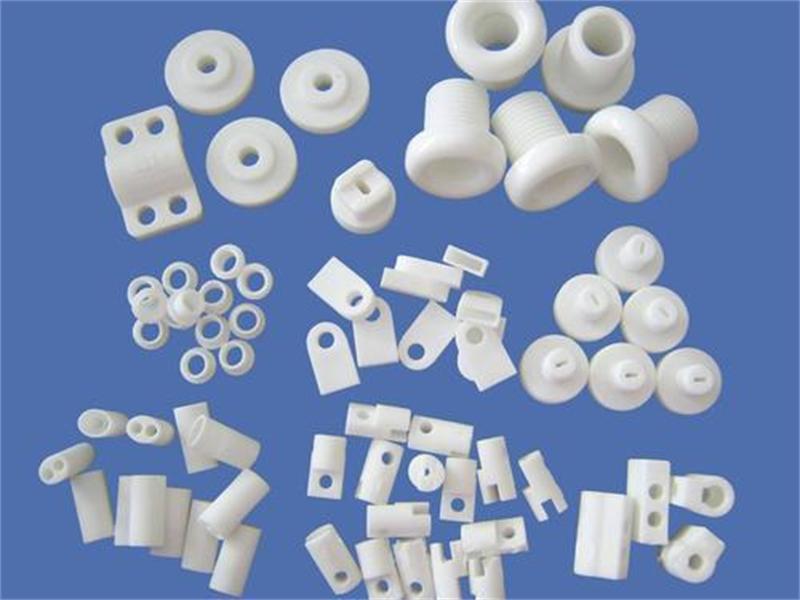
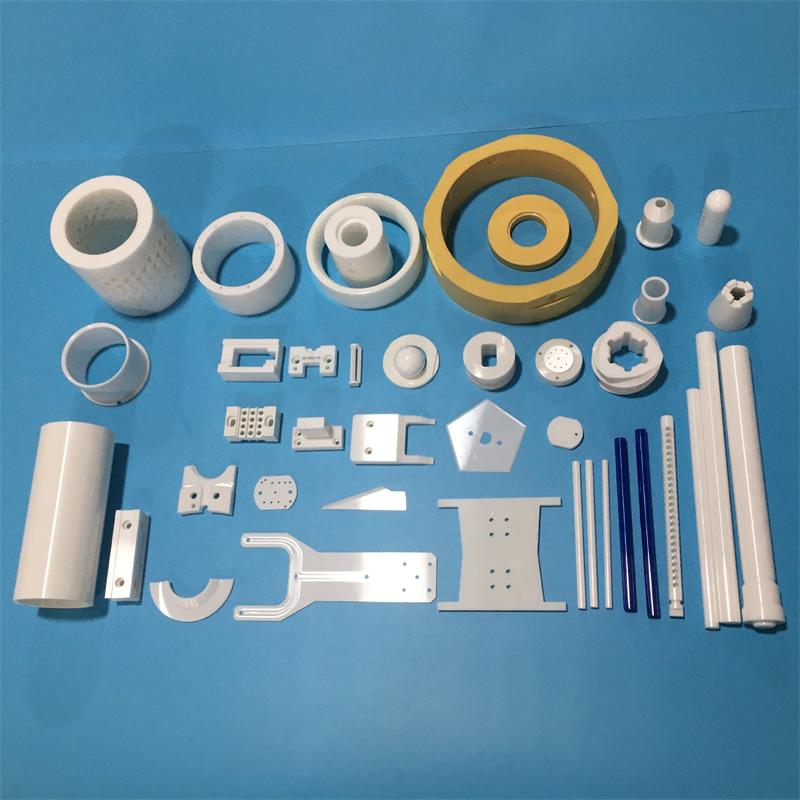
Industry-standard forms include rods, tubes, plates, discs, rings, and custom near-net shapes. Stock sizes are available for common materials like alumina and zirconia, while specialized materials may require custom forming. The available shapes depend on the forming method—pressing, extrusion, injection molding, or isostatic pressing.
How does the cost of ceramic components compare to metal alternatives?
The initial unit cost of ceramic components is typically higher than equivalent metal parts due to material processing and machining expenses. However, in applications involving extreme wear, corrosion, or temperature, ceramic components often last significantly longer, reducing replacement frequency, maintenance costs, and unplanned downtime. A total-cost-of-ownership analysis usually provides a more accurate comparison.
Ceramic products represent a broad and technically diverse family of materials that enable performance in environments where conventional engineering materials fall short. From semiconductor wafer processing to orthopedic implants, from turbine thermal barriers to high-wear mining components, advanced ceramics solve problems that metals and polymers cannot.
Successful application of ceramic products requires understanding not only their exceptional properties but also their inherent limitations. Material selection, component geometry, manufacturing method, and design for ceramic behavior all play critical roles in achieving reliable, long-lasting performance. Engineers who invest in understanding these fundamentals will be better positioned to leverage ceramic technology effectively in their applications.