Ceramic Piston Ring: Properties, Design & Applications
In the pursuit of higher efficiency, lower emissions, and extreme durability, the internal combustion engine and high-performance compressor industries have increasingly turned to advanced ceramics. Among the critical components benefiting from this material shift is the piston ring—a small but vital part that seals combustion gases, controls oil consumption, and transfers heat from the piston to the cylinder wall.
While traditional cast iron or steel piston rings have served well for over a century, their limitations become apparent under high-temperature, high-velocity, and corrosive conditions. This is where the ceramic piston ring enters the picture. Unlike metallic rings, ceramic variants offer exceptional hardness, thermal stability, and chemical inertness.
What Is Ceramic Piston Ring?
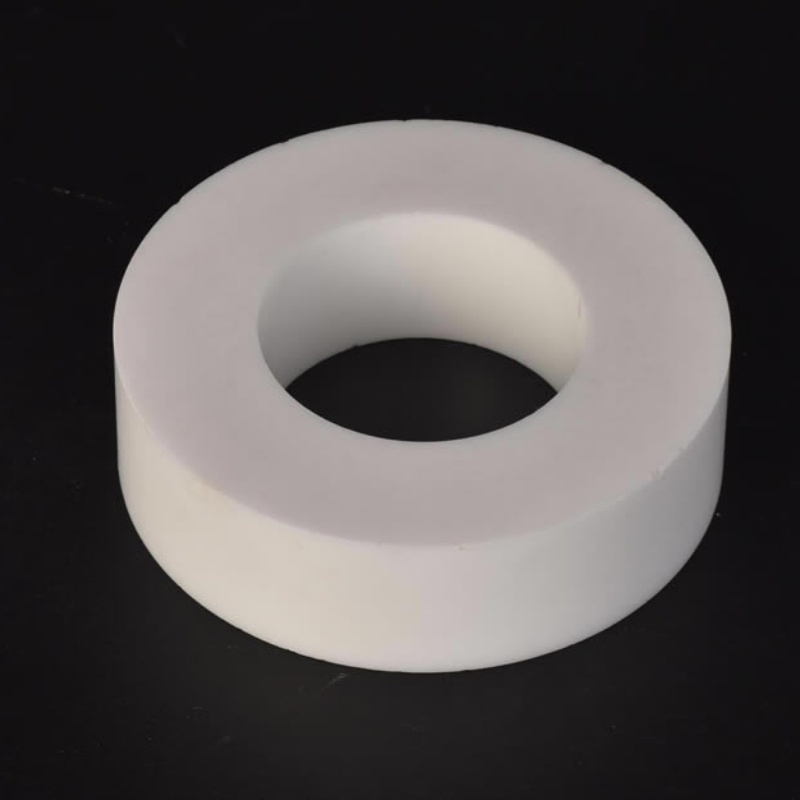
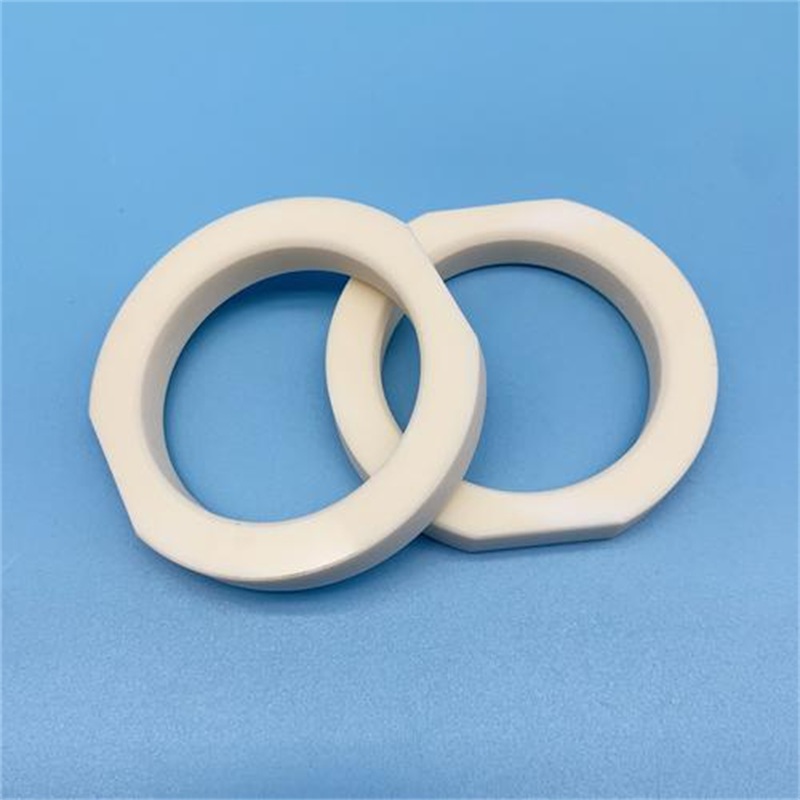
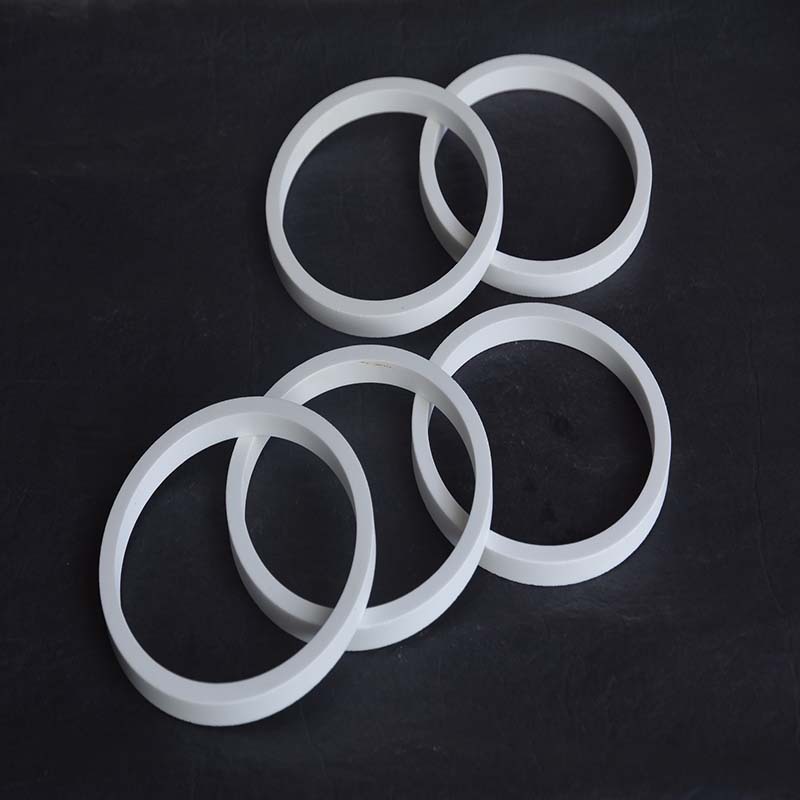
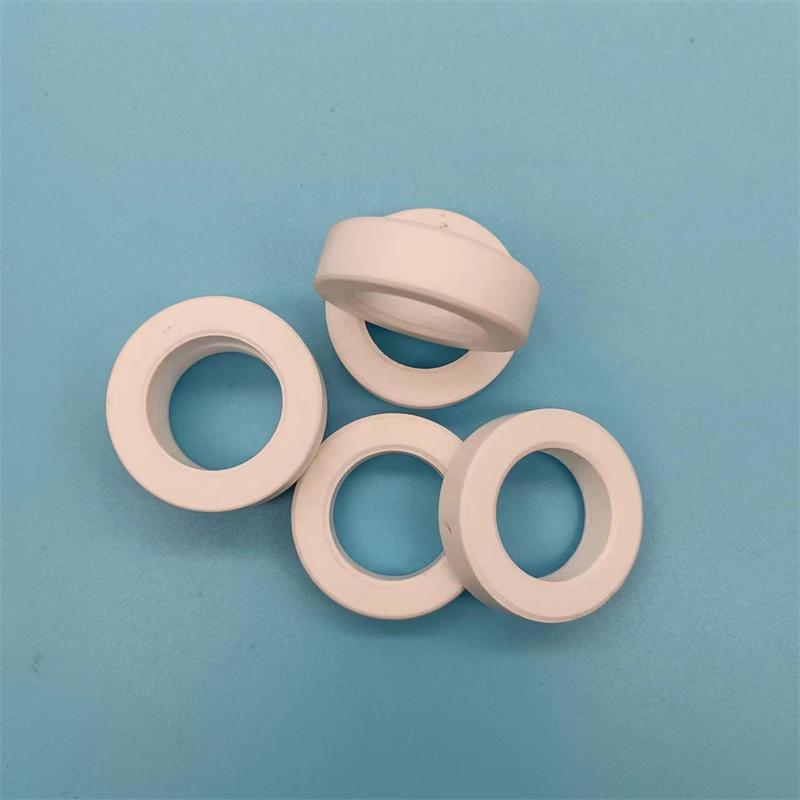
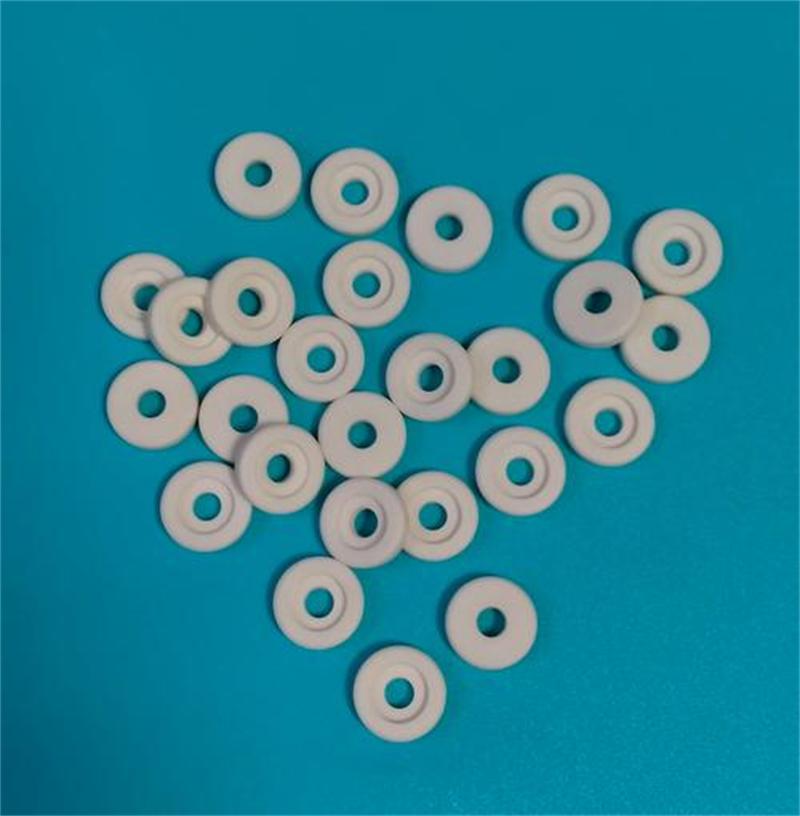
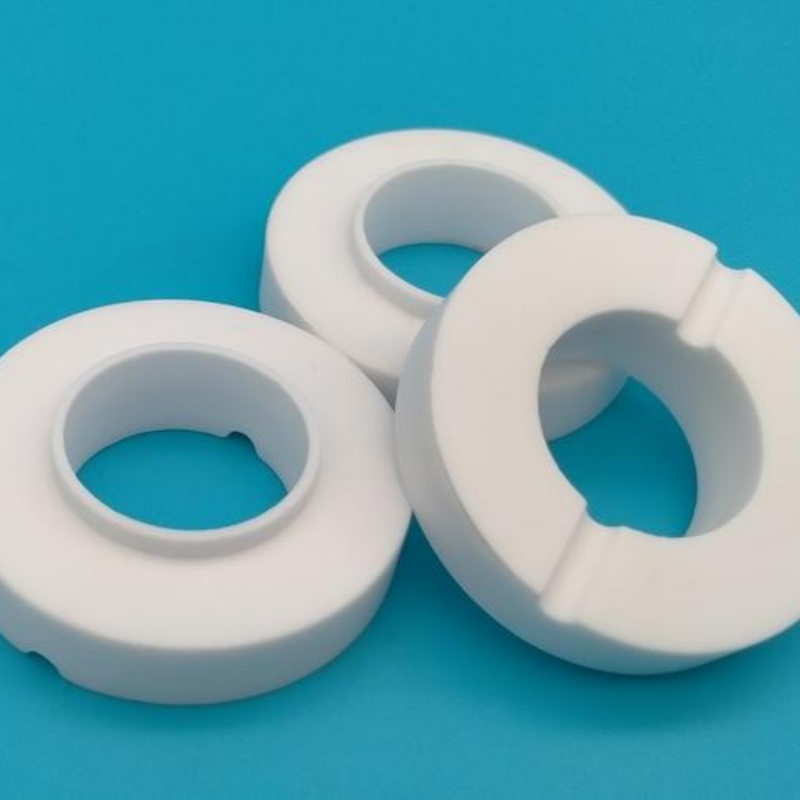
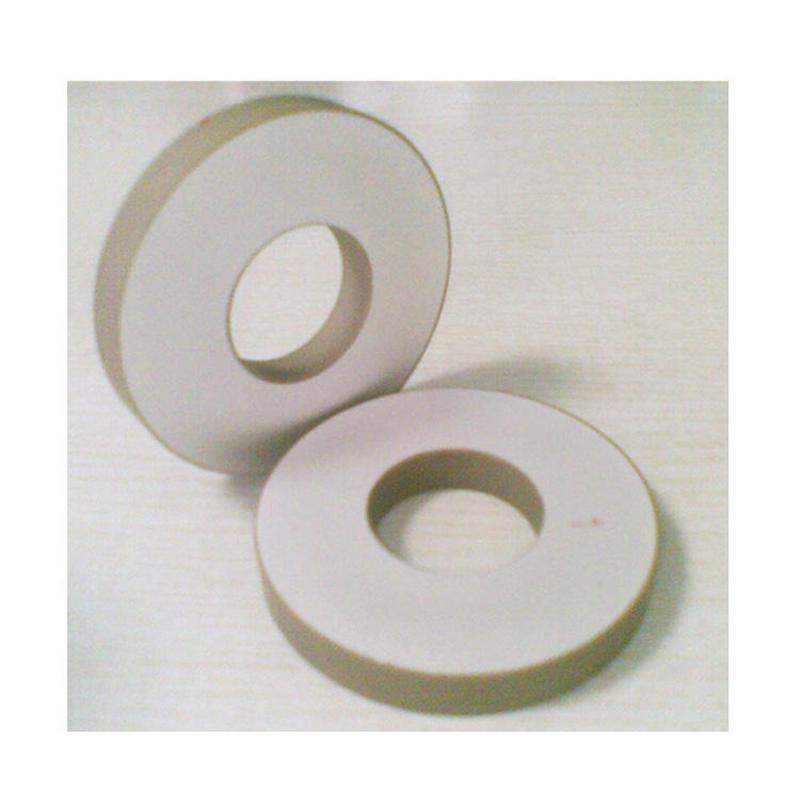
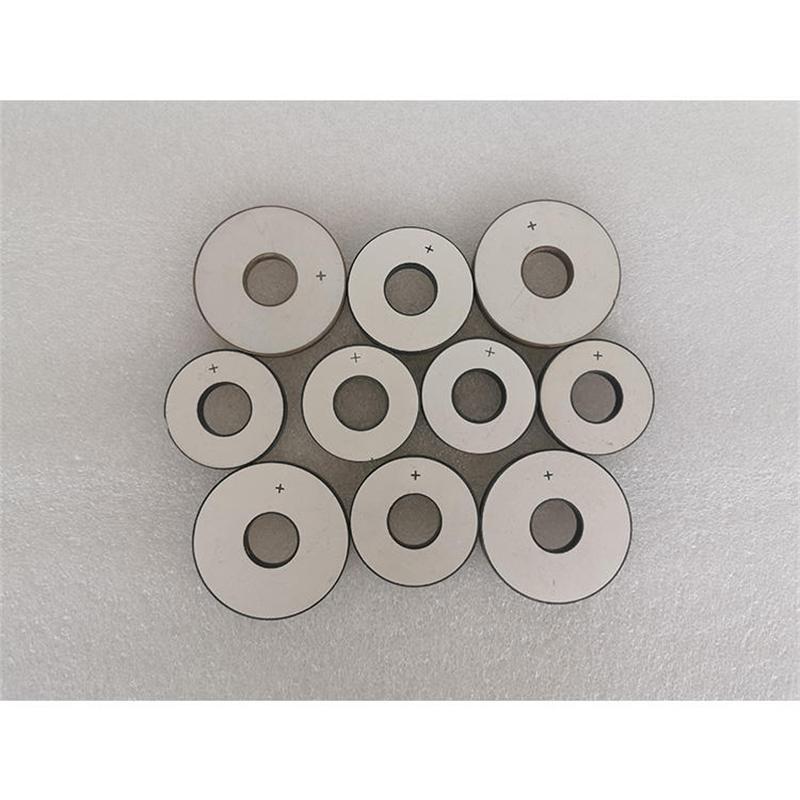
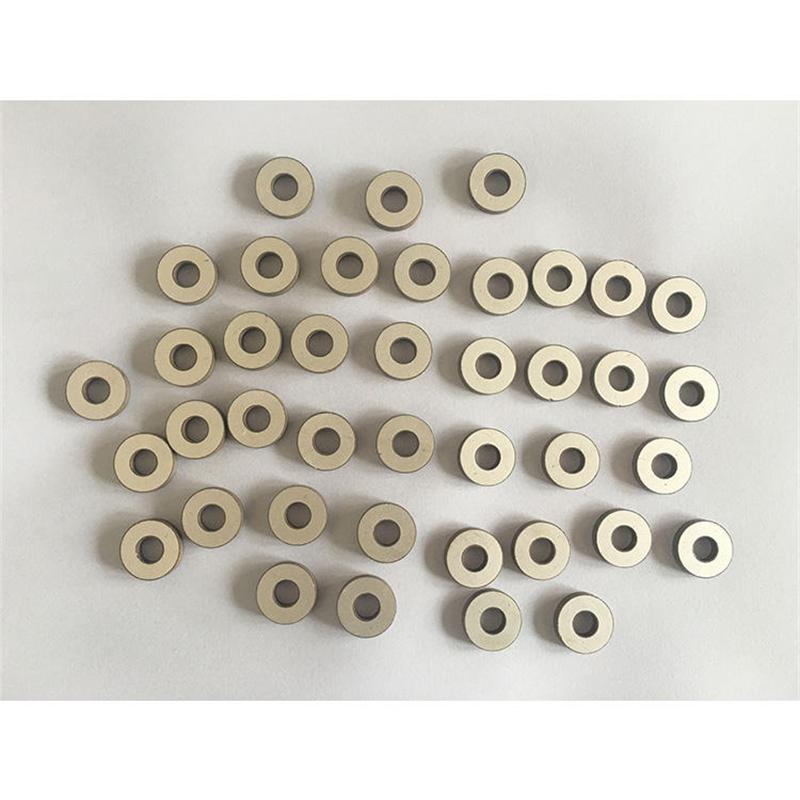
Ceramic piston ring is a precision-engineered component made predominantly from inorganic, non-metallic materials such as silicon nitride (Si₃N₄), silicon carbide (SiC), or partially stabilized zirconia (ZrO₂). Its primary function mirrors that of conventional metallic rings: maintaining a dynamic seal between the piston and the cylinder liner.
However, the term “ceramic” does not imply a single material. In industrial practice, the selection of a specific ceramic grade depends heavily on the operating environment. For instance, silicon nitride is often favored for high-temperature diesel engines due to its excellent fracture toughness, while silicon carbide is preferred in applications involving abrasive media or chemical corrosion.
Key Takeaway: The ceramic piston ring is not a direct replacement for steel; it is a specialized solution for environments where metallic materials experience accelerated wear, oxidation, or loss of mechanical properties at elevated temperatures.
Why Choose Ceramic over Conventional Materials?
To understand the value proposition, one must first appreciate the failure modes of standard metallic rings. In heavy-duty engines or high-pressure compressors, surface temperatures can exceed 400°C at the top ring groove. At such temperatures, conventional steel may soften, lose its spring tension, and suffer from adhesive wear or scuffing with the cylinder bore.
Ceramic materials offer a distinct set of advantages in these scenarios. Their high hot hardness ensures that the ring maintains its geometry and sealing capability even when the engine is operating at peak thermal load. Furthermore, the low thermal expansion coefficient of most ceramics minimizes the clearance variation between the ring and the cylinder wall as temperatures fluctuate. This dimensional stability is crucial for reducing blow-by gases and improving overall combustion efficiency.
From an engineer’s perspective, the decision to adopt a ceramic piston ring is often driven by life-cycle cost analysis. While the initial material cost is significantly higher than cast iron, the extended service intervals, reduced downtime, and prevention of catastrophic failure can offer compelling returns in mission-critical equipment.
Key Material Properties of Ceramic Piston Rings
High-Temperature Stability
One of the defining characteristics of advanced ceramics is their ability to retain mechanical integrity at temperatures that would compromise most superalloys. For example, silicon nitride can maintain useful strength up to 1200°C in non-oxidizing environments. This allows the piston ring to function effectively in turbocharged diesel engines where peak combustion temperatures have risen steadily due to emissions regulations.
Exceptional Wear Resistance
The hardness of ceramic materials translates directly into superior abrasive and adhesive wear resistance. When a piston ring moves against the cylinder liner, microscopic asperities on both surfaces interact. Ceramics, with their high elastic modulus and hardness, resist plastic deformation and galling. In practical terms, this means the ring groove and the ring face maintain their original profile for much longer periods, preserving the gas seal.
Chemical Inertness
In engines running on alternative fuels—such as those with higher sulfur content or methanol blends—the combustion byproducts can be highly corrosive. Silicon carbide, in particular, exhibits outstanding resistance to chemical attack, making it an ideal candidate for such aggressive environments. This chemical stability also contributes to oil cleanliness, as reduced wear debris minimizes contamination of the lubricant.
Low Density
Weight reduction is another benefit often overlooked. Silicon nitride has a density of approximately 3.2 g/cm³, compared to 7.8 g/cm³ for steel. The reduced reciprocating mass of a ceramic ring lowers the inertia forces at high engine speeds, potentially allowing for higher RPM operation or reduced mechanical losses in the valve train.
Common Ceramic Materials Used for Piston Rings
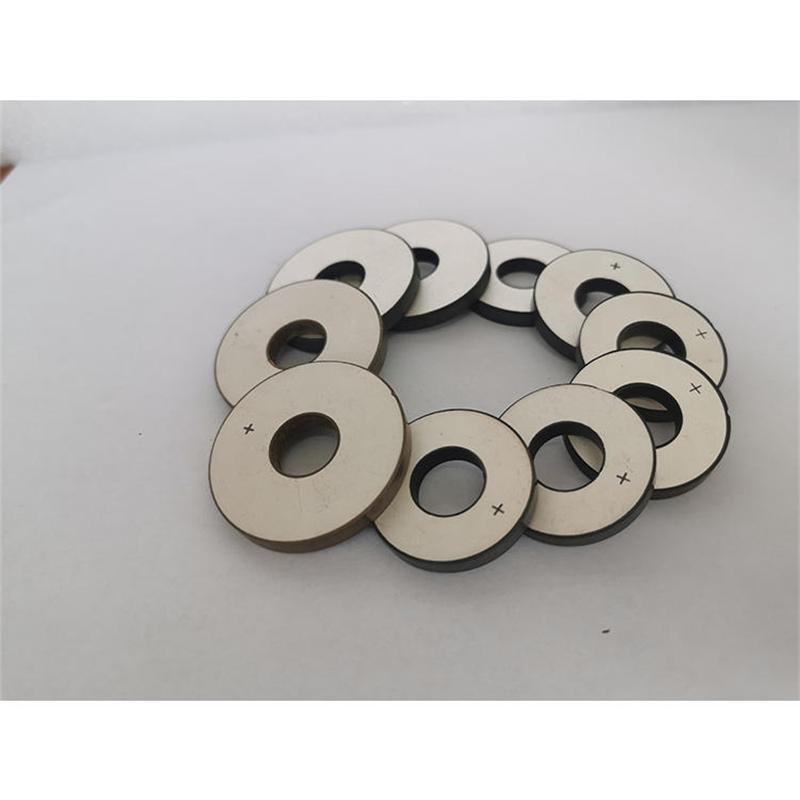
The industry is not unified in its choice of material; rather, three primary ceramic families dominate the application landscape:
Silicon Nitride (Si₃N₄)
This is arguably the most popular choice for heavy-duty diesel and natural gas engines. Its high fracture toughness (typically around 6–8 MPa·m¹⁄²) provides a degree of damage tolerance that is critical in an environment where impact and vibration are constant. Moreover, its thermal shock resistance is excellent, allowing the engine to start and stop without inducing micro-cracking.
Silicon Carbide (SiC)
In applications involving dry running or lubricant starvation, silicon carbide is the material of choice. Its hardness is second only to diamond and cubic boron nitride, making it ideal for compressors handling dry gases or processes where oil carryover is undesirable. The self-mated wear behavior of SiC is also noteworthy; it can run against itself with very low friction in certain fluid environments.
Partially Stabilized Zirconia (PSZ)
Zirconia is unique among ceramics because it undergoes a phase transformation that imparts toughness. However, its application in piston rings is more limited to lower-temperature, high-corrosion environments due to its higher thermal expansion coefficient and density compared to silicon nitride. It is sometimes specified for reciprocating pumps handling acidic or caustic fluids.
Design Considerations for Ceramic Piston Rings
Designing with ceramics is fundamentally different from designing with metals. An experienced engineer will tell you that the old rules of thumb for steel components do not apply here.
Stress Distribution and Geometry
The tensile strength of ceramics is generally an order of magnitude lower than their compressive strength. Therefore, the ring design must avoid tensile stresses as much as possible. The cross-section should be optimized to ensure that combustion pressure and installation stresses translate into compressive loads. A common design practice is to increase the radial width of the ring slightly compared to a steel equivalent to distribute the load more effectively.
Clearance Management
While the lower thermal expansion of ceramics reduces the risk of the ring seizing in the bore, the design must still account for thermal gradients between the top and bottom of the ring. This differential expansion can cause distortion (twist) if not properly modeled using finite element analysis (FEA). Modern design processes rely heavily on 3D thermal-mechanical simulation to predict the ring’s shape at operating temperature.
Surface Finishing
The final surface finish of the ring face is perhaps the most critical parameter. To run against a steel or cast iron cylinder liner, the ceramic ring requires a lapped or polished surface with a specific roughness (Ra). If the surface is too smooth, it may not retain a sufficient oil film, leading to boundary lubrication and increased friction. Conversely, a surface that is too rough will accelerate liner wear. In my experience, a targeted roughness of 0.1 to 0.2 µm Ra typically provides a balanced performance in lubricated diesel applications.
Manufacturing and Machining Challenges
This is where theory meets reality. The properties that make ceramics desirable—hardness and brittleness—also make them notoriously difficult to manufacture.
Near-Net Shape Processing
Most ceramic piston rings are not machined from solid blocks; doing so would be prohibitively expensive and wasteful. Instead, they are produced via near-net shape processes such as slip casting, dry pressing, or injection molding. The green body (unfired state) is formed to approximate dimensions, accounting for a linear shrinkage of approximately 15–20% during sintering.
Diamond Grinding
After sintering, the ceramic is extremely hard and must be ground using diamond abrasive wheels. This is a slow, high-cost operation that requires specialized equipment. Achieving the precise flatness and parallelism required for the ring faces demands multiple grinding and lapping stages. The setup time for these operations is often longer than the actual cycle time, which is a significant contributor to the higher cost of ceramic rings compared to mass-produced cast iron rings.
Inspection and Quality Control
Beyond dimensional measurement, every ceramic ring must undergo rigorous non-destructive testing (NDT). Ultrasonic inspection or dye penetrant testing is typically employed to detect surface-breaking cracks that could propagate under service loads. Given the brittle nature of the material, a single crack is a potential failure point, making 100% inspection a mandatory aspect of the manufacturing process.
Real-World Applications and Industry Scenarios
Heavy-Duty Diesel Engines
In the mining and construction sectors, diesel engines are required to operate continuously under heavy loads in dusty environments. A major engine manufacturer recently documented a 20% reduction in oil consumption and a significant decrease in cylinder bore polishing when switching from nitrided steel rings to silicon nitride rings in the top groove position. This resulted in extended overhaul intervals from 12,000 to 15,000 hours.
High-Pressure Reciprocating Compressors
In hydrogen and natural gas compression, lubricating oil is often forbidden because it can contaminate the gas stream or react with the media. Silicon carbide piston rings are employed in these dry-running compressors due to their ability to run unlubricated against a coated cylinder wall. The low friction coefficient of SiC against chrome oxide coatings allows these compressors to operate for thousands of hours without replacement.
Marine Engines
Slow-speed two-stroke marine diesels present a unique challenge: they burn heavy fuel oil with high vanadium and sulfur content. The corrosive ash formed during combustion attacks the top ring severely. Silicon nitride rings have been tested in these engines with positive results, showing significantly reduced corrosion rates and maintaining ring gap dimensions over the service life of the piston.
Limitations and When to Avoid Ceramic Rings
No material is perfect, and the ceramic piston ring is not a universal solution. Understanding its limitations is as important as knowing its strengths.
Brittle Failure
If subjected to severe impact or misalignment, a ceramic ring can fracture. This contrasts with steel rings, which will deform plastically. Therefore, ceramic rings are rarely used in applications with known mechanical shock or where the risk of a broken ring could lead to secondary damage (e.g., scoring the cylinder bore).
Cost Sensitivity
The cost of a single ceramic ring can be five to ten times that of a high-quality steel ring. For high-volume, low-cost engines (e.g., small passenger cars), the cost-benefit ratio often does not justify the material upgrade.
Compatibility with Liner Materials
Ceramic rings are unforgiving against a soft or uncoated cylinder liner. The liner surface must typically be hardened or coated (e.g., with a thermally sprayed coating) to survive the running-in period. This adds additional cost and complexity to the engine design.
Comparative Design Guide: Ceramic vs. Steel
When evaluating materials for a new engine or compressor project, engineers often create a decision matrix. Instead of a table, consider the following operational framework:
– For operating temperatures consistently above 450°C at the top ring: Ceramic (Si₃N₄) is likely the better choice due to thermal stability.
– For applications with lubricant contamination or dry-running requirements: SiC is often non-negotiable due to its low wear rate.
– For budget-constrained projects with moderate temperatures: High-performance ductile iron with a ceramic coating may provide a better cost-performance balance.
– For high-speed gasoline engines with high RPM fluctuations: The low density of ceramic is advantageous, but careful attention to ring dynamics is required to avoid flutter.
In my two decades of consulting on such matters, the most successful transitions to ceramic rings have involved a holistic systems approach. Simply swapping the ring material without adjusting the liner surface, ring groove dimensions, or ring tension invariably leads to disappointing results.
Frequently Asked Questions
Can ceramic piston rings be used in standard engines without modification?
In most cases, no. The cylinder liner surface must typically be hardened or coated to accommodate the ceramic ring. Additionally, the ring groove clearance and side clearances need to be recalculated based on the different thermal expansion coefficients to prevent micro-welding or ring sticking.
How long do ceramic piston rings last compared to steel ones?
This is application-dependent. In a well-designed system, ceramic rings often exhibit 2 to 3 times the service life of equivalent steel rings in high-temperature environments. The primary limitation is usually the wear of the counter face (cylinder liner), not the ring itself.
What is the main failure mode for a ceramic piston ring?
Fracture due to shock loading or thermal shock is the most common cause of failure. In the absence of mechanical abuse, the failure mode is typically slow, gradual wear of the running face, which eventually leads to increased blow-by gases.
Are there environmental benefits to using ceramic piston rings?
Yes. The primary environmental benefits include improved fuel efficiency due to reduced friction and blow-by, as well as extended oil change intervals due to lower oil degradation from combustion gases. This contributes to a reduction in carbon footprint and waste oil generation.
How should a ceramic piston ring be stored before installation?
Ceramic rings should be stored in a clean, dry environment, preferably in their original packaging to prevent particles from coming into contact with the polished surface. They should not be stacked or dropped. Unlike steel rings, they do not require any specific oil preservation, but they are susceptible to chipping.
What is the typical tolerance for the gap of a ceramic piston ring?
The end gap for a ceramic ring is generally specified to be larger than that of a steel ring to accommodate the lower thermal expansion of the ceramic. A typical value might range from 0.4% to 0.6% of the cylinder diameter, but this must always be calculated based on the specific engine’s operating temperature profile.
Can ceramics be used for all three piston rings in a set (compression, scraper, oil control)?
While all three could theoretically be made from ceramic, it is economically impractical. Standard practice is to use a ceramic for the highly stressed top compression ring only, while the second compression ring and oil control rings remain metallic. This combination provides the optimal balance of performance and cost
What happens if the ceramic ring breaks inside the engine?
A broken ceramic ring can cause catastrophic damage to the cylinder liner. The fragments act as cutting tools, scoring the soft steel or iron liner. In severe cases, it may also damage the piston. This is why engine builders often implement condition monitoring systems when adopting ceramic rings.
The ceramic piston ring stands as a testament to the advances in material science that enable modern engines to operate at higher pressures and temperatures than ever before. Silicon nitride and silicon carbide, with their unique blend of high-temperature stability, wear resistance, and chemical inertness, offer solutions to engineering problems that metallic materials cannot solve cost-effectively.
However, the implementation of ceramic piston rings demands a high level of engineering rigor. The brittleness of the material requires careful design to avoid tensile stresses; the manufacturing process requires specialized skills and equipment; and the system integration requires consideration of the mating materials and operating envelope.
For the design engineer or materials specialist looking to push the boundaries of mechanical efficiency, the ceramic piston ring is a powerful tool—provided that its strengths and limitations are respected. This guide serves as a foundation, but every specific application warrants deeper analysis, ideally involving prototyping and validation testing.