Ceramic Pin Needle
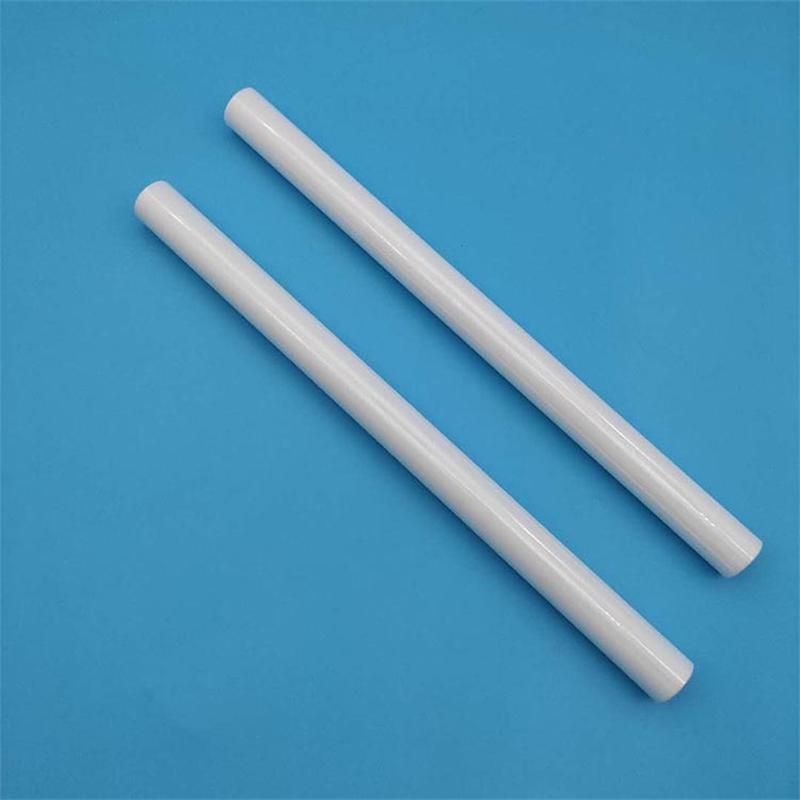
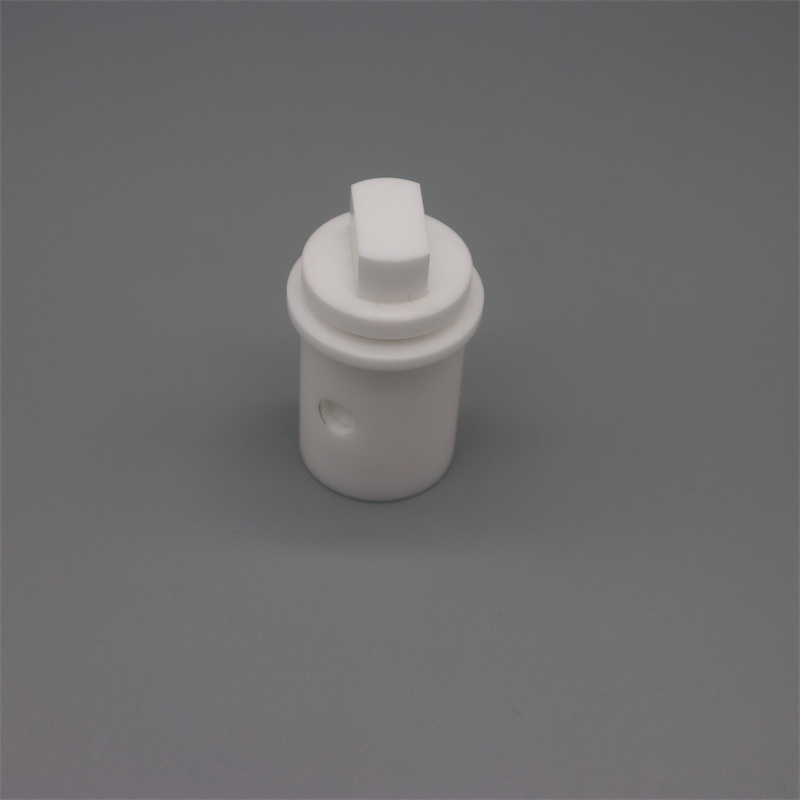
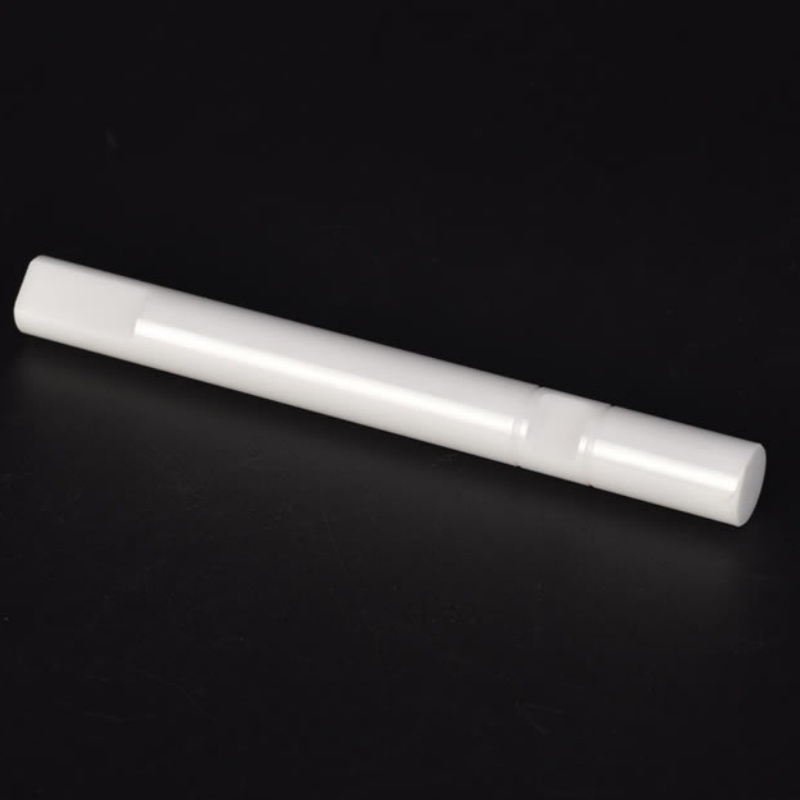
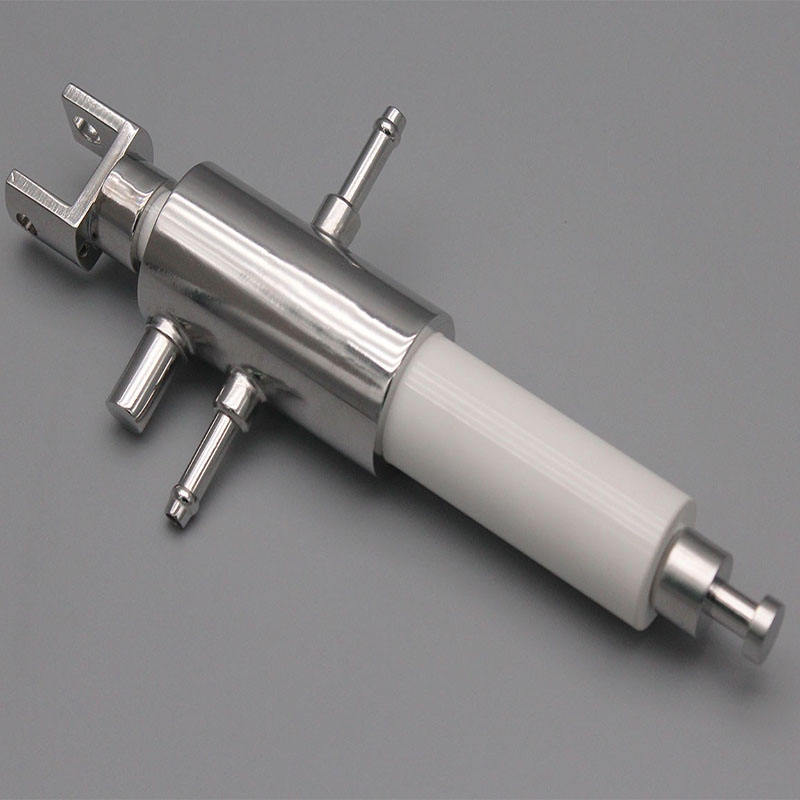
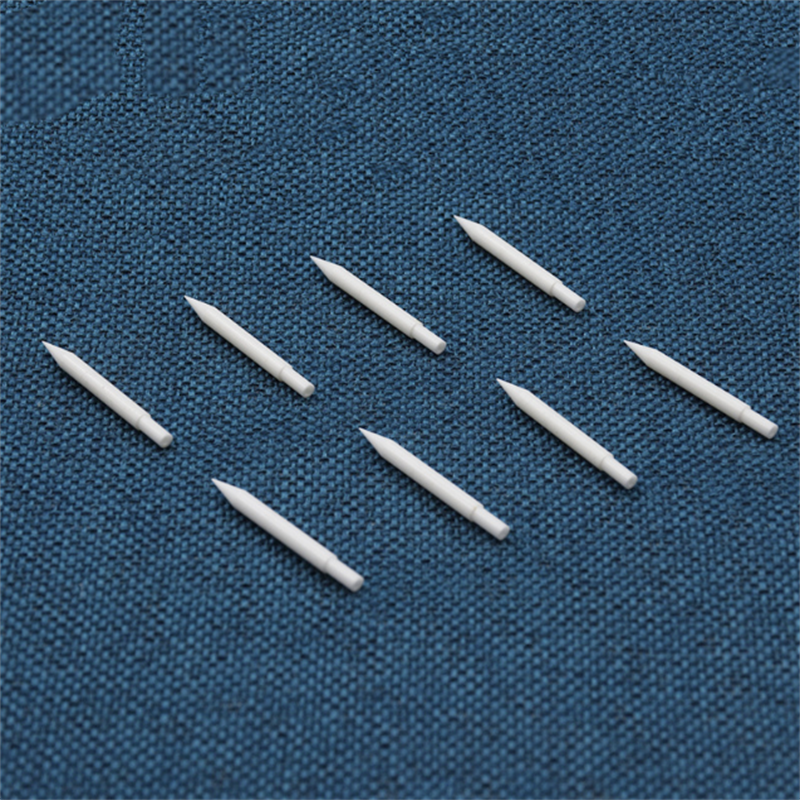
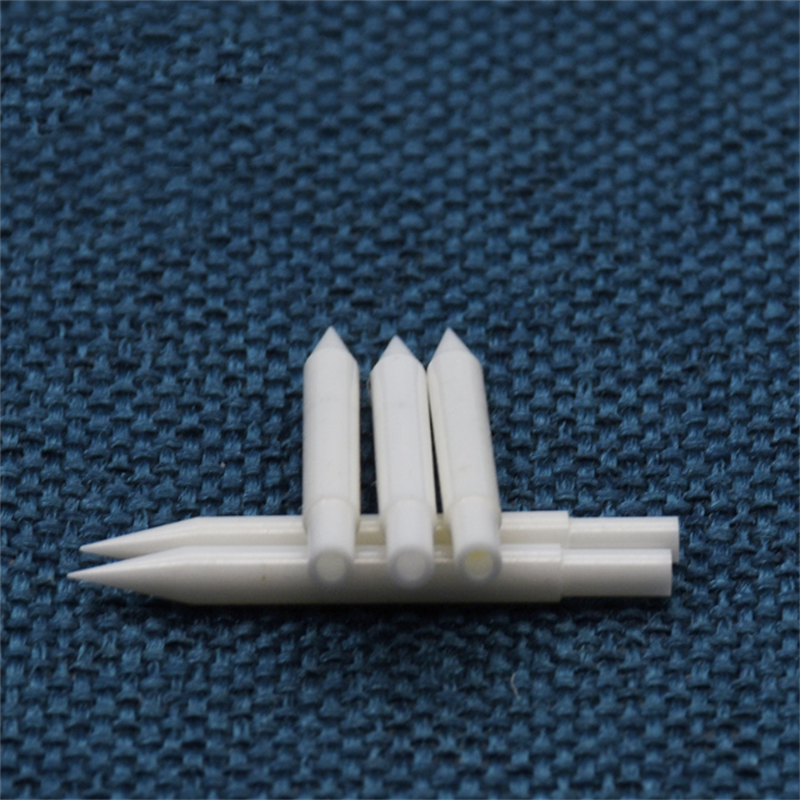
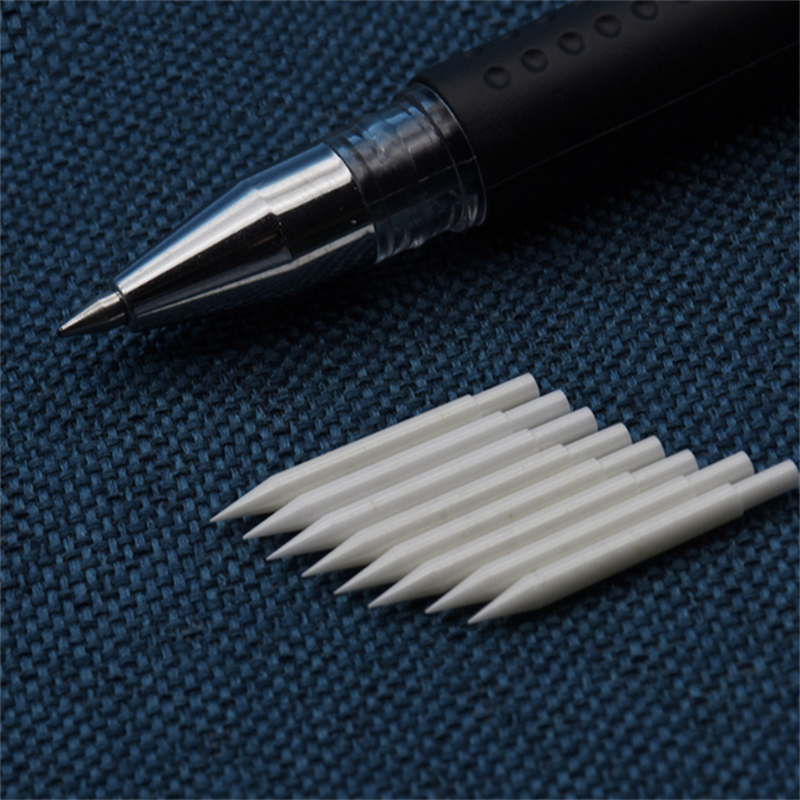
Ceramic pin needle is a slender, precision-engineered component fabricated from advanced technical ceramics. These components serve critical functions in environments where conventional metal pins fail — extreme temperatures, corrosive atmospheres, high-frequency electrical fields, or applications demanding minimal particulate contamination.
Unlike standard guide pins or dowel pins, ceramic pin needles are typically manufactured to tight dimensional tolerances (often within ±0.005 mm on diameter) and are selected based on the specific demands of the operating environment rather than purely mechanical load requirements.
What Is a Ceramic Pin Needle?
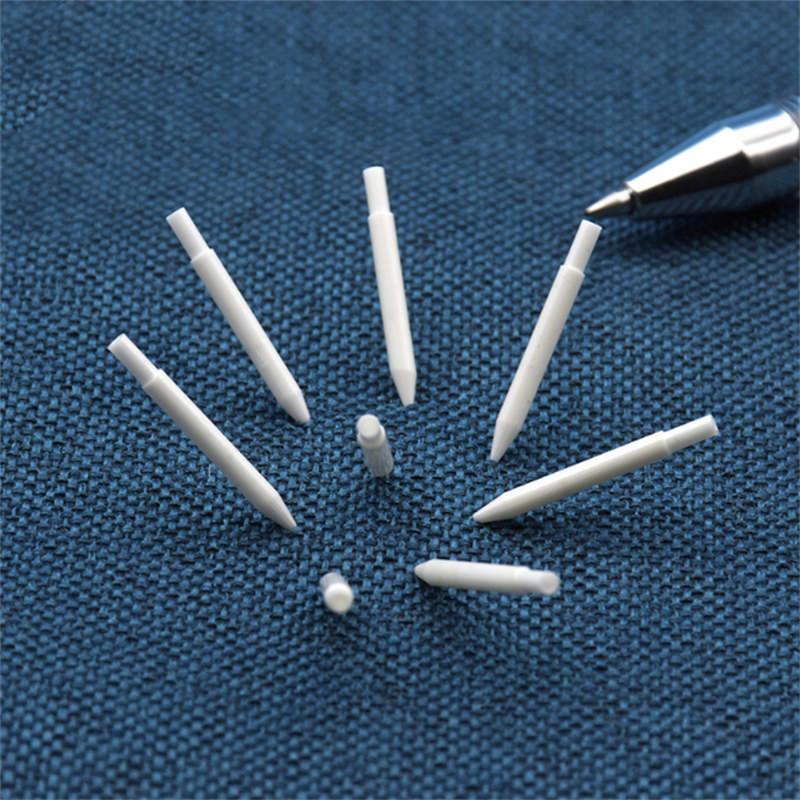
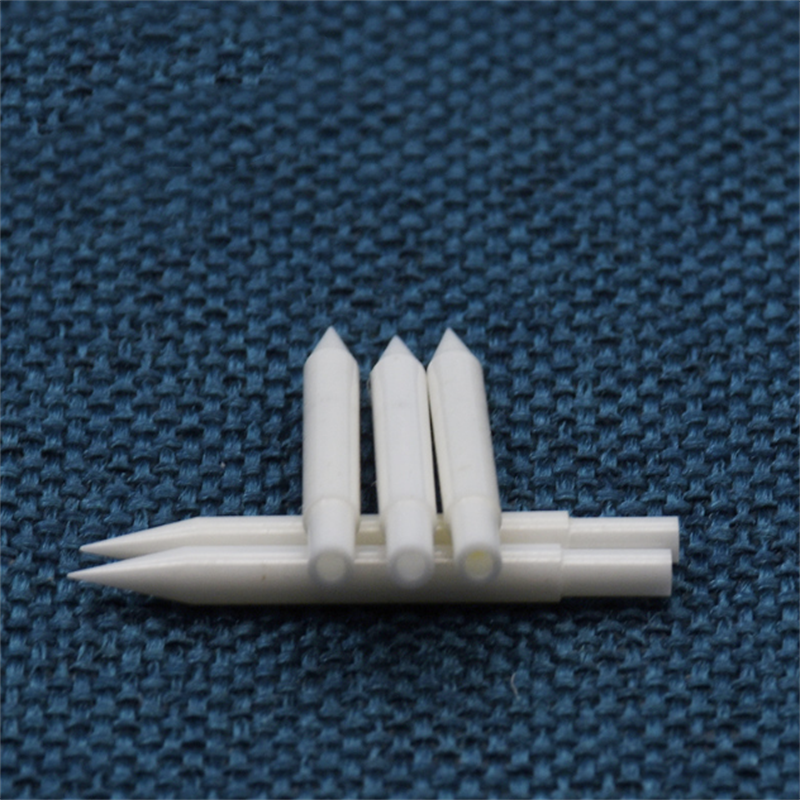
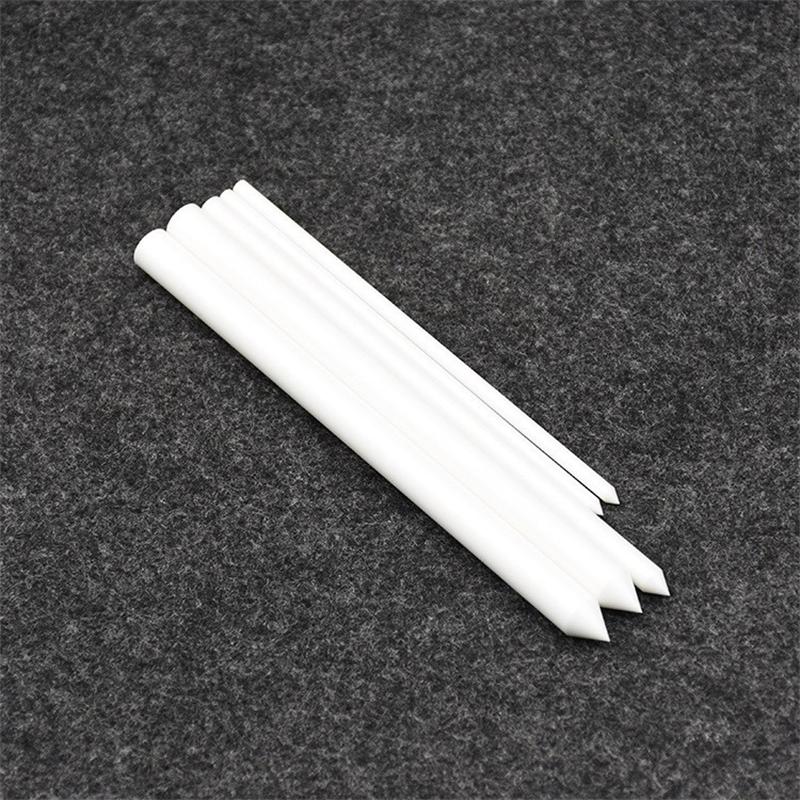
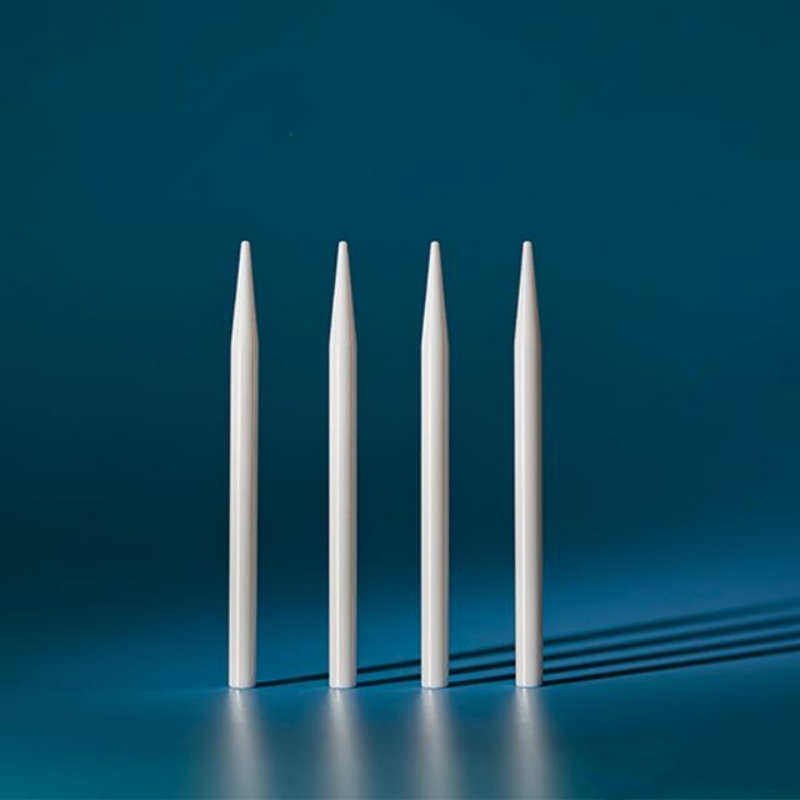
Ceramic pin needle is a cylindrical or tapered ceramic component with a high aspect ratio — meaning its length significantly exceeds its diameter. Typical diameter ranges fall between 0.3 mm and 6.0 mm, with lengths from 5 mm to over 100 mm depending on the application.
These pins are not simply “ceramic versions” of metal pins. The material selection fundamentally changes how the component behaves under load, thermal cycling, and environmental exposure. Engineers must account for the inherent brittleness of ceramics, their superior hardness, and their chemical inertness when integrating these components into assemblies.
Ceramic pin needles are used across semiconductor processing, precision instrumentation, high-temperature furnaces, medical devices, and textile machinery — anywhere a metal pin would introduce contamination, conduct electricity, corrode, or deform under thermal stress.
Key Material Options for Ceramic Pins
Selecting the right ceramic material is the most consequential decision in the specification process. Each ceramic system offers a distinct balance of mechanical, thermal, and electrical properties.
Alumina (Al₂O₃) — The Workhorse Ceramic
Alumina remains the most widely used ceramic for pin needle applications. With hardness values around 1,500–1,700 HV and good compressive strength, it provides an excellent balance of performance and cost. Standard purity grades include 96% and 99.5% Al₂O₃, with higher purity offering improved electrical insulation and chemical resistance at the expense of slightly lower mechanical toughness.
Typical applications include textile guide pins, furnace fixture pins, electrical insulator pins, and general-purpose positioning elements in automated assembly equipment.
Zirconia (ZrO₂) — When Toughness Matters
Zirconia, particularly yttria-stabilized zirconia (Y-TZP), offers significantly higher fracture toughness than alumina — typically 6–10 MPa·m^0.5 compared to 3–4 MPa·m^0.5 for alumina. This makes zirconia the preferred choice when the pin needle must withstand impact loading, bending stress, or repeated mechanical contact.
The trade-off is higher cost and lower maximum service temperature (typically limited to around 300–400°C in continuous service due to low-temperature degradation concerns in humid environments). Zirconia pins are common in precision mechanical assemblies, wear-resistant guide elements, and applications requiring tight sliding fits.
Silicon Nitride (Si₃N₄) — High-Performance Structural Ceramic
Silicon nitride combines high strength, excellent thermal shock resistance, and good fracture toughness. Its low thermal expansion coefficient (approximately 3.2 × 10⁻⁶/K) makes it suitable for applications involving rapid temperature changes.
Si₃N₄ pin needles appear in high-temperature positioning systems, semiconductor wafer handling, and environments where thermal cycling would cause alumina or zirconia pins to crack.
Silicon Carbide (SiC) — Extreme Environment Specialist
Silicon carbide offers outstanding thermal conductivity for a ceramic (120–270 W/m·K depending on grade), exceptional hardness, and chemical inertness across a wide pH range. SiC pin needles are specified for aggressive chemical environments, high-temperature heat treatment fixtures, and applications requiring rapid heat dissipation from the pin surface.
Material Property Comparison
The following comparison highlights how material choice directly affects pin needle performance. Note that exact values vary by manufacturer, grade, and processing method.
Alumina (99.5% Al₂O₃):
Hardness: ~1,600 HV
Flexural Strength: ~300–380 MPa
Fracture Toughness: ~3.5 MPa·m^0.5
Thermal Conductivity: ~25–30 W/m·K
Max Service Temperature: ~1,600°C (short-term), ~1,200°C (continuous)
CTE: ~8.0 × 10⁻⁶/K
Zirconia (Y-TZP):
Hardness: ~1,200 HV
Flexural Strength: ~900–1,200 MPa
Fracture Toughness: ~6–10 MPa·m^0.5
Thermal Conductivity: ~2–3 W/m·K
Max Service Temperature: ~300–400°C (continuous, humidity-dependent)
CTE: ~10.5 × 10⁻⁶/K
Silicon Nitride (Si₃N₄):
Hardness: ~1,500–1,700 HV
Flexural Strength: ~700–1,000 MPa
Fracture Toughness: ~5–7 MPa·m^0.5
Thermal Conductivity: ~20–30 W/m·K
Max Service Temperature: ~1,200–1,400°C (continuous)
CTE: ~3.2 × 10⁻⁶/K
Silicon Carbide (SiC):
Hardness: ~2,200–2,800 HV
Flexural Strength: ~300–500 MPa
Fracture Toughness: ~3–5 MPa·m^0.5
Thermal Conductivity: ~120–270 W/m·K
Max Service Temperature: ~1,400–1,600°C (continuous)
CTE: ~4.0–5.0 × 10⁻⁶/K
Typical Applications by Industry
Semiconductor and Electronics Manufacturing
In wafer processing equipment, ceramic pin needles serve as lift pins, alignment pins, and edge-ring support elements. The requirement here is stringent: zero metallic contamination, excellent dielectric properties, and dimensional stability across thermal cycles. Alumina and high-purity alumina dominate this space, with SiC gaining adoption in advanced deposition and etch tools.
Textile and Fiber Processing
Ceramic guide pins and tension pins in textile machinery must resist abrasive wear from continuous fiber contact. Alumina pins with polished surfaces reduce fiber damage while maintaining dimensional accuracy over millions of contact cycles — far exceeding the service life of hardened steel equivalents.
High-Temperature Furnace Fixturing
Pin needles used as support posts, locating pins, or spacer elements inside sintering furnaces must survive repeated thermal cycling without warping or cracking. Si₃N₄ and high-purity alumina are common choices, with the selection driven by the furnace atmosphere and peak temperature.
Medical and Analytical Instruments
In analytical instruments such as chromatography systems or spectrometers, ceramic pins provide chemically inert contact surfaces that do not leach ions or react with sample materials. Zirconia pins are sometimes preferred here for their combination of chemical resistance and mechanical durability.
Battery and Energy Storage
With the growth of lithium-ion and solid-state battery development, ceramic pins are increasingly used as insulating separators, electrode positioning elements, and test fixture components where electrical isolation and thermal stability are critical.
Design Considerations for Ceramic Pin Needles
Aspect Ratio and Breakage Risk
The most common failure mode for ceramic pin needles is brittle fracture under bending load. As the length-to-diameter ratio increases, the risk of breakage during handling, assembly, or service rises significantly. As a general engineering guideline, aspect ratios exceeding 15:1 require careful evaluation, and ratios above 25:1 often demand special manufacturing approaches or material upgrades (e.g., switching from alumina to zirconia).
Surface Finish Requirements
Surface finish directly affects both wear performance and fracture resistance. Ground and lapped surfaces with Ra values below 0.4 μm are standard for sliding-contact applications. Polished finishes (Ra < 0.1 μm) are specified for optical, semiconductor, or medical applications where surface contamination or particle generation must be minimized.
Tolerance and Fit
Ceramic pin needles are typically held to h6 or h7 tolerance classes on diameter, though tighter tolerances (h5 or custom) are achievable with additional grinding operations. Engineers should account for the fact that ceramic-to-metal fits require careful CTE matching — a ceramic pin pressed into a metal housing at room temperature may experience excessive stress during thermal cycling.
Mounting and Assembly
Ceramic pins should never be press-fit with the same interference values used for metal pins. Recommended interference fits are typically 50–70% of those used for steel components. Adhesive bonding with high-temperature epoxies or mechanical retention features (shoulders, grooves, flanges) are preferred alternatives.
Manufacturing Process Overview
Ceramic pin needles are produced through a sequence of forming, sintering, and finishing operations:
Forming: Small-diameter pins are typically produced by extrusion of ceramic slip or injection molding (CIM — Ceramic Injection Molding) for complex geometries. Extrusion is cost-effective for high-volume standard diameters, while CIM offers greater geometric flexibility.
Drying and Debinding: Green bodies are carefully dried and then heated to remove organic binders before sintering.
Sintering: The component is fired at high temperature (1,400–1,700°C for alumina, depending on grade) to achieve full density. Dimensional shrinkage during sintering is typically 15–20%, which must be accounted for in the green-state dimensions.
Grinding and Finishing: Sintered pins are ground to final diameter tolerance using diamond wheels. End faces may be ground flat, chamfered, or radiused. Final lapping or polishing is applied where surface finish is critical.
Inspection: Dimensional inspection using optical comparators, laser micrometers, or CMM ensures conformance to specification. Visual inspection under magnification checks for surface defects, chips, or micro-cracks.
Advantages and Limitations
Advantages
Exceptional hardness and wear resistance, often 3–5× that of hardened tool steel
Chemical inertness in acidic, alkaline, and high-purity environments
High-temperature capability far exceeding any metal alloy
Electrical insulation (for alumina, zirconia, and Si₃N₄)
Non-magnetic and non-conductive (where applicable)
Minimal outgassing and particulate generation in vacuum or cleanroom environments
Limitations
Low fracture toughness compared to metals — impact and point loading must be avoided
Brittle failure mode with no plastic deformation warning
Higher cost than metal equivalents, particularly for low-volume orders
Tighter design constraints on aspect ratio, mounting, and fit
Limited availability of very small diameters (below 0.5 mm) in some ceramic systems
Key Takeaways
Ceramic pin needles are precision components selected for environments where metals cannot perform — extreme heat, corrosion, electrical insulation, or contamination-sensitive applications.
Material selection (alumina, zirconia, Si₃N₄, SiC) should be driven by the dominant service requirement: wear resistance, toughness, thermal shock, or thermal conductivity.
Design must account for ceramic brittleness — limit aspect ratios, avoid impact loading, use reduced interference fits, and specify appropriate surface finishes.
Manufacturing tolerances of ±0.005 mm are standard, with tighter tolerances available through additional grinding operations.
Frequently Asked Questions
What is the typical tolerance for a ceramic pin needle?
Standard manufacturing tolerances for ceramic pin needles are typically ±0.005 mm on diameter for ground finishes, with length tolerances around ±0.05 mm. Tighter tolerances (±0.002 mm) are achievable through additional lapping operations but increase cost. For most industrial applications, h6/h7 class tolerances are sufficient and represent the best balance of performance and cost.
Can ceramic pin needles withstand impact loading?
Ceramic pin needles have low fracture toughness compared to metals, making them vulnerable to impact and shock loading. Among common ceramic materials, zirconia (Y-TZP) offers the highest impact resistance with fracture toughness values of 6–10 MPa·m^0.5. If impact is expected in service, engineers should consider zirconia, reduce the aspect ratio, or redesign the assembly to eliminate direct impact on the pin.
What is the maximum operating temperature for ceramic pins?
This depends entirely on the material. Alumina pins can operate continuously at 1,200°C or higher. Silicon nitride and silicon carbide pins are suitable for continuous service above 1,400°C. Zirconia pins are typically limited to 300–400°C in continuous service due to low-temperature degradation in humid environments. Always verify the specific grade and atmosphere conditions with the material data sheet.
Are ceramic pin needles electrically conductive?
Most technical ceramics used for pin needles — alumina, zirconia, and silicon nitride — are excellent electrical insulators with dielectric strengths exceeding 10 kV/mm. Silicon carbide is an exception: depending on the grade, SiC can be semiconductive or conductive. If electrical insulation is a requirement, avoid SiC and select alumina or zirconia instead.
How do I mount a ceramic pin needle without breaking it?
Avoid using the same press-fit interference values as metal pins. Recommended interference for ceramic-to-metal fits is typically 50–70% of steel equivalents. Alternative mounting methods include adhesive bonding with high-temperature ceramic-compatible epoxies, mechanical retention using shoulders or grooves, or loose-fit designs with spring-loaded retention. Always chamfer the entry edge of the housing bore to prevent edge loading during insertion.
What surface finish is achievable on ceramic pins?
Standard ground finishes achieve Ra values of 0.2–0.4 μm. Lapped surfaces can reach Ra < 0.1 μm, and mirror-polished finishes below Ra 0.05 μm are possible for specialized applications. The required finish depends on the application: sliding contact surfaces benefit from smoother finishes to reduce wear, while static positioning pins may function adequately with standard ground surfaces.
Can ceramic pin needles be used in vacuum environments?
Yes. Alumina, zirconia, silicon nitride, and silicon carbide all exhibit very low outgassing rates and are suitable for vacuum environments. This is one of the key reasons ceramics are preferred over metals in semiconductor processing equipment and space-related applications. Ensure that any adhesive or bonding agent used in the assembly is also vacuum-compatible.
What is the difference between a ceramic pin and a ceramic needle?
In industry usage, “ceramic pin” and “ceramic needle” are often used interchangeably. However, “needle” typically implies a smaller diameter (below 1.0 mm) and a higher aspect ratio, while “pin” may refer to larger-diameter components. The distinction is informal — what matters for engineering purposes is the specific diameter, length, material, tolerance, and application requirement.