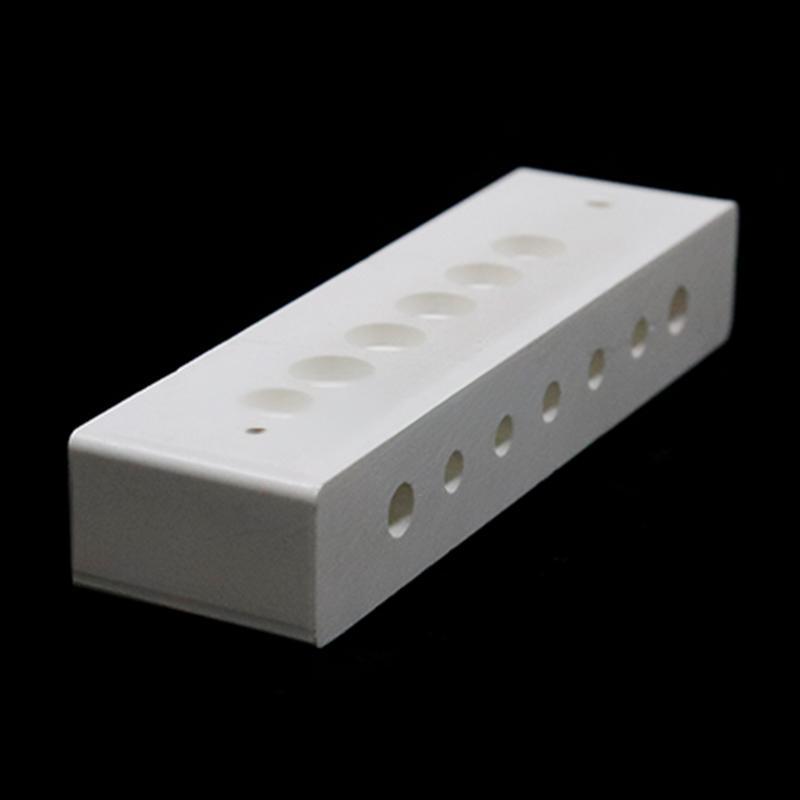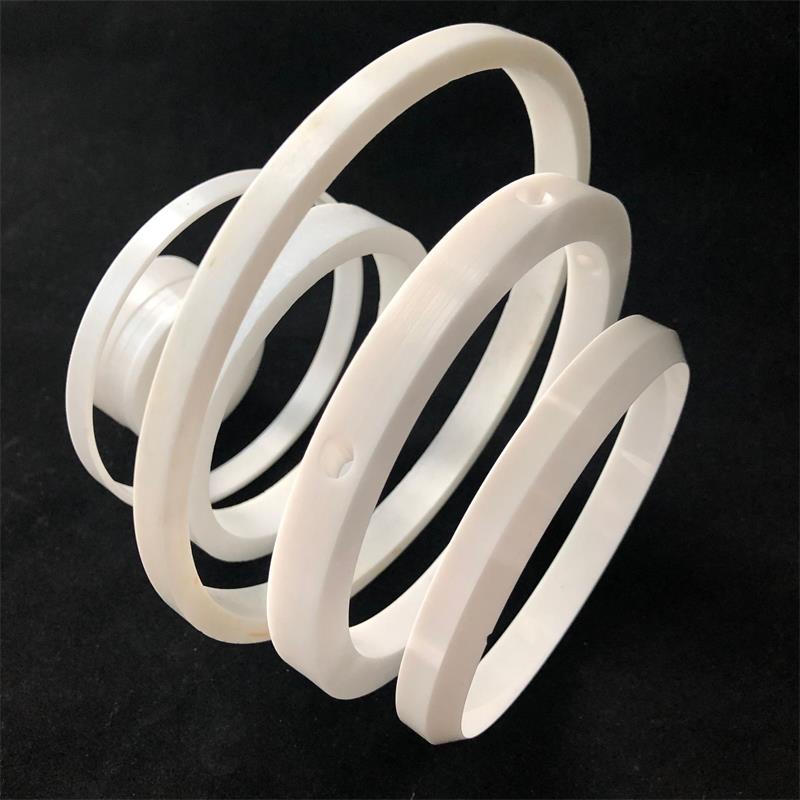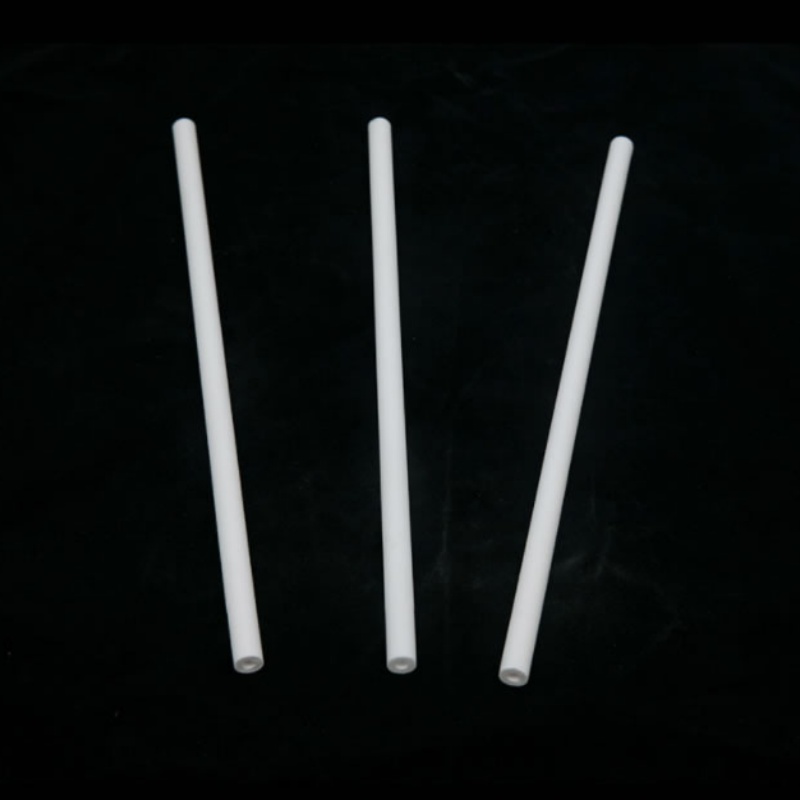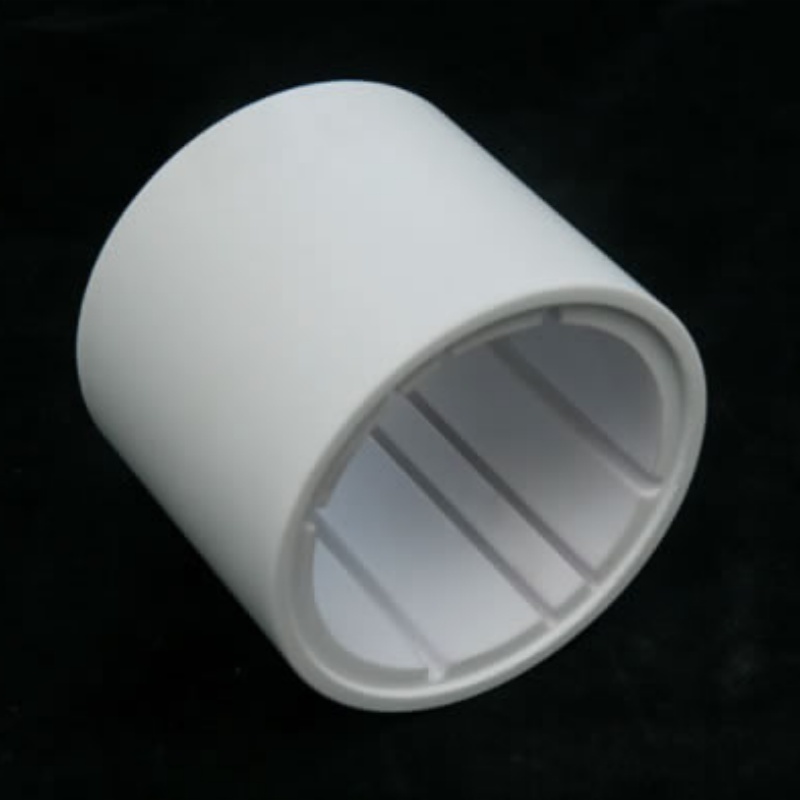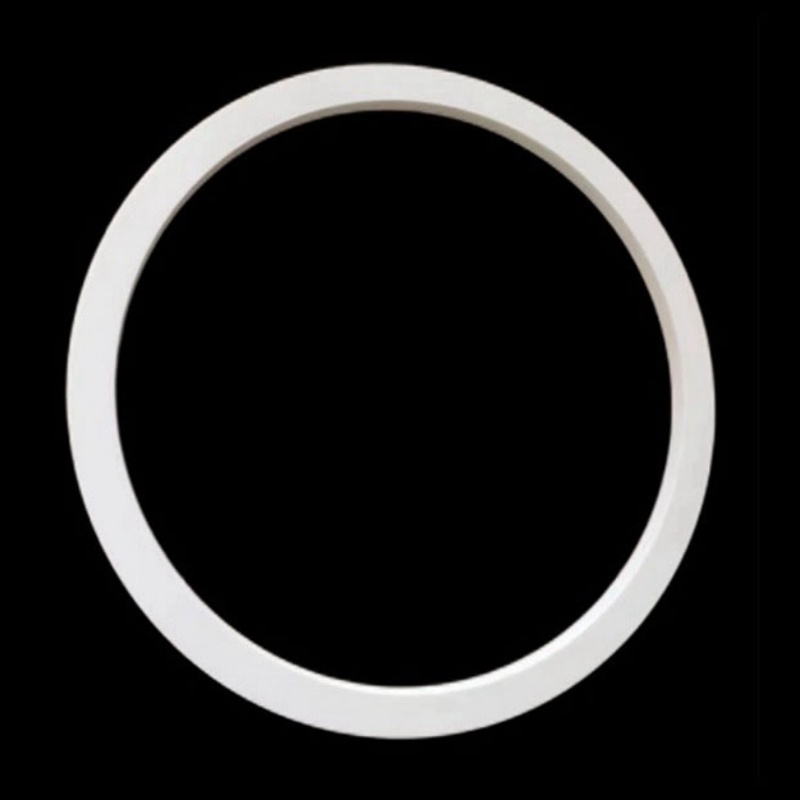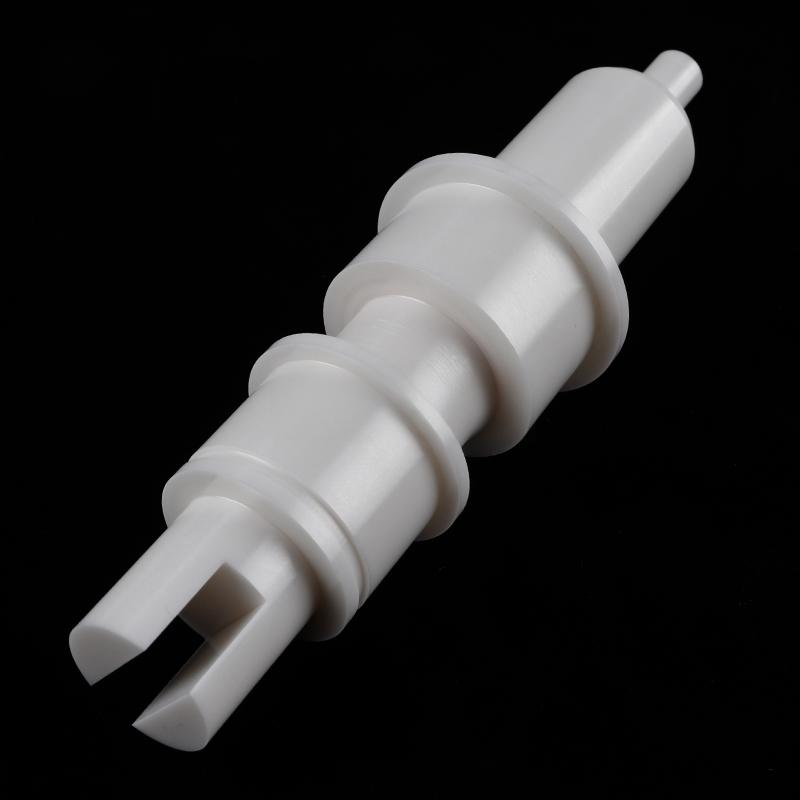
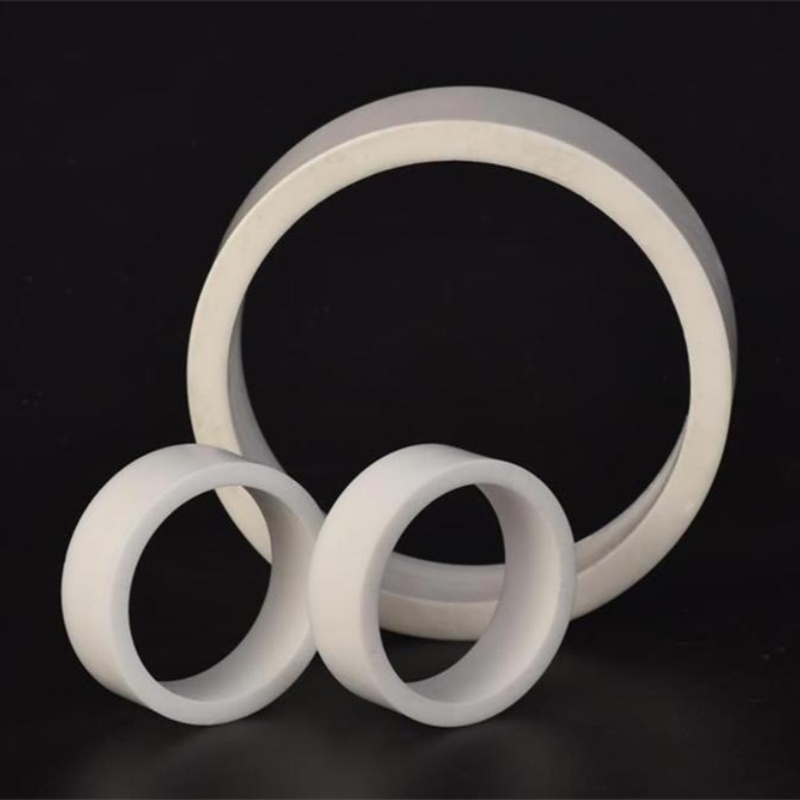
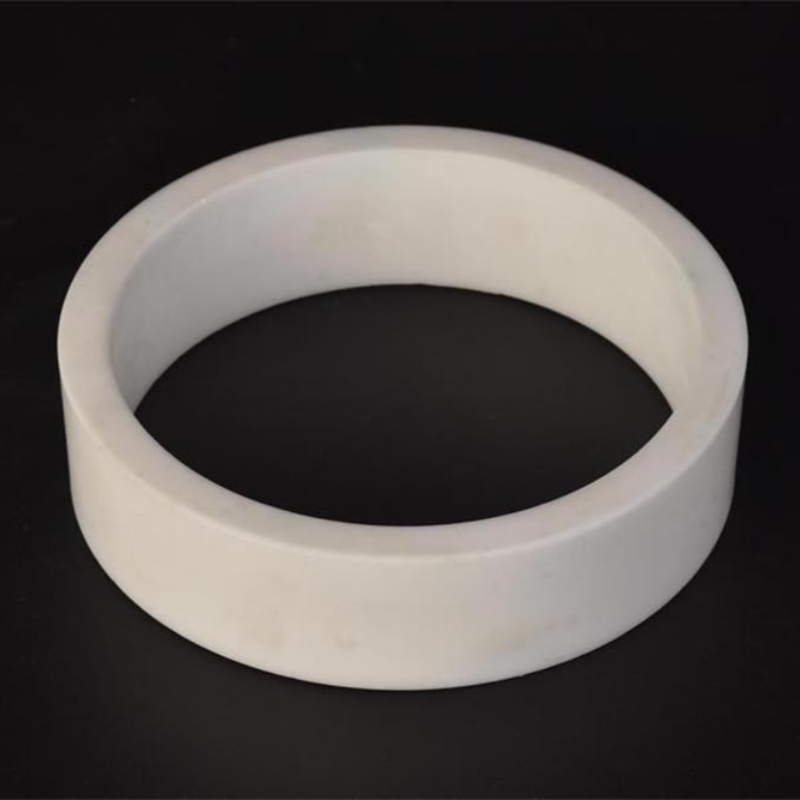
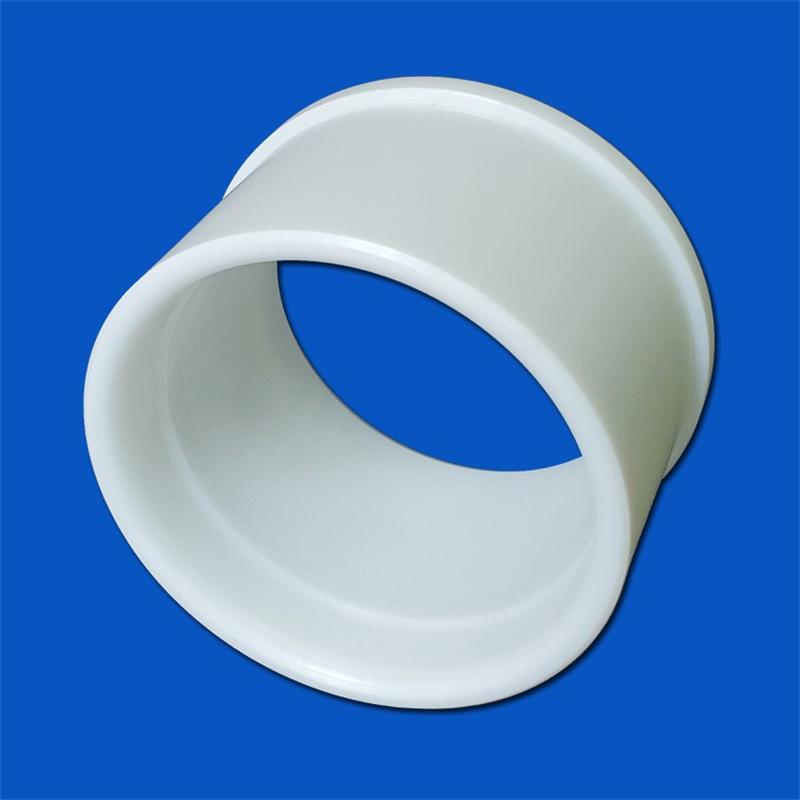
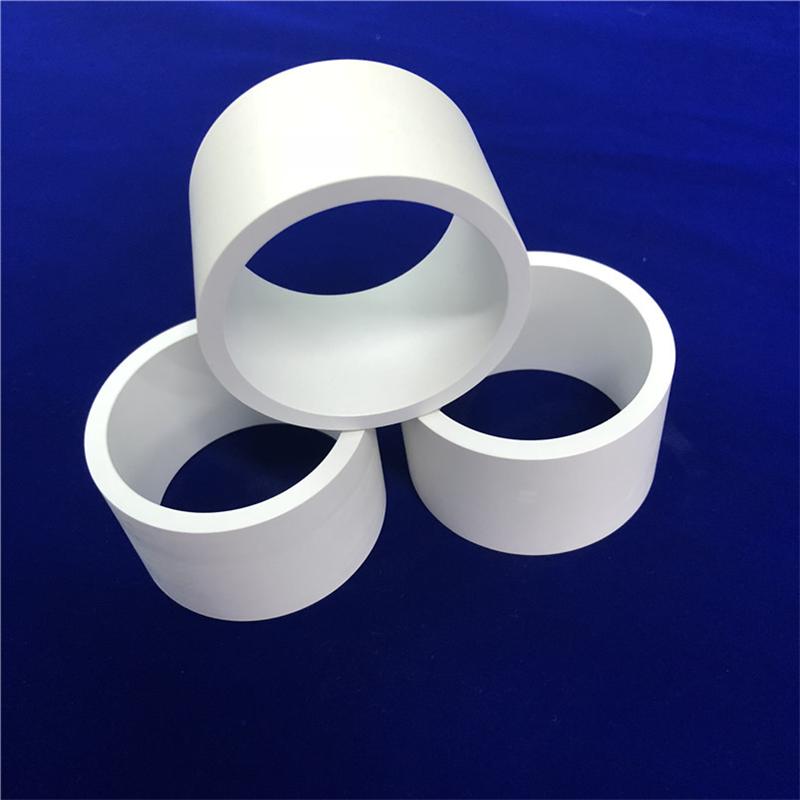
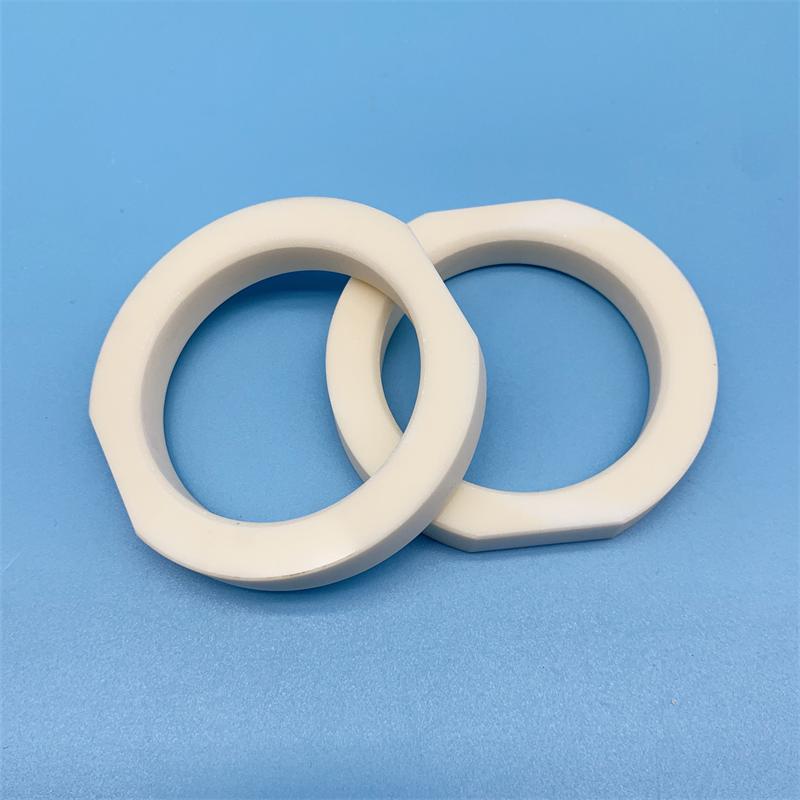
Ceramic Oil Well Bushing Rings
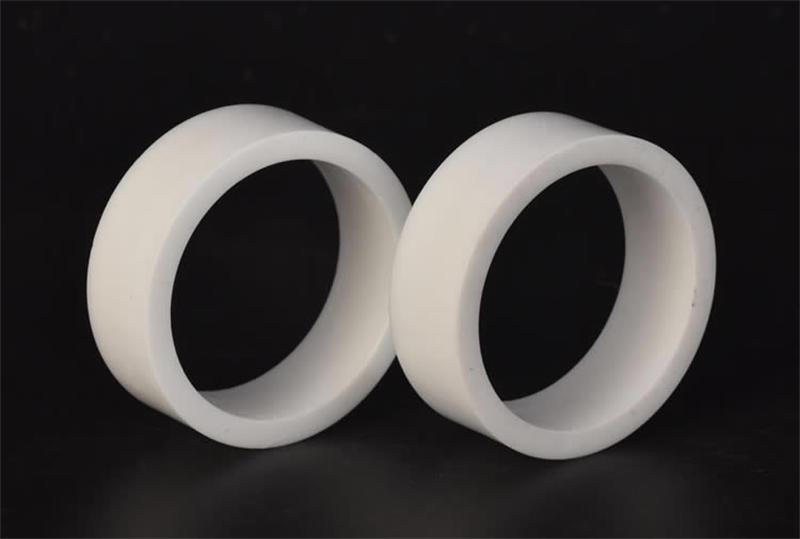
Ceramic oil well bushing rings are precision-engineered components used in downhole and surface oilfield equipment to provide wear resistance, corrosion protection, and dimensional stability under demanding operating conditions. These bushing rings are typically installed in pumps, valves, seal assemblies, and rotating or reciprocating mechanisms where metal parts may suffer from abrasion, chemical attack, or premature wear.
Unlike polymer or metal bushings, ceramic oil well bushing rings rely on the inherent hardness and chemical inertness of advanced ceramics. Their performance depends less on lubrication and more on material density, surface finish, microstructure, and compatibility with mating components. Because oilfield environments often involve abrasive particles, high-pressure fluids, and corrosive media, ceramic bushing rings are selected primarily for their ability to maintain functional clearance and surface integrity over extended service life.
Why Ceramics Are Used for Oil Well Bushing Rings
Oil well equipment frequently operates in conditions where conventional materials degrade quickly. Sand particles, scale, brine, hydrogen sulfide, carbon dioxide, and high-pressure drilling or production fluids can accelerate wear and corrosion. Metals may gall, pit, or corrode, while polymers can swell, soften, or wear under abrasive loading.
Advanced ceramics address these problems through a combination of high hardness, low porosity, and strong chemical stability. A well-sintered ceramic bushing ring can resist abrasive particles that would otherwise score metal surfaces. Its low coefficient of thermal expansion also helps maintain dimensional stability when temperature fluctuates during operation.
Common Ceramic Materials for Bushing Rings
Several ceramic materials may be used for oil well bushing rings, each offering different trade-offs between toughness, hardness, chemical resistance, and cost.
Alumina is one of the most widely used ceramics for wear-resistant bushing applications. It provides good hardness, strong chemical resistance, and reliable electrical insulation. Alumina is often selected when cost-effectiveness and broad chemical compatibility are important. However, its fracture toughness is lower than that of zirconia, so it may be less suitable for applications with severe impact or edge loading.
Zirconia, particularly yttria-stabilized zirconia, offers higher fracture toughness and bending strength than alumina. This makes it attractive for bushing rings that must withstand shock loading, tight interference fits, or higher mechanical stress. Zirconia also has excellent wear resistance, but its performance can be affected by low-temperature degradation in certain aqueous environments. Material grade and stabilization method must therefore be considered during selection.
Silicon carbide is valued for its exceptional hardness, thermal conductivity, and abrasion resistance. It performs well in highly abrasive or high-speed sliding conditions and is often used where heat dissipation and surface durability are critical. Silicon carbide is chemically stable in many aggressive fluids, but it is generally more difficult to machine and may carry higher manufacturing complexity.
Silicon nitride provides a balanced combination of toughness, thermal shock resistance, and fatigue resistance. It is often considered for dynamic applications where repeated loading, vibration, or temperature cycling occurs. Silicon nitride bushing rings can perform well in demanding mechanical environments, though material cost and processing requirements may be higher than for alumina.
Key Performance Characteristics
The suitability of a ceramic oil well bushing ring depends on several engineering properties rather than a single parameter.
Wear resistance: High hardness and fine microstructure help reduce material loss from sand, scale, or metal debris.
Chemical resistance: Ceramics generally resist brine, many acids, alkalis, and hydrocarbon-related fluids better than metals, though compatibility depends on ceramic type and service conditions.
Dimensional stability: Low thermal expansion and high stiffness help maintain clearance and alignment.
Surface finish: A smooth surface reduces friction and wear, especially in sliding or sealing interfaces.
Mechanical strength: Bending strength and fracture toughness determine resistance to cracking under load.
Thermal performance: Thermal conductivity and thermal shock resistance affect performance during rapid temperature changes.
Typical Applications in Oilfield Equipment
Ceramic bushing rings are commonly found in components where wear, corrosion, or precise clearance control is critical. Typical applications include:
Downhole pump assemblies
Valve seats and stem guides
Seal carriers and spacer rings
Rotating shaft bushings
Reciprocating pump components
Corrosion-resistant wear sleeves
Instrumentation or sensor protection housings
In these applications, the ceramic ring does not necessarily carry the entire structural load. Instead, it protects critical surfaces, reduces wear on mating parts, and helps extend maintenance intervals.

Advantages and Limitations
Ceramic oil well bushing rings offer clear advantages in abrasive and corrosive environments. They can outperform metals when surface degradation is the primary failure mode. Their hardness helps resist particle erosion, and their chemical stability reduces the risk of fluid-induced corrosion.
However, ceramics are brittle compared with metals. They are sensitive to impact, point loading, and improper installation. A ceramic bushing ring must be supported by a properly designed housing, and interference fits should be controlled to avoid excessive tensile stress. Surface defects, edge chipping, or uneven loading can also initiate cracks.
Thermal shock resistance varies significantly between materials. Alumina may be more vulnerable to rapid temperature changes than silicon nitride or certain zirconia grades. Designers should also consider that ceramic components cannot deform plastically to accommodate misalignment, so tolerance control is more important than with metallic bushings.
Material Selection Considerations
Choosing the right ceramic for an oil well bushing ring requires matching material properties to actual operating conditions. Alumina is often suitable for general wear and corrosion resistance. Zirconia may be preferred when higher toughness is required. Silicon carbide is a strong candidate for severe abrasion or high-speed interfaces, while silicon nitride is worth considering when thermal cycling and mechanical fatigue are present.
Mating material selection is equally important. Ceramic-on-ceramic pairs can provide low wear but may require careful surface finishing. Ceramic-on-metal combinations are common, but the metal counterpart should be hard enough to resist abrasive damage. Lubrication, fluid chemistry, particle size, pressure, temperature range, and installation method should all be evaluated before finalizing the design.
FAQ
What is a ceramic oil well bushing ring used for?
It is used to provide wear resistance, corrosion protection, and dimensional stability in oilfield pumps, valves, seals, and other components exposed to abrasive or corrosive fluids.
Which ceramic material is best for bushing rings?
There is no single best material. Alumina, zirconia, silicon carbide, and silicon nitride each offer different balances of hardness, toughness, chemical resistance, and thermal performance.
Are ceramic bushing rings suitable for high-temperature service?
Many advanced ceramics can withstand elevated temperatures, but thermal shock resistance and housing design must be considered. Material selection should match the expected temperature range and cycling conditions.
Do ceramic bushing rings corrode in oilfield fluids?
They generally offer strong chemical resistance, especially compared with metals. However, resistance depends on ceramic type, fluid composition, temperature, and pressure.
What are the main limitations of ceramic bushing rings?
Brittleness, sensitivity to impact, installation stress, and the need for precise tolerances are the main limitations. They are not suitable for applications with uncontrolled shock loading or poor housing support.
How do ceramic bushing rings compare with metal bushings?
Ceramic bushing rings typically offer better wear and corrosion resistance but lower toughness. Metals are more forgiving under impact and misalignment, while ceramics excel when surface degradation is the dominant failure mechanism.