Ceramic Gaskets for High-Pressure Valves
Ceramic gaskets for high-pressure valves are engineered sealing components designed to maintain tight isolation under extreme pressure, temperature, and aggressive chemical conditions. Unlike polymer or elastomeric seals, ceramic gaskets are typically selected when the valve system must resist thermal degradation, abrasive media, corrosive fluids, or long-term mechanical instability. Their value in high-pressure service comes not from elasticity, but from high compressive strength, dimensional stability, and chemical inertness.
What Is a High-Pressure Valve Ceramic Gasket?
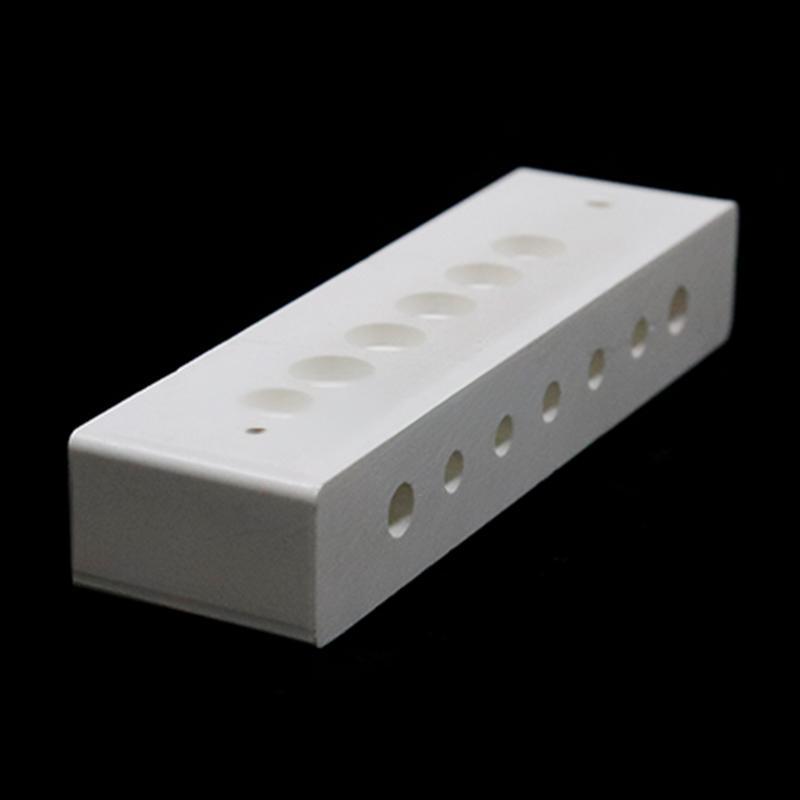
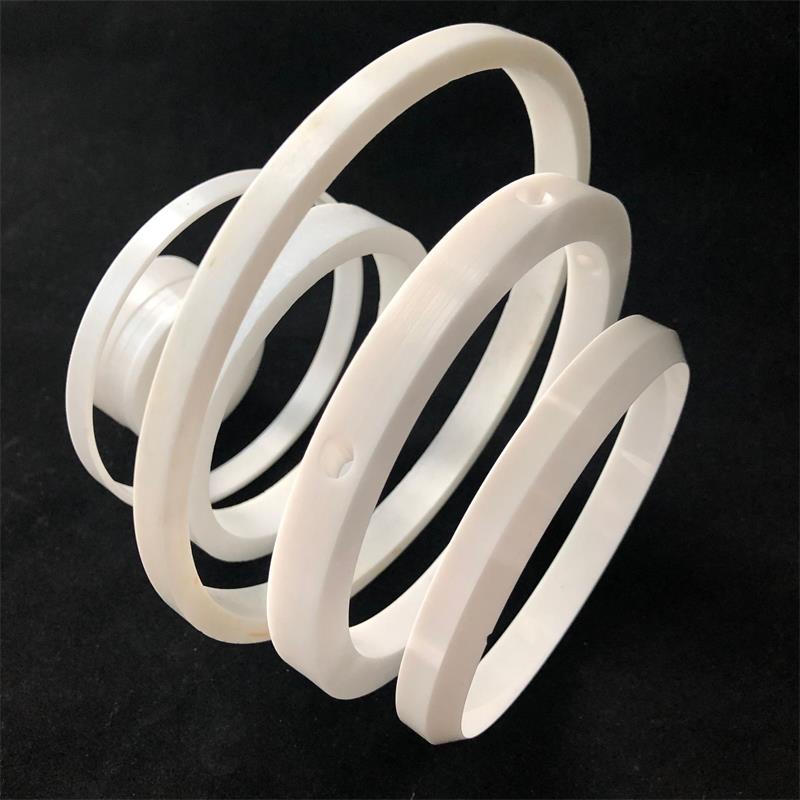
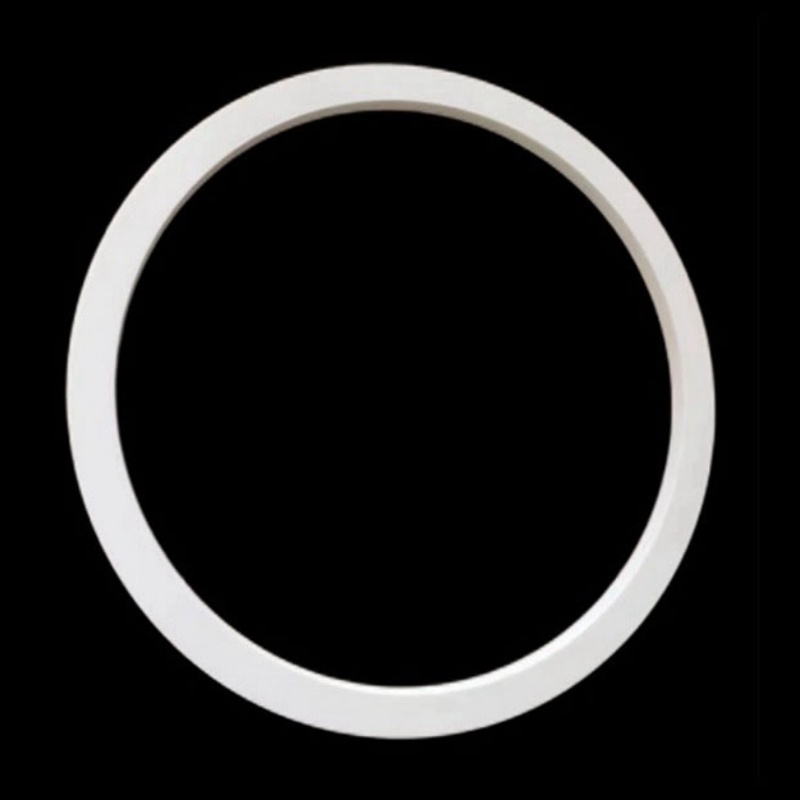
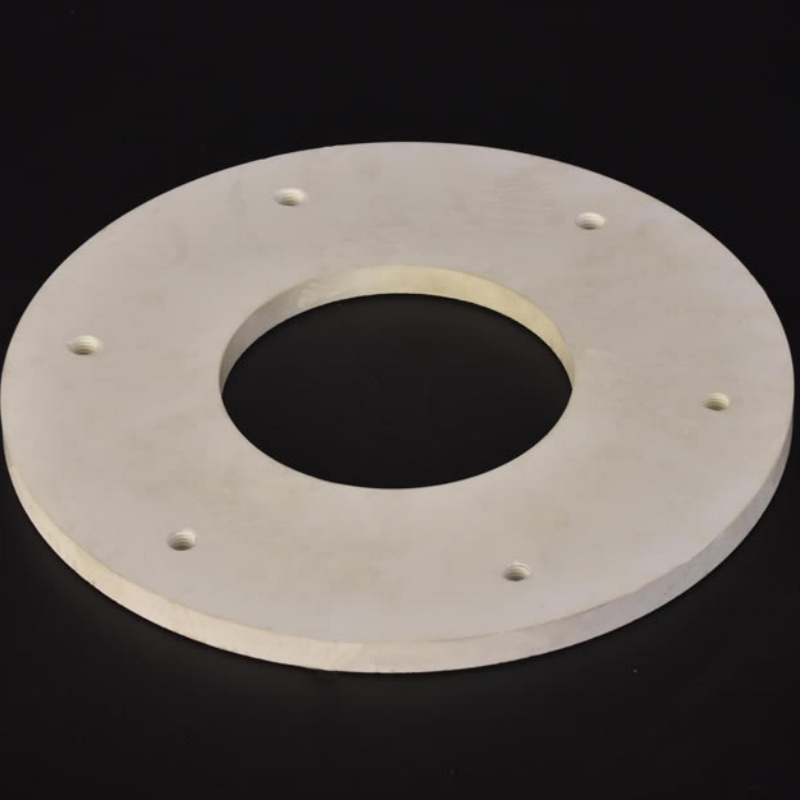
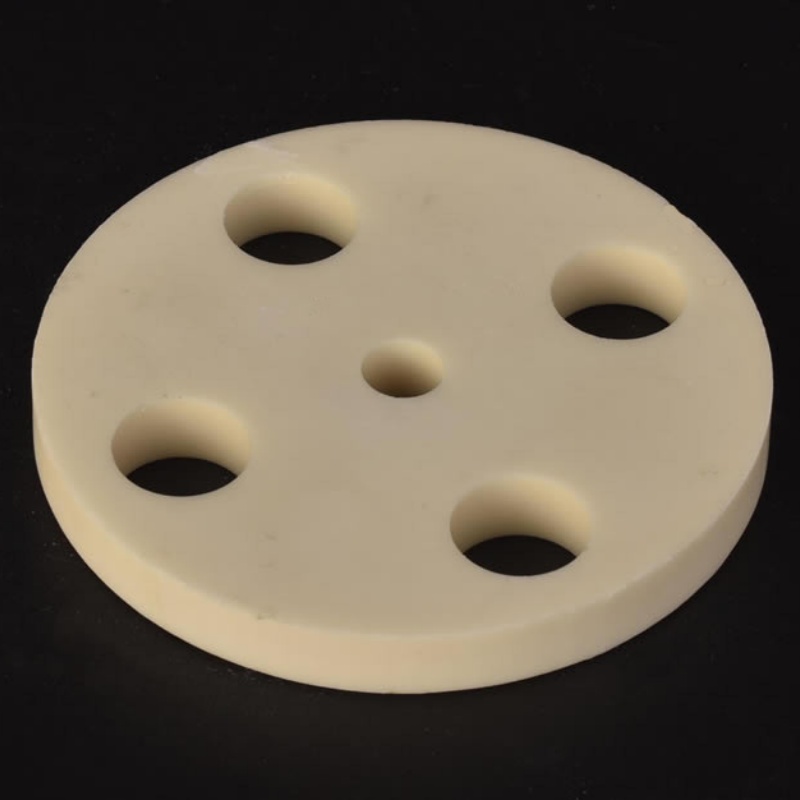
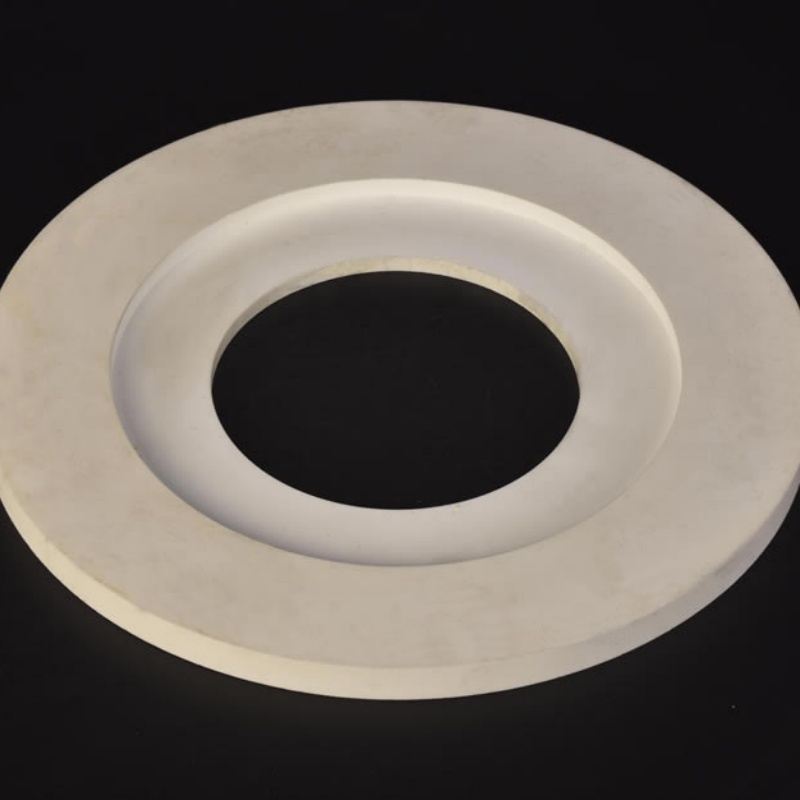
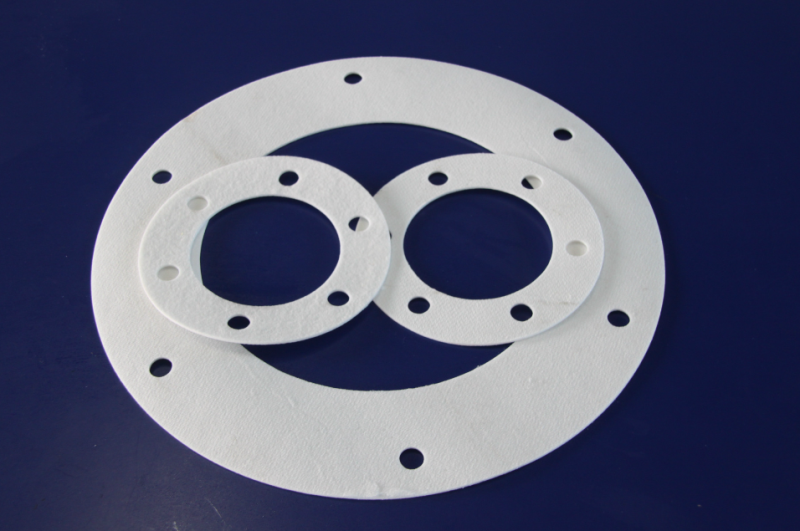
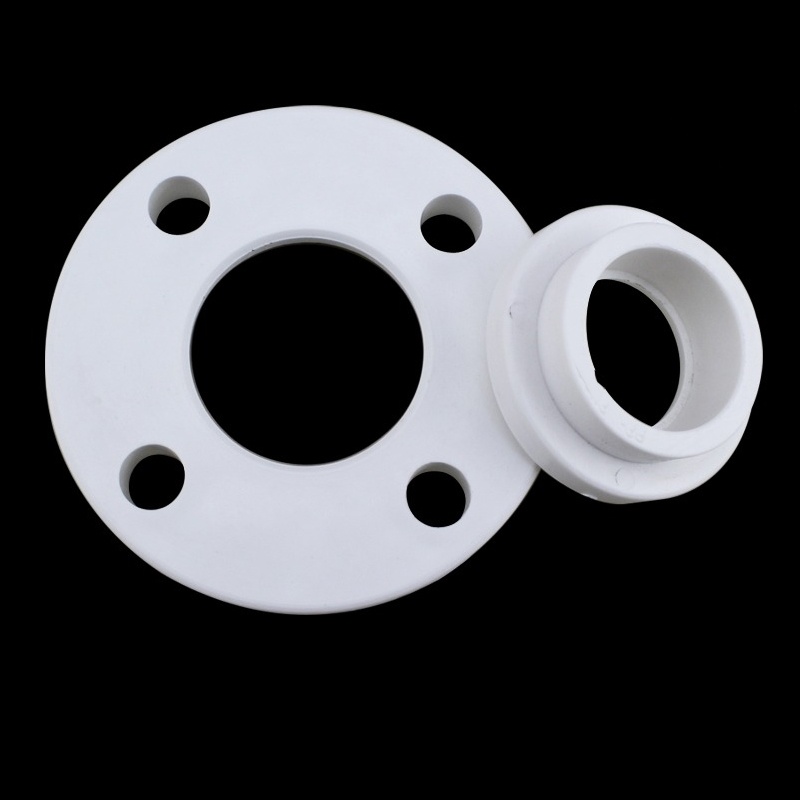
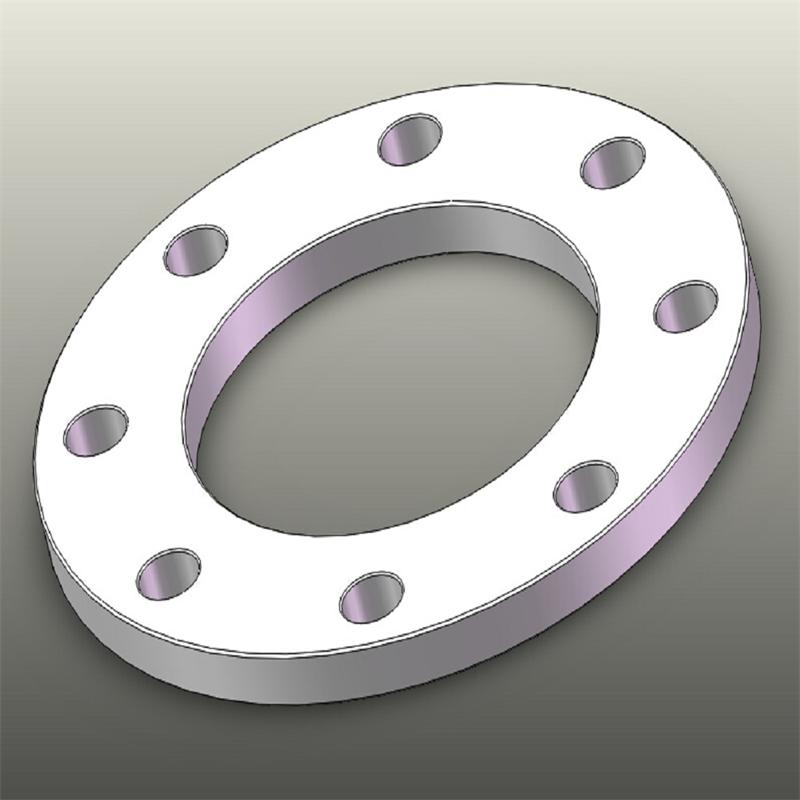
High-pressure valve ceramic gasket is a ceramic sealing element used between valve seats, flanges, stems, or mating surfaces where conventional soft gaskets cannot reliably perform. These gaskets are usually manufactured from advanced ceramics such as alumina, zirconia, silicon carbide, or silicon nitride. Depending on the valve design, they may function as flat gaskets, ring gaskets, seat inserts, or precision-machined sealing faces.
Because ceramics are brittle compared with metals and polymers, ceramic gaskets are rarely used as simple compression seals. They are more commonly integrated into metal-backed assemblies, spring-loaded seats, or precisely matched ceramic-to-metal interfaces. Proper design must therefore account for load distribution, surface finish, thermal expansion, and fracture risk.
Why Ceramics Perform Well in High-Pressure Valve Service
Ceramic materials maintain their mechanical properties at temperatures where polymers soften and many metals begin to lose strength. Their atomic bonding structure gives them high hardness, excellent wear resistance, and strong resistance to chemical attack. In high-pressure valves, these properties help prevent leakage caused by seat erosion, thermal cycling, corrosion, or abrasive particles in the fluid.
Ceramics also exhibit low creep under sustained load. This means that, once properly seated, a ceramic gasket or sealing surface is less likely to deform permanently over time. For valves exposed to repeated pressure cycles or elevated temperatures, this dimensional stability can be an important advantage.
Common Ceramic Materials and Their Characteristics
Alumina
Alumina is one of the most widely used ceramics for valve sealing components. It offers good hardness, electrical insulation, and chemical resistance at a relatively moderate cost. High-purity alumina, such as 95–99.9% Al₂O₃, is often chosen for corrosive environments where moderate toughness is acceptable. However, alumina has limited fracture toughness and can be sensitive to impact or uneven clamping loads.
Zirconia
Zirconia, especially yttria-stabilized zirconia, provides significantly higher fracture toughness than alumina. This makes it more suitable for applications involving mechanical shock, higher contact stresses, or tighter reliability requirements. Zirconia also has low thermal conductivity, which can help reduce heat transfer in certain valve designs. Its main limitations include higher cost and potential sensitivity to low-temperature hydrothermal aging in some grades.
Silicon Carbide
Silicon carbide is valued for its exceptional hardness, thermal conductivity, and resistance to abrasive wear. It performs well in high-pressure valves handling slurries, abrasive chemicals, or high-temperature gases. Its high thermal conductivity also helps dissipate localized heat, reducing the risk of thermal distortion. However, silicon carbide is more difficult to machine and generally more expensive than alumina.
Silicon Nitride
Silicon nitride offers high strength, good fracture toughness, and excellent thermal shock resistance. It is often considered when the valve experiences rapid temperature changes or high mechanical loading. Silicon nitride is particularly suitable for demanding dynamic or thermally cycled service, but material cost and manufacturing complexity are higher.
Key Performance Considerations
When evaluating ceramic gaskets for high-pressure valves, engineers should focus on several performance factors:
Compressive strength: Ceramics generally withstand very high compressive loads, but weak tensile or bending stresses must be avoided.
Fracture toughness: Determines resistance to crack initiation and propagation under impact or uneven loading.
Thermal stability: Important for valves exposed to steam, hot gases, molten media, or repeated heating and cooling.
Chemical resistance: Ceramics resist many acids, alkalis, and organic solvents, but compatibility must still be confirmed for specific media.
Surface finish and flatness: Sealing performance depends heavily on mating surface quality and parallelism.
Thermal expansion mismatch: Differences between ceramic, metal, and adjacent components can generate stress during temperature changes.
Typical Applications
Ceramic gaskets and ceramic sealing components are commonly used in high-pressure valves for chemical processing, oil and gas systems, power generation, semiconductor equipment, and abrasive slurry service. They are especially useful when the fluid is corrosive, the temperature exceeds polymer limits, or wear from particles reduces the life of conventional seats and gaskets.
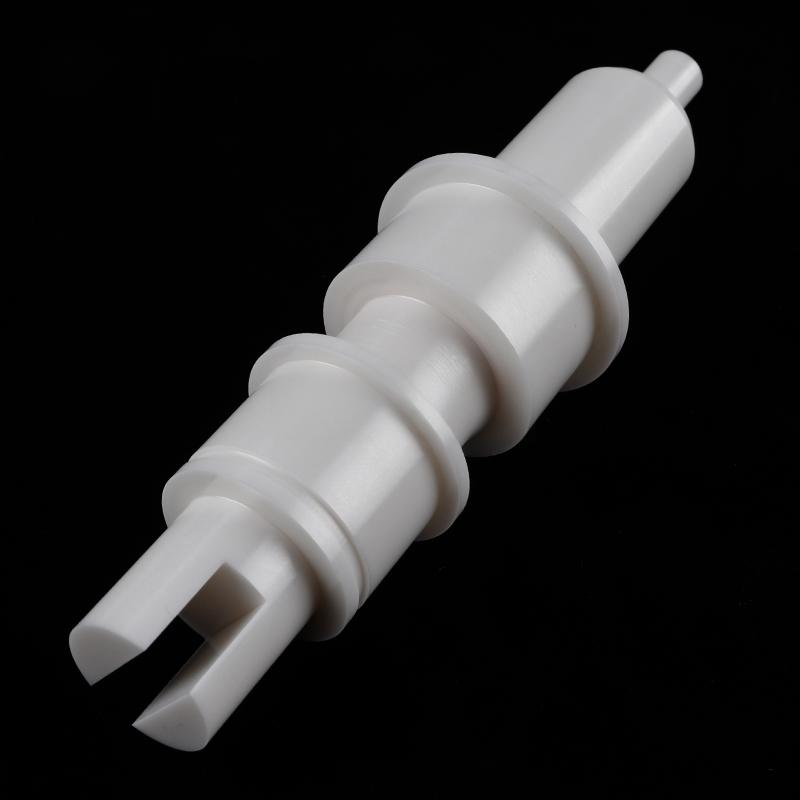
In control valves and isolation valves, ceramic materials may be used as seat rings, seal inserts, or wear-resistant mating surfaces rather than as standalone soft gaskets. This configuration allows the ceramic to carry wear and chemical exposure while the surrounding metal structure provides mechanical support.

Advantages
High resistance to wear and abrasion
Excellent chemical stability in many aggressive media
Stable performance at elevated temperatures
Low creep under sustained compressive load
Suitable for high-pressure and high-temperature valve systems
Long service life when properly designed and installed
Limitations
Brittle behavior under impact or tensile stress
Sensitive to uneven clamping forces and edge loading
Requires precise machining and surface preparation
Higher cost than many polymer or soft gasket materials
Thermal expansion mismatch may cause stress in metal assemblies
Not ideal for applications requiring large elastic deformation
When to Choose Ceramic Gaskets
Ceramic gaskets or ceramic valve sealing components are worth considering when the operating environment exceeds the limits of PTFE, graphite, elastomers, or conventional metal gaskets. They are particularly suitable for high-temperature service, abrasive fluids, corrosive chemicals, and systems where long-term dimensional stability is critical.
When to Consider Other Materials
If the valve system requires high elasticity, easy installation, low cost, or frequent maintenance, polymer-based or metal gaskets may be more practical. Ceramics are also less suitable when impact loads, severe thermal shock, or poor surface preparation cannot be controlled. In such cases, engineered composites, metal-jacketed gaskets, or alternative ceramic-metal designs should be evaluated.
FAQ
What is a ceramic gasket used for in high-pressure valves?
It is used to provide reliable sealing or wear-resistant contact in high-pressure, high-temperature, or corrosive valve systems where conventional gaskets may fail.
Which ceramic material is best for high-pressure valve gaskets?
There is no single best material. Alumina suits many corrosive and general high-temperature applications, zirconia offers higher toughness, silicon carbide excels in abrasive service, and silicon nitride is strong under thermal shock.
Are ceramic gaskets electrically insulating?
Alumina and zirconia are generally electrically insulating, while silicon carbide can be semiconductive depending on composition. Electrical behavior should be confirmed for each material grade.
Can ceramic gaskets handle thermal cycling?
Some ceramics, especially silicon nitride and certain zirconia grades, handle thermal cycling better than others. Alumina and silicon carbide can be more sensitive to rapid temperature changes if design constraints are not managed.
What is the main risk when using ceramic gaskets in valves?
The main risk is brittle fracture caused by impact, uneven loading, poor surface flatness, or thermal expansion mismatch. Proper design and installation are essential.
How do ceramic valve gaskets compare with metal gaskets?
Ceramics offer better corrosion resistance, higher hardness, and superior performance at very high temperatures, but they are less tolerant of misalignment and impact than ductile metal gaskets.