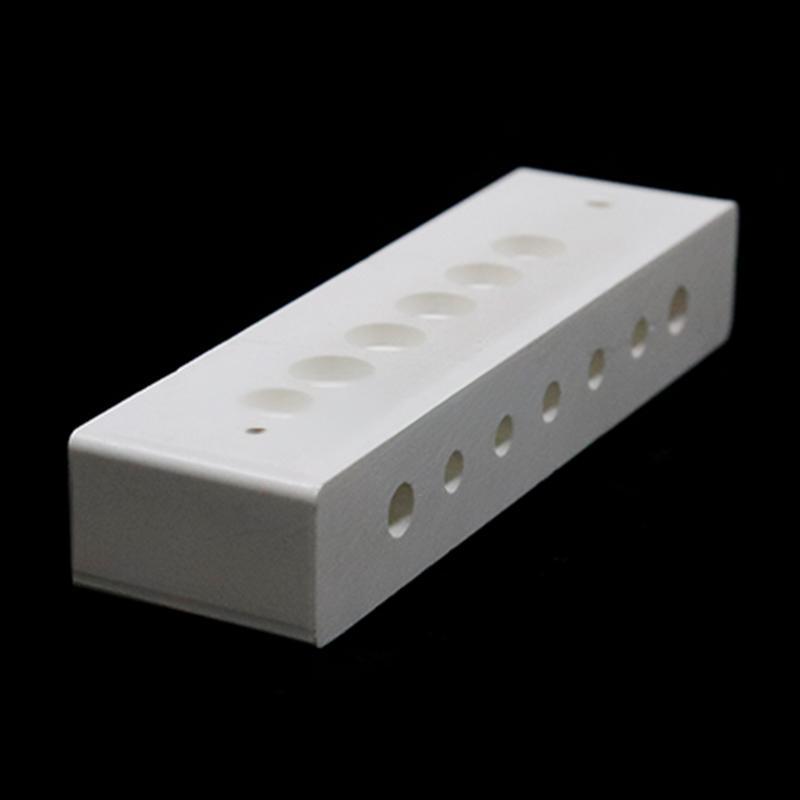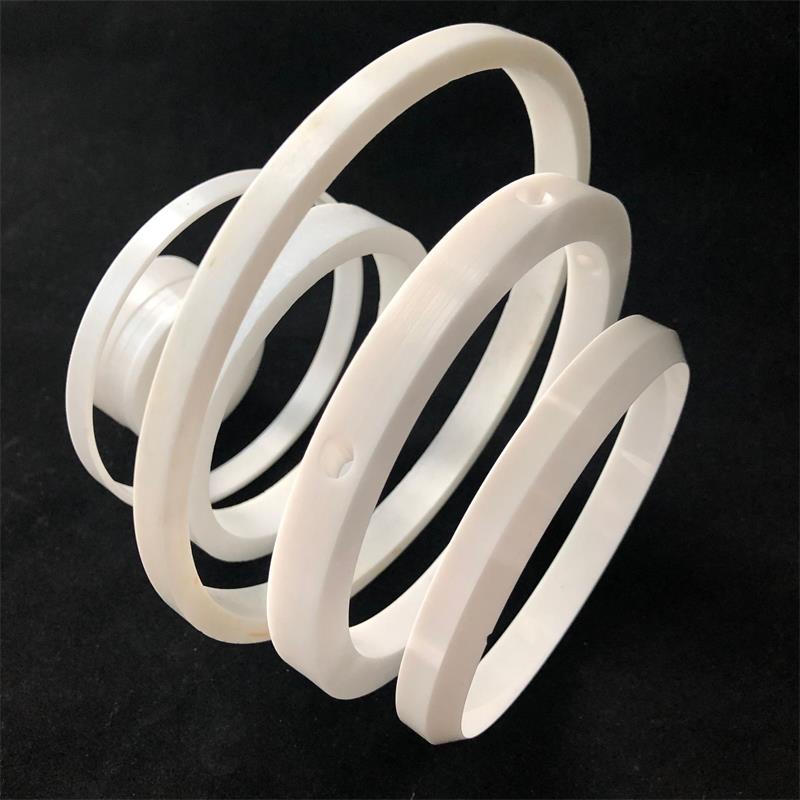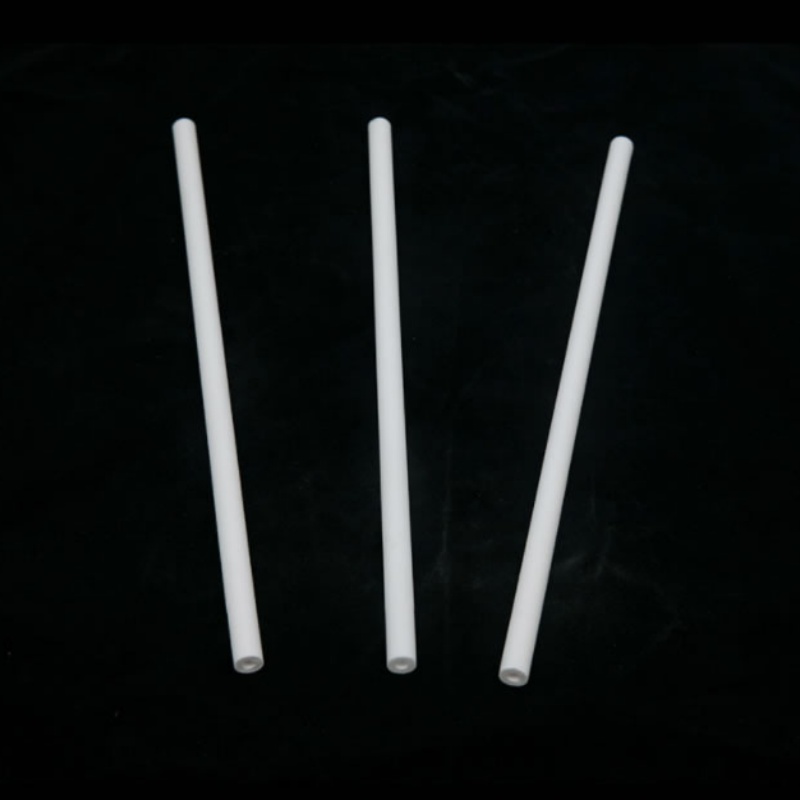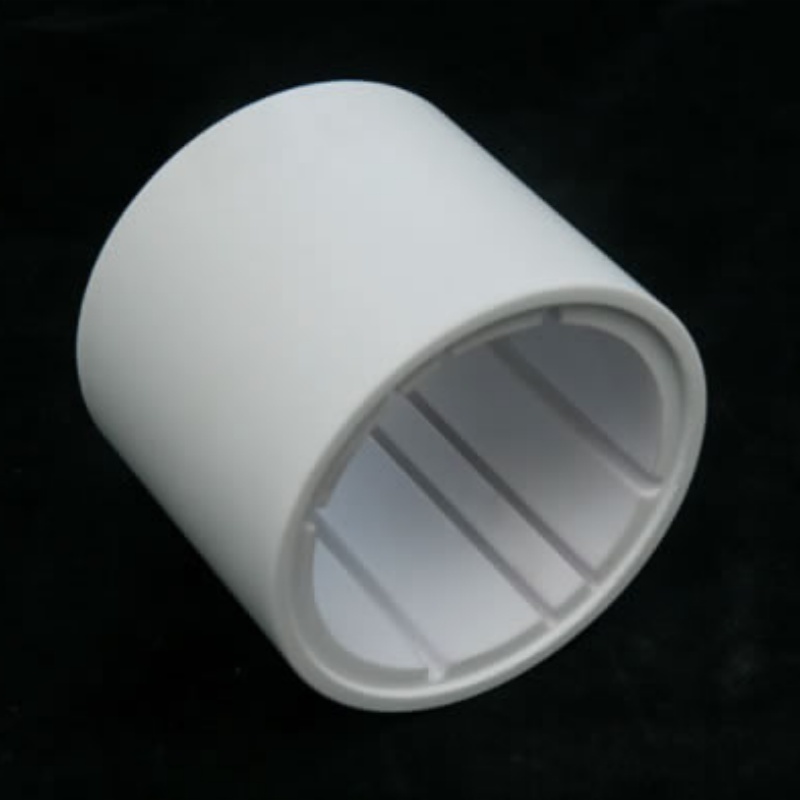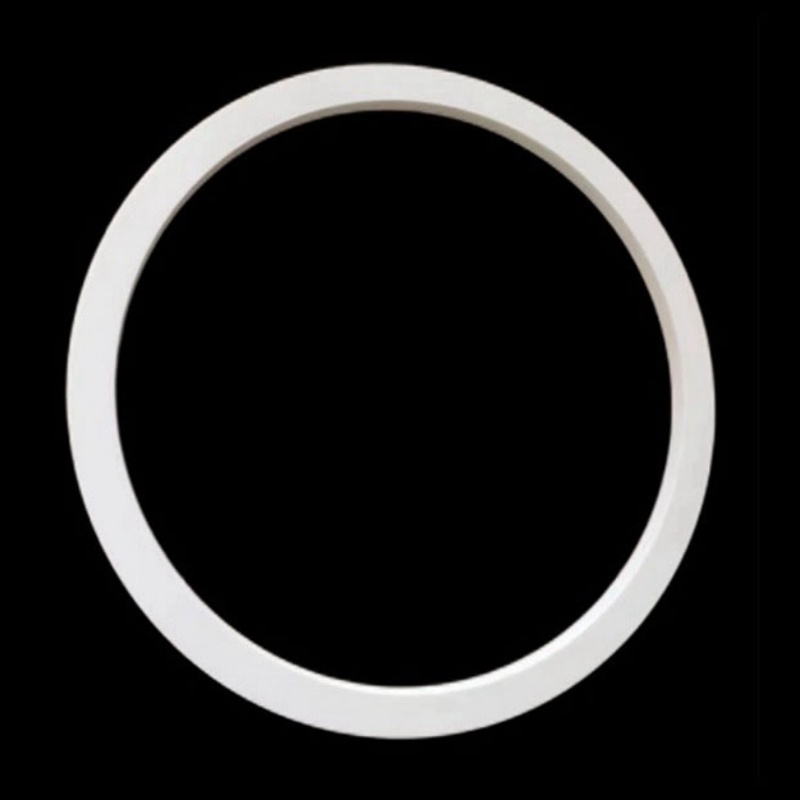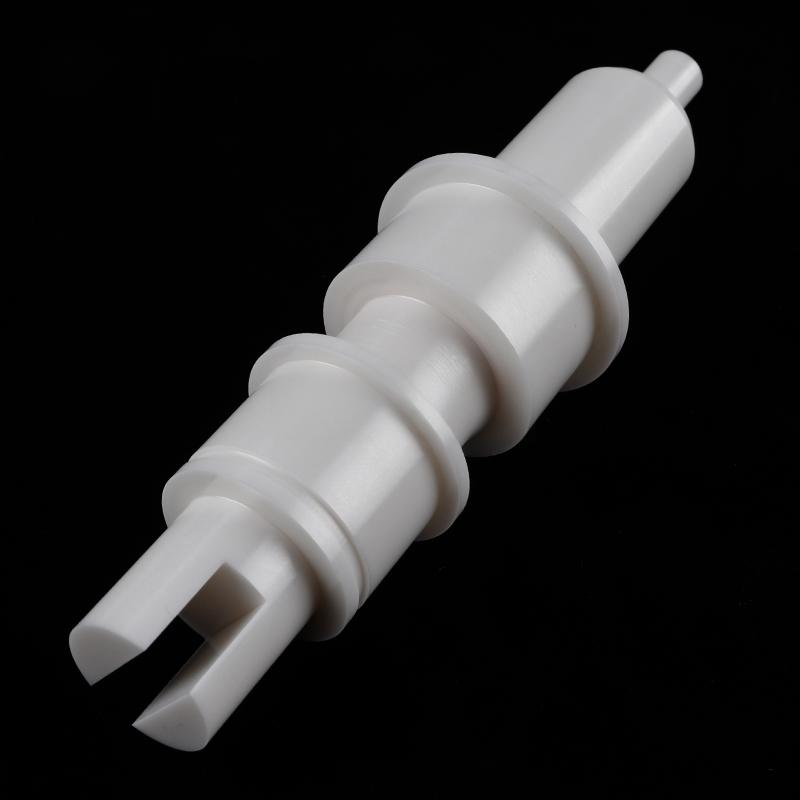
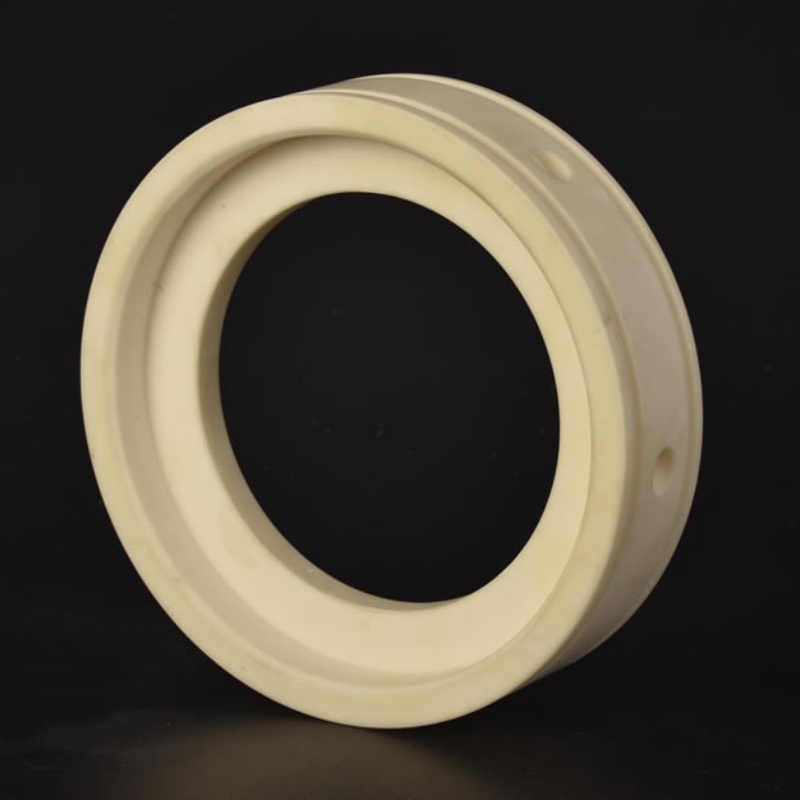
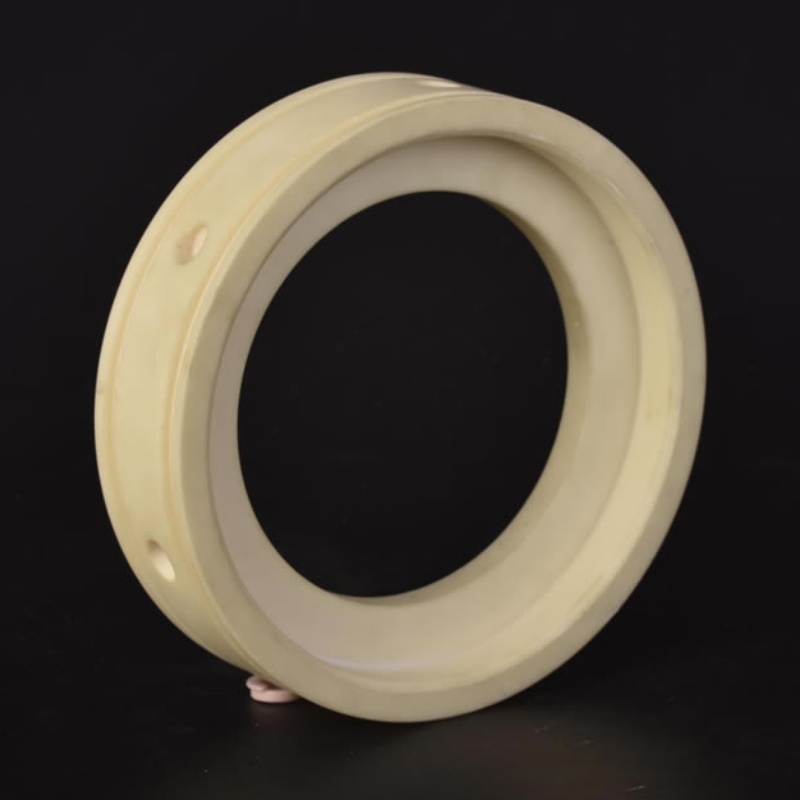
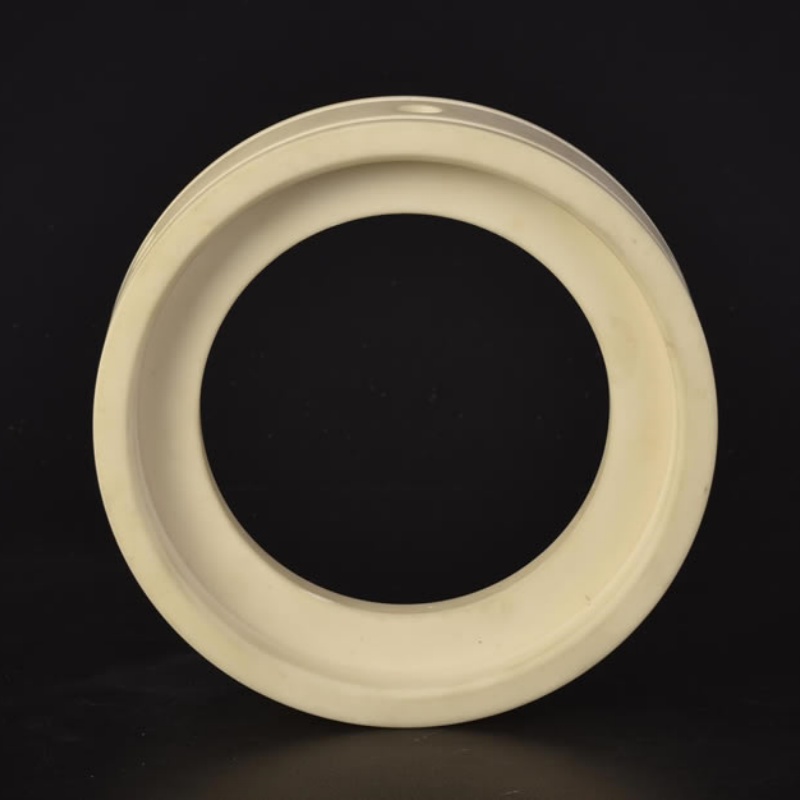
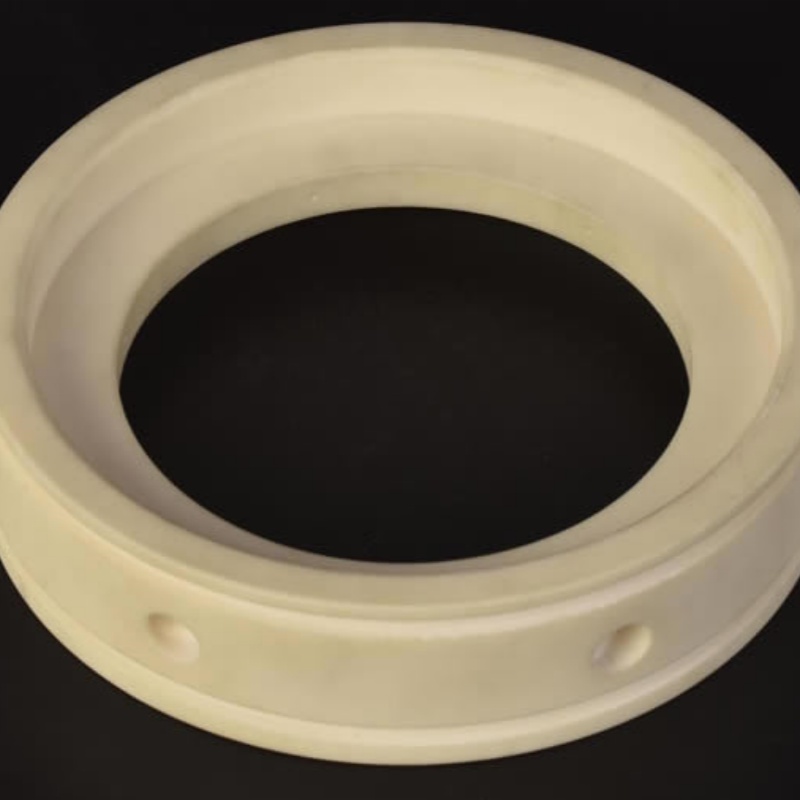
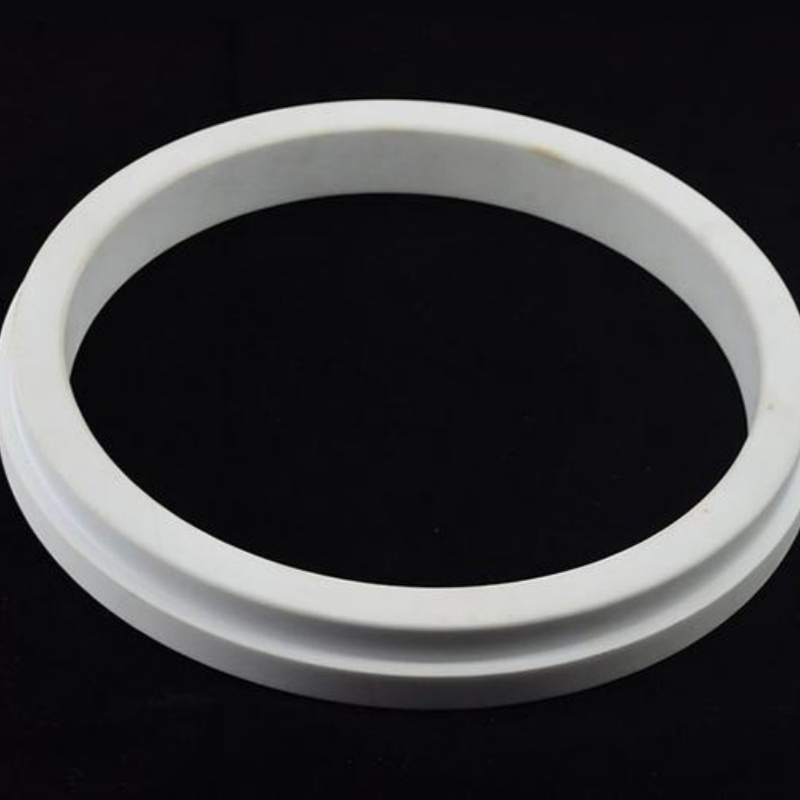
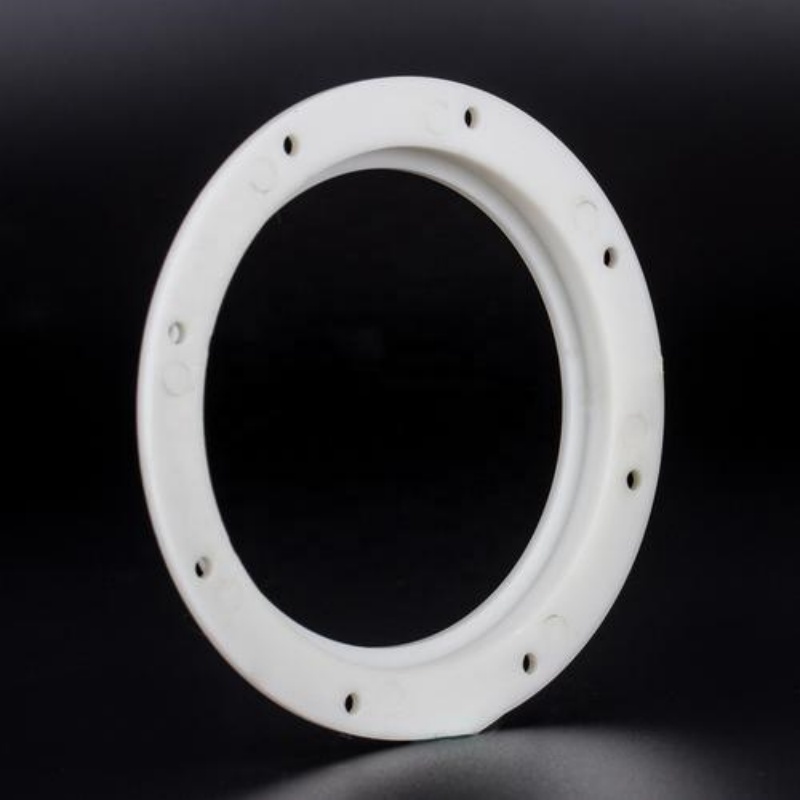
Ceramic flange disc and center ring of airflow crusher
In jet milling systems, the components that interface with the grinding chamber—flanges and center rings—perform a deceptively critical function. These ceramic parts must maintain sealing integrity, resist erosive wear from high-velocity particle streams, and avoid contaminating the processed material. The selection of the right ceramic material for these components directly influences equipment lifespan, product purity, and operational reliability.
Why Ceramics for These Components?
Jet mills operate on a simple but demanding principle: compressed gas is accelerated to supersonic velocities through nozzles, propelling particles into mutual collisions that fracture them into fine powders. The mill interior experiences continuous impact from particles that may range from soft polymers to hard minerals with Mohs hardness exceeding.
Metal components degrade rapidly under these conditions, introducing wear debris that contaminates the product. Ceramics offer a compelling alternative: high hardness, chemical inertness, and dimensional stability. For flanges and center rings specifically, the material must also provide electrical insulation where instrumentation or heating elements interface with the chamber, and thermal stability if the mill operates with superheated steam as the grinding medium.
Material Options: Alumina and Zirconia
Alumina (Al₂O₃) dominates this application space. The material’s combination of hardness (Mohs 9), compressive strength, and relatively low cost makes it the default choice for wear-resistant mill linings and structural components. Common grades for jet mill components range from 95% to 99.7% purity. Higher purity grades offer better corrosion resistance and dielectric properties, while lower purity grades remain adequate for many non-contaminating applications.
For flanges, key specifications include density (3.75–3.94 g/cm³ depending on grade), flexural strength (260–330 MPa for standard commercial grades), and dielectric strength around 18 kV/mm. Center rings, which experience more direct particle impingement, benefit from the higher hardness and wear resistance of 99%+ alumina grades.
Zirconia (ZrO₂) presents an interesting alternative. With fracture toughness roughly double that of alumina, zirconia resists chipping and crack propagation better in components subject to mechanical shock or thermal cycling. However, this advantage comes with trade-offs: lower hardness than alumina, substantially higher cost, and lower thermal conductivity—a potential liability in sliding contact where frictional heat cannot dissipate quickly. Zirconia’s phase transformation behavior under hydrothermal conditions also limits its suitability in applications involving moisture or steam.
For most jet mill flange and center ring applications, alumina provides the better balance of performance and cost-effectiveness. Zirconia becomes worth considering when fracture-related failure modes dominate, or when the component geometry is complex and prone to stress concentration.
Engineering Considerations for Flange and Center Ring Design
Sealing and dimensional tolerance. Flanges in jet mills serve as structural interfaces between the grinding chamber and adjacent components—piping, collection systems, or inspection ports. Alumina flanges can be machined to tolerances of ±0.05 mm, sufficient for most sealing requirements. However, engineers should recognize that ceramics lack the plastic deformation that allows metal flanges to conform under bolt loading. Flatness and surface finish are critical; gasket selection must accommodate the ceramic’s rigidity.
Center ring wear patterns. The center ring (sometimes called the grinding ring or impact ring) directs particle flow and experiences concentrated erosion. In flat jet mills, the design often incorporates a replaceable ceramic ring that can be rotated or indexed to distribute wear. Material selection should account for the specific abrasive characteristics of the processed powder. For hard minerals like silicon carbide or alumina, 99.5%+ purity alumina is typical.
Thermal management. Jet milling with superheated steam rather than compressed air reduces energy consumption by roughly one-third and improves dispersion for certain pigments. However, steam operation subjects ceramic components to thermal gradients. Alumina’s thermal expansion coefficient (7–8 × 10⁻⁶/K) is moderate, and its thermal conductivity is roughly three times that of zirconia. This aids in avoiding localized hot spots that could initiate thermal stress cracks. Rapid thermal cycling should still be avoided; preheating protocols are advisable for high-temperature operation.
Contamination control. For applications where product purity is paramount—pharmaceuticals, battery materials, electronic ceramics—the ceramic components must not shed particles. Dense, high-purity alumina with minimal porosity addresses this. The 99.7% grade achieves water absorption below 0.1% and volume resistivity exceeding 10¹⁴ Ω·cm, ensuring both chemical inertness and electrical isolation. Zirconia introduces the risk of yttria stabilizer leaching in certain chemical environments, a consideration for sensitive applications.
When to Consider Alternative Materials
Alumina is not universally optimal. If the mill processes highly corrosive materials, particularly those containing hydrofluoric acid or strong fluorine compounds, alumina’s chemical resistance is insufficient. Non-oxide ceramics like silicon carbide offer superior resistance to certain aggressive media but introduce different trade-offs in cost, machinability, and electrical conductivity.
For extremely high-wear conditions involving very hard particles at high loading, zirconia-toughened alumina (ZTA) composites can outperform pure alumina by combining the hardness of the alumina matrix with the toughness of dispersed zirconia particles. These composites remain an active area of tribological research and represent a middle-ground option.
Ceramic flanges and center rings in jet mills are not commodities; they are engineered components whose performance depends on matching material grade to the specific demands of the application. Alumina covers the majority of industrial needs with a favorable combination of wear resistance, insulation, thermal stability, and cost. Zirconia offers enhanced toughness where fracture risk justifies its higher price and different property profile. The selection process should begin with the abrasive characteristics of the processed material, the temperature and chemistry of the grinding environment, and the purity requirements of the final product.
FAQ
What is the function of a center ring in a jet mill?
The center ring directs the flow of accelerated particles within the grinding chamber, promoting collisions and managing the residence time of material. It is one of the components most exposed to erosive wear.
Can alumina ceramic flanges withstand steam operation in jet mills?
Yes, high-purity alumina is compatible with superheated steam at the temperatures used in jet milling, provided that thermal gradients are managed through proper preheating and that the alumina grade has low porosity.
How does alumina compare to zirconia for jet mill wear parts?
Alumina offers higher hardness and better thermal conductivity at lower cost. Zirconia provides roughly double the fracture toughness but lower hardness and poor thermal conductivity, which can cause frictional heat buildup in sliding contact.
Is electrical insulation a relevant property for these components?
Yes. Flanges often serve as interfaces for instrumentation, heating elements, or electrostatic charging points. Alumina’s dielectric strength and volume resistivity make it suitable for these functions.
What purity level of alumina is appropriate for pharmaceutical jet milling?
99.5% or 99.7% alumina is typically specified where product contamination must be minimized. Lower-purity grades may contain glassy phases that are more susceptible to chemical attack or particle shedding.
What are the primary failure modes for ceramic center rings?
Erosive wear from hard particles is the dominant mode. Thermal stress cracking can occur under rapid temperature cycling, and mechanical fracture can result from improper installation torque or impact during maintenance.