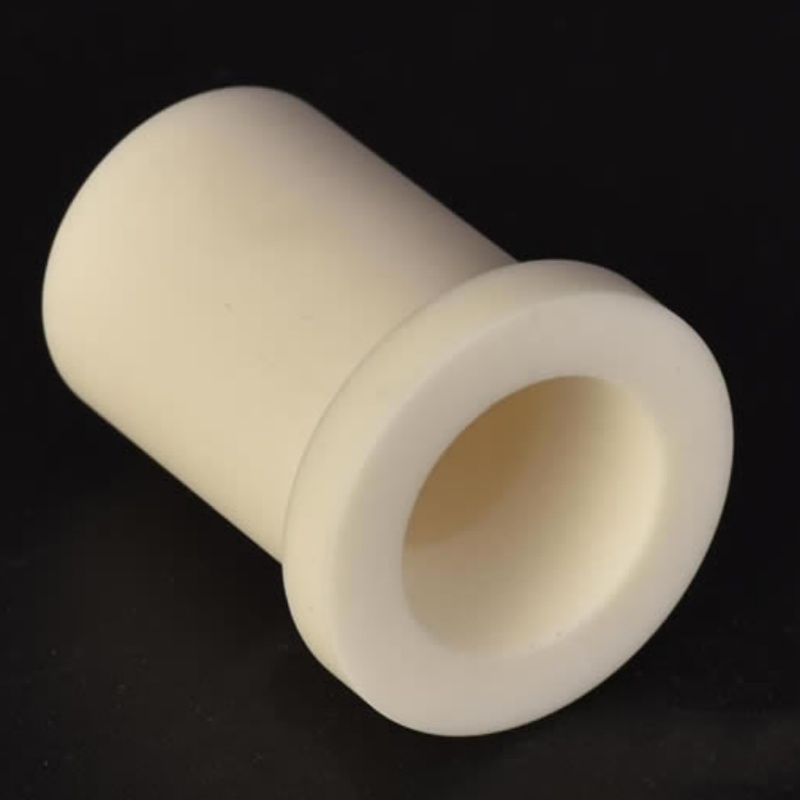
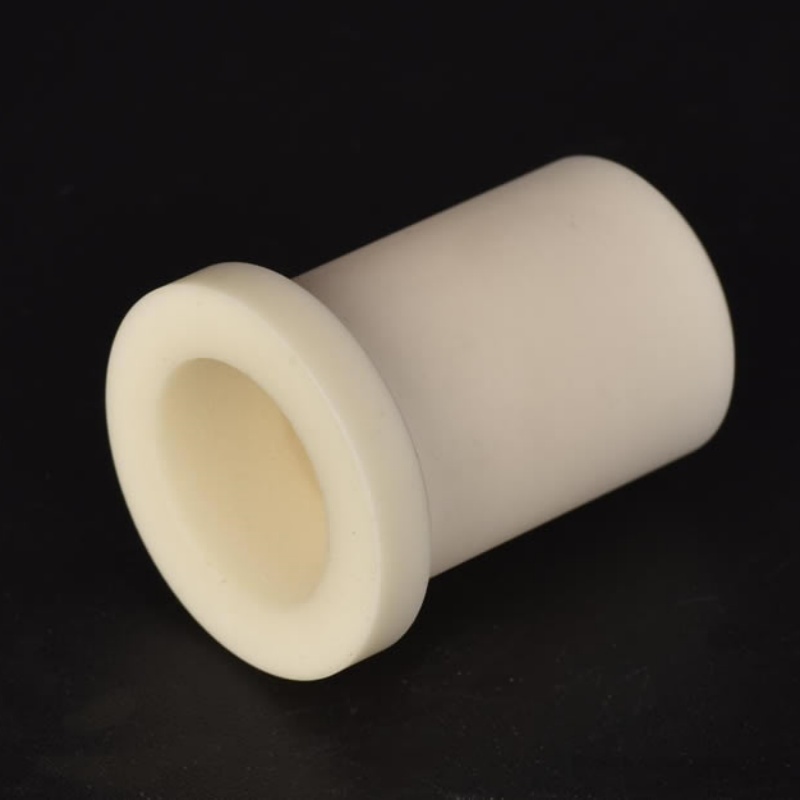
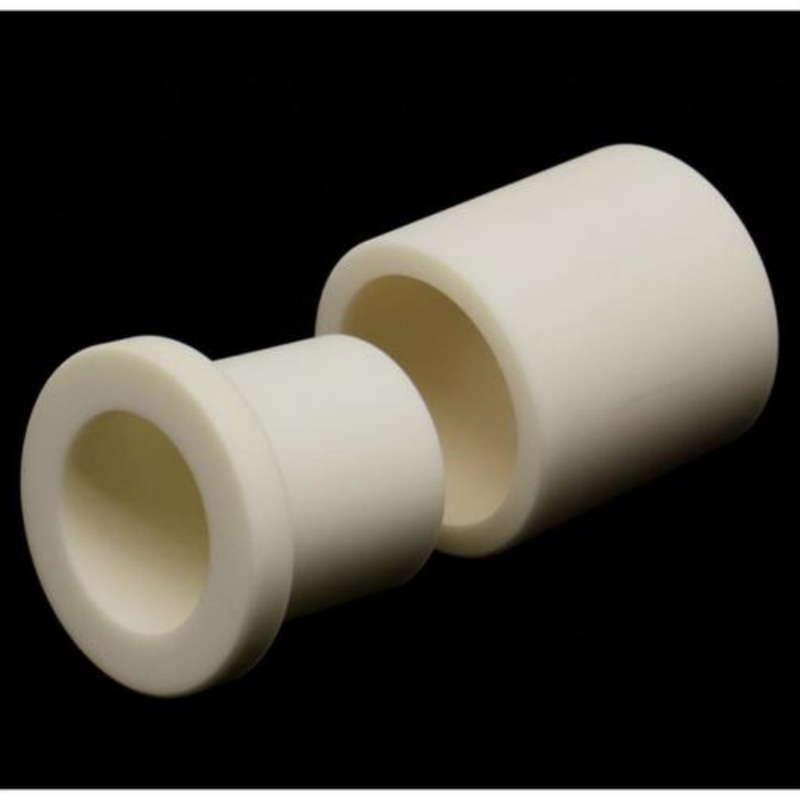
Ceramic Air Flow Nozzles
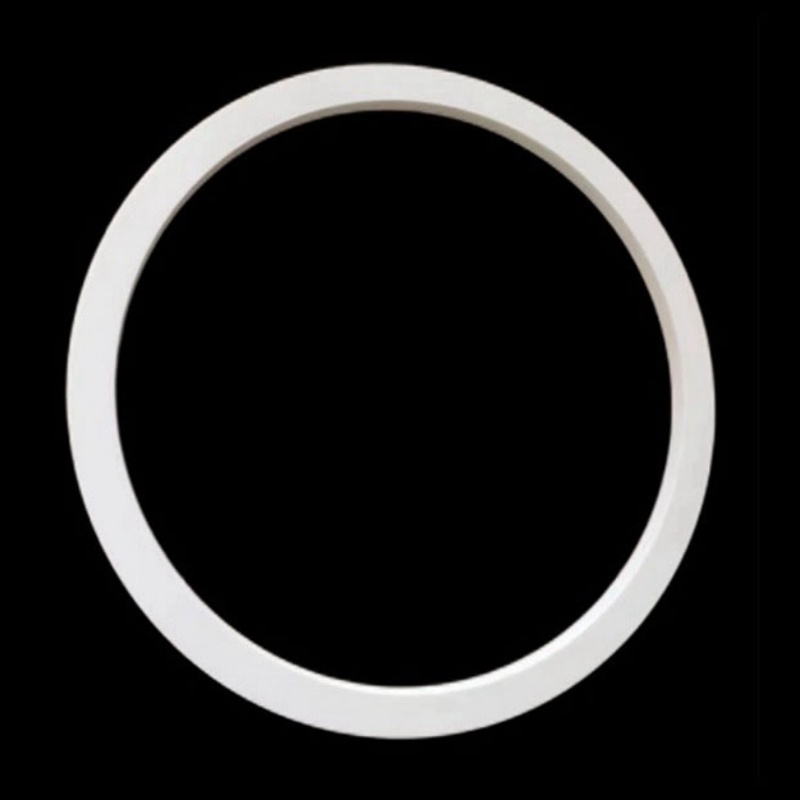
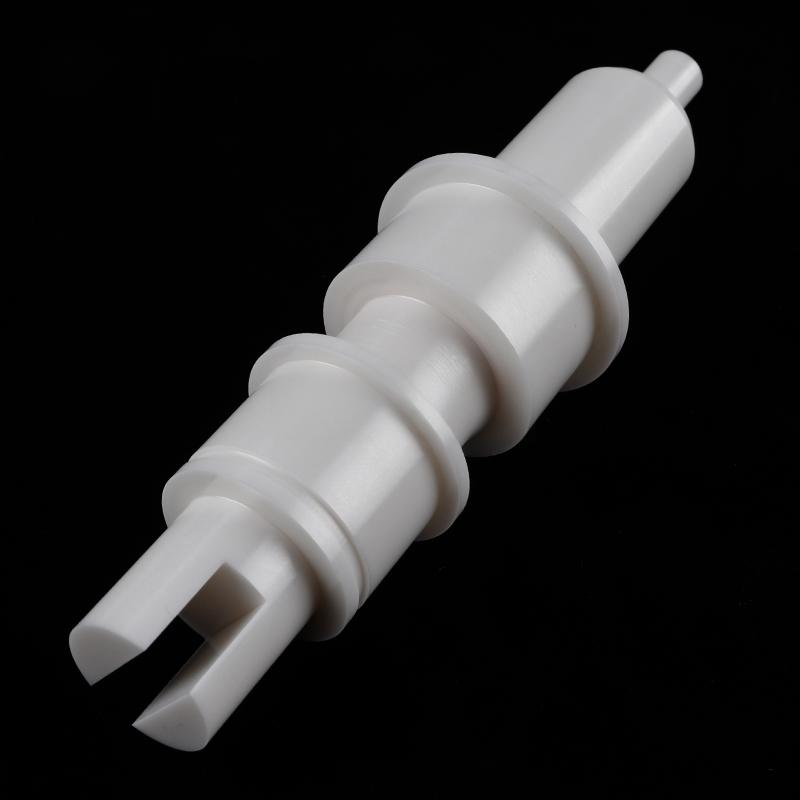
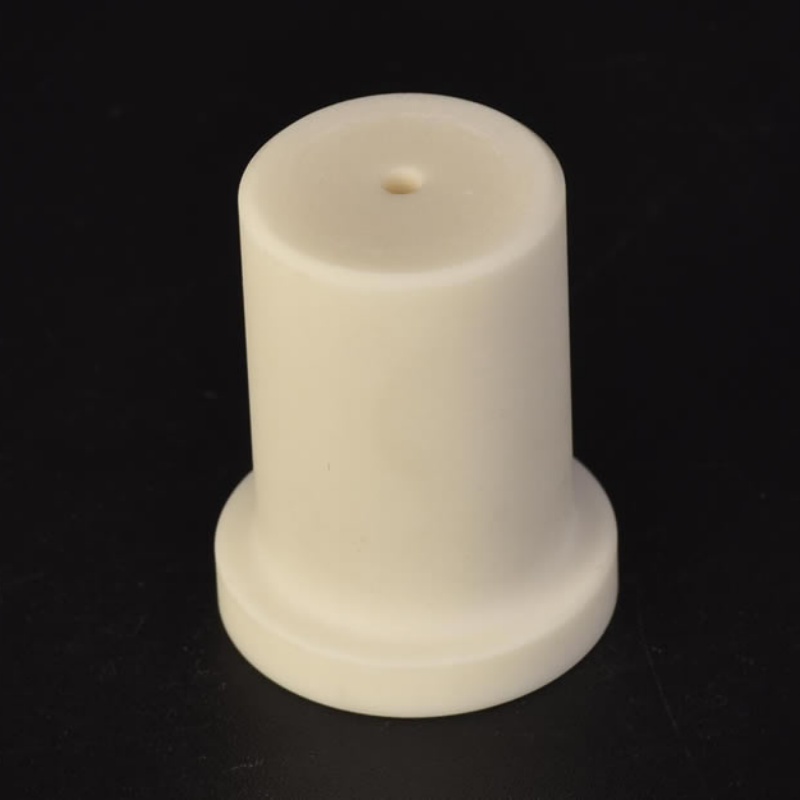
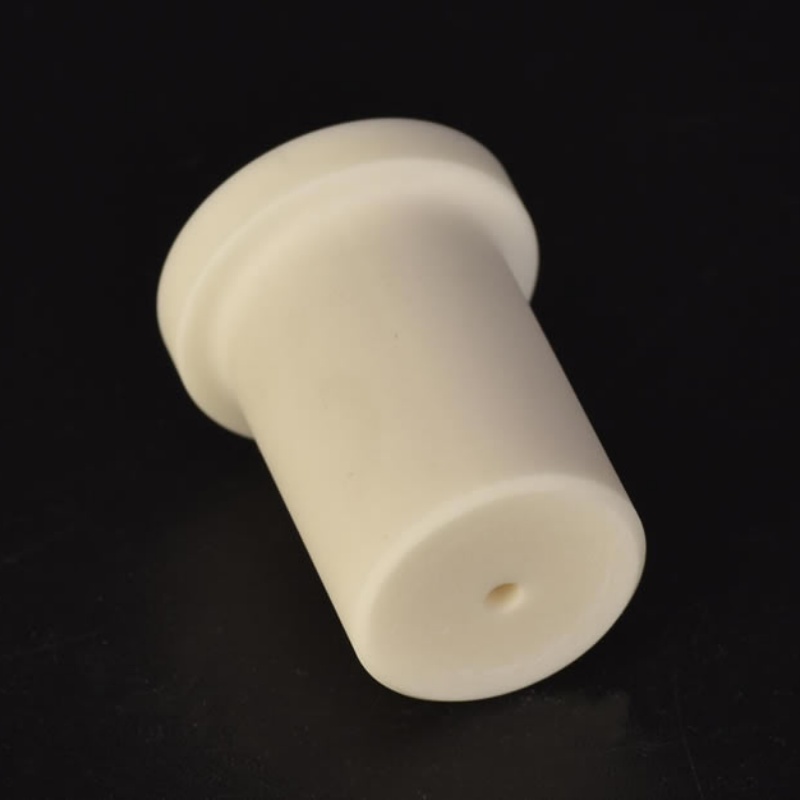
Ceramic air flow nozzle is a precision ceramic component used to direct, accelerate, shape, or stabilize gas flow in demanding industrial environments. Unlike polymer or metal nozzles, ceramic nozzles are typically selected when the application involves high temperature, abrasive particles, corrosive gases, repeated thermal cycling, or strict requirements for dimensional stability. They are commonly found in thermal processing, powder handling, pneumatic conveying, combustion systems, semiconductor-related equipment, and specialized fluid control applications.
The defining advantage of a ceramic air flow nozzle is its ability to maintain internal geometry under harsh conditions. In many gas-flow systems, even small changes in bore diameter, surface roughness, or edge sharpness can affect flow uniformity, pressure drop, spray pattern, and process repeatability. Ceramics resist wear and chemical attack better than most metals and polymers, which helps preserve nozzle performance over longer service intervals.
Why ceramics are used for air flow nozzles
Ceramic materials are chosen primarily because of their combination of hardness, thermal stability, and chemical inertness. Alumina, zirconia, silicon carbide, silicon nitride, boron nitride, and other engineering ceramics each bring different balances of mechanical strength, thermal shock resistance, electrical insulation, and corrosion resistance.
For an air flow nozzle, the internal surface condition is especially important. A smooth, wear-resistant bore reduces turbulence and helps maintain consistent flow characteristics. If the nozzle is exposed to abrasive dust, powder particles, or high-velocity gas streams, softer materials may erode over time. Ceramic nozzles can slow this degradation, particularly when made from high-purity alumina, zirconia-toughened alumina, or silicon carbide.
Thermal performance is another key reason for selection. In high-temperature gas streams, metal nozzles may soften, oxidize, creep, or lose dimensional accuracy. Many ceramics retain strength at elevated temperatures and resist oxidation. However, not all ceramics behave the same under rapid heating or cooling. Materials with low thermal expansion and high thermal conductivity, such as silicon carbide and certain silicon nitride grades, often perform better under thermal shock than dense alumina or zirconia.
Common ceramic materials for air flow nozzles
Alumina is one of the most widely used ceramics for nozzle applications. High-purity alumina offers good hardness, electrical insulation, and chemical stability. It is suitable for many moderate- to high-temperature gas-flow environments where abrasion and corrosion are concerns. Its main limitation is relatively moderate thermal shock resistance compared with silicon carbide or silicon nitride.
Zirconia and zirconia-toughened alumina provide higher fracture toughness than conventional alumina. This makes them useful when mechanical impact, thermal cycling, or crack propagation resistance is important. Zirconia-based nozzles can perform well in demanding mechanical environments, but designers should consider phase stability and temperature limits depending on the exact composition.
Silicon carbide is often preferred when thermal shock resistance, high-temperature strength, and abrasive wear resistance are critical. It has relatively high thermal conductivity and maintains performance in oxidizing or chemically aggressive gas streams. Silicon carbide nozzles are frequently considered for combustion, thermal processing, and high-velocity particle-laden flows.
Silicon nitride offers a strong combination of mechanical strength, thermal shock resistance, and fatigue resistance. It is particularly relevant when the nozzle experiences cyclic loading, rapid temperature changes, or mechanical vibration.
Boron nitride is less common for high-wear nozzles but may be considered when low friction, thermal stability, or electrical insulation is needed. Its mechanical strength is generally lower than alumina, zirconia, or silicon carbide, so it is not always suitable for highly abrasive flow paths.
Key performance considerations
When evaluating a ceramic air flow nozzle, engineers usually focus on several interrelated properties.
Wear resistance determines how long the nozzle maintains its internal profile under particle-laden or high-velocity flow.
Thermal shock resistance affects whether the nozzle can survive rapid heating, cooling, or intermittent operation without cracking.
Chemical stability is important when the gas stream contains moisture, combustion byproducts, acidic vapors, or reactive species.
Dimensional stability ensures that flow characteristics remain consistent after repeated thermal cycles.
Surface finish influences turbulence, pressure loss, and particle deposition inside the nozzle.
Electrical properties may matter in plasma systems, electrostatic environments, or semiconductor-related equipment, where insulation or controlled dielectric behavior is required.
Typical applications
Ceramic air flow nozzles are used where metal or polymer nozzles fail prematurely or cannot maintain process consistency. Common applications include:
Powder coating and pneumatic powder delivery systems, where abrasive particles can erode nozzle bores.
Combustion and burner systems, where nozzles must withstand high temperatures and reactive gases.
Thermal processing furnaces, where stable gas flow and oxidation resistance are required.
Fluidized bed systems, where nozzles distribute air or gas through abrasive powder beds.
Semiconductor and laboratory equipment, where cleanliness, chemical inertness, and electrical insulation may be important.
Industrial drying, cooling, or gas-jet systems operating under elevated temperatures.
In each case, the ceramic nozzle is selected not simply because it is “hard,” but because it helps preserve flow geometry and process stability under conditions that would degrade other materials.

Advantages and limitations
Ceramic air flow nozzles offer strong wear resistance, high-temperature capability, chemical inertness, and good dimensional stability. They can extend service life in abrasive or corrosive gas streams and reduce the frequency of replacement in demanding systems.
However, ceramics are brittle compared with metals. They are sensitive to impact, uneven mechanical loading, and improper installation. Thermal shock resistance varies significantly by material, so a ceramic that performs well in one thermal environment may fail in another. Machining complex internal geometries can also be more difficult and costly than with metals. Designers must avoid sharp stress concentrations, excessive clamping forces, and sudden localized heating.
Material selection guidance
Choose alumina when the priority is general wear resistance, electrical insulation, and chemical stability at moderate to high temperatures. Consider zirconia or zirconia-toughened alumina when higher fracture toughness is needed. Select silicon carbide or silicon nitride when thermal shock, high-temperature strength, or abrasive wear is the dominant challenge. Avoid assuming that one ceramic grade fits all nozzle applications; performance depends on purity, microstructure, manufacturing method, operating temperature, gas composition, and mechanical loading.
FAQ
What is a ceramic air flow nozzle used for?
It directs or controls gas flow in applications involving high temperature, abrasion, corrosion, or strict dimensional stability requirements.
Which ceramic material is best for a nozzle?
There is no single best material. Alumina suits many general-purpose wear and insulation needs, while silicon carbide and silicon nitride are often better for thermal shock and high-temperature strength.
Are ceramic nozzles electrically insulating?
Many oxide ceramics such as alumina and zirconia are electrically insulating. Silicon carbide and silicon nitride have different electrical behavior depending on composition and processing.
Can ceramic nozzles withstand thermal shock?
Some can, but not all. Silicon carbide and silicon nitride generally offer better thermal shock resistance than dense alumina or zirconia, though exact performance depends on grade and design.
What are the main limitations?
Ceramics are brittle, sensitive to impact and uneven stress, and more difficult to machine into complex shapes. Improper installation or rapid localized heating can cause cracking.
When should a metal nozzle be considered instead?
Metal may be preferable when impact resistance, complex machining, low cost, or extreme toughness is more important than high-temperature ceramic performance.