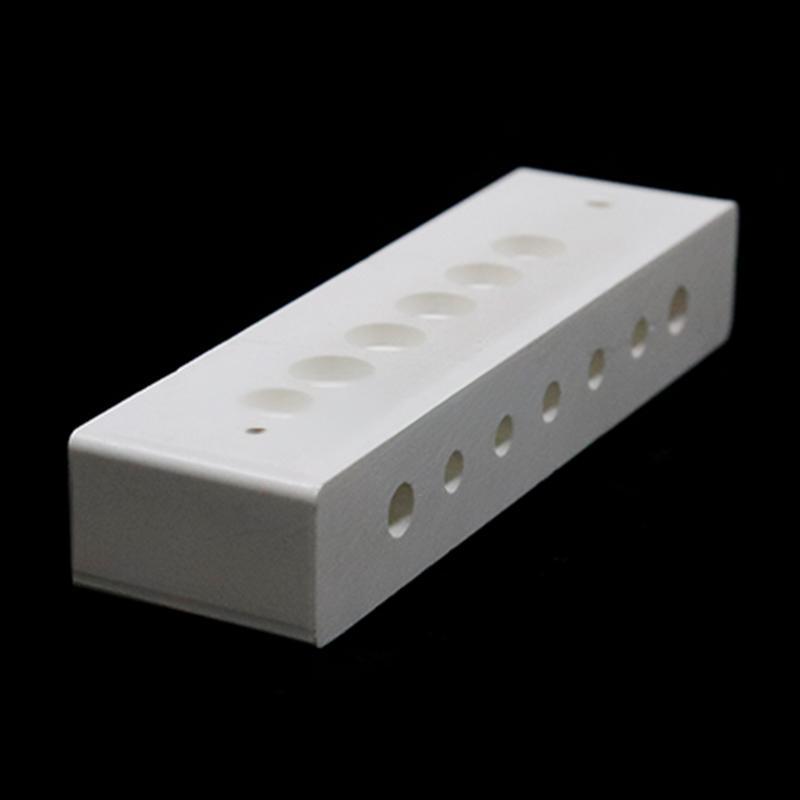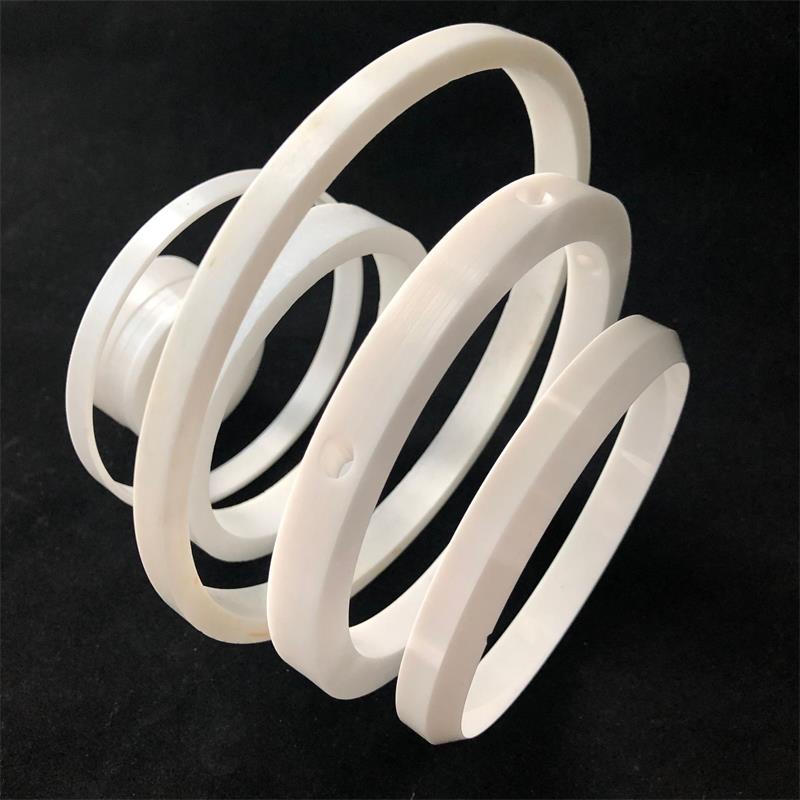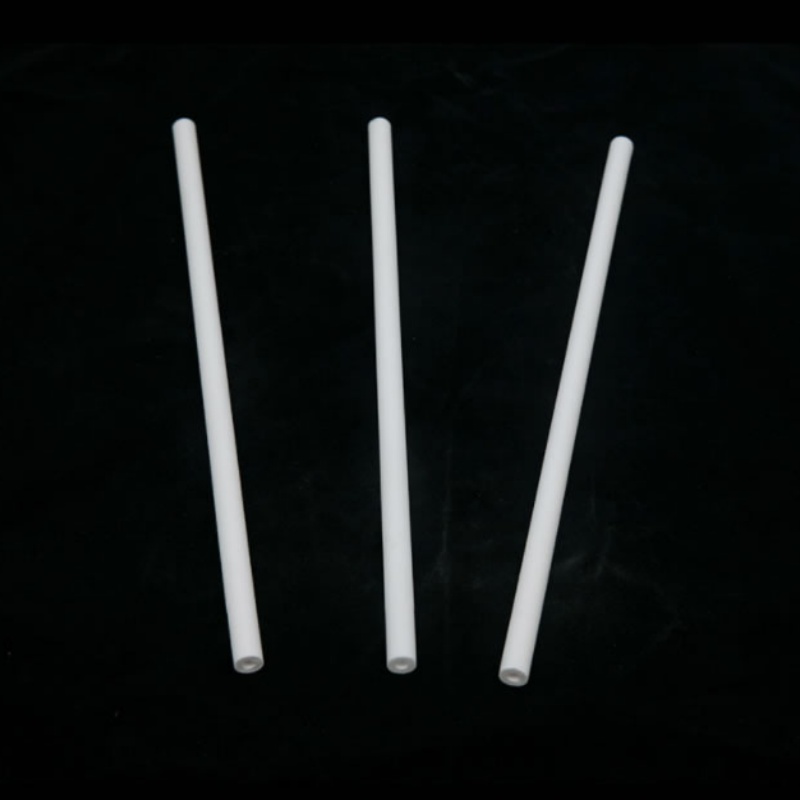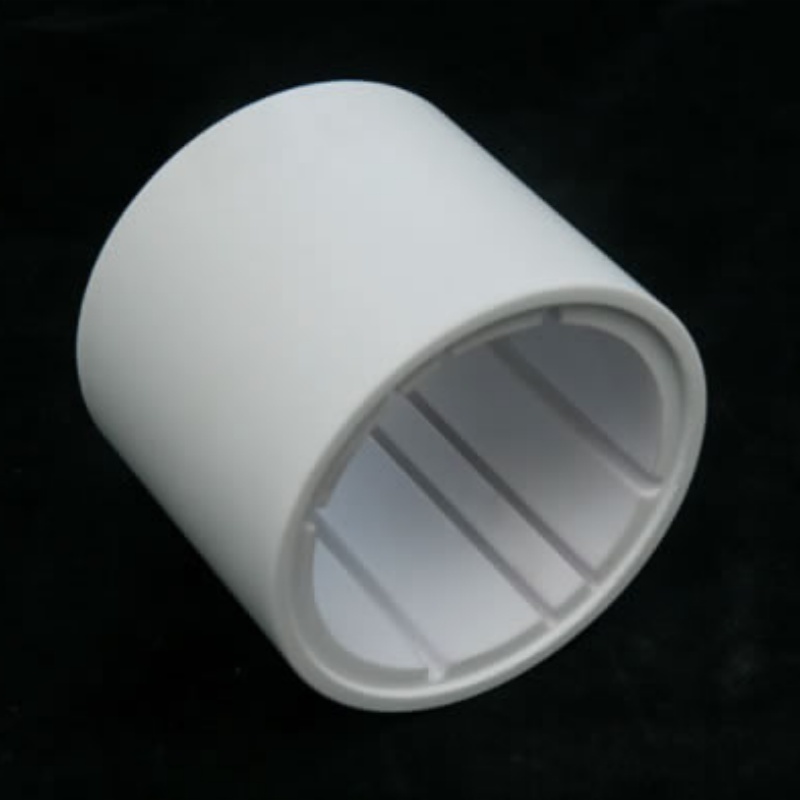
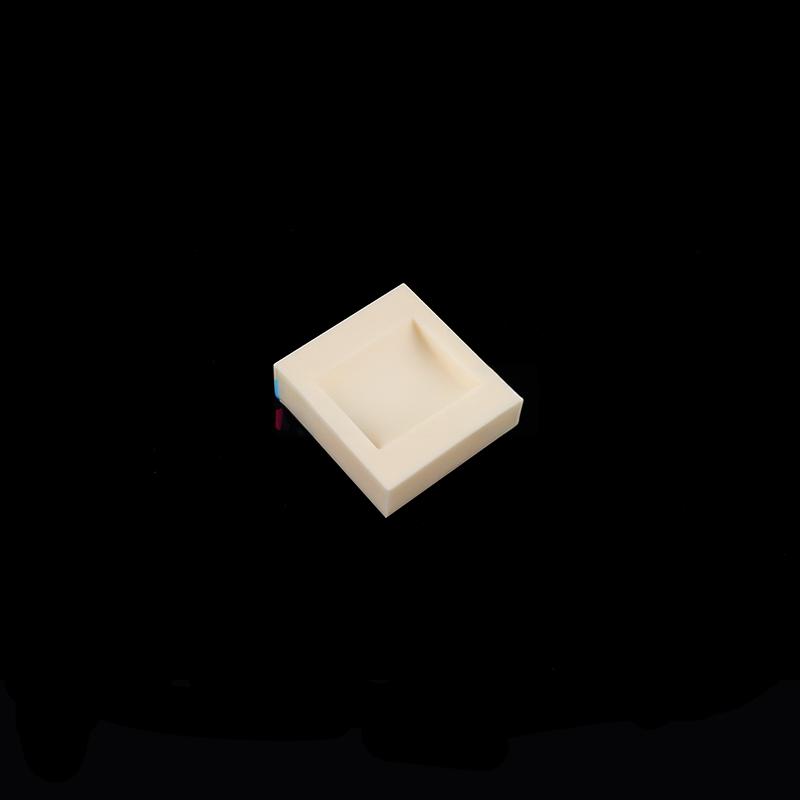
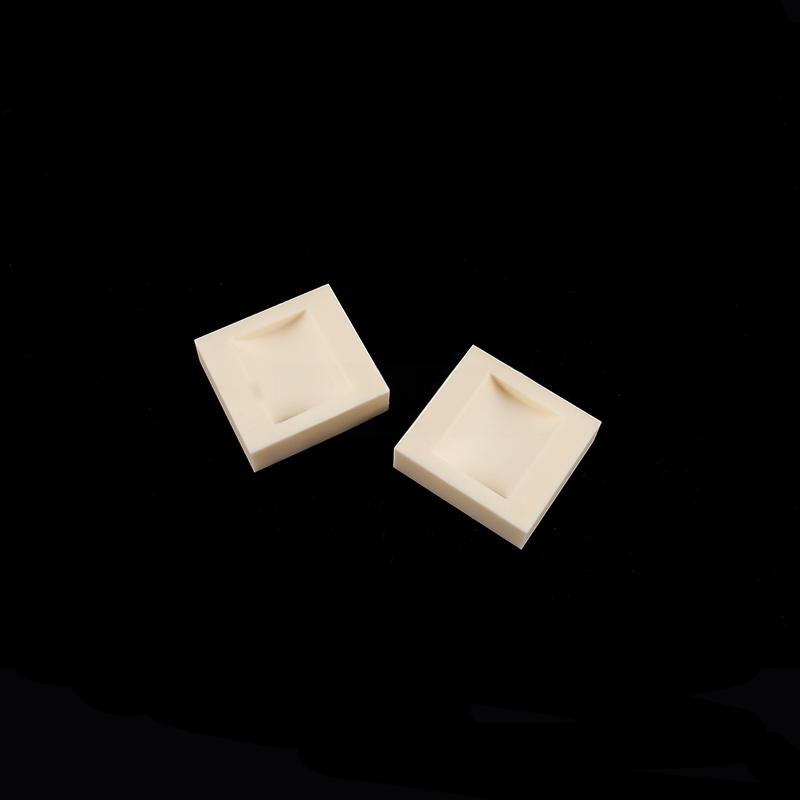
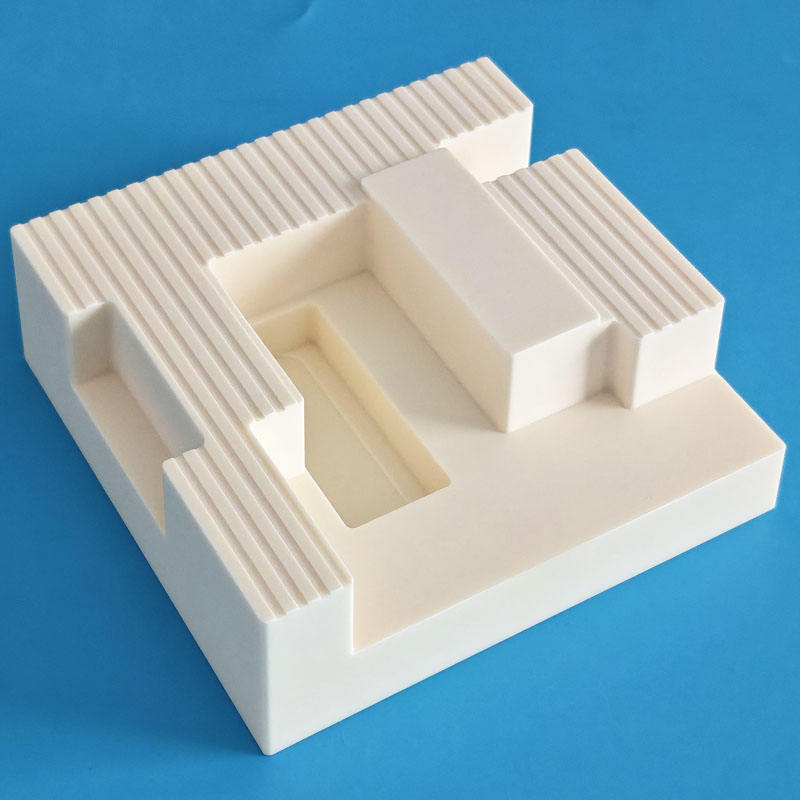
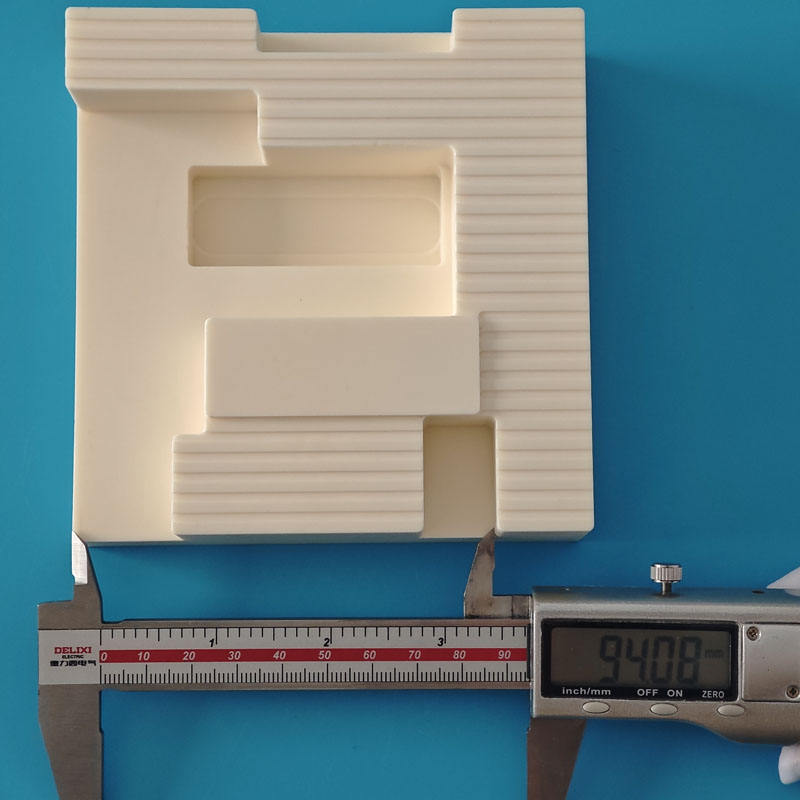
Aluminum Oxide Groove Ceramic Block
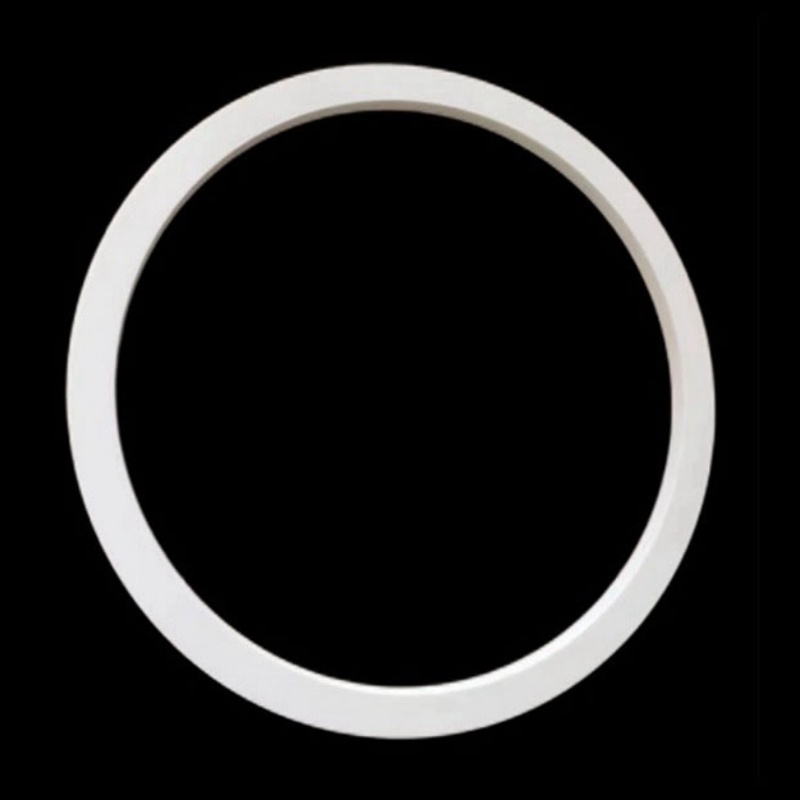
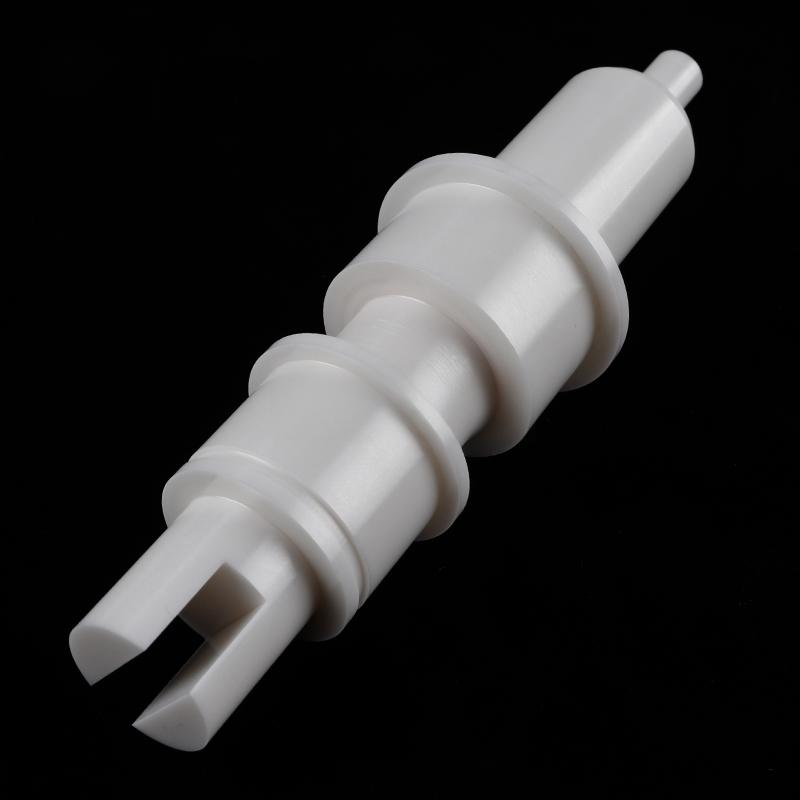
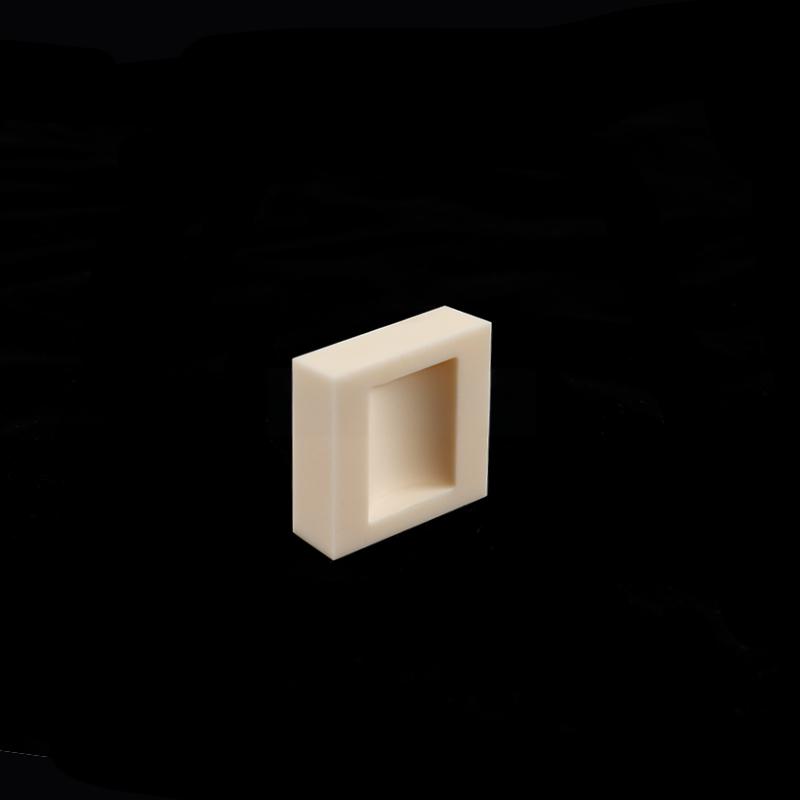
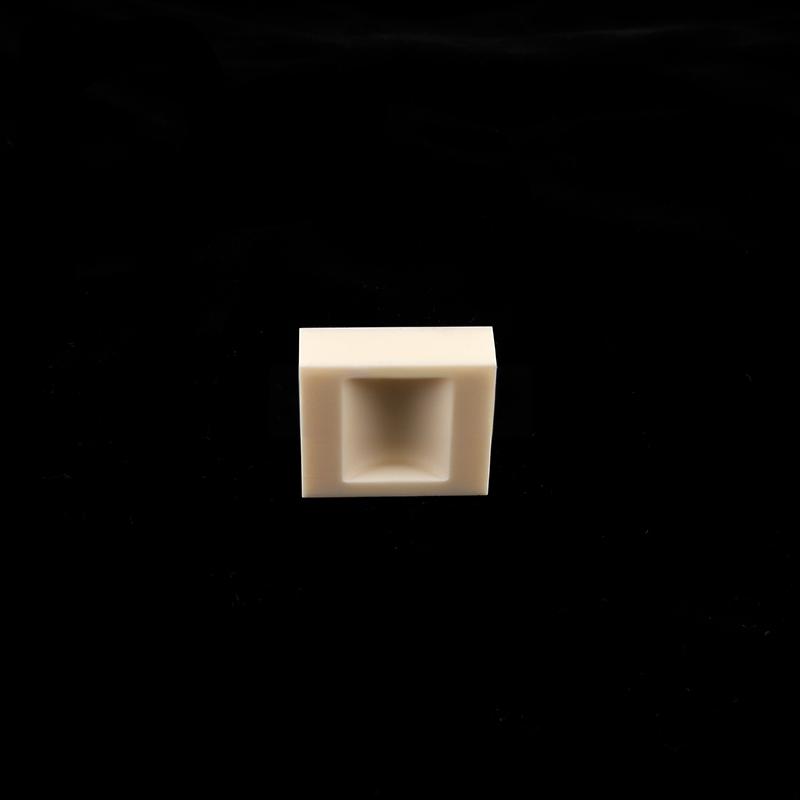
Aluminum oxide groove ceramic block is a precision-engineered ceramic component designed to guide, support, separate, or route materials in demanding industrial environments. By combining the inherent hardness, chemical stability, and electrical insulation of alumina with a specifically machined groove profile, these blocks provide reliable performance where metals or polymers would quickly degrade due to wear, corrosion, or high temperature.
What Is an Aluminum Oxide Groove Ceramic Block?
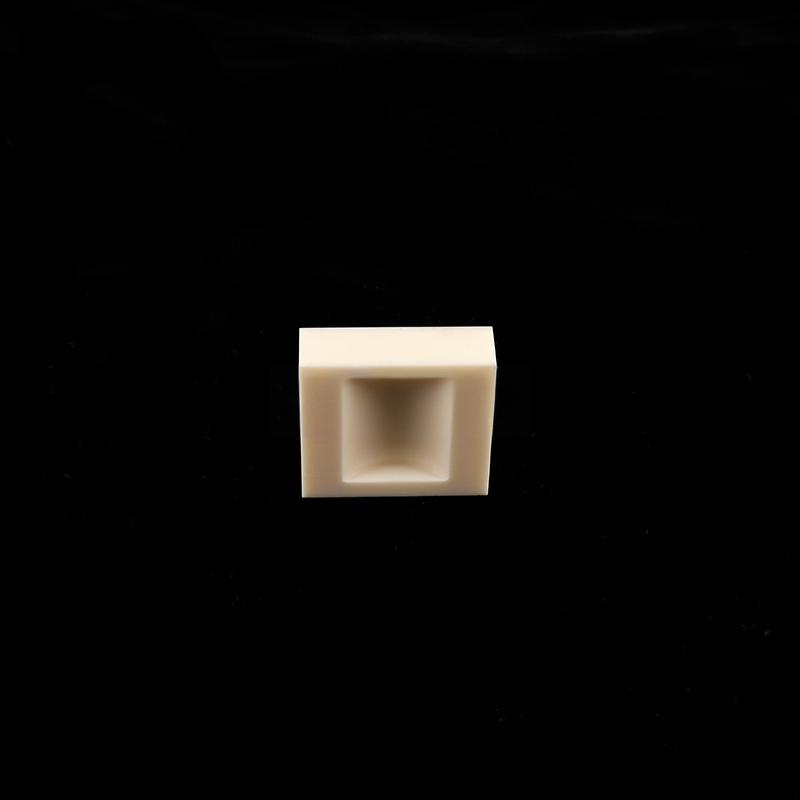
Aluminum oxide, commonly called alumina, is one of the most widely used advanced oxide ceramics. A groove ceramic block made from alumina typically features one or more channels, slots, V-grooves, U-grooves, or custom profiles formed by pressing, grinding, CNC machining, or post-sintering finishing. The groove geometry is not decorative; it defines how the component interacts with wires, fibers, belts, fluids, gases, or moving parts.
Because alumina can be produced in different purity levels, the performance of a groove block depends heavily on material grade. Common grades include 95%, 96%, 99%, and 99.5%+ alumina. Higher-purity alumina generally offers better mechanical strength, thermal conductivity, electrical insulation, and chemical resistance, while lower-purity grades may be selected when cost efficiency is more important than maximum performance.
Why Alumina Is Suitable for Groove Components
Alumina possesses a strong ionic-covalent crystal structure, which gives it high hardness and good dimensional stability at elevated temperatures. This makes it particularly suitable for components that must maintain precise groove geometry under continuous friction or thermal load.
The material also has low electrical conductivity and relatively low dielectric loss, allowing alumina groove blocks to function safely in electrically sensitive environments. Its chemical inertness further helps it resist many acids, alkalis, and organic solvents, although it is not universally resistant to all chemical conditions.
Key Performance Characteristics
The performance of an aluminum oxide groove ceramic block depends on alumina purity, density, surface finish, and manufacturing method. Typical property ranges for high-purity alumina include:
Density: approximately 3.6–3.9 g/cm³
Flexural strength: roughly 250–400 MPa
Compressive strength: often above 2,000 MPa
Hardness: very high wear resistance, commonly around 12–17 GPa
Thermal conductivity: approximately 20–30 W/m·K for high-purity grades
Maximum service temperature: often up to 1,500–1,700°C depending on grade and atmosphere
Electrical insulation: high volume resistivity and good dielectric strength
These values are indicative. Actual specifications should be confirmed for the specific alumina grade and production process used.
Typical Applications
Alumina groove blocks are used where precise guidance, wear resistance, and stability are required.
In textile and fiber processing, groove blocks guide synthetic fibers, wires, or filaments. The smooth ceramic surface reduces friction and wear, while the groove maintains consistent material alignment.
In semiconductor and electrical equipment, alumina’s electrical insulation and thermal stability make it suitable for guiding carriers, supporting components, or isolating conductive parts.
In thermal processing and furnace applications, high-purity alumina can withstand elevated temperatures without softening or oxidizing. Groove blocks may serve as supports, guides, or positioning elements in controlled atmospheres.
In fluid and gas handling, alumina groove components can help direct flow paths, support seals, or separate process media where corrosion resistance and dimensional stability are important.

Advantages in Engineering Use
One major advantage is wear resistance. Alumina maintains groove accuracy longer than many metals or engineering plastics, especially in abrasive environments. Another advantage is chemical stability. Alumina performs well in many aggressive media, reducing the risk of contamination or material degradation.
Alumina groove blocks also offer good thermal stability. They retain strength and shape at high temperatures, making them suitable for processes involving heat, friction, or thermal cycling. Their electrical insulation is another important benefit, particularly when conductive materials must be avoided.
Limitations and Design Precautions
Despite its strengths, alumina is a brittle ceramic. It does not deform plastically like metals, so impact loads, point stresses, or improper mounting can cause cracking or fracture. Groove edges should be designed with adequate chamfers or radii to reduce stress concentration.
Alumina is also sensitive to thermal shock if temperature changes are extremely rapid. While it performs well at high temperatures, sudden heating or cooling can create internal stresses. In such cases, material grade, wall thickness, and heating rate should be carefully considered.
Machining alumina after sintering is possible but more difficult and costly than machining metals. Tight tolerances and complex groove profiles may require precision grinding or diamond tooling. Surface finish also matters: a smoother groove reduces friction and wear on guided materials, but achieving very fine finishes increases processing requirements.
When to Choose Alumina Groove Ceramic Blocks
Alumina is a strong choice when the application requires:
High wear resistance
Good electrical insulation
Stable performance at elevated temperatures
Resistance to many chemicals
Precise groove geometry with long service life
It is especially suitable when the operating environment involves continuous sliding, friction, heat, or electrical isolation.
When to Consider Other Ceramics
If the application involves extremely high fracture toughness requirements, zirconia may be considered, as it generally offers higher toughness than alumina. However, zirconia may have different thermal and electrical characteristics, so it is not a universal replacement.
For applications requiring higher thermal conductivity or extreme thermal shock resistance, silicon carbide or silicon nitride may be more appropriate. These materials can outperform alumina in certain thermal or mechanical environments, but they often come with higher cost and different processing constraints.
For general-purpose high-temperature insulation, wear resistance, and chemical stability, alumina groove ceramic blocks remain one of the most balanced and widely adopted engineering ceramic solutions.
FAQ
What is an aluminum oxide groove ceramic block used for?
It is used to guide, support, separate, or route materials in applications that require wear resistance, electrical insulation, chemical stability, or high-temperature performance.
Is alumina electrically insulating?
Yes. High-purity alumina has high volume resistivity and good dielectric strength, making it suitable for electrically insulating components.
Can alumina groove blocks withstand high temperatures?
Yes. High-purity alumina can typically operate at temperatures up to about 1,500–1,700°C, depending on grade, atmosphere, and mechanical load.
What are the main limitations of alumina groove blocks?
Alumina is brittle and sensitive to impact, point loading, and severe thermal shock. Groove edges and mounting structures should be designed to avoid stress concentration.
How does alumina compare with zirconia for groove components?
Alumina generally offers better electrical insulation and cost efficiency, while zirconia usually provides higher fracture toughness. The choice depends on mechanical, thermal, and electrical requirements.
What alumina purity is commonly used?
Common grades include 95%, 96%, 99%, and 99.5%+ alumina. Higher purity generally improves mechanical, thermal, electrical, and chemical performance.