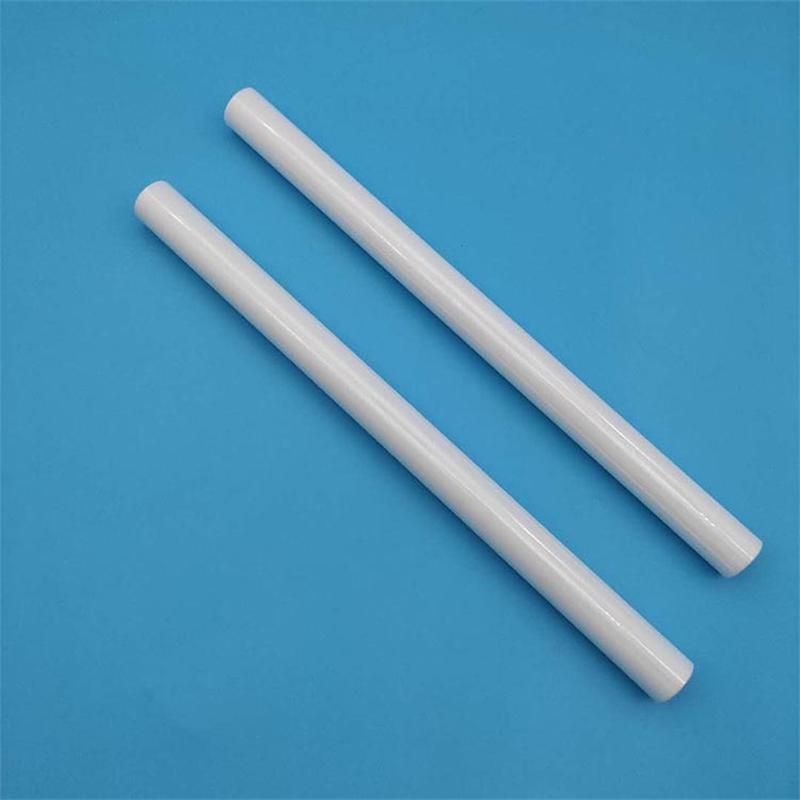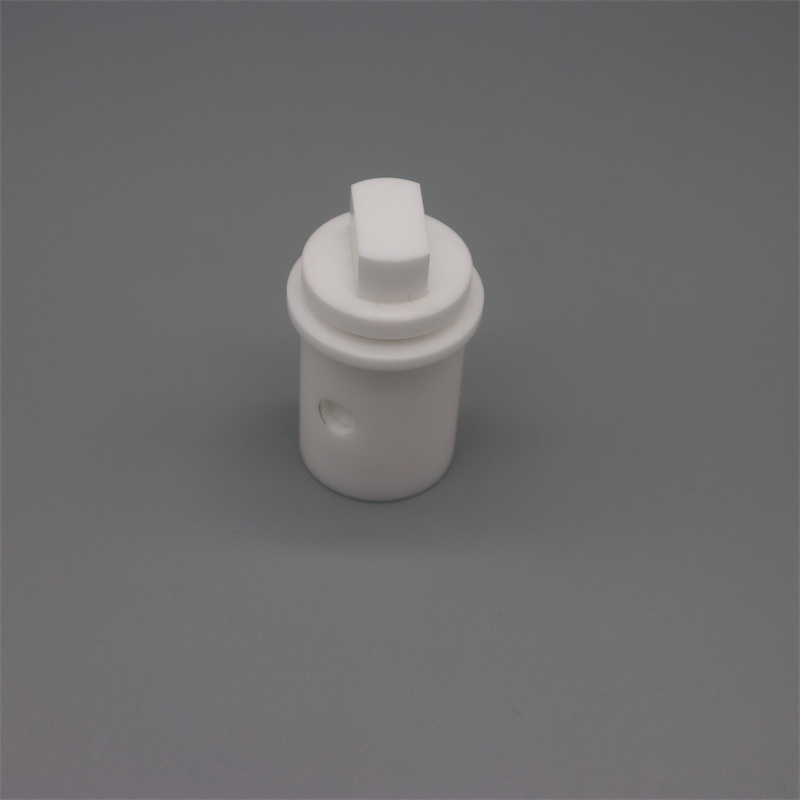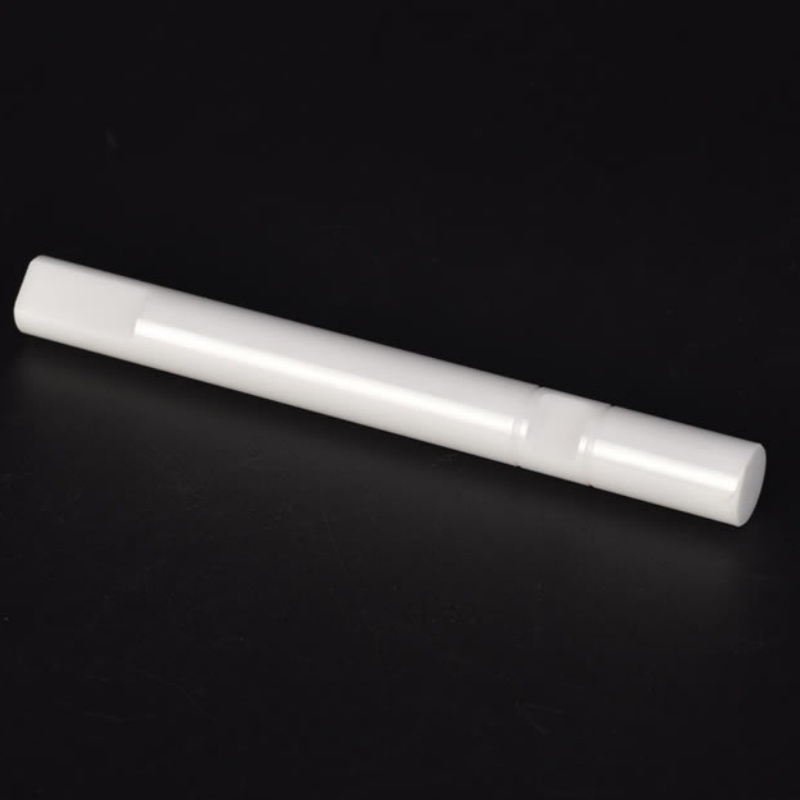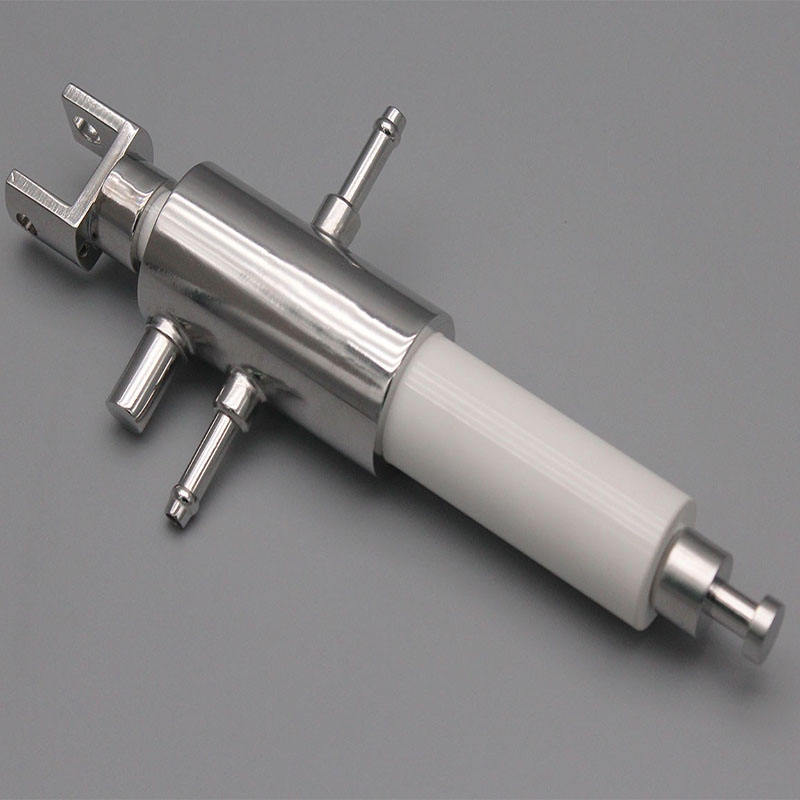
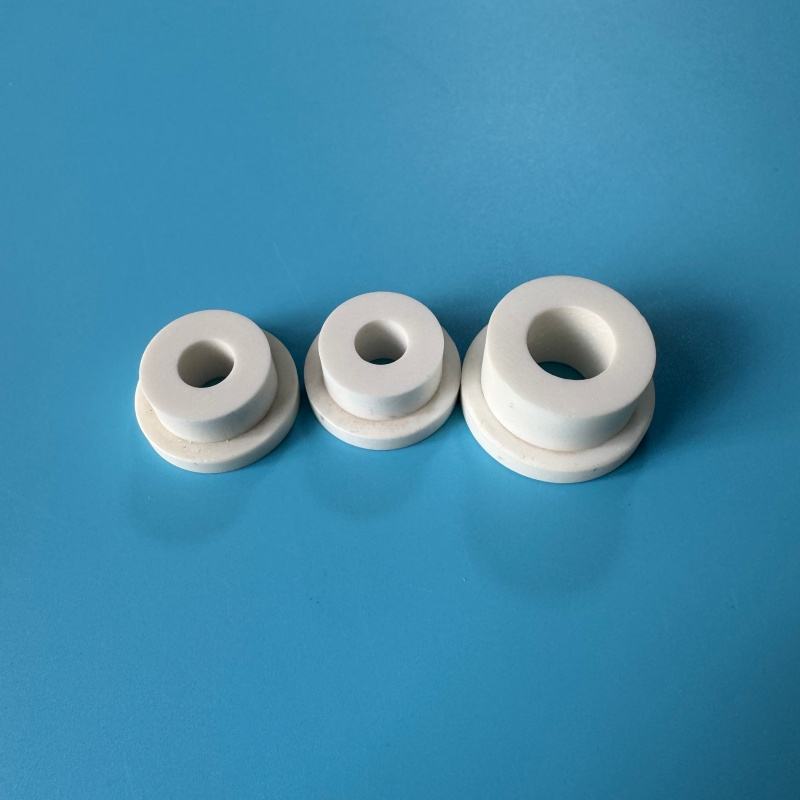
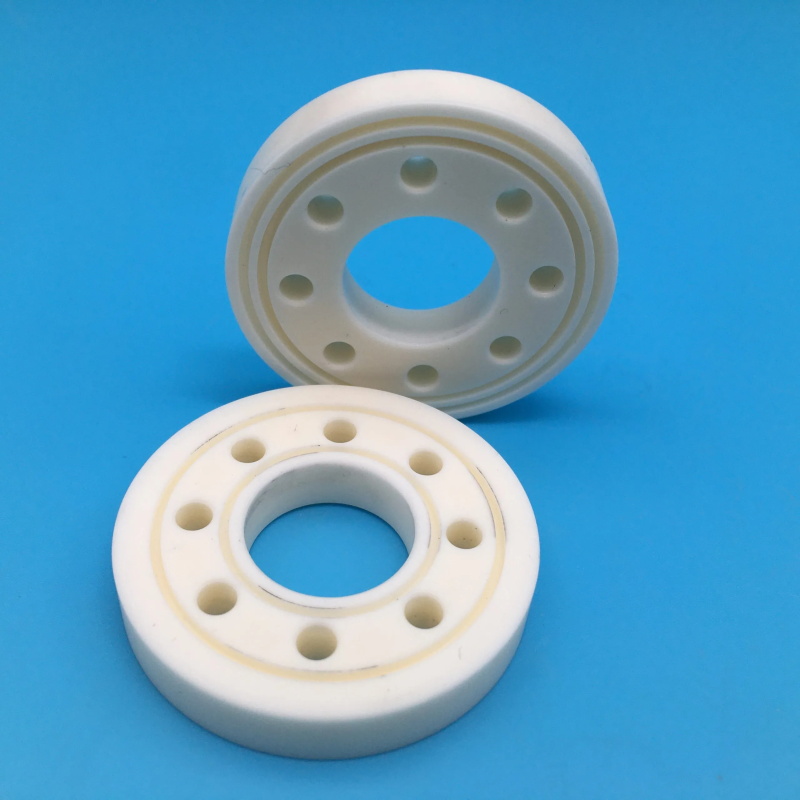
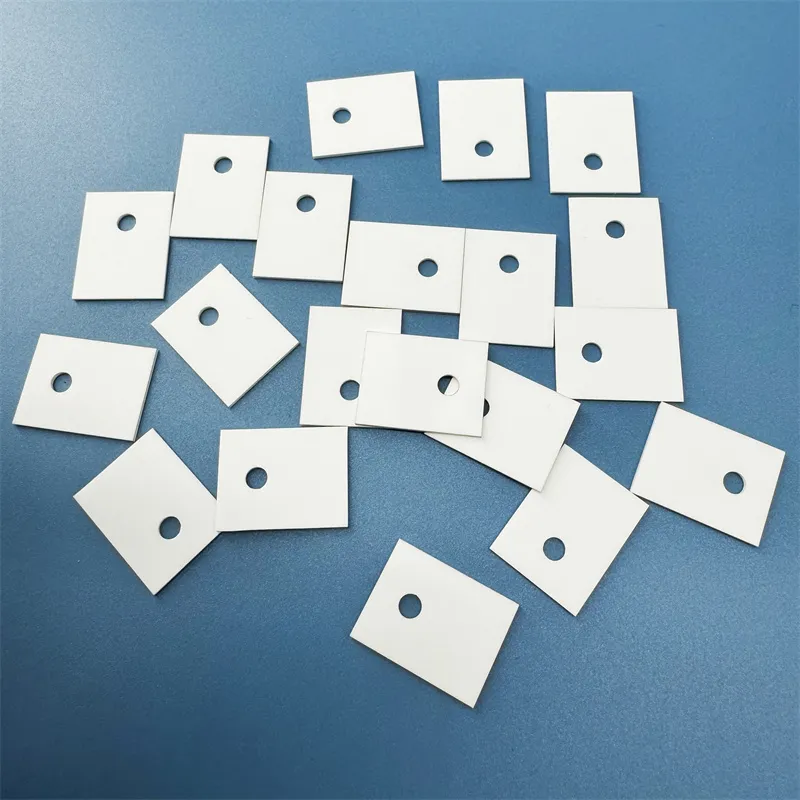
Aluminum Oxide Ceramic Slider
In precision engineering and high-wear industrial applications, the choice of material for sliding components often determines the reliability, service life, and overall performance of a system. Among the various advanced ceramics, the aluminum oxide ceramic slider—commonly referred to as an alumina slider—has become an industry standard for applications demanding exceptional wear resistance, chemical stability, and dimensional precision.
Unlike metallic sliders that are prone to corrosion, galling, and lubrication-dependent operation, aluminum oxide ceramic sliders offer a maintenance-free solution capable of operating in harsh environments where traditional materials would fail within hours or days. From magnetic recording heads to high-precision linear guideways and pneumatic valve systems, these components enable engineering solutions that were previously unattainable.
This guide provides a comprehensive overview of aluminum oxide ceramic sliders, covering their material properties, manufacturing considerations, key applications, and design guidelines. Whether you are a design engineer evaluating materials for a new project or a researcher exploring advanced ceramic applications, this resource offers practical, engineering-focused insights.
What Is an Aluminum Oxide Ceramic Slider?
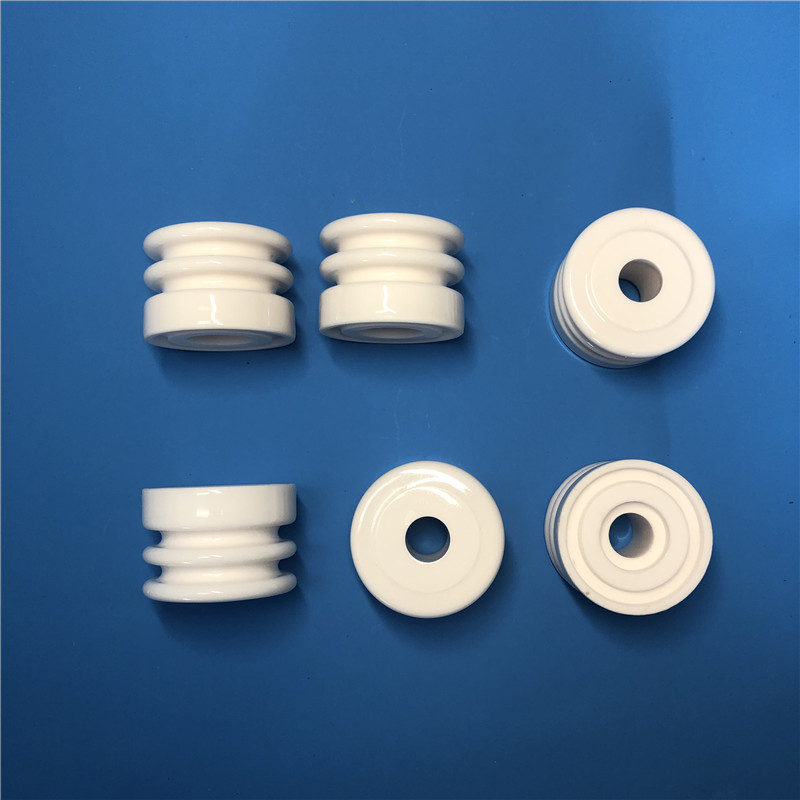
An aluminum oxide ceramic slider is a precision-engineered component made from high-purity alumina (Al₂O₃) that serves as a sliding contact surface in mechanical systems. These sliders are designed to withstand repeated motion against a mating surface while maintaining tight dimensional tolerances, low friction, and minimal wear over extended service life.
The term “slider” encompasses a wide range of geometries—from simple rectangular pads used in linear guideways to complex air-bearing surfaces in magnetic recording heads. What unites these diverse applications is the core requirement for a material that combines high hardness, excellent surface finish capability, and chemical inertness.
In magnetic recording applications, for example, the slider forms the aerodynamic body that “flies” over a rotating magnetic disk at sub-micrometer clearances. In industrial machinery, sliders serve as wear plates or valve components that experience millions of operating cycles. The common denominator is the need for a material that maintains its geometry and surface integrity over time, ensuring consistent system performance.
Key Material Properties of Alumina for Slider Applications
The suitability of aluminum oxide for slider applications stems from a specific combination of physical and mechanical properties that are rarely found together in other engineering materials.
Hardness and Wear Resistance
Alumina is one of the hardest materials available for engineering applications, with a Rockwell hardness of approximately HR45N 84 for 96% Al₂O₃ compositions. This exceptional hardness translates directly into outstanding wear resistance. In practical terms, alumina sliders can achieve service lives that are several times longer than those of hardened steel components in the same application.
The wear resistance is particularly valuable in applications involving abrasive particles or high-frequency sliding motion. For pneumatic slider valves, alumina components have demonstrated capability exceeding 20 million operating cycles.
Flexural Strength and Fracture Toughness
While alumina is hard, it is also brittle—a characteristic that must be carefully considered in design. High-purity alumina (99.9% Al₂O₃) typically exhibits a flexural strength of 325–400 MPa in three-point bending and a fracture toughness of approximately 4.5 MPa·m^0.5. These values are sufficient for most slider applications, provided that tensile stresses are minimized through proper design and that impact loads are avoided.
It is worth noting that the mechanical properties of alumina can be tailored through the addition of secondary phases. For instance, the well-known ALTIC material (Al₂O₃-TiC composite) was developed specifically for magnetic head sliders to achieve higher toughness while retaining the beneficial wear characteristics of alumina.
Thermal Properties and Dimensional Stability
Alumina exhibits a relatively low coefficient of thermal expansion, approximately 9.0 × 10⁻⁶/K from 20°C to 1000°C, and maintains its dimensional stability across a wide temperature range. This property is critical for precision slider applications where thermal expansion would otherwise affect clearance or positioning accuracy.
The thermal conductivity of alumina, approximately 20.7 W/m·K at 20°C, is moderate. This can be advantageous in applications where heat dissipation from the sliding interface is required without causing rapid temperature changes.
Chemical Stability and Corrosion Resistance
One of the most significant advantages of alumina sliders is their exceptional chemical inertness. Alumina is resistant to attack by most acids, bases, and organic solvents, with the notable exceptions of hydrofluoric acid and hot phosphoric acid. This chemical stability ensures that alumina sliders perform reliably in corrosive environments where metallic components would suffer from pitting, stress corrosion cracking, or galvanic corrosion.
Electrical Insulation
Alumina is an excellent electrical insulator, with a volume resistivity exceeding 10¹⁴ ohm·cm at room temperature and a dielectric strength of approximately 28 kV/mm. This property enables alumina sliders to be used in applications where electrical isolation is required, such as in electronic device manufacturing equipment or in close proximity to sensitive electronic components. In magnetic recording head applications, the insulating nature of alumina eliminates the need for an additional insulation layer during fabrication.
Key Advantages and Limitations
Advantages
– Ultra-high wear resistance: Translates directly into extended service life and reduced downtime, making alumina sliders cost-effective over their operational lifetime despite higher initial cost.
– Chemical inertness: Allows reliable operation in corrosive environments without generating corrosion products that could contaminate sensitive systems.
– Dimensional stability: Maintains consistent performance across temperature fluctuations, which is critical for precision positioning applications.
– No lubrication required: Eliminates the need for lubrication systems, reducing maintenance requirements and eliminating the risk of lubricant contamination.
– Electrical insulation: Enables use in electronic and cleanroom applications where electrical isolation is necessary.
– Vacuum compatibility: Fully dense, non-porous alumina grades are suitable for high-vacuum environments without outgassing or particulate generation.
Limitations
– Brittle behavior: Design must carefully avoid tensile stress concentrations and impact loads, as alumina does not exhibit plastic deformation before failure.
– Difficult machining: Requires diamond tooling, and post-sintering processing is expensive compared to metals.
– Higher initial cost: Component cost is typically higher than metallic equivalents, though this is often offset by longer service life.
– Lower fracture toughness: Susceptible to chipping at edges or during assembly if not handled properly.
– Limited to specific geometries: Complex internal features, sharp re-entrant corners, or thin cross-sections may not be feasible with standard processing routes.
Manufacturing and Processing Considerations
Material Grades and Compositions
Alumina sliders are typically manufactured from ceramic grades with alumina content ranging from 96% to 99.9% or higher. The choice of grade depends on the application requirements:
– 96% Al₂O₃: Offers excellent wear resistance and mechanical strength at a more economical price point. Suitable for most industrial sliding applications, including pneumatic valves and general-purpose wear parts.
– 99% to 99.9% Al₂O₃: Provides higher hardness, superior chemical purity, and better electrical properties. Preferred for precision applications, including magnetic recording heads and semiconductor processing equipment.
In specialized cases, alumina-based composites such as ALTIC (Al₂O₃-TiC) are used to combine the wear resistance of alumina with improved toughness and machinability.
Typical Properties by Grade
For 96% Al₂O₃, typical properties include a density of 3.89 g/cm³, hardness of HR45N 84, flexural strength of 325 MPa, average grain size around 3.5 µm, and Young’s modulus of 358 GPa. For 99.9% Al₂O₃, typical values are density of 3.98 g/cm³, hardness of HR45N 86, flexural strength of 380 MPa, grain size below 3 µm, and Young’s modulus of 390 GPa.
These values are typical and may vary by manufacturer and specific composition. The higher-purity grade generally offers slightly better performance in demanding applications, but at a correspondingly higher cost.
Processing Route
Alumina sliders are fabricated through a ceramic processing route that involves powder preparation, forming, sintering, and finishing:
– Powder preparation: High-purity alumina powder is mixed with appropriate binders, plasticizers, and sintering aids to create a homogeneous feedstock suitable for forming.
– Forming: The component is shaped using techniques such as dry pressing, isostatic pressing, or injection molding, depending on the geometry and required tolerances. Injection molding is often preferred for complex, high-volume shapes.
– Sintering: The formed body is fired at temperatures typically between 1600°C and 1800°C to achieve full densification. Hot isostatic pressing (HIP) may be employed for high-performance grades to ensure complete elimination of residual porosity.
– Finishing: Sintered components are machined to final dimensions using diamond grinding, lapping, and polishing techniques. Tolerances on critical surfaces can be controlled to sub-micrometer levels.
Critical Finishing Requirements
For slider applications, the surface finish is often as important as the bulk material properties. Typical specifications include flatness tolerances below 0.0008 mm for sealing or air-bearing surfaces, polished finishes down to Ra 0.08 µm for low-friction operation, and chamfered or rounded edges to prevent chipping during handling and assembly.
Applications of Aluminum Oxide Ceramic Sliders
Magnetic Recording Heads
One of the most demanding and technically sophisticated applications of alumina sliders is in magnetic recording heads for hard disk drives. In these devices, the slider forms the air-bearing surface that maintains a constant flying height over the rotating disk, enabling read/write transducers to operate at sub-micrometer clearances.
The use of high-purity alumina (99.9% Al₂O₃) in this application offers several advantages: the insulating nature eliminates the need for an initial coating step during wafer fabrication, superior thermal properties reduce bending and twisting during processing, and uniform thermal expansivity improves manufacturing yield.
Pneumatic Slider Valves
In industrial fluid control systems, alumina sliders are used in pneumatic valves where they serve as the moving element that controls flow. These components must maintain sealing integrity and low friction over millions of operating cycles. 96% alumina grades have demonstrated capability exceeding 20 million cycles in commercial applications.
Precision Linear Guideways
Alumina sliders are utilized in ultra-precision linear guideways for applications requiring nanometer-level positioning accuracy. The high specific rigidity of alumina enables precise lapping to achieve the required surface finish, while its excellent dimensional stability ensures consistent performance over time.
In such systems, air bearings are often employed to achieve frictionless motion, with the alumina slider forming the moving element in contact with the pressurized air film.
Semiconductor and Photovoltaic Equipment
In semiconductor and solar cell manufacturing, alumina sliders are used in wafer handling systems where contamination from wear particles would be catastrophic. The wear resistance and chemical stability of alumina ensure that the components do not generate particulates or introduce metallic contamination.
High-Temperature Applications
Alumina sliders are capable of operating at temperatures up to 1600°C in air without significant degradation. This makes them suitable for use in high-temperature processing equipment, such as kilns and furnaces, where metallic components would soften, oxidize, or creep.
Design Considerations for Alumina Sliders
Designing with alumina sliders requires a different approach than designing with metals. The following considerations are essential for successful implementation:
Stress Management
Alumina is strong in compression but weak in tension. When designing a slider, ensure that loads are primarily compressive or bending loads with the tensile side properly supported. Avoid point loads and sharp internal corners that act as stress concentrators. The component should be designed so that tensile stresses are minimized to the greatest extent possible.
Surface Finish
The friction and wear behavior of alumina sliders is strongly influenced by surface finish. In general, smoother finishes result in lower friction and longer life. Specify the required finish based on the application—for example, Ra 0.08 µm or better for low-friction applications.
Clearance and Tolerances
While alumina can be machined to tight tolerances down to micrometers, the difficulty and cost of processing increase significantly with tighter specifications. Balance tolerance requirements against the intended application. For critical mating surfaces, consider what can be achieved through lapping after assembly rather than relying on grinding alone.
Environmental Considerations
Alumina is susceptible to attack only by hydrofluoric acid and hot phosphoric acid. For most industrial environments, this is not a concern. However, if your application involves exposure to these chemicals, consider alternative ceramics such as silicon carbide or silicon nitride.
Edge Protection
The edges of alumina sliders are vulnerable to chipping during assembly and operation. Design the component with generous chamfers or radiuses at all edges to reduce the risk of edge damage. This is particularly important in applications where the slider may be handled or where it contacts mating components at acute angles.
Typical Grades and Specifications
Alumina sliders are available in a range of grades, each optimized for specific applications:
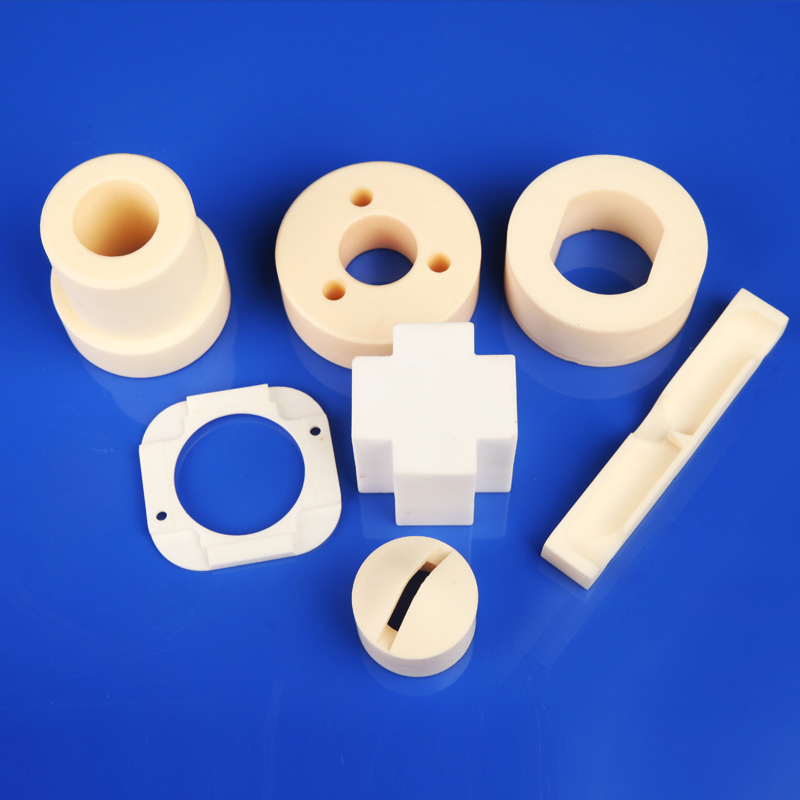
– 96% Alumina (≥96% Al₂O₃): This grade is commonly used for industrial wear parts, pneumatic valves, and general-purpose sliders where cost is a significant factor and the operating environment is not exceptionally demanding.
– 99% Alumina (≥99% Al₂O₃): This grade is preferred for precision components and chemical-resistant applications where higher purity and improved performance justify the additional cost.
– 99.9% Alumina (≥99.9% Al₂O₃): This high-purity grade is used for magnetic recording heads, semiconductor equipment, and optical applications where the highest level of performance and purity is required.
Common dimensions for alumina sliders range from miniature components measuring just a few millimeters for magnetic heads to large sliders exceeding 200 mm in length for industrial guideways.
Typical industries that utilize alumina sliders include data storage, semiconductor manufacturing, photovoltaic production, industrial automation, fluid control systems, high-temperature processing, and precision metrology.
Frequently Asked Questions
What is an aluminum oxide ceramic slider used for?
Aluminum oxide ceramic sliders are used in applications requiring exceptional wear resistance, chemical stability, and dimensional precision. Common applications include magnetic recording heads for hard disk drives, pneumatic slider valves, precision linear guideways, wafer handling systems in semiconductor manufacturing, and high-temperature processing equipment.
How does an alumina slider compare to a metal slider?
Alumina sliders offer significantly higher wear resistance and hardness than metal sliders. They are chemically inert and do not require lubrication, unlike many metal components. However, they are more brittle and have higher initial cost. For applications involving high wear, corrosion, or contamination sensitivity, alumina sliders typically provide much longer service life than metal alternatives.
Can alumina sliders operate without lubrication?
Yes. Alumina sliders can operate without lubrication due to their high hardness, low friction coefficient, and chemical inertness. This eliminates the need for lubrication systems and reduces maintenance requirements. In some applications, such as magnetic recording heads, lubrication is actually undesirable as it could contaminate the recording medium.
What is the maximum operating temperature for an alumina slider?
High-purity alumina sliders can operate at temperatures up to 1600°C in air for extended periods. The limiting factor is typically the mating components rather than the alumina itself. At very high temperatures, the mechanical strength remains high, making alumina suitable for kiln and furnace applications.
Is alumina suitable for vacuum applications?
Yes. High-quality alumina sliders are fully dense with no open porosity, making them suitable for high-vacuum applications. They do not outgas or release particulates that would contaminate the vacuum environment. This makes them valuable in semiconductor and thin-film processing equipment.
Can aluminum oxide ceramic sliders be customized?
Yes, alumina sliders can be manufactured to custom geometries and specifications. Typically, near-net shapes are formed by pressing or injection molding, followed by precision grinding and lapping to achieve the final dimensions. Standard tooling is available for common designs, and custom tooling can be developed for specialized applications.
How are alumina sliders manufactured?
Alumina sliders are produced through a ceramic processing route: powder preparation, forming (pressing or injection molding), high-temperature sintering (1600–1800°C), and final machining with diamond grinding and lapping. Hot isostatic pressing (HIP) may be used for high-performance grades. Surface finishes can be polished to Ra 0.08 µm or better.
What are the limitations of using alumina for sliders?
The primary limitations are brittleness (susceptibility to impact and tensile stress), difficult machining requiring diamond tooling, and higher initial cost compared to metals. Design must consider these factors to avoid premature failure. Additionally, alumina is not suitable for applications involving hydrofluoric acid or hot phosphoric acid.
The aluminum oxide ceramic slider represents a mature yet evolving technology that addresses many of the limitations inherent in metallic sliding components. By combining exceptional hardness, chemical inertness, and thermal stability with the capability for ultra-precision finishing, alumina sliders enable engineering solutions across a diverse range of industries.
From the nanometer-scale clearances of magnetic recording heads to the millions of operating cycles of pneumatic valves, these components consistently demonstrate performance that justifies their higher initial cost through extended service life and reduced maintenance requirements.
For design engineers, the key to success lies in understanding the material’s properties and working within its limitations. When properly designed—with attention to stress distribution, surface finish, and edge detail—alumina sliders can provide reliable, maintenance-free operation in demanding applications where other materials have failed.