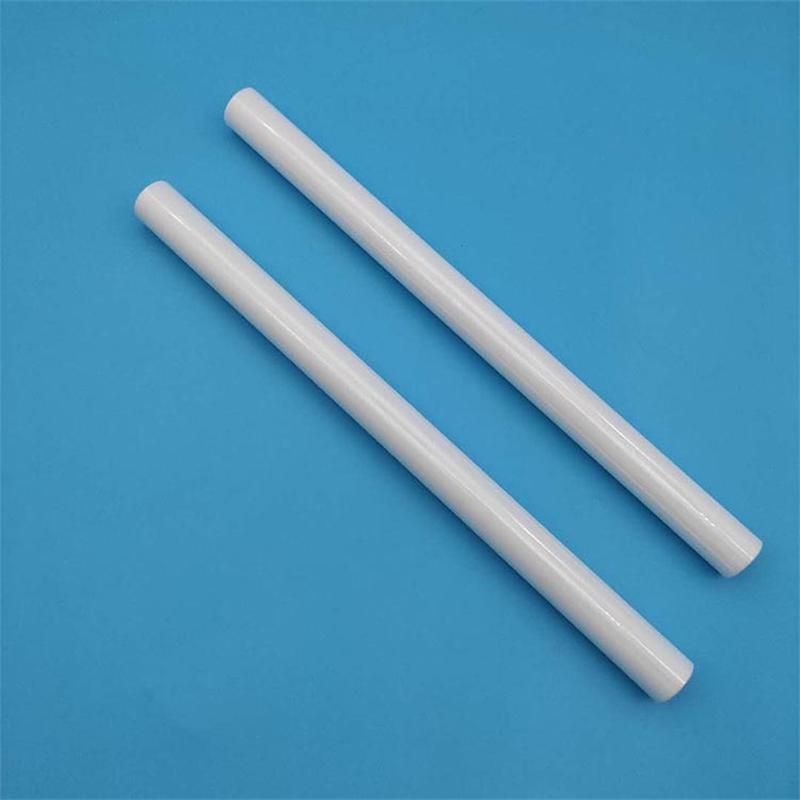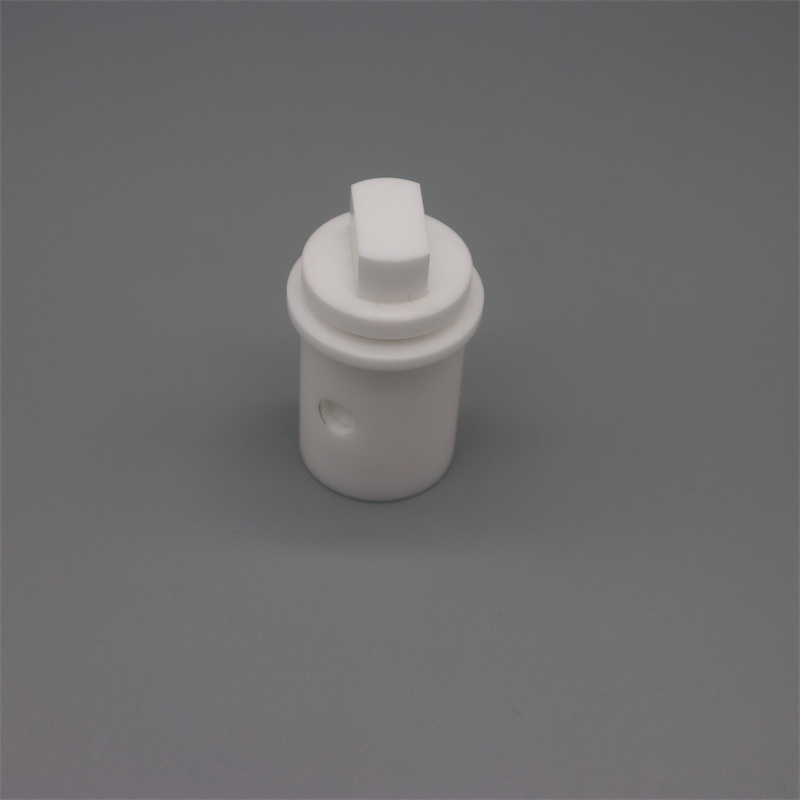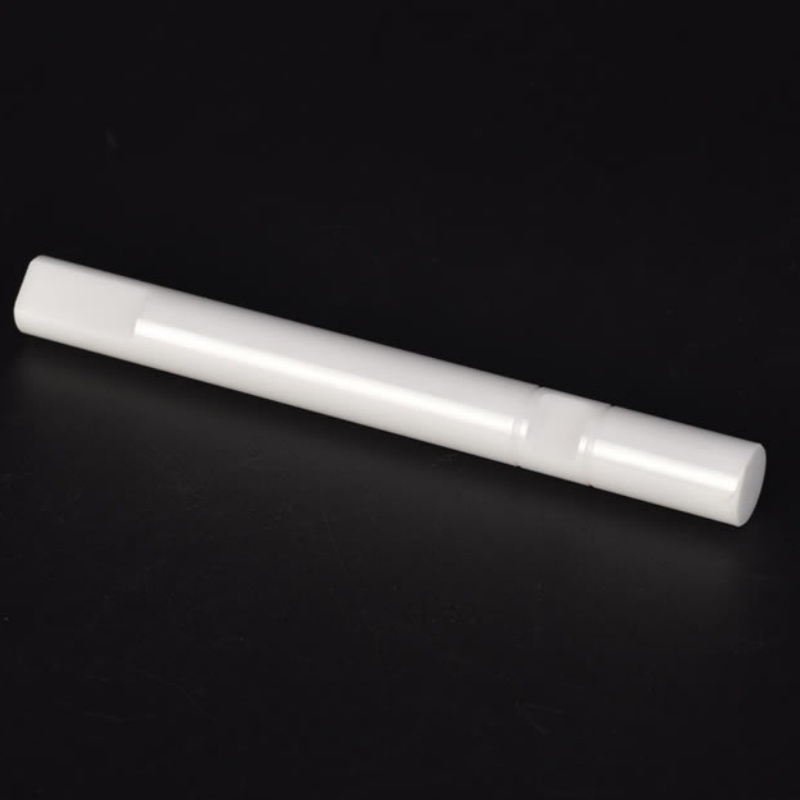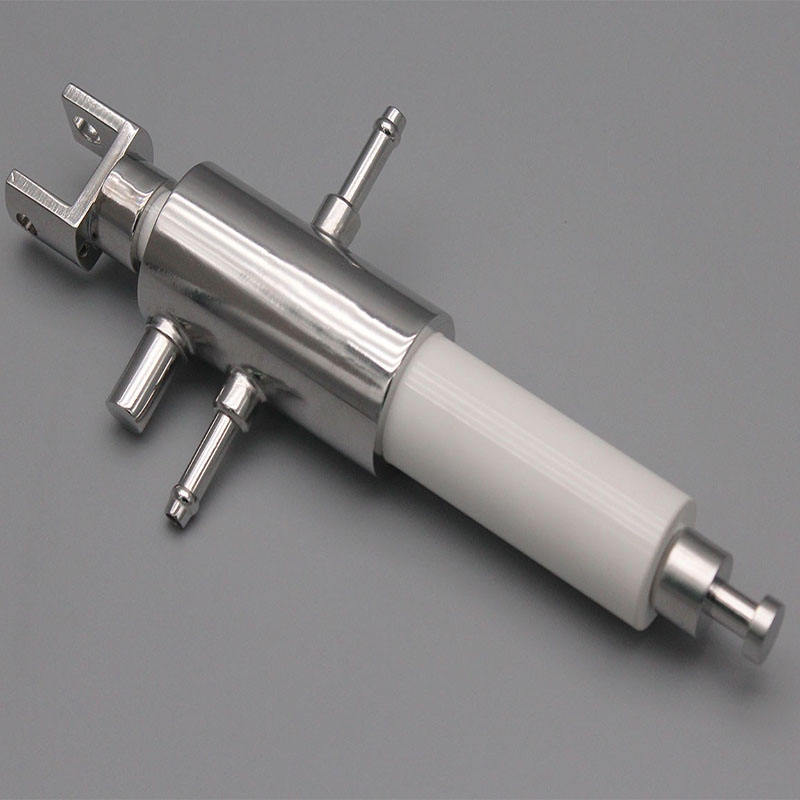
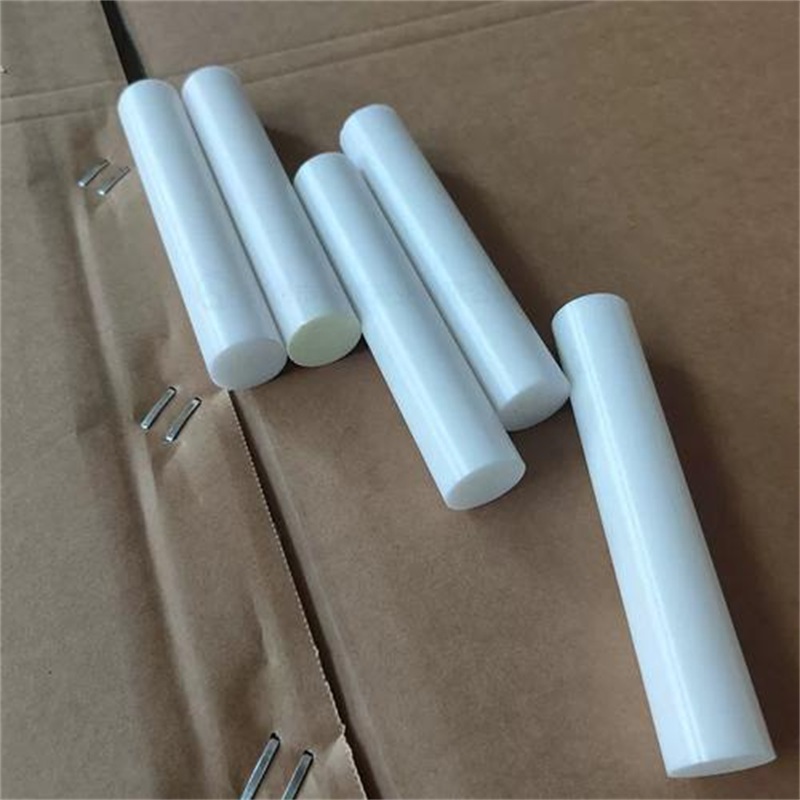
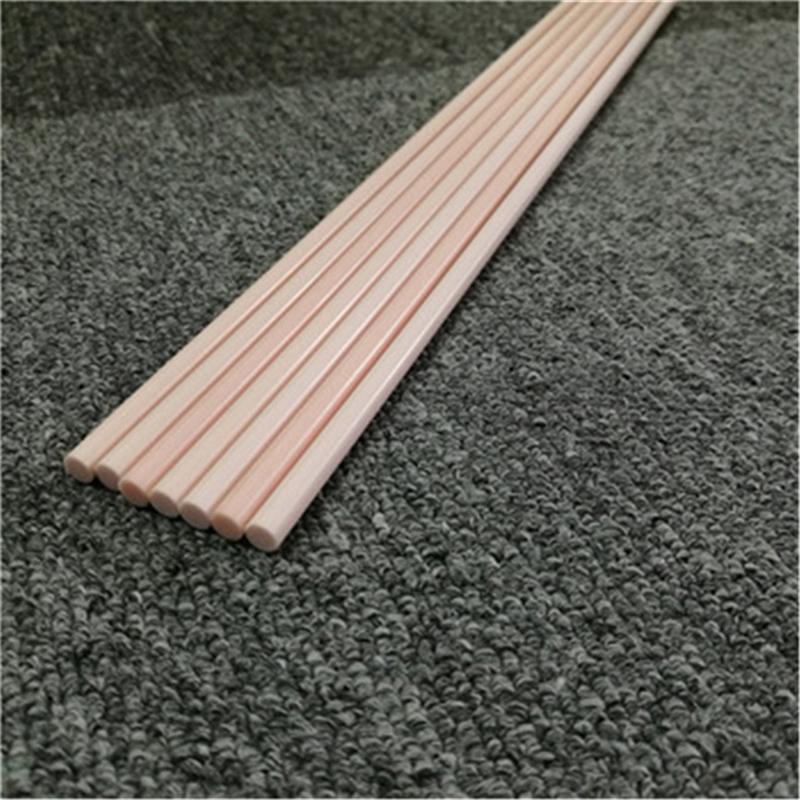
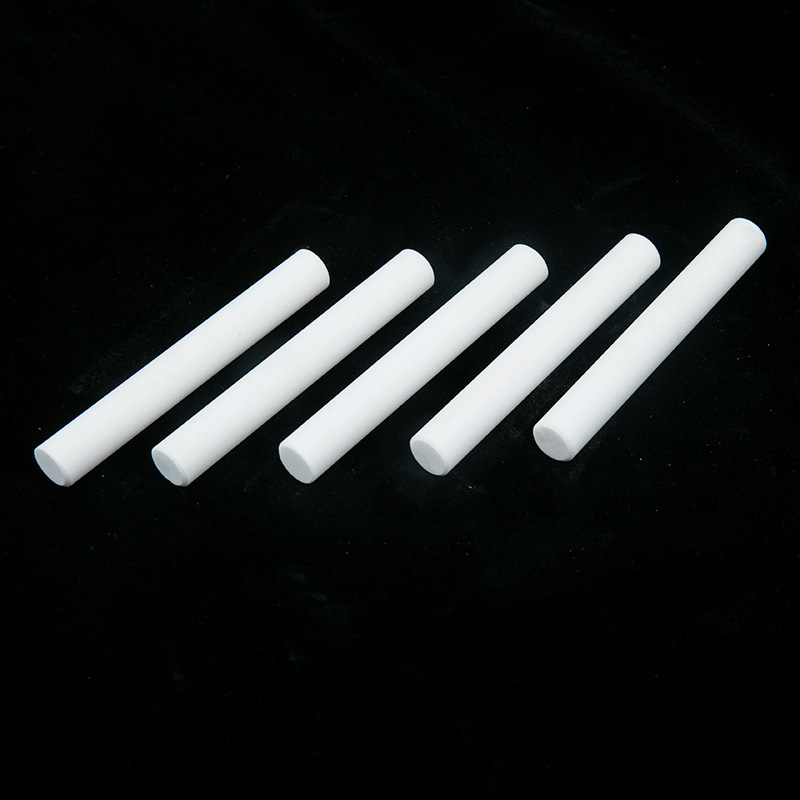
Aluminum oxide ceramic rod
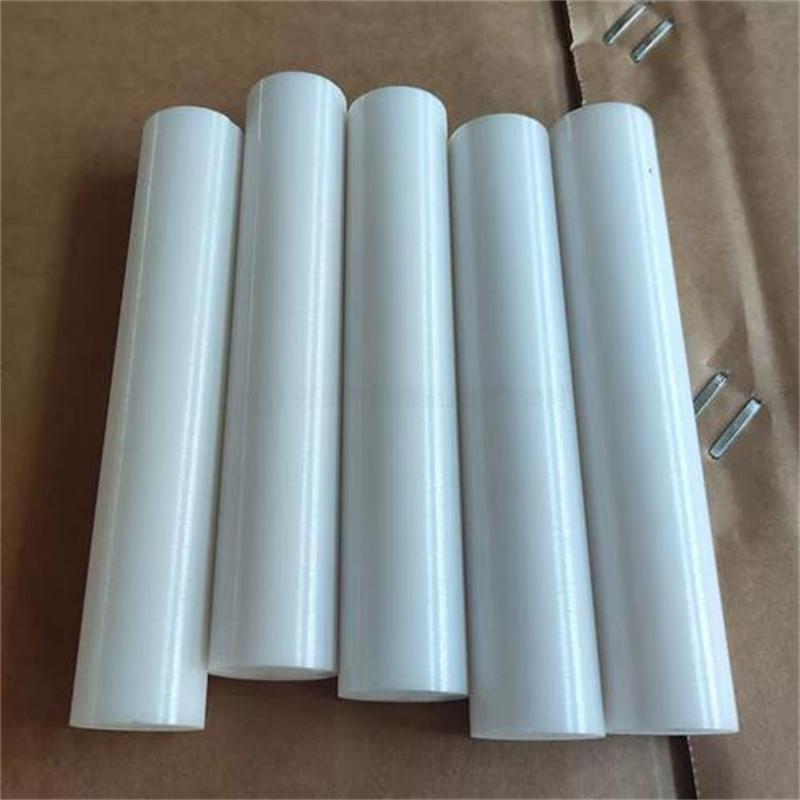
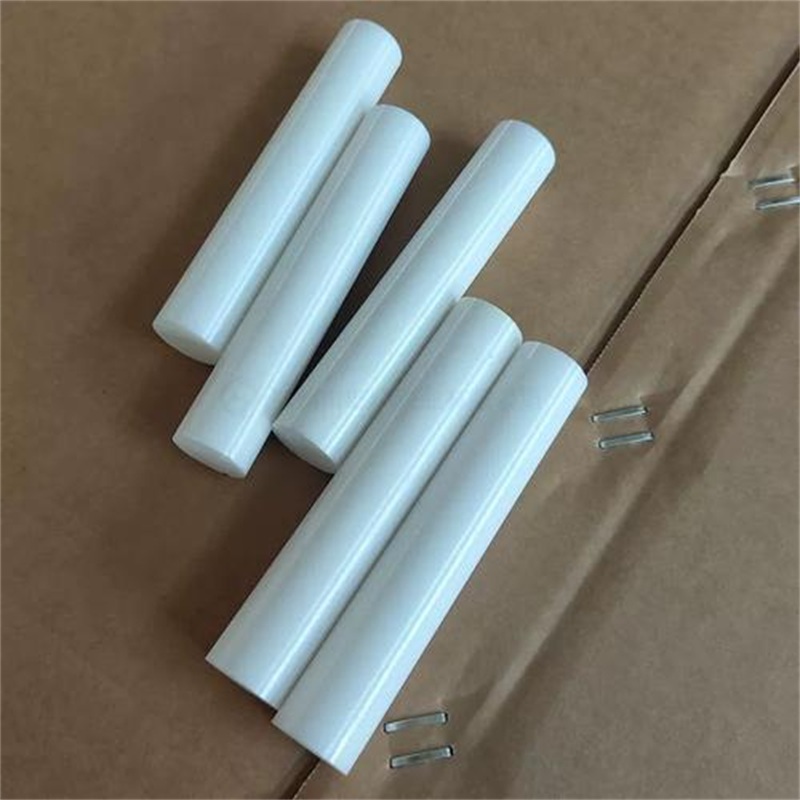
Aluminum oxide ceramic rod (commonly referred to as an alumina ceramic rod) is a cylindrical structural component made primarily from aluminum oxide (Al₂O₃). It is one of the most widely used advanced technical ceramics in industrial, electronic, and high-temperature applications. Due to its exceptional combination of hardness, electrical insulation, thermal stability, and chemical inertness, alumina rods serve as critical components in environments where metals, polymers, and even other ceramics fail.
What Is an Aluminum Oxide Ceramic Rod?
Aluminum oxide ceramic rods are produced from high-purity α-alumina powder through processes such as dry pressing, isostatic pressing, or extrusion, followed by sintering at temperatures between 1,600°C and 1,750°C. The resulting material is a dense, fine-grained ceramic with minimal porosity. The rod form factor makes it particularly suitable for use as pins, shafts, insulators, guides, and support structures across a wide range of industries.
The performance of an alumina ceramic rod is directly tied to its Al₂O₃ purity. Higher purity grades deliver superior mechanical strength, electrical insulation, and temperature resistance, but at increased cost. Selecting the appropriate grade requires balancing performance requirements with economic considerations.
Key Properties
Mechanical Performance
Alumina ceramic rods exhibit outstanding mechanical characteristics. With a Mohs hardness of 9 (second only to diamond and silicon carbide) and a Vickers hardness ranging from 1,300 to 1,800 HV, they offer exceptional wear resistance—typically 10 to 15 times greater than hardened steel. The flexural strength of alumina rods generally falls between 300 and 400 MPa, with high-purity grades reaching up to 450 MPa. The elastic modulus ranges from 300 to 400 GPa, providing excellent dimensional stability under load.
Thermal Performance
Alumina rods can withstand continuous operating temperatures up to 1,600–1,730°C depending on purity, with short-term exposure tolerance up to 1,800°C. The thermal conductivity is moderate at 20–30 W/(m·K), which helps limit heat transfer in insulation applications. The coefficient of thermal expansion is relatively low at (6.5–9.0) × 10⁻⁶/K, contributing to good dimensional stability during thermal cycling. However, alumina’s thermal shock resistance is moderate; rapid temperature changes exceeding 500°C can induce cracking if the component geometry is not optimized.
Electrical Insulation
One of the most valued properties of alumina ceramic rods is their excellent electrical insulation. The volume resistivity exceeds 10¹⁴ Ω·cm at room temperature, and the dielectric strength ranges from 15 to 20 kV/mm. The dielectric constant at 1 MHz is approximately 9.5–9.8, making alumina rods suitable for high-frequency applications where stable insulation is required.
Chemical Stability
Alumina is chemically inert to most acids, alkalis, and organic solvents. It resists corrosion from molten metals such as aluminum, iron, and copper. The only notable exceptions are hydrofluoric acid (HF) and hot phosphoric acid, which can attack the material. The water absorption of dense alumina ceramic is effectively zero, ensuring complete impermeability.
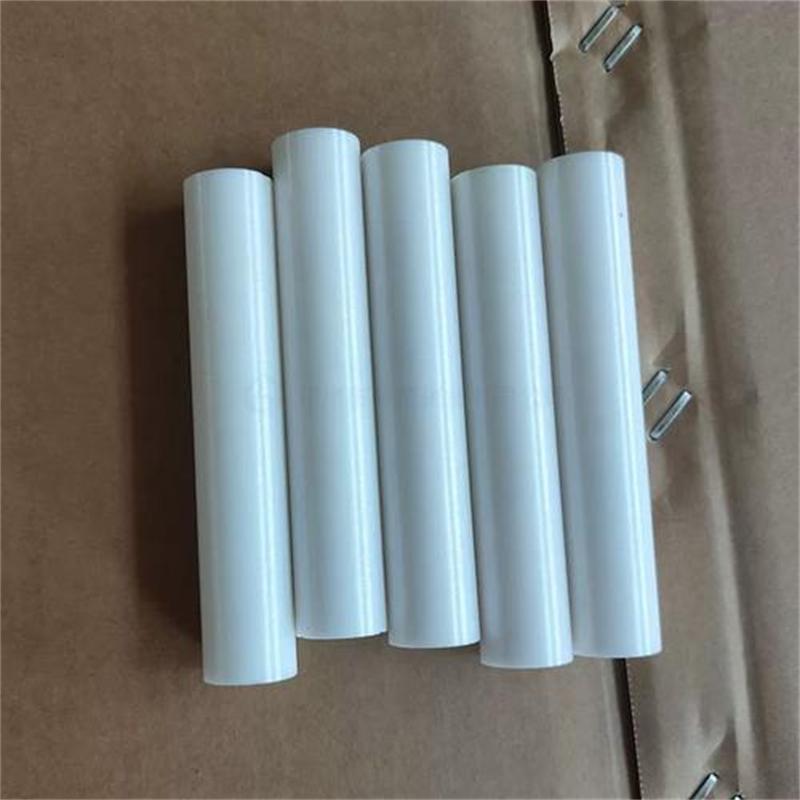
Common Grades and Specifications
Alumina ceramic rods are classified primarily by their Al₂O₃ content. The three most common grades are:
95% Alumina (General-Purpose Grade): Al₂O₃ content of 95.0% ± 1.0%, density of 3.70–3.75 g/cm³, flexural strength of 280–320 MPa, and maximum continuous use temperature of approximately 1,450°C. This grade offers the best cost-to-performance ratio for general industrial wear and insulation applications.
99% Alumina (Precision Grade): Al₂O₃ content of 99.0% ± 0.5%, density of 3.80–3.85 g/cm³, flexural strength of 350–400 MPa, and maximum continuous use temperature of 1,600°C. This grade is preferred for semiconductor equipment, high-temperature furnace components, and precision instruments.
99.7%+ Alumina (High-Purity Specialty Grade): Al₂O₃ content of 99.7–99.8%, density of 3.90–3.93 g/cm³, flexural strength of 400–450 MPa, and maximum continuous use temperature of 1,700–1,730°C. This ultra-high-purity grade is used in aerospace, medical implants, and high-vacuum environments where zero contamination is critical.
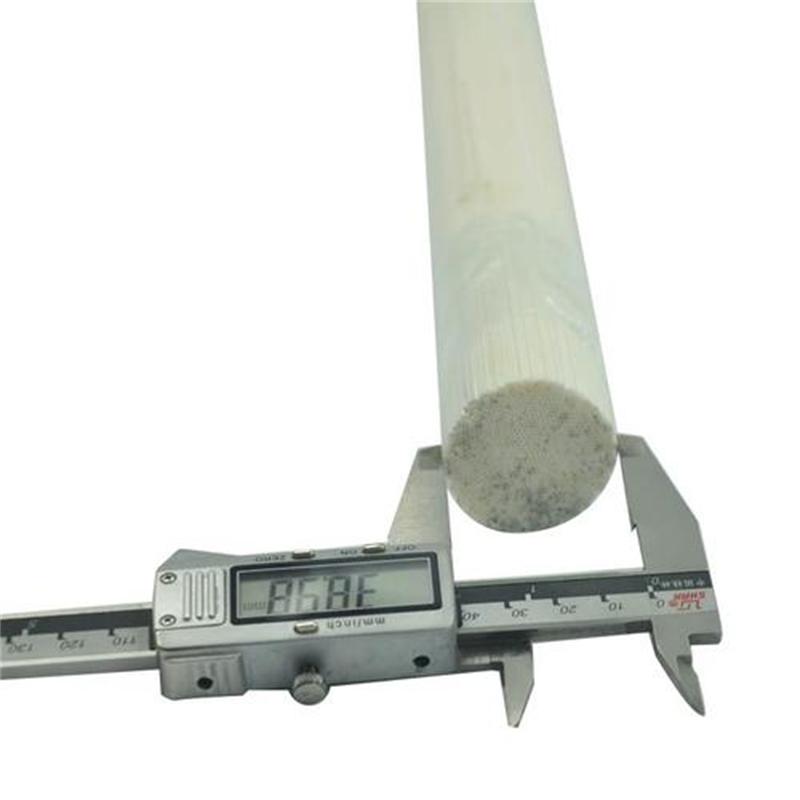
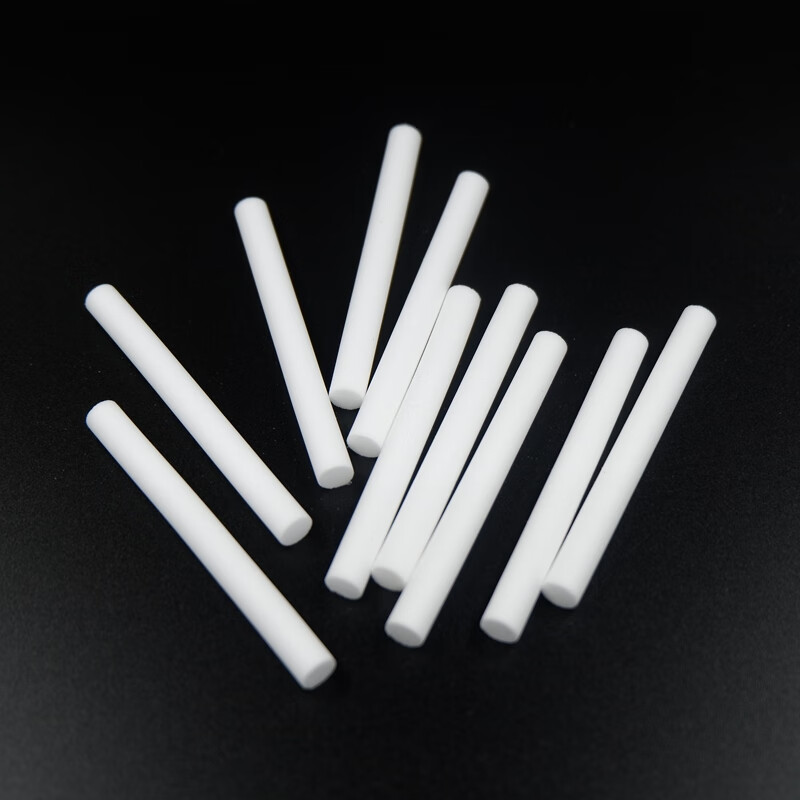
Standard rod diameters range from 1 mm to 100 mm, with lengths from 10 mm to 1,000 mm. Surface finishes can vary from as-sintered (Ra ≈ 0.5 μm) to precision-ground (Ra < 0.1 μm), depending on the application requirements. Dimensional tolerances of ±0.01 to ±0.05 mm are achievable through CNC grinding.
Typical Applications
Aluminum oxide ceramic rods are used across diverse industries:
Industrial Machinery: Wear-resistant guide pins, textile thread guides, wire-drawing dies, and bearing shafts in abrasive environments. Alumina rods can extend component life by 10× compared to metal alternatives.
Semiconductor & Electronics: Wafer handling pins, plasma-resistant chamber components, and high-voltage insulators. The 99.7%+ grade ensures zero metal ion contamination in cleanroom environments.
High-Temperature Furnaces: Support rods, thermocouple protection tubes, and kiln furniture capable of withstanding continuous temperatures above 1,600°C.
Medical Devices: Surgical instrument guides and orthopedic components meeting ISO 6474 biocompatibility standards. High-purity alumina is FDA-approved for certain implantable applications.
Automotive & Aerospace: Insulating components in 800V EV platforms and temperature-sensing probes in jet engines, where weight reduction and thermal stability are critical.
Advantages and Limitations
Advantages:
Exceptional hardness and wear resistance
Outstanding electrical insulation even at elevated temperatures
High-temperature capability up to 1,730°C continuous use
Excellent chemical inertness and corrosion resistance
Low density (approximately half that of steel), reducing component weight
Zero water absorption and full impermeability
Limitations:
Moderate thermal shock resistance; rapid temperature changes can cause cracking
Brittle nature with relatively low fracture toughness (3–5 MPa·m¹/²) compared to zirconia or silicon nitride
Difficult and costly to machine post-sintering due to extreme hardness
Higher cost than metals for non-demanding applications
Comparison with Alternative Materials
When selecting a ceramic rod, engineers often compare alumina with zirconia (ZrO₂), silicon nitride (Si₃N₄), and silicon carbide (SiC):
Alumina vs. ZirconiZirconia offers significantly higher fracture toughness (6–10 MPa·m¹/²) and is better suited for high-impact applications. However, zirconia’s maximum use temperature is limited to approximately 800°C, and it is electrically conductive at elevated temperatures. Alumina remains the better choice for high-temperature insulation.
Alumina vs. Silicon Nitride: Silicon nitride has superior thermal shock resistance and higher fracture toughness, making it ideal for rapid thermal cycling. However, it is more expensive and more difficult to manufacture. Alumina is preferred when cost and electrical insulation are primary concerns.
Alumina vs. Silicon Carbide: Silicon carbide offers higher thermal conductivity (80–120 W/(m·K)) and better thermal shock resistance, but it is electrically conductive and significantly more expensive. Alumina is the go-to material when electrical insulation is required.
Engineering Selection Guidelines
Match purity to application: Use 95% alumina for general wear and insulation; 99% for precision and high-temperature applications; 99.7%+ for semiconductor, medical, or vacuum environments.
Consider thermal shock: If the component will experience rapid heating or cooling rates exceeding 100°C/min, evaluate silicon nitride or design the alumina component with reduced cross-sections and rounded corners to minimize thermal gradients.
Specify surface finish carefully: Semiconductor and medical applications require precision-ground surfaces (Ra < 0.1 μm), while furnace supports and general wear parts can use as-sintered finishes to reduce cost.
Account for machining limitations: Alumina cannot be machined like metal. Complex internal features, deep blind holes, and sharp internal corners should be avoided in the design phase. Post-sintering grinding is possible but adds significant cost.
Verify dimensional tolerances: For precision assemblies, specify tolerance requirements (±0.01 mm for tight fits, ±0.05 mm for general use) and request inspection reports to confirm compliance.
Frequently Asked Questions
What is the maximum temperature an aluminum oxide ceramic rod can withstand?
The maximum continuous use temperature depends on purity. 95% alumina can operate continuously up to approximately 1,450°C, 99% alumina up to 1,600°C, and 99.7%+ high-purity alumina up to 1,700–1,730°C. Short-term exposure up to 1,800°C is possible for all grades.
Can alumina ceramic rods be machined after sintering?
Yes, but only with diamond tooling through grinding, lapping, or EDM (for conductive variants). Machining is slow and expensive, so it is best to design components to minimize post-sintering加工. Simple features like diameter reduction, length cutting, and chamfering are routine; complex internal geometries should be avoided.
Is alumina ceramic rod suitable for high-voltage insulation?
Yes. Alumina rods have a volume resistivity exceeding 10¹⁴ Ω·cm and a dielectric strength of 15–20 kV/mm, making them excellent insulators for high-voltage applications. They are widely used in power electronics, vacuum interrupters, and high-frequency insulators.
How does alumina compare to stainless steel for wear applications?
Alumina is significantly harder (Mohs 9 vs. approximately Mohs 5.5 for stainless steel) and offers 10–15× better wear resistance. It is also approximately half the density of steel, reducing rotating mass. However, alumina is brittle and cannot tolerate impact loads that steel would absorb.
What is the difference between 95% and 99% alumina rods?
The primary difference is purity, which affects density, strength, and temperature capability. 99% alumina has higher density (3.80–3.85 vs. 3.70–3.75 g/cm³), higher flexural strength (350–400 vs. 280–320 MPa), and a higher maximum use temperature (1,600°C vs. 1,450°C). For most general industrial applications, 95% alumina provides adequate performance at lower cost.
Can alumina ceramic rods be used in contact with molten metals?
Yes. Alumina is resistant to erosion by molten aluminum, iron, copper, and many other metals. It is commonly used as thermocouple protection tubes, crucibles, and ladle components in metallurgical applications. However, it should not be used with molten alkali metals or in environments containing hydrofluoric acid.