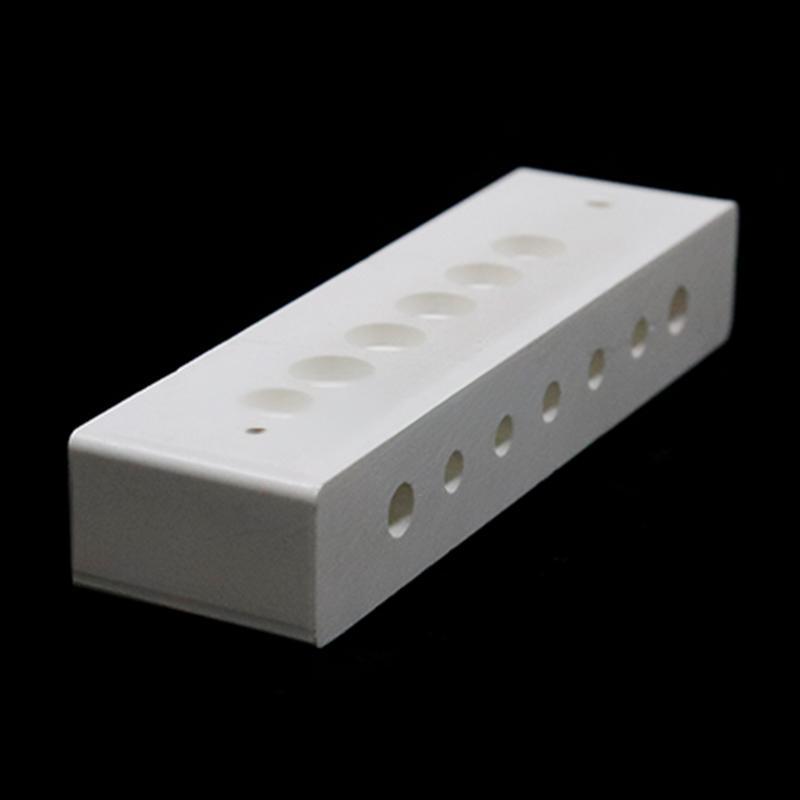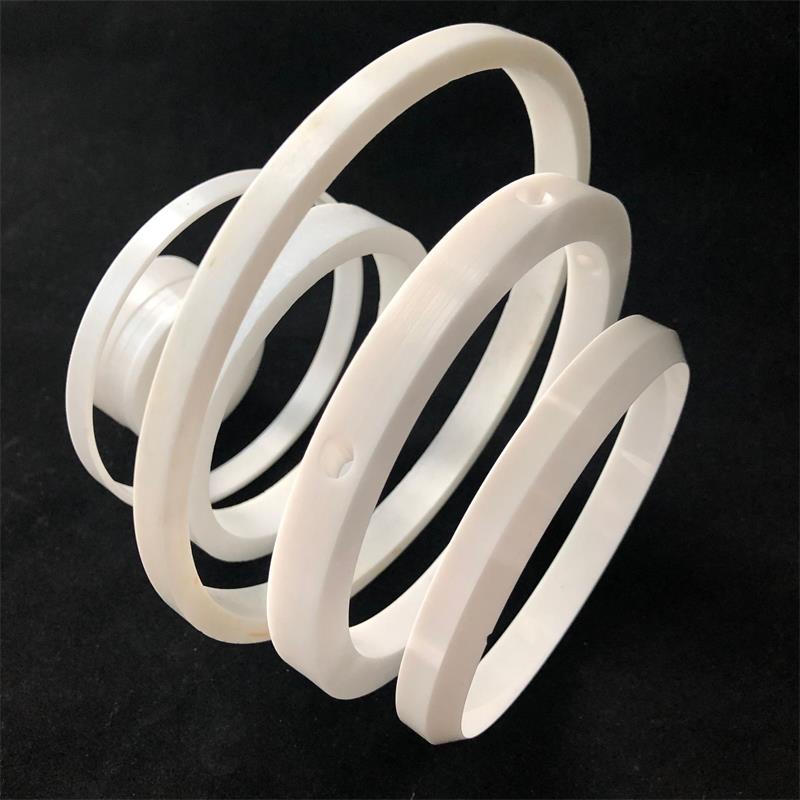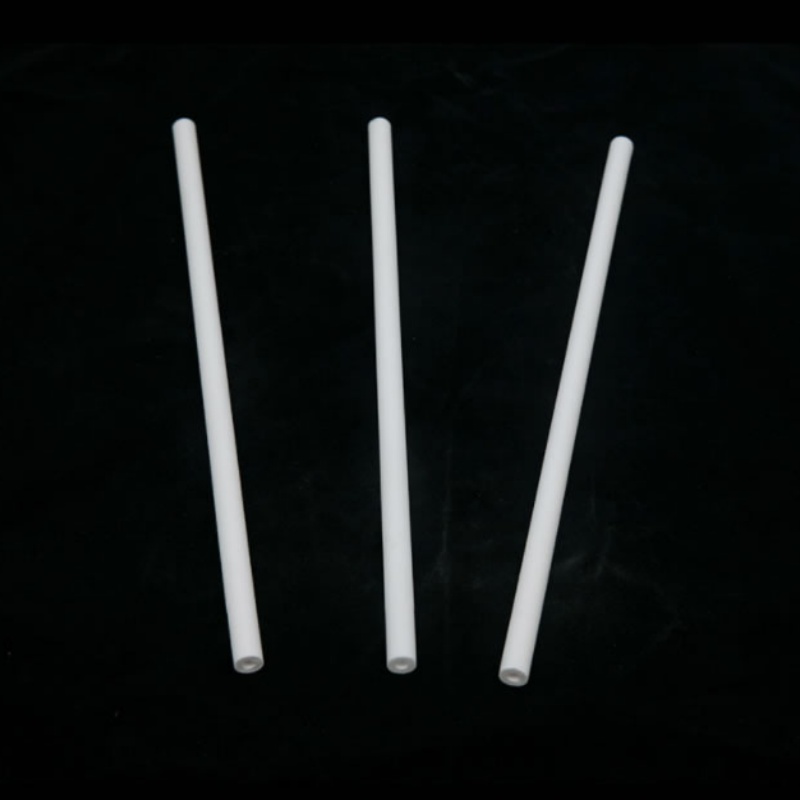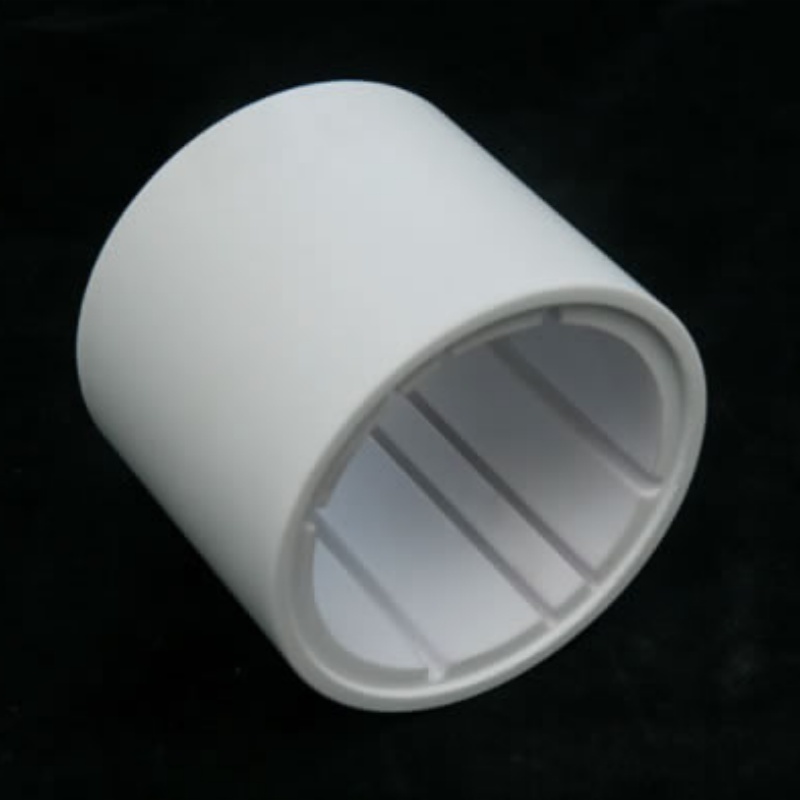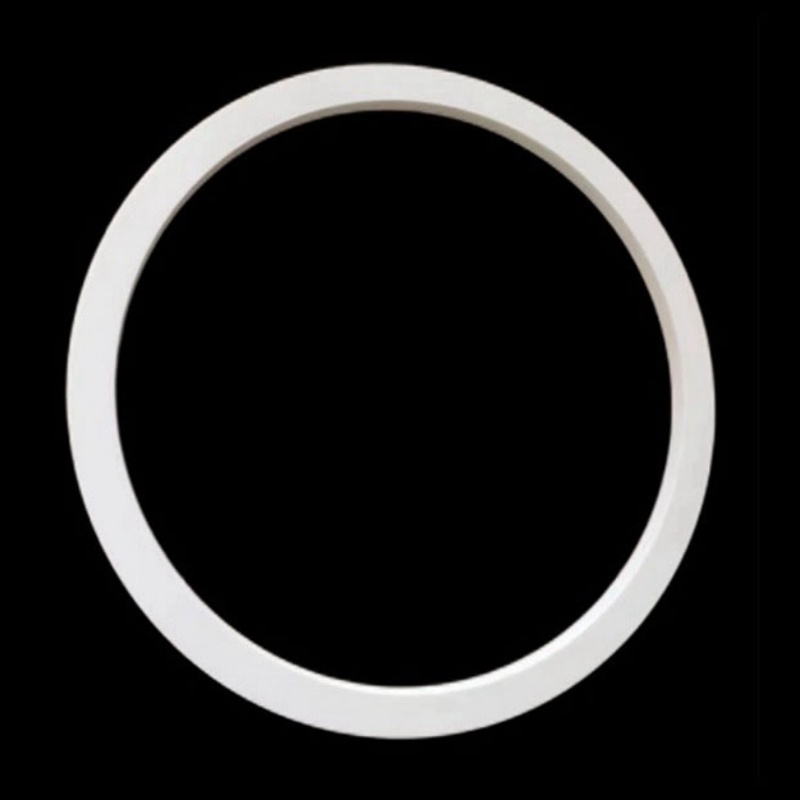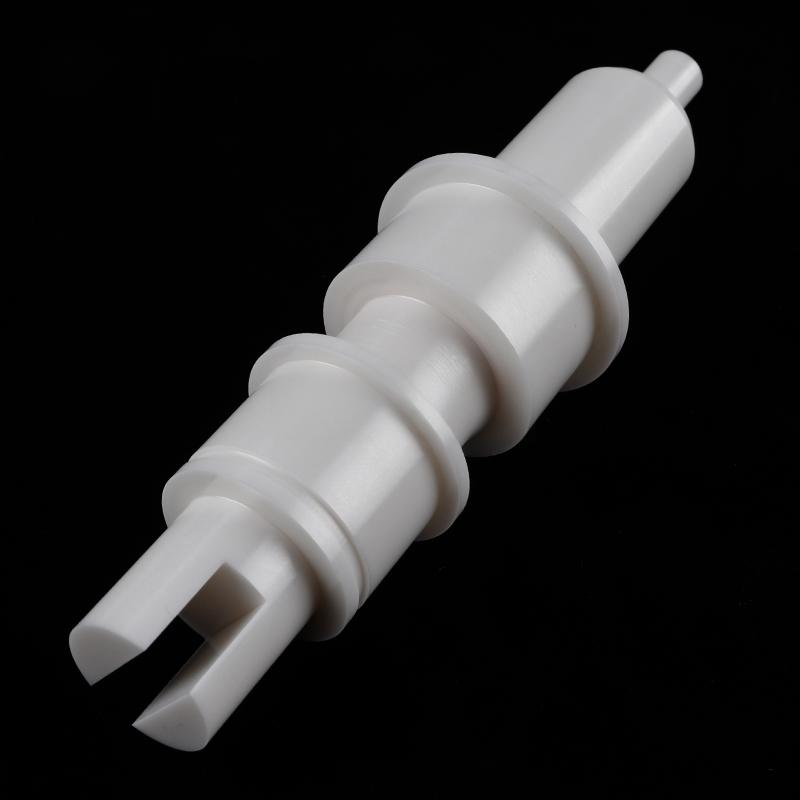
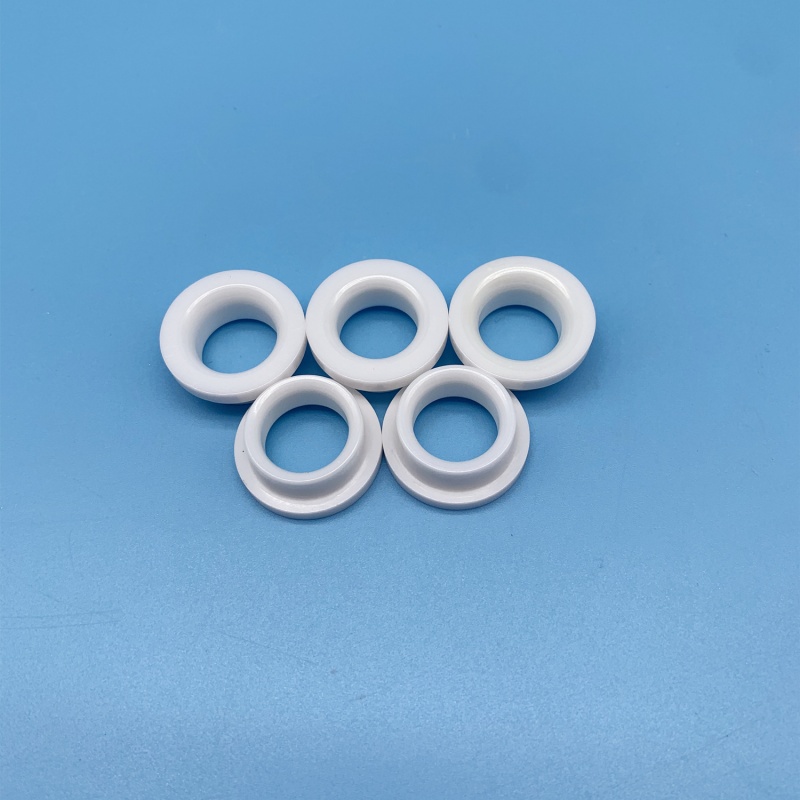
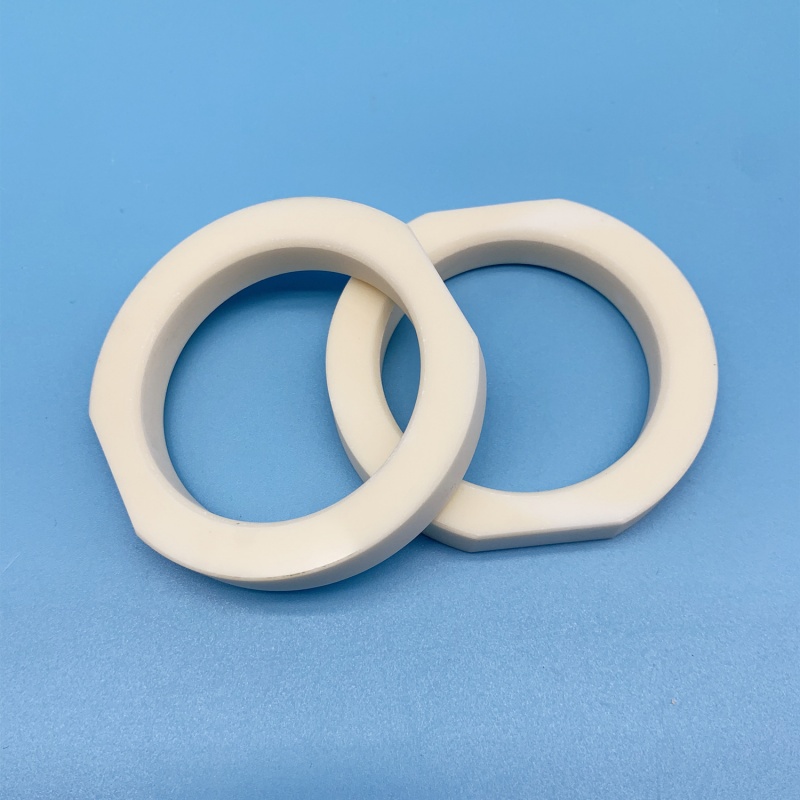
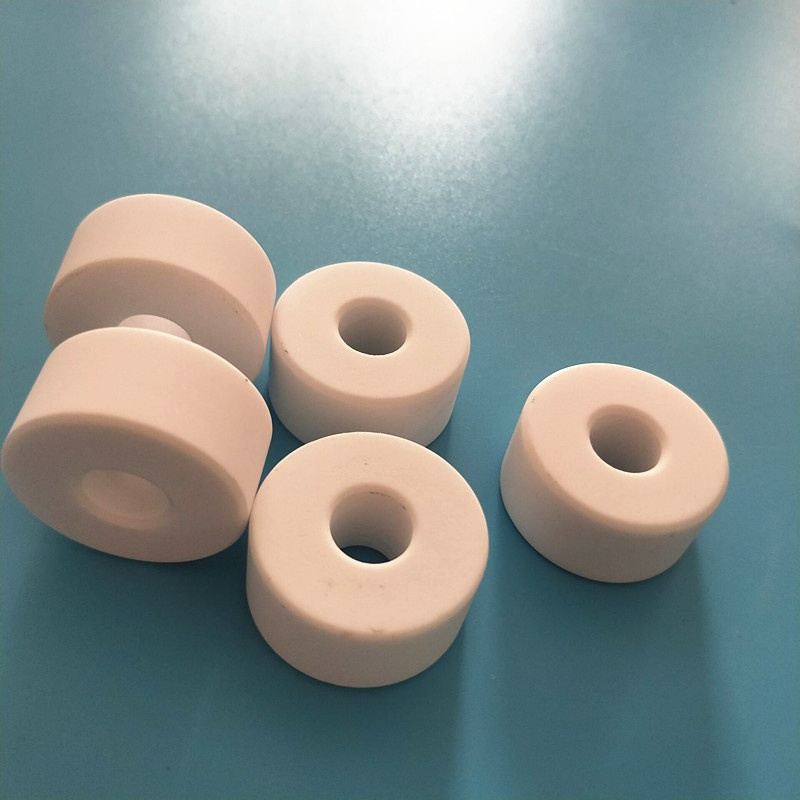
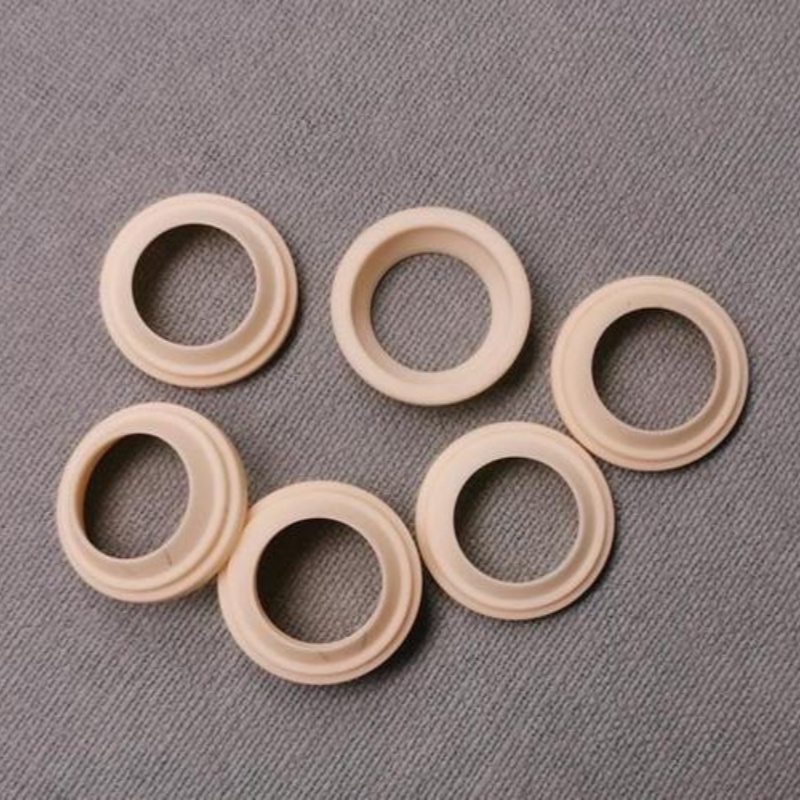
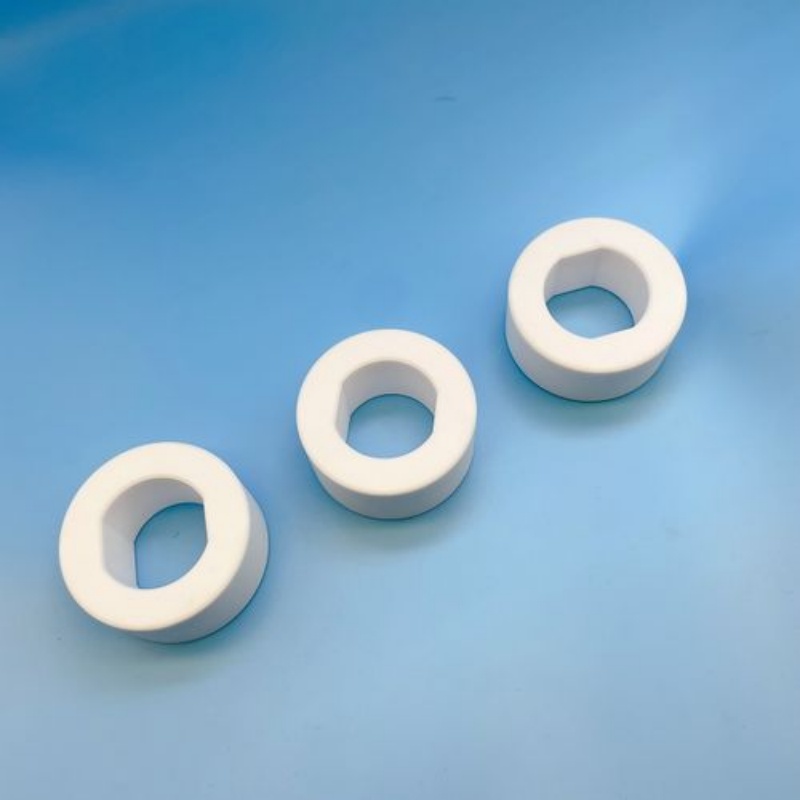
Aluminum oxide ceramic ring
Aluminum oxide ceramic ring is a precision-engineered component that leverages the intrinsic properties of alpha-phase alumina (α-Al₂O₃) for demanding mechanical, thermal, and electrical service conditions. Unlike simple structural ceramics, the performance of an alumina ring is governed not merely by its chemical composition but by the interplay between purity level, grain structure, and sintering route. Engineers selecting these components must understand that “alumina ceramic” describes a family of materials with property ranges spanning an order of magnitude in some cases, and that the optimal grade depends heavily on the specific failure mode the component must resist.
Why Alumina Rings Perform the Way They Do
The fundamental property foundation of any alumina ceramic ring is the strong ionic-covalent bonding of the α-Al₂O₃ crystal structure. This hexagonal close-packed arrangement produces high hardness (typically 1400–1800 HV for dense grades), a melting point exceeding 2000°C, and excellent electrical resistivity . However, the engineering performance of a finished ring is rarely determined by the bulk crystal alone. Grain boundary chemistry and microstructure play decisive roles.
Impurities, particularly silica and alkali oxides, concentrate at grain boundaries during sintering. These glassy phases are the primary pathway for chemical attack and a limiting factor in high-temperature mechanical performance . This is why high-purity grades (99.5% Al₂O₃ and above) exhibit markedly better corrosion resistance and dielectric breakdown strength than 95% or 85% grades. The trade-off is processing cost: higher purity demands higher sintering temperatures (up to 1700–1900°C) and finer, more expensive starting powders.
Sintering additives, most commonly magnesia (MgO) in the 0.05–0.25 wt% range, serve a critical microstructural function. MgO inhibits abnormal grain growth during sintering, promoting a uniform grain size that correlates directly with improved strength, wear resistance, and thermal shock tolerance . A ring sintered without adequate grain-growth control may contain large grains that act as fracture initiation sites under mechanical or thermal loading.
Performance Characteristics and Typical Specifications
Dense alumina ceramic rings for structural and wear applications typically exhibit bulk densities of 3.6–3.9 g/cm³, with open porosity below 0.5% for high-quality components . Flexural strength commonly falls in the 250–400 MPa range for standard grades, though specialized processing such as high-speed centrifugal compaction has demonstrated strengths exceeding 1,300 MPa in laboratory settings . Vickers hardness for 99% alumina generally ranges from 14–18 GPa.
The dielectric properties make alumina rings suitable for electrical insulation applications. High-purity grades achieve dielectric strength of 15–20 kV/mm and volume resistivity above 10¹⁴ Ω·cm at room temperature . Dielectric loss remains low, particularly in grades with minimal alkali content, since sodium oxide in particular degrades both breakdown voltage and loss tangent.
Thermal expansion for polycrystalline alumina averages approximately 8 × 10⁻⁶/K over the range 20–1000°C. This relatively high expansion coefficient, combined with alumina’s inherent brittleness, creates thermal shock sensitivity that engineers must account for in design. Thermal shock resistance is not a single material constant but depends on specimen geometry, surface condition, and the specific quench severity. Magnesia-doped alumina exhibits improved thermal shock tolerance by avoiding catastrophic crack propagation, but the material remains far less forgiving than silicon nitride or certain composite systems .
Chemical resistance is strongly grade-dependent. Alumina offers excellent stability in most mineral acids and is amphoteric, showing reasonable resistance to both acidic and basic environments under moderate conditions . However, hydrofluoric acid attacks alumina ceramics aggressively, and hot concentrated alkali solutions cause significant mass loss and strength degradation, particularly in porous or lower-purity grades . Silica-containing grain boundary phases are preferentially corroded, so the corrosion resistance of a 95% alumina ring is fundamentally different from that of a 99.5% component.
Common Configurations and Material Grades
Aluminum oxide ceramic rings are produced in a range of purities and microstructural forms suited to different functional requirements.
Standard grades (85–95% Al₂O₃) incorporate silicate-based sintering aids that lower the required firing temperature. These grades offer a cost-performance balance suitable for general wear applications, moderate electrical insulation, and components where some porosity or grain boundary glass phase is acceptable. Mechanical strength and corrosion resistance are correspondingly lower than high-purity alternatives.
High-purity grades (99–99.9% Al₂O₃) minimize grain boundary impurities, yielding superior dielectric properties, chemical inertness, and high-temperature strength retention. These grades are specified for semiconductor process components, high-voltage insulators, and chemical handling where contamination or corrosion failure is unacceptable. The 99.5%+ grades can retain substantial strength to temperatures exceeding 1000°C .
Composite and reinforced variants modify the alumina matrix with zirconia additions or silicon carbide whiskers to address specific limitations. Zirconia-toughened alumina improves fracture toughness through transformation toughening mechanisms, while SiC whisker reinforcement can roughly halve wear rates in abrasive slurry applications compared to unreinforced alumina .
Application Selection Logic
The question of where alumina rings should be used is best answered by identifying which property is the limiting design factor.
Where electrical insulation is primary—such as in high-voltage feedthroughs, vacuum interrupters, or RF components—high-purity, dense alumina is often the default choice because of its combination of dielectric strength, low loss, and thermal stability.
Where wear resistance under moderate loads is the driving concern, 95–99% alumina rings excel against abrasive slurries and in pump plungers, provided that the loading is predominantly compressive and the environment does not contain HF or hot alkali . The hardness differential between alumina and most metal counterfaces ensures that wear is concentrated on the softer component.
Where chemical exposure includes strong acids at moderate temperatures, high-purity alumina performs well, with corrosion rates remaining low even in concentrated HCl and H₂SO₄ . However, alkaline service above ambient temperature requires caution; even high-purity alumina can experience grain boundary attack and strength loss.
Where thermal cycling is severe and repeated, engineers should carefully evaluate whether alumina is appropriate at all. The material’s brittleness and moderate thermal shock parameter mean that rapid quenches or large temperature gradients can generate sufficient stress to initiate fracture. Silicon nitride or zirconia-toughened grades may offer better survival probability in such conditions, though at higher material cost.

Limitations and Selection Trade-offs
The principal limitation of any alumina ceramic ring is brittleness. Unlike metals or zirconia-toughened ceramics, alumina does not deform plastically under overload; failure is catastrophic when the local stress exceeds the fracture strength. This places a premium on avoiding stress concentrators in design, ensuring proper support of the ring cross-section, and accounting for contact stresses at sealing or bearing interfaces.
Thermal shock sensitivity is a direct consequence of this brittleness combined with moderate thermal expansion. Alumina components should not be subjected to rapid quenching from high temperature unless the grade has been specifically optimized for thermal shock resistance through microstructural engineering.
Machining alumina to tight tolerances requires diamond tooling and careful control of subsurface damage. Grinding-induced microcracks can reduce strength significantly compared to the as-sintered condition, so finishing operations must be specified with attention to both dimensional accuracy and surface integrity.
Finally, the cost hierarchy among alumina grades means that specifying 99.9% purity when 96% would suffice represents a significant and unnecessary expense. The selection process should begin with the most demanding functional requirement—whether that is dielectric strength, corrosion resistance, wear life, or high-temperature strength—and choose the lowest purity grade that reliably meets that requirement with appropriate margin.
FAQ
What is the maximum service temperature for an aluminum oxide ceramic ring?
Dense, high-purity alumina rings can operate continuously at 1500–1600°C in oxidizing atmospheres, with short-term capability somewhat higher. However, mechanical loading at elevated temperature must account for reduced strength and potential creep. Lower-purity grades with silicate grain boundary phases have lower practical temperature limits due to softening of the glassy phase.
Are alumina ceramic rings suitable for strong alkali environments?
Resistance to alkaline solutions is significantly poorer than to acids. Hot concentrated NaOH or KOH can cause measurable mass loss and strength degradation, particularly in grades containing silica-based grain boundary phases. High-purity alumina performs better but is not immune; for severe alkaline service, alternative materials should be evaluated.
How does an alumina ring compare to a zirconia ring for wear applications?
Zirconia offers substantially higher fracture toughness and strength, making it more resistant to chipping and fracture under impact or bending loads. Alumina typically provides higher hardness and better performance in purely abrasive wear scenarios where fracture is not the limiting mechanism. Zirconia also has lower thermal conductivity and higher density.
What purity grade is appropriate for electrical insulation?
For high-voltage applications where dielectric breakdown or leakage current is critical, 99.5% Al₂O₃ or higher is recommended. Alkali impurities, particularly Na₂O, dramatically degrade breakdown voltage and increase dielectric loss. Lower grades may suffice for low-voltage, non-critical insulation where mechanical requirements dominate.
Can aluminum oxide rings be used in thermal cycling applications?
With caution, and with appropriate grade selection. Standard dense alumina has limited thermal shock resistance. Grades with controlled grain size and MgO doping show improved tolerance, and lower-density or porous variants have higher thermal shock parameters but reduced strength and wear resistance. For severe thermal cycling, alternative ceramics should be considered.
Is an alumina ceramic ring electrically conductive?
No—alumina is an excellent electrical insulator. Volume resistivity exceeds 10¹⁴ Ω·cm at room temperature for high-purity grades, decreasing at elevated temperature but remaining insulating for most practical purposes.