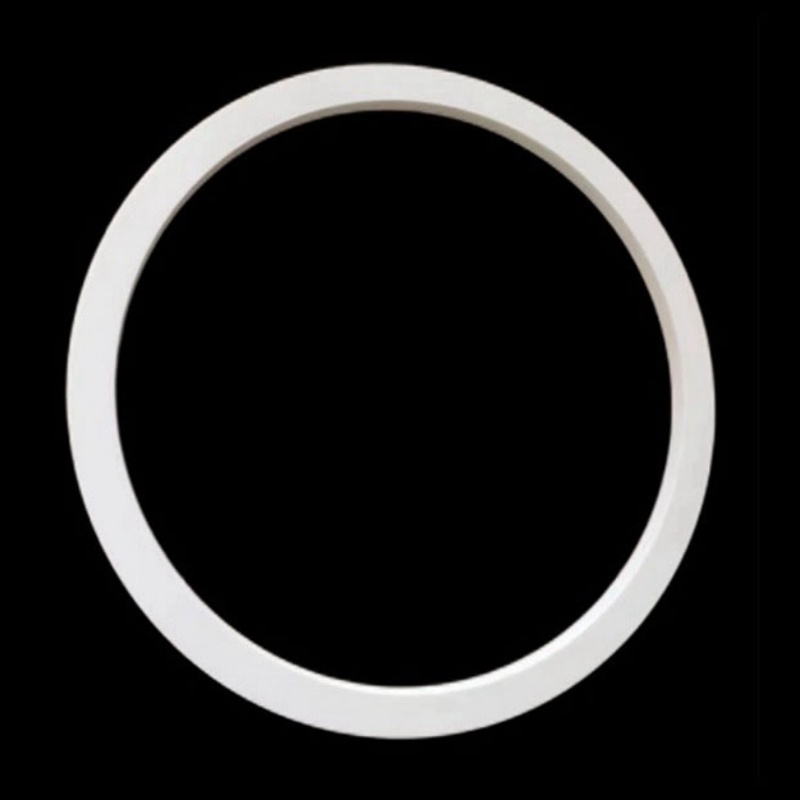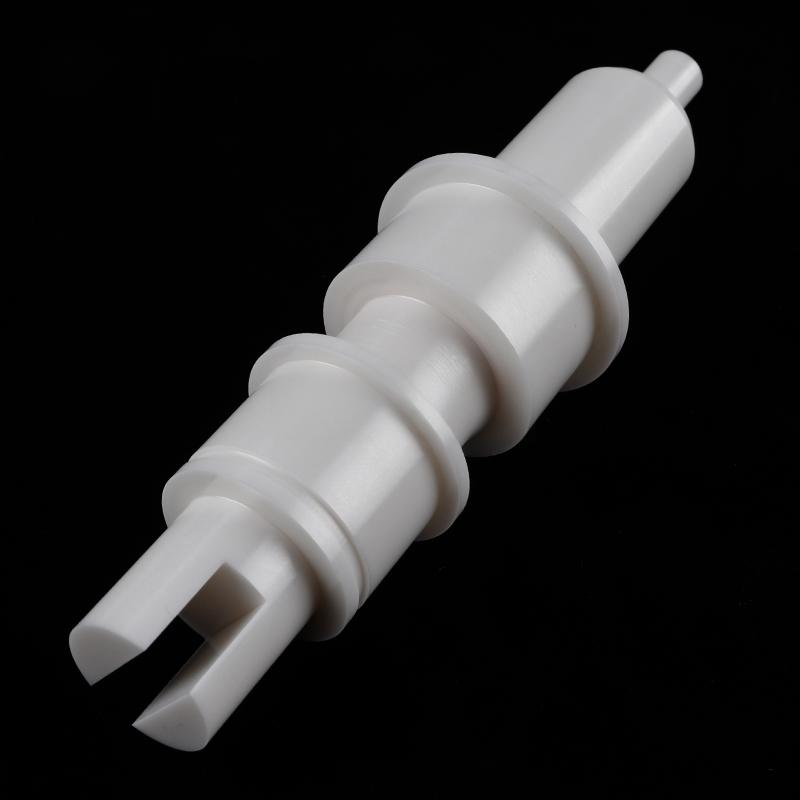
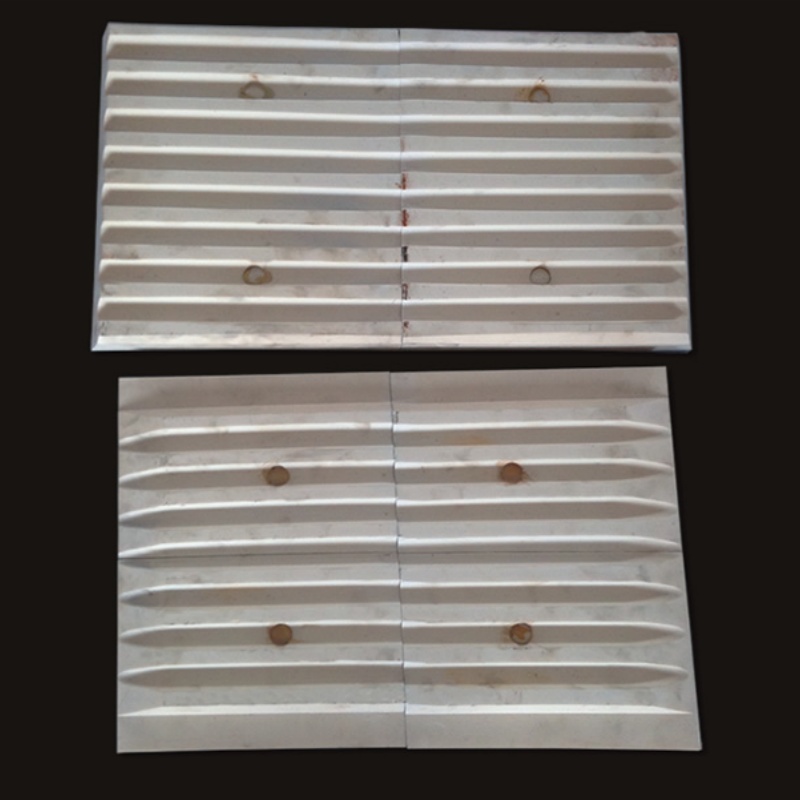
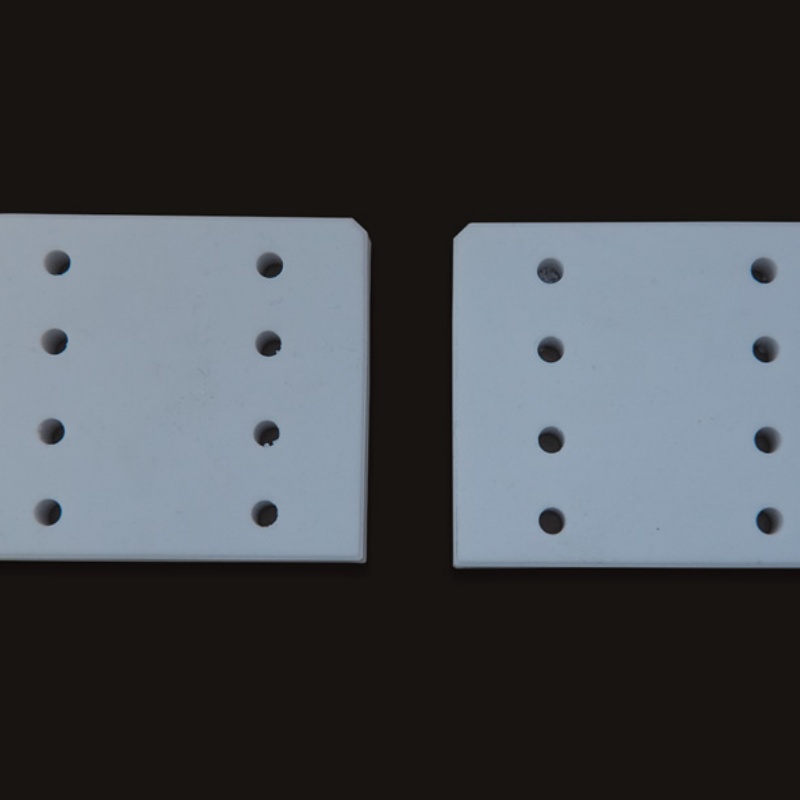
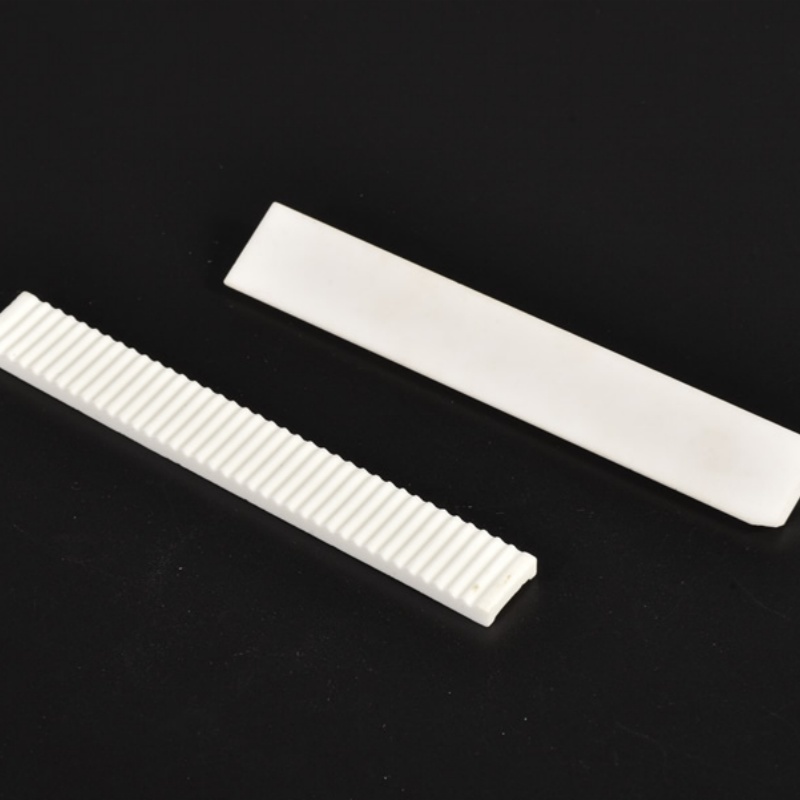
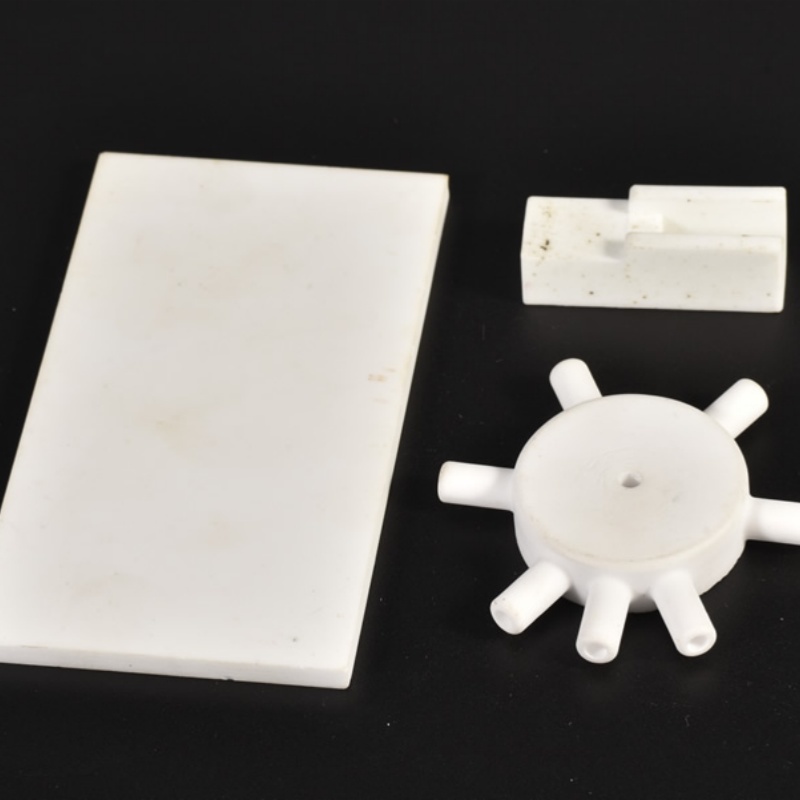
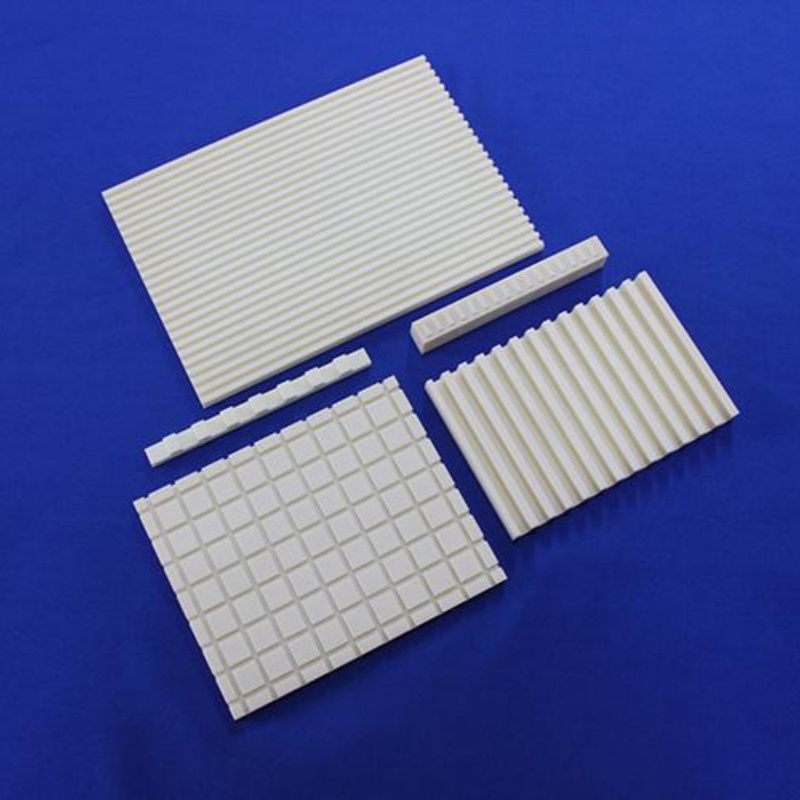
Aluminum Oxide Ceramic Jaw Breaking Fixed Plate
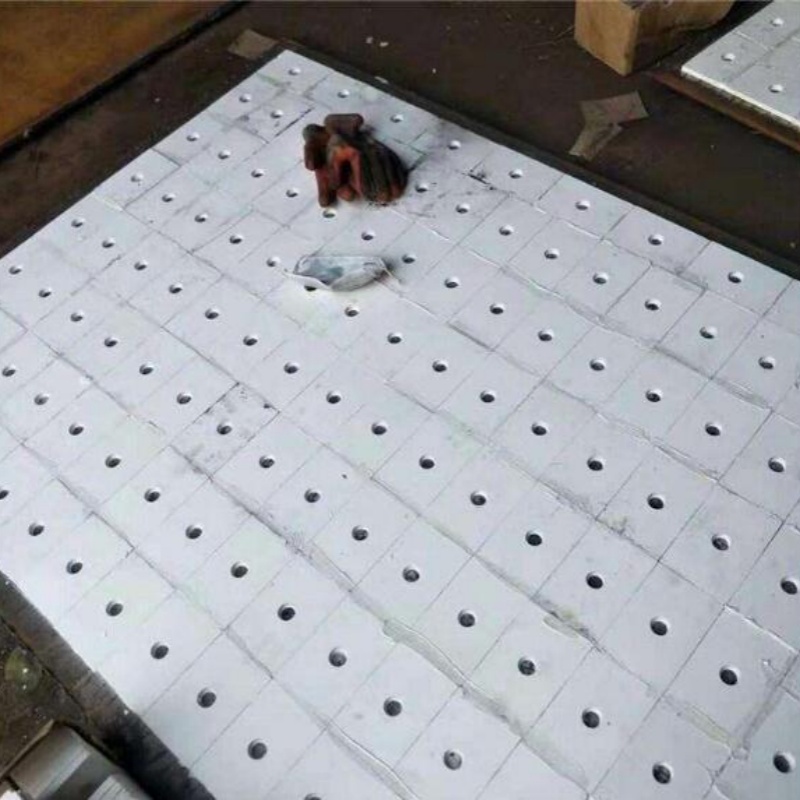
Aluminum oxide ceramic jaw breaking fixed plate is a stationary wear component in jaw crushing assemblies, positioned opposite the moving jaw to form the crushing cavity. Its engineering value comes from a single dominant requirement: resisting abrasive and impact-driven material loss at the crushing face while maintaining cavity geometry over extended service intervals. Alumina-based ceramics are chosen here because of their high hardness, compressive strength and chemical inertness, which together slow the groove-forming and edge-rounding mechanisms that degrade crushing efficiency in conventional cast or manganese-based plates.
Why Alumina Delivers in This Role
The performance profile traces back to microstructure. Sintered alumina consists of a dense, fine-grained polycrystalline network in which grain boundary bonding and low porosity limit the initiation of micro-cracks under repeated contact loading. High hardness relative to most ores and aggregates means abrasive particles are less likely to plough material from the surface, while high compressive strength allows the plate to carry the substantial reaction loads generated during nip crushing. Chemical inertness matters in specific contexts — processing of acidic or alkaline feed, recycled construction debris, or mineral streams containing residual reagents — where metallic plates would suffer accelerated corrosion-assisted wear.
Grades and Typical Property Ranges
Alumina content is the primary variable. Commonly encountered grades range from roughly 85% to 99% Al₂O₃, and the differences are not cosmetic. Lower-alumina grades, with higher glassy phase content, generally offer lower cost and somewhat better tolerance to machining, but reduced hardness and wear resistance. Higher-purity grades (95% and above) tend toward higher hardness and better abrasion resistance, though they are harder to machine and can be more sensitive to stress concentration. Typical property ranges cited in industry references place hardness in the upper Mohs or high Vickers region, compressive strength in the several-hundred-MPa to over-1-GPa range depending on grade and density, and density around 3.5–3.9 g/cm³. These figures should always be interpreted against the specific grade, sintering route and measured porosity rather than treated as universal.
Applications and Suitability Rationale
The component appears in medium to fine crushing stages where feed size is controlled and impact energy is moderate. It is particularly relevant where product contamination is a concern — high-purity mineral processing, specialty aggregates, and materials handling where iron pickup from metallic wear parts is undesirable. In such cases the ceramic plate contributes both wear life and product purity, which is often the decisive factor rather than raw durability alone.

Advantages
The main advantages are abrasion resistance, dimensional stability under sustained loading, corrosion and chemical resistance, and reduced contamination risk. Dimensional stability is worth emphasizing: a plate that retains its profile maintains consistent discharge characteristics, which supports downstream process control.
Limitations and Engineering Precautions
Brittleness is the central constraint. Alumina has low fracture toughness compared with zirconia-toughened or metallic alternatives, so it is vulnerable to tensile and shear loading, point impact, and uneven support. Thermal shock sensitivity should also be assessed where feed temperature varies or where cooling and heating cycles occur. Machining and finishing are more demanding and typically require diamond tooling, which affects achievable tolerances and complex geometries. Design-wise, careful attention to backing support, load distribution, mounting geometry and avoidance of localized stress risers is essential; improper seating is a common cause of premature chipping or fracture rather than genuine material failure.
When to Consider Alternatives
If the application involves high-impact loading, large uncrushable objects, or significant thermal cycling, a zirconia or zirconia-toughened alumina may be more appropriate for its improved toughness. Where extreme abrasion combined with thermal load dominates, silicon carbide can be worth evaluating, though its different fracture behavior and processing characteristics require separate assessment. For heavily loaded coarse crushing, conventional metallic plates often remain the more robust and economical choice.
FAQ
What is an alumina ceramic jaw breaking fixed plate used for?
It serves as the stationary crushing surface in a jaw crushing assembly, resisting abrasive wear while maintaining cavity geometry.
What are its main advantages?
High hardness and abrasion resistance, good compressive strength, chemical inertness, dimensional stability, and lower contamination risk than metallic plates.
What are its main limitations?
Low fracture toughness, susceptibility to impact and tensile loading, thermal shock sensitivity, and greater machining difficulty.
Is it suitable for high-temperature applications?
Alumina retains strength at elevated temperatures better than many materials, but thermal shock resistance depends on grade, porosity and geometry, so specific conditions must be evaluated.
Is it electrically insulating?
Yes, sintered alumina is generally used as an electrical insulator, though this is rarely the governing requirement in crushing applications.
How does it compare with zirconia for this application?
Zirconia offers higher toughness and better resistance to impact-driven fracture, while alumina typically provides a favorable balance of hardness, chemical stability and cost for moderate-impact duty.