
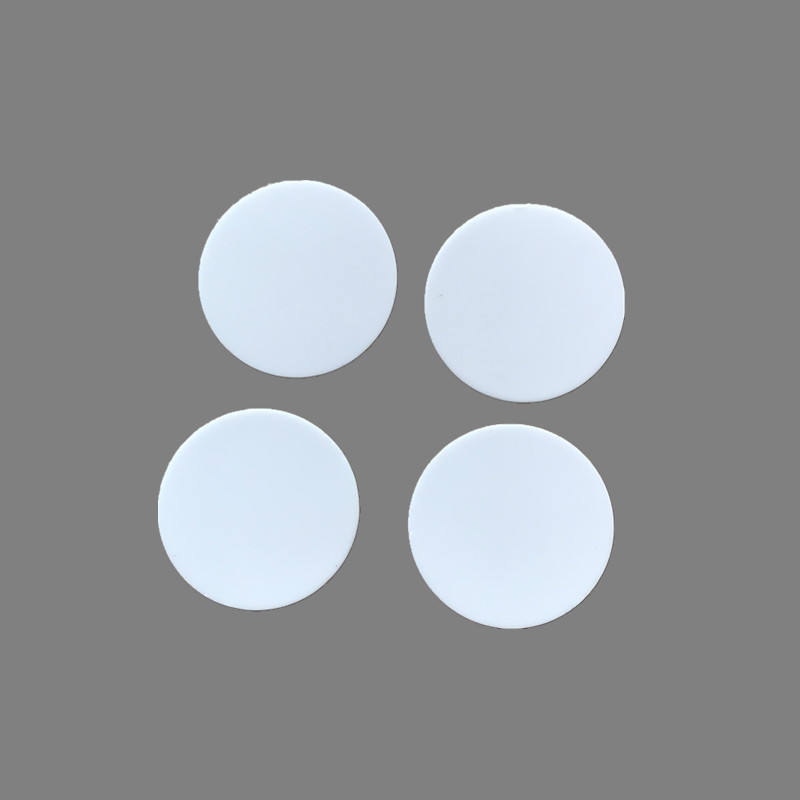

Aluminum Oxide Ceramic Disc
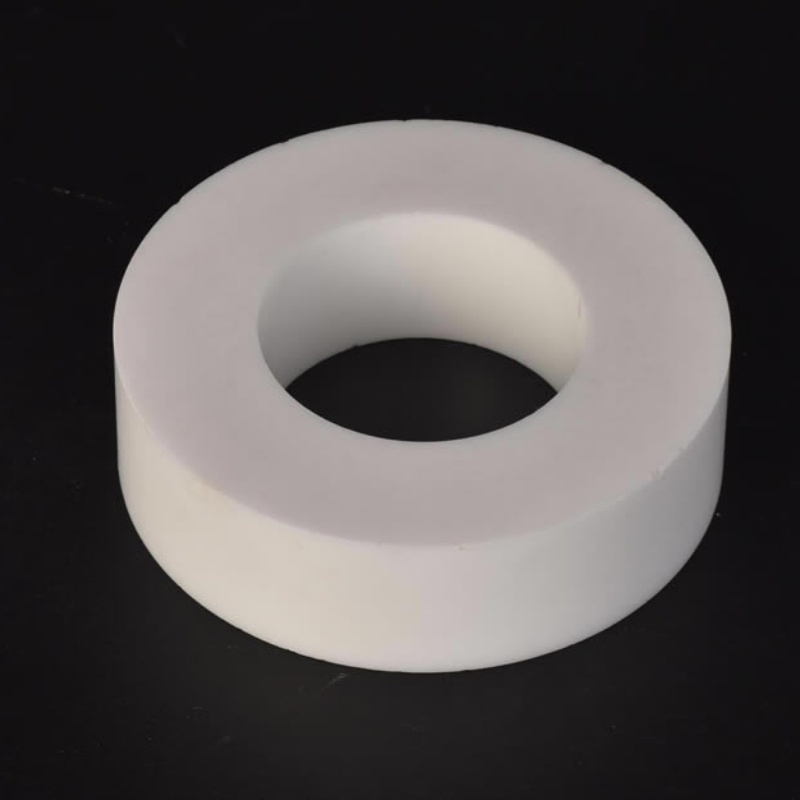
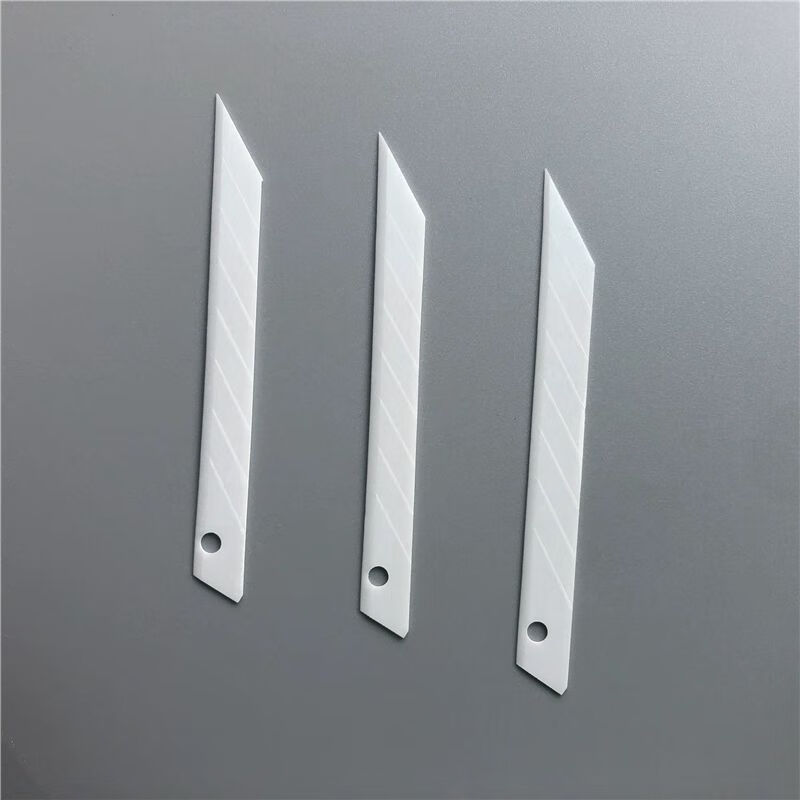
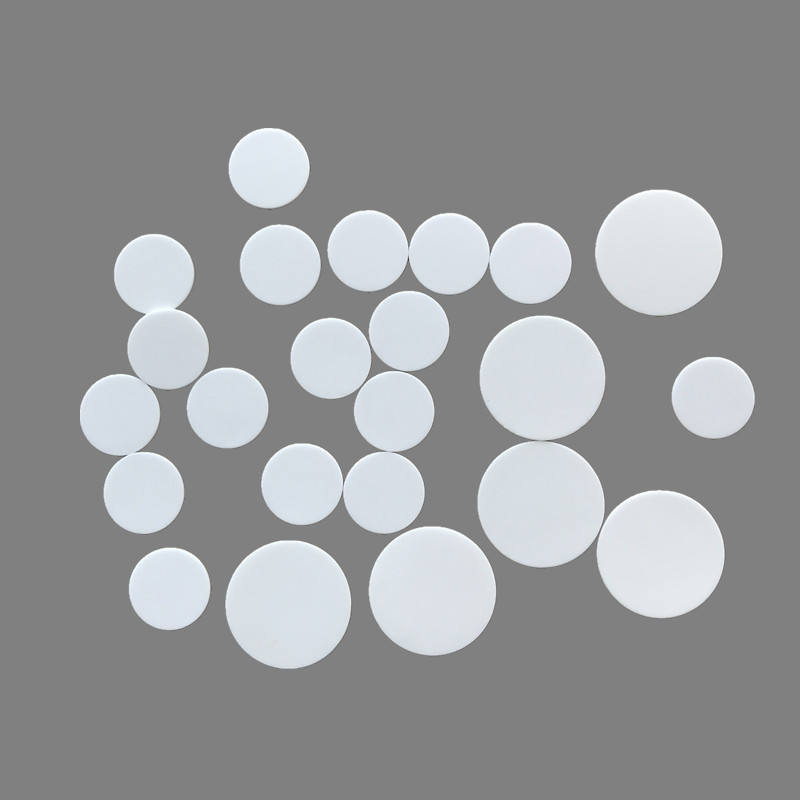
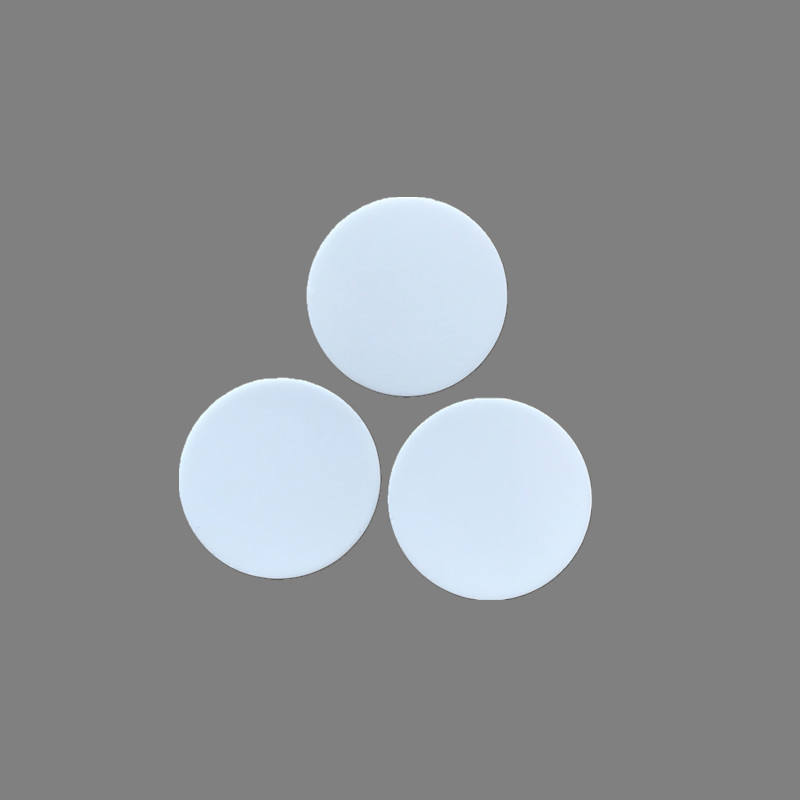
Aluminum oxide ceramic disc, commonly referred to as alumina ceramic disc, is a precision component manufactured from aluminum oxide (Al₂O₃), one of the most widely used engineering ceramics in industrial applications. These discs are valued for their exceptional combination of mechanical strength, electrical insulation, thermal stability, and chemical inertness, making them indispensable across electronics, semiconductor, mechanical, and medical industries.
Material Composition and Classification
Aluminum oxide ceramic discs are primarily composed of Al₂O₃, with purity levels ranging from 90% to 99.99%. The purity grade significantly influences the material’s properties. Common classifications include 92% alumina, 95% alumina, 96% alumina, 99% alumina, and 99.5%+ high-purity alumina. Each grade offers a different balance between performance and cost-effectiveness. Lower purity grades (90-96%) typically contain sintering aids such as silica, magnesia, or calcia, which facilitate densification during the firing process but slightly reduce certain mechanical and electrical properties. Higher purity grades (99% and above) exhibit superior hardness, wear resistance, dielectric strength, and thermal conductivity, though at a higher manufacturing cost.
The manufacturing process generally involves powder preparation, pressing (either dry pressing or isostatic pressing), sintering at temperatures between 1500°C and 1700°C, and subsequent grinding or lapping to achieve tight dimensional tolerances and fine surface finishes. Advanced processing techniques such as hot pressing or hot isostatic pressing (HIP) can further enhance density and mechanical properties for demanding applications.
Key Performance Characteristics
Aluminum oxide ceramic discs possess a distinctive set of properties that make them suitable for harsh operating environments. Mechanically, alumina exhibits high compressive strength, typically ranging from 2000 to 4000 MPa depending on purity and processing, along with a Mohs hardness of 9, second only to diamond and cubic boron nitride among engineering materials. This exceptional hardness translates into outstanding wear resistance, making alumina discs ideal for applications involving friction, abrasion, or particle erosion.
Electrically, aluminum oxide is an excellent insulator with a dielectric strength of approximately 10-35 kV/mm and a volume resistivity exceeding 10¹⁴ Ω·cm at room temperature. These characteristics make alumina ceramic discs a preferred choice for electrical isolation in high-voltage and high-frequency applications. The dielectric constant of alumina typically ranges from 9 to 10 at 1 MHz, which is relatively moderate compared to other ceramic insulators.
Thermally, alumina ceramic discs demonstrate good thermal conductivity for a ceramic material, with values ranging from 20 to 35 W/(m·K) for standard grades and up to 30-40 W/(m·K) for high-purity grades. They maintain structural integrity at temperatures up to 1600-1700°C in inert atmospheres, with continuous service temperatures typically rated around 1500°C. The coefficient of thermal expansion is relatively low at approximately 7-8 × 10⁻⁶/K, providing good thermal shock resistance when properly designed.
Chemically, aluminum oxide is highly inert and resistant to most acids, alkalis, and molten metals. It does not react with most chemicals at room temperature and maintains stability in oxidizing atmospheres at elevated temperatures. However, it can be attacked by hydrofluoric acid, hot concentrated phosphoric acid, and strong alkalis at high temperatures.
Common Specifications and Grades
Aluminum oxide ceramic discs are available in a wide range of dimensions, from miniature discs with diameters of a few millimeters to large discs exceeding 300 mm in diameter. Thickness can vary from less than 0.5 mm for thin substrates to over 50 mm for heavy-duty mechanical components. Standard tolerances for ground surfaces can achieve ±0.01 mm or better, with surface roughness values as low as Ra 0.05 μm through precision lapping and polishing.
The selection of alumina grade depends on the specific application requirements. For general-purpose electrical insulation and moderate wear applications, 95-96% alumina provides an optimal balance of properties and cost. For applications requiring higher thermal conductivity, better wear resistance, or superior electrical performance, 99% or 99.5% alumina is recommended. Ultra-high-purity alumina (99.9%+) is reserved for specialized applications such as semiconductor processing components, where minimal contamination and exceptional surface quality are critical.
Typical Applications
Aluminum oxide ceramic discs serve diverse functions across multiple industries. In the electronics and semiconductor sectors, they are extensively used as insulating substrates, heat sink bases, wafer handling components, and plasma-resistant parts in etching equipment. Their combination of electrical insulation and moderate thermal conductivity makes them suitable for power electronic modules and LED substrate applications.
In mechanical engineering, alumina discs function as seal faces, bearing surfaces, valve components, and wear plates. Their low friction coefficient against many mating materials, combined with exceptional hardness, provides reliable performance in abrasive or corrosive environments where metallic components would rapidly degrade.
The medical industry utilizes high-purity alumina ceramic discs for implant components, surgical instrument parts, and diagnostic equipment due to their biocompatibility, chemical inertness, and wear resistance. In the automotive and aerospace sectors, alumina discs are employed as sensor insulators, spark plug components, and thermal barrier elements.
Additional applications include use as substrates for thick-film and thin-film circuits, components in high-temperature furnaces, optical windows for certain wavelength ranges, and protective covers for sensitive electronic assemblies.

Advantages and Limitations
The primary advantages of aluminum oxide ceramic discs include their excellent wear resistance, high electrical insulation, good thermal stability, chemical inertness, and relatively affordable cost compared to other advanced ceramics. Alumina is also readily available in various grades and can be manufactured with tight tolerances and fine surface finishes.
However, there are notable limitations. Alumina is a brittle material with relatively low fracture toughness (typically 3-4 MPa·m¹/²), making it susceptible to catastrophic failure under impact or tensile loading. Design considerations must account for this brittleness by avoiding stress concentrators and ensuring compressive loading where possible. Additionally, while alumina has moderate thermal conductivity, it is significantly lower than that of aluminum nitride or beryllium oxide ceramics, limiting its use in high-power thermal management applications. The material’s hardness, while beneficial for wear resistance, makes machining difficult and costly after sintering, so near-net-shape forming is preferred.
Comparison with Other Ceramic Materials
When selecting a ceramic disc material, engineers must consider alternatives. Silicon nitride (Si₃N₄) offers superior fracture toughness and thermal shock resistance, making it more suitable for high-impact applications, though at higher cost. Zirconia (ZrO₂) provides even higher fracture toughness and wear resistance but lower electrical insulation and maximum service temperature. Aluminum nitride (AlN) delivers significantly higher thermal conductivity (150-200 W/(m·K)) for thermal management applications but at a substantially higher price point. Boron nitride offers excellent thermal conductivity with machinability but lower mechanical strength. The choice among these materials depends on the specific balance of mechanical, thermal, electrical, and economic requirements.
Engineering Selection Guidelines
When specifying an aluminum oxide ceramic disc, engineers should consider the following factors: the operating temperature range and thermal cycling conditions, mechanical loading type and magnitude, required electrical insulation level, chemical environment, wear conditions, dimensional tolerances, and surface finish requirements. For high-temperature or high-wear applications, select 99% or higher purity grades. For cost-sensitive applications with moderate performance requirements, 95-96% alumina is often sufficient. Ensure that the design avoids tensile stress concentrations and accounts for the material’s brittleness through appropriate safety factors. Consult with ceramic component specialists early in the design process to optimize geometry for manufacturability and performance.
FAQ
What is the maximum operating temperature for an aluminum oxide ceramic disc?
High-purity alumina ceramic discs can withstand continuous service temperatures up to approximately 1500°C in air, with short-term exposure possible up to 1600-1700°C. The exact temperature limit depends on the purity grade and atmospheric conditions.
Can aluminum oxide ceramic discs be machined after sintering?
Yes, but only with diamond tooling due to alumina’s extreme hardness (Mohs 9). Machining after sintering is expensive and time-consuming. It is generally more economical to press components to near-net shape and perform only minimal grinding or lapping to achieve final dimensions.
What is the difference between 95% and 99% alumina ceramic discs?
The primary difference lies in purity and resulting properties. 99% alumina offers higher hardness, better wear resistance, superior electrical insulation, and higher thermal conductivity compared to 95% alumina. However, 95% alumina is more cost-effective and sufficient for many general-purpose applications where extreme performance is not required.
Are aluminum oxide ceramic discs suitable for high-voltage applications?
Yes, alumina ceramic discs are excellent electrical insulators with high dielectric strength (10-35 kV/mm) and high volume resistivity (>10¹⁴ Ω·cm). They are widely used as insulators in high-voltage equipment, vacuum interrupters, and power electronic modules.
How does the thermal conductivity of alumina compare to metals?
The thermal conductivity of alumina (20-35 W/(m·K)) is significantly lower than most metals. For comparison, aluminum has approximately 200 W/(m·K) and copper around 400 W/(m·K). However, alumina combines moderate thermal conductivity with excellent electrical insulation, which metals cannot provide, making it uniquely suitable for electrically insulating thermal applications.
Can aluminum oxide ceramic discs be used in vacuum environments?
Yes, high-purity alumina ceramic discs are compatible with vacuum environments and are commonly used in vacuum systems as insulating feedthroughs, viewports, and structural components. Their low outgassing characteristics and high-temperature stability make them well-suited for such applications.