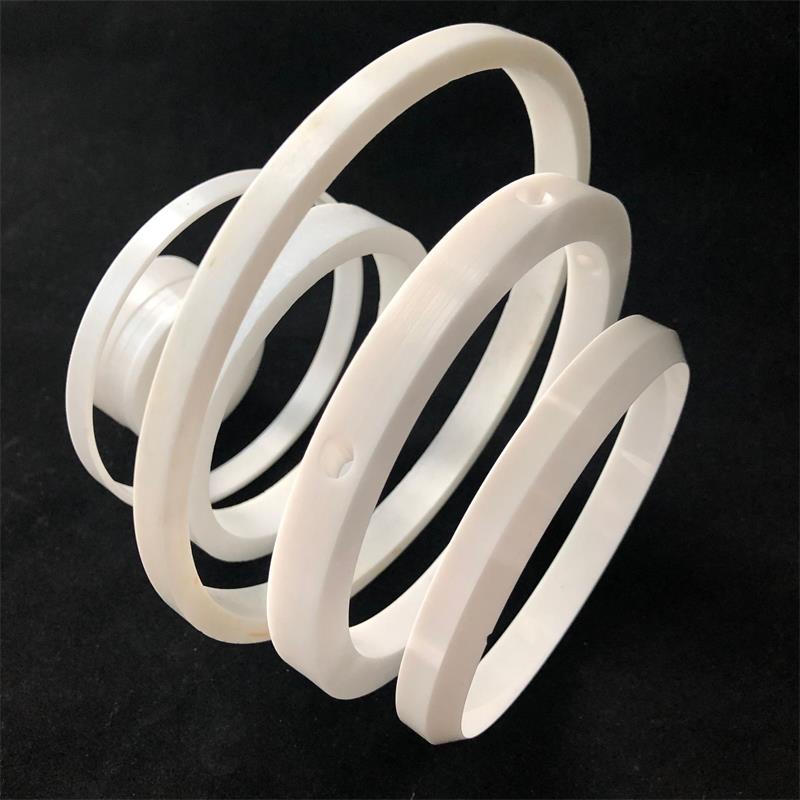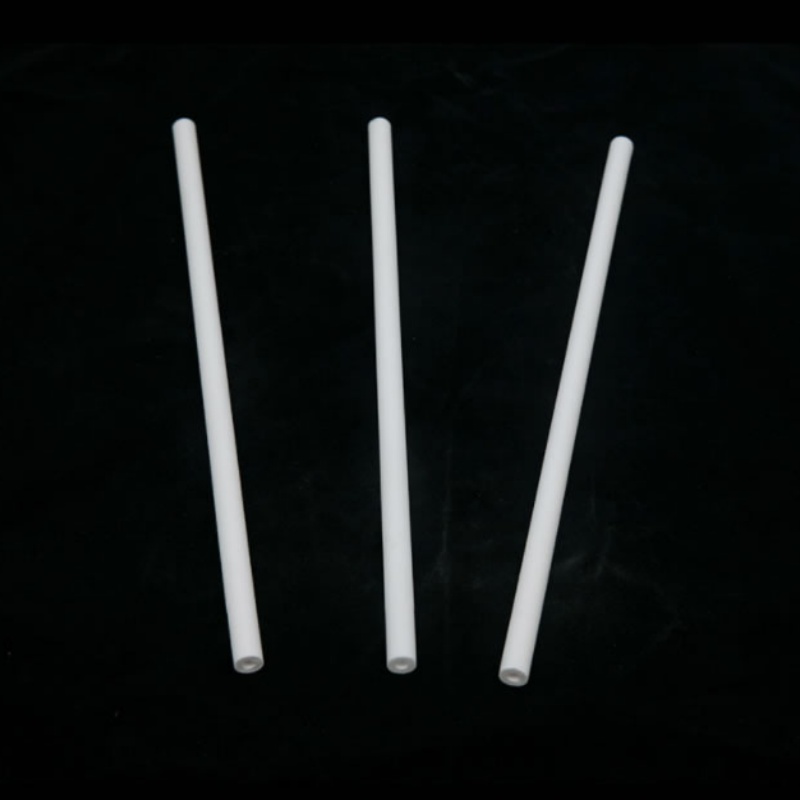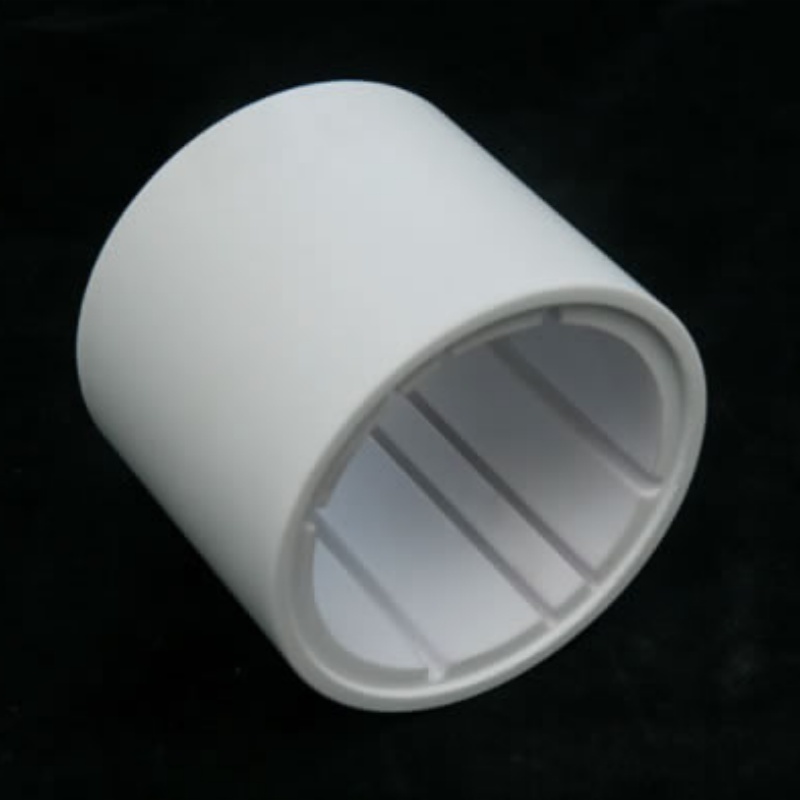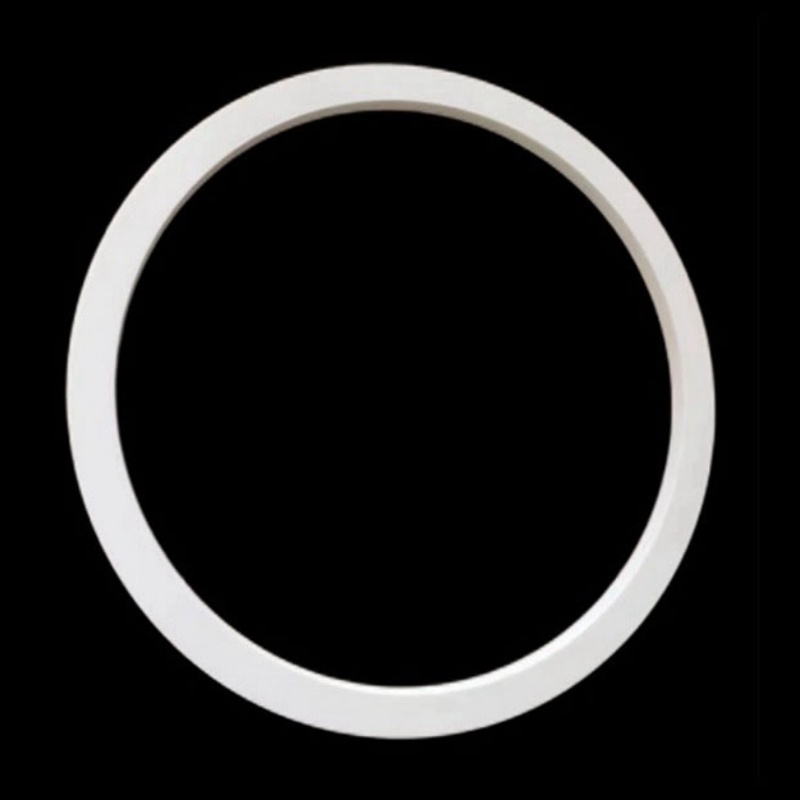
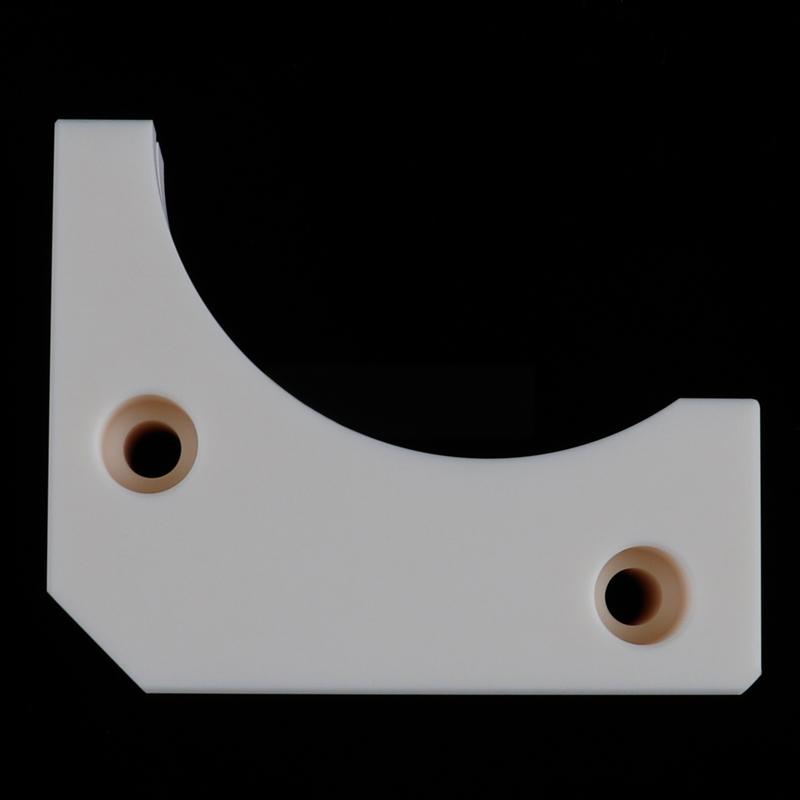
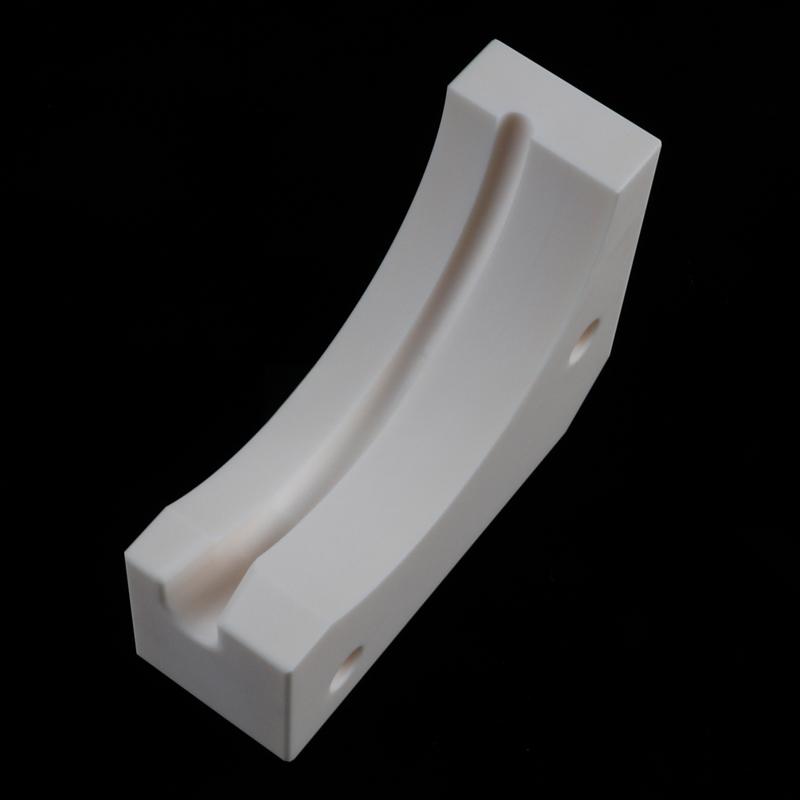
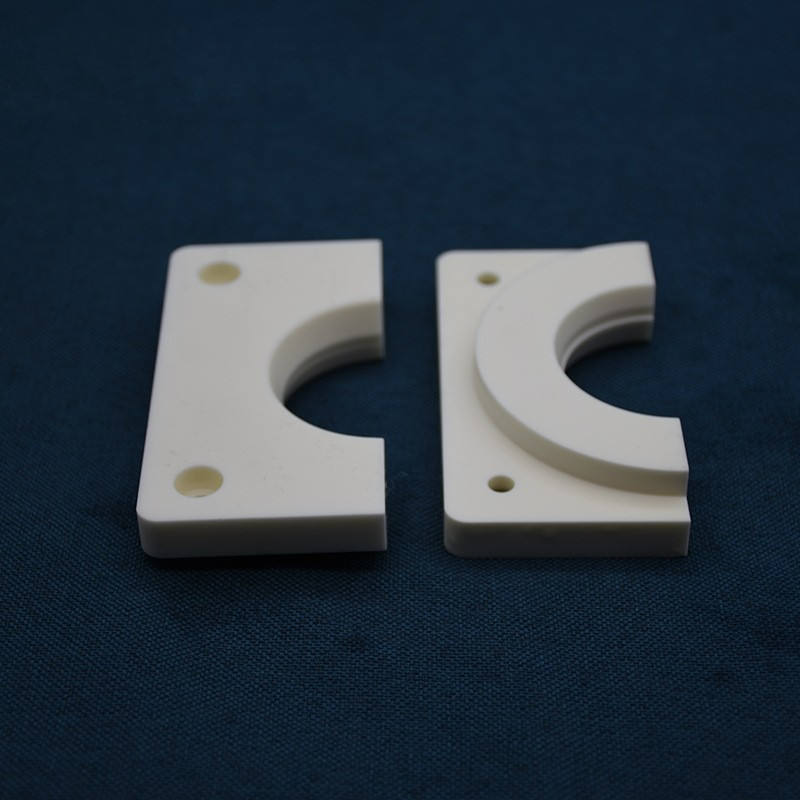
Aluminum Oxide Ceramic Clamping Fixtures
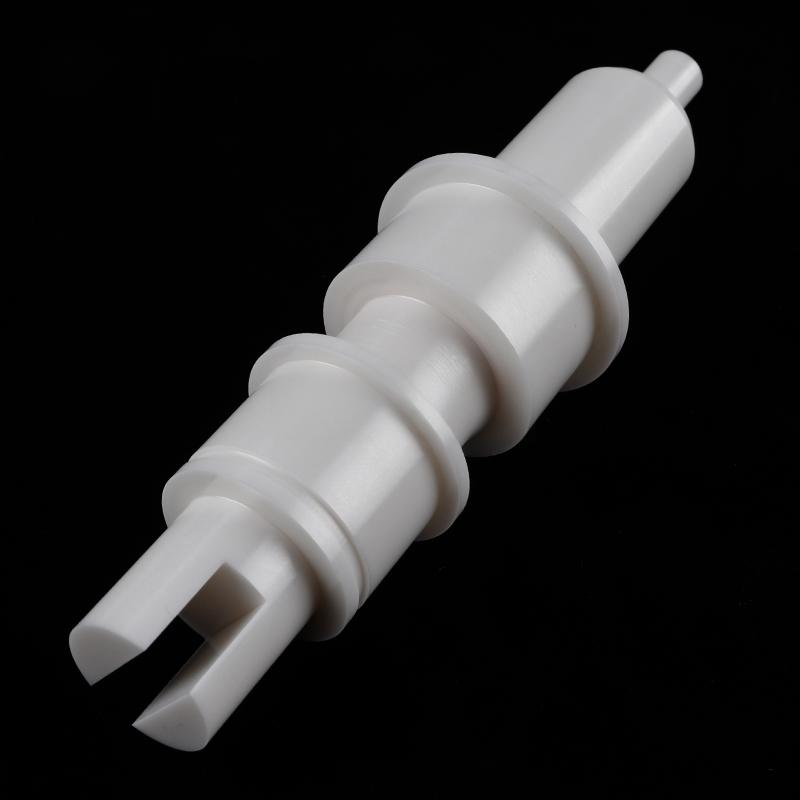
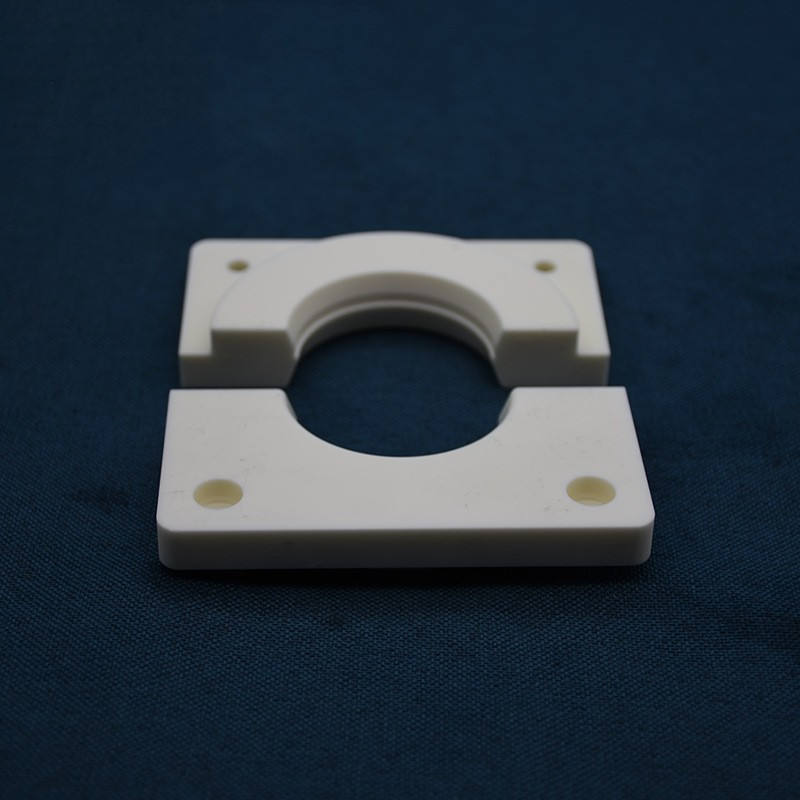
Aluminum oxide ceramic clamping fixtures are precision holding and positioning components widely used in high-temperature processing, semiconductor manufacturing, electronics assembly, and advanced materials handling. Unlike metal clamping tools, aluminum oxide ceramic fixtures provide high dimensional stability, electrical insulation, chemical inertness, and wear resistance under demanding operating conditions. These characteristics make them especially suitable when metal fixtures would cause contamination, deformation, electrical interference, or premature wear.
Aluminum oxide, commonly called alumina, is a polycrystalline oxide ceramic whose performance depends largely on purity, density, and sintering quality. Typical clamping fixtures are produced from 95% to 99.9% alumina ceramics. Higher-purity grades generally offer better electrical insulation, chemical stability, and high-temperature performance, while slightly lower-purity grades may provide improved toughness or cost efficiency for less critical applications.
The main reason aluminum oxide performs well in clamping applications is its strong ionic-covalent bonding structure. This structure gives alumina high hardness, good compressive strength, and resistance to surface degradation. In clamping fixtures, these properties help maintain consistent contact geometry, reduce particle generation, and improve long-term repeatability.
Key performance characteristics include:
High hardness and wear resistance: Alumina resists abrasion from repeated loading, sliding contact, and thermal cycling.
Electrical insulation: Alumina has low electrical conductivity, making it suitable for fixtures used near live circuits, sensors, or electrostatic-sensitive components.
Thermal stability: Aluminum oxide maintains mechanical integrity at elevated temperatures, though exact limits depend on grade and fixture design.
Chemical resistance: It performs well in many oxidizing, inert, and mildly corrosive environments, but strong acids, alkalis, or molten salts can still cause degradation.
Low contamination risk: Compared with metals, alumina is less likely to transfer metallic ions onto sensitive workpieces.
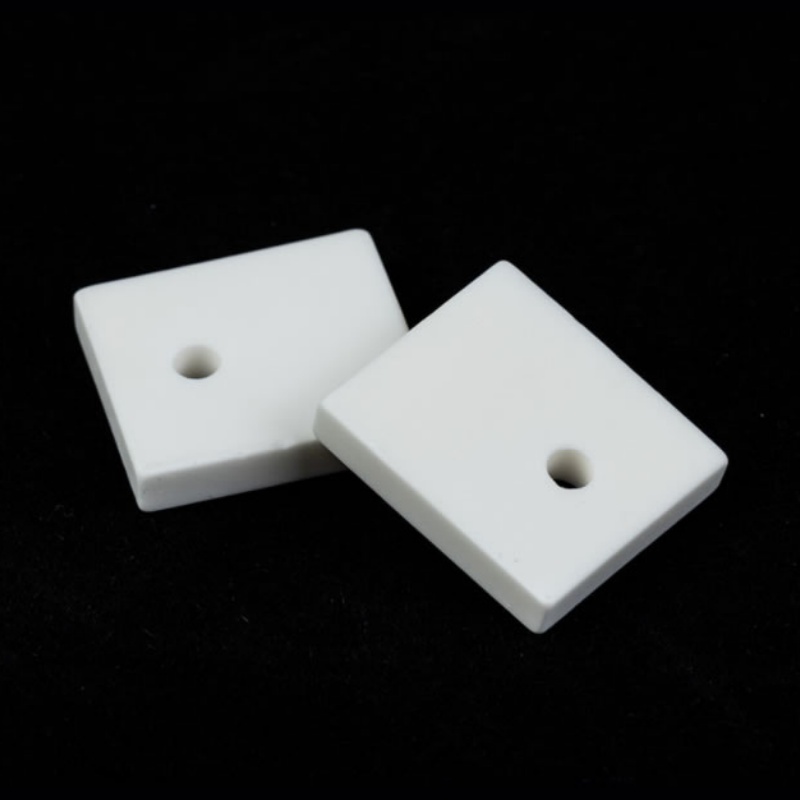
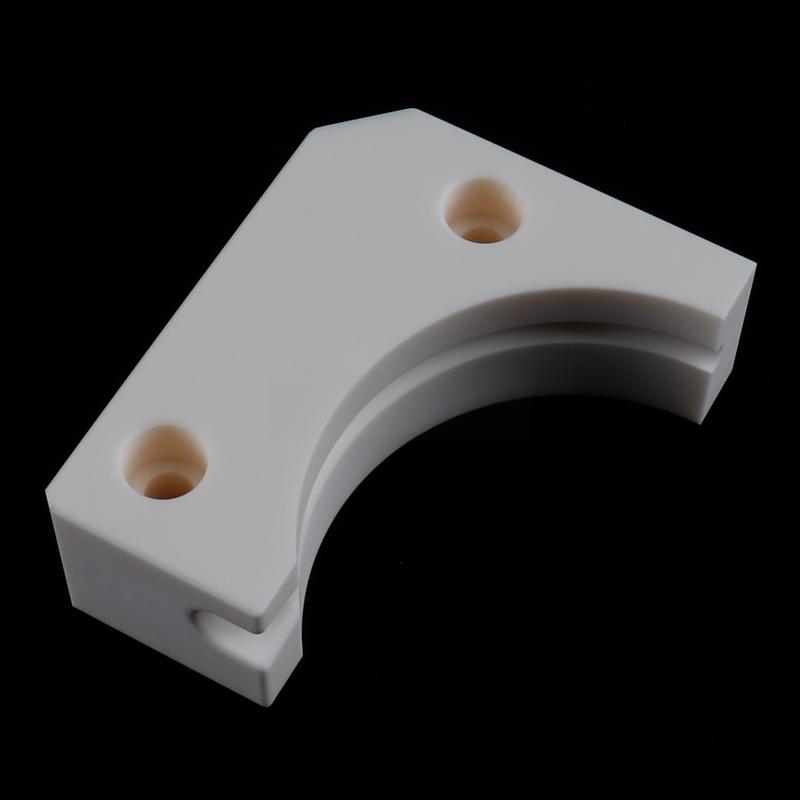
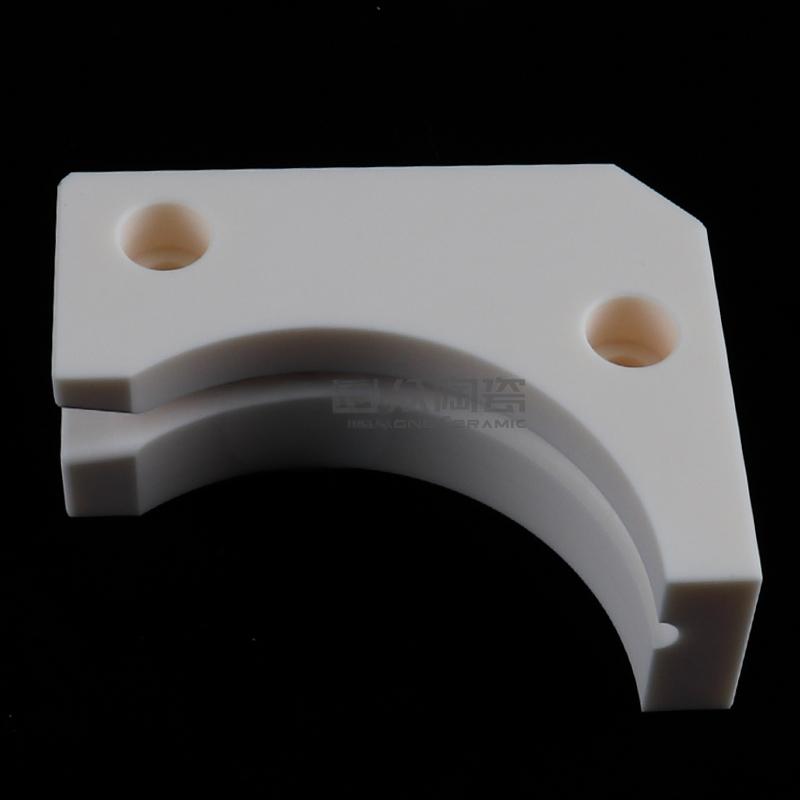
Typical aluminum oxide clamping fixtures include wafer holders, substrate clamps, furnace support fixtures, sintering jigs, test sample holders, and precision positioning blocks. Their geometry is often designed to balance holding force, thermal uniformity, and stress distribution. Because ceramics are brittle, sharp corners, uneven contact surfaces, and excessive point loading should be avoided in fixture design.
In semiconductor and electronics applications, aluminum oxide ceramic clamping fixtures are often selected because they provide clean, electrically insulating contact with wafers, substrates, and circuit components. Their low dielectric loss and stable surface properties help reduce the risk of electrical interference and surface contamination during processing.
In high-temperature furnaces, alumina fixtures are used to hold samples, ceramics, metals, or electronic parts during firing, annealing, or testing. Their dimensional stability helps maintain part alignment, while their resistance to oxidation makes them more durable than many metals in oxidizing atmospheres. However, thermal shock resistance is limited compared with some specialty ceramics, so heating and cooling rates should be controlled.
In laboratory and quality testing, alumina clamping fixtures are useful when fixtures must remain chemically stable, electrically insulating, and dimensionally accurate. They are also suitable for environments where metal fixtures could introduce magnetic interference, corrosion products, or wear debris.
Aluminum oxide ceramic clamping fixtures have clear advantages, but they are not universally superior. Their main limitations include brittleness, sensitivity to impact, and lower fracture toughness than zirconia ceramics. They can crack if dropped, over-torqued, or subjected to uneven mechanical stress. Thermal shock resistance is moderate; rapid temperature changes may cause cracking, especially in thick or complex geometries.
Compared with zirconia ceramic fixtures, alumina generally offers better electrical insulation and chemical stability at a lower cost, while zirconia provides higher fracture toughness and impact resistance. Compared with silicon carbide, alumina usually has better electrical insulation but lower thermal conductivity and lower thermal shock resistance. Silicon carbide may be preferred when rapid heat transfer or extreme thermal cycling is required.
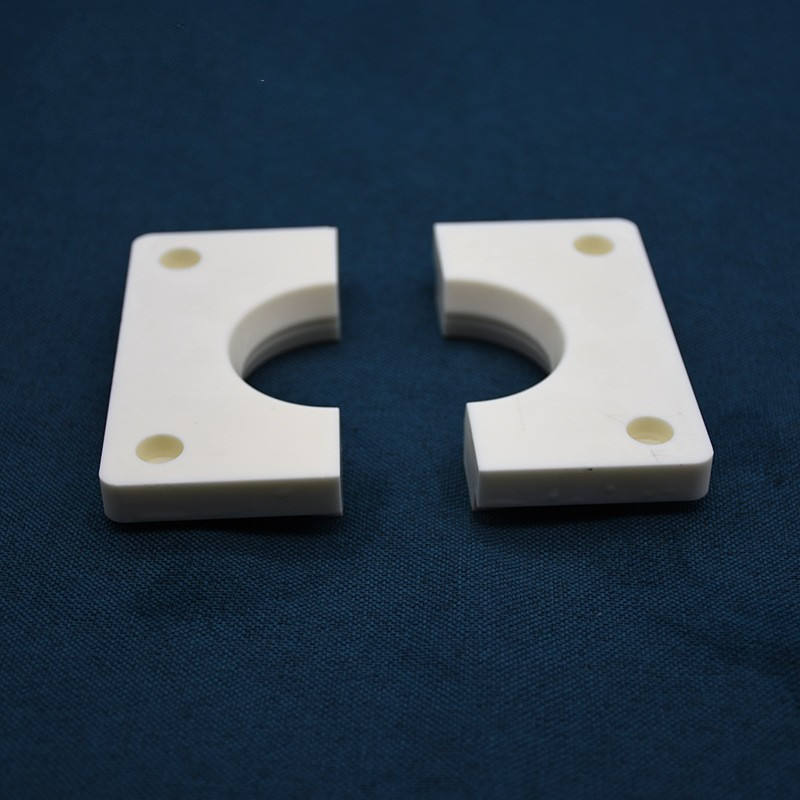
Material selection should consider operating temperature, required electrical insulation, mechanical load, thermal cycling frequency, chemical environment, surface cleanliness requirements, and dimensional tolerance. For most electrical insulation and high-purity holding applications, alumina is a strong baseline choice. For high-impact or extreme thermal shock conditions, zirconia, silicon carbide, or silicon nitride may be more appropriate.
When specifying aluminum oxide ceramic clamping fixtures, engineers should define purity grade, surface finish, dimensional tolerance, contact geometry, maximum operating temperature, and expected mechanical load. Proper installation is also important: fixtures should be aligned evenly, clamped within safe force limits, and inspected regularly for microcracks or edge chipping.
FAQ
What is an aluminum oxide ceramic clamping fixture used for?
It is used to hold, position, or support components during high-temperature processing, semiconductor handling, electrical testing, and precision manufacturing where insulation, cleanliness, and stability are important.
What are its main advantages?
Its main advantages include electrical insulation, high hardness, chemical stability, dimensional stability at elevated temperatures, and low contamination risk compared with many metal fixtures.
What are its limitations?
Alumina is brittle and sensitive to impact, uneven clamping, and rapid thermal shock. It has lower fracture toughness than zirconia and lower thermal shock resistance than silicon carbide.
Is it suitable for high-temperature applications?
Yes, alumina is suitable for many high-temperature applications, but the exact temperature limit depends on purity, fixture design, atmosphere, and mechanical load.
Is aluminum oxide electrically insulating?
Yes, aluminum oxide is an electrical insulator, making it suitable for fixtures used near electronic components, sensors, and high-voltage environments.
How does it compare with zirconia ceramic fixtures?
Alumina generally provides better electrical insulation and chemical stability, while zirconia offers higher toughness and better resistance to mechanical impact.