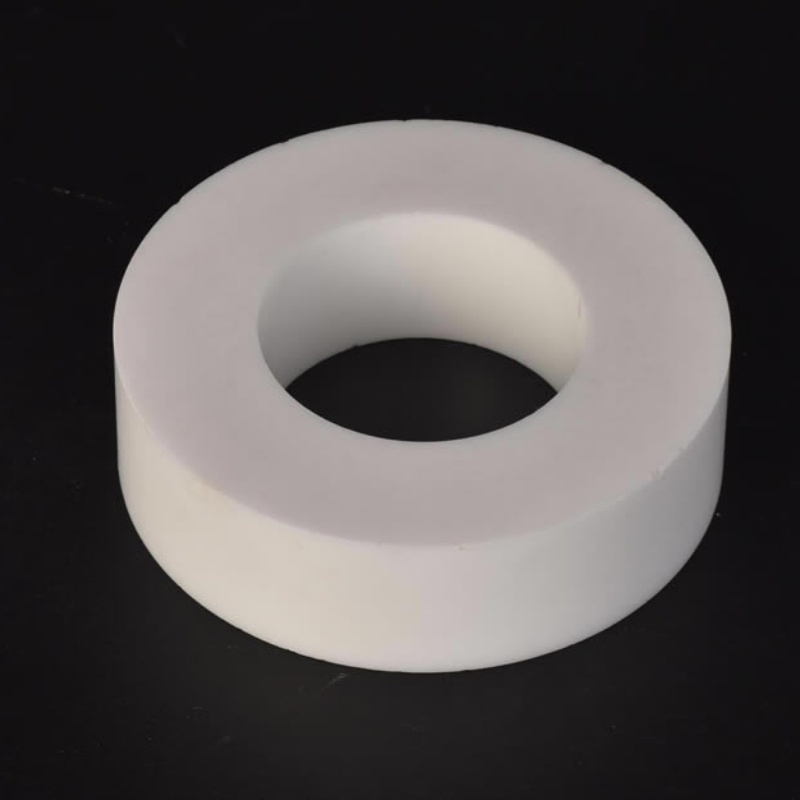
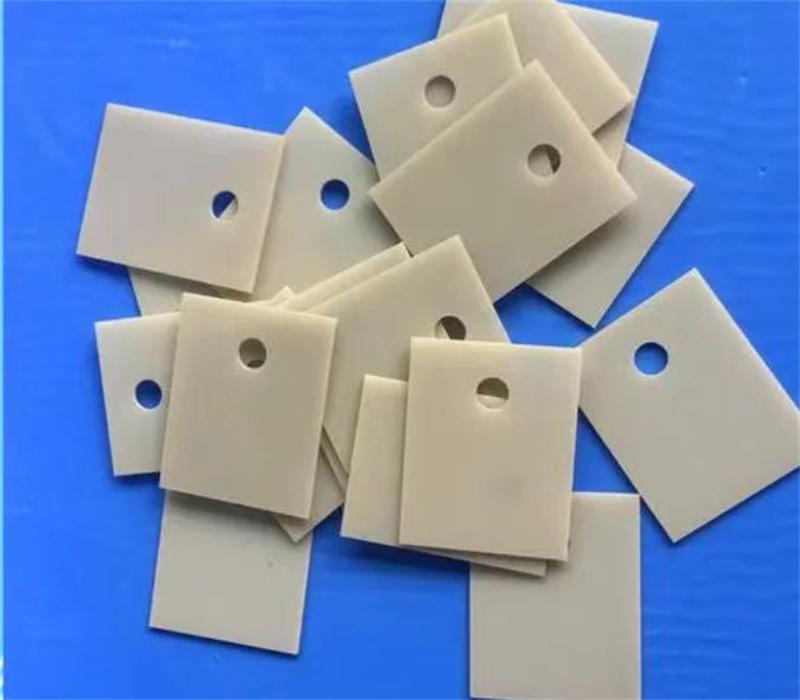
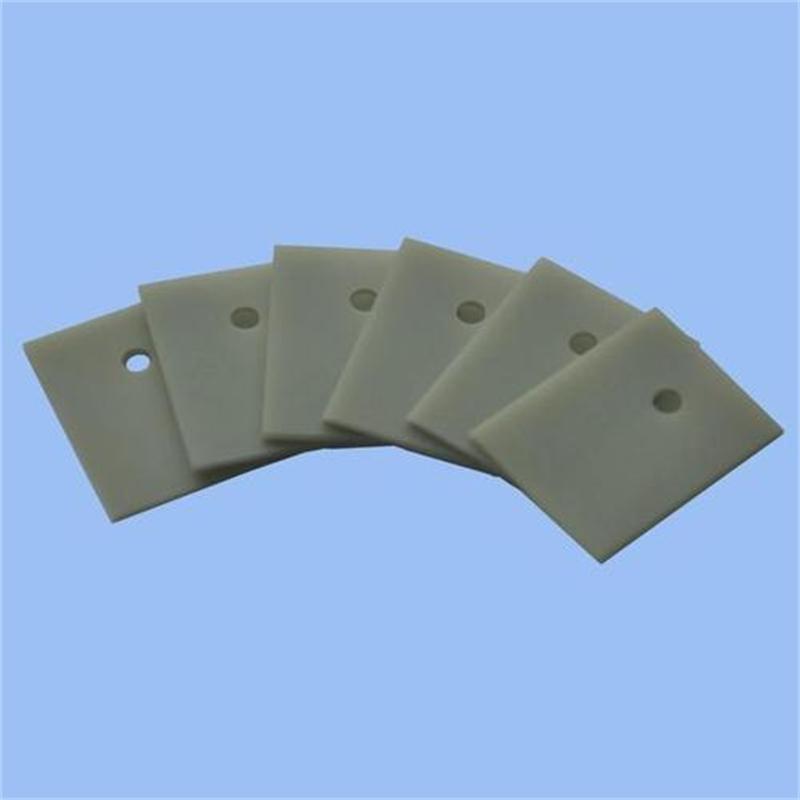
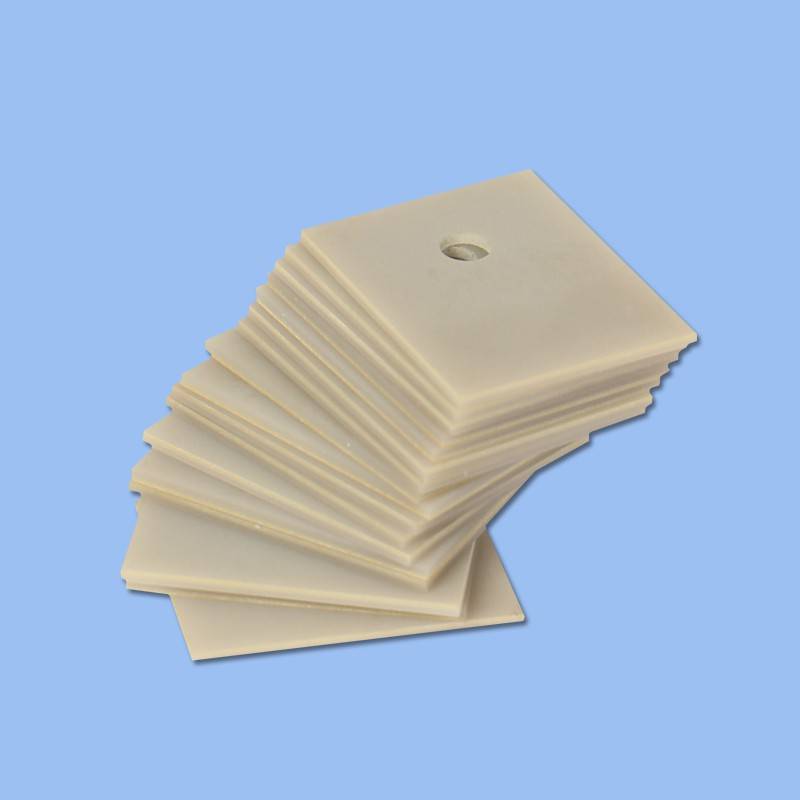
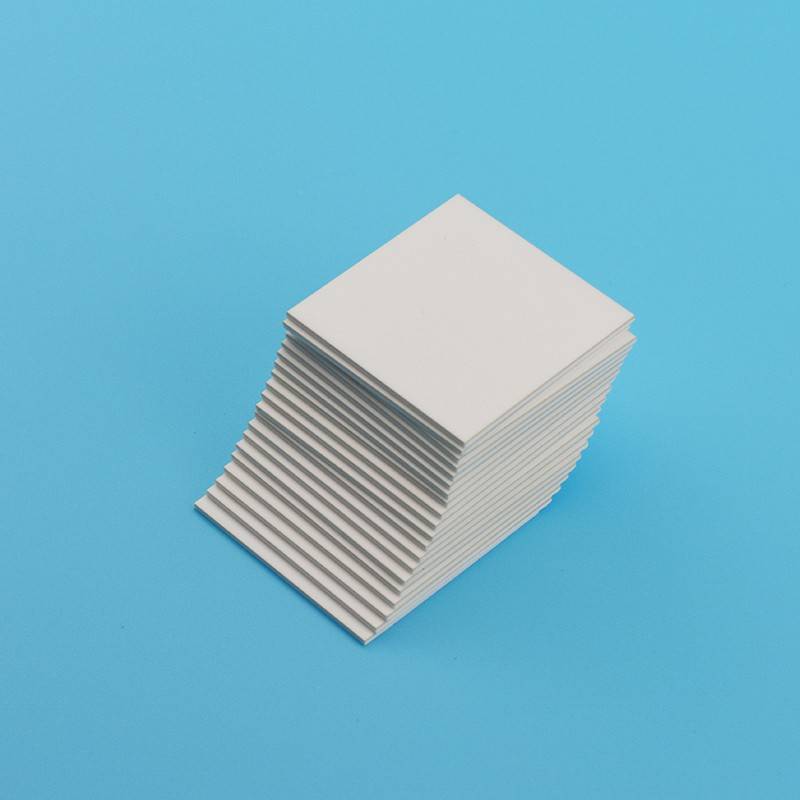
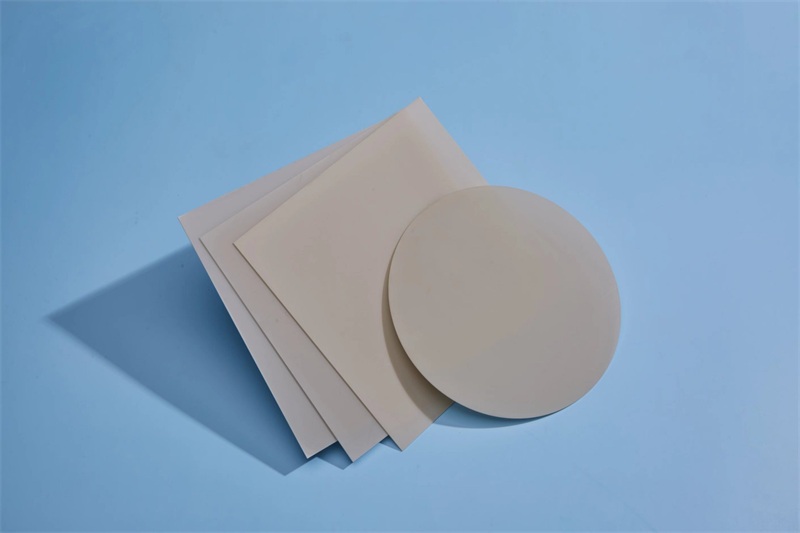
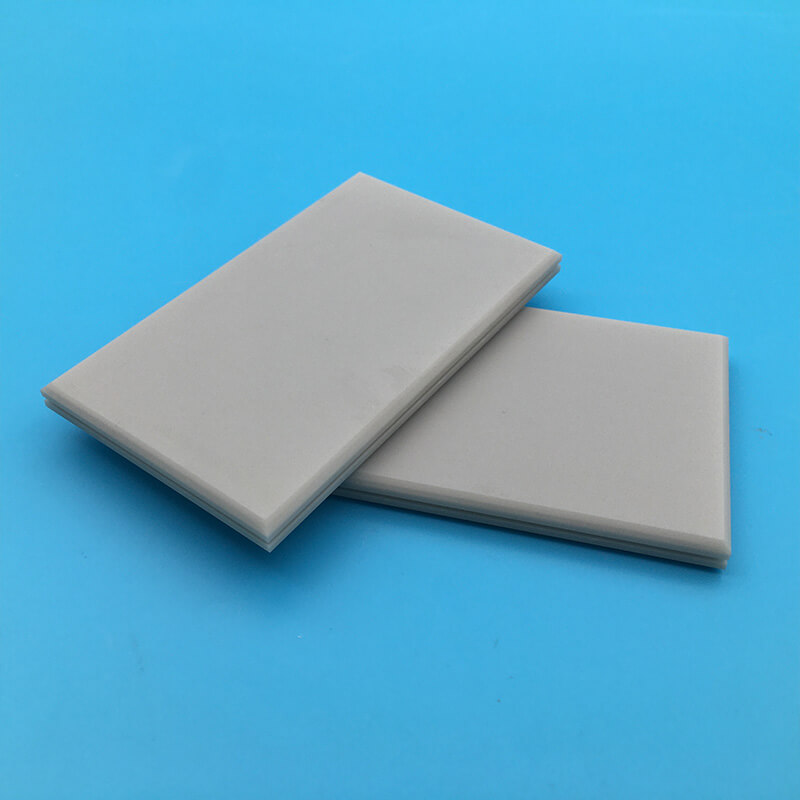
Aluminum Nitride Ceramic Sheet
Aluminum nitride (AlN) ceramic sheet is a high-performance technical ceramic that occupies a distinctive position among advanced substrate and thermal management materials. What makes AlN particularly valuable is its rare combination of high thermal conductivity and excellent electrical insulation — two properties that rarely coexist in a single material. For engineers working on power electronics, RF modules, LED systems, and semiconductor packaging, AlN ceramic sheet offers a compelling solution when thermal performance and dielectric isolation must be achieved simultaneously.
Material Composition and Crystal Structure
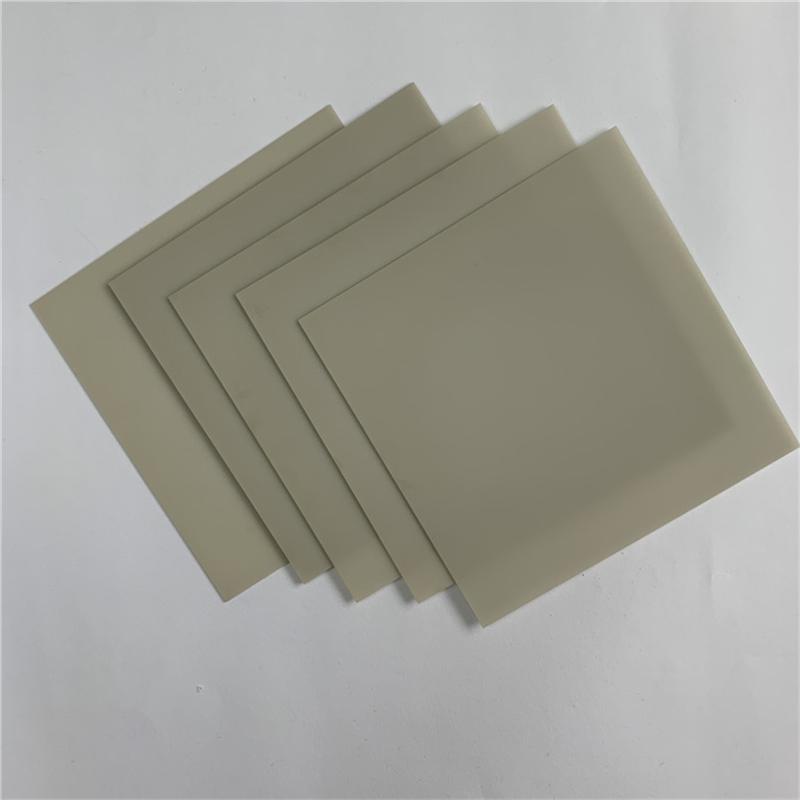
Aluminum nitride is a covalent-bonded ceramic composed of aluminum and nitrogen atoms arranged in a hexagonal wurtzite crystal structure. The material is produced from high-purity AlN powder through high-temperature sintering, typically above 1600°C in a nitrogen atmosphere. Sintering aids such as Y₂O₃ and CaO are commonly added to promote densification. The resulting ceramic is typically white or greyish-white in appearance, non-toxic, and chemically stable against most molten metals including aluminum, copper, and nickel.
Core Performance Properties
The thermal conductivity of AlN ceramic is its most celebrated attribute. The theoretical thermal conductivity of pure AlN single crystal reaches approximately 320 W/m·K, while commercially available sintered products typically fall in the range of 170–230 W/m·K, depending on purity, oxygen content, grain structure, and sintering quality. This is roughly 7 to 10 times higher than conventional alumina (Al₂O₃), which sits at around 24 W/m·K.
Equally important is the coefficient of thermal expansion (CTE). AlN exhibits a CTE of approximately 4.5–5.0 ppm/°C, which closely matches silicon (~3.5 ppm/°C), silicon carbide, and gallium nitride semiconductor devices. This compatibility significantly reduces thermomechanical stress at material interfaces during thermal cycling, improving long-term solder joint reliability and reducing the risk of delamination in power modules.
From an electrical standpoint, AlN is an excellent insulator. Its volume resistivity exceeds 10¹³ Ω·cm, and the DC dielectric breakdown strength is typically above 15 kV/mm. The dielectric constant is approximately 8.5–9.0 at 1 MHz, with a low dielectric loss tangent (below 0.001 at 1 MHz), making it suitable for high-frequency signal paths where minimal signal attenuation is critical.
Mechanically, AlN ceramic sheet demonstrates a flexural strength of 350–450 MPa, a Young’s modulus of approximately 300–320 GPa, and a Vickers hardness around 11 GPa. The density is approximately 3.26–3.30 g/cm³, making it relatively lightweight for a structural ceramic.
Common Specifications and Grades
AlN ceramic sheets are available in thicknesses ranging from approximately 0.25 mm to 1.5 mm, with tighter thickness tolerances achievable through precision grinding (±0.02–0.05 mm). Surface roughness after fine polishing can reach Ra values of 0.2–0.3 μm, which is favorable for subsequent metallization processes. Thermal conductivity grades vary: standard grades offer around 170 W/m·K, while high-performance grades exceed 200–230 W/m·K. The choice of grade depends on the thermal budget of the target application and cost considerations.
Typical Applications
The primary application domains for AlN ceramic sheet include power electronics packaging (IGBT modules, SiC and GaN device substrates), high-power LED heat sinks, 5G base station RF power amplifier modules, automotive electronic control units, photovoltaic inverters, and semiconductor manufacturing equipment components. In each of these scenarios, the material serves as both a thermal pathway and an electrical barrier — a dual function that few alternative materials can replicate as effectively.
Advantages and Limitations
The principal advantage of AlN is its ability to deliver metal-like thermal conductivity while maintaining ceramic-level electrical insulation. Combined with its CTE match to common semiconductor materials, this makes it an ideal substrate for high-reliability, high-power-density designs.
However, AlN is not without limitations. It is sensitive to moisture — prolonged exposure to humid environments can lead to surface hydrolysis, which degrades thermal performance over time. Proper storage and handling are essential. Additionally, the oxidation onset temperature in air is approximately 700–800°C, which constrains its use in very high-temperature oxidizing atmospheres. The material cost and processing complexity are also notably higher than alumina, which remains the practical choice for cost-sensitive, lower-thermal-demand applications.
Material Selection Guidance
When choosing between AlN and alternatives, the decision often comes down to the thermal and reliability requirements of the design. If the application demands thermal conductivity above 150 W/m·K with electrical insulation and CTE matching to silicon-based devices, AlN is typically the strongest candidate. For less demanding thermal conditions, alumina offers a cost-effective alternative. Where extreme fracture toughness and thermal shock resistance are paramount — such as in severe thermal cycling environments — silicon nitride (Si₃N₄) may be preferred despite its lower thermal conductivity (60–90 W/m·K). Beryllium oxide (BeO) offers comparable thermal performance but raises toxicity concerns during machining and handling, limiting its adoption in many modern designs.
Frequently Asked Questions
What is the maximum operating temperature for AlN ceramic sheet?
The typical continuous operating range is -60°C to 450°C in standard applications. In inert or vacuum atmospheres, AlN can withstand temperatures up to approximately 900°C. In air, surface oxidation begins around 700–800°C, which should be considered in high-temperature design margins.
Why does AlN have such high thermal conductivity compared to alumina?
The high thermal conductivity of AlN originates from its hexagonal crystal lattice, which provides efficient phonon transport paths. Oxygen impurities and grain boundary phases act as phonon scattering centers, so higher-purity AlN with lower oxygen content achieves higher thermal conductivity values.
Can AlN ceramic sheet be machined or drilled?
Yes, AlN can be processed using diamond grinding, laser cutting, and ultrasonic drilling. However, due to its hardness (~11 GPa), machining requires specialized tooling and careful process control to avoid edge chipping and micro-cracking.
Is AlN suitable for high-frequency RF applications?
Yes. With a dielectric constant of approximately 8.5–9.0 and very low dielectric loss at microwave frequencies, AlN is well suited for RF substrates, filter resonators, and high-frequency packaging where thermal management and signal integrity are both critical.
How should AlN ceramic sheets be stored?
Due to its moisture sensitivity, AlN sheets should be stored in a dry environment with controlled humidity. Prolonged exposure to high humidity can cause surface hydrolysis, forming aluminum hydroxide layers that degrade thermal and electrical performance.
What metallization methods are compatible with AlN substrates?
The most common metallization approaches include Direct Plated Copper (DPC) for fine-line high-density circuits, Active Metal Brazing (AMB) for thick-copper high-power modules, and Direct Bonded Copper (DBC). The choice depends on required copper thickness, bond strength, and the power level of the target application.