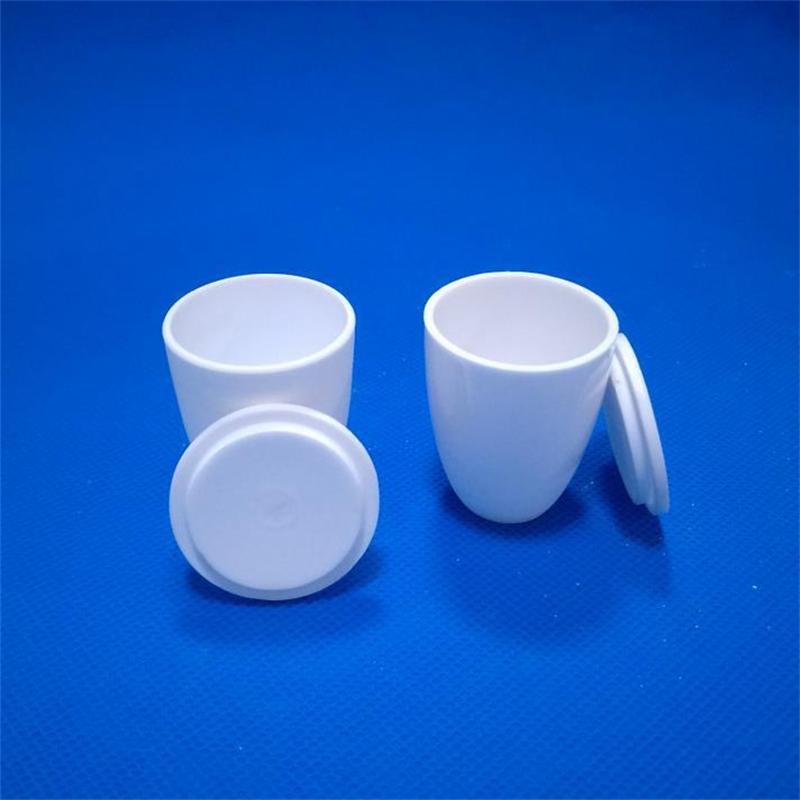
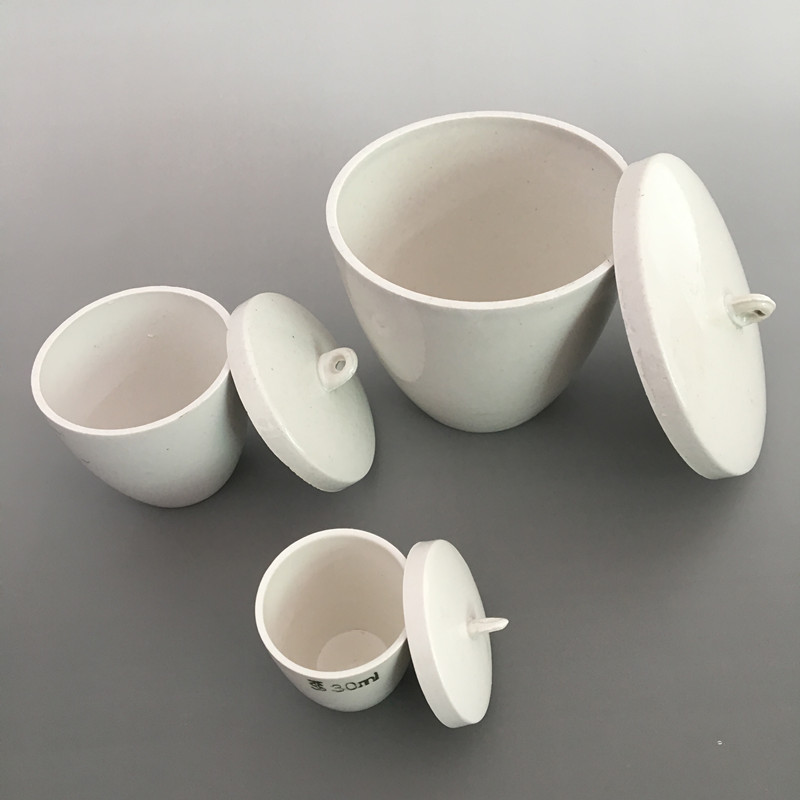
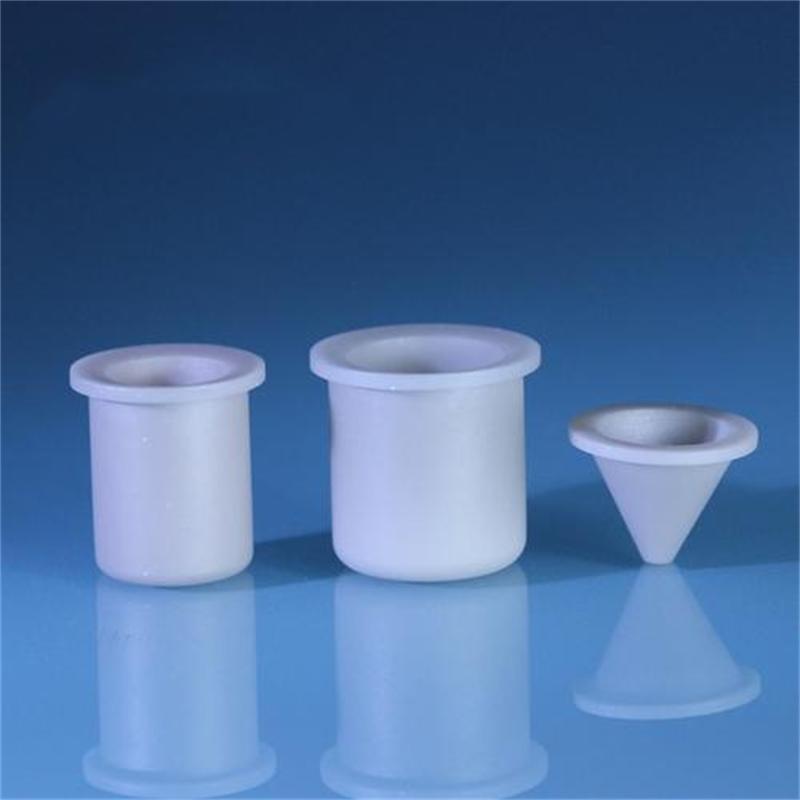
Aluminum Nitride Ceramic Crucible
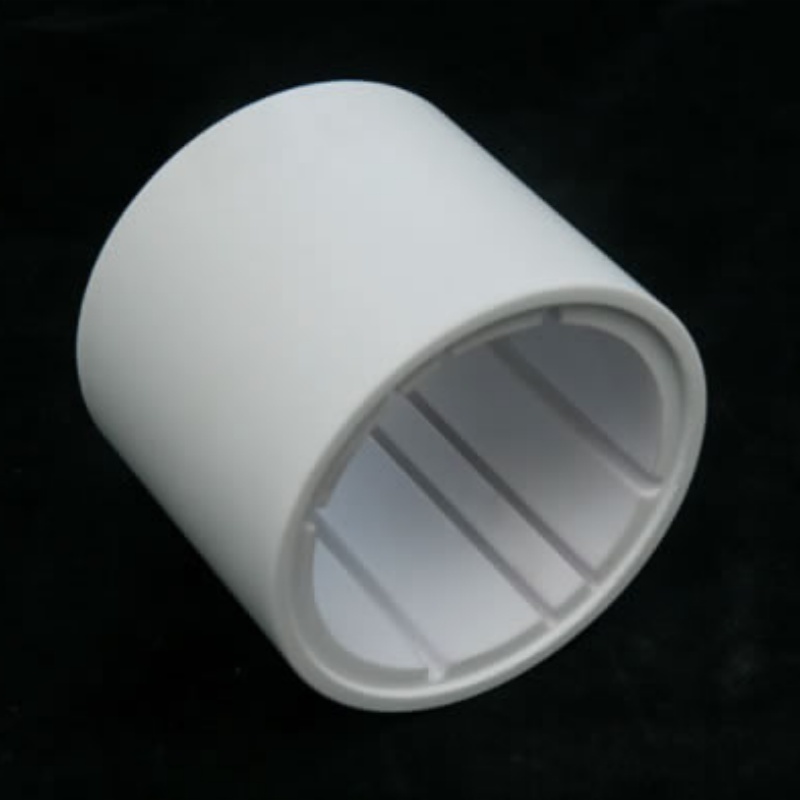
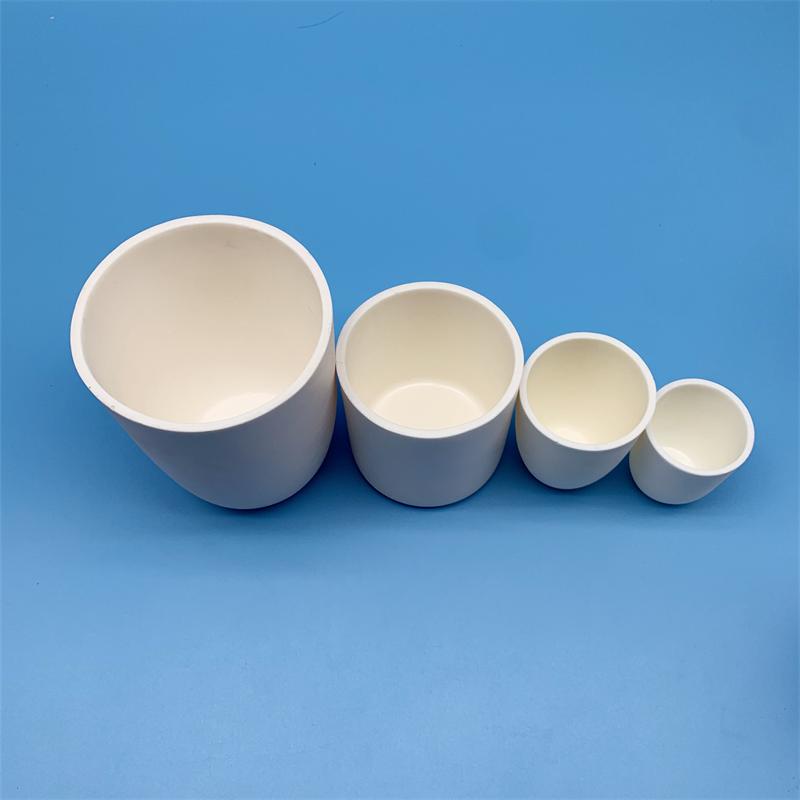
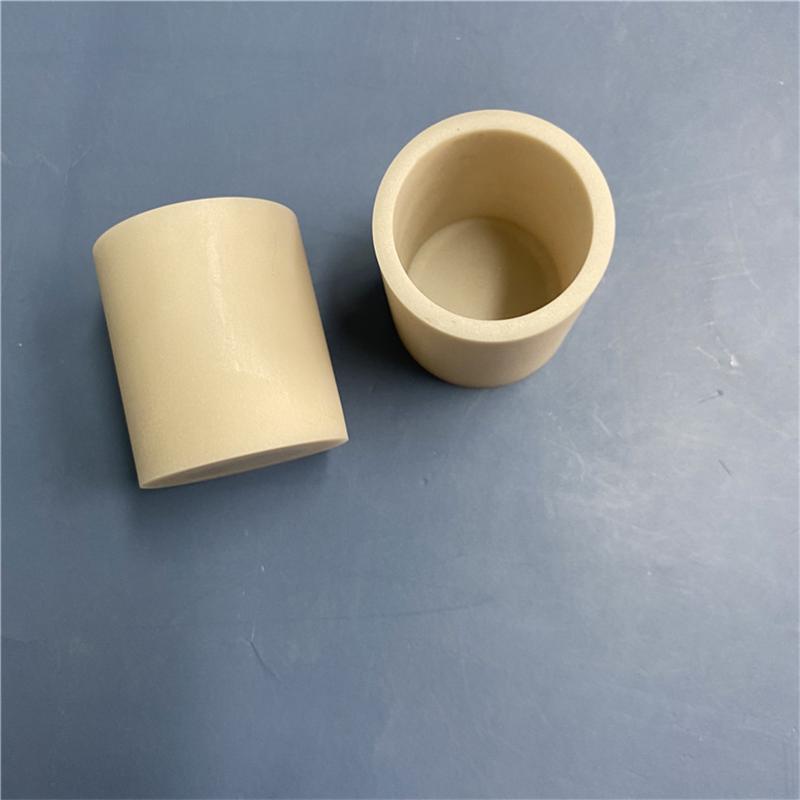
Aluminum nitride ceramic crucible is a high-performance refractory vessel designed for applications that require both extreme thermal stability and rapid heat transfer. Unlike traditional oxide ceramics such as alumina, aluminum nitride (AlN) is a non-oxide advanced ceramic characterized by its unique combination of high thermal conductivity and electrical insulation. This material is primarily selected for engineering scenarios where thermal management is as critical as chemical inertness, particularly in the processing of semiconductors, optical crystals, and high-purity metals.
Material Characteristics and Thermal Performance
The defining feature of an aluminum nitride crucible is its ability to dissipate heat efficiently. While most electrically insulating ceramics are thermal insulators, AlN possesses a thermal conductivity that can range significantly depending on purity and sintering density, often exceeding that of alumina by a wide margin. This property allows for uniform temperature distribution within the crucible, minimizing thermal gradients that can lead to stress fractures or uneven reaction rates during high-temperature synthesis.
Furthermore, AlN exhibits a relatively low coefficient of thermal expansion. When combined with its high thermal conductivity, this results in exceptional thermal shock resistance. In processes involving rapid heating or cooling cycles—such as Physical Vapor Deposition (PVD) or certain crystal growth techniques—an AlN crucible is less likely to fail catastrophically compared to materials with lower thermal diffusivity.
Chemical Stability and Purity Considerations
Chemically, aluminum nitride is stable in inert and reducing atmospheres at temperatures up to approximately 1800°C. It offers strong resistance to molten metals, particularly aluminum, gallium, and their alloys, making it an ideal containment material for metallurgical applications. However, the material’s behavior in oxidative environments requires careful engineering consideration. At temperatures exceeding 800°C in the presence of air, AlN surfaces can begin to oxidize, forming an alumina (Al_2O_3) layer. While this layer can offer some passivation, prolonged exposure at extreme temperatures may compromise the structural integrity or alter the thermal properties of the vessel.
The purity of the AlN powder used in fabrication is also a critical variable. High-purity grades (typically >99% AlN) are essential for semiconductor and optical applications to prevent contamination from sintering aids or impurities. Lower purity grades may contain oxide additives that facilitate sintering but can reduce thermal conductivity and high-temperature mechanical strength.
Comparison with Alumina and Boron Nitride
When selecting a crucible, engineers often weigh AlN against alumina (Al_2O_3) and boron nitride (BN).
AlN vs. Alumina: Alumina is the industry standard for general-purpose high-temperature use due to its low cost and excellent oxidation resistance. However, alumina has low thermal conductivity. If a process requires rapid heat transfer or strict temperature uniformity, AlN is the superior choice despite the higher cost.
AlN vs. Boron Nitride: Boron nitride offers superior lubricity and thermal shock resistance but is mechanically softer and more porous. AlN provides significantly higher mechanical strength and hardness, making it more durable for handling and automated processing environments, though it is more brittle than BN.
Typical Applications
The specific properties of aluminum nitride crucibles dictate their primary use cases:
Crystal Growth: Used for growing sapphire or other optical crystals where thermal uniformity is vital for crystal quality.
Semiconductor Processing: Suitable for holding wafers or materials during high-temperature annealing in controlled atmospheres.
Metal Evaporation: extensively used in vacuum evaporation processes for depositing aluminum or other conductive films, leveraging its wettability resistance to molten aluminum.
Powder Sintering: Used in the sintering of magnetic materials or advanced ceramics where contamination from the crucible must be minimized.

Limitations and Handling
Despite its advantages, AlN is not a universal solution. It is susceptible to hydrolysis; exposure to moisture, especially at elevated temperatures, can degrade the material by releasing ammonia. Therefore, storage in dry environments is mandatory. Additionally, like all advanced ceramics, it is brittle and sensitive to tensile stress. Mechanical shock or clamping forces must be managed carefully during installation. Finally, the cost of manufacturing high-purity AlN is significantly higher than oxide ceramics, necessitating a cost-benefit analysis for high-volume applications.
FAQ
What is the maximum operating temperature for an aluminum nitride crucible?
In inert or vacuum atmospheres, AlN crucibles can typically operate up to 1800°C. In oxidizing atmospheres (air), continuous use is generally limited to roughly 800°C–1000°C to prevent surface oxidation and degradation.
Is aluminum nitride electrically conductive?
No, aluminum nitride is an excellent electrical insulator. This combination of electrical insulation and high thermal conductivity is its primary engineering advantage over materials like silicon carbide or graphite.
Can an AlN crucible hold molten aluminum?
Yes, AlN has excellent non-wettability and chemical stability against molten aluminum and many aluminum alloys, making it highly suitable for metallurgical containment.
How does AlN compare to quartz for high-temperature use?
While fused quartz offers good thermal shock resistance and transparency, it softens at lower temperatures (around 1100°C–1200°C). AlN maintains mechanical strength and structural rigidity at much higher temperatures, well above 1600°C.
What are the storage requirements for AlN ceramics?
Because AlN can react with moisture to form aluminum hydroxide and ammonia, these crucibles should be stored in a dry, low-humidity environment to maintain surface integrity and thermal performance.