Aluminum-Based Silicon Carbide (AlSiC)
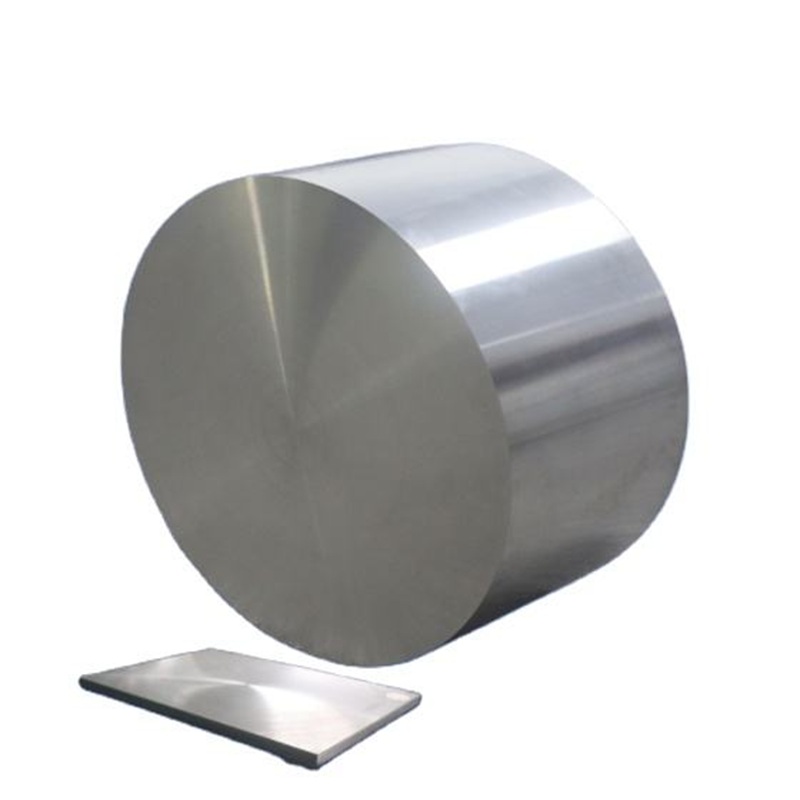
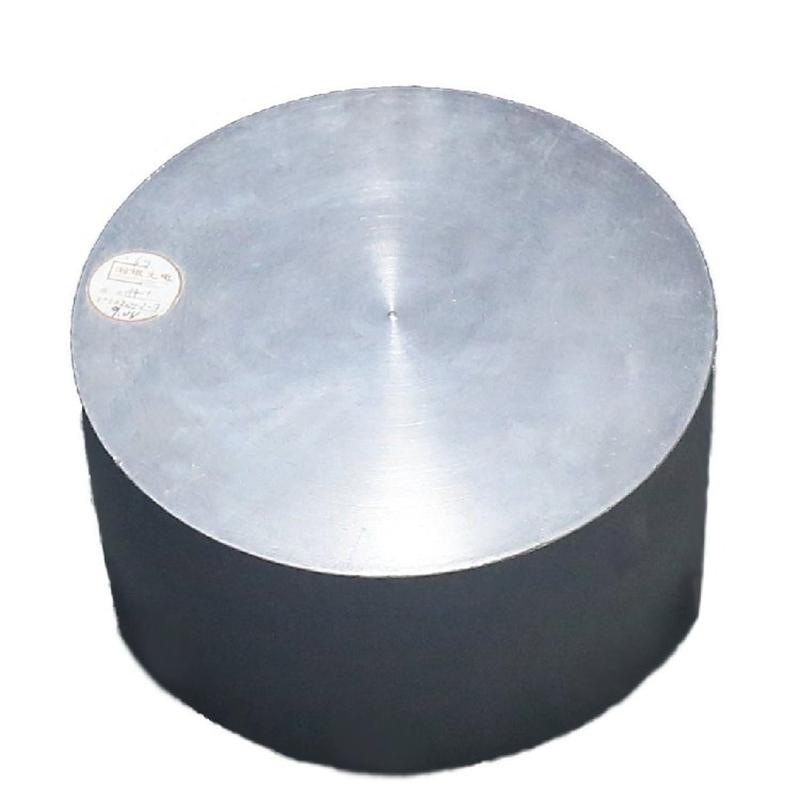
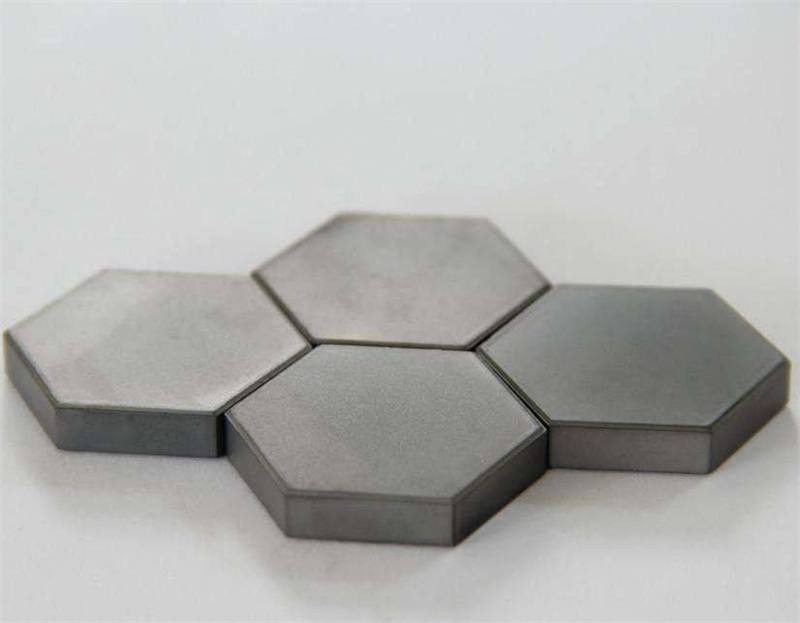
Aluminum-based silicon carbide, commonly referred to as AlSiC, is a metal matrix composite (MMC) in which silicon carbide (SiC) ceramic particles are uniformly distributed within an aluminum alloy matrix. The SiC reinforcement typically occupies 55–75 volume percent, while the remaining portion is aluminum or an aluminum alloy such as 6061 or A356. The result is a material that combines the low density and high thermal conductivity of aluminum with the stiffness and low thermal expansion of silicon carbide.
AlSiC is not a monolithic ceramic. It belongs to the composite family, and its behavior under thermal, mechanical, and machining conditions reflects contributions from both phases. Engineers often select AlSiC when a design demands a balance between lightweight construction, dimensional stability under temperature variation, and efficient heat removal.
Key Takeaways
AlSiC is a particle-reinforced metal matrix composite, not a pure ceramic.
Its coefficient of thermal expansion (CTE) can be tailored to match ceramic substrates such as alumina and aluminum nitride.
Thermal conductivity typically ranges from 160 to 200 W/m·K, depending on SiC content and matrix alloy.
The material is widely used in power electronics packaging, aerospace structures, and optical mounting systems.
Machining requires diamond tooling and careful process control.
Joining and surface finishing require methods compatible with both ceramic and metallic phases.
What Is Aluminum-Based Silicon Carbide?
AlSiC is produced by infiltrating a preform of SiC particles with molten aluminum under controlled conditions. The SiC particles act as a rigid skeleton, while the aluminum matrix fills the interstitial spaces and provides ductility, electrical conductivity, and thermal transport capability.
The microstructure is heterogeneous at the microscopic scale. Under magnification, one can observe angular SiC particles surrounded by a continuous aluminum phase. The interface between the two phases is critical: a strong but not overly brittle bond is necessary to transfer load effectively without creating premature failure paths.
Because the SiC phase dominates the volume, AlSiC behaves more like a ceramic in terms of stiffness and thermal expansion, but more like a metal in terms of machinability, electrical conductivity, and ease of forming into complex shapes.
Key Material Properties
The properties of AlSiC depend on the SiC volume fraction, the particle size distribution, and the specific aluminum alloy used as the matrix. The following ranges are representative of commonly used engineering grades.
Thermal Conductivity
Typical values fall between 160 and 200 W/m·K. This is significantly higher than most structural ceramics and comparable to some aluminum alloys, making AlSiC attractive for thermal management.
Coefficient of Thermal Expansion
The CTE can be adjusted from approximately 6 to 9 ppm/°C by varying the SiC content. This allows designers to match the expansion behavior of bonded substrates such as alumina (CTE ≈ 7 ppm/°C) or aluminum nitride (CTE ≈ 4.5 ppm/°C), reducing thermally induced stress in assembled devices.
Density
AlSiC typically has a density of 2.9 to 3.1 g/cm³, which is roughly one-third that of steel and slightly higher than pure aluminum. This makes it suitable for weight-sensitive applications.
Elastic Modulus
The elastic modulus generally ranges from 190 to 230 GPa, significantly stiffer than aluminum alloys (≈ 70 GPa) and approaching that of some structural ceramics.
Flexural Strength
Typical flexural strength is in the range of 350 to 500 MPa, depending on processing quality and SiC distribution uniformity.
Electrical Conductivity
Because the aluminum matrix is continuous, AlSiC is electrically conductive. This must be considered in applications where electrical isolation is required.
Advantages of AlSiC
Thermal Management
The combination of high thermal conductivity and low CTE makes AlSiC one of the few materials that can simultaneously manage heat and maintain dimensional stability. In power electronics, this reduces the risk of solder joint fatigue and substrate cracking during thermal cycling.
Weight Reduction
Compared to traditional heat sink materials such as copper or tungsten-copper composites, AlSiC offers substantial weight savings. This is particularly valuable in aerospace and portable electronic systems.
Tailorable CTE
By adjusting the SiC volume fraction, engineers can design a material whose expansion behavior closely matches the component it supports. This CTE-matching capability is a primary reason AlSiC is specified in optomechanical and electronic packaging applications.
Machinability
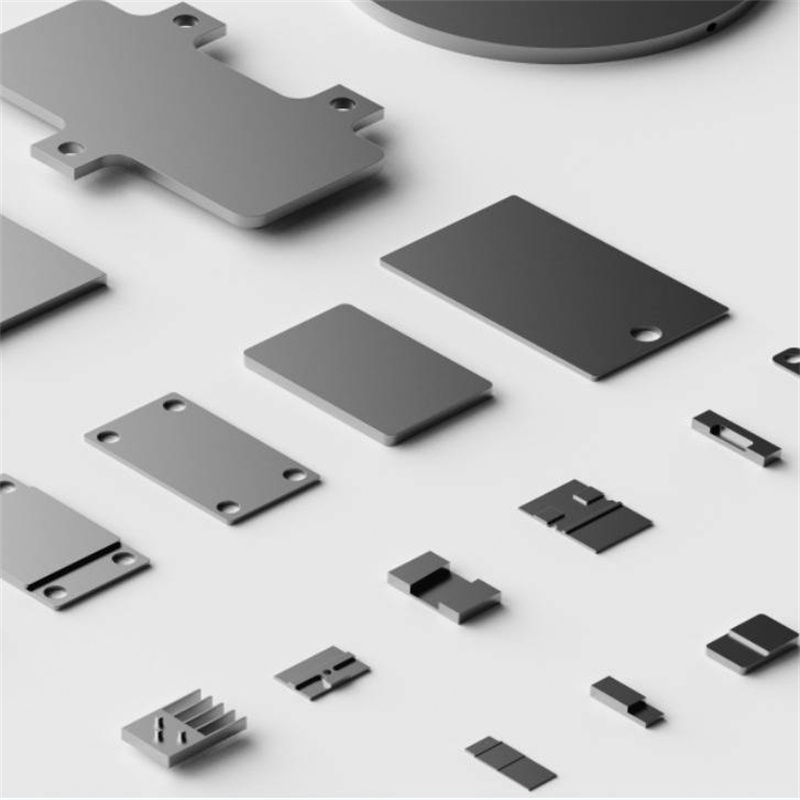
Unlike monolithic ceramics, AlSiC can be machined using diamond tooling with reasonable surface finishes and tolerances. Complex geometries such as finned heat sinks, mounting flanges, and hollow enclosures are achievable.
Structural Rigidity
The high elastic modulus provides excellent resistance to deflection under mechanical load, which is important for optical benches and precision instrument housings.
Limitations and Design Considerations
Machining Cost
Although AlSiC is more machinable than monolithic ceramics, it still requires polycrystalline diamond (PCD) or diamond-coated tooling. Tool wear is higher than with conventional aluminum machining, and cutting parameters must be carefully selected to avoid particle pullout and surface damage.
Brittleness
The high SiC content gives AlSiC a degree of brittleness not present in wrought aluminum. Impact loading, sharp notches, and stress concentrations should be avoided in design. Generous fillet radii and smooth transitions improve reliability.
Electrical Conductivity
The metallic matrix makes AlSiC electrically conductive. If electrical isolation is needed, an insulating coating or an intervening dielectric layer must be incorporated into the design.
Joining
Conventional welding is not practical for AlSiC due to the ceramic reinforcement. Joining is typically accomplished through adhesive bonding, mechanical fastening, or brazing with specialized filler materials. Surface preparation is important for achieving reliable bonds.
Corrosion
The aluminum matrix is susceptible to corrosion in aggressive environments, particularly in the presence of chlorides or at elevated temperatures in humid conditions. Protective coatings or anodizing may be necessary depending on the service environment.
Typical Applications
Power Electronics Packaging
AlSiC is widely used as a baseplate or heat spreader in IGBT modules, power inverters, and motor drive systems. Its CTE can be matched to ceramic substrates such as direct-bonded copper (DBC) alumina or aluminum nitride, reducing thermomechanical stress during operation.
Aerospace Structural Components
Satellite structures, optical bench mounts, and avionics housings benefit from the combination of low weight, high stiffness, and thermal stability. AlSiC components maintain dimensional accuracy across the wide temperature ranges encountered in orbit.
Semiconductor Manufacturing Equipment
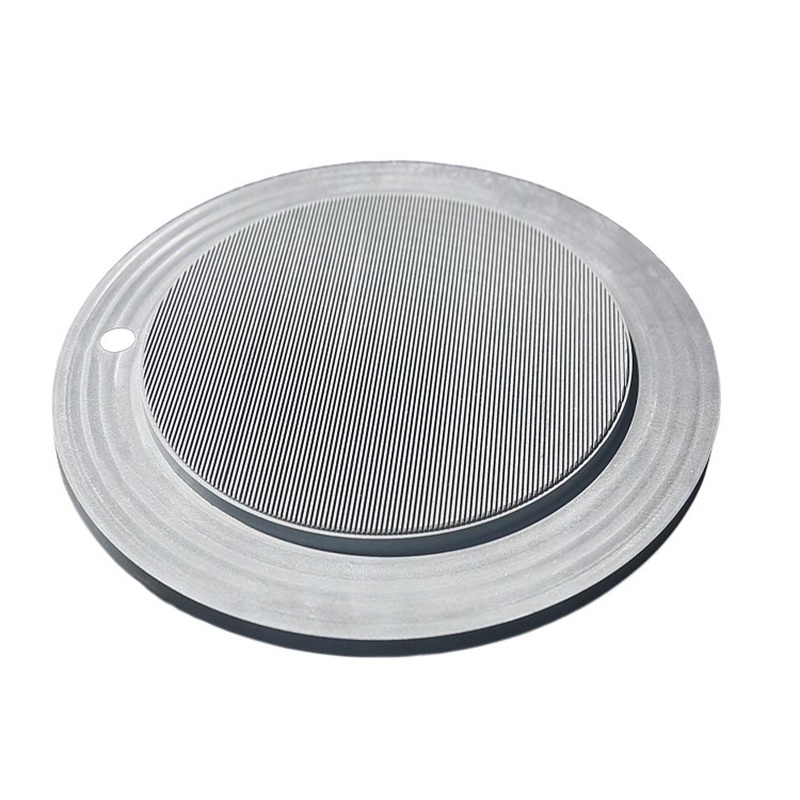
Wafer handling components, vacuum chuck plates, and lithography stage elements require materials with low CTE, high stiffness, and good thermal conductivity. AlSiC meets these requirements while being lighter than traditional ceramic alternatives.
Optical Systems
Mirror substrates, lens barrels, and laser mounting structures use AlSiC when dimensional stability under thermal variation is critical. The material’s ability to be precision machined allows tight tolerances on optical interfaces.
Automotive Electronics
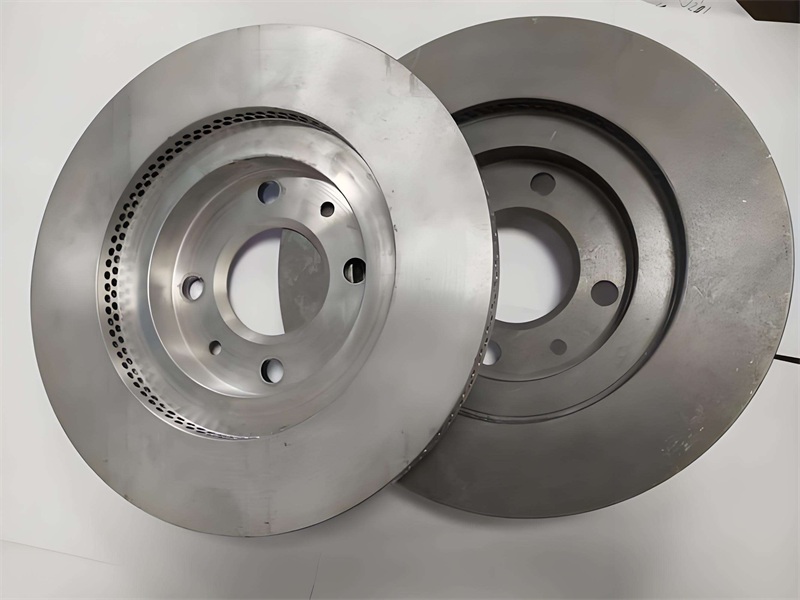
Electric vehicle power modules and battery management systems increasingly use AlSiC heat sinks and enclosures to manage the thermal loads generated by high-power switching devices.
Material Comparison
When selecting a thermal management or structural material, AlSiC is often compared with several alternatives.
AlSiC vs. Aluminum Alloys
Aluminum alloys such as 6061 offer higher ductility and lower machining cost but have a much higher CTE (≈ 23 ppm/°C) and lower stiffness. AlSiC is preferred when CTE matching or dimensional stability is required.
AlSiC vs. Copper
Copper has higher thermal conductivity (≈ 400 W/m·K) but a high CTE (≈ 17 ppm/°C) and significantly greater density (8.96 g/cm³). AlSiC is chosen when weight and CTE are more critical than maximum thermal conductivity.
AlSiC vs. Tungsten-Copper (WCu)
WCu composites offer very low CTE and good thermal conductivity but are extremely dense (≈ 16–18 g/cm³). AlSiC provides a lighter alternative with acceptable thermal performance for many applications.
AlSiC vs. Aluminum Nitride (AlN)
AlN is a monolithic ceramic with excellent thermal conductivity (≈ 170–230 W/m·K) and low CTE (≈ 4.5 ppm/°C), but it is brittle, difficult to machine, and electrically insulating. AlSiC offers easier fabrication and electrical conductivity at the cost of slightly lower thermal performance.
Manufacturing Overview
AlSiC is typically produced by pressure infiltration. A porous preform of SiC particles is placed in a mold, and molten aluminum is forced into the preform under controlled pressure and temperature. The process parameters—temperature, pressure, infiltration time, and atmosphere—are carefully managed to ensure complete filling and minimize porosity.
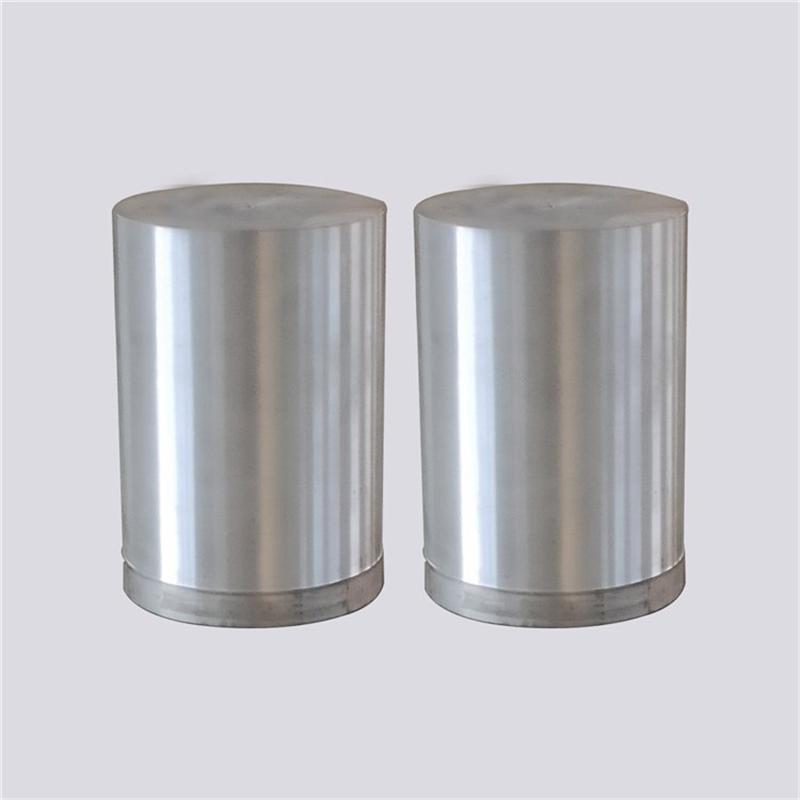
After infiltration, the composite billet is machined to final dimensions. Near-net-shape preforms can reduce machining time and material waste. Secondary operations such as surface grinding, drilling, and tapping are performed with diamond tooling.
Quality control typically includes density measurement, thermal conductivity testing, CTE measurement, and microstructural inspection to verify uniform SiC distribution and adequate infiltration.
Material Selection Guidance
When evaluating AlSiC for a specific application, consider the following factors:
Thermal load: Determine whether the required thermal conductivity falls within the AlSiC range or if a higher-conductivity material is needed.
CTE matching: Identify the CTE of the substrate or component being mounted and select an AlSiC grade with a compatible expansion coefficient.
Mechanical loading: Assess whether the application involves impact, vibration, or sustained static loads, and design accordingly.
Environmental exposure: Evaluate corrosion risk and determine whether protective treatments are necessary.
Machining complexity: Complex geometries increase cost; consider whether near-net-shape forming can reduce machining requirements.
Electrical requirements: If electrical isolation is needed, plan for coatings or insulating interfaces.
Frequently Asked Questions
What is the difference between AlSiC and silicon carbide ceramic?
Silicon carbide ceramic is a monolithic material composed entirely of SiC, offering very high hardness and thermal conductivity but significant brittleness. AlSiC is a composite in which SiC particles are embedded in an aluminum matrix. This gives AlSiC lower density, electrical conductivity, and better machinability compared to monolithic SiC, though with somewhat lower hardness and maximum service temperature.
Can AlSiC be welded?
Conventional fusion welding is generally not suitable for AlSiC because the ceramic particles do not melt and can cause defects in the weld zone. Joining is typically accomplished through adhesive bonding, mechanical fastening, or specialized brazing processes. If welding-like joining is required, friction stir processing or other solid-state methods may be explored on a case-by-case basis.
What is the maximum service temperature for AlSiC?
The maximum continuous service temperature depends on the aluminum alloy matrix. For common 6061-based AlSiC, the practical upper limit is approximately 200–250°C, beyond which the aluminum matrix begins to lose strength. Short-term exposure to higher temperatures may be acceptable depending on the load conditions, but long-term use above this range requires careful evaluation.
Is AlSiC electrically conductive?
Yes. Because the aluminum matrix forms a continuous phase, AlSiC conducts electricity. This is an important consideration in applications where electrical isolation is required. If isolation is needed, a dielectric coating or an insulating layer between the AlSiC component and adjacent parts must be incorporated.
How does AlSiC compare in weight to copper heat sinks?
AlSiC has a density of approximately 3.0 g/cm³, while copper is about 8.96 g/cm³. An AlSiC heat sink of the same volume as a copper one would weigh roughly one-third as much. This weight advantage is significant in aerospace, portable electronics, and electric vehicle applications where mass reduction directly impacts performance.
Can AlSiC be anodized or coated?
Yes, surface treatments such as anodizing, electroless nickel plating, and various organic coatings can be applied to AlSiC. However, the presence of SiC particles at the surface can affect coating uniformity and adhesion. Surface preparation, including grinding or polishing to expose a more uniform aluminum surface, may be necessary before coating.
What industries commonly specify AlSiC?
The primary industries include power electronics (IGBT modules, inverters), aerospace (satellite structures, optical benches), semiconductor manufacturing equipment, defense electronics, automotive power systems, and precision optical instrumentation. Any application requiring a combination of low CTE, good thermal conductivity, and moderate weight tends to be a candidate for AlSiC.
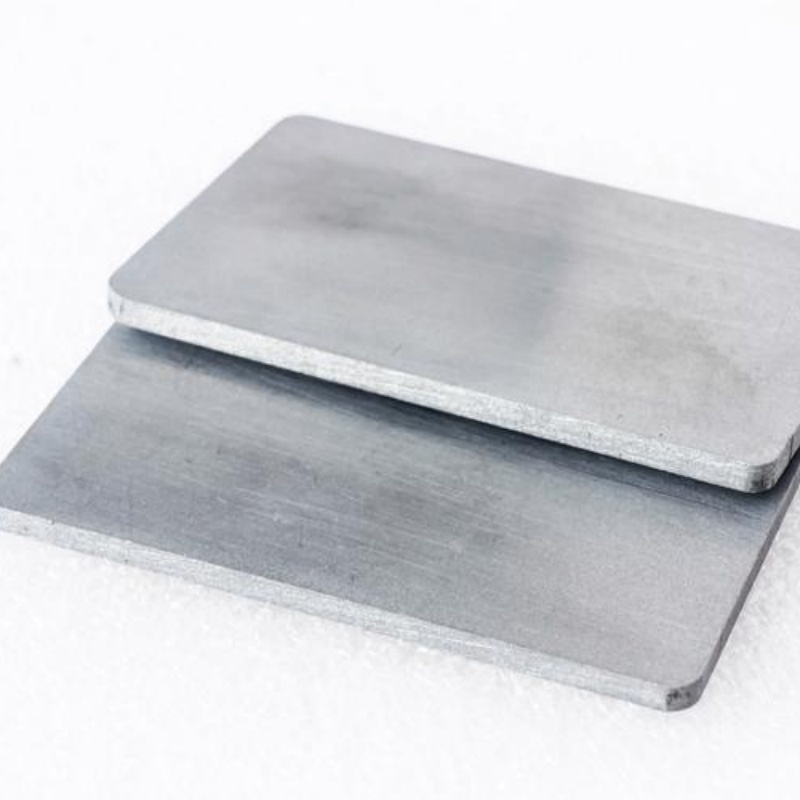
Aluminum-based silicon carbide occupies a distinctive position among engineering materials. It is not a ceramic, nor is it a conventional metal alloy. It is a composite that draws strength from the stiffness and thermal stability of silicon carbide while retaining the light weight, thermal conductivity, and machinability of aluminum.
For engineers designing power electronics, aerospace structures, optical systems, or thermal management solutions, AlSiC offers a practical balance of properties that few other materials can match. Its tailorable CTE, moderate density, and ability to be precision machined make it a valuable option when the design demands both thermal performance and dimensional stability.
As with any material selection, the decision to use AlSiC should be based on a clear understanding of the application requirements—thermal, mechanical, electrical, and environmental—and a realistic assessment of manufacturing and cost implications. When those factors align, AlSiC is a material that performs reliably in demanding engineering environments.