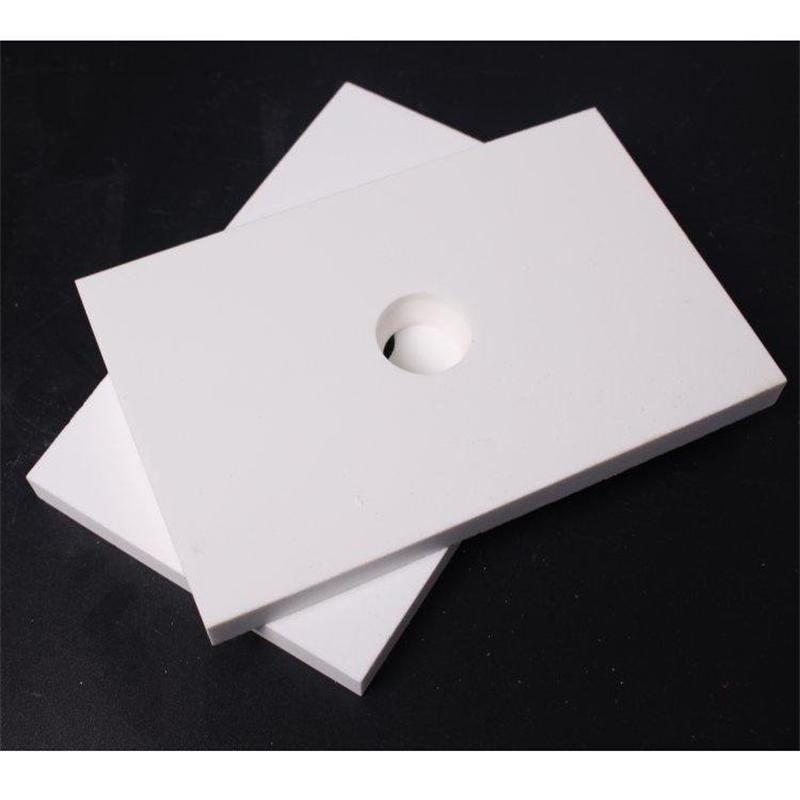
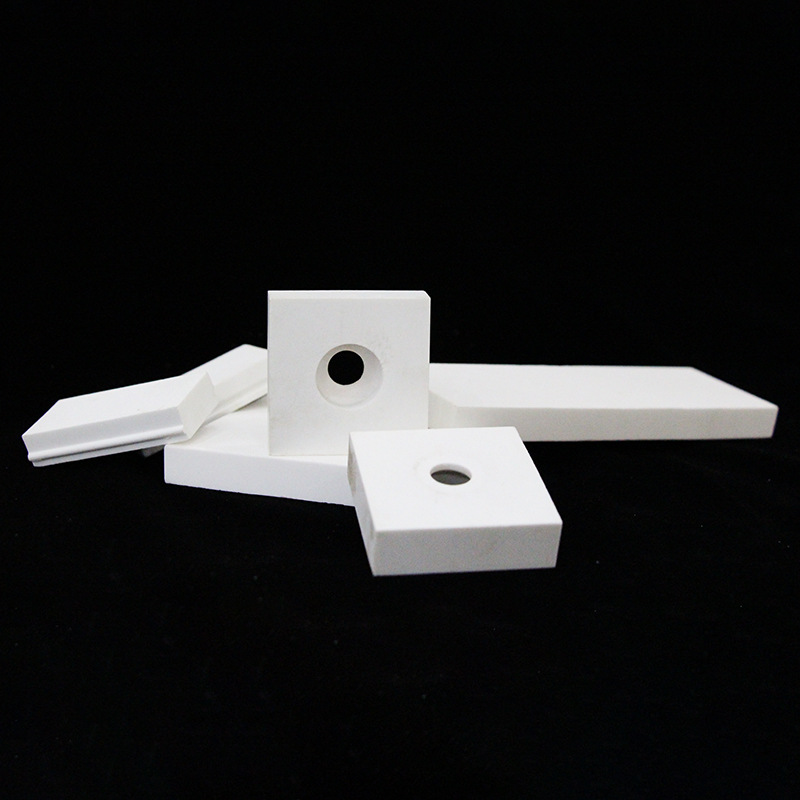
Alumina Industrial Ceramic Photovoltaic Backing Plates
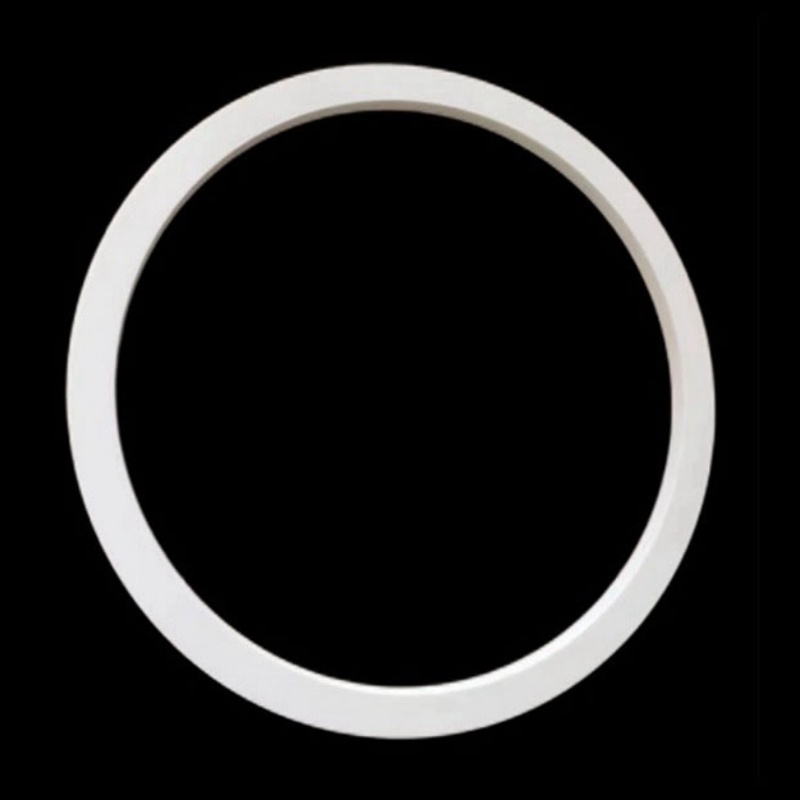
Alumina industrial ceramic photovoltaic backing plates are structural and insulating components used in photovoltaic manufacturing, testing, and handling equipment. They are not photovoltaic modules or backsheets themselves, but ceramic support surfaces that help position, isolate, thermally stabilize, or protect wafers, cells, substrates, and related components during processing, handling, or inspection. Their value in photovoltaic environments comes mainly from high electrical insulation, good dimensional stability, moderate thermal resistance, and strong resistance to mechanical wear and many chemical agents.
What an Alumina Photovoltaic Backing Plate Is
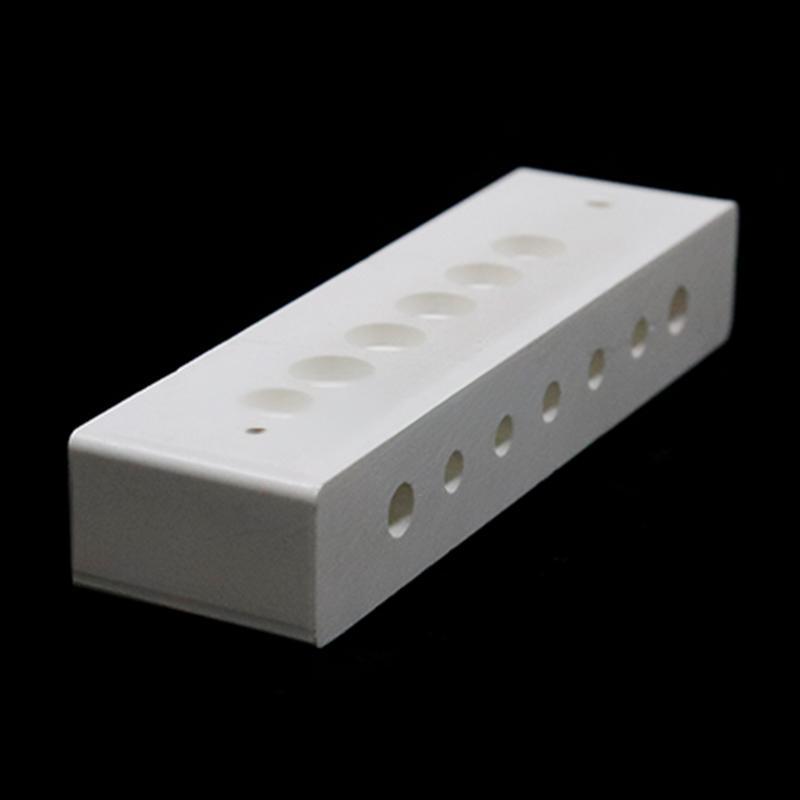
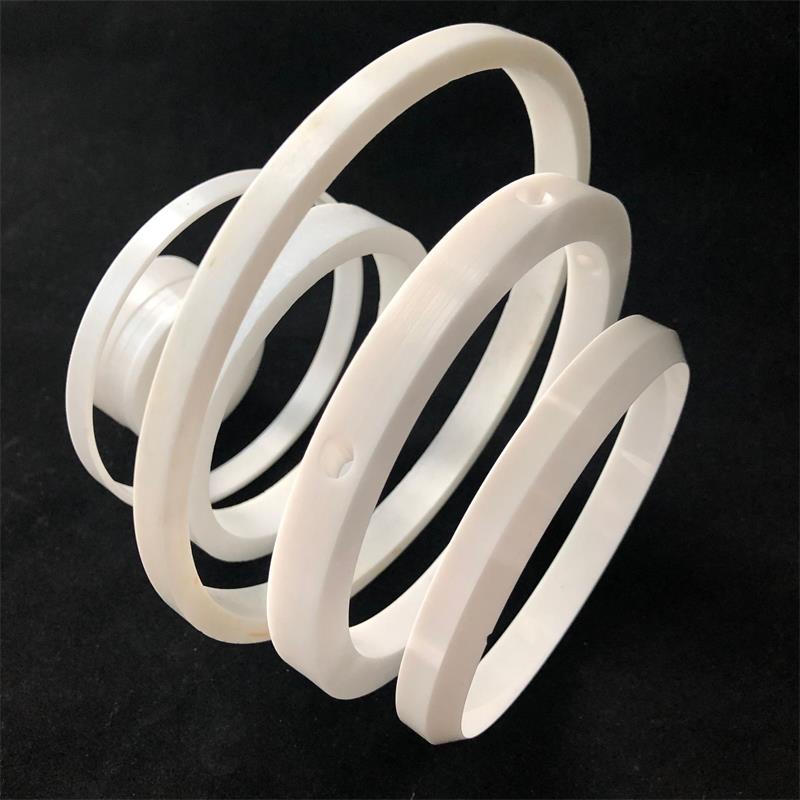
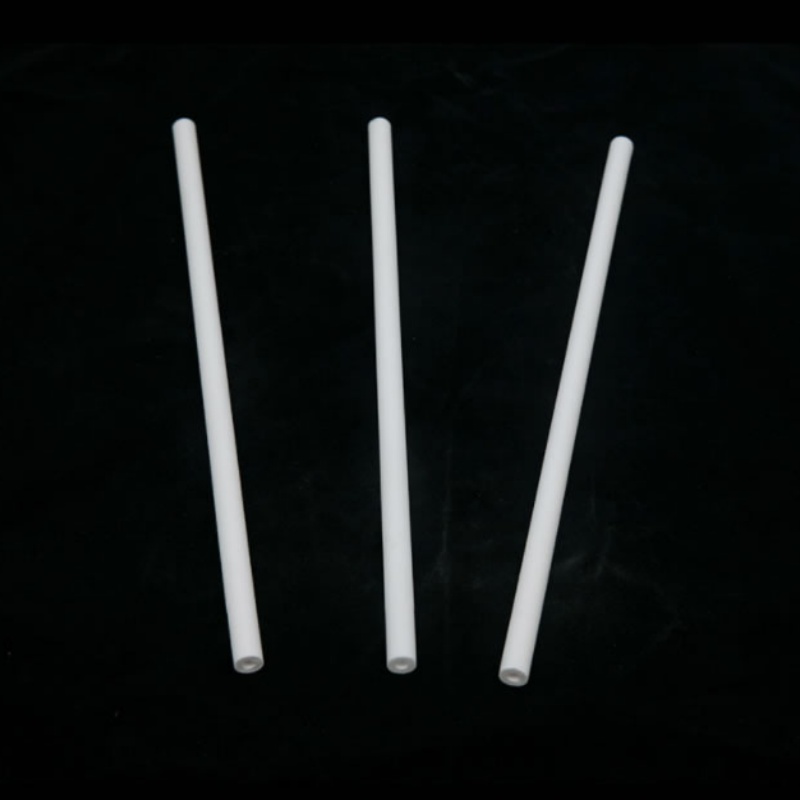
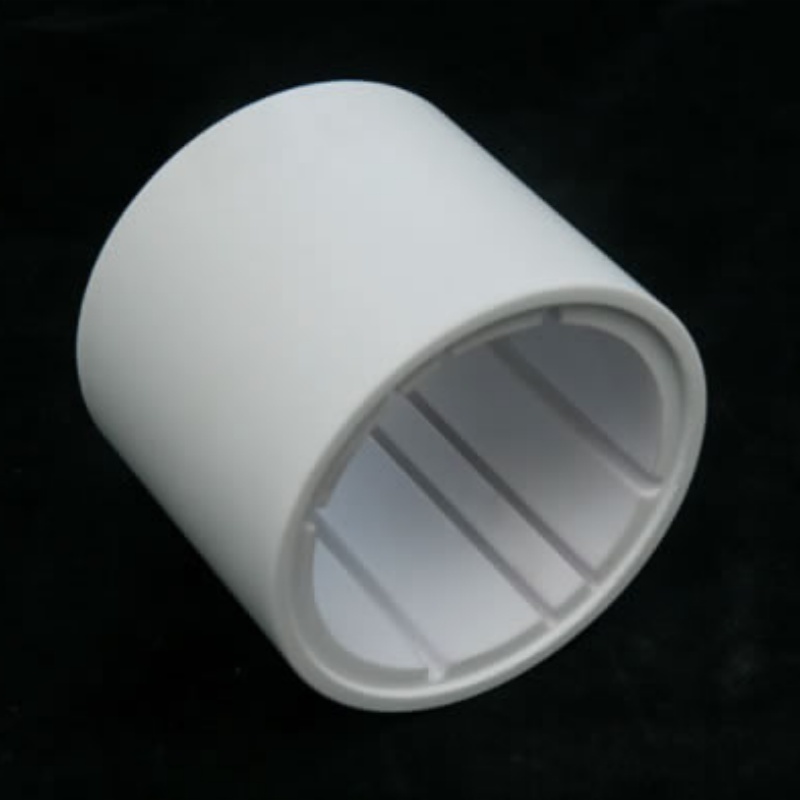
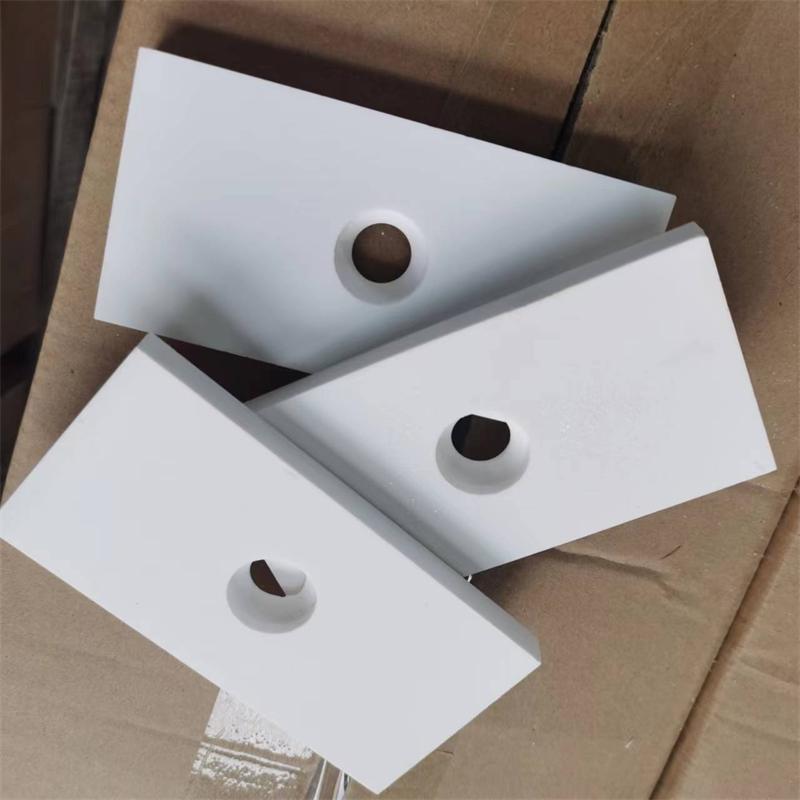
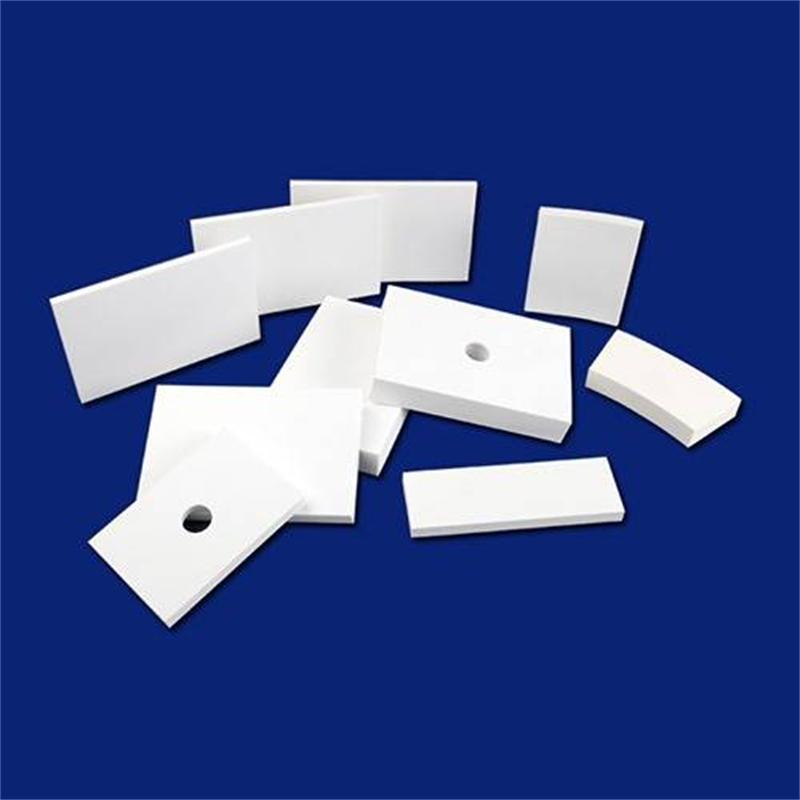
Alumina photovoltaic backing plate is typically a flat, machined, or sintered ceramic plate made primarily from aluminum oxide. It may serve as a support plate, isolation plate, positioning plate, or process tray inside photovoltaic production lines, laboratory test fixtures, or inspection systems. The term “backing plate” here refers to its mechanical role rather than to a photovoltaic backsheet or module rear cover.
These components are usually produced from high-purity alumina ceramics, with alumina content commonly ranging between about 90% and 99.9%. Higher alumina content generally improves electrical insulation, chemical stability, and high-temperature performance, but may also increase material cost and machining difficulty.
Why Alumina Is Suitable for Photovoltaic Equipment
Alumina ceramics have a strong ionic-covalent crystal structure that gives them high hardness, good stiffness, and stable electrical properties. In photovoltaic processing, components often need to remain electrically insulating while withstanding repeated thermal cycles, light mechanical loading, cleaning chemicals, or abrasive contact. Alumina can meet these requirements without introducing metallic contamination, which is important when handling semiconductor-grade or solar-grade surfaces.
Its relatively low thermal expansion also helps maintain dimensional stability during moderate heating and cooling. While alumina is not the most thermally shock-resistant ceramic available, it performs reliably when temperature changes are controlled and mechanical design avoids sharp stress concentration.
Key Performance Characteristics
Electrical insulation is one of the most important reasons alumina is selected for photovoltaic backing plates. High-purity alumina ceramics typically provide high resistivity and low dielectric loss, making them suitable for insulating fixtures, test plates, and isolation supports.
Mechanical hardness and wear resistance are also significant. Alumina’s high hardness helps resist abrasion from wafer carriers, rollers, cleaning tools, or other process components. This makes it more durable than many engineering plastics in repetitive handling applications.
Dimensional stability is another key benefit. Alumina’s low thermal expansion helps maintain flatness and positioning accuracy under moderate thermal load. This is particularly useful when components must remain aligned during testing or processing.
Chemical stability allows alumina backing plates to perform well in environments involving cleaning agents, mild acids, bases, or solvents commonly encountered in photovoltaic manufacturing. However, chemical resistance should always be confirmed for the specific process environment.
Thermal performance is generally adequate for many photovoltaic applications. Alumina remains stable at elevated temperatures, but it is sensitive to rapid thermal shock. Fast heating or cooling, uneven temperature distribution, or constrained expansion can increase fracture risk.
Fracture behavior must be considered during design. Alumina is brittle and has limited toughness, so it requires proper support, edge treatment, and avoidance of point loading. Surface defects, sharp corners, and uneven clamping can become failure initiation points.
The exact performance depends on alumina purity, grain size, sintering density, surface finish, and manufacturing method. For example, 99.5% alumina typically offers better electrical and chemical performance than 95% alumina, but the latter may be acceptable where extreme purity is not required.
Typical Specifications and Grades
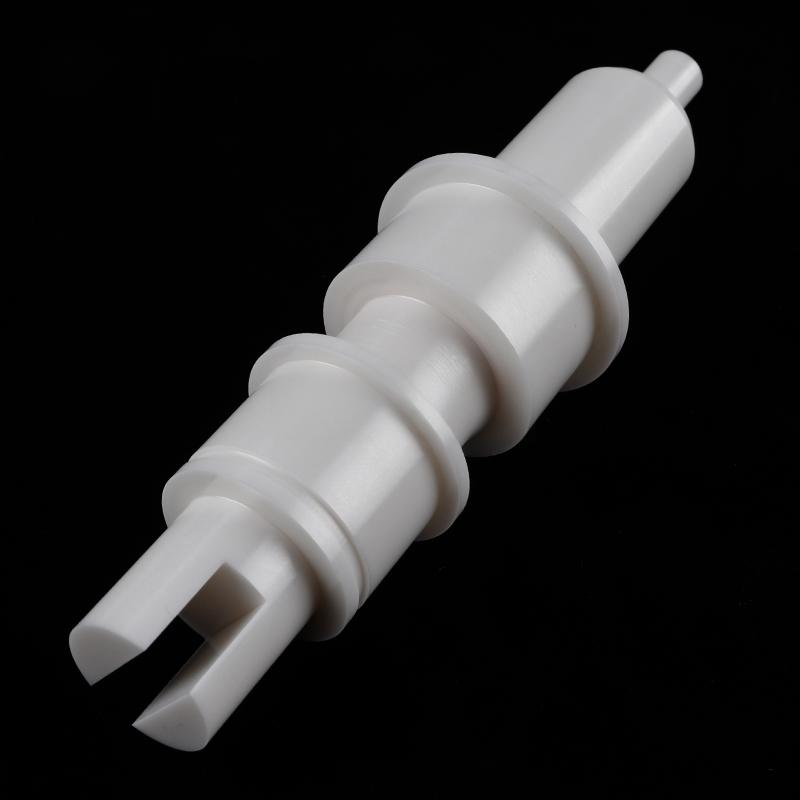
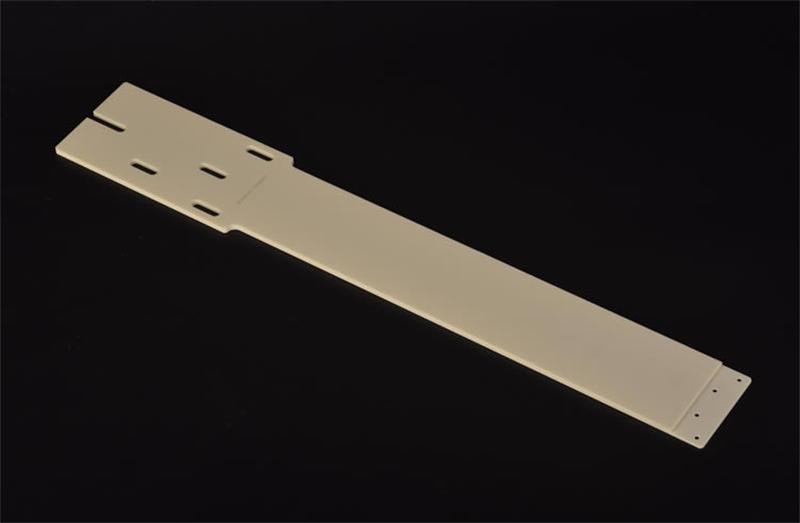
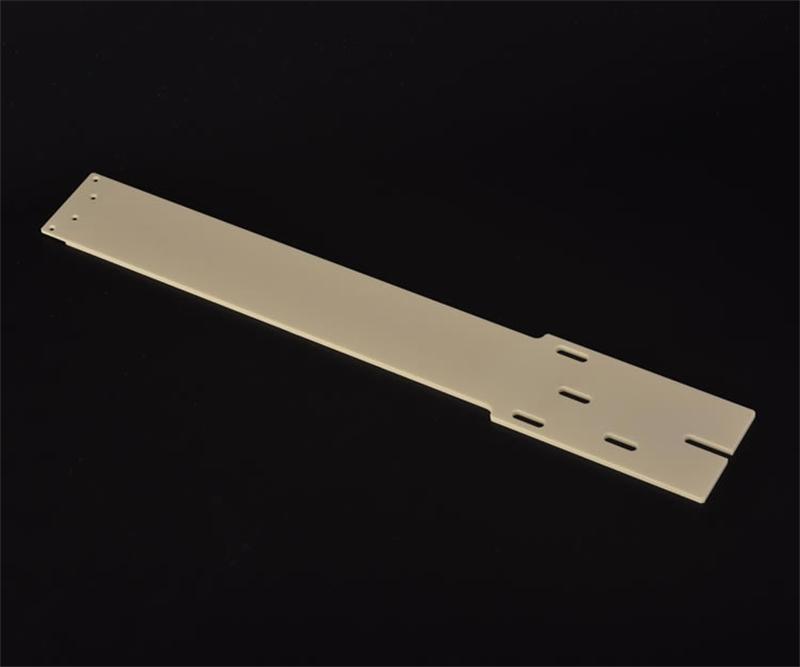
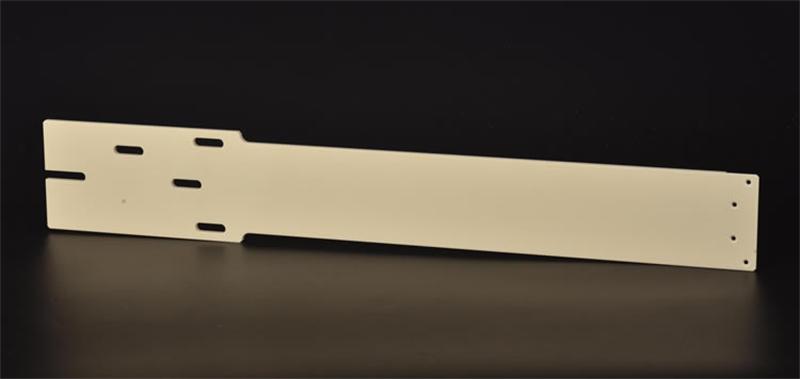
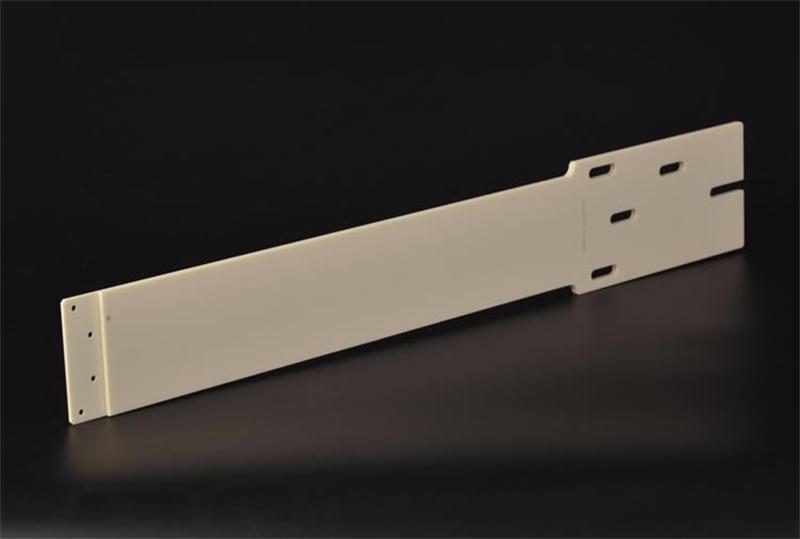
Alumina backing plates for photovoltaic applications are usually specified by alumina content, such as 95%, 99%, or 99.5% alumina. Plate dimensions, including length, width, and thickness, should be defined according to fixture requirements. Flatness and parallelism are important when the plate is used as a precision support surface. Surface finish may range from as-sintered to ground or polished surfaces, depending on the need for cleanliness, friction control, or dimensional accuracy. Hole patterns, slots, or locating features are often added to match equipment design. The operating temperature range should be confirmed based on the selected grade and actual application conditions.
There is no single universal specification for alumina photovoltaic backing plates. Engineers should define required flatness, insulation level, thermal exposure, chemical environment, and mechanical load before selecting a grade.
Common Applications in Photovoltaic Environments
Alumina ceramic backing plates are commonly used in wafer handling fixtures, where electrical isolation and surface cleanliness are important. They are also used as cell testing supports, where stable insulation and dimensional accuracy help maintain repeatable measurements. In thermal process trays, alumina provides moderate temperature resistance and low contamination risk. Insulating spacers or support plates are another common application, especially when conductive components in photovoltaic manufacturing equipment must be electrically separated. Alumina may also be used in cleaning and etching fixtures, where chemical resistance and mechanical rigidity are beneficial.
These components are especially suitable when the part must remain electrically insulating, resist surface wear, and maintain shape under moderate thermal or mechanical loading.
Advantages
Alumina photovoltaic backing plates offer several practical advantages. They provide excellent electrical insulation for process fixtures and test equipment. Their high hardness and wear resistance make them more durable than many plastics and some metals in abrasive environments. They show stable performance in many chemical environments encountered in photovoltaic processing. Their dimensional stability at moderate temperatures supports accurate positioning. Alumina also has a relatively mature material base with well-understood processing behavior.
Limitations and Design Precautions
Alumina ceramics also have important limitations. They are brittle and can fracture under impact, point loading, or uneven clamping. Their thermal shock resistance is lower than that of some advanced ceramics such as silicon nitride or certain zirconia-toughened materials. Surface defects, sharp corners, and poorly supported edges can become failure initiation points.
When specifying alumina backing plates, engineers should avoid excessive thermal gradients, ensure uniform mechanical support, specify appropriate edge chamfers, and confirm that the selected alumina grade can tolerate the actual chemical and thermal conditions.
When to Consider Other Ceramic Materials
Alumina is a strong default choice for insulating, wear-resistant photovoltaic fixtures. However, other ceramics may be more suitable in specific cases. Zirconia ceramics may be considered when higher fracture toughness is required, though they may have different electrical and thermal behavior. Silicon nitride may be preferred when thermal shock resistance and mechanical strength under cyclic loading are critical. Silicon carbide may be considered for very high thermal conductivity or extreme wear environments, but it is electrically conductive in many forms and therefore unsuitable where insulation is required. Material selection should be based on the actual combination of electrical insulation, thermal cycling, mechanical load, chemical exposure, and dimensional accuracy.
FAQ
What is an alumina photovoltaic backing plate used for?
It is mainly used as an insulating support, positioning plate, or process fixture in photovoltaic manufacturing, testing, and handling equipment.
Is alumina electrically insulating?
Yes. High-purity alumina ceramics generally provide high electrical resistivity and low dielectric loss, making them suitable for insulating components.
Can alumina backing plates withstand high temperatures?
They can withstand elevated temperatures typical of many photovoltaic processes, but they are sensitive to rapid thermal shock. Operating limits depend on alumina grade and component design.
What are the main advantages of alumina in photovoltaic fixtures?
Its main advantages include electrical insulation, wear resistance, chemical stability, dimensional stability, and relatively low contamination risk.
What are the main limitations?
Alumina is brittle, has limited fracture toughness, and can crack under impact, point loading, or severe thermal shock.
How does alumina compare with zirconia for backing plates?
Alumina generally offers better electrical insulation and chemical stability, while zirconia typically provides higher fracture toughness. The choice depends on whether insulation, wear resistance, or impact resistance is more critical.