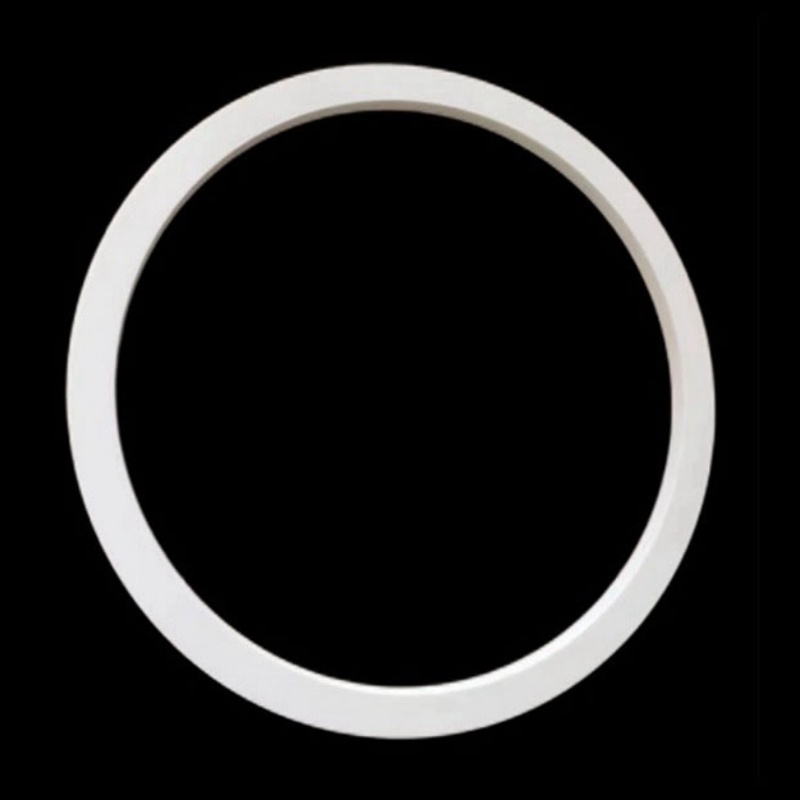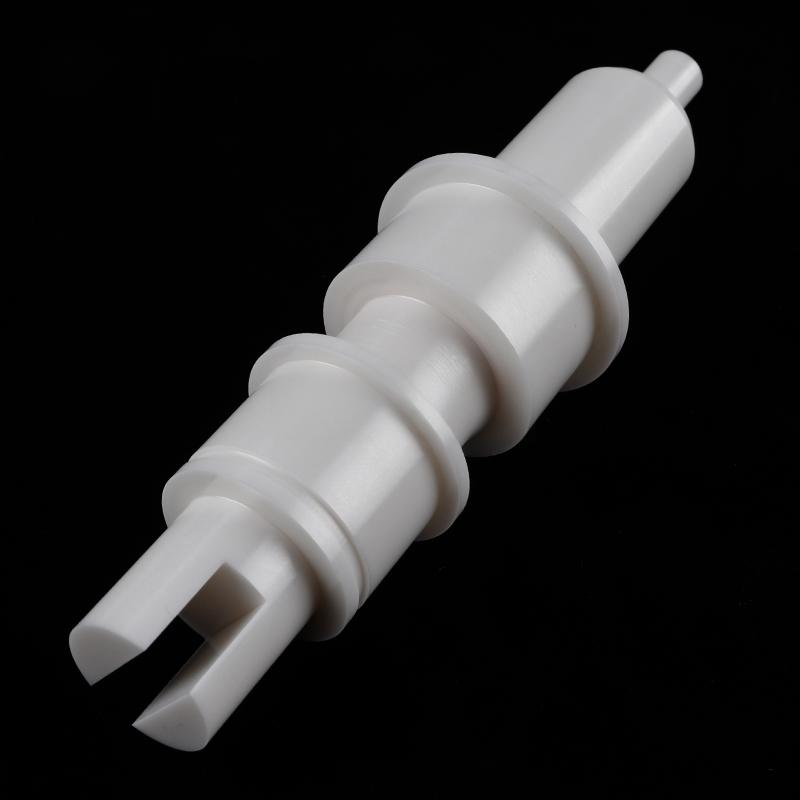
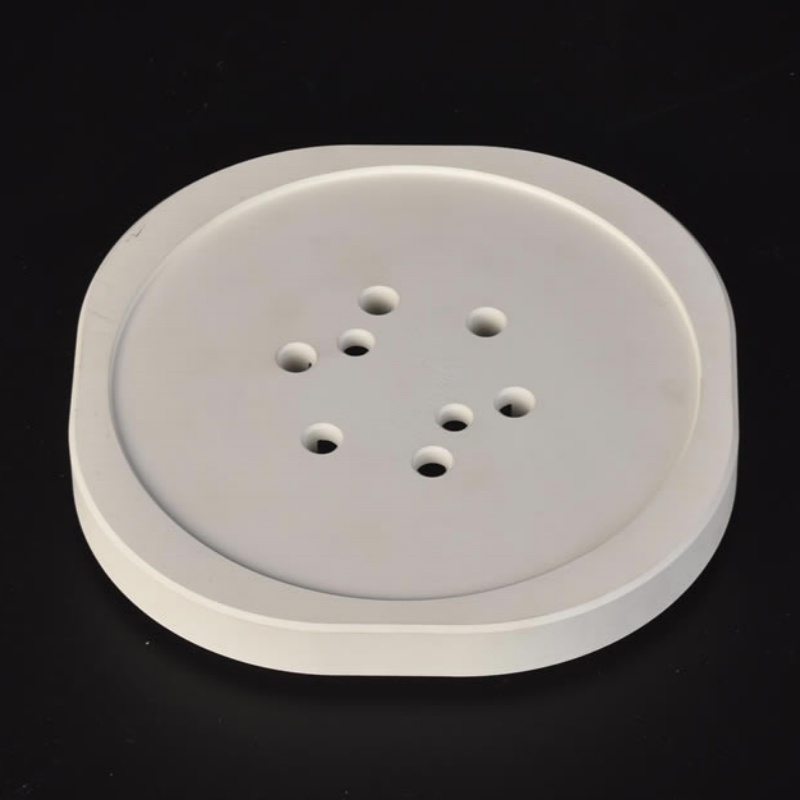
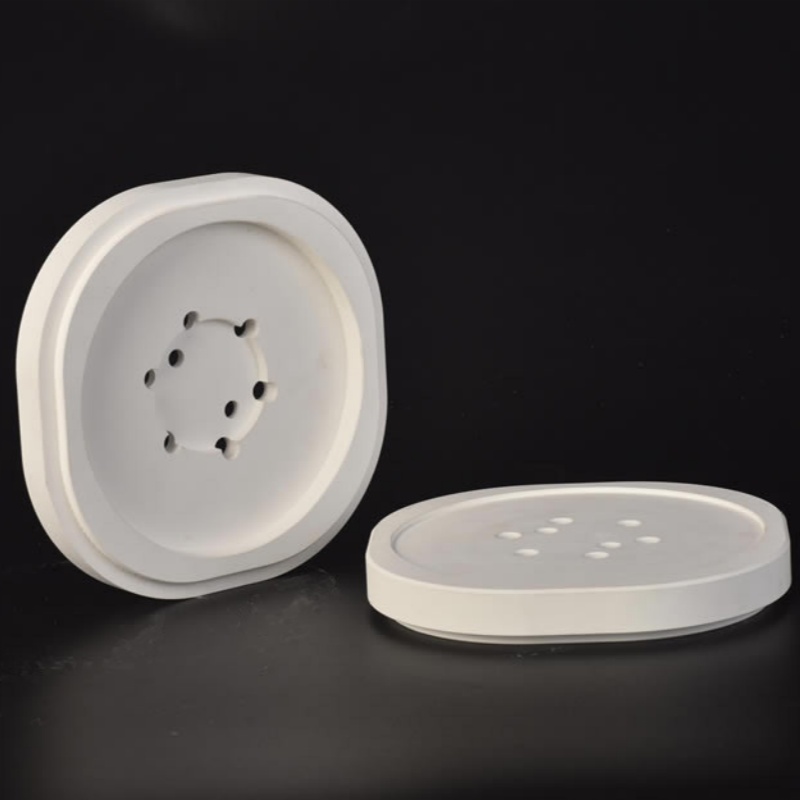
Alumina Ceramic Vibratory Bowl Feeders
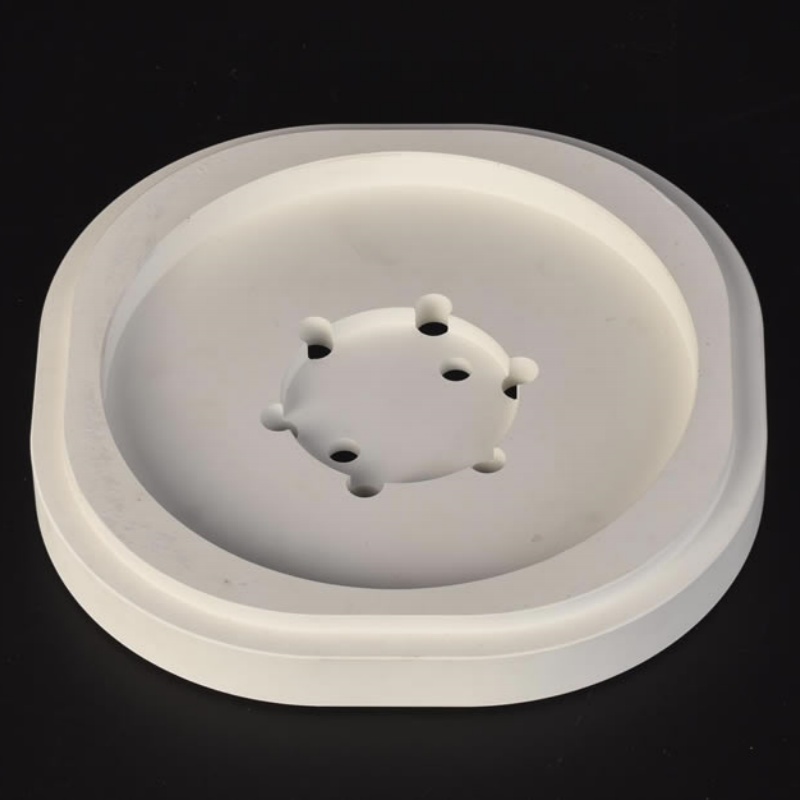
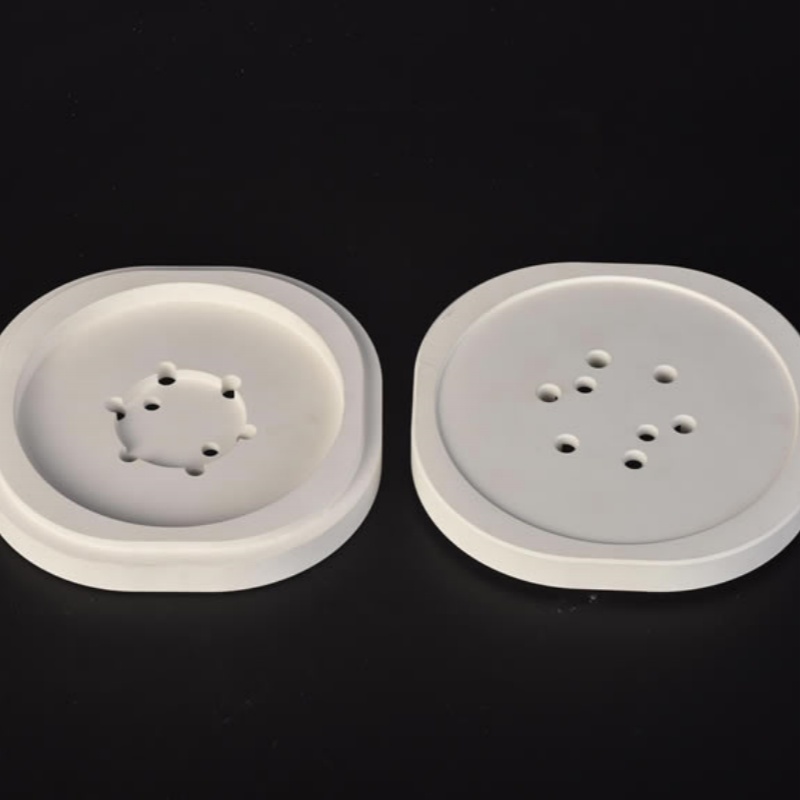
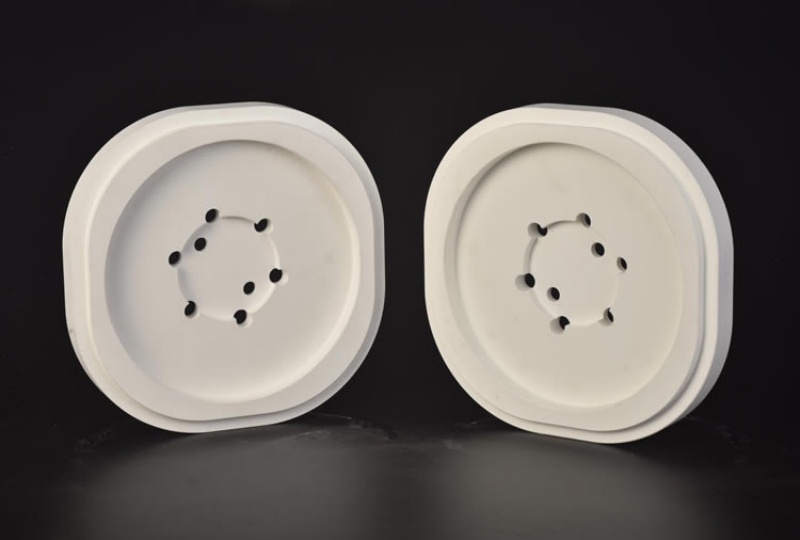
Alumina ceramic vibratory bowl feeders are ceramic-lined or ceramic-component feeding systems used to orient, convey and meter small parts, powders or granules under vibration. The ceramic portion is usually made from alumina, most commonly 95% alumina, because it combines adequate hardness, chemical stability, electrical insulation and cost efficiency. In practice, alumina is rarely chosen because it is the hardest or toughest ceramic available; it is selected because it offers a balanced performance profile for many medium-duty feeding, sorting and conveying tasks.
What alumina ceramic brings to vibratory feeding
Alumina’s engineering value in a vibratory bowl feeder comes from its dense, sintered microstructure. After high-temperature firing, alumina develops a hard, chemically inert surface with low porosity. This makes it resistant to abrasive sliding, fine-particle wear and many non-extreme chemical environments. Its electrical insulation is also important in some automated feeding systems, where static discharge, sensor interference or stray current paths must be minimized.
Typical properties of 95% alumina include a Vickers hardness around 1500–1800 HV, a density near 3.6–3.9 g/cm³, and a maximum continuous service temperature that can reach roughly 1500–1600°C depending on grade and atmosphere. Its volume resistivity is typically on the order of 10¹⁴ Ω·cm, which supports use in electrically sensitive assemblies. These values should be treated as representative ranges rather than universal specifications, because purity, sintering method and component geometry all affect final performance.
Where alumina ceramic bowl feeders are suitable
Alumina-lined or alumina-component vibratory bowls are most appropriate when the material being handled is relatively small, dry and free of heavy impact. Common use cases include feeding electronic components, fasteners, ceramic parts, pharmaceutical tablets, plastic granules, metal powder precursors and other precision components that require stable orientation and low surface contamination.
The smooth, dense ceramic surface helps reduce material adhesion and makes cleaning easier than with some uncoated metals. Alumina also avoids iron contamination, which matters in battery materials, electronic ceramics, advanced powders and other purity-sensitive processes. For light abrasive wear, mild chemical exposure and non-extreme thermal conditions, alumina provides dependable service without excessive cost.

Limitations engineers should anticipate
Alumina is not an ideal choice for every vibratory feeding application. Its main weakness is brittleness. Although alumina has moderate fracture toughness, it is far less impact-resistant than zirconia and less thermally shock-resistant than silicon carbide. If a bowl feeder handles heavy metallic parts, sharp-edged castings, large components or materials that drop from height, alumina linings or inserts may chip or crack.
Thermal shock resistance is another boundary. Alumina can withstand high steady-state temperatures, but rapid temperature changes create internal stress. Applications involving frequent heating-cooling cycles, localized hot spots or sudden cooling should be evaluated carefully. In addition, alumina is not the best option when extremely low friction, ultra-high toughness or severe dry-sliding wear is required.
How alumina compares with zirconia and silicon carbide
Choosing ceramic for a vibratory bowl feeder is less about finding the “best ceramic” and more about matching the dominant failure mode.
Alumina vs zirconia: Zirconia offers much higher fracture toughness and better resistance to impact and edge chipping. It is preferable when parts are heavy, sharp or prone to dropping. Alumina is usually more cost-effective and provides better electrical insulation, making it suitable for lighter-duty, electrically sensitive or purity-sensitive feeding.
Alumina vs silicon carbide: Silicon carbide has higher hardness, better thermal conductivity and superior thermal shock resistance. It is more suitable for severe abrasive wear, high-temperature gradients or aggressive sliding contact. However, it is typically more expensive and more difficult to machine. Alumina remains attractive when conditions are moderate and budget matters.
Material selection guidance
Alumina ceramic vibratory bowl feeders should be considered when the application requires:
moderate abrasive resistance;
low metal contamination;
stable electrical insulation;
good chemical stability in non-extreme media;
smooth, cleanable contact surfaces;
predictable performance at moderate cost.
Consider zirconia when impact resistance and crack resistance are dominant concerns. Consider silicon carbide when extreme wear, high thermal conductivity or severe thermal cycling is expected. For many general-purpose feeding and sorting tasks, alumina remains a practical engineering default rather than a premium extreme-performance material.
FAQ
What is an alumina ceramic vibratory bowl feeder?
It is a vibratory feeding system that uses alumina ceramic for contact surfaces, liners, tracks or inserts to improve wear resistance, cleanliness and chemical stability.
Is alumina ceramic electrically insulating?
Yes. Alumina has high volume resistivity and low dielectric loss, making it suitable for applications where electrical isolation or reduced static interference is desirable.
Can alumina ceramic withstand high temperatures?
Alumina can endure high steady-state temperatures, often up to about 1500–1600°C depending on grade, but it is less tolerant of rapid thermal shock than silicon carbide.
What are the main limitations of alumina in bowl feeders?
Its brittleness and moderate fracture toughness make it vulnerable to impact, heavy parts, sharp edges and sudden mechanical shock.
When should zirconia be considered instead?
Zirconia is preferable when the feeder handles heavy, sharp or high-impact components, because it offers significantly higher toughness.
Is alumina suitable for all powders and granules?
It is suitable for many dry, fine or medium-abrasive materials, but highly aggressive wear environments or severe thermal cycling may require silicon carbide or another specialized ceramic.