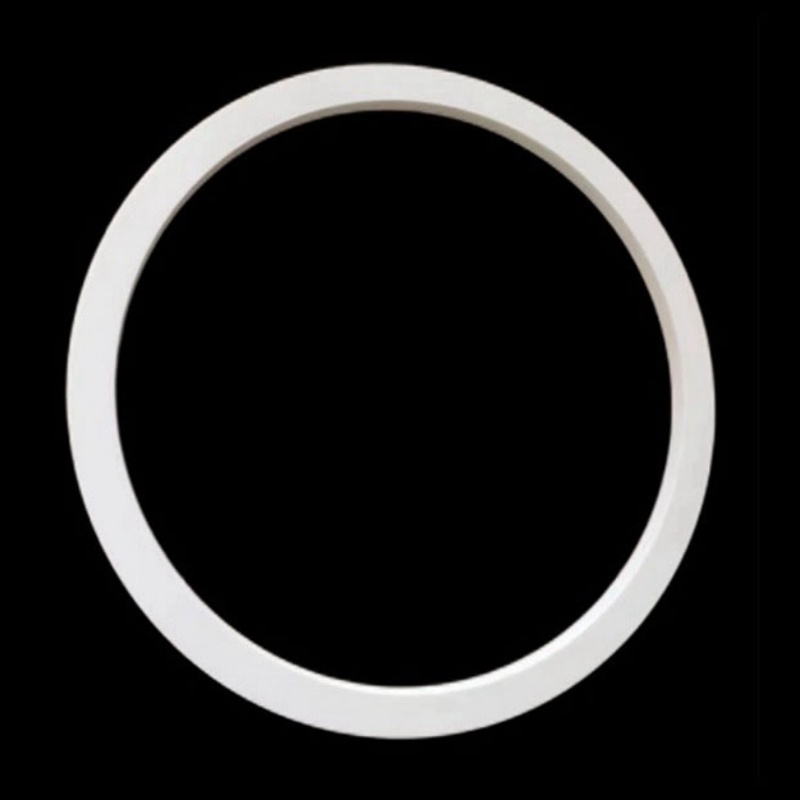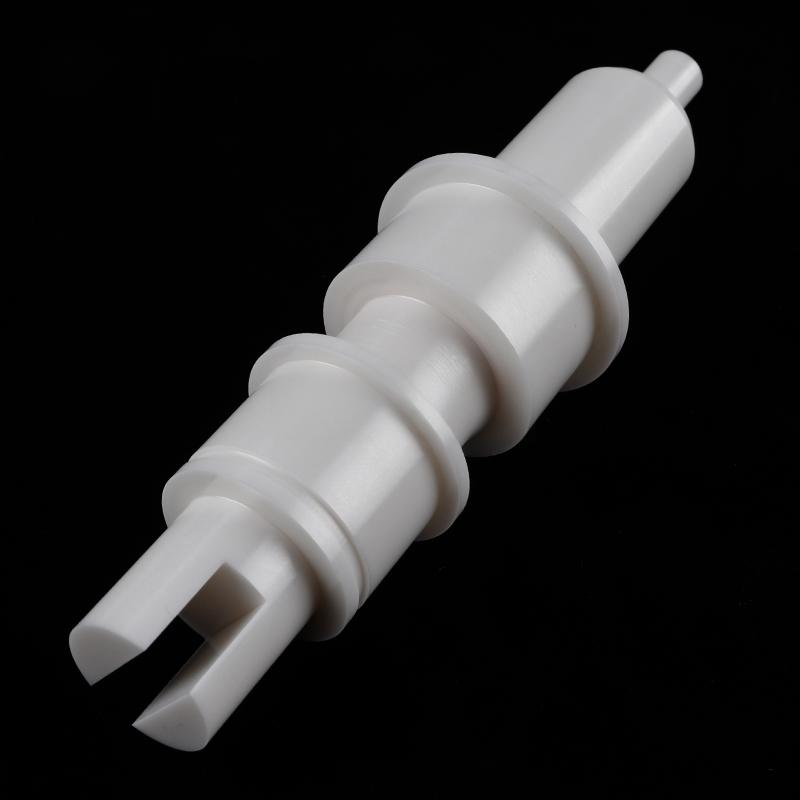
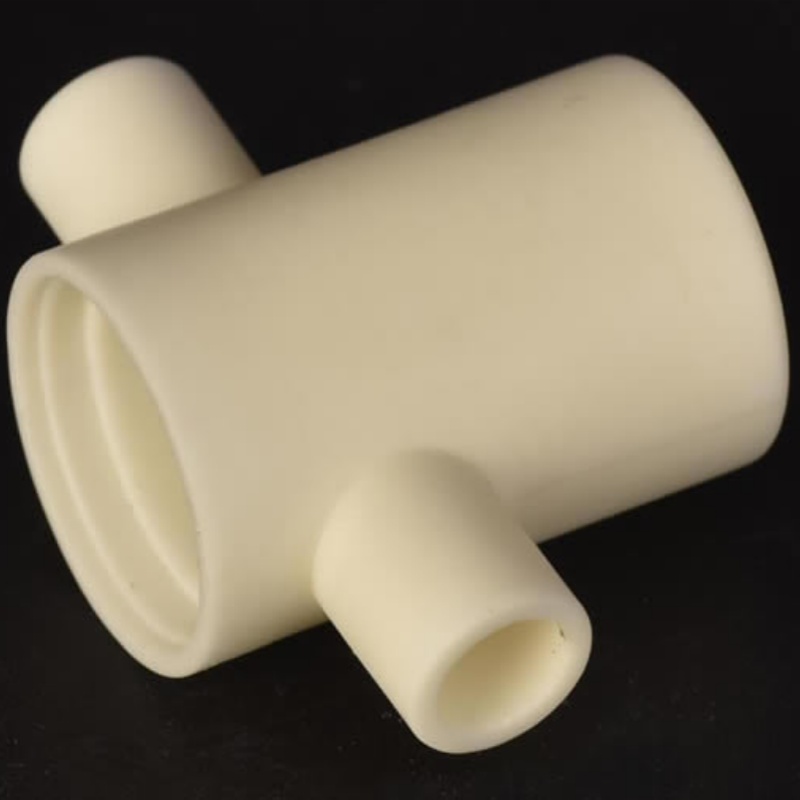
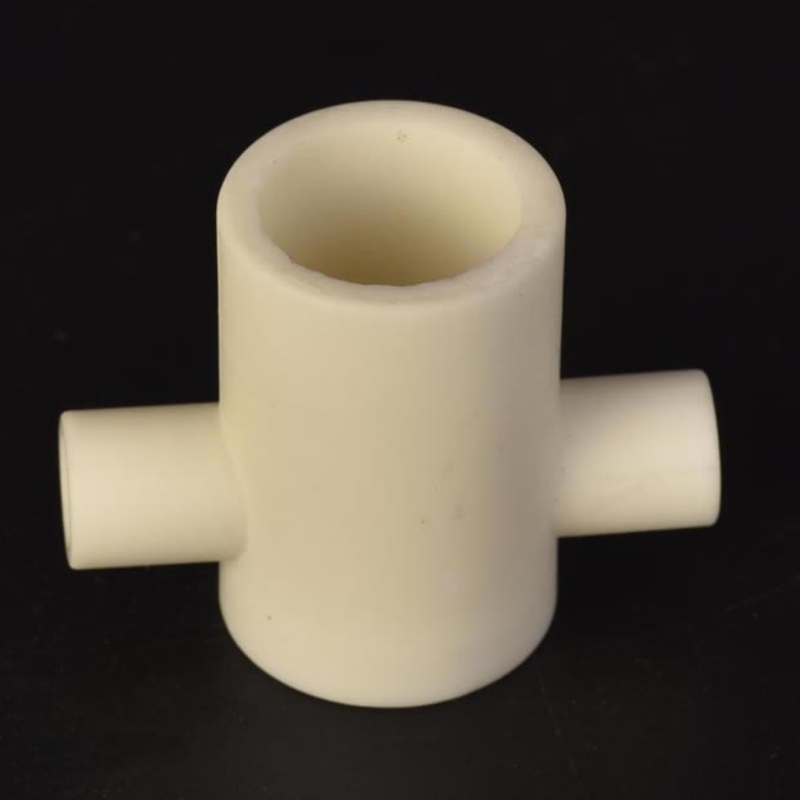
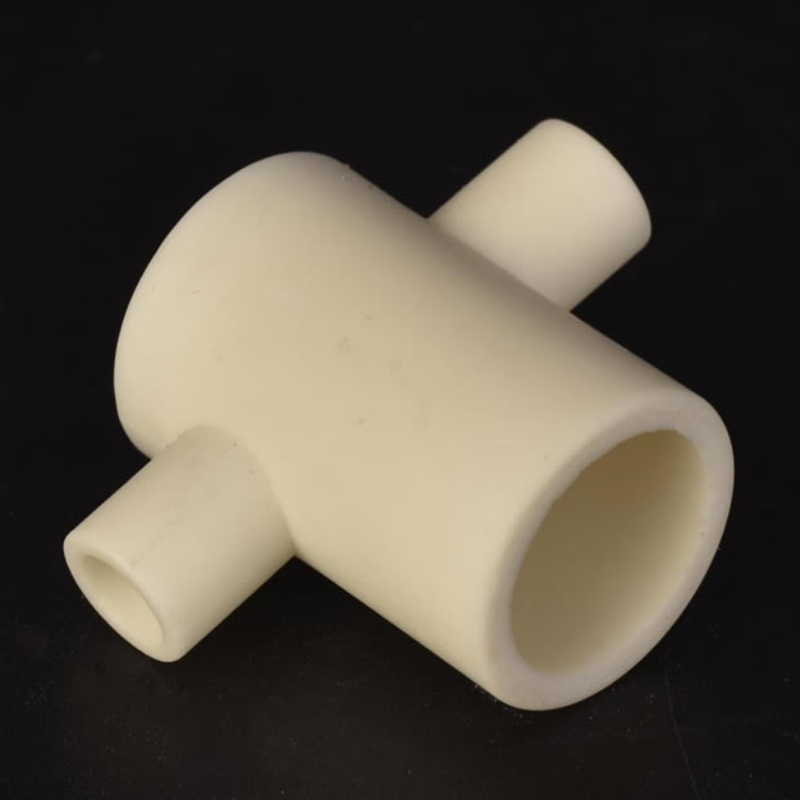
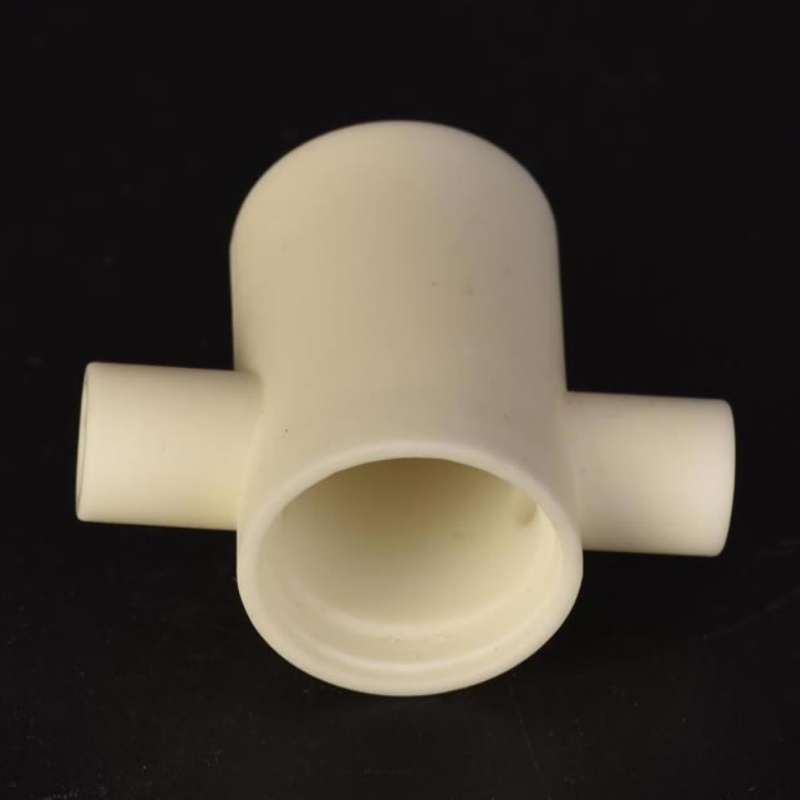
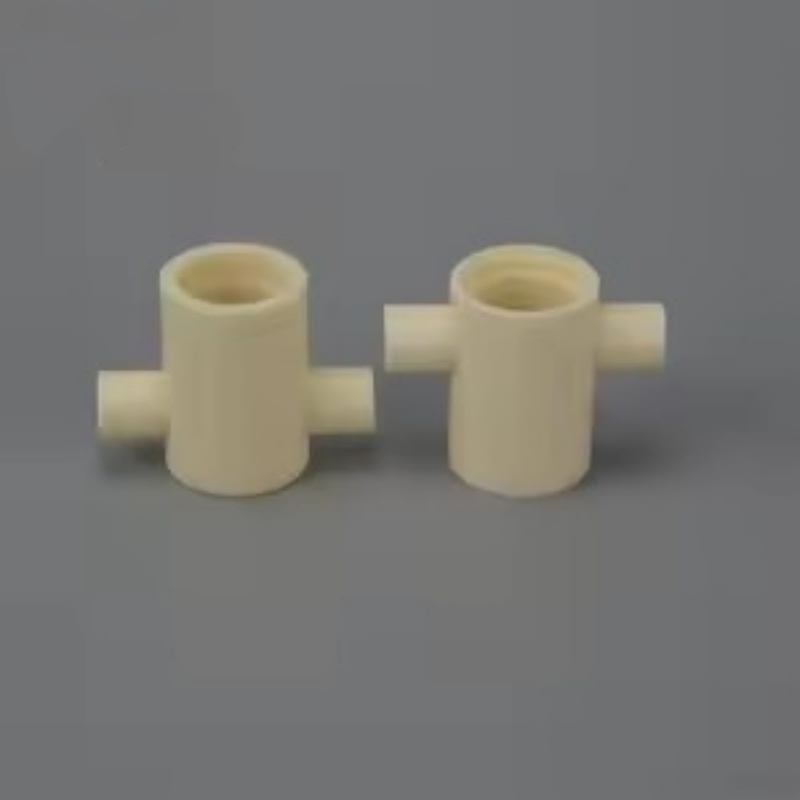
Alumina Ceramic Valve Sleeves and Valve Cores
Alumina ceramic valve sleeves and valve cores are high-precision wear components used in fluid dispensing, metering, jetting, and dosing systems. Their main engineering value lies in combining high hardness, good chemical stability, dimensional stability, and reliable sliding wear resistance within a compact valve assembly. In dispensing applications, the sleeve and core work as a matched pair: the core moves or rotates inside the sleeve to control fluid flow, while both parts must maintain tight clearance, surface integrity, and long-term dimensional stability under repeated cycles.
What alumina ceramic valve sleeves and cores do
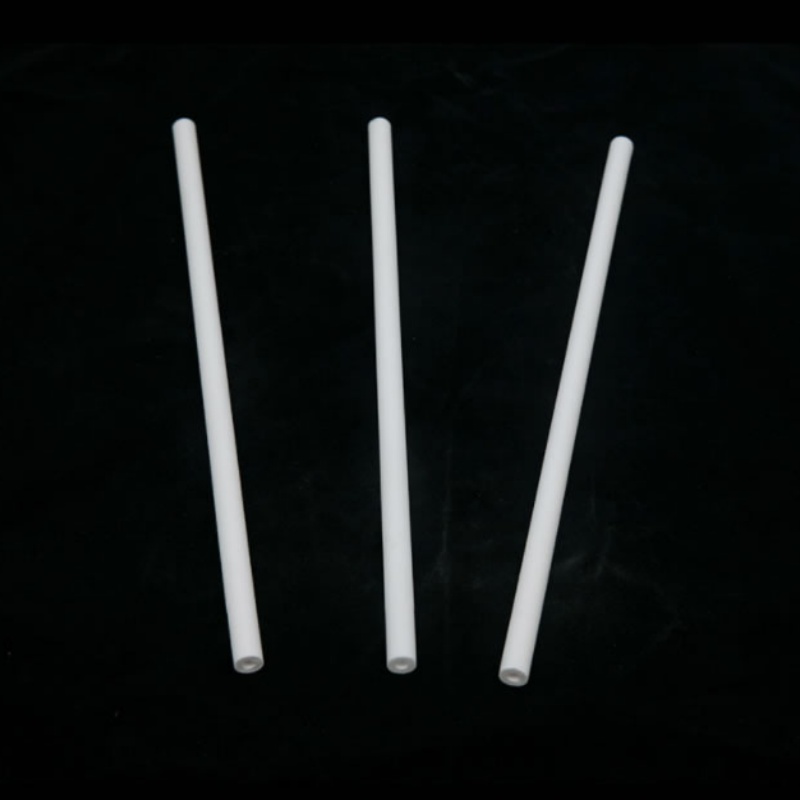
A dispensing valve sleeve typically forms the stationary sealing and guiding surface, while the valve core acts as the moving sealing element. Depending on valve design, the core may provide needle-type sealing, rotary flow control, or sliding metering. Because the fluid path is narrow and the sealing interface is small, even minor wear, corrosion, or surface roughness can change flow rate, cause dripping, or reduce service life.
Alumina ceramic is widely used for these components because it provides a stable ceramic surface that resists abrasion from filled fluids, maintains geometry under mechanical load, and remains compatible with many industrial chemicals.
Why alumina is suitable for dispensing valve components
Alumina, or aluminum oxide, is a polycrystalline oxide ceramic with strong ionic-covalent bonding. This structure gives it high hardness, good compressive strength, and stable chemical behavior. In dispensing valve sleeves and cores, the most relevant properties are surface hardness, wear resistance, low adhesion to many polymers and adhesives, and resistance to chemical attack from solvents, resins, and cleaning agents.
High-purity alumina also provides good electrical insulation and low moisture absorption. These properties are useful when the valve is used near electronic assemblies, sensors, or cleaning processes where stray conductivity or fluid absorption could affect performance.
Key performance characteristics
Alumina ceramic valve sleeves and cores are typically made from 95–99.9% alumina grades. Higher purity grades generally offer better hardness, wear resistance, and chemical stability, while slightly lower purity grades may provide improved toughness or cost efficiency for less demanding conditions.
Typical engineering characteristics include:
High hardness and wear resistance: Suitable for sliding or reciprocating contact with abrasive fillers such as silica, alumina powder, or glass beads.
Good chemical resistance: Resistant to many acids, alkalis, solvents, and organic fluids encountered in adhesives, coatings, and electronic materials.
Dimensional stability: Low deformation under load helps maintain consistent valve clearance and sealing behavior.
Smooth sealing surface: Fine-grained alumina can be ground and polished to low surface roughness, reducing friction and fluid retention.
Electrical insulation: Useful in semiconductor, electronics, and precision dispensing environments.
Thermal stability: Suitable for moderate-temperature dispensing and cleaning processes, though not intended for extreme thermal shock conditions.
Exact properties depend on alumina purity, grain size, sintering quality, and machining accuracy. Designers should treat published data as grade-dependent rather than universal.
Typical applications in dispensing systems
Alumina ceramic valve sleeves and cores are commonly used in:
SMT and semiconductor dispensing: For epoxy underfill, die attach, encapsulants, and precision adhesives where contamination control and dimensional stability are important.
Adhesive and sealant metering: For one- or two-component adhesives, UV curable resins, and filled polymers that may cause wear in metal components.
Thermal interface material dispensing: For gap fillers and thermal pastes containing ceramic or metal fillers.
Medical device assembly: Where chemical compatibility and cleanability are required, provided the design meets applicable regulatory and biocompatibility requirements.
Laboratory and analytical fluid handling: For corrosive or abrasive reagents that demand chemically stable flow paths.
In these applications, alumina is selected not because it is universally superior, but because it maintains sealing geometry and surface condition longer than many softer materials when abrasive or chemically active fluids are present.

Advantages compared with metals and polymers
Compared with stainless steel, alumina ceramic offers higher hardness and better resistance to abrasive wear, especially when dispensing filled adhesives or slurries. It also resists many chemicals that can attack metal seals or cause corrosion products to contaminate the fluid path.
Compared with polymer or PEEK components, alumina provides much higher stiffness, better dimensional stability, and superior resistance to swelling, creep, and solvent attack. This makes ceramic sleeves and cores more suitable when tight clearance control and long-term sealing consistency are required.
Limitations and design considerations
Alumina ceramic is brittle compared with metals. It has low fracture toughness and can crack under impact, excessive assembly force, or uneven clamping. Valve housings and mounting structures should avoid point loading and should allow accurate alignment between sleeve and core.
Thermal shock resistance is moderate. Rapid temperature changes between hot fluid, cold cleaning agents, or heated valve bodies can induce cracking if the design does not accommodate thermal expansion. Alumina is also harder to machine than metal, so complex internal geometries may increase manufacturing cost.
Surface finish and dimensional tolerance are critical. A poorly finished sealing surface can increase wear, cause leakage, or trap viscous fluids. Because the sleeve and core function as a matched pair, clearance must be controlled according to fluid viscosity, operating pressure, and motion type.
When to choose alumina, and when to consider alternatives
Alumina ceramic valve sleeves and cores are a strong choice when the dispensing fluid is abrasive, chemically aggressive, or sensitive to metallic contamination, and when the valve requires stable sealing geometry over many cycles.
Zirconia may be considered when higher fracture toughness is needed, especially in applications with higher mechanical shock or tighter impact risk. Silicon carbide can be considered for extreme wear resistance and higher thermal conductivity, though it is often more difficult and costly to machine. For low-abrasion, low-pressure, or highly impact-prone environments, engineered polymers or hardened metals may still be more practical.
FAQ
What is an alumina ceramic valve sleeve and core used for?
It is used as a wear-resistant sealing pair in dispensing, jetting, and metering valves, especially for adhesives, filled resins, electronic materials, and chemically aggressive fluids.
Is alumina ceramic electrically insulating?
Yes. High-purity alumina is an electrical insulator, which is beneficial in semiconductor and electronics-related dispensing environments.
Can alumina valve components handle abrasive fluids?
Yes. Alumina’s high hardness makes it suitable for fluids containing fillers such as silica, alumina powder, or glass beads, provided surface finish and clearance are properly controlled.
What are the main limitations?
Alumina is brittle, sensitive to impact and uneven mechanical load, and has moderate thermal shock resistance. Proper housing design and careful assembly are essential.
How does alumina compare with zirconia for valve cores?
Alumina generally offers good hardness and chemical stability at a lower cost, while zirconia provides higher fracture toughness and may perform better under impact or high mechanical stress.
What purity grade is commonly used?
Dispensing valve sleeves and cores are often made from 95–99.9% alumina. Higher purity grades typically provide better wear resistance and chemical stability, but the final performance also depends on machining, polishing, and valve design.