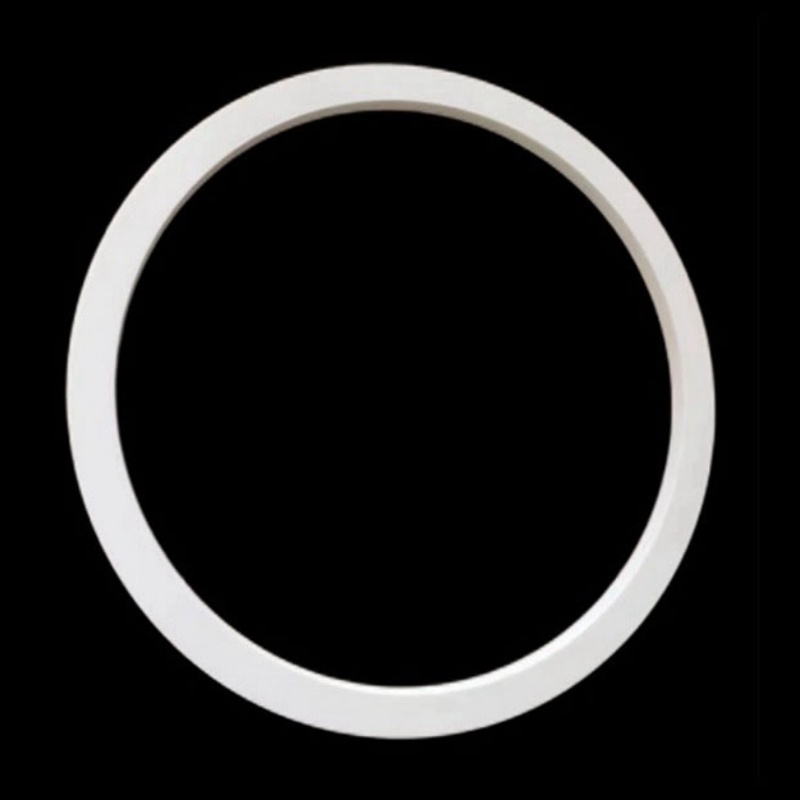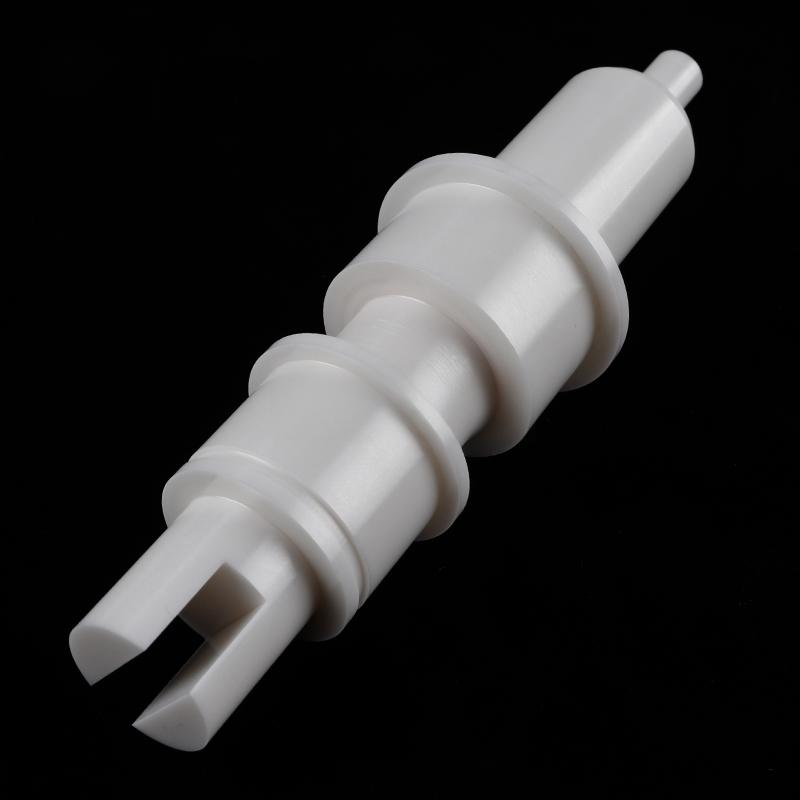
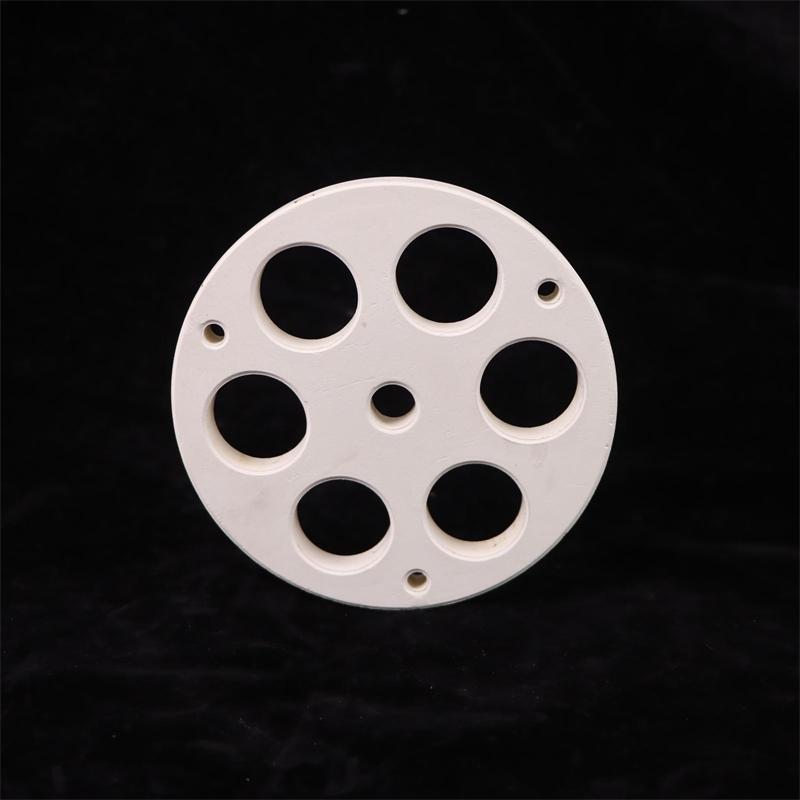
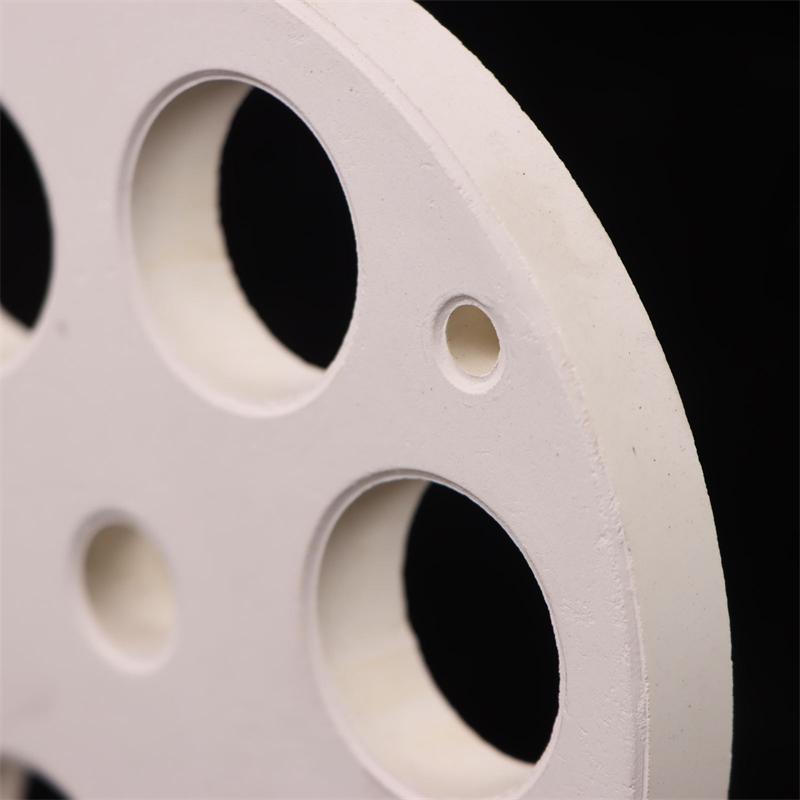
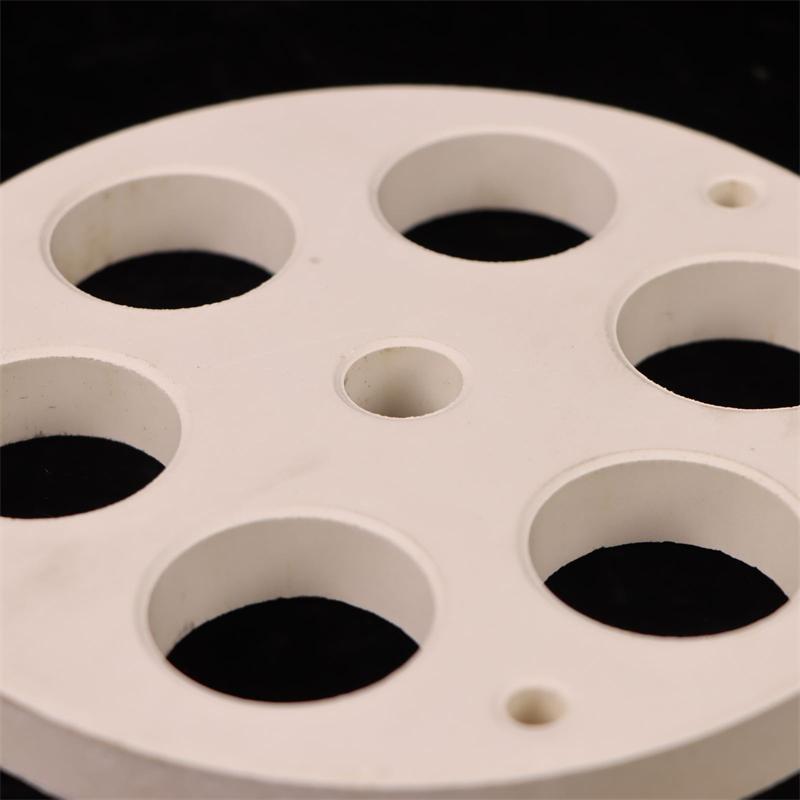
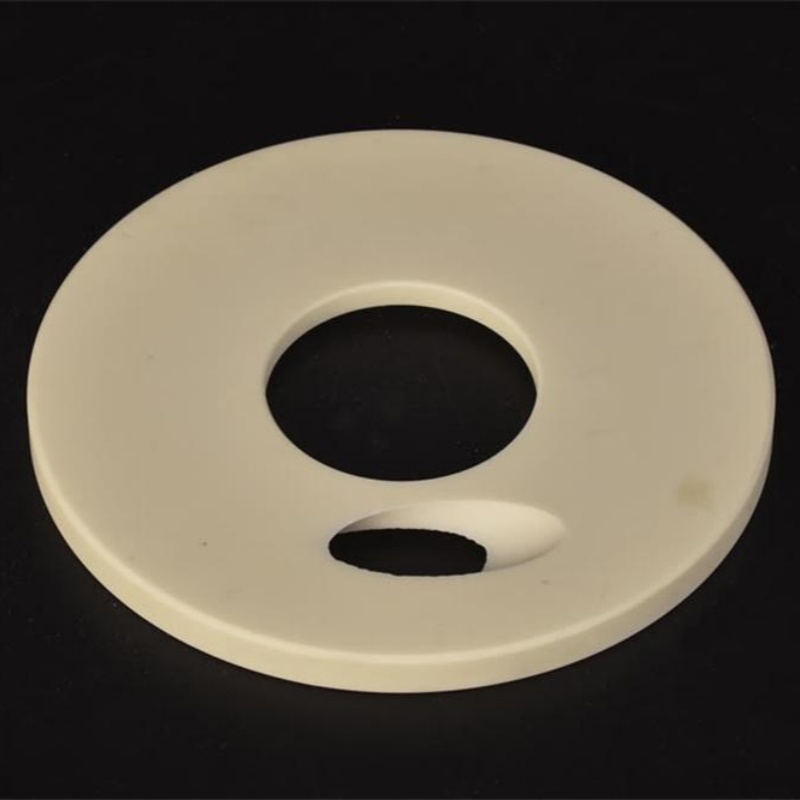
Alumina Ceramic Side Rings in Jet Mills
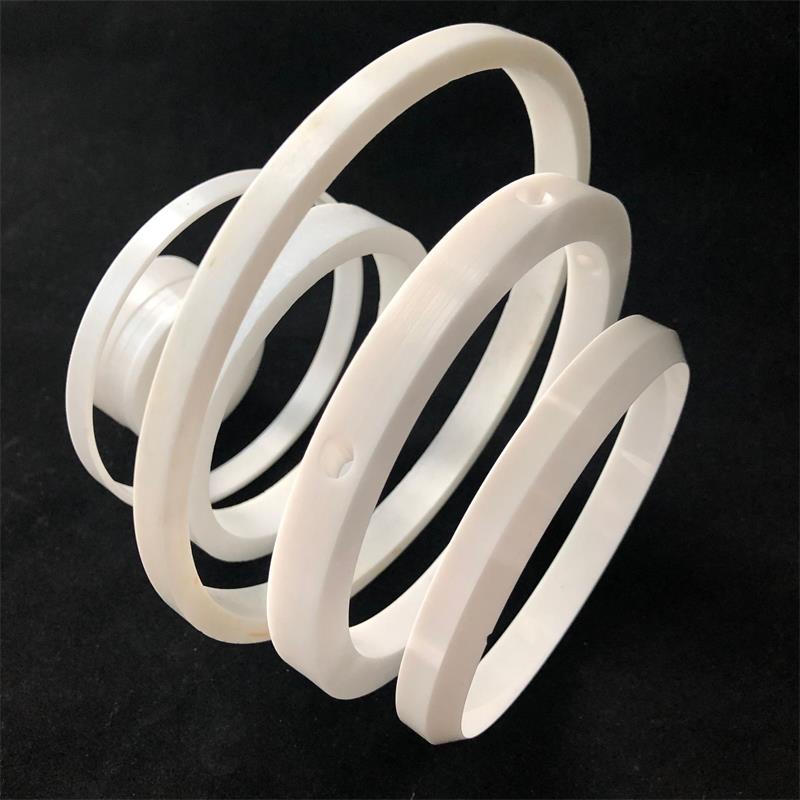
In a jet mill, the side ring—sometimes called a side liner or peripheral ring—sits at the boundary of the grinding chamber and the classification zone. It is not a rotating part, yet it absorbs some of the most punishing conditions in the system: high-velocity particle impacts, turbulent recirculation, and the constant abrasion of hard powders moving at sonic or supersonic speeds. Alumina ceramic side rings exist to protect this region and, in doing so, preserve both equipment life and product purity. The engineering case for alumina here is straightforward but not unconditional: it offers excellent hardness and wear resistance at moderate cost, but it demands respect for its brittleness and the mechanical realities of how a ceramic ring is retained inside a steel housing.
Why Alumina Fits the Side Ring Function
Alumina’s wear performance comes from its crystal structure and the strength of the Al–O bond. Sintered alpha-alumina with purity in the 95–99% range achieves a Mohs hardness of 9 and a Vickers hardness that places it well above most hardened steels. In a jet mill, where particles are accelerated by compressed gas rather than mechanical hammers, the dominant wear mechanism at the side ring is erosive wear from glancing and angular impacts. Alumina’s high hardness reduces the depth of each impact event, while its relatively low fracture toughness—typically in the range of 3–5 MPa·m^0.5 for standard grades—means that wear tends to occur by micro-chipping and grain pullout rather than ductile deformation. For many mineral and chemical powders, that is an acceptable trade: the ring wears gradually and predictably rather than gouging or deforming like a metal component.
The material also contributes to contamination control. In applications such as lithium battery cathode powders or electronic ceramics, iron and other metallic wear debris are unacceptable. Alumina is chemically inert to most process environments and does not introduce conductive or magnetic contaminants as a steel ring would after sustained service. This is a secondary but important reason why ceramic side rings appear in high-purity milling circuits.
Construction and Retention: Where Engineering Judgment Matters
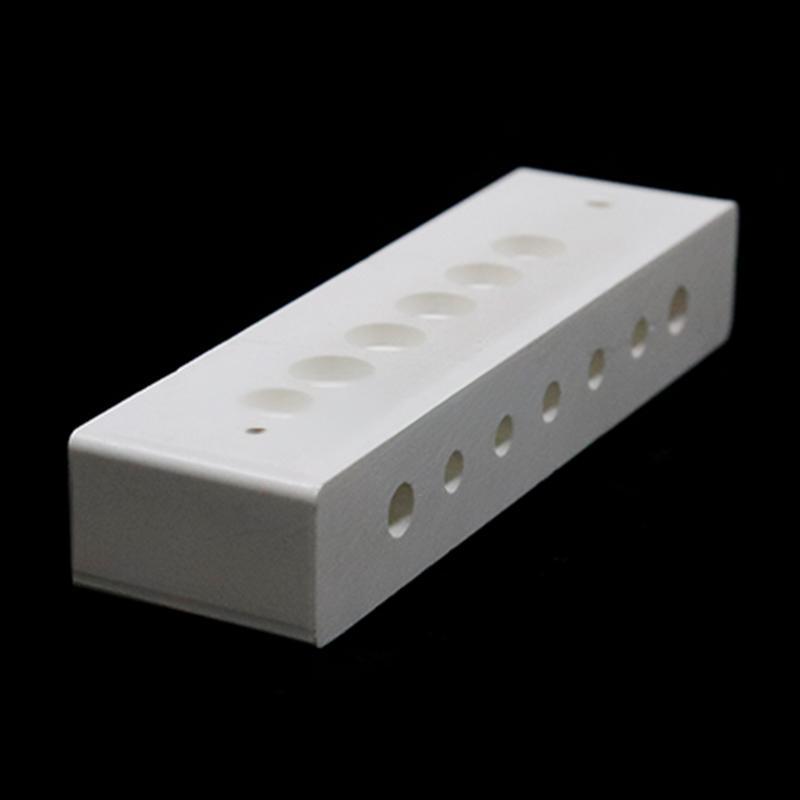
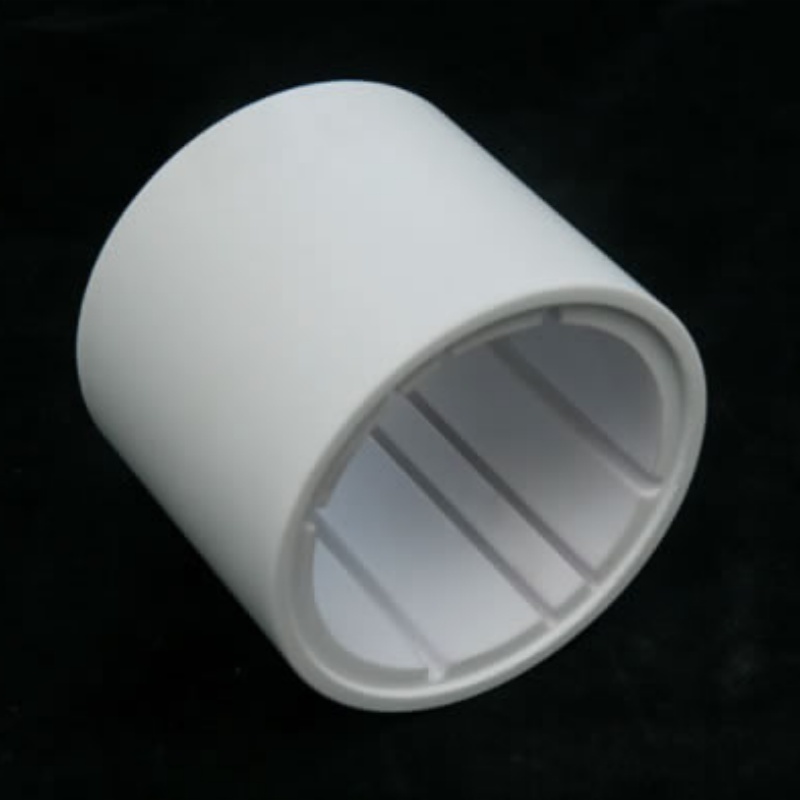
A side ring is rarely a simple monolithic cylinder. In practice, alumina side rings are often supplied as segmented liners or as a ring assembled from several ceramic pieces, because large monolithic alumina rings are difficult to sinter without distortion and are vulnerable to cracking during handling and installation. The patent literature on jet mill linings describes side ring liners held in place by the clamping force between upper and lower liner plates and the outer housing, with plasma-sprayed coatings used on some metallic substrate variants to avoid the gaps and fit issues of ceramic tiles. This detail matters to the engineer selecting a side ring: the ceramic itself may be excellent, but the retention method determines whether it survives thermal cycling and vibration without chipping at the edges or developing fretting cracks at the contact faces.
Alumina’s thermal expansion coefficient is roughly 7–8 × 10⁻⁶/K, which is lower than many steels but not so low that the design can ignore differential expansion. A tightly clamped ceramic ring in a steel housing will experience changing contact stresses as the mill heats and cools. For mills processing materials at ambient or moderately elevated temperatures, this is manageable with careful tolerance design. For processes with frequent thermal swings, the risk of edge chipping or ring fracture rises, and a more tolerant retention scheme—or a tougher ceramic—deserves consideration.
Performance Envelope and Limitations
The strengths of an alumina side ring are clear: high hardness for erosive wear, good chemical stability across a wide pH range, electrical insulation where needed, and a surface finish that resists powder adhesion compared with roughened steel. The limitations are equally concrete. Alumina is brittle. A side ring that is dropped during maintenance, struck by a foreign object, or subjected to uneven bolt torque during reassembly can crack or chip. Unlike a metal liner that might dent and continue functioning, a cracked ceramic ring can release fragments into the process stream—a failure mode with consequences for both equipment and product quality.
Thermal shock is a secondary concern. Alumina tolerates steady high temperatures well, but rapid temperature changes can generate stresses that exceed its fracture strength, particularly in thick-section rings. Jet mills themselves are not typically high-temperature devices, but the gas can be heated in some configurations, and cleaning or shutdown procedures may introduce thermal transients. Zirconia-toughened alumina (ZTA) offers a meaningful improvement in fracture toughness—roughly double that of standard alumina—at some cost in hardness and wear resistance. Where impact severity is high or the ring geometry includes thin sections, ZTA is a rational alternative.
When to Choose Alumina—and When Not To
Alumina side rings are a sensible default for jet milling of moderately to highly abrasive mineral powders, chemical intermediates, and ceramic raw materials where metallic contamination must be avoided and the dominant wear mode is erosion rather than heavy impact. They are less suitable when the mill sees frequent foreign-object strikes, when the ring design requires thin or complex cross-sections, or when thermal cycling is aggressive. In those cases, a tougher ceramic such as zirconia or ZTA, or a hybrid design using a metallic backing with a ceramic wear surface, may offer a better balance of life and reliability. The decision is not about which ceramic is “best” in isolation, but about matching the failure mode of the specific side ring location to the properties of the material.
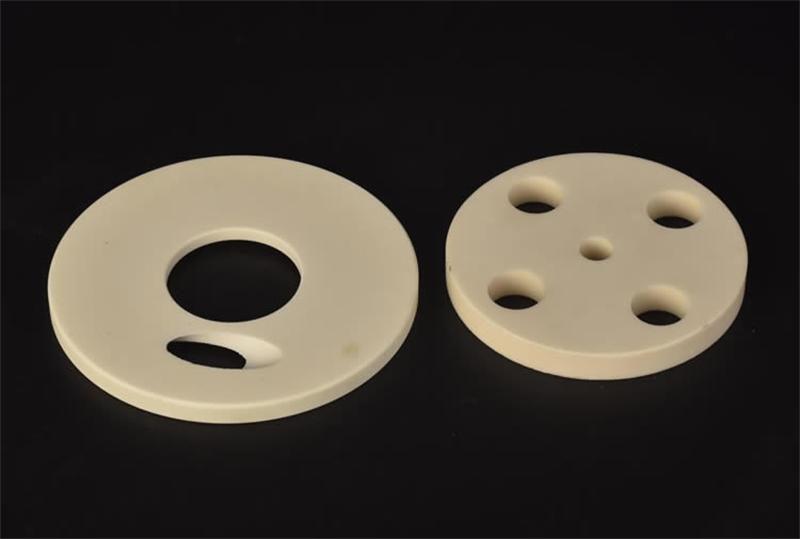
FAQ
What does an alumina ceramic side ring actually do in a jet mill?
It protects the peripheral zone of the grinding chamber from erosive wear by high-speed particles and helps maintain a defined flow boundary between the grinding and classification regions.
Why not use steel for the side ring?
Steel wears faster in abrasive service and can introduce iron contamination. Alumina lasts longer in erosive conditions and is chemically inert, but it is brittle and requires careful mounting.
Is 99% alumina always better than 95% for this part?
Not necessarily. Higher purity improves hardness and chemical inertness, but the difference in wear life depends on the powder being processed. For many mineral applications, 95% alumina provides adequate performance at lower cost.
Can an alumina side ring crack during installation?
Yes. Uneven clamping, point loading, or impact during assembly are common causes of cracking. Following torque sequences and avoiding direct strikes on the ceramic are essential.
When should I consider zirconia-toughened alumina instead?
When the side ring experiences impact loads, thermal transients, or has thin sections where standard alumina’s brittleness becomes a reliability risk. ZTA sacrifices some hardness for significantly better toughness.
Does the side ring affect product particle size distribution?
Indirectly. A worn or damaged side ring can alter the internal flow field and increase bypass of coarse particles. Maintaining the ring’s geometry supports stable classification performance.