Alumina Ceramic Reflector Supports
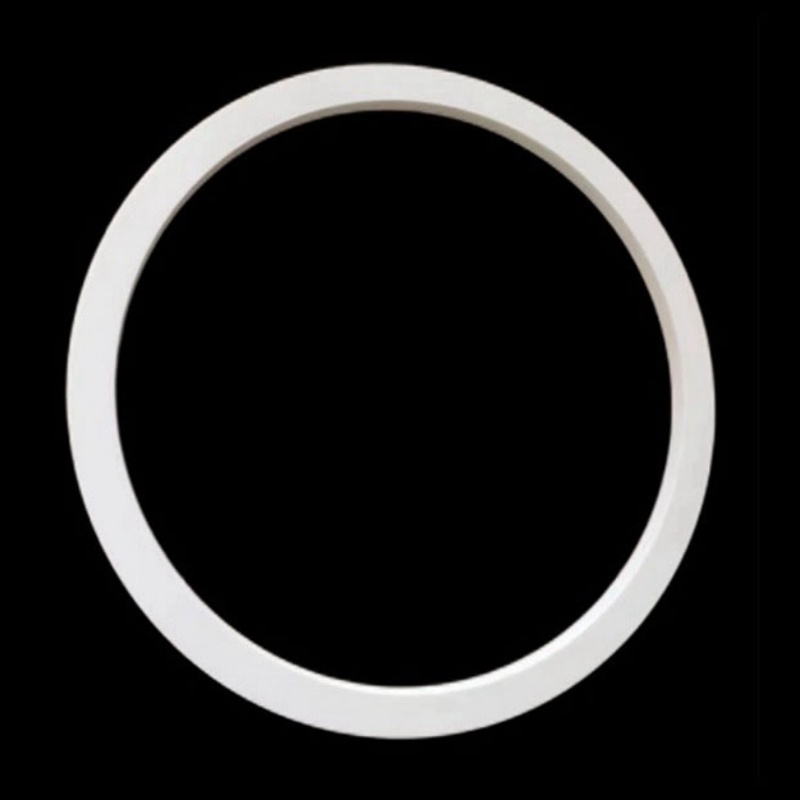
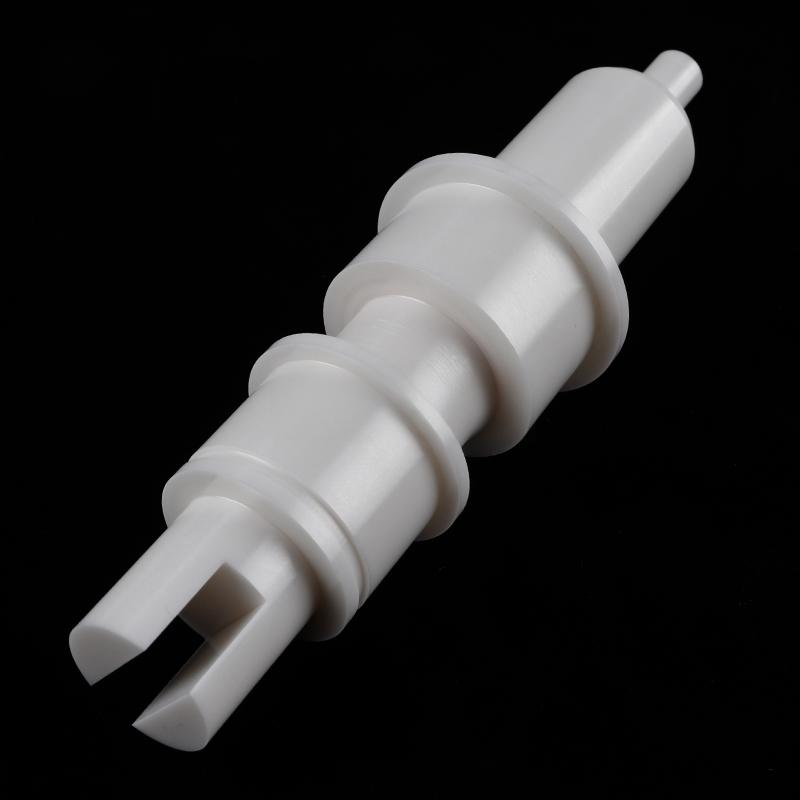
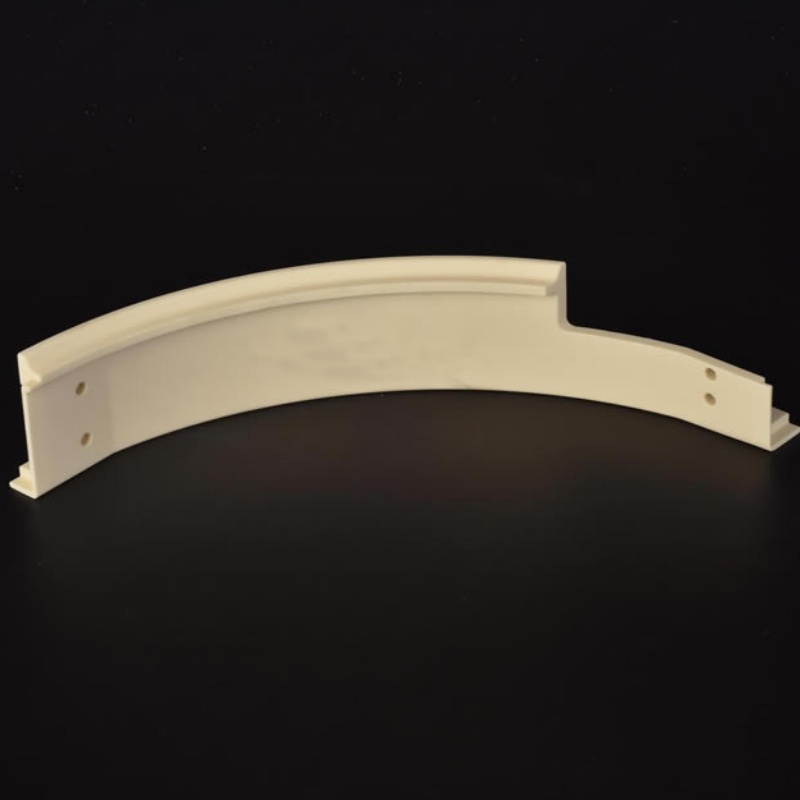
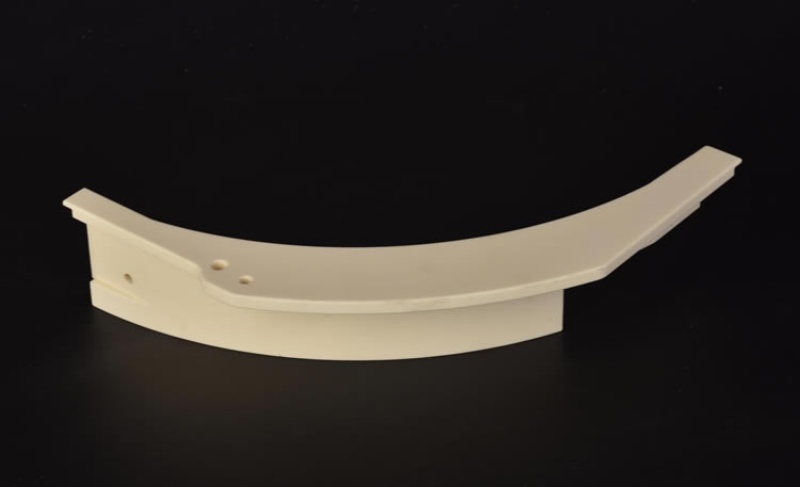
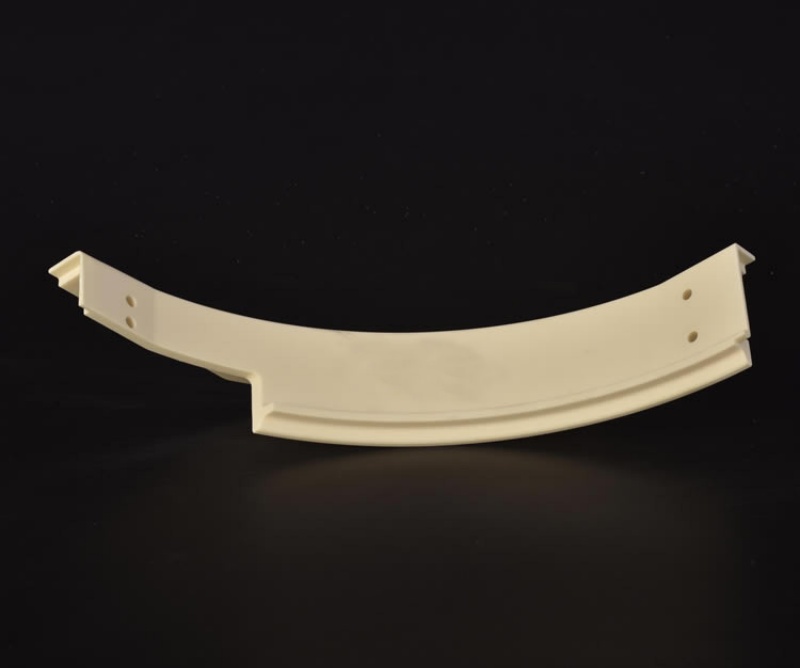
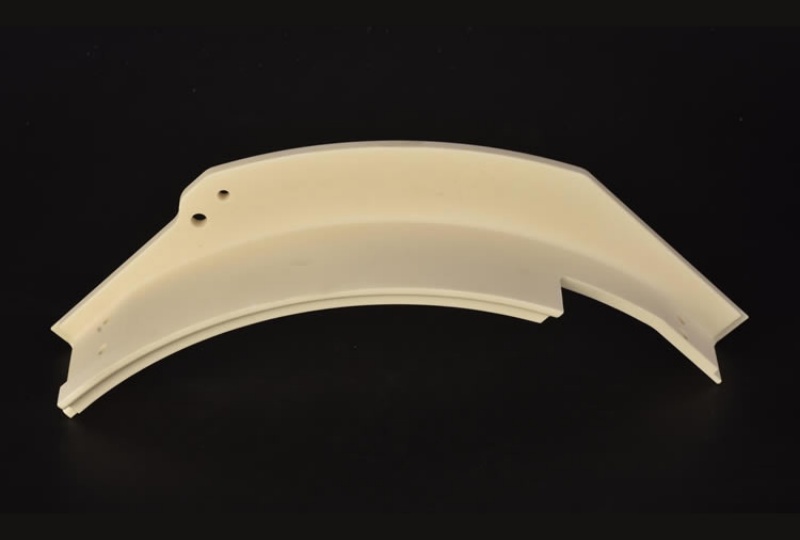
Alumina ceramic reflector supports are structural ceramic components designed to hold, position, or stabilize reflectors, optical surfaces, heating elements, lamps, sensors, and other reflective assemblies in demanding environments. Their engineering value lies not only in mechanical strength, but also in dimensional stability, electrical insulation, thermal resistance, and chemical inertness. These properties make alumina a practical choice when a support must maintain alignment, resist deformation, and avoid contamination under elevated temperatures or harsh operating conditions.
Alumina, or aluminum oxide (Al₂O₃), is one of the most widely used engineering ceramics. Reflector supports made from alumina are typically produced from high-purity grades such as 95%, 96%, 99%, or 99.5% alumina. Higher-purity grades generally provide better electrical insulation, improved thermal stability, and higher resistance to chemical attack, while slightly lower-purity grades may offer improved processability and lower cost. The final performance of a reflector support depends on alumina purity, grain structure, sintering quality, surface finish, and geometric design.
One of the main reasons alumina is selected for reflector supports is its combination of stiffness and thermal stability. Alumina ceramics have high compressive strength and good hardness, allowing them to maintain shape under mechanical load. At the same time, they exhibit relatively low thermal expansion compared with many metals and polymers. This helps reduce dimensional drift when the reflector assembly is heated or cooled. For applications involving infrared heating, lamp reflectors, furnace components, or optical positioning, even small changes in support geometry can affect performance, so dimensional stability becomes a critical design factor.
Electrical insulation is another important characteristic. Alumina is an excellent electrical insulator at room temperature and remains insulating across a broad temperature range. This makes alumina reflector supports suitable for applications where the support must isolate electrical components, prevent short circuits, or avoid interference with heating elements and sensors. In lighting, semiconductor processing, analytical instruments, and industrial heating systems, electrical isolation can be as important as mechanical support.
Thermal performance should be evaluated carefully. Alumina can withstand high operating temperatures and maintains useful mechanical properties well above the limits of most polymers and many metals. However, alumina is not immune to thermal shock. Rapid temperature changes, uneven heating, or constrained mounting can create internal stresses that may lead to cracking. Therefore, alumina reflector supports are best used in applications where thermal gradients are controlled, heating and cooling rates are moderate, and the support design avoids sharp corners or excessive constraint.
Chemical resistance is another reason alumina is frequently chosen. Alumina ceramics are generally resistant to many acids, bases, solvents, and high-temperature atmospheres. This makes them suitable for environments where metal supports might corrode, oxidize, or release contaminants. In optical, heating, or analytical systems, material cleanliness and surface stability matter because contamination can degrade reflector performance, alter emissivity, or affect measurement accuracy. Alumina’s relatively inert surface helps reduce these risks, although it is not universally resistant to all chemicals, especially strong fluorides, hot concentrated alkalis, and certain molten salts.
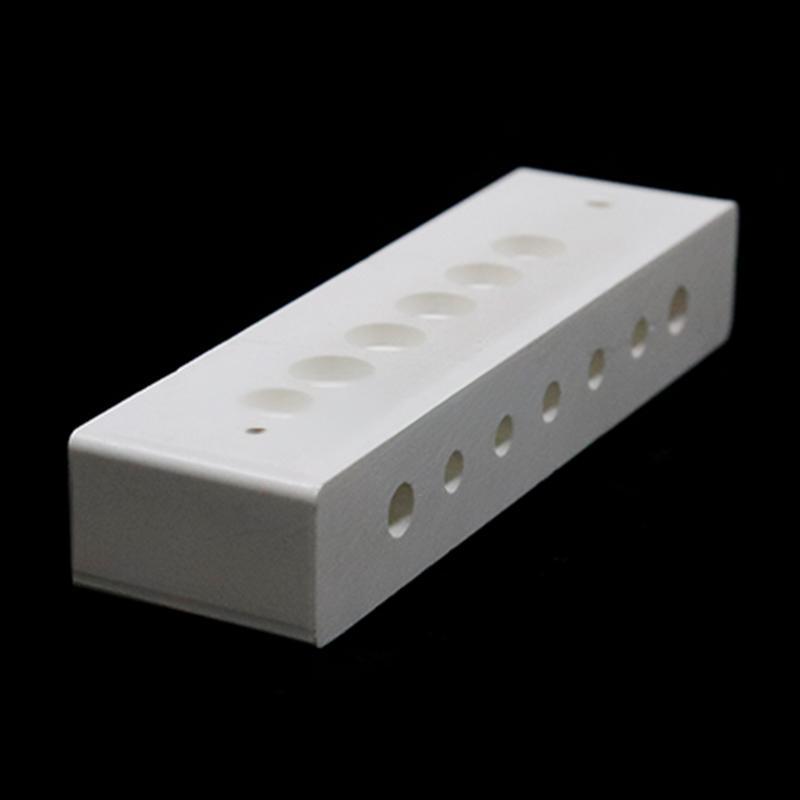
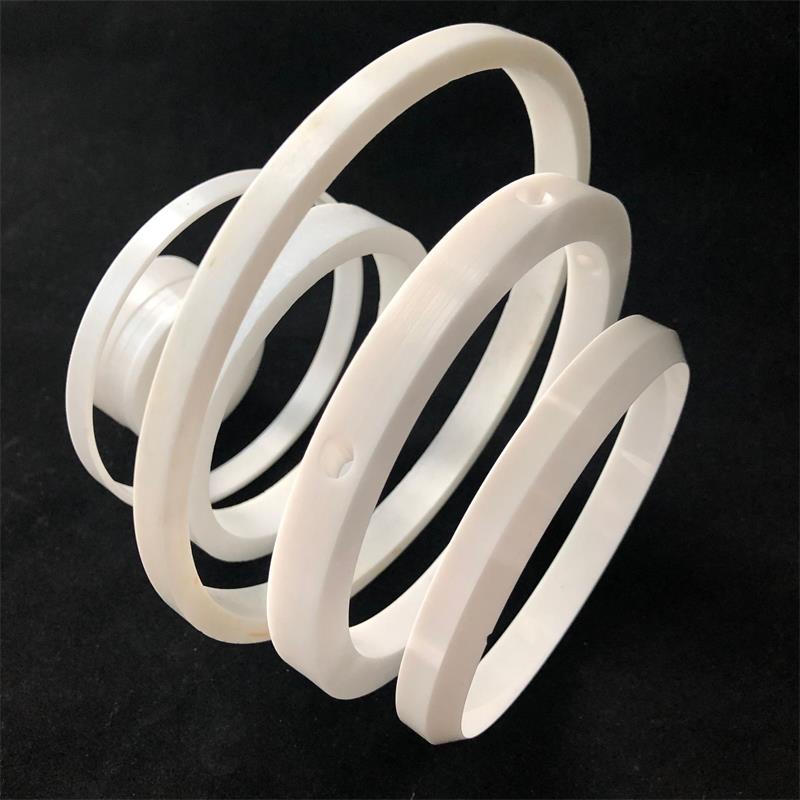
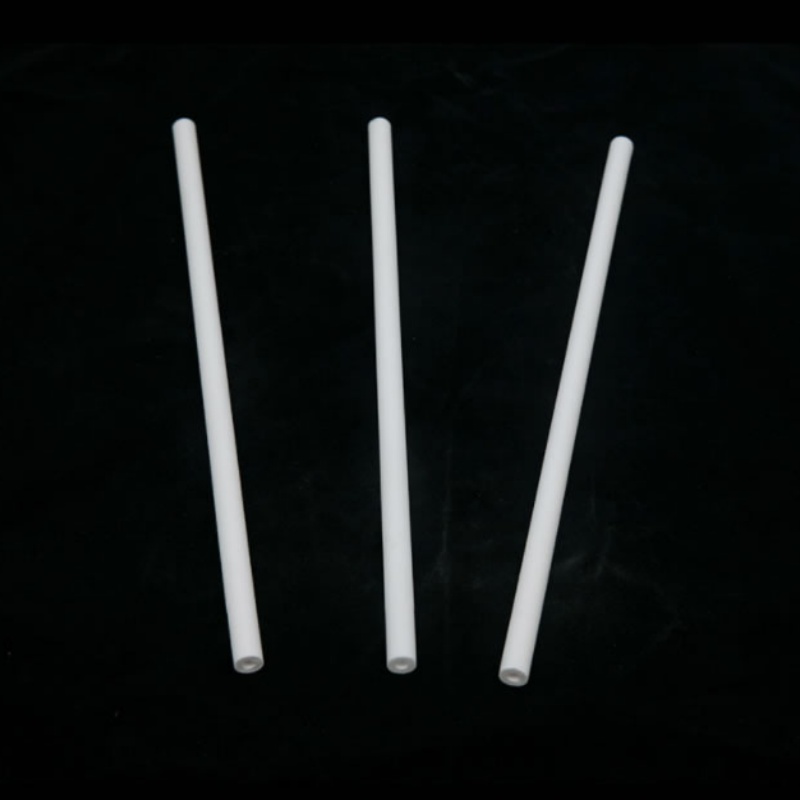
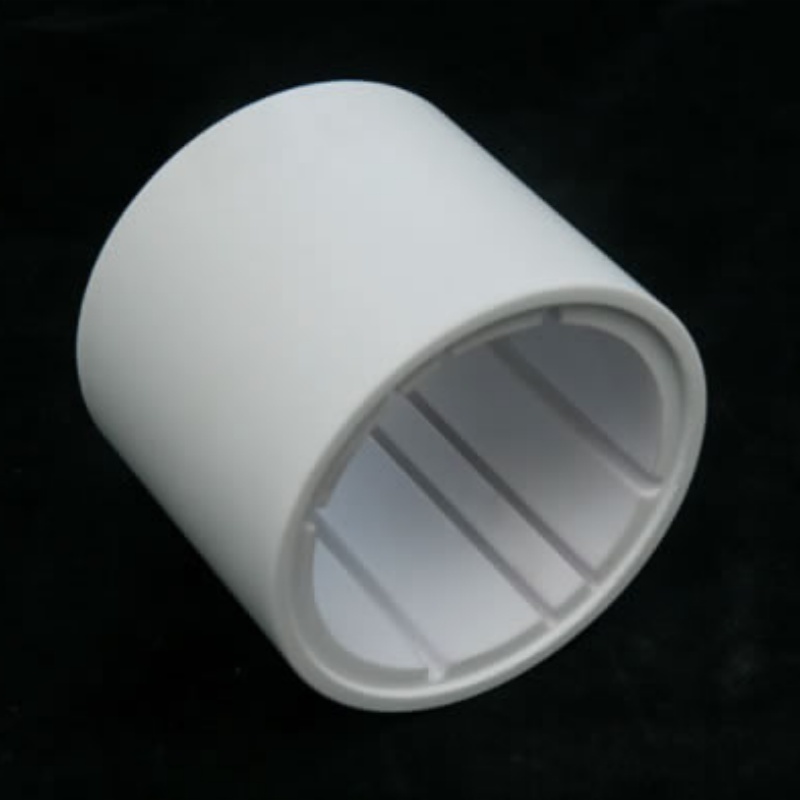
Typical alumina reflector supports may include brackets, pins, posts, plates, rods, sleeves, or custom-shaped fixtures. Common alumina grades used for such components include 95–96% alumina for general-purpose structural and insulating applications, and 99% or higher alumina when higher purity, better electrical properties, or improved high-temperature stability are required. Surface finishes may range from as-sintered to ground or polished, depending on whether the support contacts optical surfaces, requires precise positioning, or must minimize particle generation.
When selecting alumina for a reflector support, engineers should consider load direction, mounting method, operating temperature, thermal cycling frequency, required electrical isolation, environmental exposure, and dimensional tolerance. Alumina performs well under compressive and moderate flexural loads, but it is a brittle material with limited tensile and impact resistance. Design features such as fillets, uniform wall thickness, and compliant mounting interfaces can improve reliability. Machining alumina after sintering is possible but increases cost, so early collaboration on geometry and tolerance is important.
Alumina is not always the best ceramic choice. Zirconia offers higher fracture toughness and may be preferred when impact resistance or higher mechanical reliability is needed, but it typically has lower electrical insulation and different thermal behavior. Silicon carbide provides higher thermal conductivity and better thermal shock resistance, making it more suitable for applications with rapid heating and cooling, though it is electrically conductive in many forms. Boron nitride or macor-type machinable ceramics may be considered when complex machining or extreme thermal shock resistance is required, but they often have lower mechanical strength.
Alumina ceramic reflector supports are most suitable when the application requires a stable, insulating, heat-resistant, and chemically inert structural component. They are less suitable when the design involves severe thermal shock, high impact loading, very high tensile stress, or exposure to chemicals that attack alumina. Proper material grade selection, careful mechanical design, and controlled thermal management are essential to achieving reliable long-term performance.
FAQ
What is an alumina ceramic reflector support used for?
It is used to hold or position reflectors, heating elements, lamps, sensors, or optical components in environments where mechanical stability, electrical insulation, and thermal resistance are required.
What are the main advantages of alumina for reflector supports?
Alumina offers high hardness, good dimensional stability, strong electrical insulation, high-temperature capability, and good chemical resistance, making it suitable for many industrial and technical applications.
What are the limitations of alumina reflector supports?
Alumina is brittle, sensitive to impact and tensile stress, and can crack under severe thermal shock. It also requires careful design and handling to avoid fracture.
Is alumina suitable for high-temperature applications?
Yes, alumina can operate at high temperatures and retains useful mechanical and electrical properties. However, thermal gradients and rapid temperature changes must be managed to avoid cracking.
Is alumina electrically insulating?
Yes, alumina is an excellent electrical insulator, especially in 99% and higher-purity grades. This makes it suitable for applications where electrical isolation is important.
How does alumina compare with zirconia or silicon carbide for reflector supports?
Alumina provides better electrical insulation and lower cost than many alternatives. Zirconia offers higher toughness, while silicon carbide provides better thermal conductivity and thermal shock resistance but is often electrically conductive.