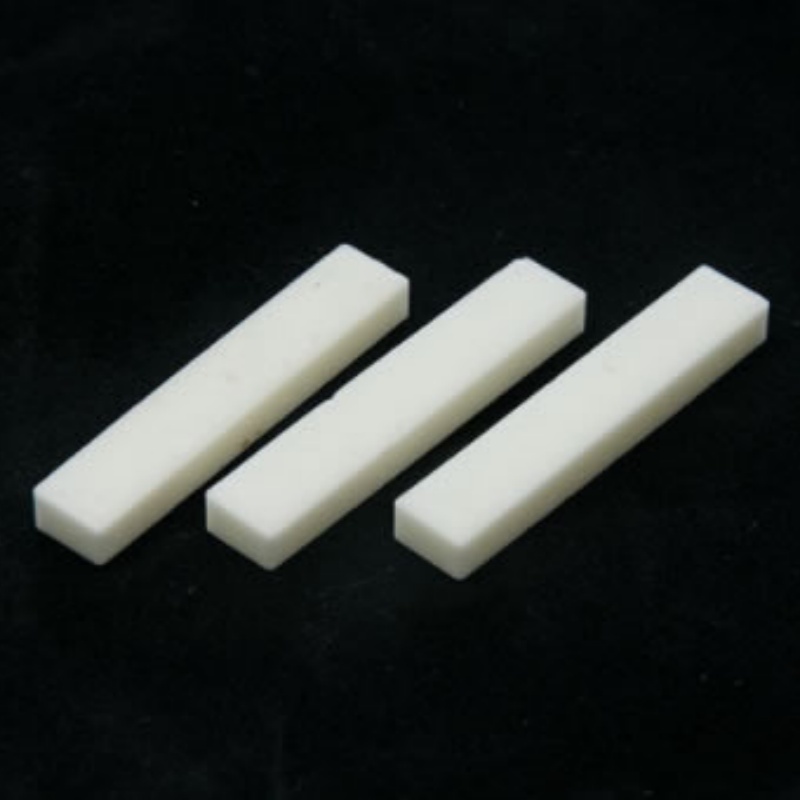
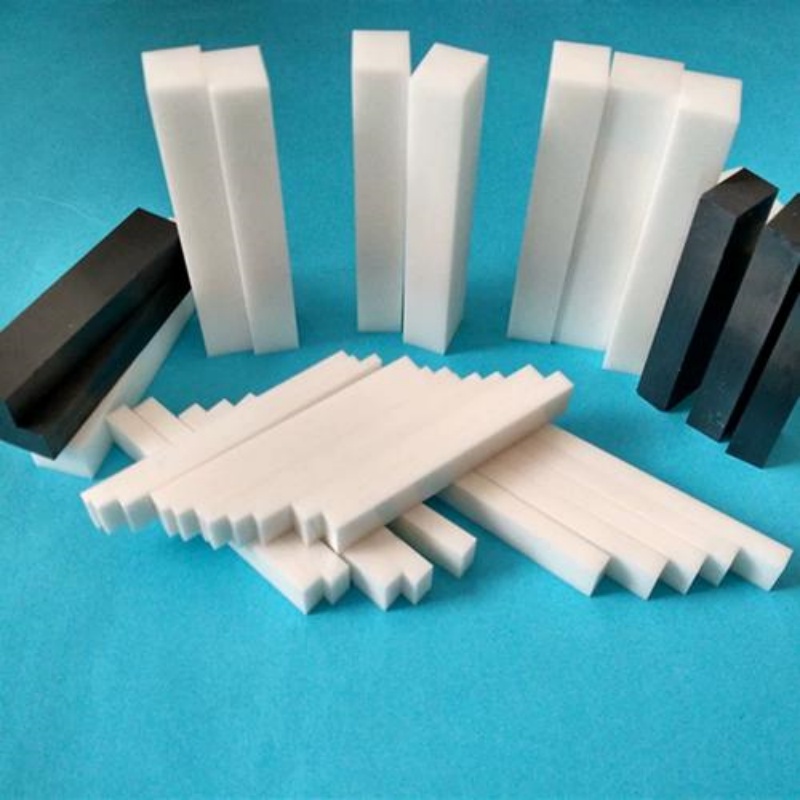
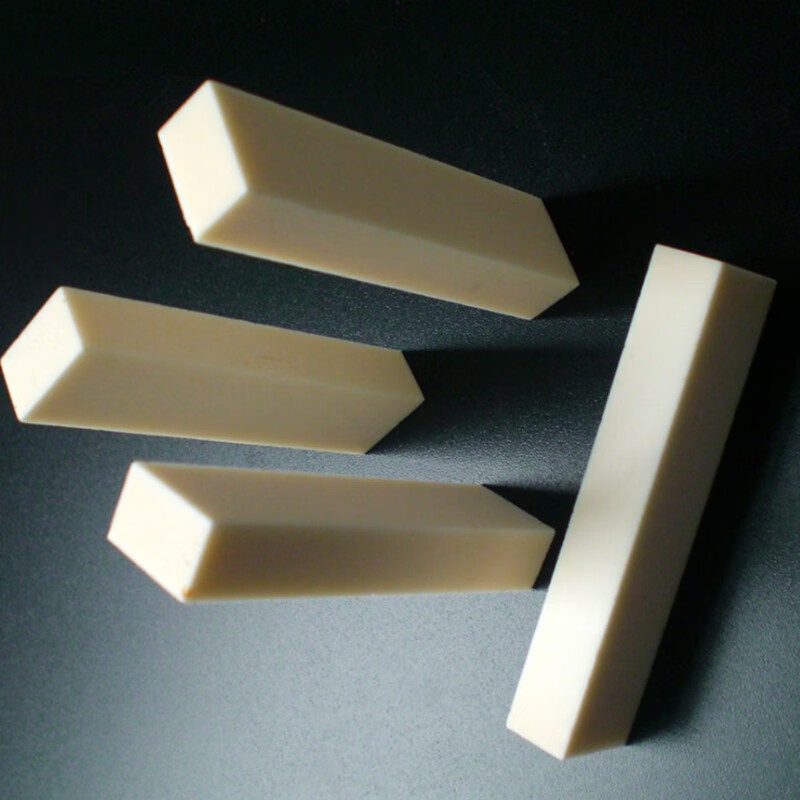
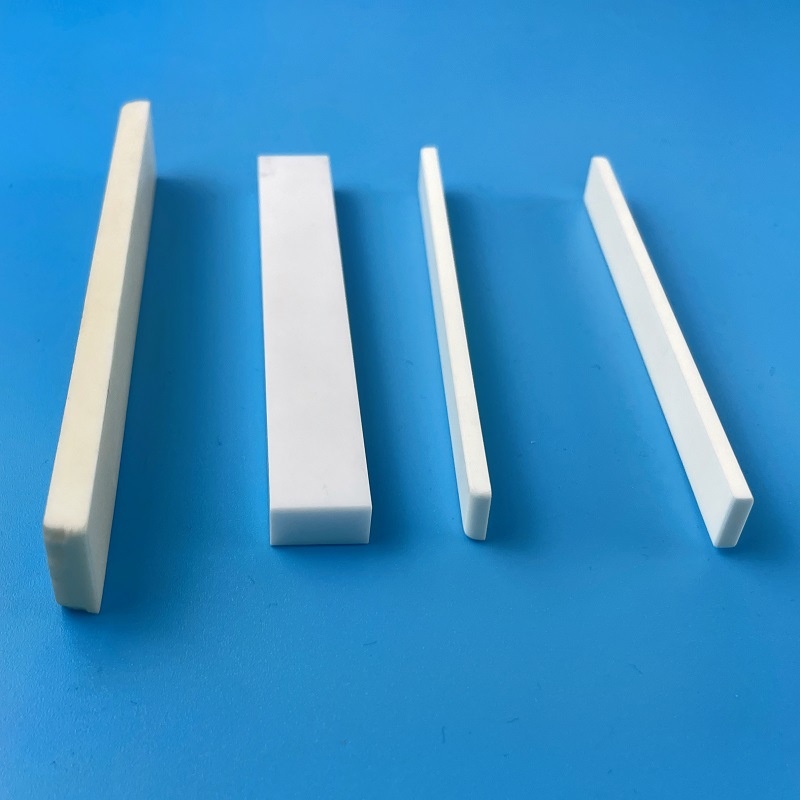
Alumina Ceramic Rectangular Bars
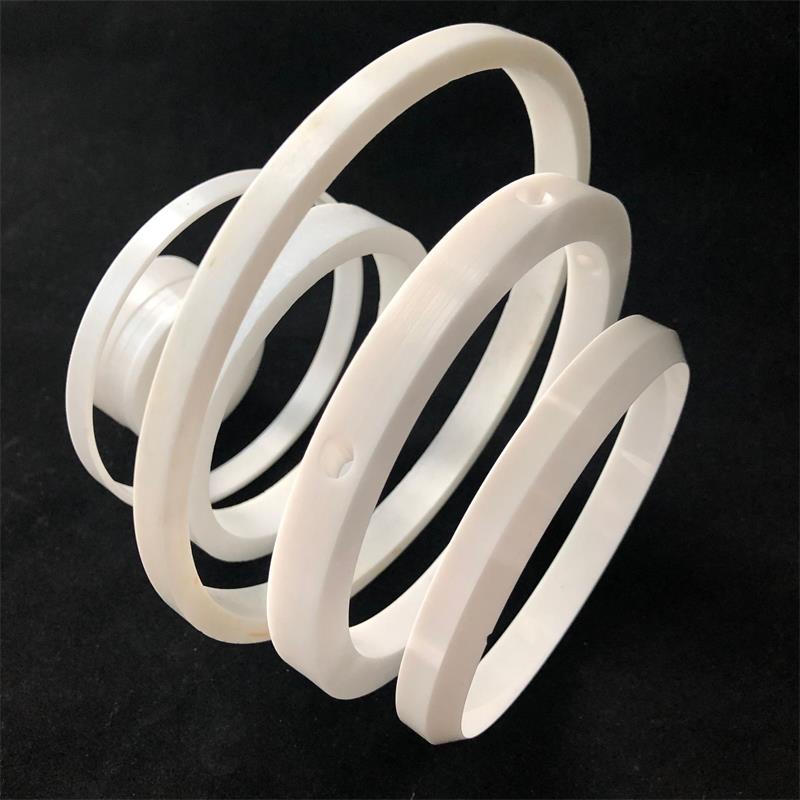
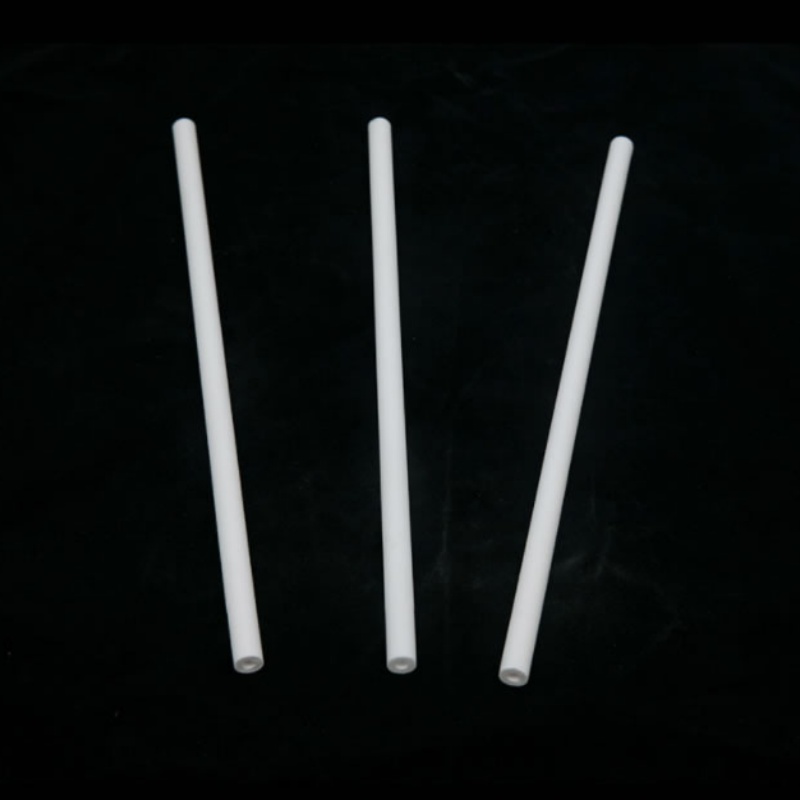
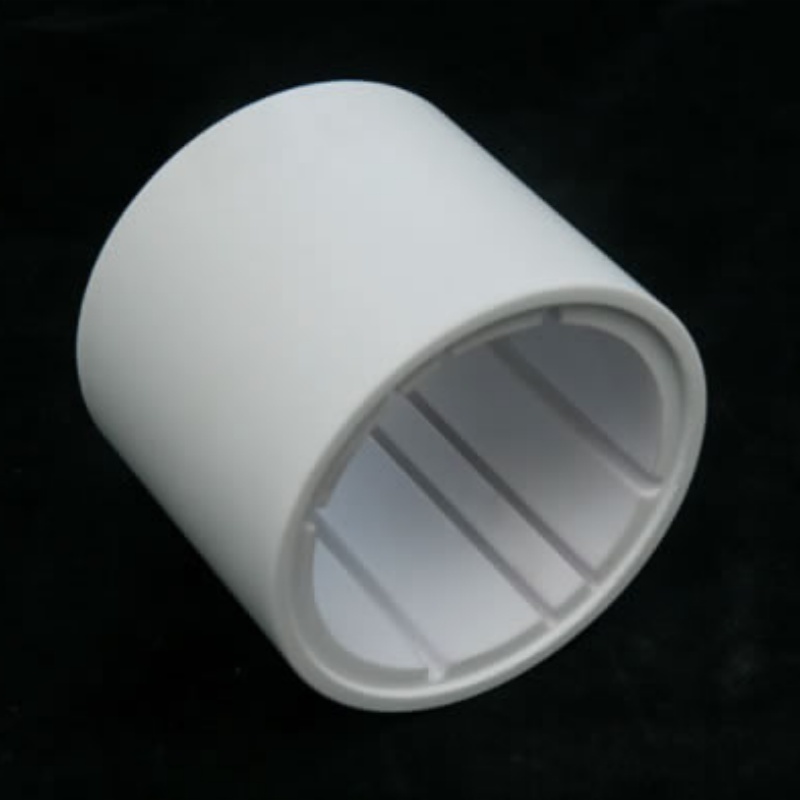
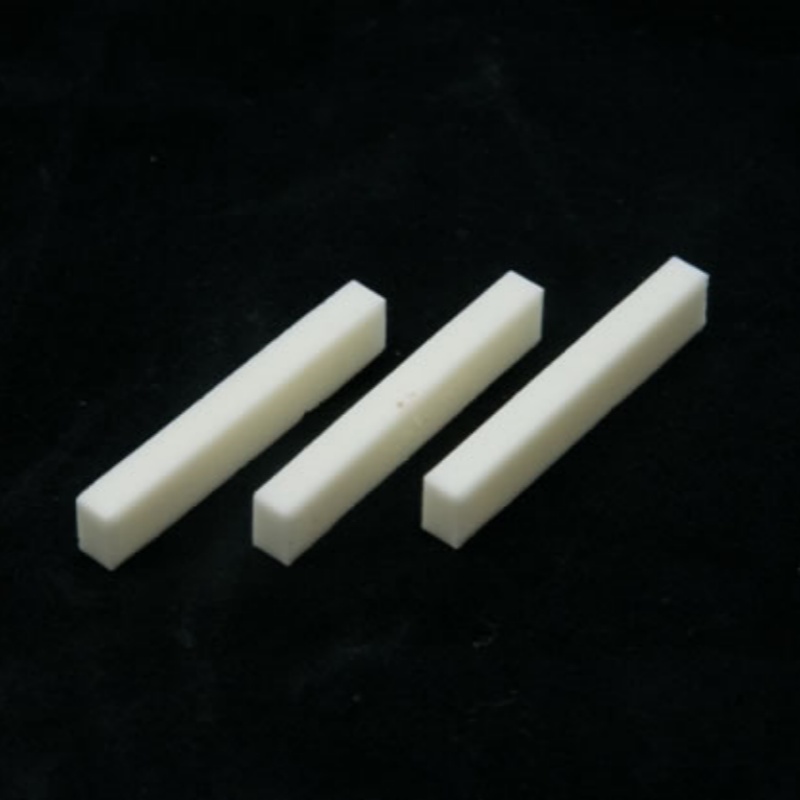
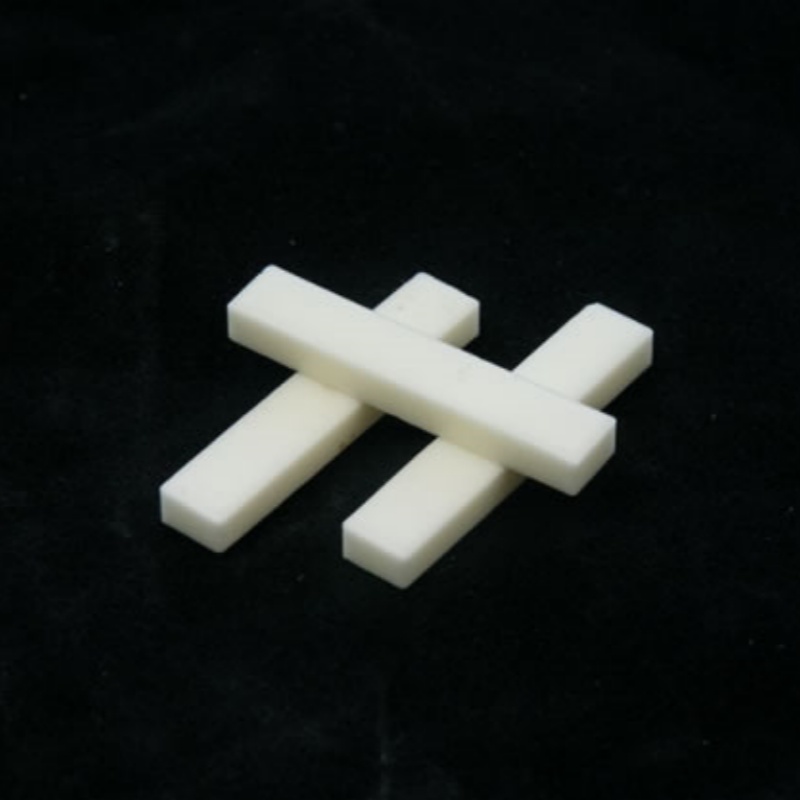
Alumina ceramic rectangular bars are precision-engineered structural components made primarily from aluminum oxide (Al₂O₃). They are widely used in industrial, electronic, and mechanical applications where high hardness, excellent electrical insulation, and strong chemical stability are required. Unlike metals or polymers, alumina ceramic bars maintain dimensional stability under elevated temperatures and resist wear in abrasive environments, making them a common choice for wear-resistant guides, insulating supports, furnace fixtures, and precision mechanical parts.
Material Composition and Types
Alumina ceramic is classified mainly by its alumina content. Common grades include 95%, 96%, 99%, and 99.5% alumina. Higher alumina content generally provides better mechanical strength, higher temperature resistance, improved electrical insulation, and greater chemical inertness. Lower-alumina grades may contain glassy or sintering phases that can slightly reduce performance but improve manufacturability and cost efficiency.
For rectangular bars, 95–99.5% alumina is most common. Bars made from 99% or higher alumina are typically selected when higher purity, better dielectric performance, or stricter chemical resistance is needed. Bars made from 95–96% alumina may be suitable for general wear parts, mechanical supports, or applications where extreme electrical performance is not required.
Key Mechanical and Physical Properties
Alumina ceramic rectangular bars are valued for their high hardness and compressive strength. Typical alumina ceramics exhibit a Vickers hardness in the range of approximately 1,500–1,800 HV, depending on purity and microstructure. This makes alumina bars highly resistant to abrasion, especially when used as guide rails, sliding blocks, or wear strips.
However, alumina is a brittle material. Its flexural strength is usually in the range of 300–400 MPa for high-purity grades, but actual performance depends on surface finish, edge quality, and defect control. Because ceramics are sensitive to stress concentration, sharp corners, chips, or surface scratches can significantly reduce strength. Rectangular bars should therefore be designed with appropriate edge chamfers and handled carefully during assembly.
The density of alumina ceramic is typically around 3.6–3.9 g/cm³. This is lighter than many steels but heavier than most engineering plastics. Its relatively high stiffness and low elastic deformation make alumina bars suitable for precision fixtures, but they cannot absorb impact energy like ductile metals.
Thermal and Electrical Performance
Alumina ceramic offers good thermal stability and is commonly used in applications involving continuous exposure to elevated temperatures. High-purity alumina can generally withstand service temperatures above 1,500°C in inert or oxidizing atmospheres, although practical design limits are often lower due to mechanical loading, thermal shock risk, and fixture design.
Thermal conductivity of alumina is moderate compared with advanced ceramics such as aluminum nitride or silicon carbide. Typical values range from about 20 to 30 W/(m·K) for common grades. This means alumina rectangular bars can dissipate some heat, but they are not primarily selected for high-efficiency thermal conduction.
Electrically, alumina is an excellent insulator. Its high volume resistivity and low dielectric loss make it suitable for electrical isolation, sensor supports, heating element insulators, and semiconductor-related fixtures. For applications requiring stable insulation at high temperature, high-purity alumina bars are usually preferred.
Chemical Resistance and Wear Behavior
Alumina ceramic rectangular bars exhibit strong resistance to many acids, alkalis, and organic solvents, especially at room and moderate temperatures. This chemical stability allows alumina bars to perform well in corrosive processing environments where metals might oxidize or polymers might degrade.
Wear resistance is another major advantage. Alumina’s hard ceramic surface reduces material loss in sliding or abrasive contact. However, alumina is not immune to fracture under impact. It performs best in controlled wear applications rather than high-shock or heavy-impact conditions. When paired with softer materials, alumina can also cause wear on the mating surface, so contact design should be considered during component selection.
Typical Applications
Alumina ceramic rectangular bars are used in many engineering fields. In electrical and electronic equipment, they serve as insulating supports, spacer bars, and mounting blocks because of their stable dielectric properties. In thermal processing equipment, alumina bars are used as furnace supports, kiln furniture components, and heating element insulators due to their high-temperature stability.
In mechanical systems, alumina rectangular bars are commonly applied as wear guides, sliding plates, positioning blocks, and precision fixtures. Their low friction against certain counterfaces and high hardness help extend service life in abrasive environments. In laboratory and semiconductor-related applications, high-purity alumina bars may be selected for their cleanliness, chemical inertness, and electrical insulation.

Advantages
Alumina ceramic rectangular bars offer several clear engineering advantages:
High hardness and good wear resistance
Excellent electrical insulation
Stable performance at elevated temperatures
Good chemical resistance to many corrosive media
High dimensional stability under mechanical load
Wide availability in different purity grades
These properties make alumina a reliable choice when a component must combine insulation, wear resistance, and thermal stability.
Limitations
Despite their advantages, alumina ceramic rectangular bars also have limitations. The material is brittle and has low fracture toughness compared with zirconia ceramics. It is sensitive to impact, edge damage, and uneven mechanical loading. Thermal shock resistance is moderate; rapid temperature changes can cause cracking if the part geometry or operating conditions are unfavorable.
Machining alumina after sintering is difficult and expensive. Most dimensional tolerances, holes, slots, and chamfers must be planned before firing. Surface grinding or diamond machining may be required for high-precision applications, which increases processing complexity.
Material Selection Considerations
Alumina ceramic rectangular bars are suitable when the application requires electrical insulation, wear resistance, high-temperature stability, or chemical inertness. They are less suitable when high impact resistance, high fracture toughness, or extreme thermal shock resistance is required.
If higher toughness is needed, zirconia ceramic may be a better alternative. If higher thermal conductivity is required, aluminum nitride or silicon carbide ceramics may be more appropriate. If cost and moderate performance are the main concerns, 95–96% alumina may be sufficient. For demanding electrical, thermal, or chemical environments, 99% or higher alumina grades are usually preferred.
FAQ
What are alumina ceramic rectangular bars used for?
They are commonly used as insulating supports, wear guides, furnace fixtures, positioning blocks, and precision mechanical components where hardness, electrical insulation, and thermal stability are important.
Are alumina ceramic bars electrically insulating?
Yes. Alumina has high volume resistivity and low dielectric loss, making it suitable for electrical insulation and high-temperature insulating applications.
Can alumina rectangular bars withstand high temperatures?
High-purity alumina can withstand very high temperatures, often above 1,500°C in suitable atmospheres. However, actual service limits depend on mechanical load, thermal shock, and part design.
What are the main limitations of alumina ceramic bars?
The main limitations are brittleness, sensitivity to impact and edge damage, moderate thermal shock resistance, and difficulty in post-sintering machining.
How does alumina compare with zirconia ceramic?
Alumina offers better electrical insulation and generally lower cost, while zirconia provides higher fracture toughness and impact resistance. Alumina is preferred for insulation and wear applications; zirconia is preferred where toughness is critical.
Which alumina grade should be selected for rectangular bars?
For general mechanical or wear applications, 95–96% alumina may be adequate. For higher electrical insulation, chemical resistance, or high-temperature performance, 99% or higher alumina grades are typically recommended.