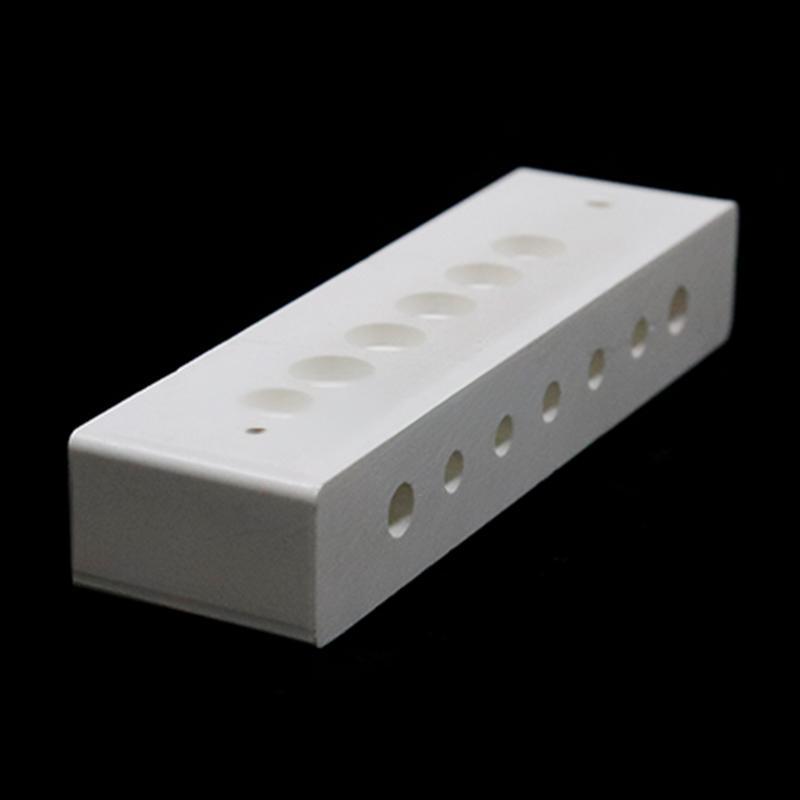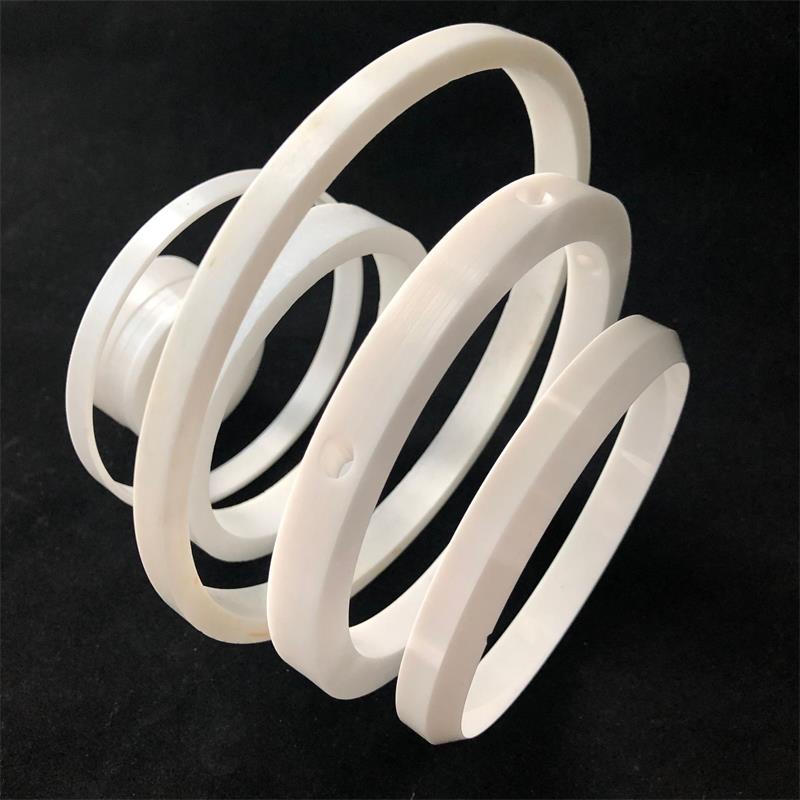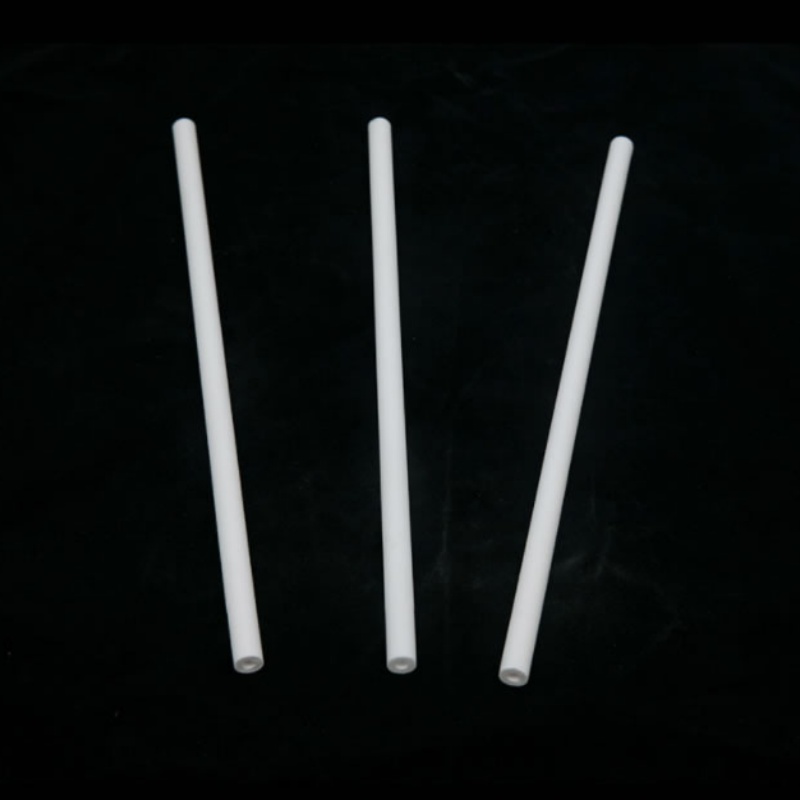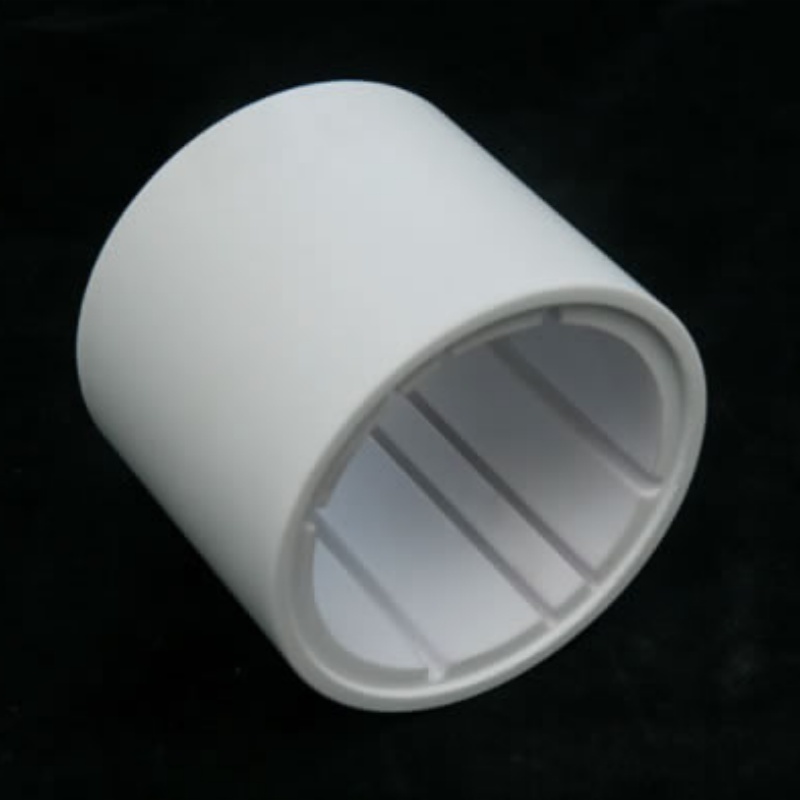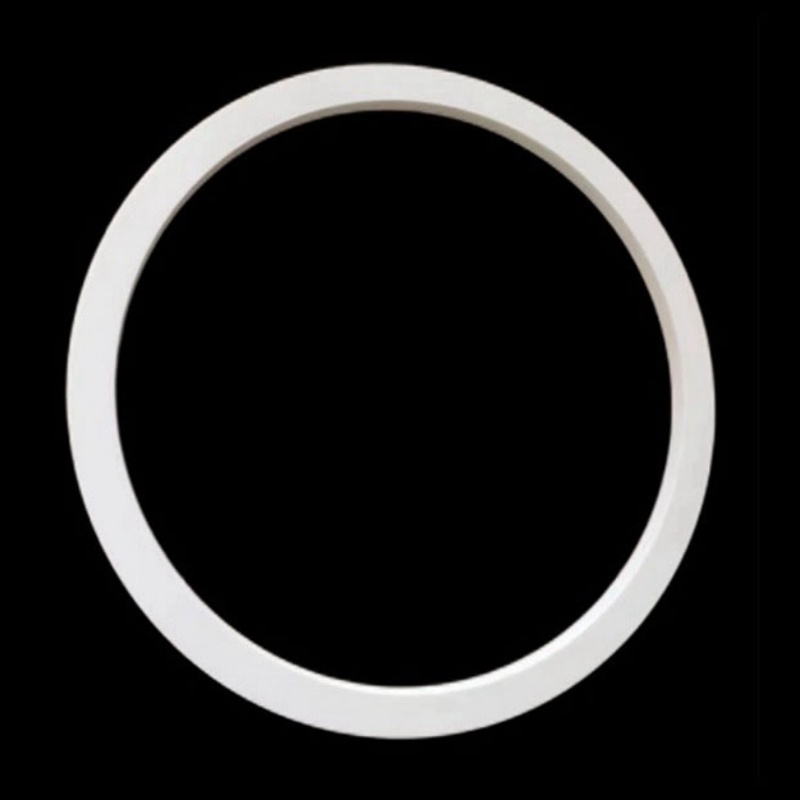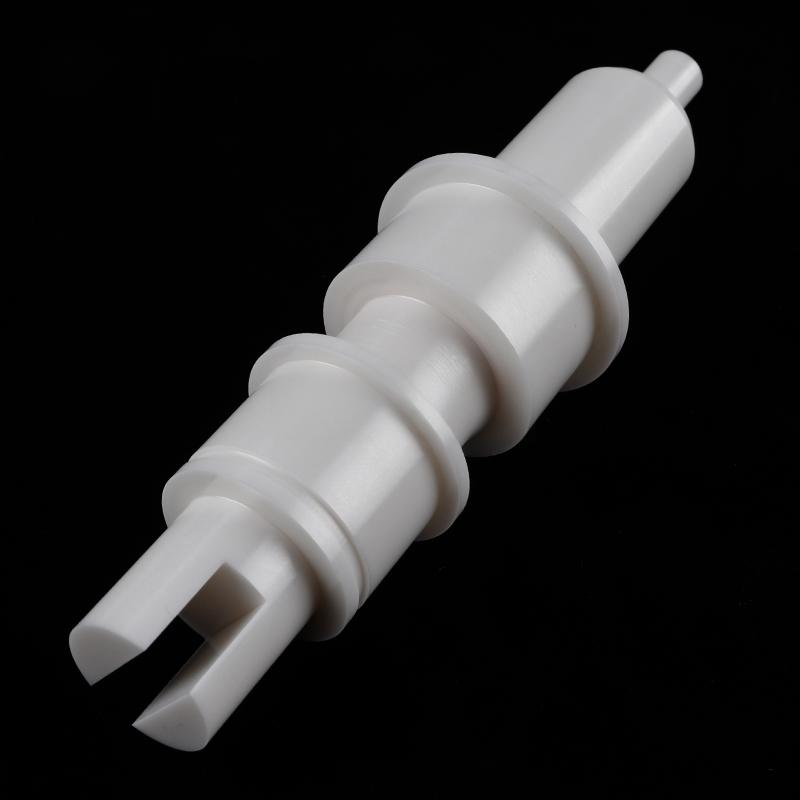
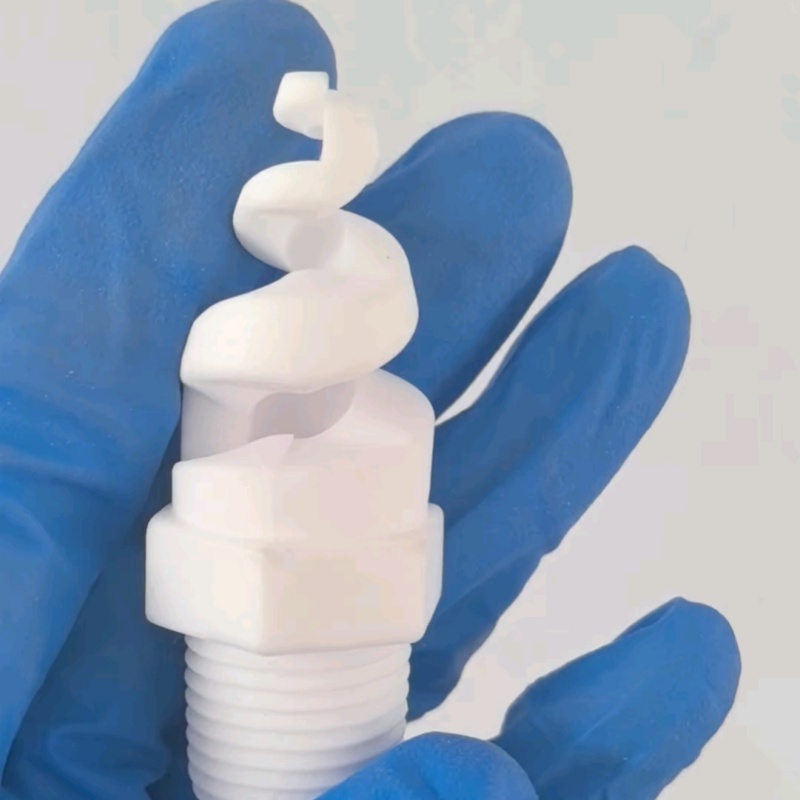
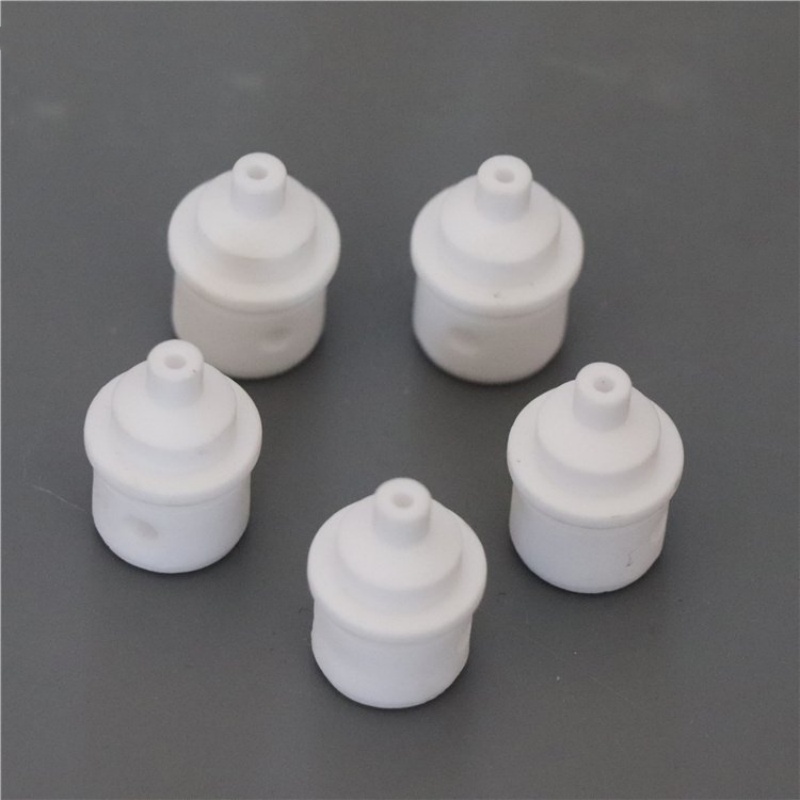
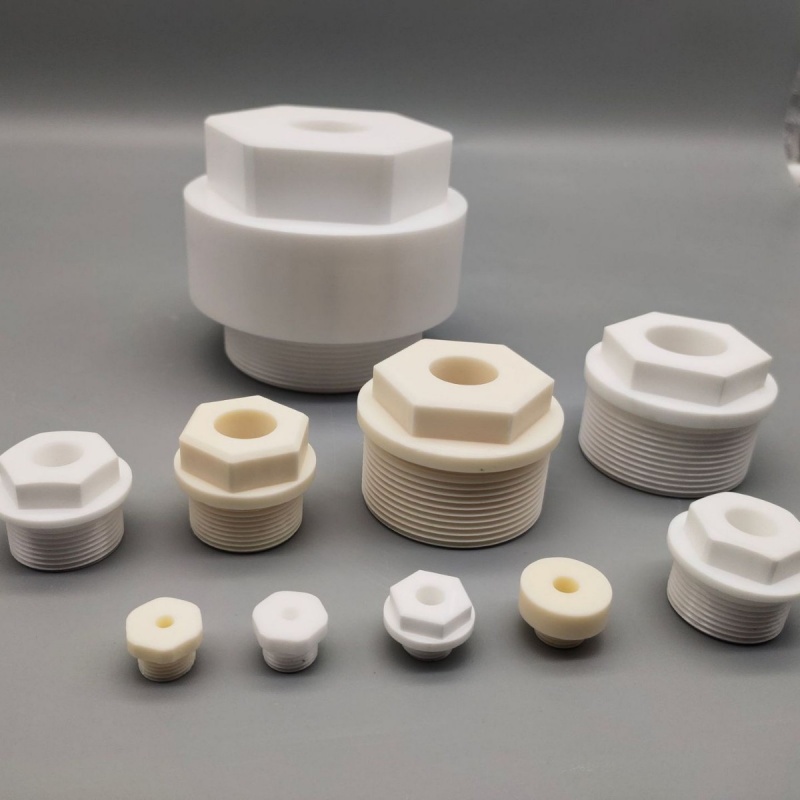
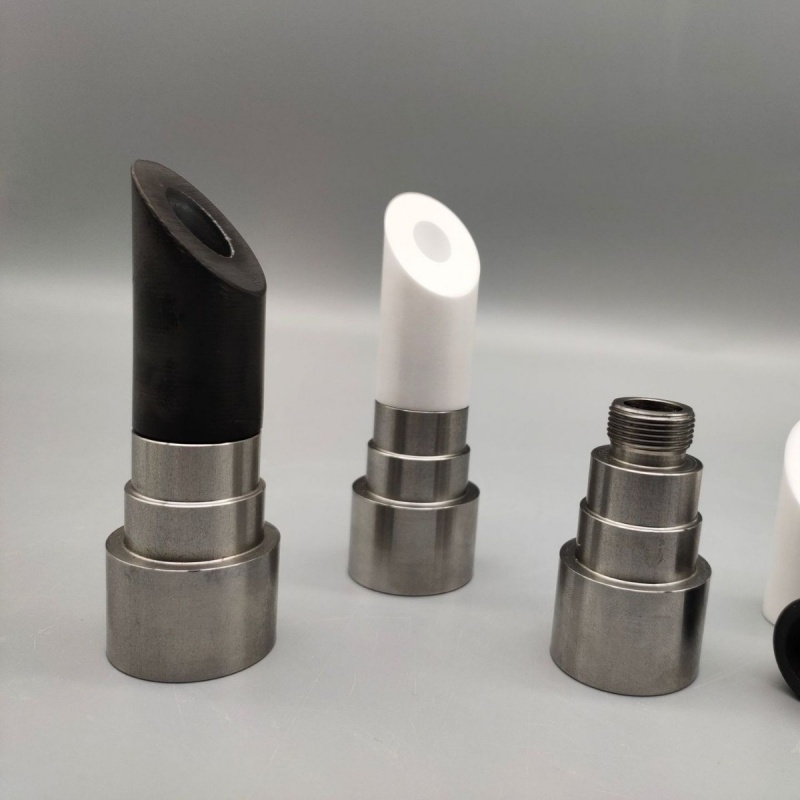
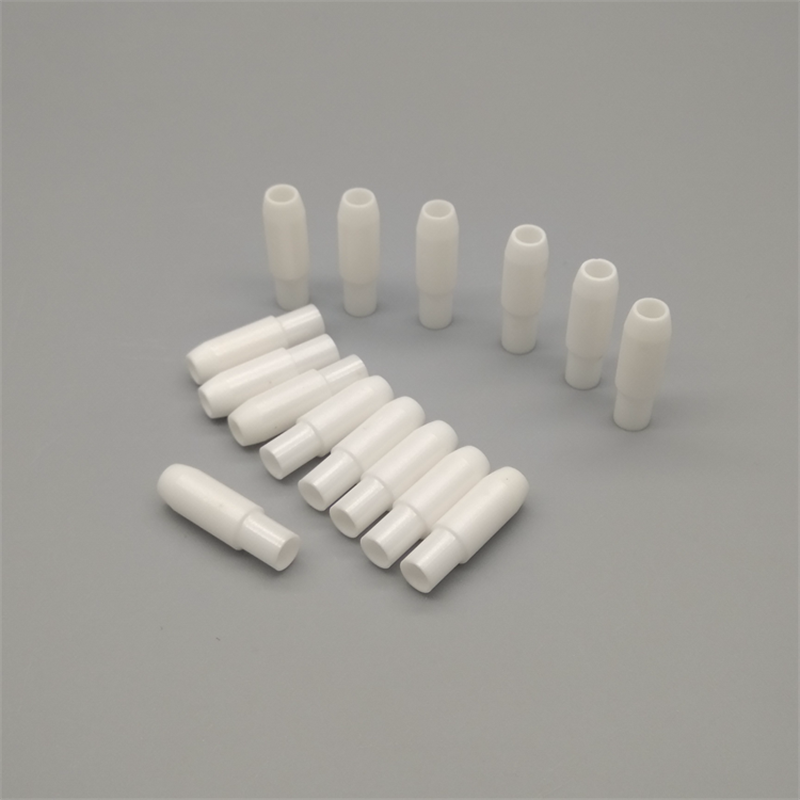
Alumina Ceramic Nozzles
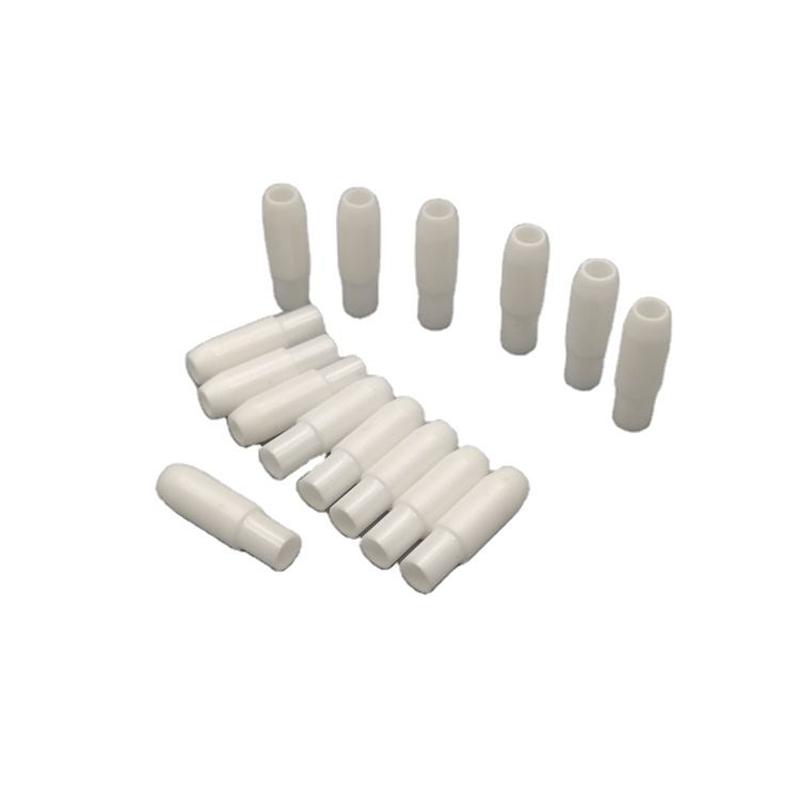
Alumina ceramic nozzle is a precision flow-control component made primarily from aluminum oxide (Al₂O₃). It is widely used in industrial systems where high wear resistance, chemical stability, electrical insulation, and dimensional accuracy under demanding conditions are required. Because alumina combines relatively high hardness with good corrosion resistance and stable electrical behavior, alumina ceramic nozzles are frequently selected for abrasive fluid handling, plasma and welding processes, spray systems, and high-temperature gas or liquid delivery.
What makes alumina suitable for nozzle applications?
Alumina ceramics are polycrystalline oxide ceramics. Their performance comes from strong ionic-covalent bonding in the Al₂O₃ crystal structure and a dense, fine-grained microstructure after sintering. This structure gives alumina high hardness and good resistance to abrasive wear, which is especially important when nozzles handle slurries, powders, high-velocity fluids, or chemically active media.
At the same time, alumina has low electrical conductivity and stable dielectric properties. This makes it suitable for applications involving electrical arcs, plasma jets, or electrically sensitive environments. Alumina also retains its shape and mechanical integrity at elevated temperatures, although its thermal shock resistance is more limited than some non-oxide ceramics.
Typical material grades and purity levels
Alumina nozzles are commonly produced in several purity grades. The most typical ranges include:
95–96% alumina: Offers a balanced combination of mechanical strength, wear resistance, and cost efficiency. Often used in general industrial wear and flow-control applications.
99% alumina: Provides higher hardness, better chemical resistance, and improved electrical insulation. Common in precision nozzles, semiconductor-related equipment, and demanding wear environments.
99.5–99.9% alumina: Used when maximum purity, dielectric stability, or corrosion resistance is required. These grades are more sensitive to manufacturing quality and cost.
Higher purity generally improves hardness, chemical resistance, and electrical insulation, but it does not automatically eliminate brittleness. Nozzle performance also depends on internal surface finish, dimensional tolerance, sintering density, and whether the part is ground or polished after firing.
Key engineering properties
Alumina ceramic nozzles are valued for several performance characteristics:
High hardness and wear resistance: Alumina resists abrasion from particles, powders, and high-velocity fluids better than most metals and many polymers.
Good chemical stability: It resists many acids, alkalis, and organic solvents at room and moderate temperatures, though strong hydrofluoric acid and hot concentrated alkalis can attack it.
Electrical insulation: Alumina is an effective electrical insulator, making it suitable for plasma, welding, and electrically isolated fluid paths.
High-temperature capability: Alumina maintains structural stability at elevated temperatures, but rapid temperature changes can cause cracking if the design or operating conditions are unfavorable.
Dimensional stability: Properly sintered alumina has low creep and good shape retention, which helps maintain consistent flow characteristics.
However, alumina is a brittle ceramic. It has low fracture toughness compared with metals and some advanced ceramics such as zirconia. Impact loads, uneven clamping, sharp thermal gradients, or localized mechanical stress can lead to chipping or fracture.
Common applications
Alumina ceramic nozzles appear in many industrial processes because they can maintain a stable internal geometry under abrasive or corrosive conditions.
Abrasive slurry and powder handling
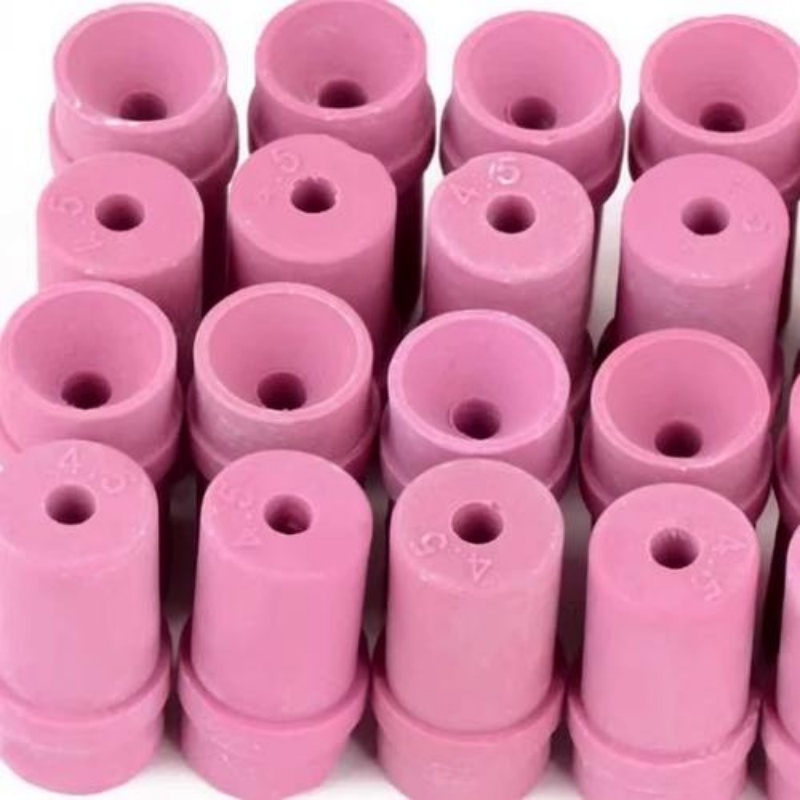
In sandblasting, slurry injection, powder feeding, and wear-resistant fluid systems, alumina nozzles help reduce inner-bore erosion. A stable bore diameter is critical for maintaining consistent flow rate, spray pattern, and process repeatability.
Plasma and welding nozzles
Alumina’s electrical insulation and thermal stability make it suitable for certain plasma torches, welding guides, and arc-confinement components. It helps isolate conductive parts while resisting heat and spatter.
Spray and atomization systems
For chemical spraying, coating, cleaning, and mist generation, alumina nozzles can provide good corrosion resistance and wear resistance, especially when the fluid contains suspended particles.
High-temperature gas or fluid delivery
Alumina nozzles may be used in furnace systems, thermal processing equipment, and laboratory setups where metallic nozzles would oxidize, deform, or corrode.

Advantages and limitations
The main advantages of alumina ceramic nozzles are their wear resistance, chemical stability, electrical insulation, and ability to operate at elevated temperatures. They are particularly effective when the primary failure mode of a metal or polymer nozzle is abrasion, corrosion, or electrical breakdown.
Their limitations should also be considered. Alumina has limited toughness and is sensitive to impact and thermal shock. Machining complex internal channels is difficult after sintering, so tight tolerances usually require precision grinding or near-net-shape forming. Alumina is also less suitable than zirconia in applications with high mechanical shock, and less suitable than silicon carbide or silicon nitride in extreme thermal-shock environments.
When to choose alumina, and when to consider alternatives
Choose alumina ceramic nozzles when the application requires:
Strong abrasion resistance
Good chemical resistance
Electrical insulation
Stable geometry at moderate to high temperatures
Cost-effective high-performance ceramic behavior
Consider zirconia if the nozzle must withstand higher impact or contact stress. Consider silicon carbide or silicon nitride if thermal shock resistance, extreme hardness, or very high thermal conductivity is more critical than electrical insulation. For highly specialized dielectric or ultra-high-purity environments, higher-purity alumina grades may be justified.
Engineering precautions
When specifying an alumina ceramic nozzle, pay attention to inner diameter tolerance, surface roughness, mounting method, sealing arrangement, operating temperature range, and the nature of the fluid or gas. Avoid sudden heating or cooling where possible, and ensure that mechanical fixtures do not create point loads. Because ceramic nozzles cannot deform plastically like metals, proper alignment and gentle installation are essential for reliable service life.
FAQ
What is an alumina ceramic nozzle used for?
It is used to control and direct the flow of gases, liquids, powders, or plasmas in applications that require wear resistance, chemical stability, electrical insulation, or high-temperature performance.
Is alumina suitable for high-temperature nozzles?
Yes, alumina can operate at elevated temperatures and retains good dimensional stability. However, it should be protected from rapid temperature changes that may cause thermal shock cracking.
Is alumina electrically insulating?
Yes. Alumina is a good electrical insulator with stable dielectric properties, which is why it is often used in plasma, welding, and electrically sensitive fluid systems.
How does alumina compare with zirconia for nozzle applications?
Alumina generally offers better electrical insulation and lower cost, while zirconia typically provides higher fracture toughness and impact resistance. Alumina is preferred when wear, insulation, and chemical stability are dominant requirements.
What purity grade is commonly used?
95–96% and 99% alumina are common. Higher-purity grades such as 99.5–99.9% are selected when improved chemical resistance, hardness, or dielectric performance is needed.
What are the main failure risks for alumina nozzles?
The main risks are brittle fracture from impact or uneven clamping, thermal shock from rapid temperature changes, and cracking caused by internal pressure spikes or poor mechanical support.