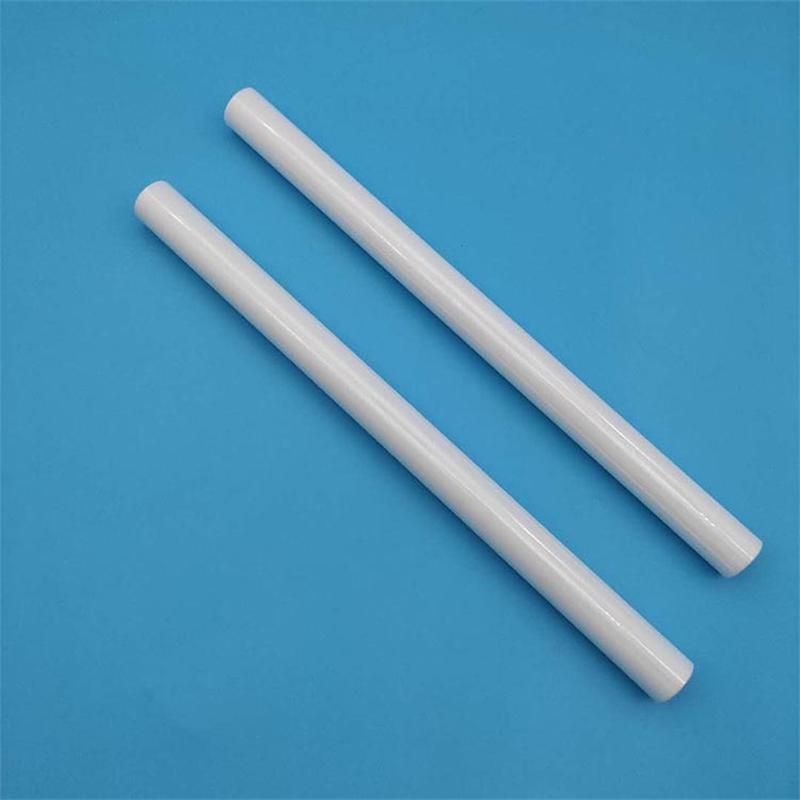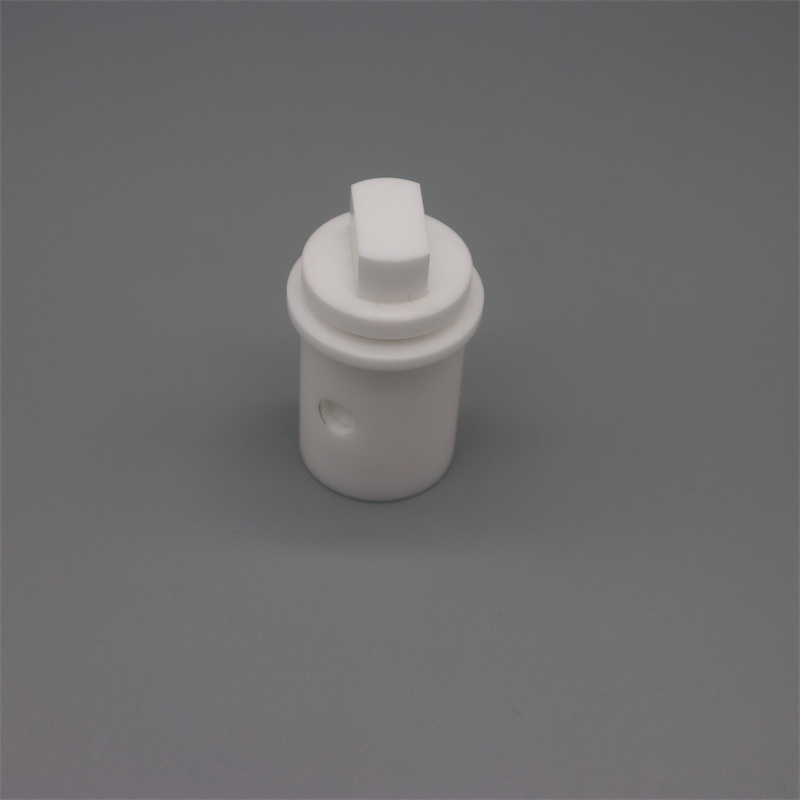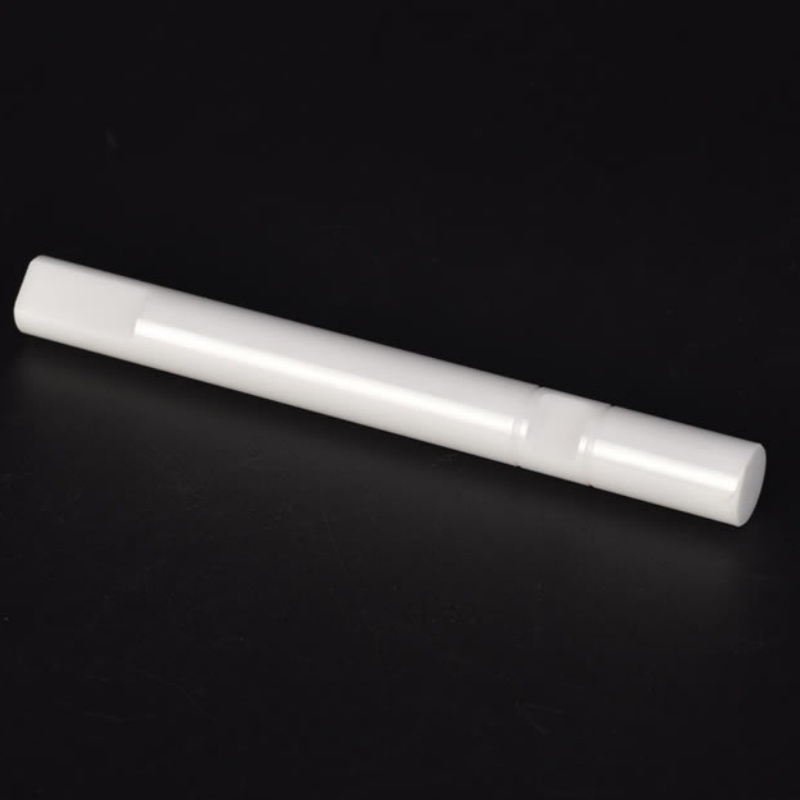
Alumina Ceramic Long Rod Pump Core
In demanding fluid handling applications—from oil well extraction to precision pharmaceutical metering—the pump core is the component that ultimately determines system reliability, accuracy, and service life. When the application requires exceptional wear resistance, chemical inertness, and dimensional stability over an extended stroke length, the alumina ceramic long rod pump core emerges as a proven engineering solution.
This guide provides a comprehensive overview of alumina ceramic long rod pump cores, covering their material properties, design considerations, manufacturing processes, and real-world applications. Whether you are a design engineer evaluating material options, a procurement specialist qualifying components, or a researcher exploring advanced ceramic applications, this resource offers the technical depth you need.
What Is an Alumina Ceramic Long Rod Pump Core?
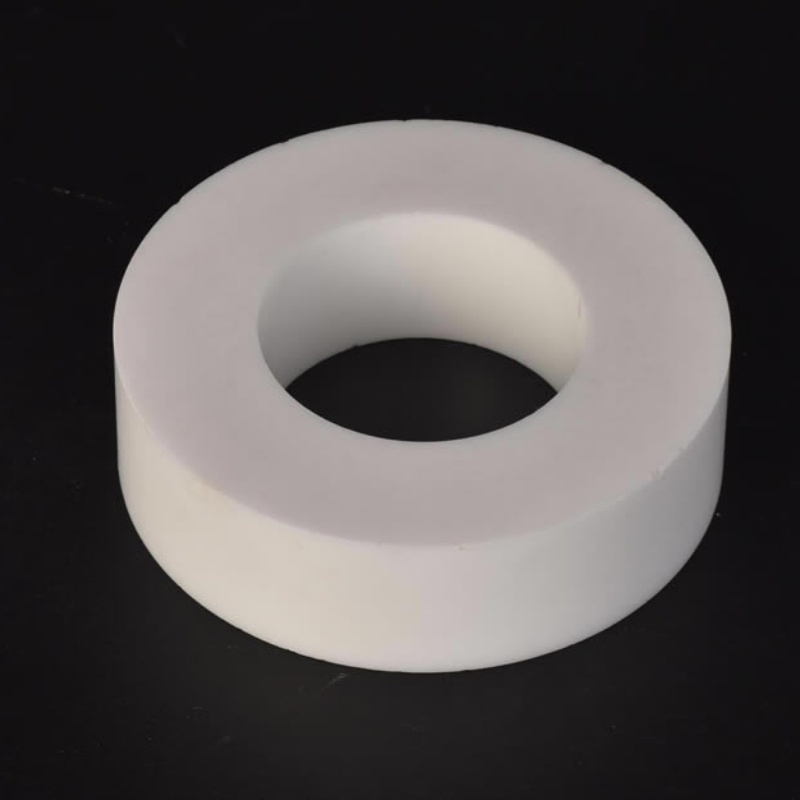
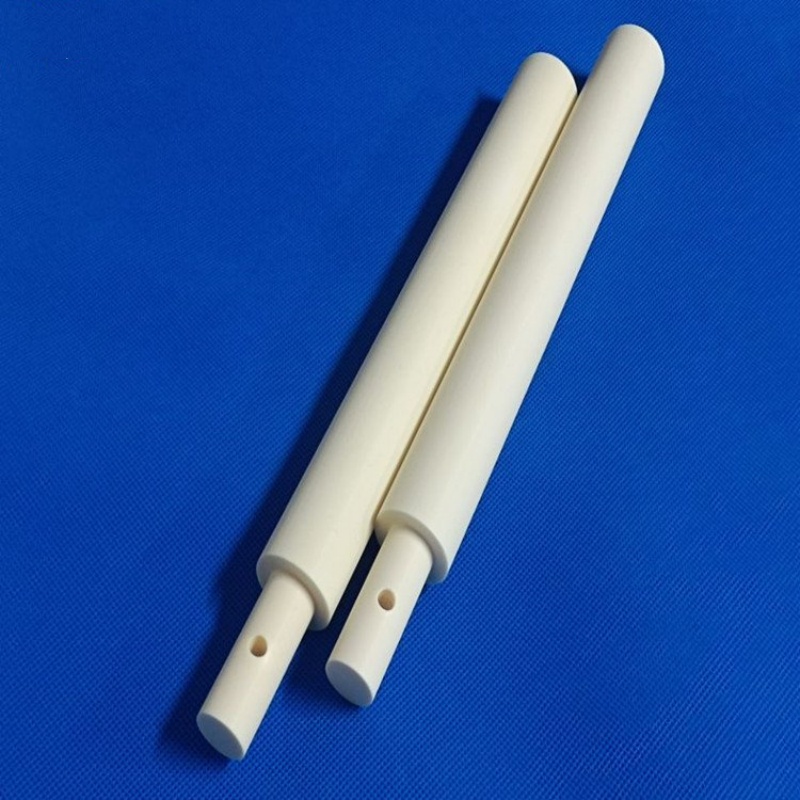
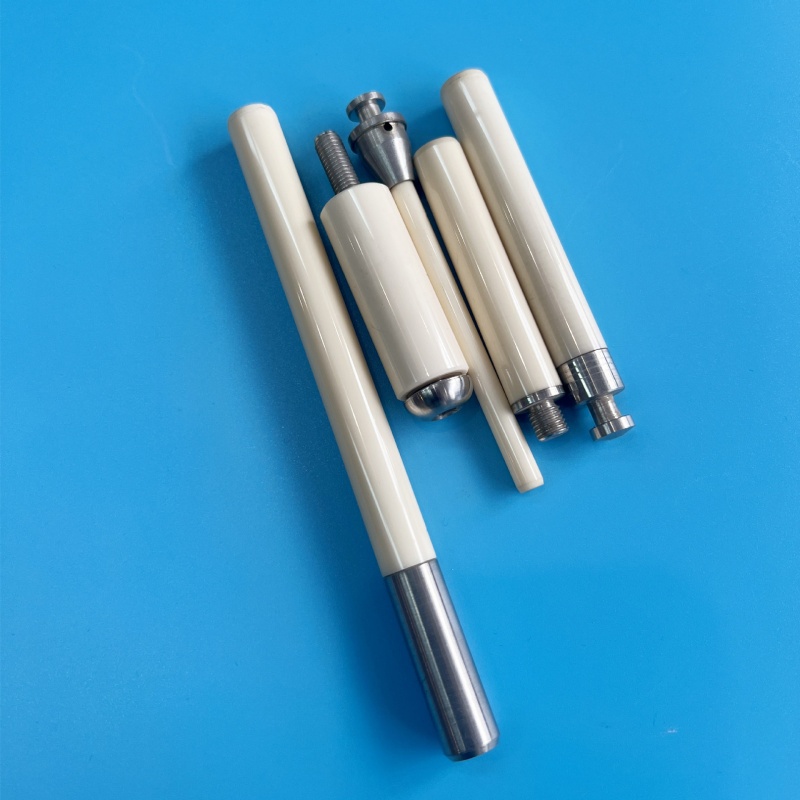
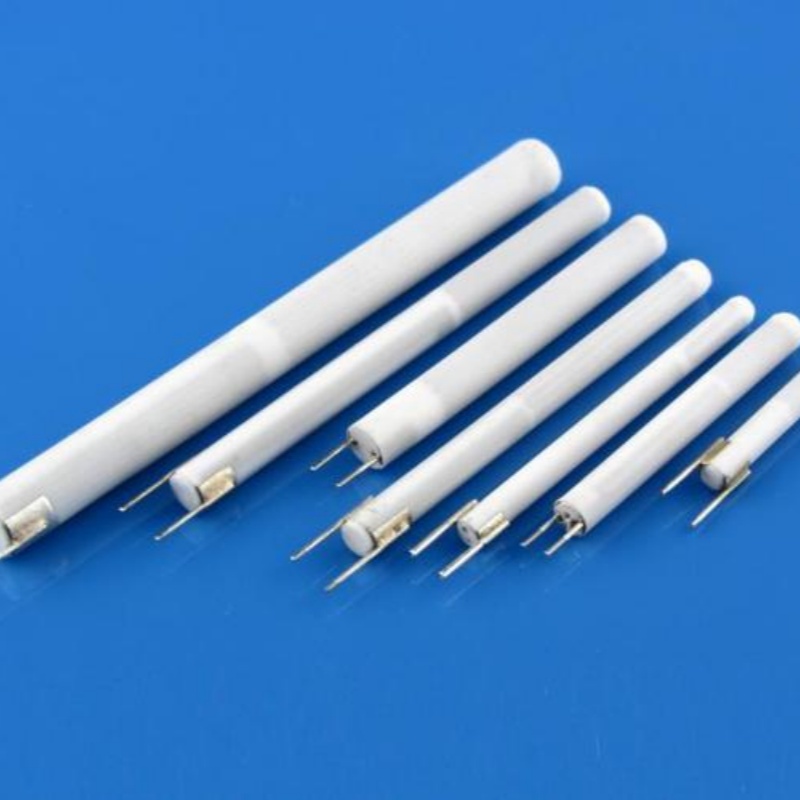
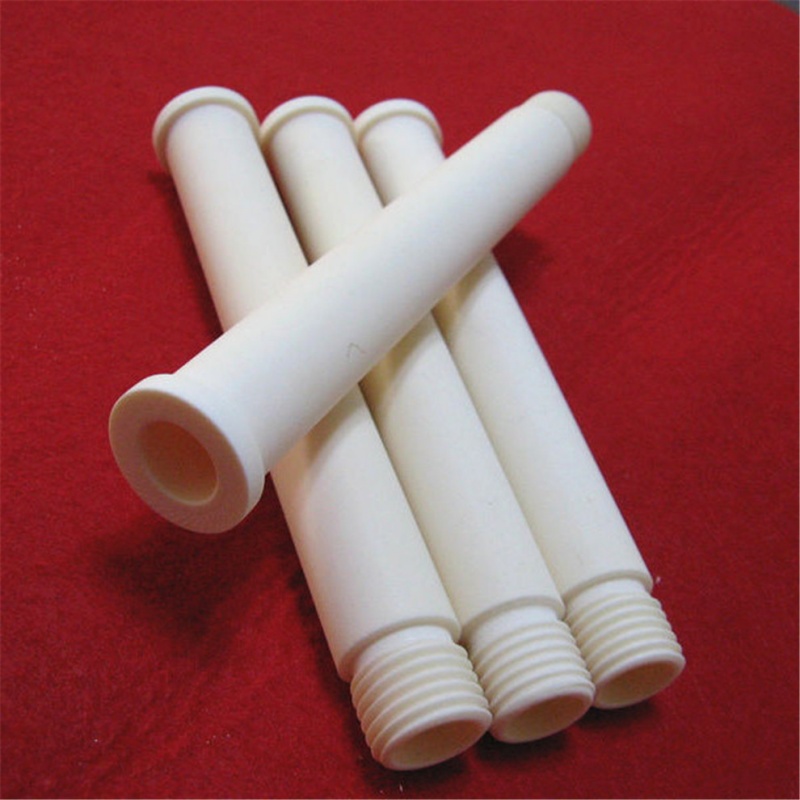
Alumina ceramic long rod pump core is a precision-engineered cylindrical component manufactured from high-purity aluminum oxide (Al₂O₃) ceramic, designed to function as the central pumping element in various fluid displacement systems.
Unlike metallic pump cores that rely on sliding seals and lubrication, ceramic pump cores leverage the inherent material properties of advanced ceramics to achieve superior wear resistance and chemical compatibility. The “long rod” configuration refers specifically to pump cores with extended length-to-diameter ratios, typically required in applications with long stroke requirements or high-volume displacement needs.
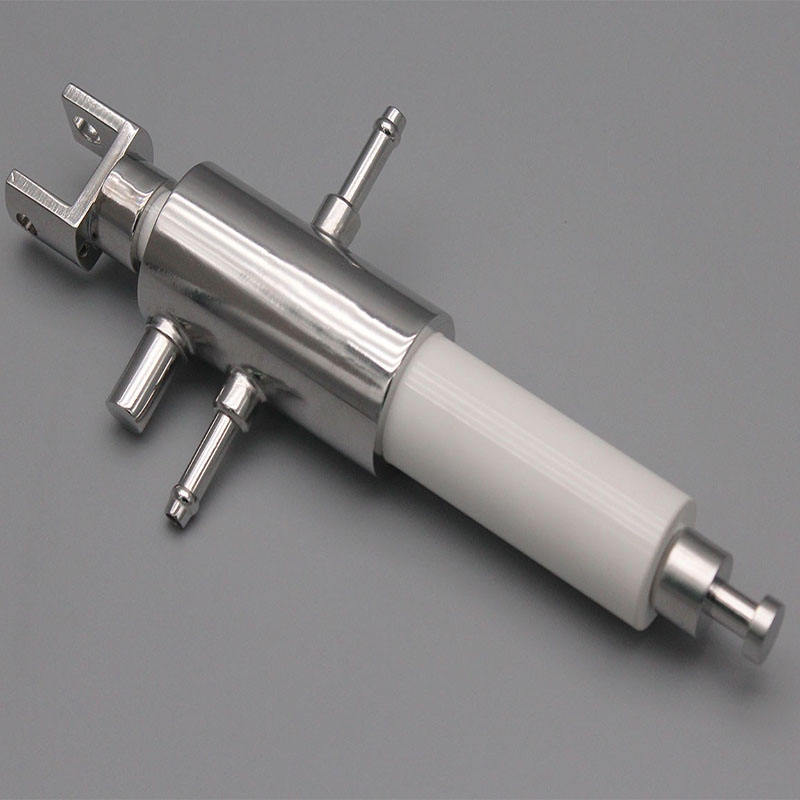
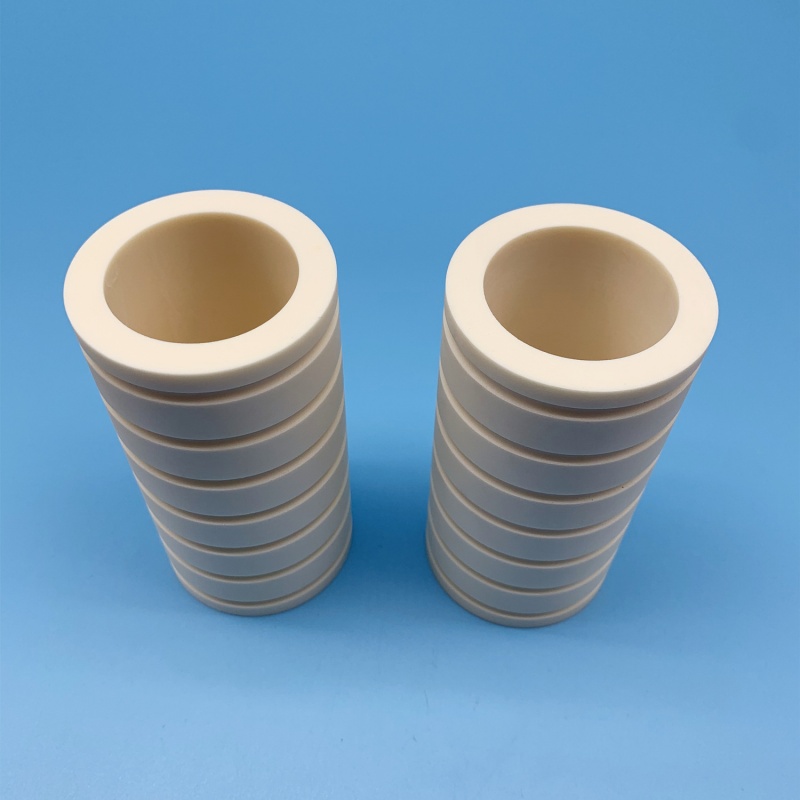
In the context of oil well pumps, for instance, ceramic pump cores are often assembled in segmented configurations within a metal outer tube to achieve overall lengths up to 7,800 mm, accommodating 8-meter stroke pumping unit requirements. Each ceramic segment is typically limited to approximately 300 mm in length due to manufacturing constraints, with segments aligned and secured within the metal housing.
Key Material Properties of Alumina for Pump Cores
The selection of alumina (Al₂O₃) for long rod pump core applications is driven by a combination of properties that are difficult to achieve simultaneously in other engineering materials.
In terms of hardness, alumina registers at Mohs 9 or HRA 89, which provides exceptional wear resistance and the ability to resist abrasion from particulates suspended in the pumped fluid. The flexural strength typically falls in the range of 300 to 400 MPa, allowing the component to withstand mechanical stress during pumping cycles without failure. Compressive strength is even more impressive, reaching 2,000 to 2,500 MPa, which supports high-pressure operation without deformation.
The density of high-purity alumina ranges from 3.75 to 3.85 g/cm³, and this high density contributes directly to both wear resistance and overall mechanical integrity. Thermal conductivity is approximately 39 W/(m·K), enabling efficient heat dissipation during continuous operation. The coefficient of thermal expansion, at roughly 8.6 × 10⁻⁶/°C, matches well with metallic housings used in assembly, reducing the risk of mismatch-induced stress. Maximum service temperatures reach 1,600 to 1,800°C, making alumina suitable for high-temperature applications where other materials would degrade.
Advantages of Alumina Ceramic Pump Cores
Superior Wear Resistance
The extreme hardness of alumina (Mohs 9) makes it highly resistant to abrasive wear. In pump applications where the core reciprocates or rotates within a close-tolerance bore, this wear resistance translates directly to extended service life and maintained pumping accuracy over millions of cycles.
Chemical Inertness
Alumina ceramic exhibits excellent resistance to most acids, alkalis, and organic solvents, with the notable exceptions of hydrofluoric acid and strong alkalis. This chemical stability makes it suitable for handling aggressive fluids in chemical processing, pharmaceutical manufacturing, and oilfield applications where corrosive media are common.
High-Temperature Capability
With a melting point of approximately 2,050°C and useful service temperature up to 1,600°C, alumina pump cores can operate reliably in high-temperature environments where polymer or metal components would fail.
Self-Lubricating Properties
The surface finish achievable on precision-ground alumina components creates a micro-porous structure that can retain a thin film of fluid, effectively providing self-lubrication and reducing friction between the core and its mating surface.
Dimensional Stability
The low thermal expansion coefficient and high stiffness of alumina ensure that the pump core maintains its critical dimensions across a wide temperature range, preserving the tight clearances essential for efficient pump operation.
Limitations and Considerations
Despite its advantages, alumina ceramic presents certain challenges that engineers must address.
Brittleness is the primary concern.
Ceramic materials have limited fracture toughness. Sudden impacts, thermal shocks, or misalignment can cause cracking or fracture. Proper housing design and careful handling are essential to mitigate this risk.
Manufacturing constraints also come into play.
The maximum length of a single-piece alumina rod is limited by manufacturing capabilities. For long-stroke applications, segmented construction with careful alignment is required.
Machining challenges must be factored into the design.
Post-sintering machining of alumina requires diamond tooling and specialized equipment. Tolerances of ±0.01 mm are achievable, but at higher cost compared to metal components.
Initial cost is typically higher for precision ceramic components than for comparable metal parts, though this is often offset by extended service life and reduced maintenance over the equipment’s lifetime.
Design Considerations for Long Rod Pump Cores
Segmentation Strategy
For applications requiring overall core lengths exceeding the practical manufacturing limit, typically approximately 300 mm per segment, a segmented design is necessary. Each ceramic segment is fabricated individually, then assembled within a metal outer tube that provides axial positioning and structural support.
Several key considerations govern this approach. Segment length is typically limited to 300 mm to maintain manufacturing precision and dimensional control. The joint design incorporates stainless steel washers between segments to prevent end-face contact and fracture. Axial alignment is provided by the metal housing, which ensures precise positioning and uniform load distribution. Thermal expansion matching between ceramic and metal components is critical, and the coefficient of thermal expansion compatibility must be carefully evaluated during the design phase.
Surface Finish Requirements
The surface finish of a pump core directly affects friction, wear, and sealing performance. High-precision grinding and polishing processes are typically employed to achieve a mirror-like surface finish with surface roughness Ra below 0.02 μm, combined with high roundness and straightness tolerances and minimal surface defects that could initiate wear or provide nucleation sites for crack propagation.
Clearance Selection
The radial clearance between the pump core and its bore is a critical design parameter. Typical clearance values range from 10 to 30 μm, depending on operating pressure, fluid viscosity, thermal expansion during operation, and manufacturing tolerances. These tight clearances are essential for maintaining volumetric efficiency and minimizing internal leakage, but they also demand careful attention to thermal management and material compatibility.
Manufacturing Process
The production of alumina ceramic long rod pump cores involves several specialized steps, each requiring precise control to achieve the final performance characteristics.
Raw Material Preparation
High-purity alumina powder, typically ranging from 95% to 99.8% Al₂O₃ content, is selected based on the application requirements. For pump cores, purities of 99% or higher are common to achieve the necessary density and wear resistance. The powder is carefully characterized for particle size distribution, purity, and flow properties before proceeding to the forming stage.
Forming
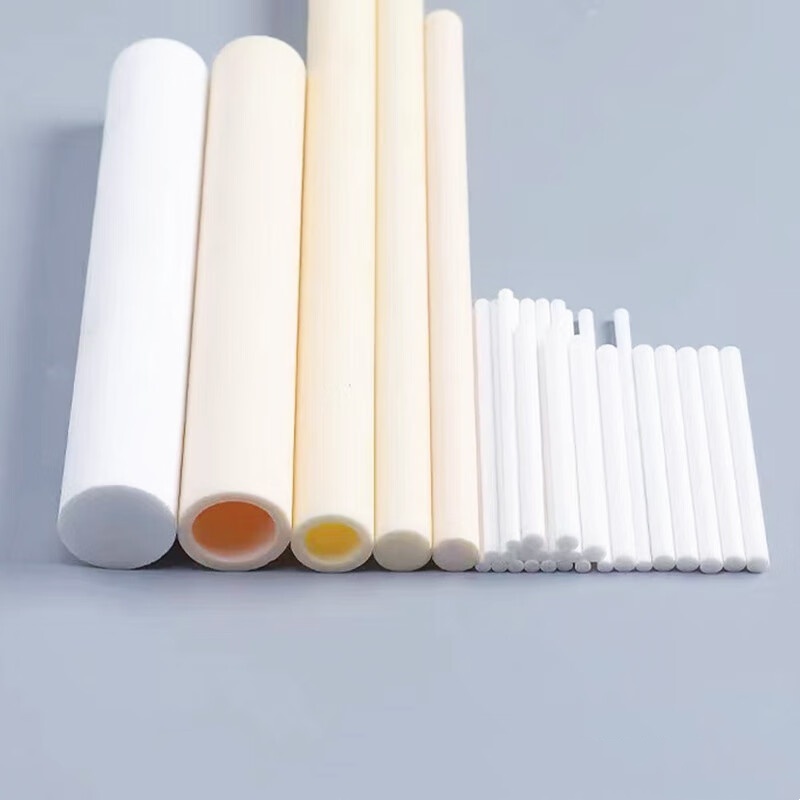
Green bodies are formed using one of several methods. Isostatic pressing produces uniform density in long, slender shapes by applying pressure uniformly from all directions. Extrusion is suitable for continuous rod production and offers higher throughput. Injection molding may be employed for more complex geometries where standard pressing is not feasible.
Sintering
The formed green bodies are sintered at temperatures typically exceeding 1,600°C. This process densifies the material to near-theoretical density, typically 3.75 to 3.85 g/cm³, and develops the final mechanical properties. Sintering parameters—including temperature ramp rates, hold times, and atmosphere—are carefully controlled to achieve the desired microstructure and grain size.
Precision Machining
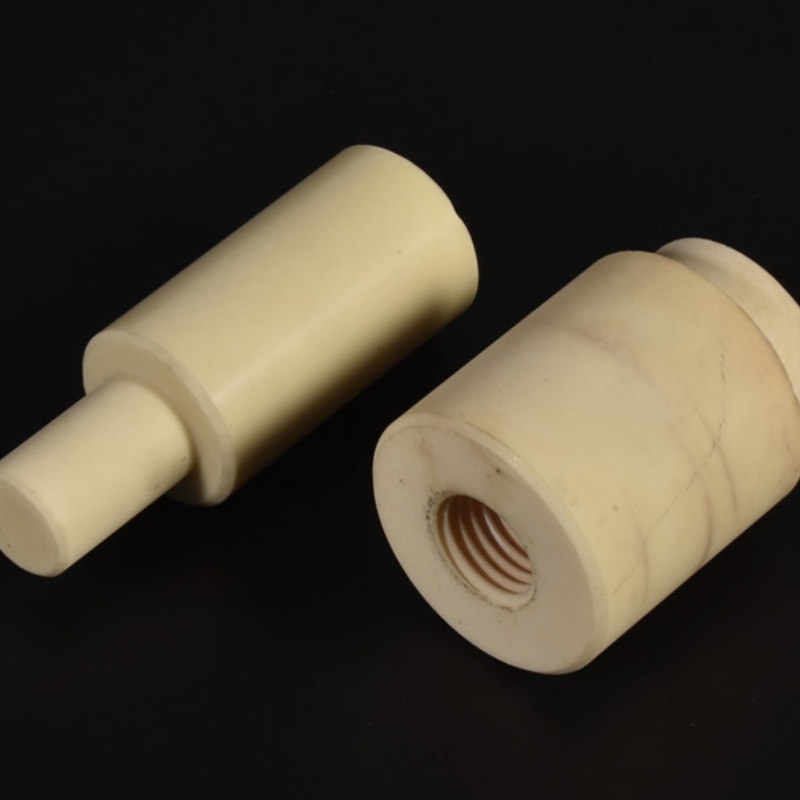
After sintering, the ceramic undergoes precision machining using diamond tooling to achieve final dimensions and surface finish. This may include centerless grinding for diameter control, honing or lapping for surface finish, and OD grinding for straightness and roundness. The machining process must be carefully managed to avoid introducing surface damage or residual stresses that could compromise performance.
Quality Inspection
Finished components are subjected to comprehensive quality inspection. Dimensional accuracy is verified to typical tolerances of ±0.01 mm. Surface finish is measured using profilometry. Density and porosity are assessed, and components are inspected for freedom from cracks or defects using dye penetrant or other non-destructive testing methods.
Applications
Alumina ceramic long rod pump cores find application across numerous industries.
In the oil and gas industry, they are used in subsurface pumps and wellhead equipment where wear resistance, long stroke capability, and corrosion resistance are essential. The extended service life of ceramic components in abrasive well fluids is a primary driver for adoption in this sector.
In pharmaceutical manufacturing, precision metering pumps and filling equipment rely on the chemical inertness, cleanability, and precision of alumina pump cores. The ability to maintain accurate dosing without contamination is critical in this regulated industry.
Chemical processing operations employ these pump cores in chemical transfer pumps and metering systems where corrosion resistance and chemical compatibility are paramount. The resistance of alumina to most aggressive chemicals makes it a preferred material for handling challenging media.
The food and beverage industry uses alumina pump cores in dosing pumps and filling equipment, where hygienic design and wear resistance are required to maintain product quality and process reliability.
In medical devices such as dialysis machines and diagnostic analyzers, biocompatibility, precision, and reliability are key requirements that alumina ceramics can meet.
The semiconductor industry employs alumina pump cores in chemical delivery pumps where high purity and chemical resistance are essential to protect sensitive manufacturing processes.
Water treatment facilities use these components in metering pumps and chemical dosing systems where corrosion resistance and long service life are valued.
Material Selection Factors
When specifying an alumina pump core, several factors should guide your selection.
Alumina purity is a primary consideration.
Higher purity generally provides better chemical resistance and electrical insulation properties. Common grades include 95%, 99%, and 99.7% Al₂O₃. The 95% grade offers a good balance of cost and performance for general applications, while 99% and higher grades are reserved for demanding environments requiring maximum chemical resistance or electrical insulation.
Dimensional tolerance requirements are application dependent. Applications requiring precise fluid metering demand tighter tolerances, down to ±0.005 mm. General-purpose applications may accept ±0.01 mm. The tolerance specification directly affects manufacturing cost and should be carefully matched to the actual requirements.
Surface finish requirements should be specified based on the application. Higher surface finishes reduce friction and wear but increase manufacturing cost. For most pump applications, a mirror finish with Ra below 0.02 μm is desirable.
Operating environment considerations include temperature, pressure, and chemical exposure. Each of these factors influences the specific alumina grade and design configuration that should be selected.
Frequently Asked Questions
Why choose alumina ceramic over metallic materials for pump cores?
Alumina ceramic offers superior wear resistance, chemical inertness, and dimensional stability compared to metals. It does not corrode, is not susceptible to galling or seizing, and maintains tight clearances over extended service life, resulting in more consistent pumping performance and reduced maintenance requirements.
What is the maximum length for an alumina ceramic rod?
Under current manufacturing capabilities, a single-piece alumina ceramic rod can be produced to approximately 300 mm while maintaining the required precision for pump applications. For longer lengths, segmented designs assembled within a metal housing are employed to achieve total lengths up to 7,800 mm.
What purity alumina is typically used for pump cores?
Pump cores typically use 95% to 99.7% alumina content. Higher purity materials, 99% and above, provide superior chemical resistance and electrical insulation properties but at higher cost. The specific purity selected depends on the application requirements.
Can alumina pump cores handle high-pressure applications?
Yes. Alumina ceramic has compressive strength of 2,000 to 2,500 MPa, making it suitable for high-pressure pumping applications. Some alumina components are rated for operating pressures up to 10,000 PSI, depending on design and assembly configuration.
How are long ceramic rods assembled in pumps?
Long ceramic rods are typically assembled in segments, with each segment manufactured to approximately 300 mm maximum length. The segments are aligned within a metal outer tube, with stainless steel washers between segments to prevent end-face damage from contact. This assembly approach also facilitates thermal expansion management.
What maintenance is required for alumina pump cores?
The wear resistance of alumina significantly reduces maintenance frequency compared to metal components. Regular inspection for wear or damage is recommended, with replacement intervals determined by operating conditions. Cleaning procedures should avoid sudden temperature changes that could cause thermal shock.
Are there different grades of alumina for pump applications?
Yes. Alumina is available in various purities and with different dopant additions to tailor properties. In addition to purity variations, manufacturers can adjust grain size, density, and other microstructural characteristics to suit specific application requirements.
What is the typical service life of an alumina pump core?
Service life depends on operating conditions, but alumina pump cores often provide multiple times the service life of comparable metal components, particularly in applications involving abrasive or corrosive media. In some oilfield applications, service life improvements of three to five times over metal alternatives have been reported.
The alumina ceramic long rod pump core represents a proven engineering solution for demanding fluid handling applications where wear resistance, chemical compatibility, and dimensional stability are paramount. While the brittleness of ceramics and manufacturing constraints must be carefully considered in design, the performance advantages often justify the material selection.
Understanding the capabilities and limitations of alumina in this application enables engineers to optimize pump designs for reliability, longevity, and precision. For long-stroke applications, segmented designs within metal housings provide a practical solution to manufacturing constraints while maintaining the performance benefits of ceramic materials.
As industries continue to pursue higher reliability and reduced maintenance in fluid handling systems, alumina ceramic pump cores remain an essential technology for engineers and designers. The material properties of alumina—hardness, chemical inertness, thermal stability, and dimensional precision—offer a combination of attributes that is difficult to match with conventional metal or polymer alternatives, ensuring that this technology will continue to serve critical applications across multiple industries.