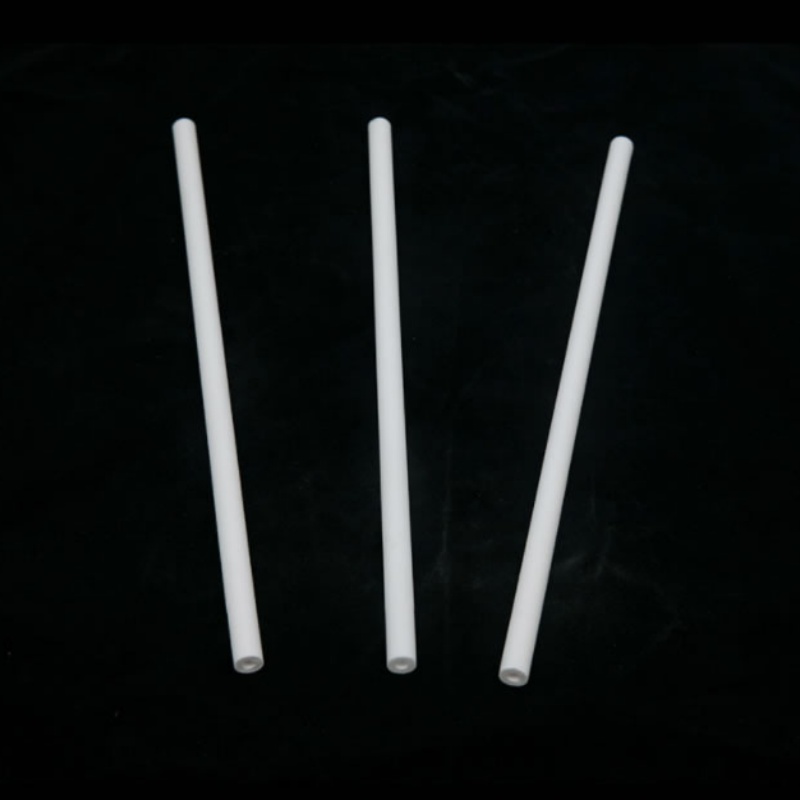
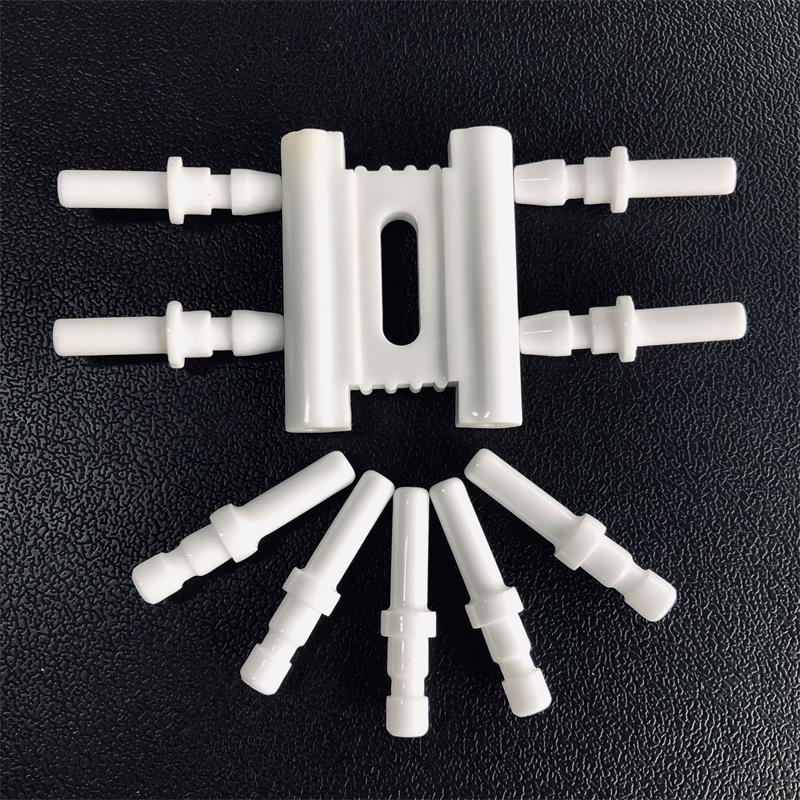
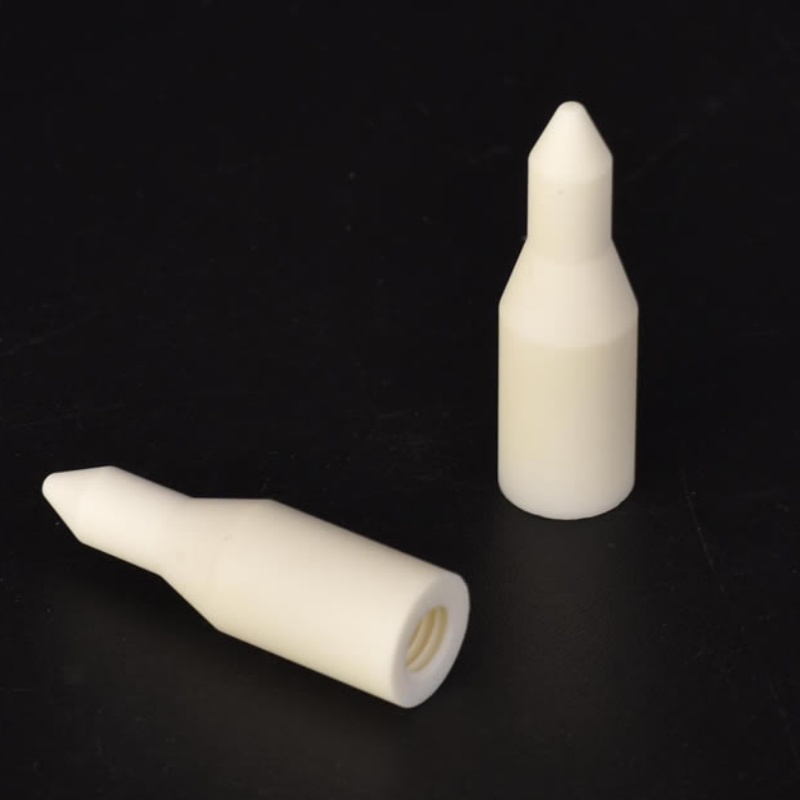
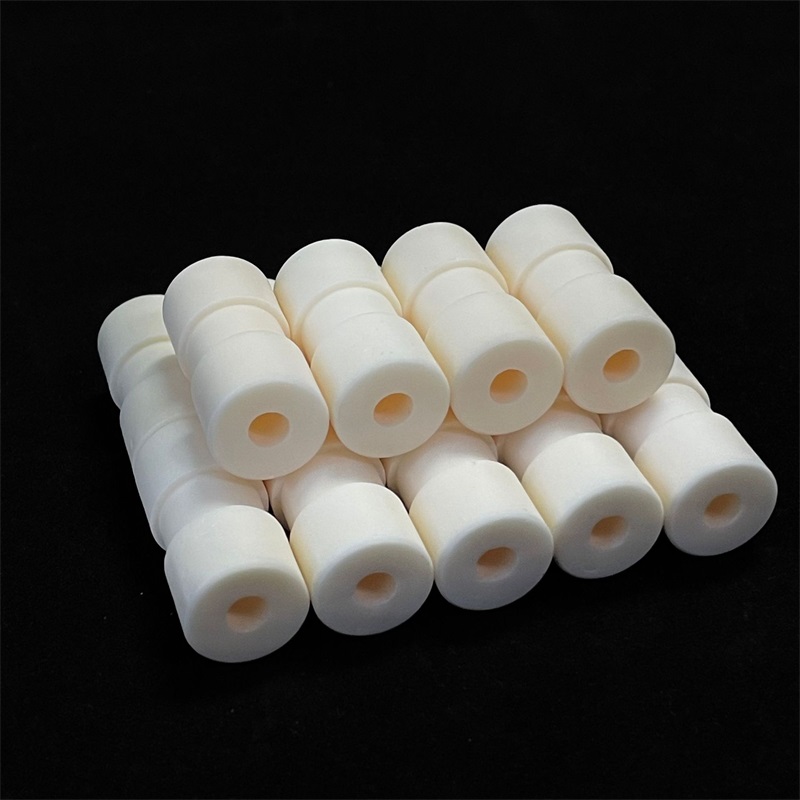
Alumina Ceramic High-Temperature Thermocouple Protection Tubes
Alumina ceramic high-temperature thermocouple protection tubes are widely used in industrial furnaces, heat-treatment systems, laboratory kilns, and thermal processing equipment where accurate temperature measurement must be maintained under severe conditions. These components protect thermocouple elements from direct contact with high-temperature atmospheres, molten materials, corrosive gases, and mechanical abrasion. Alumina is selected not because it is universally superior, but because it offers a balanced combination of high-temperature stability, electrical insulation, chemical resistance, and dimensional stability at temperatures that would degrade many metals and polymers.
What an alumina thermocouple protection tube does
Thermocouple protection tube serves as a barrier between the sensing element and the process environment. In high-temperature applications, the tube must prevent chemical attack, oxidation, slag penetration, and mechanical damage while still allowing sufficient thermal response for reliable temperature measurement. If the tube fails, the thermocouple may drift, short-circuit, fracture, or produce unstable readings.
Alumina ceramic protection tubes are especially suitable when the operating environment involves oxidizing or neutral atmospheres, electrically conductive melts, abrasive solids, or temperatures above the useful range of many metallic sheaths.
Why alumina performs well at high temperature
Alumina, or aluminum oxide (Al₂O₃), maintains good structural integrity at elevated temperatures. Its performance comes from a dense, stable oxide lattice that resists softening, creep, and chemical breakdown under many industrial conditions. High-purity alumina ceramics typically show excellent electrical insulation even at several hundred degrees Celsius, which helps prevent signal leakage in thermocouple circuits.
The material also has relatively high hardness and good wear resistance, making it useful in environments where particulate flow, powder beds, or moving solids could erode a softer sheath. However, alumina is a brittle ceramic. It does not deform plastically like metal, so sudden temperature changes, mechanical impact, or uneven heating can cause cracking.
Key properties relevant to selection
Alumina protection tubes are available in different purity grades, commonly ranging from about 95% to 99.9% Al₂O₃. Higher purity generally improves high-temperature performance, electrical insulation, and corrosion resistance, but it may also increase cost and machining difficulty.
Typical engineering characteristics include:
High-temperature capability: Suitable for continuous use in oxidizing atmospheres, often in the range of 1,500–1,700°C depending on grade, atmosphere, and design.
Electrical insulation: Helps maintain thermocouple signal integrity, especially in conductive melts or high-temperature furnace environments.
Chemical stability: Resistant to many oxidizing gases, molten non-ferrous metals, and neutral atmospheres.
Wear resistance: Useful where abrasive powders, granules, or flowing solids are present.
Dimensional stability: Maintains shape and internal bore geometry under sustained heat, reducing the risk of thermocouple displacement.
Exact mechanical strength, thermal conductivity, and maximum service temperature vary with purity, density, grain structure, and manufacturing method. These values should be confirmed for the specific grade being considered.
Common specifications and design features
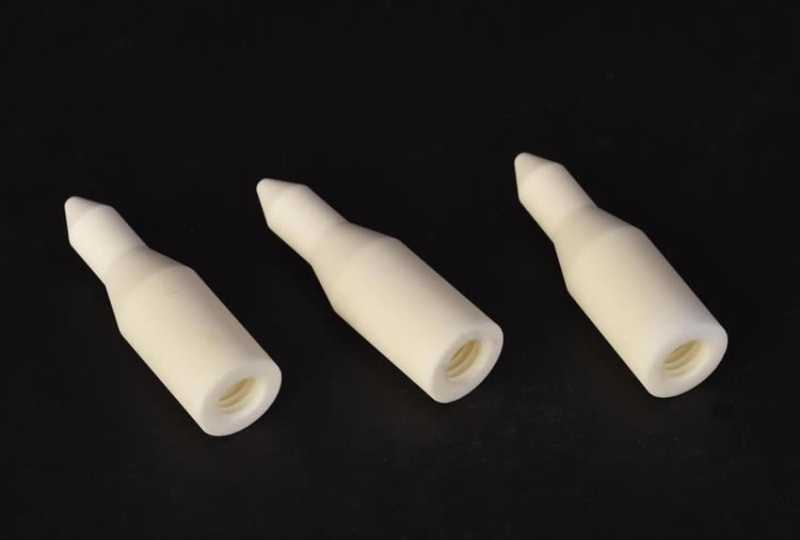
Alumina thermocouple protection tubes are usually produced as closed-end tubes with a single open end for thermocouple insertion. They may be supplied with flanges, threads, or plain ends depending on how they are mounted in a furnace wall, kiln, crucible, or process vessel.
Important specification items include:
Outer diameter and wall thickness: Thicker walls improve mechanical strength and chemical resistance but slow thermal response.
Length and immersion depth: Must match furnace geometry and required measurement zone.
Purity grade: 95%, 99%, 99.5%, or higher-purity alumina may be specified based on temperature and corrosion requirements.
End configuration: Closed-end tubes are most common; special ends may be needed for sealing or mounting.
Surface finish: A smoother surface can reduce slag adhesion and improve cleanability in some applications.
Typical applications
Alumina protection tubes are commonly used in:
Heat-treatment furnaces: Where stable temperature measurement is needed in oxidizing atmospheres.
Ceramic and refractory kilns: Where alumina’s compatibility with high-temperature oxide environments is advantageous.
Laboratory furnaces: Where electrical insulation and chemical inertness help protect sensitive thermocouples.
Molten non-ferrous metal processing: Alumina resists many non-ferrous melts better than ordinary metals, though compatibility must be checked case by case.
Glass and enamel processing: Useful where molten glass, frit, or fluxes may attack metallic sheaths.
Incineration and waste-treatment systems: Where oxidation resistance and high-temperature stability are important.
They are less suitable for environments involving strong thermal shock, heavy mechanical impact, or highly aggressive reducing atmospheres unless the operating conditions are carefully evaluated.

Advantages and limitations
The main advantages of alumina ceramic thermocouple protection tubes are high-temperature stability, electrical insulation, chemical resistance in oxidizing environments, and good wear resistance. They are especially valuable when metallic sheaths would oxidize, soften, corrode, or lose insulation performance.
The limitations are equally important. Alumina is brittle and sensitive to rapid temperature changes. A tube that is heated unevenly, cooled too quickly, or mechanically constrained may crack. It also has lower thermal conductivity than many metals, so temperature response can be slower. In strongly reducing atmospheres or in contact with certain slags, fluxes, or molten metals, alumina may still degrade over time.
When to choose alumina, and when to consider alternatives
Alumina is a strong choice when the process involves:
Continuous temperatures above 1,000°C
Oxidizing or neutral atmospheres
A need for electrical insulation
Exposure to abrasive solids or non-conductive melts
Stable furnace or kiln environments with limited thermal shock
Other materials may be more appropriate when thermal shock resistance, impact resistance, or reducing-atmosphere stability is critical. Silicon carbide offers higher thermal conductivity and better thermal shock resistance, making it suitable for some rapid-cycle or highly abrasive applications. Zirconia can provide higher temperature capability in certain conditions but may involve different phase-stability considerations. Metallic sheaths remain practical for lower-temperature applications or environments where mechanical toughness and fast thermal response are more important than extreme ceramic-level heat resistance.
Engineering precautions
To improve service life, alumina protection tubes should be heated and cooled gradually whenever possible. Sudden immersion into a very hot zone or rapid cooling in air or water should be avoided. The tube should be supported properly to prevent bending loads, and the thermocouple should fit the internal bore without excessive force. If slag, glass, or molten material is present, the tube surface should be inspected regularly for penetration, cracking, or dimensional change.
FAQ
What is an alumina ceramic thermocouple protection tube used for?
It protects thermocouple elements in high-temperature environments such as furnaces, kilns, and molten material processing, helping maintain accurate and stable temperature measurement.
How high a temperature can alumina protection tubes withstand?
High-purity alumina can often operate continuously in the range of 1,500–1,700°C in oxidizing or neutral atmospheres, but the exact limit depends on purity, design, and process conditions.
Is alumina electrically insulating at high temperature?
Yes, alumina retains good electrical insulation at elevated temperatures, which helps prevent signal leakage and improves thermocouple reliability in conductive environments.
Can alumina tubes resist thermal shock?
Alumina has limited thermal shock resistance compared with materials like silicon carbide. Rapid heating or cooling can cause cracking, so temperature changes should be controlled.
How does alumina compare with silicon carbide for thermocouple tubes?
Alumina provides better electrical insulation and strong oxidation resistance, while silicon carbide typically offers higher thermal conductivity and better thermal shock resistance. The choice depends on atmosphere, temperature profile, and mechanical demands.
What purity grade should be selected?
Higher-purity alumina generally offers better high-temperature stability and chemical resistance, but 95–99% grades may be sufficient for less severe conditions. The grade should be matched to temperature, atmosphere, and service life requirements.