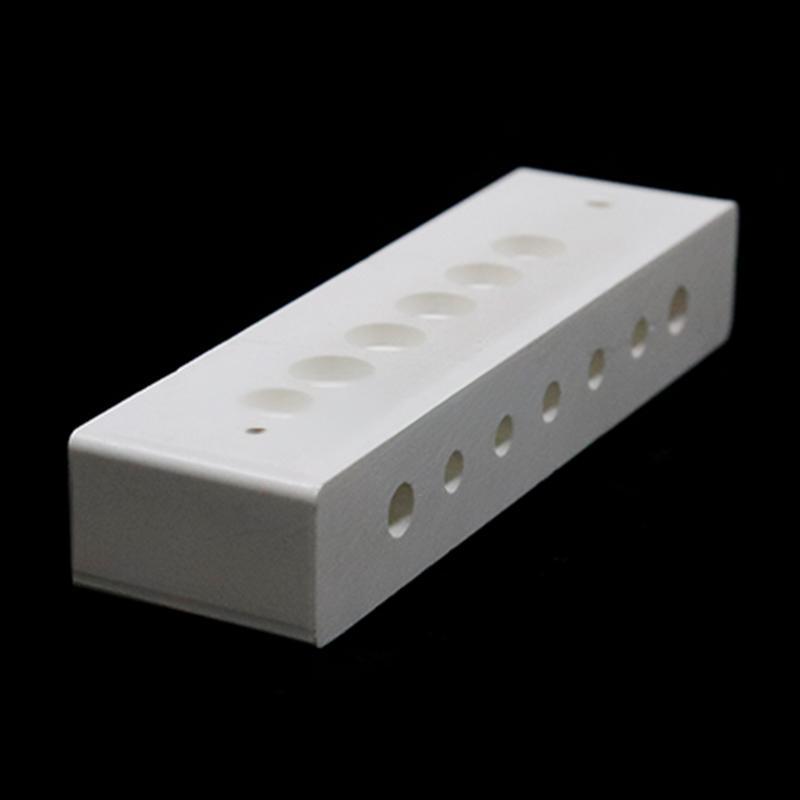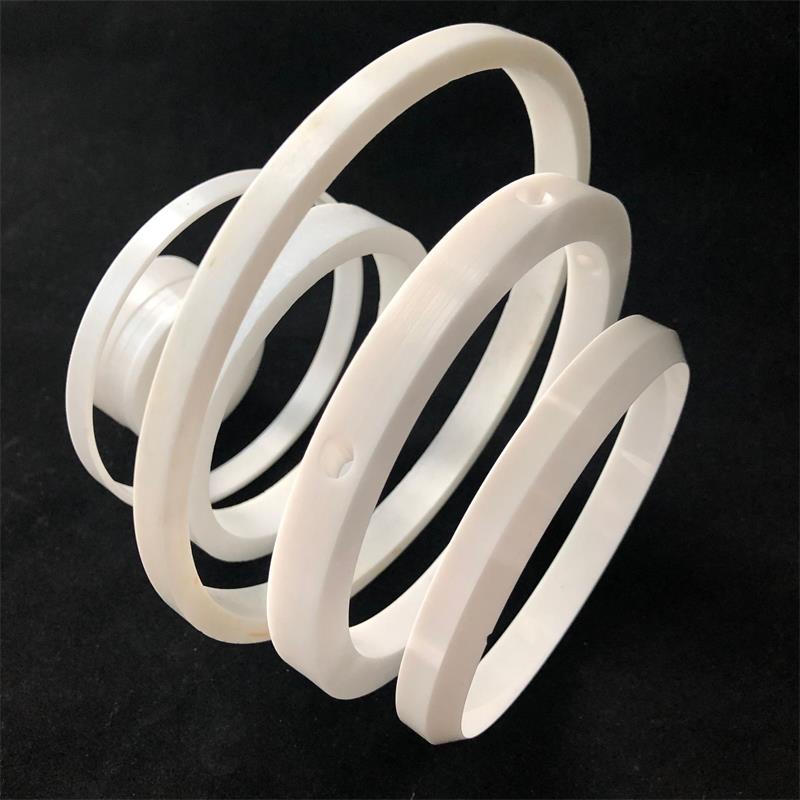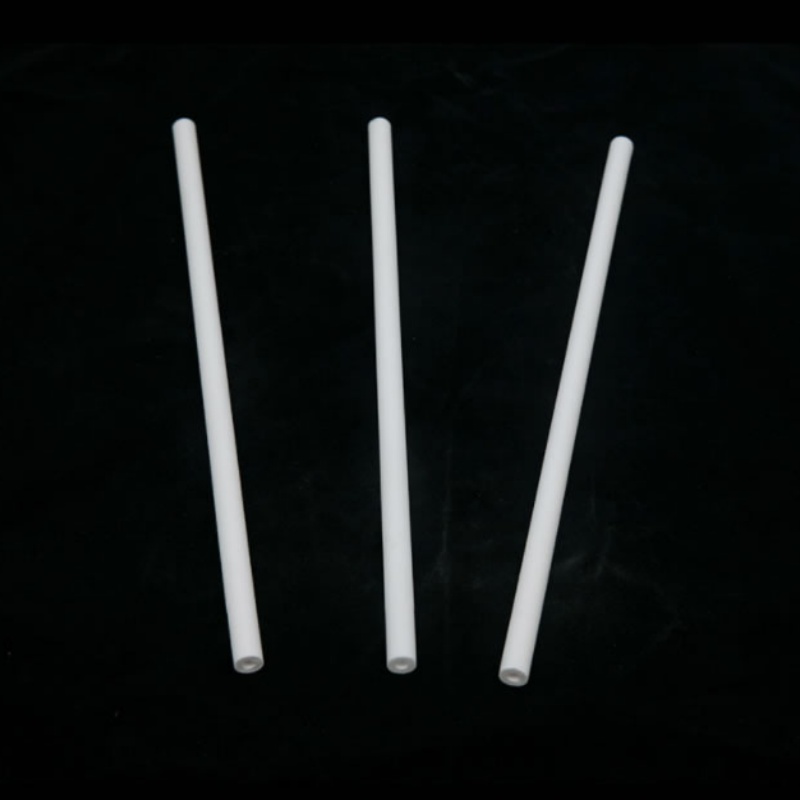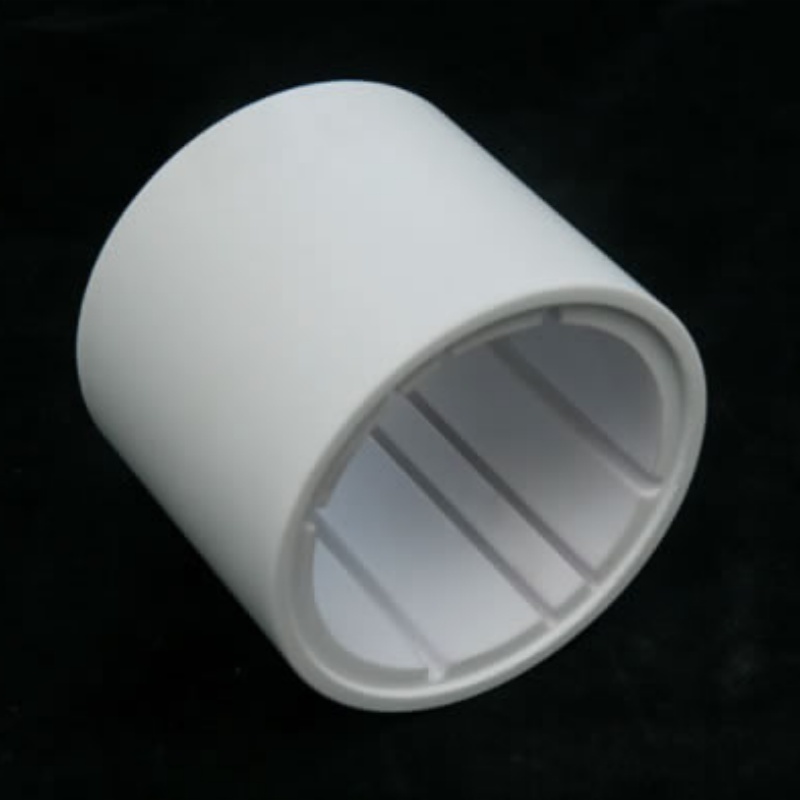
Alumina Ceramic Arms: Engineering Properties, Applications, and Material Selection
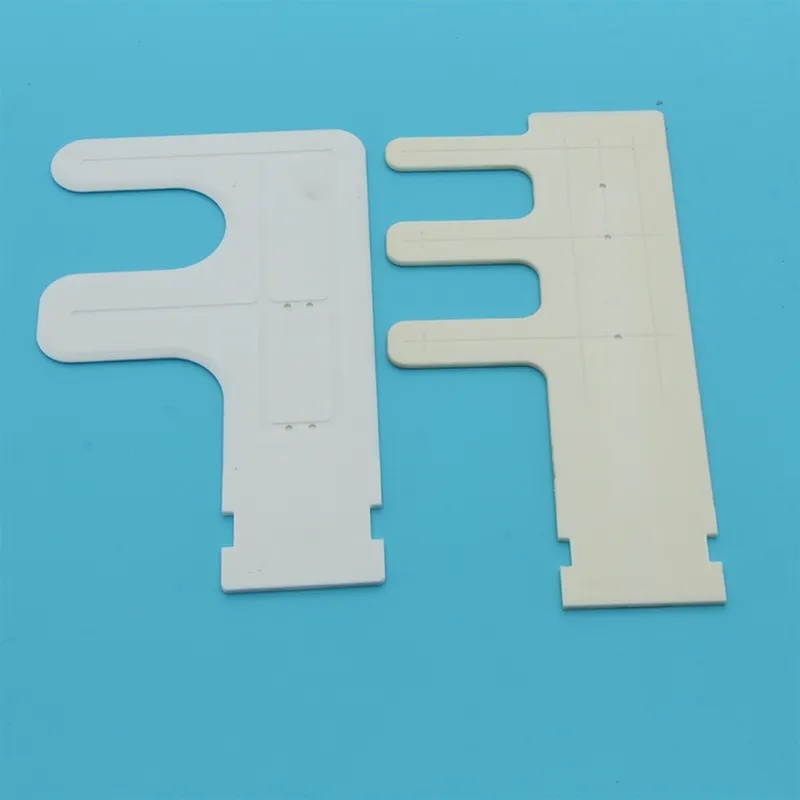
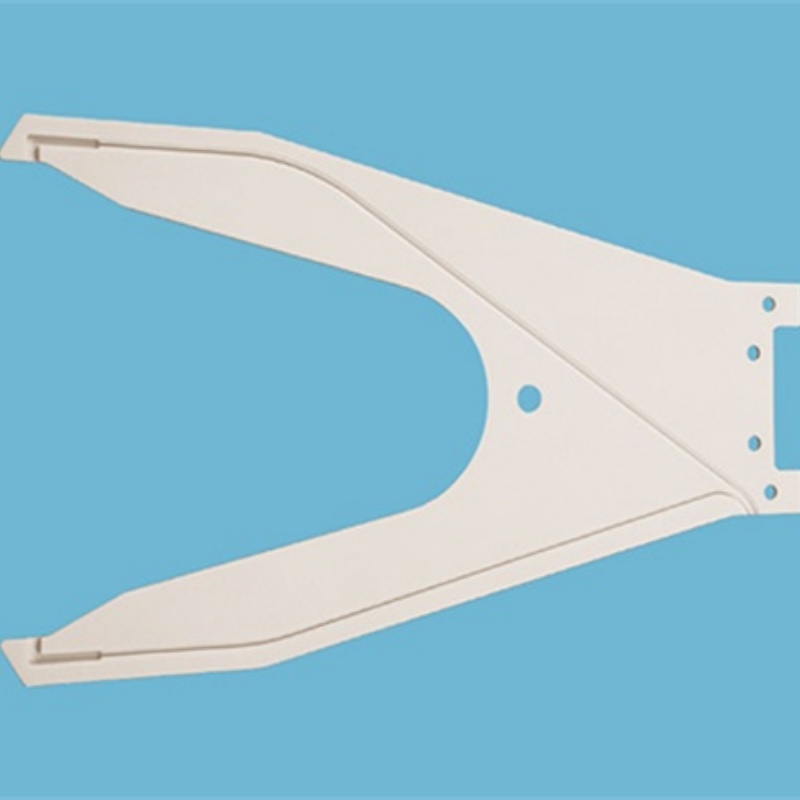
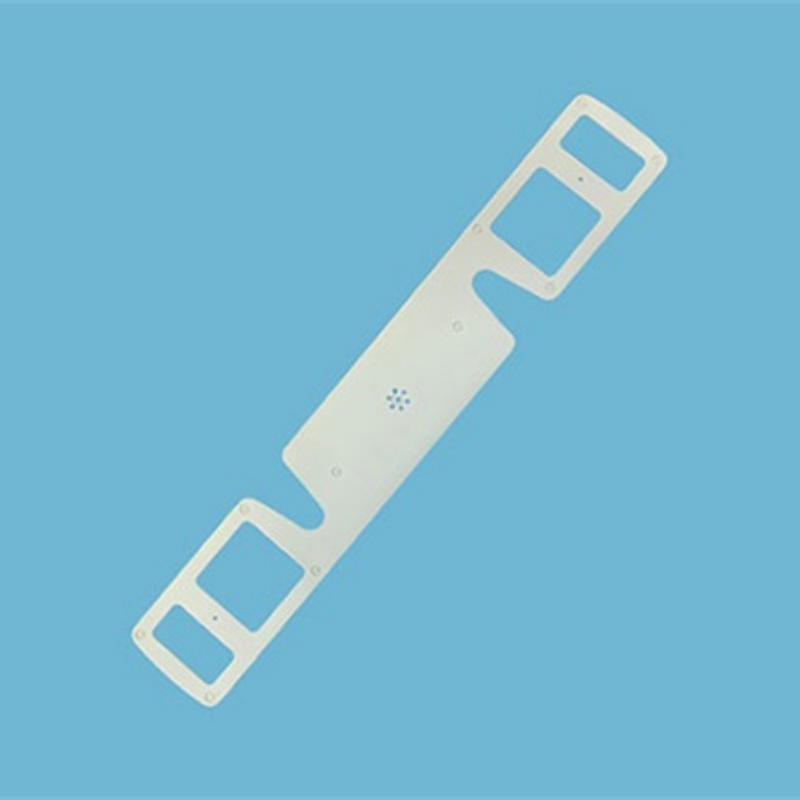
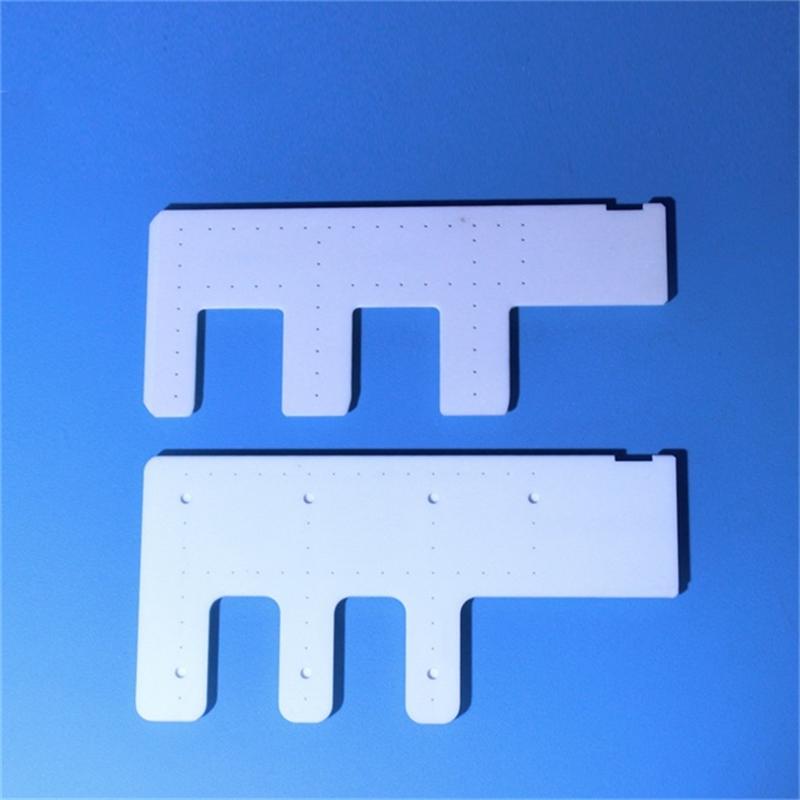
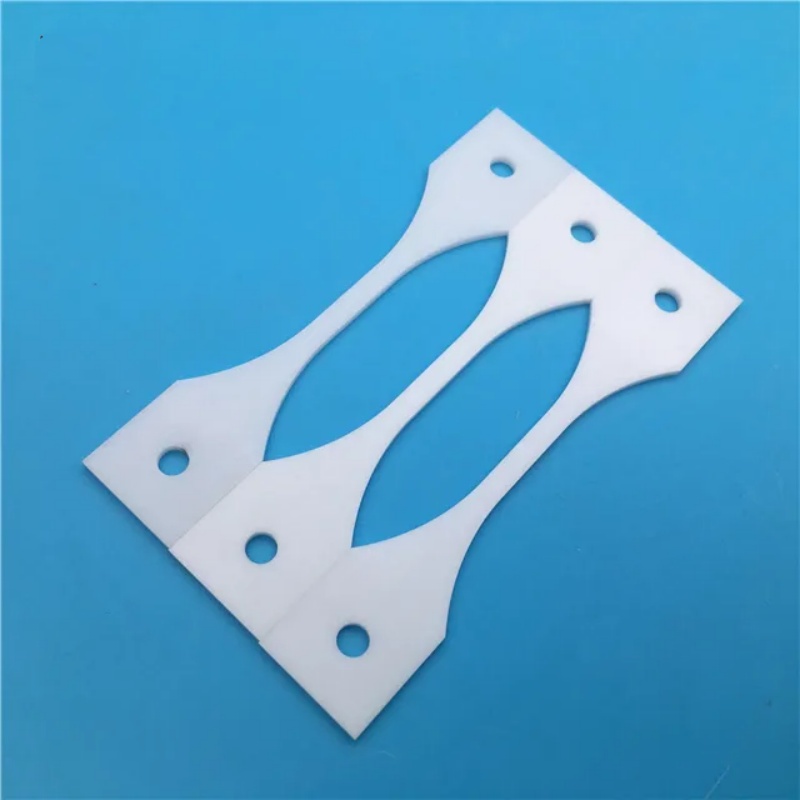
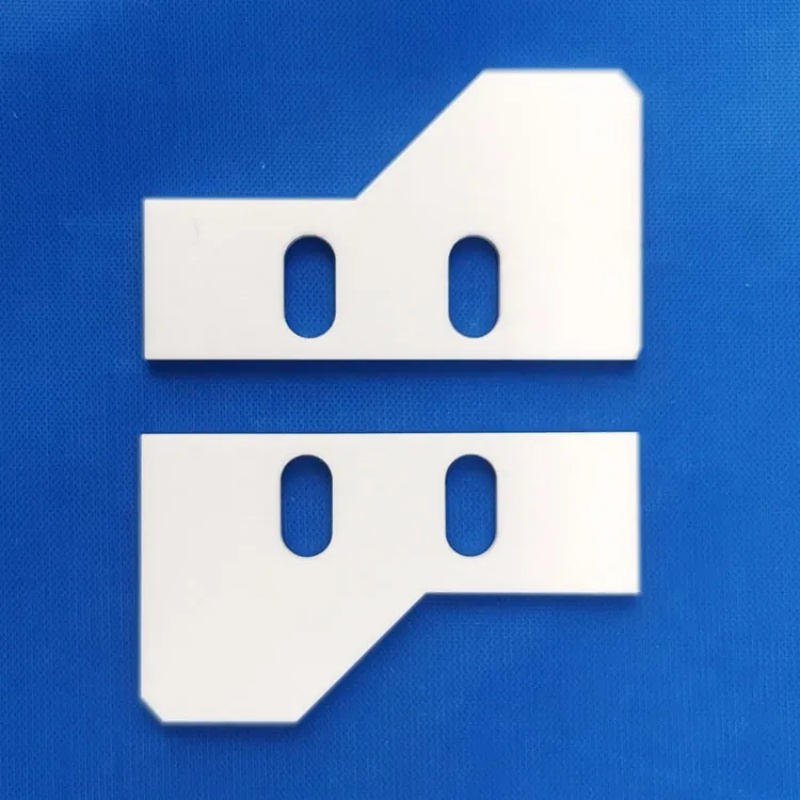
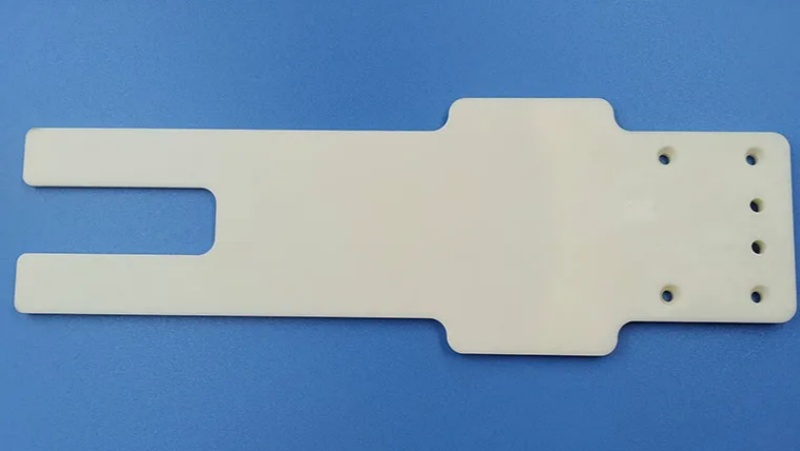
Alumina ceramic arm is a structural or functional component engineered from aluminum oxide (Al₂O₃) ceramics. In industrial and scientific equipment, “arms” often serve as cantilevered supports, robotic end-effectors, wafer handling fingers, or precision positioning components. These parts must withstand demanding environments where metals and polymers fail. Alumina is frequently selected for such components because it offers an optimal balance of high hardness, excellent electrical insulation, chemical inertness, and moderate cost compared to other advanced ceramics.
Why Alumina is Suitable for Arm-Like Components
The suitability of alumina for structural arms stems from its atomic structure. The strong ionic-covalent bonding between aluminum and oxygen atoms creates a rigid lattice, resulting in high compressive strength and exceptional resistance to wear and corrosion. Unlike metals, alumina does not plastically deform under load; it maintains dimensional stability up to high temperatures. For applications requiring non-magnetic, non-conductive, and low-particle-generation components, alumina provides a reliable engineering solution.
Key Performance Characteristics
Mechanical Strength and Hardness
Alumina ceramics exhibit high hardness, typically ranging from 15 to 19 GPa (Vickers), depending on purity. This makes alumina ceramic arms highly resistant to abrasive wear, which is critical in environments involving contact with powders, slurries, or other hard materials. The flexural strength generally falls between 300 and 400 MPa for standard grades (95–99.5% purity). However, engineers must note that alumina is a brittle material. While it handles compressive loads well, tensile stresses—common in cantilevered “arm” designs—require careful geometric design to avoid stress concentrations.
Thermal Properties
Alumina maintains structural integrity at temperatures exceeding 1600°C, although practical application limits are often lower due to joining methods or assembly constraints. Its thermal conductivity (approx. 20–30 W/m·K for 99.5% alumina) is significantly higher than that of zirconia but lower than silicon carbide or aluminum nitride. This moderate conductivity allows alumina arms to dissipate some heat while acting as a thermal barrier in certain furnace applications.
Electrical Insulation
One of the primary reasons for selecting alumina over conductive ceramics like silicon carbide is its dielectric strength. High-purity alumina is an excellent electrical insulator, making it ideal for arms used in semiconductor processing, plasma etching equipment, or high-voltage testing fixtures where electrical isolation is mandatory.
Common Grades and Specifications
Alumina ceramic arms are manufactured in various purity grades, which dictate performance and cost:
95% Alumina: Contains glassy grain boundary phases. It is easier to braze and machine but offers lower mechanical and thermal properties. Suitable for less demanding structural applications.
99.5% – 99.9% Alumina: The industry standard for high-performance engineering parts. It offers superior wear resistance, higher dielectric strength, and better thermal conductivity. This grade is typically required for precision robotic arms or semiconductor wafer handling.
Typical Applications
Semiconductor Manufacturing: Used as wafer handling fingers or robot arms in diffusion furnaces and etch chambers. The material’s purity prevents contamination, and its electrical insulation protects sensitive electronics.
Textile Industry: Alumina arms serve as thread guides and tensioners. The extreme hardness prevents the ceramic from being grooved by high-speed synthetic fibers.
Laboratory Automation: Robotic arms in automated labs utilize alumina for chemical resistance against acids and solvents that would corrode stainless steel.
Advantages and Limitations
Advantages:
High Wear Resistance: Extends service life in abrasive environments.
Electrical Insulation: Safe for high-voltage and electronic applications.
Chemical Stability: Inert to most acids, alkalis, and organic solvents.
Cost-Effectiveness: Generally more affordable than zirconia or silicon nitride for similar geometries.
Limitations:
Brittleness: Low fracture toughness (~3–4 MPa·m½) means impact loads can cause catastrophic failure.
Machining Difficulty: Final dimensions usually require diamond grinding; complex geometries are expensive to produce.
Thermal Shock: While it withstands high temperatures, rapid cooling can induce cracking due to moderate thermal expansion.
Material Selection Considerations
When designing with alumina ceramic arms, engineers should consider Zirconia (ZrO₂) if higher fracture toughness and impact resistance are required, as zirconia exhibits transformation toughening. Conversely, if higher thermal conductivity is needed to dissipate heat from the arm, Aluminum Nitride (AlN) or Silicon Carbide (SiC) may be better choices, though at a higher cost. For standard wear-resistant, insulating, and chemically stable applications, alumina remains the most balanced engineering choice.
FAQ
What is the maximum temperature an alumina ceramic arm can withstand?
High-purity alumina (99.5%+) can withstand continuous operating temperatures up to 1600°C–1700°C in inert atmospheres. However, in air or under mechanical load, the safe operating limit is often lower (around 1000°C–1200°C) to prevent creep or oxidation of any joining materials.
Is alumina suitable for high-impact applications?
No. Alumina is a brittle ceramic with low fracture toughness. It is excellent for wear and compression but performs poorly under impact or high tensile shock. For high-impact scenarios, Zirconia or Silicon Nitride are preferred.
How does alumina compare to Zirconia for robotic arms?
Alumina is harder and more chemically resistant but more brittle. Zirconia has much higher fracture toughness (making it harder to break) but can suffer from low-temperature degradation (aging) in humid environments. Alumina is generally preferred for electrical insulation and high-wear, low-impact applications.
Can alumina ceramic arms be machined to tight tolerances?
Yes, but only using diamond grinding processes after sintering. “Green” machining (before firing) is possible for simpler shapes but involves shrinkage allowances. Tight tolerances (e.g., ±0.01 mm) increase manufacturing costs significantly.
Why is alumina used in semiconductor wafer handling?
Alumina is used because it is electrically insulating, generates minimal particles due to its high hardness, and offers high purity (especially 99.9% grades) to prevent contamination of silicon wafers during processing.