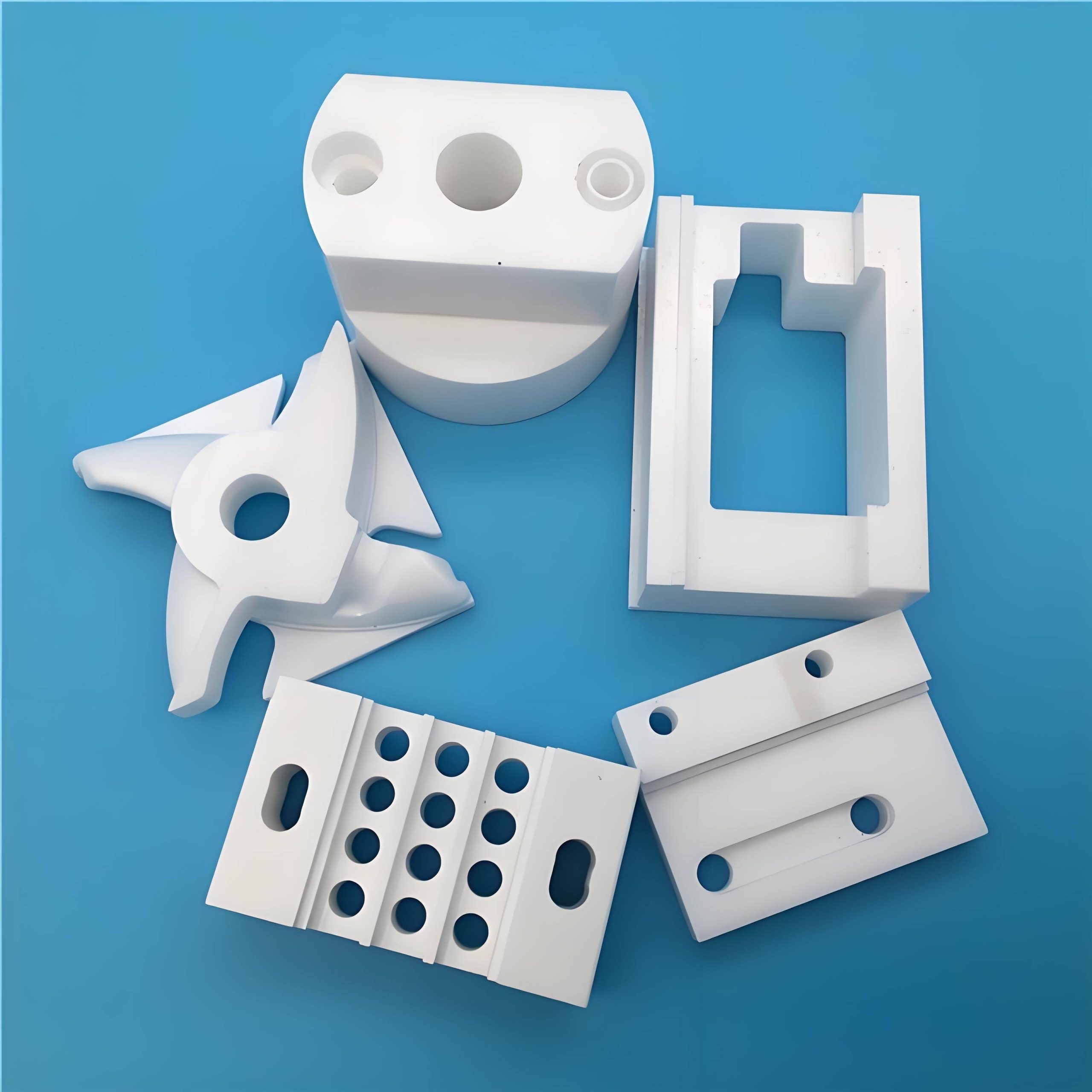
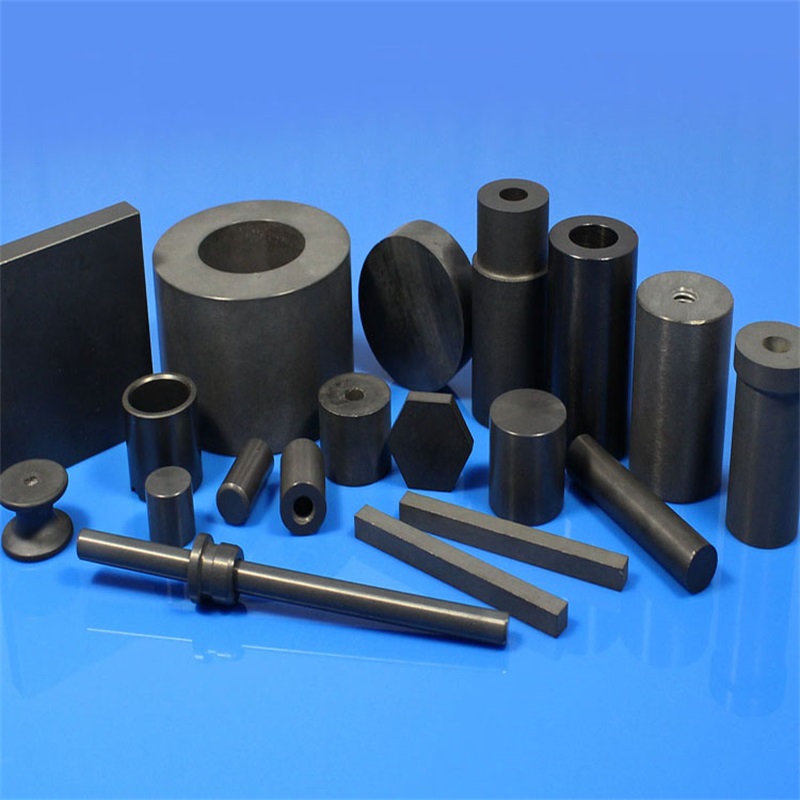
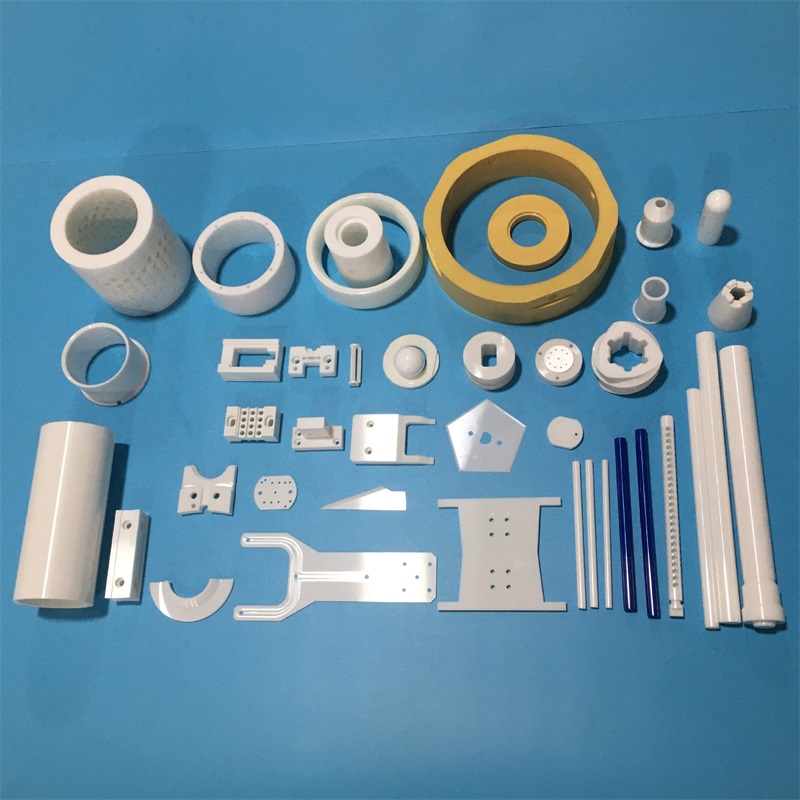
Advanced Ceramics
In the fields of modern engineering and manufacturing, the choice of materials often determines the upper limit of a product’s performance. For engineers and procurement professionals, when traditional metals and polymers fail under extreme conditions, advanced ceramics (also known as specialty ceramics or fine ceramics) are emerging as the key to breaking through these limitations thanks to their irreplaceable, exceptional performance. Long since shedding the stereotype of fragile tableware, they have transformed into “Transformers” in cutting-edge fields such as aerospace, new energy, semiconductors, and biomedicine.
Characteristics:
Transcending Conventional Physical and Chemical Limits
Advanced ceramics are termed “high-performance” because they are manufactured from synthetic, high-purity inorganic compounds (such as oxides, carbides, and nitrides) through a precisely controlled sintering process.
Their most notable characteristics include:
Extreme hardness and wear resistance: The hardness of ceramics typically exceeds 1,500 HV, far surpassing that of quenched steel (500–800 HV) and polymer materials. This enables them to demonstrate an exceptionally long service life in engineering structures subject to frequent friction.
Exceptional high-temperature stability: Most advanced ceramics have melting points above 2,000°C and retain extremely high hardness, creep resistance, and oxidation resistance even at high temperatures. For example, silicon nitride ceramics remain stable in a dry, oxidizing atmosphere at 1,400°C and can even withstand temperatures as high as 1,800°C in a neutral atmosphere.
Superior corrosion resistance and chemical inertness: They exhibit exceptional resistance to acids, alkalis, and salts, and are non-flammable and non-aging, making them suitable for long-term service in harsh chemical environments.
Diverse electrical and thermal properties: Most ceramics are excellent insulators; however, some also possess special properties such as semiconductivity, piezoelectricity, ferroelectricity, superconductivity, or high thermal conductivity (e.g., aluminum nitride).
Main Categories:
In practical R&D and procurement, advanced ceramics are typically divided into two core categories based on their properties and application scenarios:
Structural Ceramics: Focusing on mechanical properties, these ceramics emphasize high strength, high hardness, high-temperature resistance, corrosion resistance, and thermal shock resistance. Typical examples include alumina, zirconia, silicon carbide, and silicon nitride. They are commonly used as engineering structural components, such as cutting tools, wear-resistant bearings, engine turbine blades, bulletproof armor, and artificial joints.
Functional Ceramics: These focus on specialized functions such as acoustic, optical, electrical, magnetic, thermal, and biological properties. Examples include piezoelectric ceramics used in smartphone fingerprint recognition and ultrasonic devices; highly thermally conductive aluminum nitride ceramics used as heat-dissipating substrates for integrated circuits; dielectric ceramics used in capacitors; and biocompatible ceramics used in medical implants.
Application Scenarios:
The use of advanced ceramics has deeply penetrated the very fabric of modern industry:
Electronics and Semiconductors: In smartphones and smartwatches, ceramic capacitors and piezoelectric components are essential for stabilizing power supplies and enabling sensing functions. In large-scale integrated circuits, aluminum nitride ceramics serve as ideal heat-dissipation substrates due to their coefficient of thermal expansion, which matches that of single-crystal silicon, and their high thermal conductivity.
Automotive and Transportation: Advanced ceramics are reshaping automotive powertrains. Ceramic turbochargers not only weigh just one-third as much as their metal counterparts but also exhibit heat resistance far exceeding that of superheat-resistant alloys, significantly improving engine thermal efficiency. Additionally, ceramic brake pads made from silicon carbide, with their near-diamond hardness and exceptional wear resistance, have become standard equipment in supercars and Formula 1 race cars.
Aerospace and Defense: Silicon carbide and zirconium carbide ceramics are widely used in thermal protection systems for aircraft and in the hot-end components of engines. Boron carbide ceramics, due to their “lightweight yet hard” properties, have become the material of choice for tank armor.
Biomedical: Artificial joints made from zirconia and alumina ceramics not only exhibit wear resistance far surpassing that of metals but also possess excellent biocompatibility. They do not release harmful metal ions that could trigger allergic reactions and offer superior postoperative joint mobility.
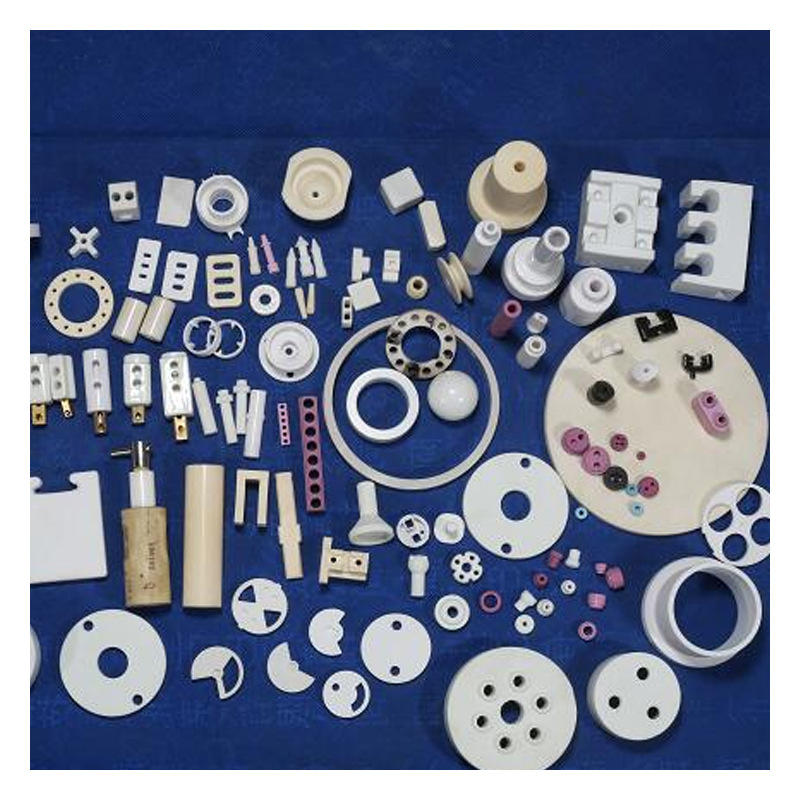
Simple Comparison with Other Materials
When making material selection decisions, comparing advanced ceramics with metals and polymers can more clearly define their respective application boundaries:
Comparison with Metals: Ceramics have overwhelming advantages in hardness, high-temperature resistance, corrosion resistance, and lightweight properties (low density). However, metals possess excellent plasticity and toughness, whereas ceramics’ inherent weakness is their “brittleness”—they have virtually no capacity for plastic deformation at room temperature, are extremely sensitive to cracks and defects, and have low tensile strength.
Comparison with Polymers: Ceramics far exceed polymeric materials in terms of temperature resistance, dimensional stability, and resistance to aging. Although polymers are easy to process and form and are inexpensive, they fail rapidly in high-temperature, high-wear, and highly corrosive environments, whereas ceramics can handle such conditions with ease.
Procurement and Engineering Application Recommendations
Despite the outstanding performance of advanced ceramics, engineers and procurement personnel must also consider the practical challenges when introducing this material. First are processing difficulties and costs: high-purity powders, precision sintering equipment (such as hot isostatic pressing and electric discharge plasma sintering), and the diamond grinding required after sintering all contribute to high manufacturing costs. Second are design constraints: due to their high brittleness, the design of ceramic components should avoid complex geometries and stress concentrations as much as possible, and reliable joining of ceramics to metals (such as brazing) remains an engineering challenge.
Currently, with breakthroughs in new fabrication technologies such as microwave sintering and 3D printing, as well as advancements in composite materials (such as ceramic matrix composites), the toughness and manufacturing cost-effectiveness of advanced ceramics are gradually improving. For projects facing the challenges of extreme operating conditions, advanced ceramics are no longer merely an “alternative option,” but rather the essential path to achieving a quantum leap in product performance.