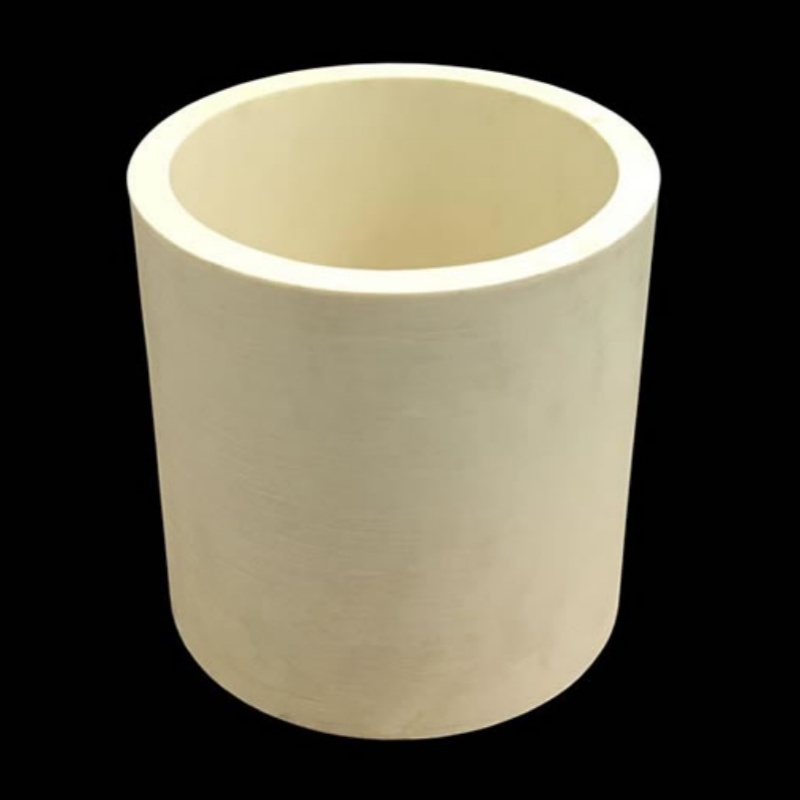
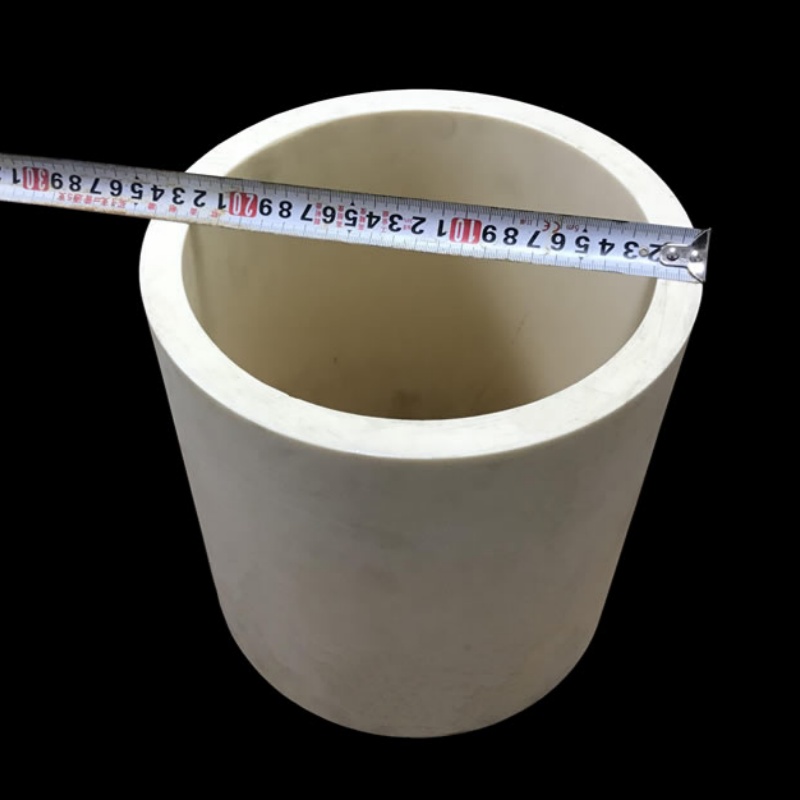
Advanced ceramic tubing
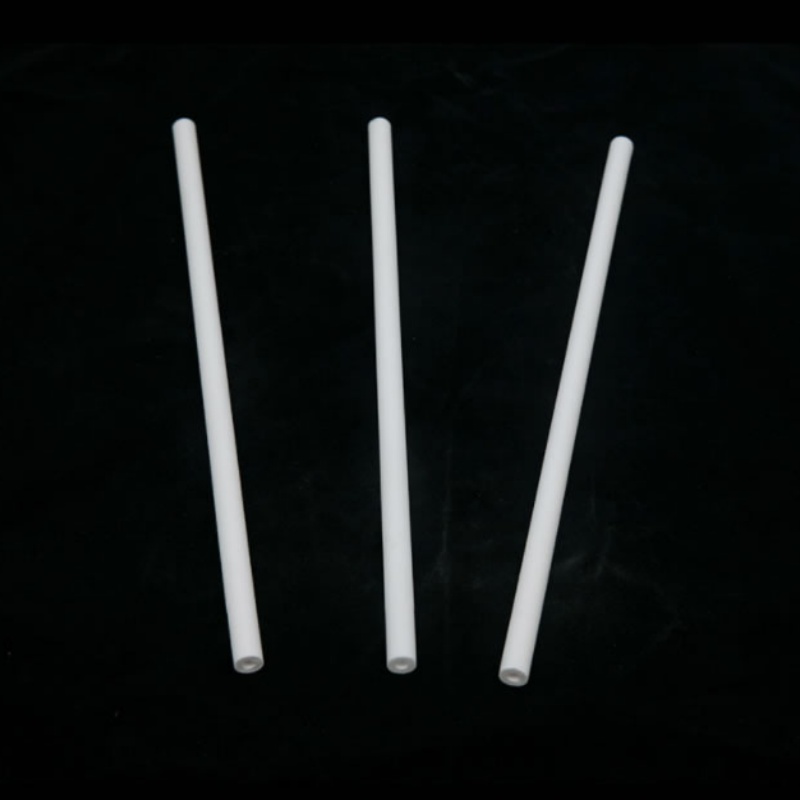
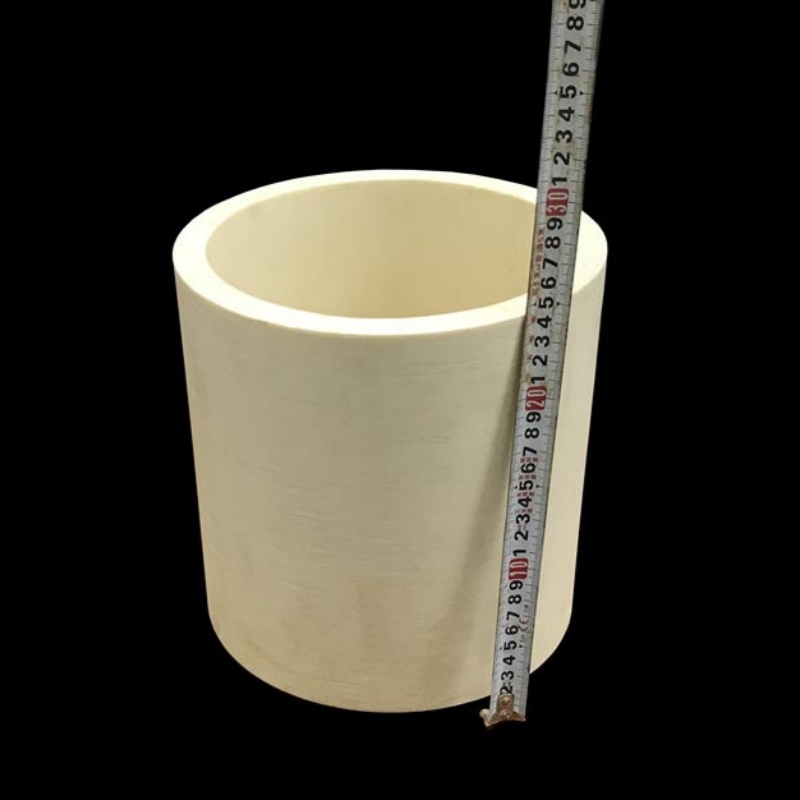
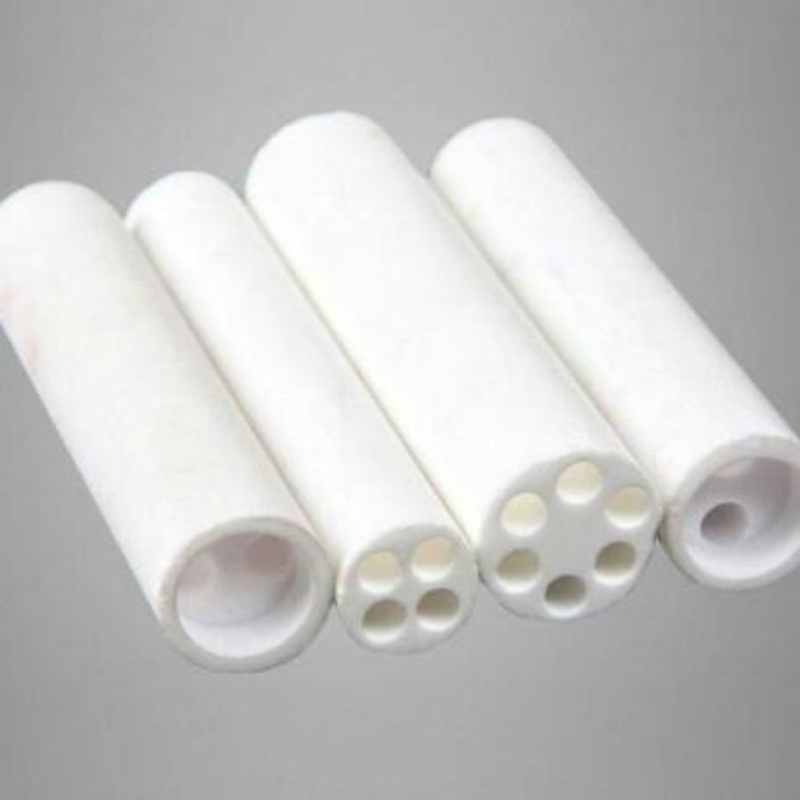
Ceramic tubes are hollow structural components engineered to withstand extreme environments where metallic or polymeric alternatives would fail. Unlike standard piping, these components are defined by their exceptional resistance to high temperatures, aggressive chemical corrosion, and severe abrasive wear. Their performance is fundamentally derived from the strong ionic and covalent bonding within their crystal lattices, which provides high lattice energy and structural stability. This atomic structure makes them indispensable in industries ranging from semiconductor manufacturing to thermal processing, serving critical roles as protective sheaths, insulators, and fluid handling conduits.
Material Types and Performance Characteristics
The selection of a ceramic tube is primarily dictated by the specific material composition, as different oxides and non-oxides offer distinct property profiles.
Alumina (Al₂O₃) is the most widely used material for ceramic tubing due to its balanced properties and cost-effectiveness. High-purity alumina (99.5%+) offers excellent electrical insulation and good mechanical strength. It is chemically inert to most acids and alkalis at moderate temperatures, making it a standard choice for electrical insulators and general-purpose protective tubes.
Zirconia (ZrO₂), particularly Yttria-Stabilized Zirconia (YSZ), is selected when fracture toughness is paramount. Zirconia exhibits “transformation toughening,” a mechanism where stress induces a phase change that arrests crack propagation. This makes zirconia tubes significantly more resistant to mechanical shock and impact than alumina. Additionally, stabilized zirconia becomes an ionic conductor at high temperatures, enabling its use in oxygen sensors and solid oxide fuel cells (SOFCs).
Silicon Carbide (SiC) is the premier choice for extreme thermal applications. It possesses exceptional thermal conductivity—significantly higher than alumina—combined with a low coefficient of thermal expansion. This unique combination grants SiC tubes superior thermal shock resistance, allowing them to survive rapid heating and cooling cycles that would shatter oxide ceramics. Furthermore, SiC maintains high mechanical strength at temperatures exceeding 1400°C.
Fused Silica and Quartz tubes are utilized when optical transparency or ultra-low thermal expansion is required. While they lack the mechanical strength of advanced structural ceramics, their ability to transmit UV light and withstand thermal cycling without deformation makes them essential for optical and semiconductor diffusion processes.
Critical Engineering Considerations
When integrating ceramic tubes into a system, engineers must account for the inherent brittleness of the material. Unlike metals, ceramics do not yield plastically; they fail via brittle fracture. Therefore, design safety factors are typically higher (often 10–15x) to account for surface flaws and statistical variations in strength described by the Weibull modulus.
Dimensional Tolerances and Joining:
Sintered ceramic tubes often undergo shrinkage during firing, making tight tolerances difficult to achieve without diamond grinding. Joining ceramic tubes to metal systems is a common engineering challenge. Due to the mismatch in thermal expansion coefficients, standard welding is impossible. Instead, specialized techniques such as active metal brazing or compression fittings with compliant gaskets (e.g., graphite or PTFE) are required to create hermetic seals that can accommodate thermal expansion differences.
Temperature Limits:
While ceramics are refractory, their maximum use temperature depends on the environment. In oxidizing atmospheres, alumina and zirconia are stable to very high temperatures. However, non-oxide ceramics like Silicon Carbide may begin to oxidize above 1000°C–1200°C, forming a silica layer that can be beneficial for protection but may alter dimensional stability over time.
Applications and Selection Guide
Thermal Processing: Alumina and SiC tubes are extensively used as carrier tubes in diffusion furnaces and protection sheaths for thermocouples. SiC is preferred for rapid thermal processing (RTP) due to its thermal shock resistance.
Semiconductor Manufacturing: High-purity alumina and quartz tubes are critical in wafer fabrication boats and diffusion tubes, where low particle generation and resistance to corrosive process gases (such as chlorides and fluorides) are mandatory.
Chemical and Filtration: Porous ceramic tubes serve as membranes for microfiltration and ultrafiltration in harsh chemical environments, offering longer service life than polymeric membranes.
Energy and Sensors: YSZ tubes function as electrolytes in oxygen sensors (lambda sensors) for automotive and industrial combustion control, leveraging their oxygen ion conductivity at elevated temperatures.
Advantages and Limitations
Advantages:
Hardness and Wear Resistance: Superior to hardened steel, ideal for abrasive slurry handling.
Chemical Inertness: Resistant to almost all organic solvents and many strong acids/bases.
High-Temperature Stability: Capable of operation well beyond the melting point of superalloys.
Electrical Insulation: High dielectric strength (specific to oxides).
Limitations:
Brittleness: Low impact resistance and sensitivity to tensile stress.
Machinability: Cannot be machined with standard tooling after sintering; requires diamond grinding or laser machining.
Thermal Conductivity Variance: While SiC conducts heat well, alumina and zirconia are insulators, which can lead to hot spots if not managed.
FAQ
What is the maximum operating temperature for a ceramic tube?
This depends on the material. High-purity Alumina can typically operate continuously up to 1600°C–1700°C. Silicon Carbide is usable up to 1400°C–1600°C depending on the atmosphere. Fused Silica has a lower softening point but excellent thermal shock resistance up to roughly 1000°C–1100°C.
Can ceramic tubes withstand thermal shock?
Silicon Carbide and Fused Silica have excellent thermal shock resistance due to high thermal conductivity (SiC) or low thermal expansion (Silica). Alumina and Zirconia have lower thermal shock resistance and may crack if subjected to rapid temperature changes, requiring careful heating and cooling profiles.
Are ceramic tubes electrically conductive?
Most oxide ceramic tubes (Alumina, Zirconia, Silica) are excellent electrical insulators. However, Silicon Carbide is a semiconductor, and Zirconia becomes an ionic conductor at high temperatures. If electrical insulation is required at high heat, Alumina is usually the best choice.
How do you seal a ceramic tube to a metal tube?
Direct welding is not possible due to thermal expansion mismatch. Common methods include using tapered graphite ferrules for high-temperature furnace seals, PTFE compression fittings for low-temperature chemical applications, or active metal brazing for permanent, hermetic high-vacuum seals.
Which ceramic material is best for abrasive applications?
Alumina (Al₂O₃) is generally the best choice for abrasive wear resistance due to its high hardness (approx. 9 on the Mohs scale) and lower cost compared to Zirconia. It is widely used in cyclone liners and media handling.
Is it possible to machine a sintered ceramic tube?
Standard machining (drilling, tapping) is not possible after the tube has been sintered (fired) because the material is harder than steel. Holes and threads must be machined in the “green” state before firing or ground using diamond tools afterwards, which adds to the cost.