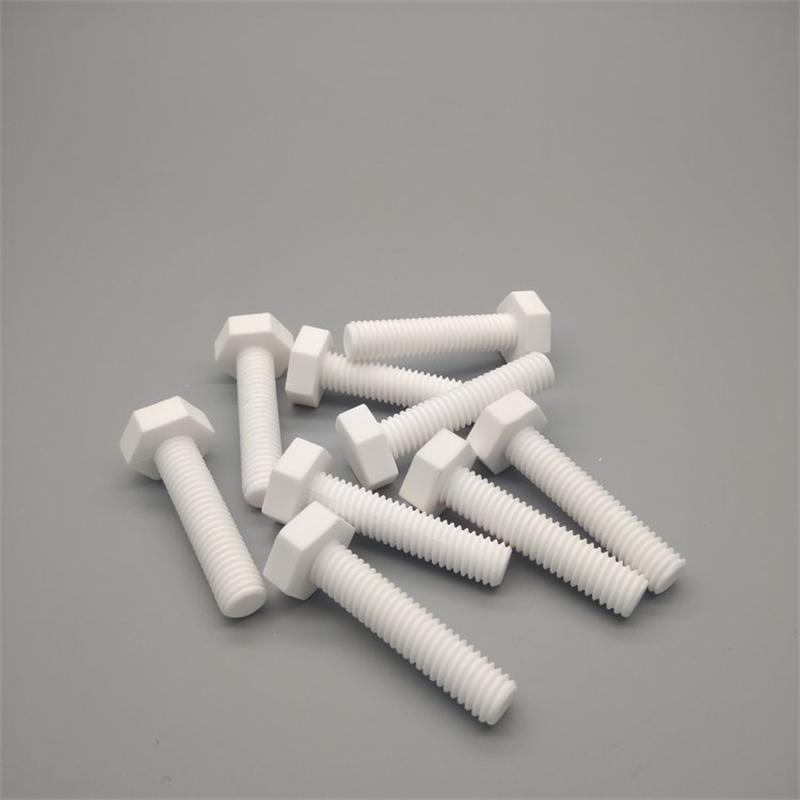
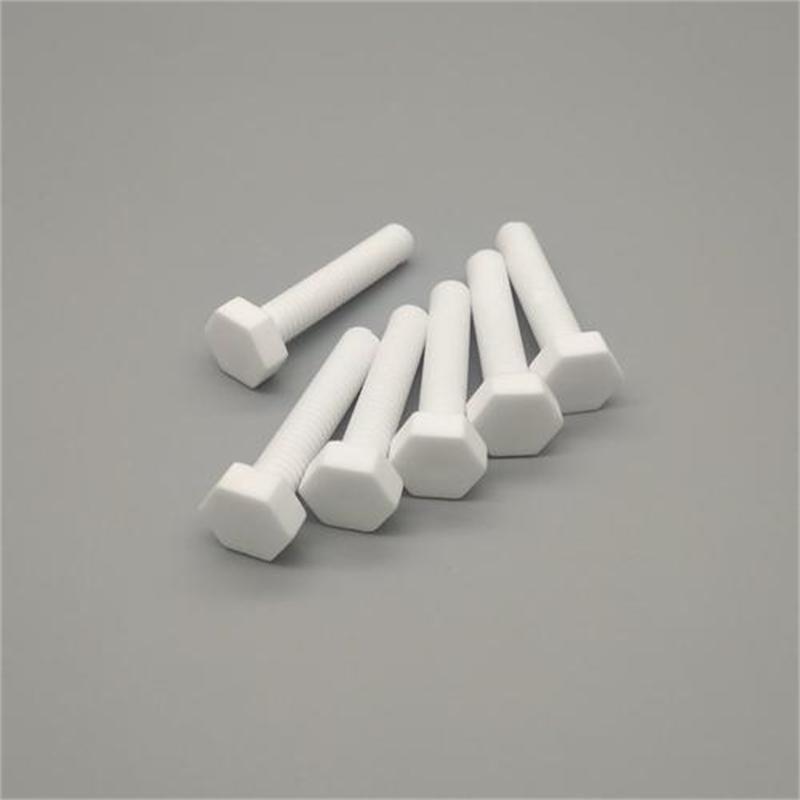
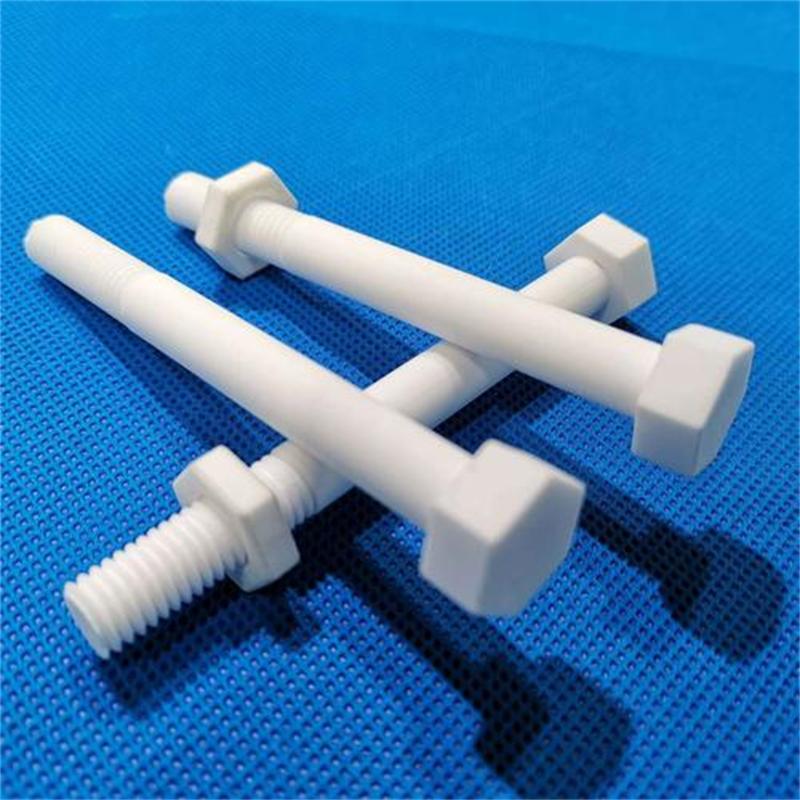
Advanced ceramic Screws
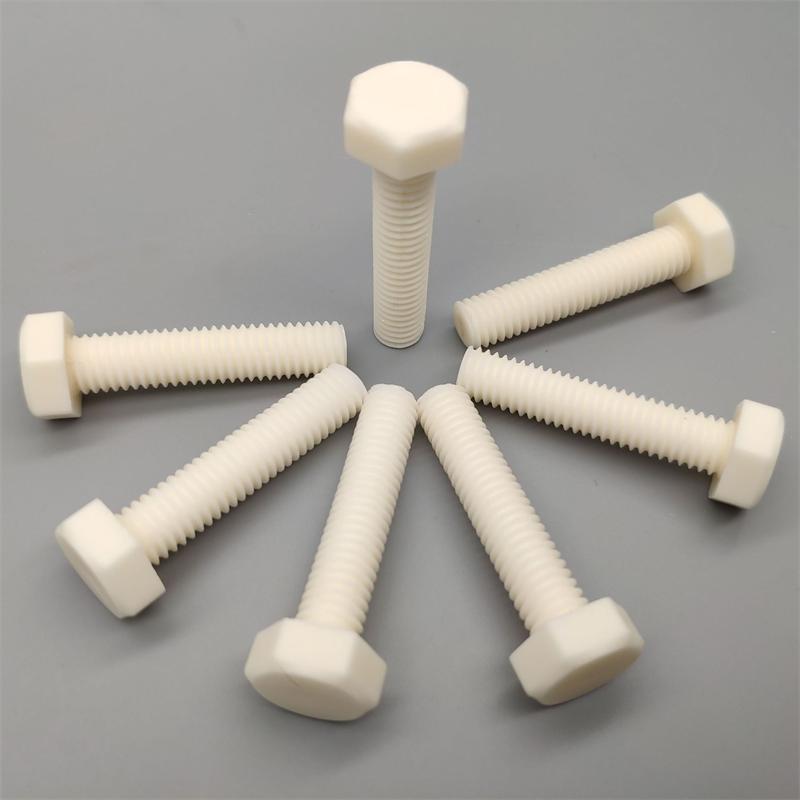
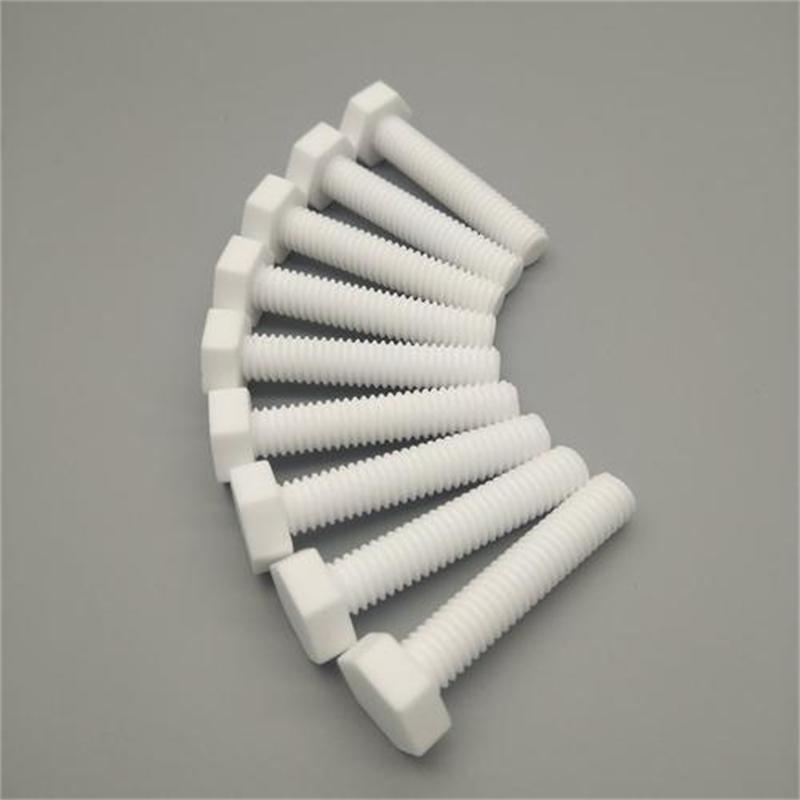
Ceramic screws are specialized fasteners designed for environments where conventional metal fasteners fail due to corrosion, extreme heat, electrical conductivity, or magnetic interference. Unlike standard steel or alloy screws, ceramic screws leverage the intrinsic properties of advanced engineering ceramics to provide superior performance in highly demanding applications. These fasteners are not merely replacements for metal screws; they are critical components in systems requiring non-magnetic behavior, high dielectric strength, exceptional wear resistance, and chemical inertness.
The primary reason ceramic screws possess such distinct characteristics lies in their atomic bonding structure. Advanced ceramics are held together by strong ionic and covalent bonds, which result in high hardness and thermal stability. However, this same bonding structure limits dislocation movement, making ceramics inherently brittle compared to ductile metals. Consequently, the engineering value of a ceramic screw is not defined by its tensile strength—which is generally lower than high-grade steel—but by its ability to maintain structural integrity and dimensional stability under specific environmental stresses.
Common Materials and Grades
The performance of a ceramic screw is directly dependent on the material selected. The most common materials include Alumina (Al₂O₃), Zirconia (ZrO₂), and Silicon Nitride (Si₃N₄).
Alumina is the most widely used ceramic for fasteners due to its excellent balance of electrical insulation, hardness, and cost-effectiveness. It is particularly suitable for applications requiring high voltage isolation. Zirconia, specifically Yttria-Stabilized Zirconia (YSZ), offers significantly higher fracture toughness and flexural strength than alumina, making it the preferred choice for mechanical assemblies subject to higher loads. Silicon Nitride is often selected for high-temperature and high-wear applications due to its superior thermal shock resistance and low density.
Key Performance Characteristics
Electrical Insulation: Advanced ceramics are excellent electrical insulators. Alumina, for instance, maintains high dielectric strength even at elevated temperatures, preventing current leakage in electronic assemblies.
Thermal Stability: Ceramic screws can operate continuously at temperatures exceeding 1000°C (depending on the grade), far beyond the limits of stainless steel or titanium. They exhibit low thermal expansion, ensuring that clamping force remains stable during thermal cycling.
Chemical Resistance: These fasteners are virtually inert to most acids, alkalis, and organic solvents. This makes them ideal for use in chemical processing equipment where metal screws would rapidly corrode.
Non-Magnetic and Non-Conductive: For applications in MRI machines, semiconductor manufacturing, or sensitive electronic testing, the non-magnetic nature of ceramics prevents signal interference.
Typical Applications
Ceramic screws are essential in semiconductor manufacturing equipment, where purity and resistance to plasma etching are critical. They are also used in high-temperature furnaces for holding fixtures, in medical devices requiring biocompatibility and sterilization resistance, and in vacuum systems where low outgassing is required. Additionally, their non-magnetic properties make them indispensable in scientific instrumentation and aerospace sensors.

Advantages and Limitations
The primary advantage of ceramic screws is their ability to function in extreme environments without degrading. They do not rust, oxidize, or conduct electricity. However, engineers must account for their limitations. Ceramics are brittle and have low impact resistance; they cannot absorb energy through plastic deformation like metals. Overtightening a ceramic screw can lead to sudden fracture rather than yielding. Furthermore, machining complex head styles or threads is difficult and costly, limiting availability to standard sizes.
Material Selection Considerations
When selecting a ceramic screw, the operating environment is the deciding factor. If electrical insulation and cost are the main drivers, Alumina is typically sufficient. For applications involving mechanical stress or impact, Zirconia is the superior choice due to its transformation toughening mechanism. If the application involves rapid temperature changes or extreme wear, Silicon Nitride should be considered. It is crucial to design assemblies with adequate clearance and to use torque-controlled tools to prevent shear failure during installation.
FAQ
What is the maximum temperature a ceramic screw can withstand?
This depends on the material. Alumina can generally withstand continuous use up to 1600°C, Zirconia up to 1200°C, and Silicon Nitride up to 1400°C, far exceeding metal fasteners.
Are ceramic screws electrically conductive?
No, most engineering ceramics like Alumina and Zirconia are excellent electrical insulators. However, some specialized ceramics like Silicon Carbide can be semi-conductive.
Can ceramic screws replace metal screws in all applications?
No. Due to their brittleness and lower tensile strength, they are not suitable for high-load structural applications or where impact resistance is required.
How do you install ceramic screws without breaking them?
Installation requires careful torque control. It is recommended to use a torque wrench set to low values and to ensure that the mating threads are perfectly aligned to avoid side-loading.
Why are ceramic screws more expensive than metal screws?
The manufacturing process involves precision machining of sintered hard materials or complex molding and sintering cycles, which are more energy-intensive and time-consuming than metal forming.