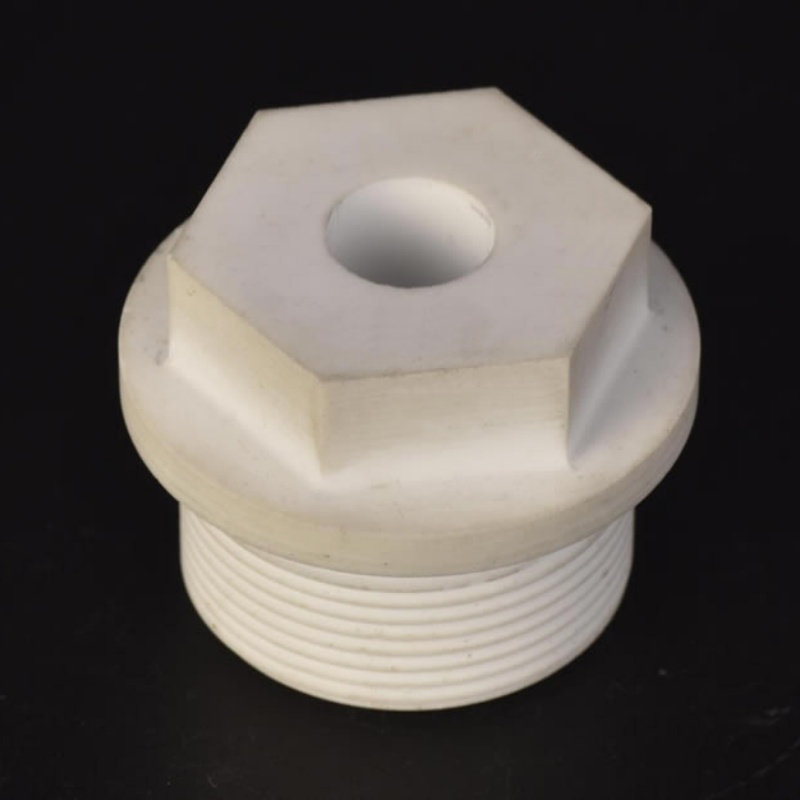
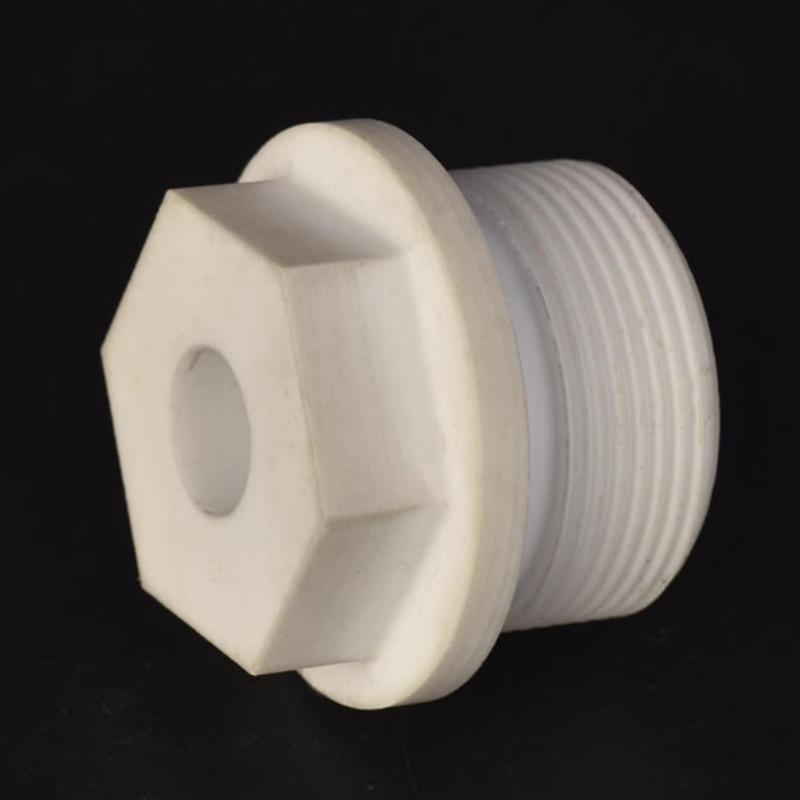
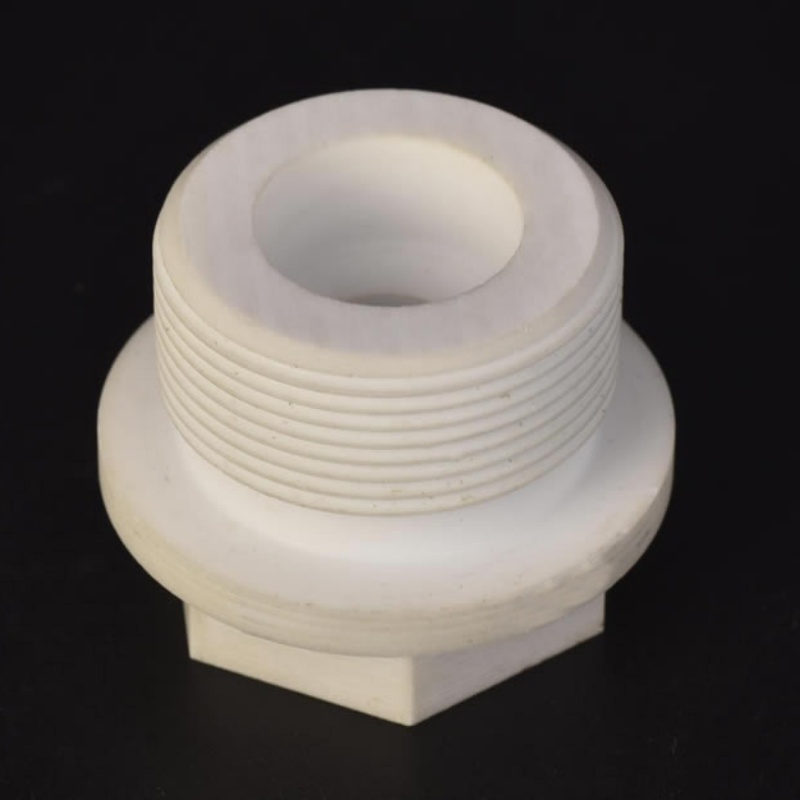
95 Alumina Ceramic Screws
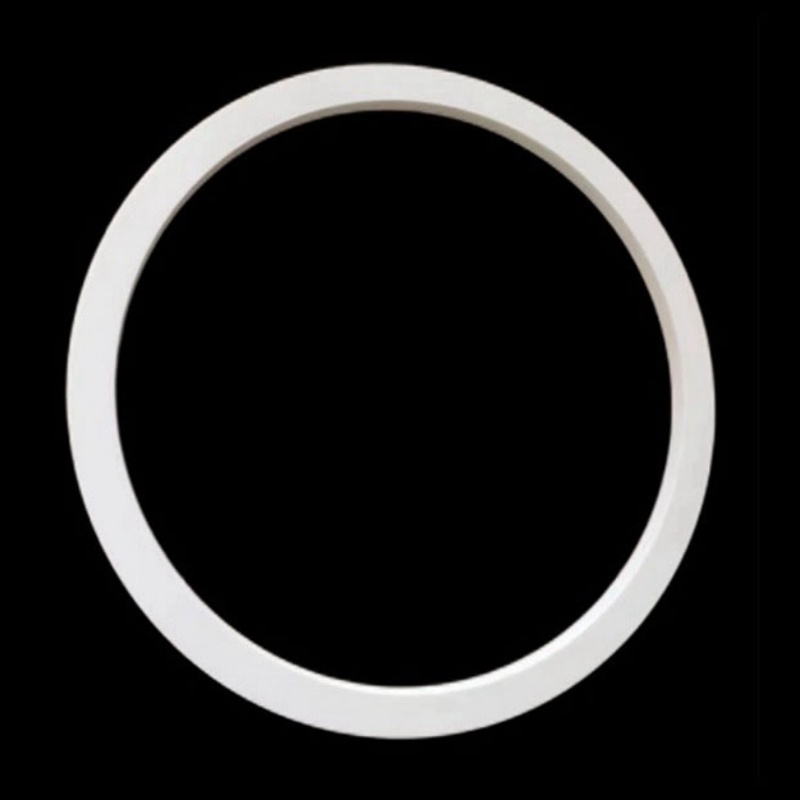
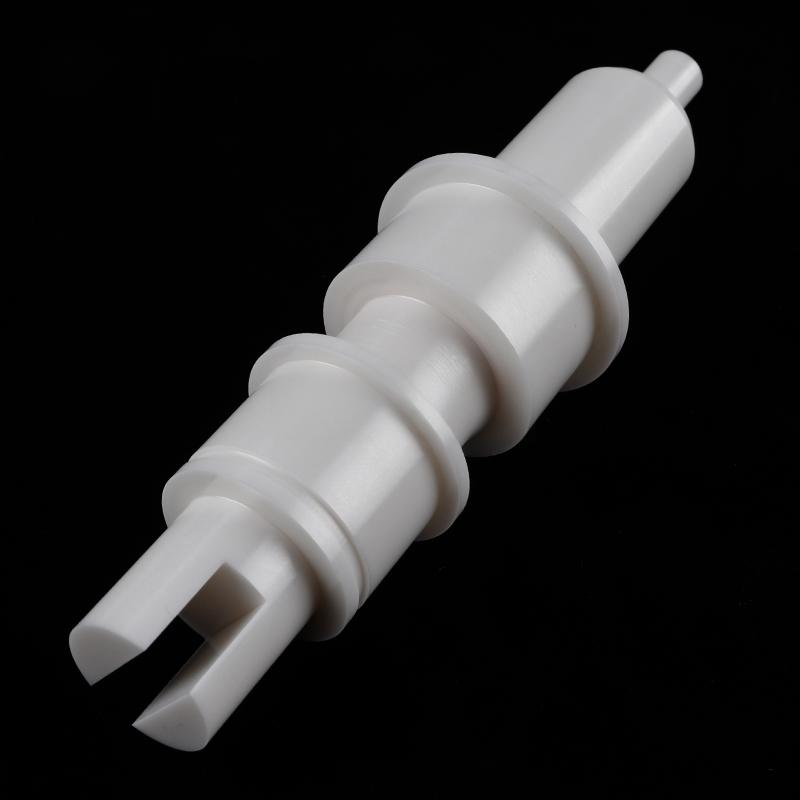
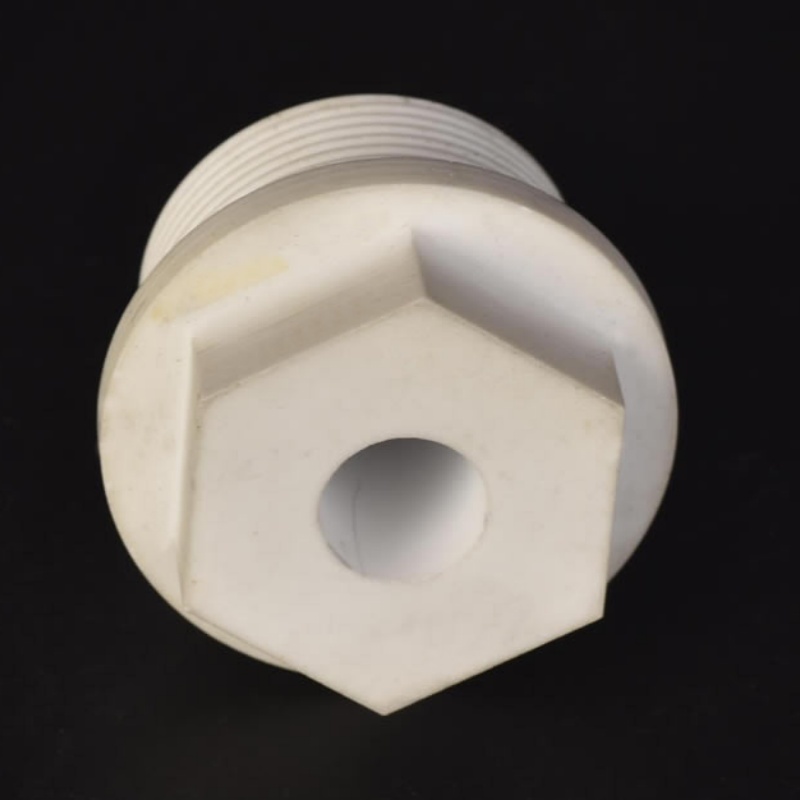
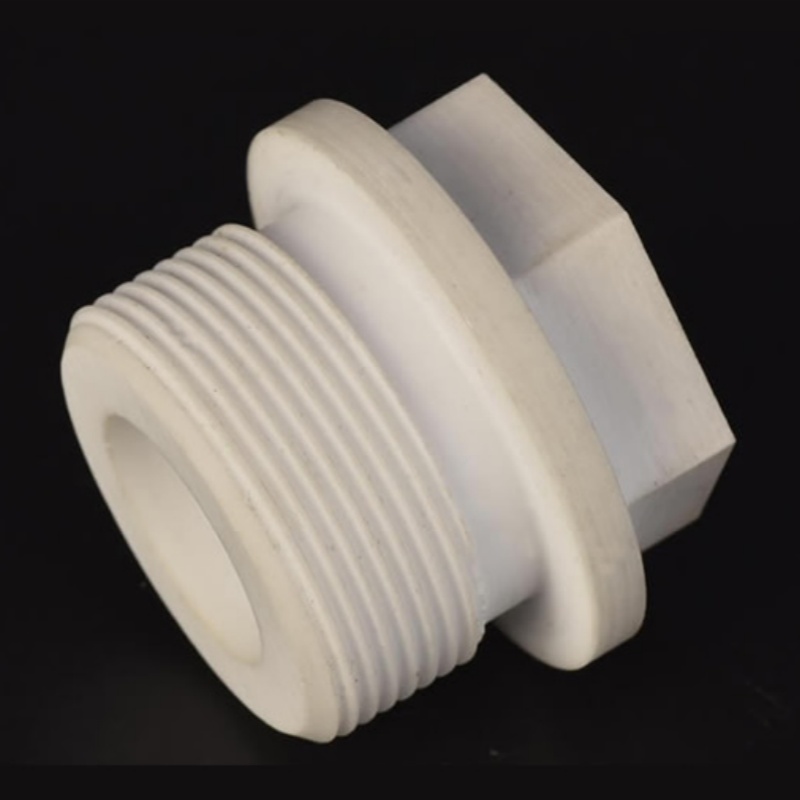
95 alumina ceramic screws are fasteners made from approximately 95% Al₂O₃ ceramic, typically sintered into a dense, fine-grained structure with small amounts of silica-based glassy phase and sintering aids. They are chosen when a screw must provide electrical insulation, chemical resistance, wear resistance, non-magnetic behavior, and stable performance at elevated temperatures. Compared with higher-purity alumina grades, 95 alumina is generally more cost-effective while still delivering strong mechanical and dielectric properties for many industrial and electronic applications.
What Makes 95 Alumina Suitable for Fastening
Alumina ceramics derive their performance from a stable α-Al₂O₃ crystal structure. In 95 alumina, the remaining composition usually includes silica and minor oxides that form a glassy grain-boundary phase during sintering. This microstructure gives the material high hardness, good compressive strength, and reliable electrical insulation, while keeping manufacturing complexity lower than ultra-high-purity grades.
Typical property ranges for 95 alumina include:
Density: about 3.60–3.65 g/cm³
Flexural strength: roughly 300–380 MPa, depending on processing
Compressive strength: approximately 2,000–2,200 MPa
Hardness: around 1,500 HV, or about Mohs 9
Thermal conductivity: about 18–25 W/(m·K)
Volume resistivity: typically ≥10¹³–10¹⁴ Ω·cm at room temperature
Maximum continuous service temperature: often up to about 1,450–1,500°C in oxidizing atmospheres, though actual limits depend on design and loading
These values are representative rather than universal. Sintering quality, grain size, porosity, and machining precision can cause noticeable variation between batches and suppliers.
Where 95 Alumina Ceramic Screws Are Used
95 alumina screws are most useful when metal fasteners create problems. Their electrical insulation makes them suitable for high-voltage assemblies, sensor mounts, heating elements, and electronic housings where leakage currents or signal interference must be avoided.
Their chemical stability allows use in corrosive environments where stainless steel or alloy fasteners may degrade. They are also used in wear-prone assemblies because alumina resists abrasion far better than most metals and polymers.
In high-temperature equipment such as furnaces, kilns, and thermal test fixtures, 95 alumina screws can maintain dimensional stability and insulating performance where organic insulators soften and some metals oxidize. They are also found in semiconductor-related fixtures, laboratory instruments, chemical processing equipment, and precision mechanical assemblies that require non-magnetic, low-contamination fastening.

Advantages Over Metal and Polymer Fasteners
The main advantage of 95 alumina screws is their combination of insulation, hardness, and thermal stability. They do not corrode like many metals, do not soften like polymers, and do not conduct electricity. Their low thermal expansion helps maintain dimensional stability during heating and cooling cycles, although alumina remains sensitive to rapid thermal shock if constrained.
Compared with 99% or 99.5% alumina, 95 alumina usually offers a better balance between performance and cost. For applications that require insulation, moderate strength, and good wear resistance without extreme mechanical loading, 95 alumina is often sufficient.
Limitations and Engineering Precautions
Ceramic screws are not direct drop-in replacements for metal screws. Alumina is brittle, with fracture toughness typically around 3–4 MPa·m¹/², much lower than toughened zirconia or most metals. Thread roots act as stress concentrators, so ceramic screws have limited torsional and bending capacity. Over-tightening, side loading, impact, or uneven seating can cause fracture.
Key precautions include:
Use torque-controlled tools and stay well below the recommended break torque.
Avoid impact during installation.
Match ceramic screws with ceramic nuts or compatible insulating washers when possible.
Ensure holes are aligned to prevent bending loads.
Avoid rapid temperature changes when the screw is mechanically constrained.
Verify chemical compatibility if strong alkalis, hydrofluoric acid, or molten salts are present.
When to Choose 95 Alumina vs. Other Ceramics
95 alumina is a strong choice when the priority is electrical insulation, moderate high-temperature performance, chemical resistance, and cost efficiency. If higher temperature stability, higher purity, or tighter dielectric control is required, 99% or 99.5% alumina may be preferable.
If the fastener must withstand impact, higher mechanical load, or greater fracture resistance, zirconia ceramic screws are often more suitable because of their higher toughness. For extreme thermal shock resistance or very high mechanical strength at elevated temperature, silicon nitride may be considered, though it is typically more expensive and less commonly available as a standard fastener.
FAQ
What is a 95 alumina ceramic screw used for?
It is used where fasteners must provide electrical insulation, corrosion resistance, wear resistance, non-magnetic behavior, or stable high-temperature performance.
Is 95 alumina electrically insulating?
Yes. 95 alumina typically has very high volume resistivity and is suitable for insulating fasteners in electrical and electronic assemblies.
Can 95 alumina screws be used at high temperature?
They can generally operate at elevated temperatures, often up to roughly 1,450–1,500°C depending on design, atmosphere, and loading. Actual limits should be confirmed for each application.
Are ceramic screws stronger than steel screws?
Not in the same way. Alumina has high compressive strength and hardness, but it is brittle and has limited torsional and impact resistance. Ceramic screws must be installed with controlled torque.
How does 95 alumina compare with 99 alumina screws?
95 alumina is usually more cost-effective and still provides good insulation and wear resistance. Higher-purity alumina may offer slightly better mechanical, thermal, and dielectric performance but at higher cost.
When should zirconia screws be considered instead?
Zirconia is preferred when higher fracture toughness, impact resistance, or mechanical reliability under load is required, although it may have different thermal and electrical characteristics.