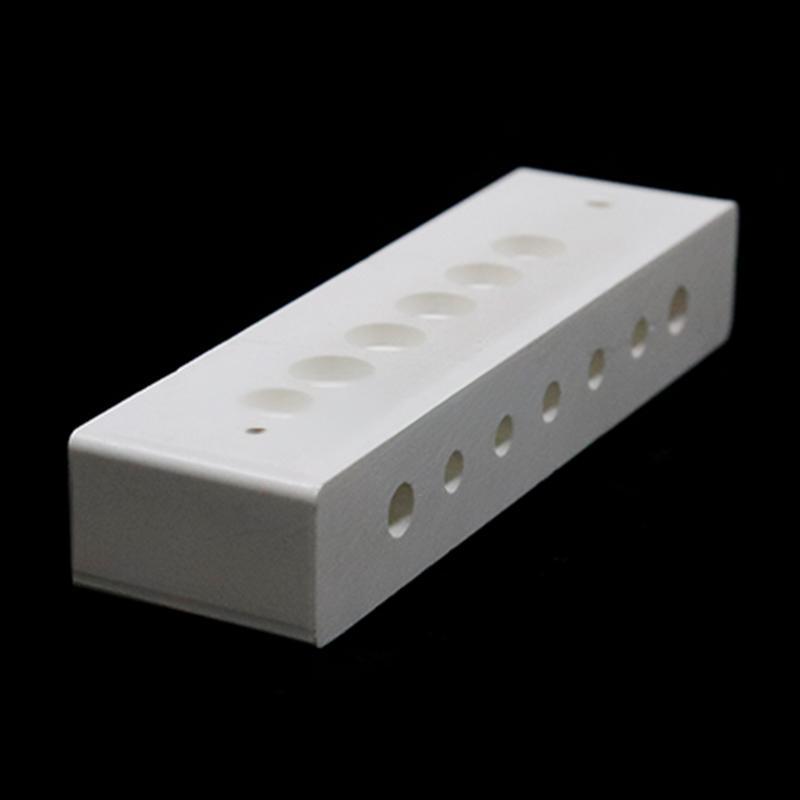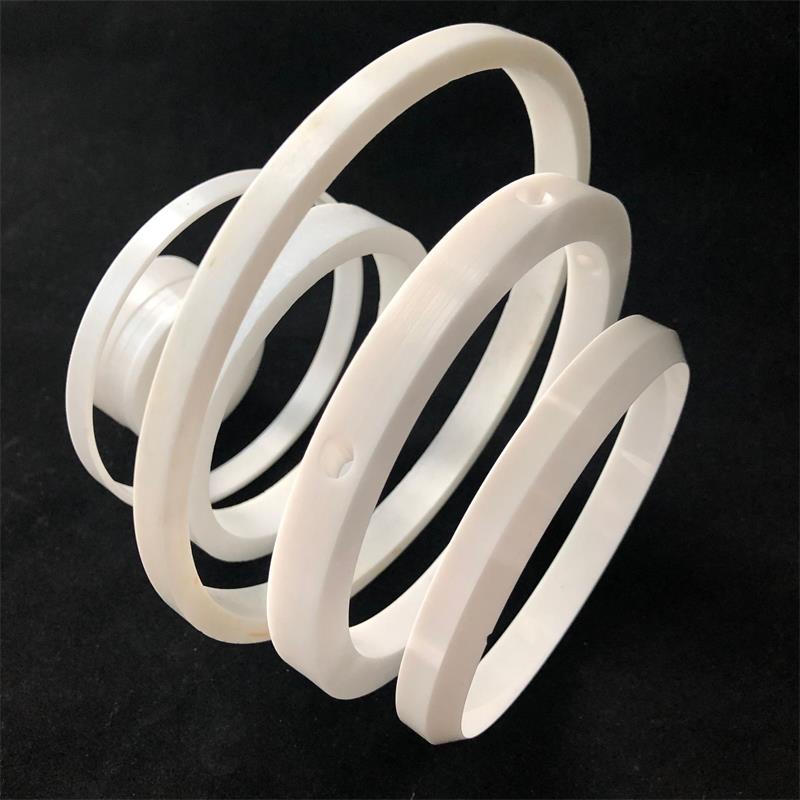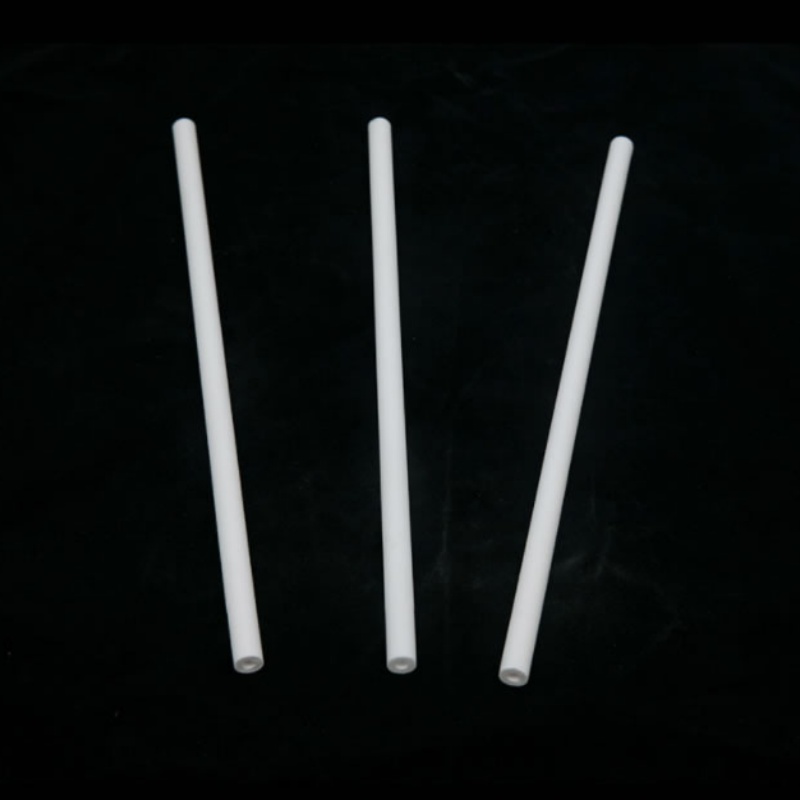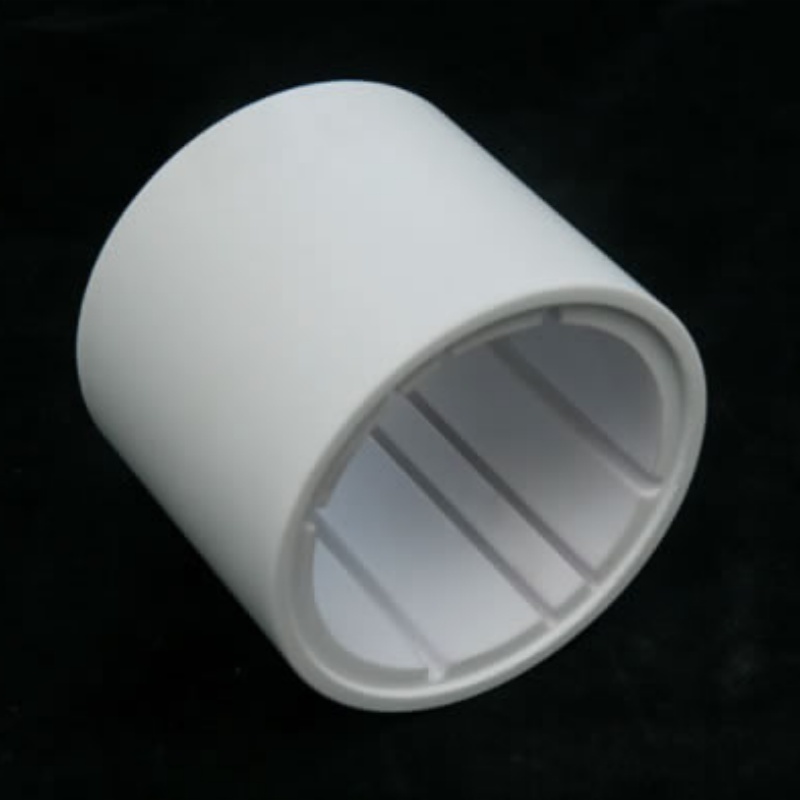
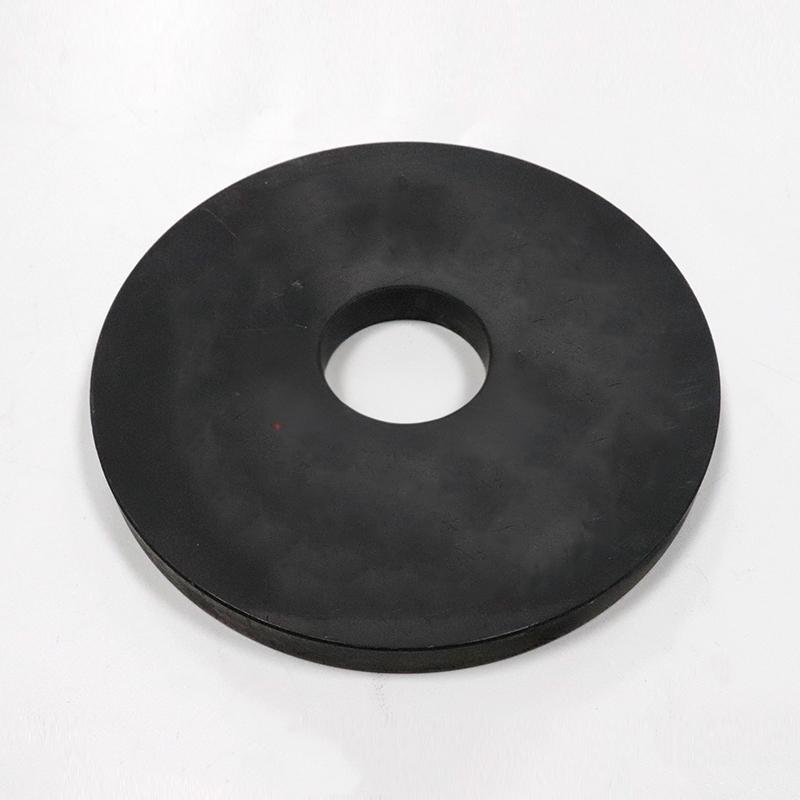
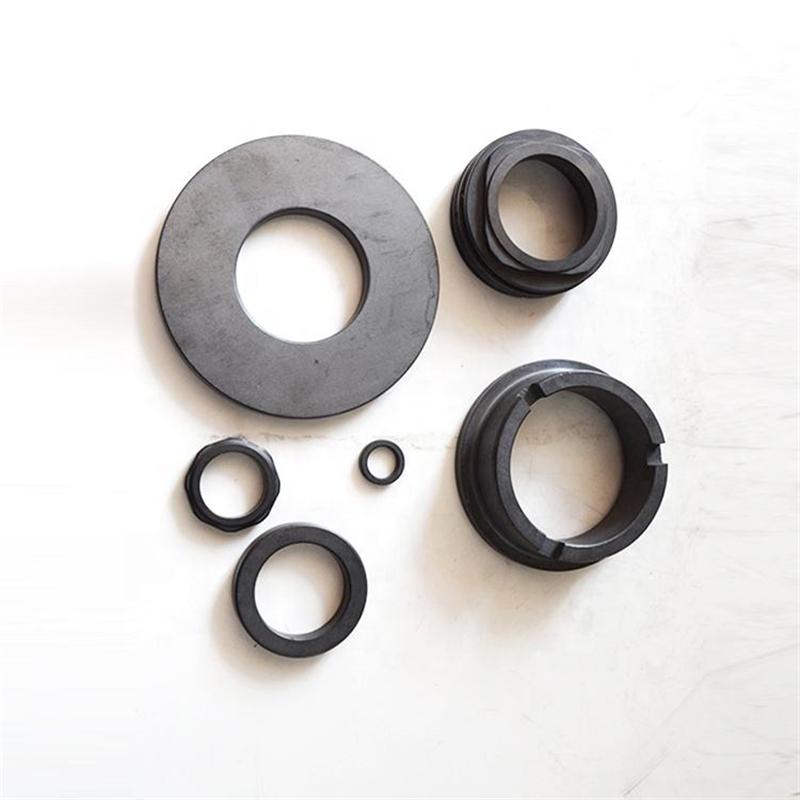
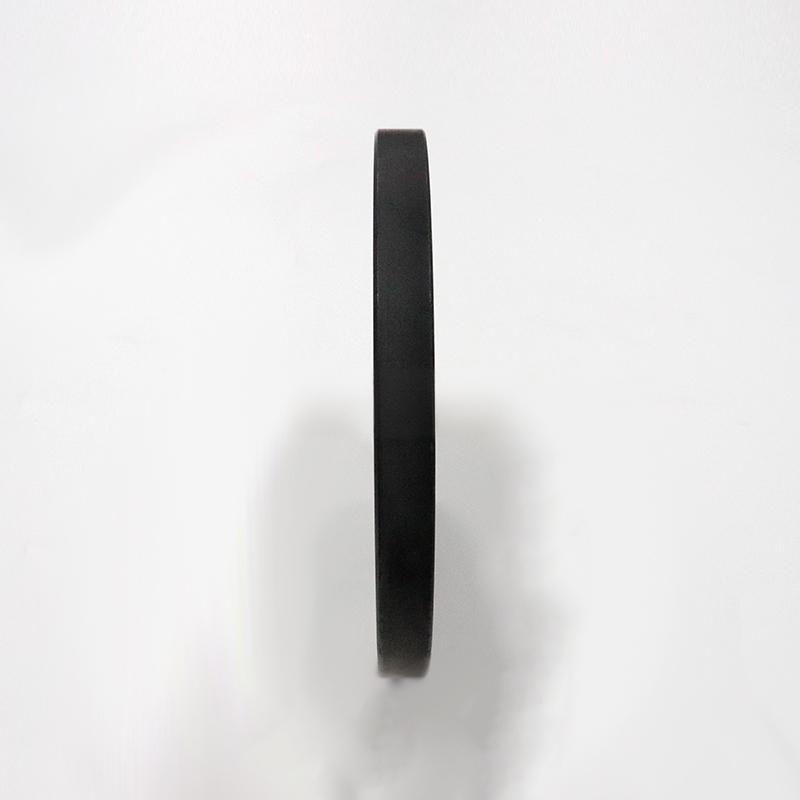
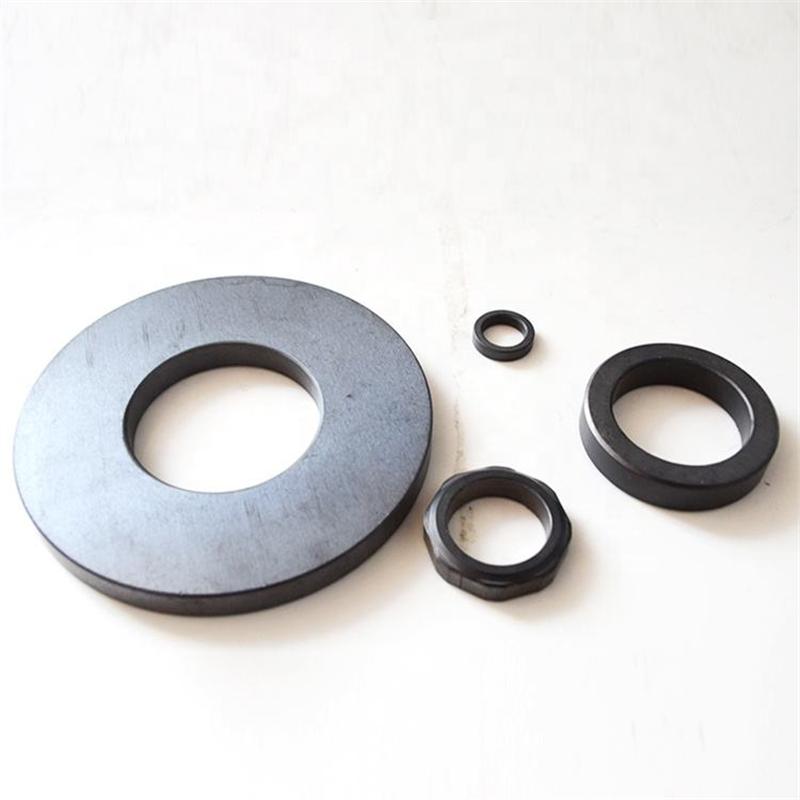
5–200mm Silicon Carbide Ceramic Rings
Silicon carbide ceramic rings in the 5–200mm size range are widely used where high hardness, thermal conductivity, chemical resistance, and dimensional stability are required. These rings are typically employed as sealing faces, bearing surfaces, bushings, flow-control components, and precision mechanical parts rather than as generic structural rings. Their usefulness comes from the covalent bonding structure of silicon carbide, which gives the material exceptional hardness and strength at elevated temperatures while maintaining relatively low density.
What silicon carbide ceramic rings are
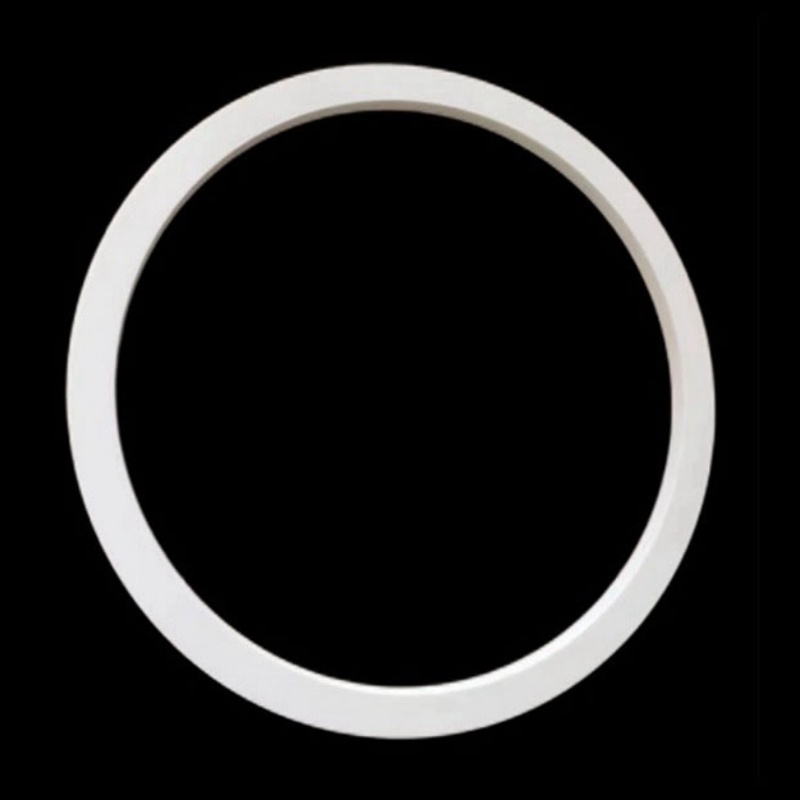
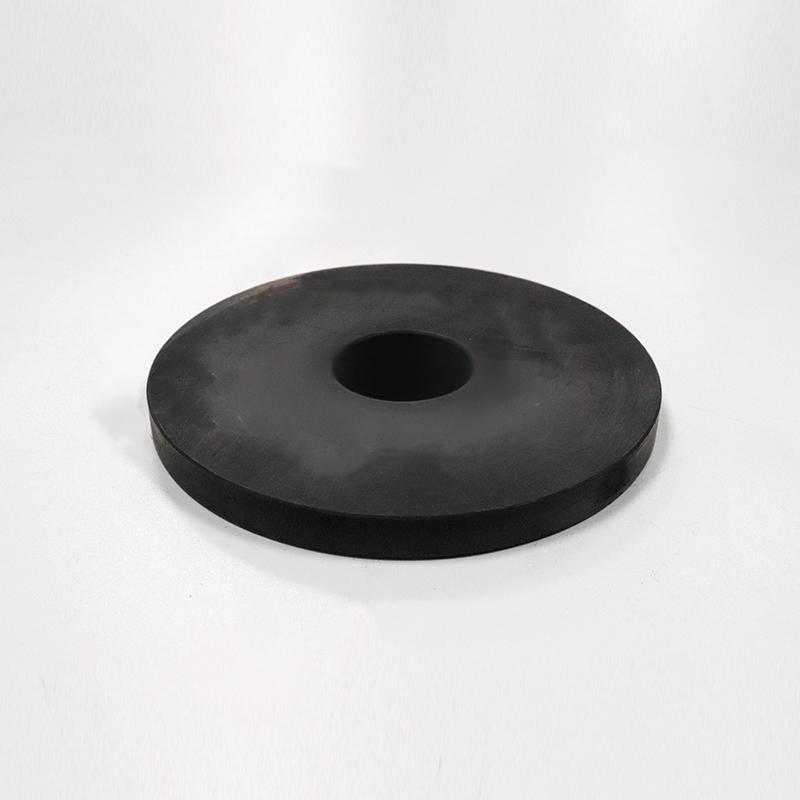
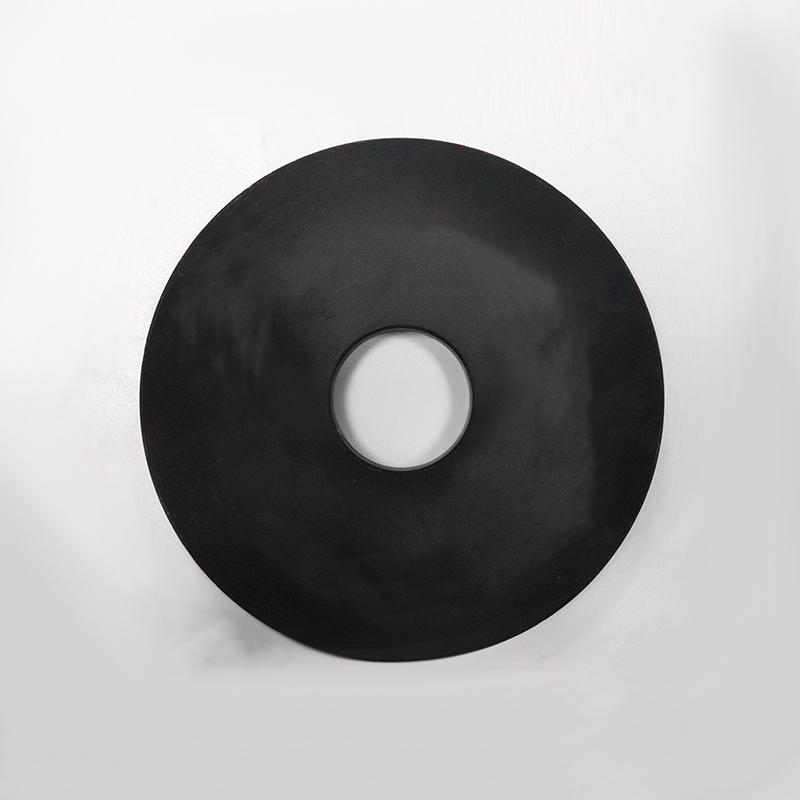
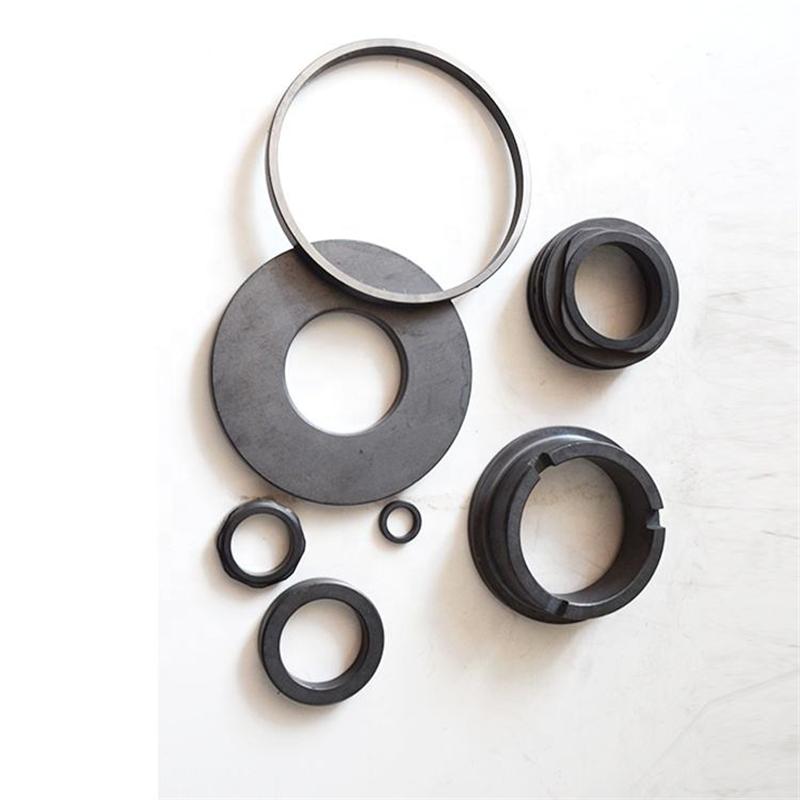
Silicon carbide ceramic ring is a machined or molded ceramic component with a circular cross-section. The 5–200mm dimension range covers small precision rings used in instrumentation and micro-fluid systems as well as larger rings used in pumps, valves, compressors, and industrial sealing assemblies. The ring geometry can serve different mechanical functions: it may act as a sliding face, a wear-resistant insert, a support ring, a flow restriction component, or a thermally stable interface.
Silicon carbide rings are not a single uniform product. Their properties depend on whether the material is reaction-bonded silicon carbide, sintered alpha silicon carbide, or liquid-phase sintered silicon carbide. Each route affects density, hardness, thermal conductivity, chemical resistance, maximum service temperature, and machining behavior.
Key properties that matter in engineering use
Silicon carbide is valued mainly for its combination of mechanical and thermal performance. Typical engineering-grade silicon carbide has very high hardness, often above 20 GPa for dense grades, and compressive strength that can exceed 2,000 MPa. Its thermal conductivity is much higher than alumina and many other structural ceramics, often in the range of about 80–180 W/m·K depending on grade and purity. This makes silicon carbide rings suitable for applications where heat must be removed from a sliding or loaded surface.
The material also has a relatively low coefficient of thermal expansion, which helps maintain dimensional stability during temperature changes. However, silicon carbide remains a brittle ceramic. It does not deform plastically like metals, so sharp edges, uneven mounting, or sudden localized heating can cause cracking.
Chemical resistance is another important characteristic. Silicon carbide generally performs well in acids, alkalis, and many organic environments, especially when the ring is made from high-purity sintered grades. Reaction-bonded silicon carbide may contain free silicon, which can reduce resistance to certain caustic or high-temperature oxidizing environments. Therefore, the exact grade must be matched to the operating medium.
Common types and grades
Reaction-bonded silicon carbide is produced by infiltrating a carbon preform with molten silicon. It can be manufactured into complex shapes with relatively good dimensional control. Its main limitation is the presence of residual silicon, which may affect chemical resistance and high-temperature stability.
Sintered alpha silicon carbide is made by solid-state sintering with small amounts of sintering aids. It usually offers higher purity, better corrosion resistance, and higher maximum service temperature. It is often preferred for demanding sealing, semiconductor, and high-temperature applications.
Liquid-phase sintered silicon carbide uses oxide or other additives to promote densification. It can provide good mechanical strength and wear resistance, but the additive phase may influence chemical stability at elevated temperatures.
For rings between 5 and 200mm, the choice of grade should be based on operating temperature, fluid compatibility, wear conditions, required dimensional tolerance, and whether the ring will experience thermal cycling.
Typical applications
Silicon carbide rings are commonly used in mechanical seals because their high hardness and thermal conductivity help reduce face wear and dissipate frictional heat. In pumps and compressors, they can serve as bearing rings, throttle bushings, or wear-resistant sleeves. In semiconductor and chemical processing equipment, silicon carbide rings are sometimes used where low contamination, high purity, and resistance to aggressive atmospheres are important.
They are also suitable for high-temperature furnace fixtures, flow-control rings, nozzle inserts, and precision alignment components. The 5–200mm range is broad enough to include miniature rings for analytical instruments and larger rings for industrial rotating equipment.

Advantages
Silicon carbide ceramic rings offer high wear resistance, good thermal shock resistance relative to many ceramics, and strong performance in corrosive environments. Their high thermal conductivity is especially useful in sliding or rotating components, where heat buildup can accelerate failure. Compared with alumina, silicon carbide usually provides higher hardness, higher thermal conductivity, and better wear performance. Compared with zirconia, it typically offers better high-temperature stability and chemical resistance, although zirconia may provide higher fracture toughness in some conditions.
Limitations and selection cautions
Silicon carbide is brittle and sensitive to tensile stress concentrations. Rings with very thin walls, sharp internal corners, or uneven press fits are more likely to crack during assembly or service. Machining silicon carbide is difficult and costly, especially for tight tolerances or complex features, so design simplification often reduces cost and improves reliability.
Reaction-bonded grades may not be suitable for strong caustic environments or very high-temperature oxidizing service. Liquid-phase sintered grades should be evaluated for chemical compatibility when exposed to aggressive media at elevated temperature. Silicon carbide is also electrically conductive in many forms, so it is not a good choice when electrical insulation is required.
When to choose silicon carbide rings
Choose silicon carbide when the application involves high wear, elevated temperature, corrosive fluids, or a need for efficient heat removal from a ceramic surface. It is particularly appropriate for sealing faces, bearing surfaces, and components exposed to abrasive or chemically aggressive environments.
Consider alumina if electrical insulation is required and mechanical loads are moderate. Consider zirconia if higher fracture toughness is needed and operating temperatures remain within zirconia’s stable range. Consider silicon nitride when high toughness and fatigue resistance are critical in rolling or impact-loaded ceramic components.
FAQ
What are 5–200mm silicon carbide ceramic rings used for?
They are typically used as sealing rings, bearing rings, bushings, wear inserts, flow-control components, and high-temperature mechanical parts where hardness, thermal conductivity, and chemical resistance are important.
Is silicon carbide electrically insulating?
No. Most silicon carbide ceramics are semiconductive or conductive depending on purity, dopants, and processing. If electrical insulation is required, alumina or another insulating ceramic is usually more suitable.
Can silicon carbide rings withstand high temperatures?
Yes, dense silicon carbide can perform at high temperatures, often well above 1,000°C in inert or controlled atmospheres. In oxidizing environments, the maximum continuous temperature depends on the grade and surface stability.
What is the difference between reaction-bonded and sintered silicon carbide?
Reaction-bonded silicon carbide contains residual silicon and can be formed into complex shapes more easily, while sintered alpha silicon carbide is usually purer and offers better high-temperature and chemical resistance.
Are silicon carbide rings resistant to corrosion?
Generally yes, especially in acids and many aggressive fluids. However, grades containing free silicon or certain sintering additives may have reduced resistance in strong alkalis or specific high-temperature environments.
Why do silicon carbide rings crack during installation?
Cracking is usually caused by tensile stress, sharp edges, uneven press fits, or thermal shock. Because silicon carbide is brittle, mounting designs should avoid point loading and excessive interference fits.