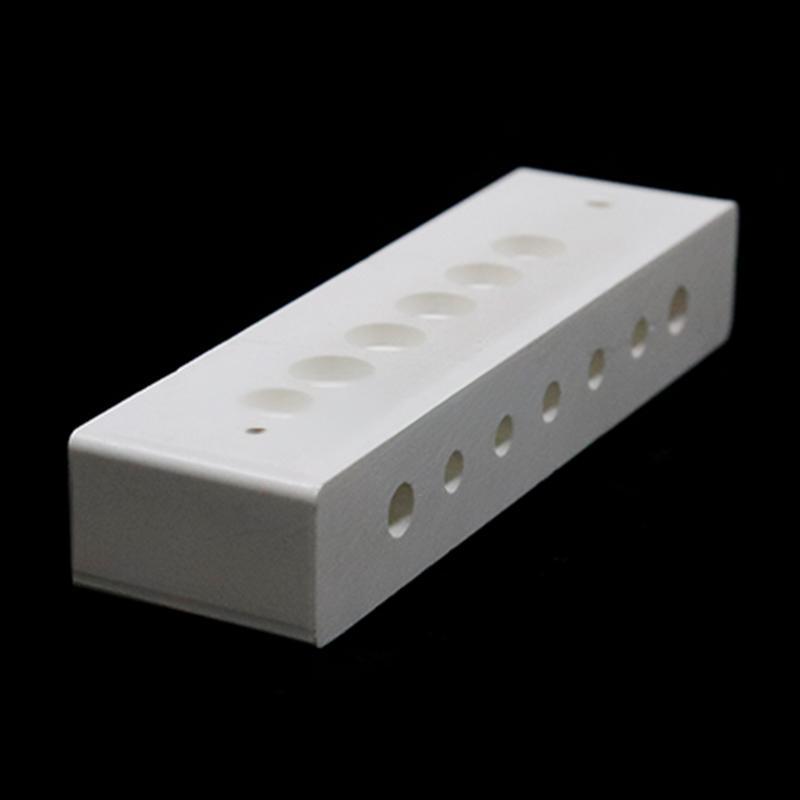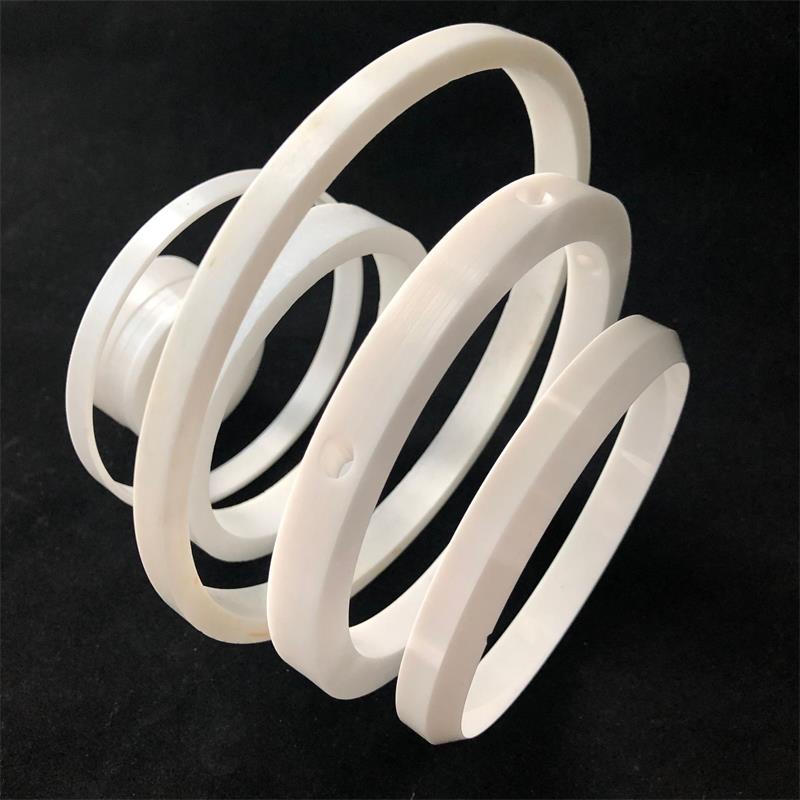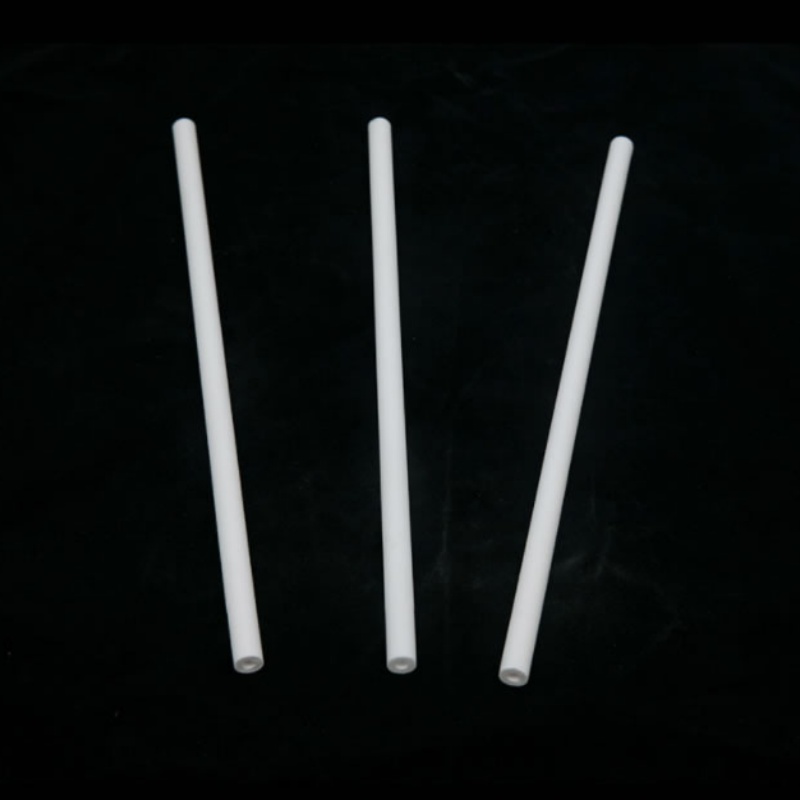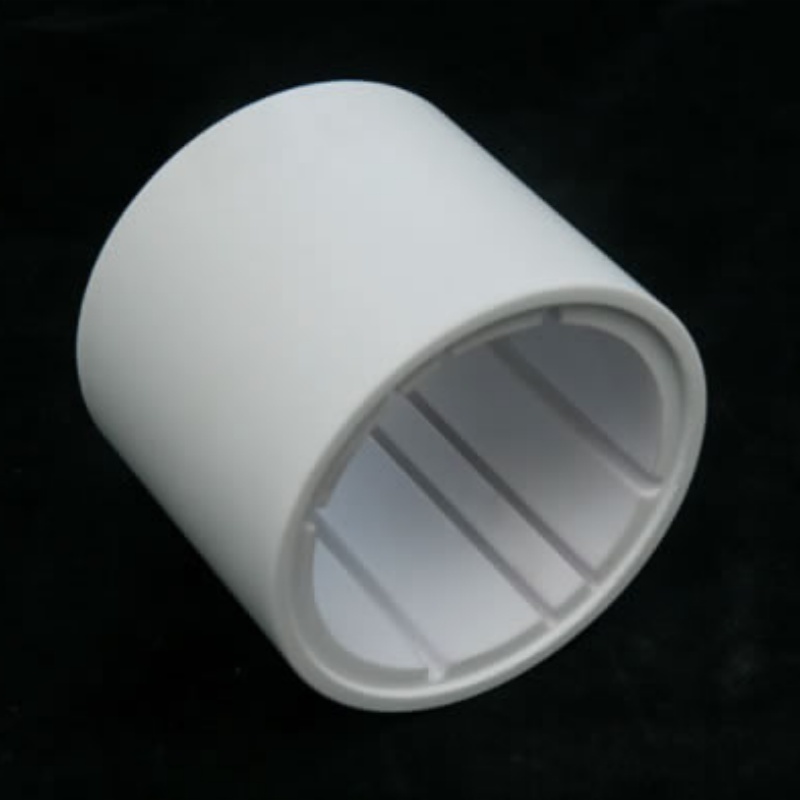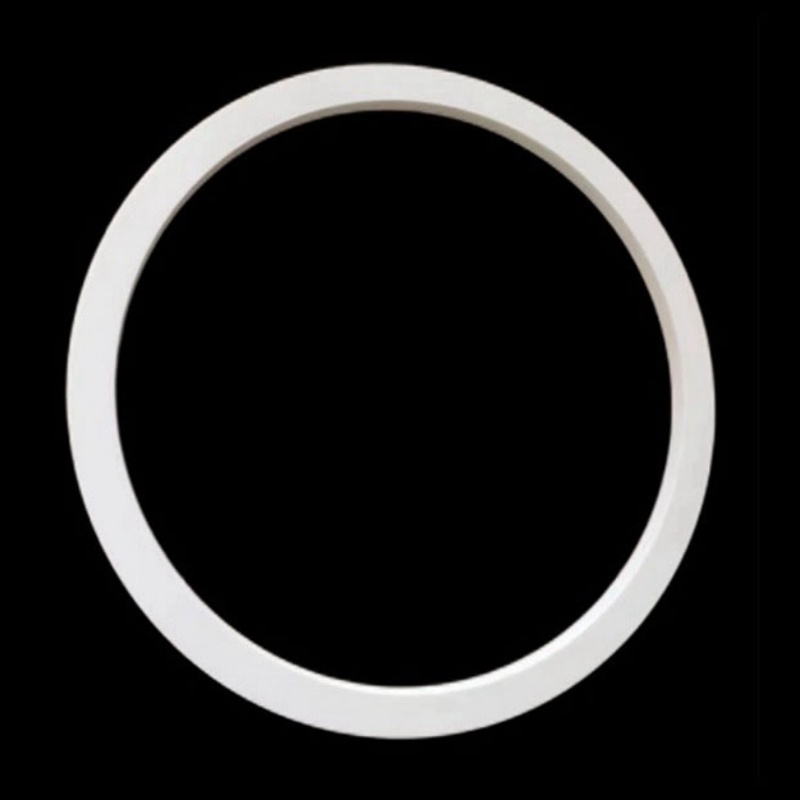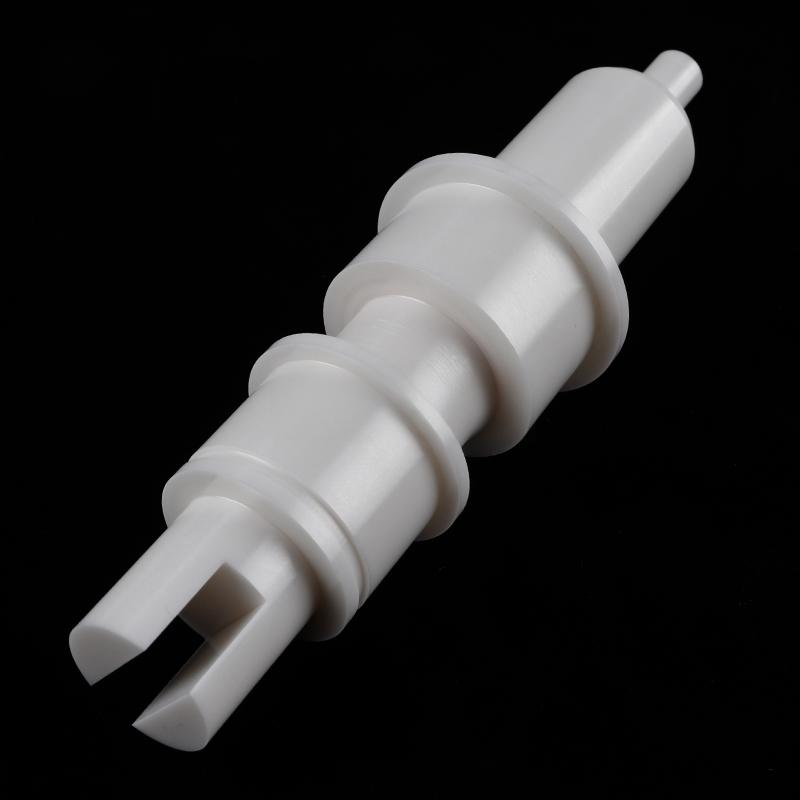
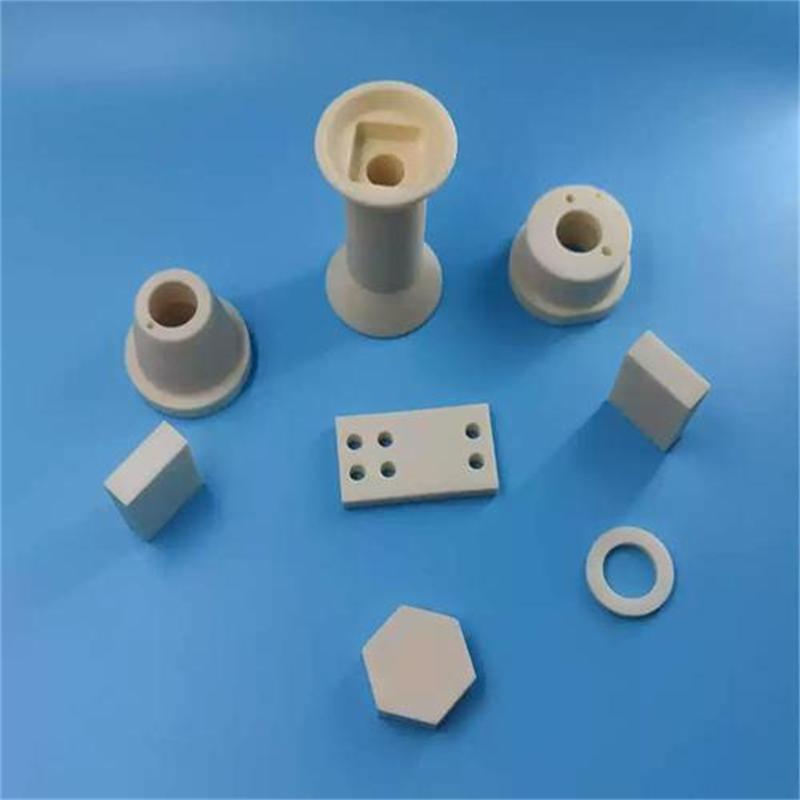
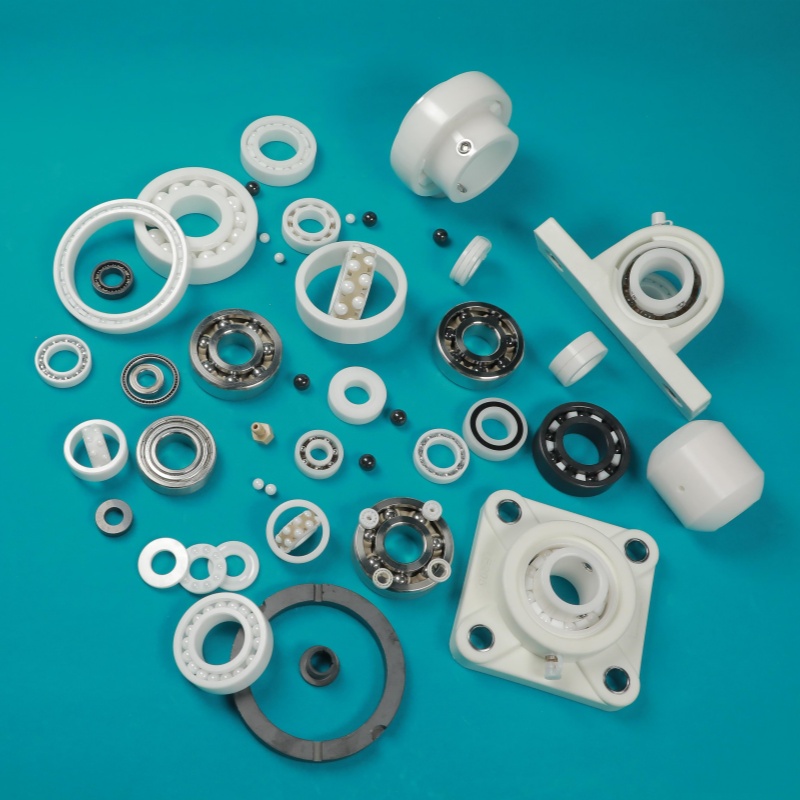
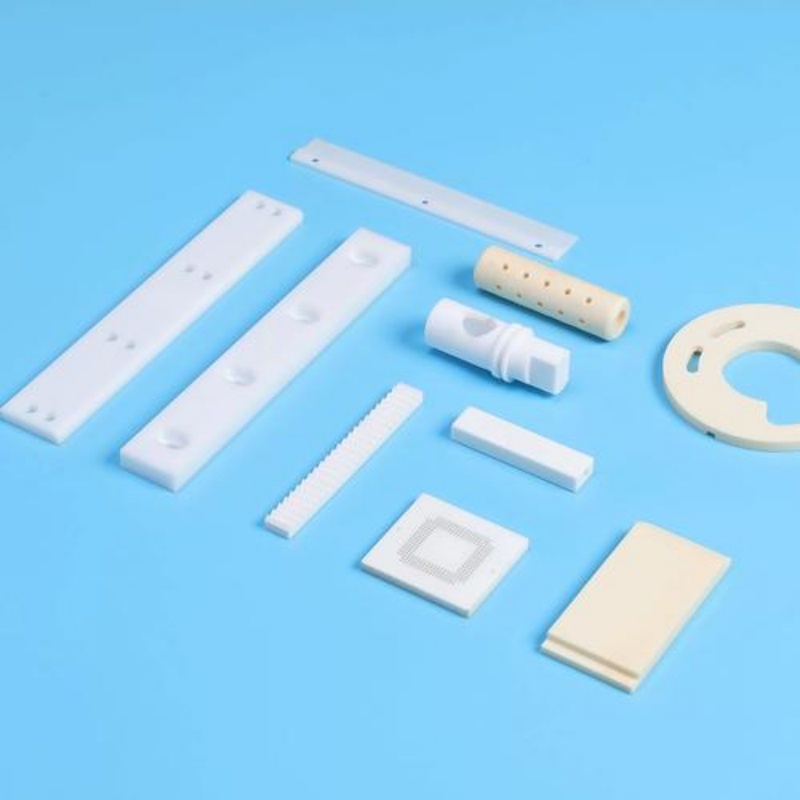
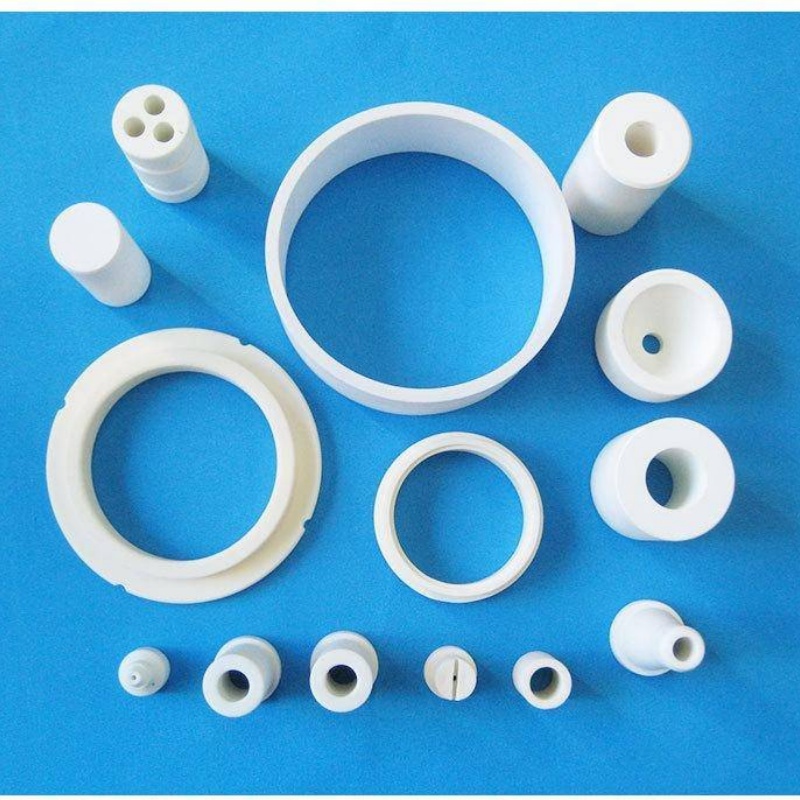
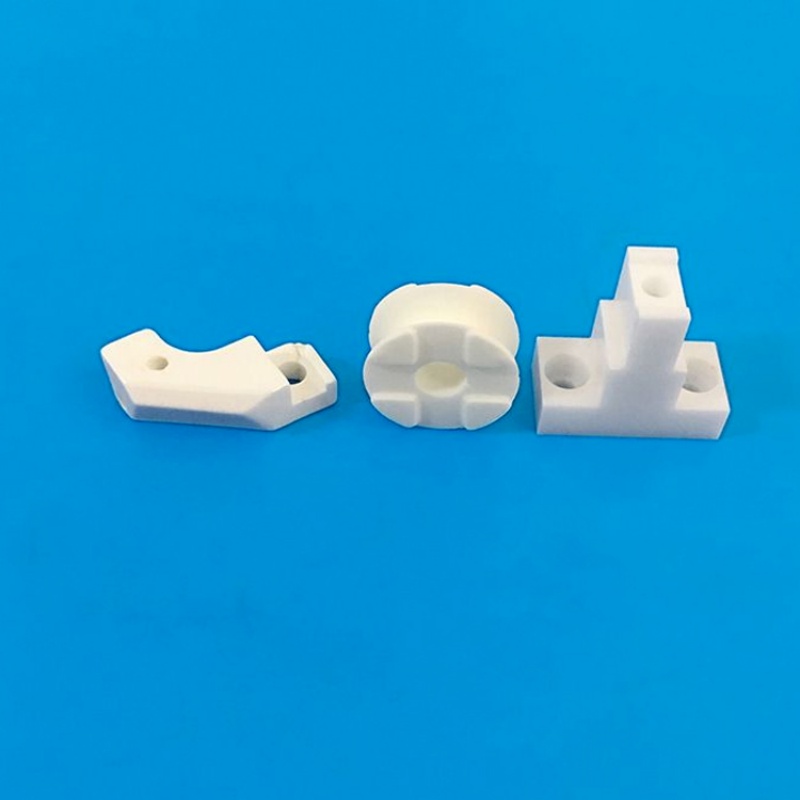
10-200mm Zirconia Ceramic Parts
Zirconia (Zirconium Dioxide, ZrO₂) is widely recognized in advanced ceramics for its exceptional combination of mechanical strength and fracture toughness. When engineering components in the 10-200mm zirconia ceramic part size range, designers often select this material to bridge the gap between small, precision technical ceramics and large, heavy structural components. This specific dimensional range covers a vast array of industrial applications, from intricate pump components and valve seats to large grinding media and specialized textile guides. Understanding the material science behind zirconia is essential for maximizing its performance in these applications.
Why Zirconia? The Mechanism of Transformation Toughening
The primary reason engineers choose zirconia over other oxide ceramics, such as alumina, is its unique microstructure. Pure zirconia undergoes destructive phase changes during cooling, but by adding stabilizers like Yttria (Y₂O₃), Magnesia (MgO), or Ceria (CeO₂), the material can be stabilized in a tetragonal phase at room temperature.
When a crack initiates in the material, the stress field at the crack tip causes the tetragonal grains to transform into a monoclinic phase. This transformation is accompanied by a roughly 3-5% volume expansion, which compresses the crack and prevents it from propagating further. This phenomenon, known as transformation toughening, gives zirconia a fracture toughness (KIC) significantly higher than alumina or silicon carbide, making it the most damage-tolerant structural ceramic available.
Key Performance Characteristics
For parts sized between 10mm and 200mm, the following properties are critical for engineering selection:
High Flexural Strength: Yttria-stabilized zirconia (YSZ) typically exhibits flexural strength ranging from 900 to 1200 MPa. This allows thinner wall sections in design compared to metals or other ceramics.
Superior Wear Resistance: The high hardness (approx. 1200 HV) and toughness make it ideal for sliding or abrasive environments.
Low Thermal Conductivity: Zirconia acts as a thermal insulator (approx. 2-3 W/m·K), which is beneficial for applications requiring thermal barriers but requires caution in high thermal shock scenarios.
Chemical Inertness: It is highly resistant to corrosion from acids, alkalis, and molten metals, making it suitable for harsh chemical processing environments.
Common Grades and Specifications
The “10-200mm” specification usually refers to the outer diameter or length of the component. Within this range, different zirconia grades serve different purposes:
3Y-ZrO₂ (3 mol% Yttria): The standard grade offering the highest strength and hardness. It is the go-to choice for wear parts, cutting tools, and valves.
5Y-ZrO₂ (5 mol% Yttria): Offers higher translucency and slightly lower mechanical strength, often used where aesthetics or specific optical properties are needed alongside durability.
Ce-ZrO₂ (Ceria-stabilized): Provides the highest fracture toughness of all zirconia grades but with lower hardness. It is often selected for large components (closer to the 200mm end of the spectrum) where resistance to catastrophic failure is prioritized over surface wear resistance.
Typical Applications in the 10-200mm Range
Fluid Handling: Valve balls, seats, and pump plungers (10-50mm) utilize zirconia’s corrosion resistance and smooth surface finish to prevent leakage and wear.
Textile Industry: Thread guides and tensioners (10-30mm) benefit from the material’s smoothness, which prevents fiber fraying.
Thermal Processing: Large insulating fixtures or nozzles (50-200mm) leverage the low thermal conductivity to maintain process temperatures.
Grinding Media: Zirconia beads (typically 1-10mm, but larger grinding balls exist) are used for high-efficiency milling due to their high density and toughness.

Advantages and Limitations
While zirconia is a premium engineering material, it has distinct limitations. The most significant is Low-Temperature Degradation (LTD), also known as “aging.” In the presence of moisture at temperatures between 100°C and 400°C, tetragonal zirconia can spontaneously transform to the monoclinic phase over time, leading to micro-cracking and surface roughening. Engineers must consider this for long-term applications in steam or humid environments.
Additionally, while zirconia has high strength, it is still a ceramic. It lacks the ductility of metals and can fail catastrophically under impact loads that exceed its transformation toughening capacity. Machining zirconia parts, especially those approaching 200mm, is difficult and expensive due to the material’s hardness; therefore, near-net-shape sintering is often preferred.
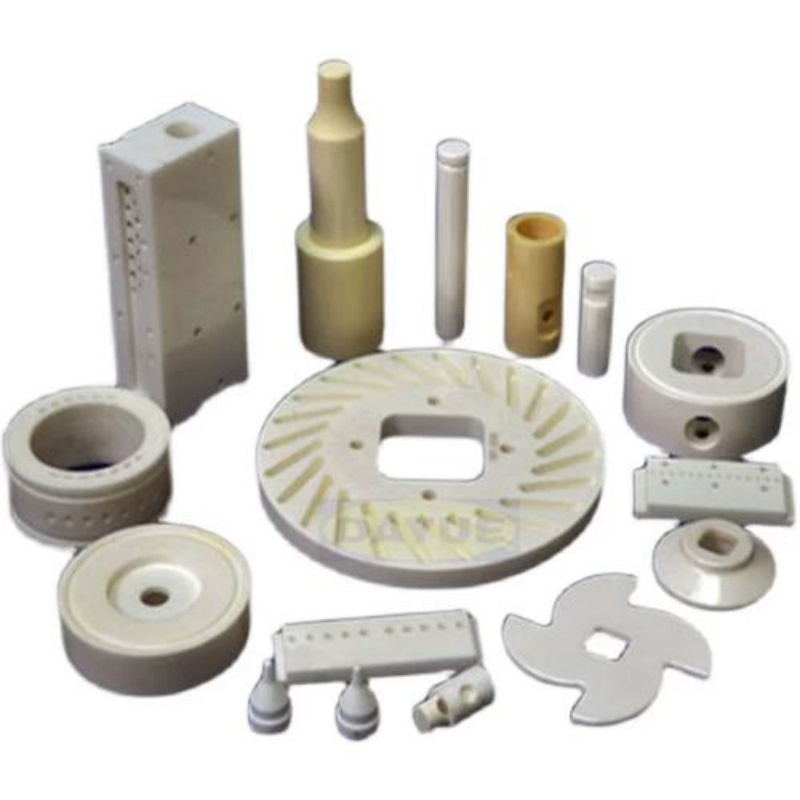
Material Selection Considerations
When selecting a 10-200mm zirconia ceramic part, compare it against Alumina (Al₂O₃) and Silicon Carbide (SiC). Choose Zirconia when toughness and impact resistance are the primary design drivers. If the application involves extreme temperatures (>800°C) where zirconia loses its toughening mechanism, or if cost is a primary constraint, Alumina or Silicon Carbide may be more appropriate alternatives.
FAQ
What is the maximum operating temperature for zirconia ceramic parts?
While zirconia can withstand temperatures up to roughly 2000°C in inert atmospheres, its mechanical properties—specifically its transformation toughening—degrade significantly above 600-800°C. For high-temperature structural applications, other ceramics like Silicon Carbide may be more stable.
Is zirconia electrically conductive?
No, zirconia is an electrical insulator at room temperature. However, at elevated temperatures (typically above 600°C), it becomes an oxygen ion conductor, which is why it is used in oxygen sensors and solid oxide fuel cells (SOFCs).
Can zirconia parts be used in hydrothermal environments?
Standard 3Y-ZrO₂ is susceptible to Low-Temperature Degradation (LTD) in steam or hot water. For such environments, specific stabilizers or surface treatments are required, or alternative materials like Alumina should be considered.
How does the size (10-200mm) affect the manufacturing cost?
Larger parts (approaching 200mm) are more expensive to produce due to the higher risk of defects during sintering and the increased difficulty of post-sintering machining (grinding). Maintaining tight tolerances on larger zirconia components requires advanced processing capabilities.
What is the difference between 3Y and 5Y zirconia?
3Y (3 mol% Yttria) zirconia offers higher mechanical strength and toughness, making it better for structural wear parts. 5Y (5 mol% Yttria) has higher cubic phase content, offering better translucency but reduced mechanical strength.