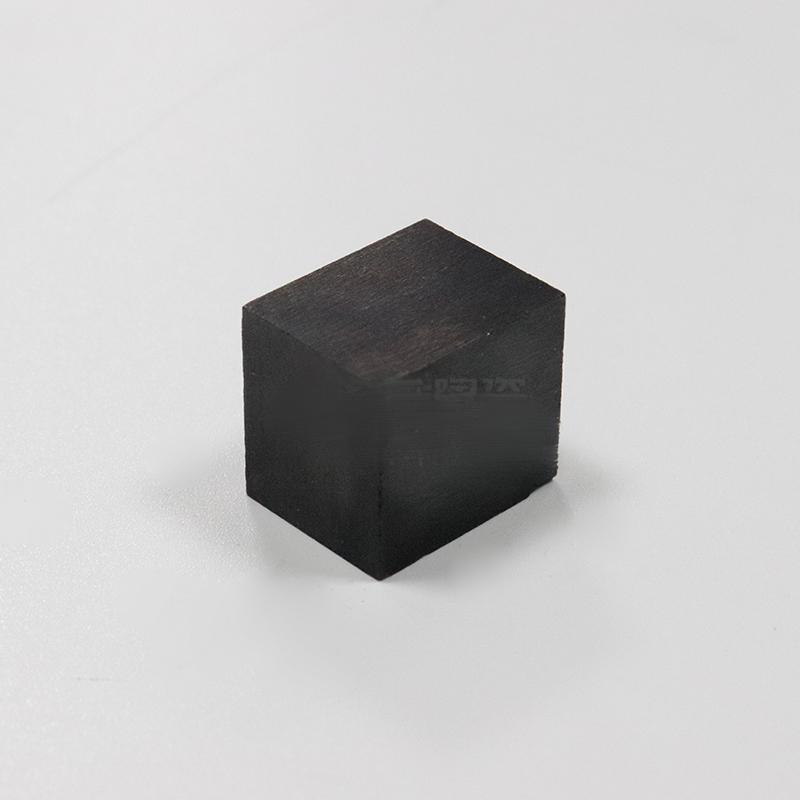
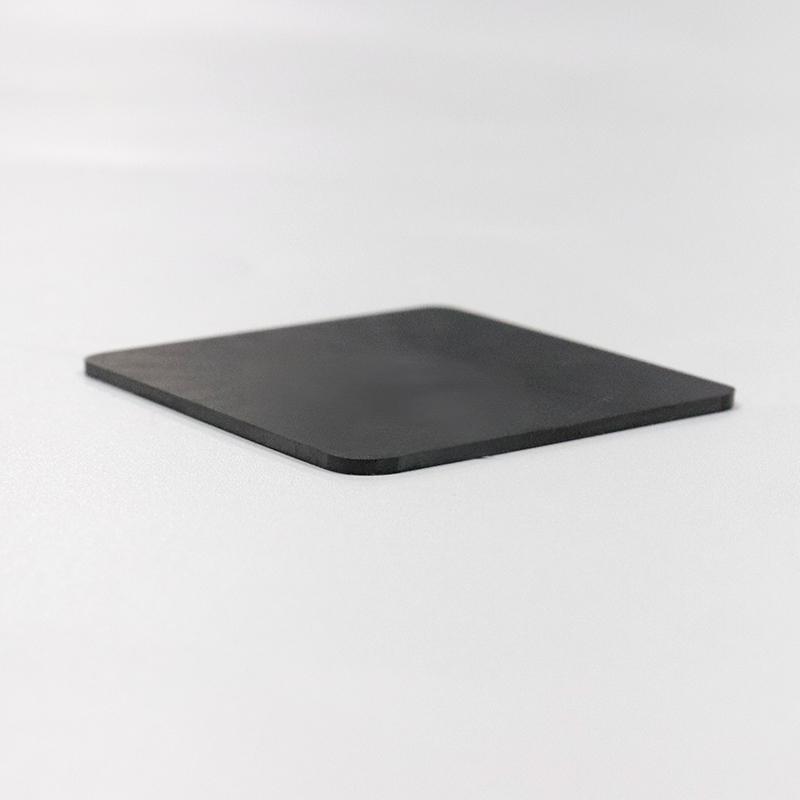
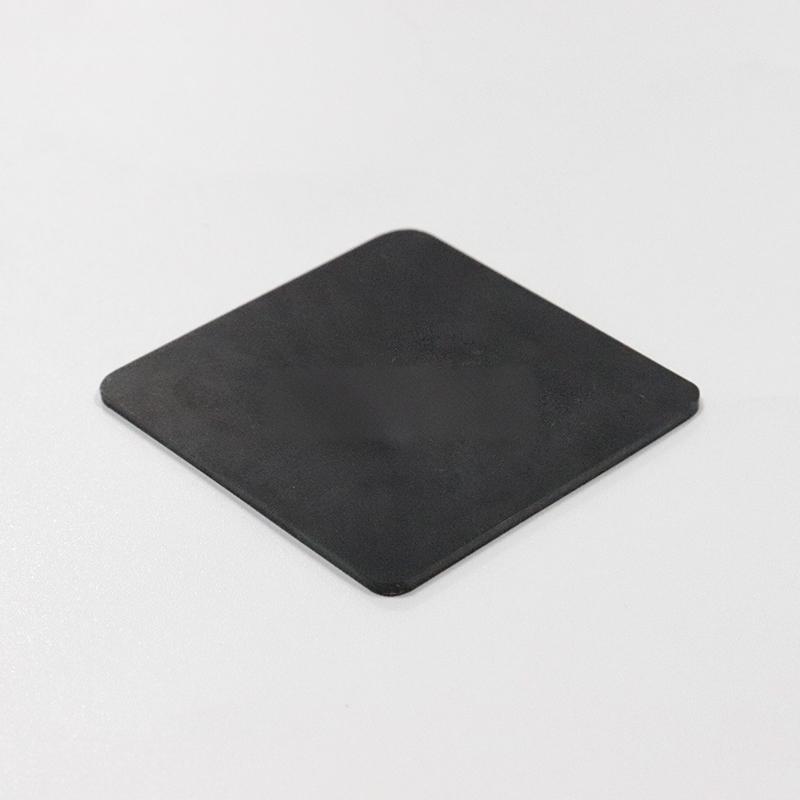
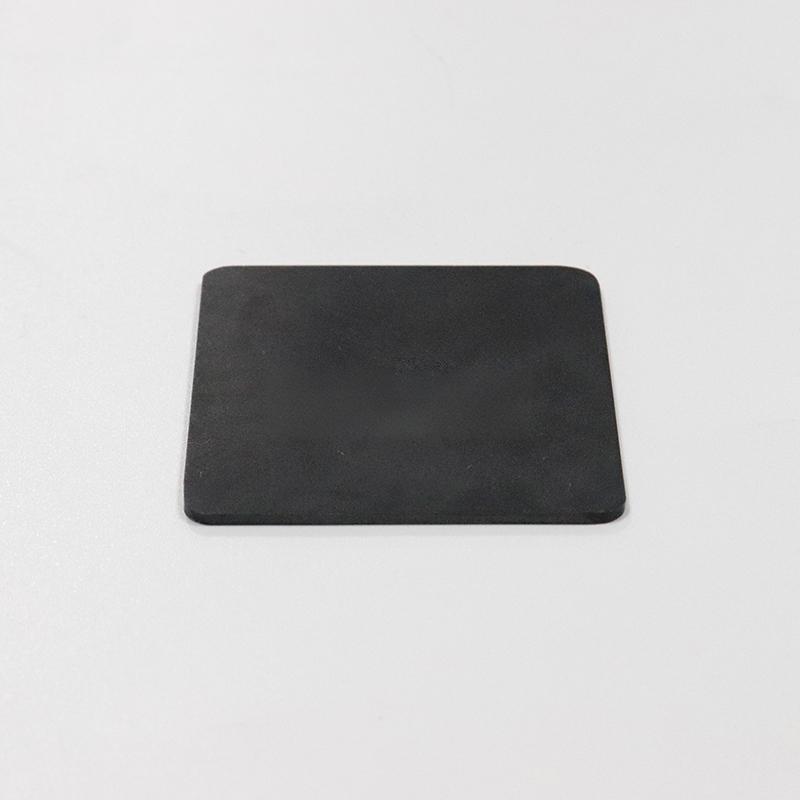
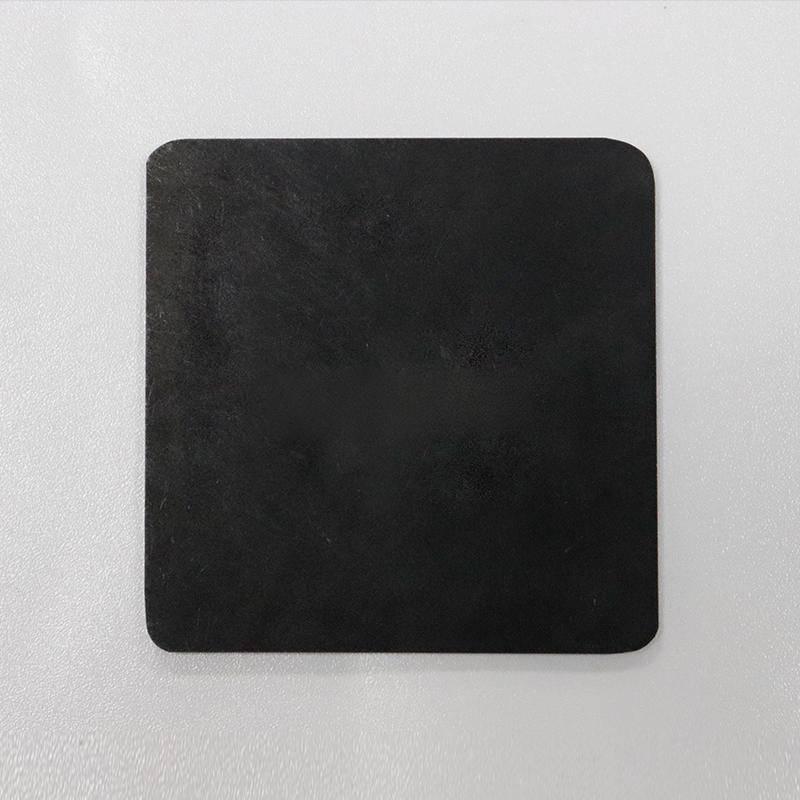
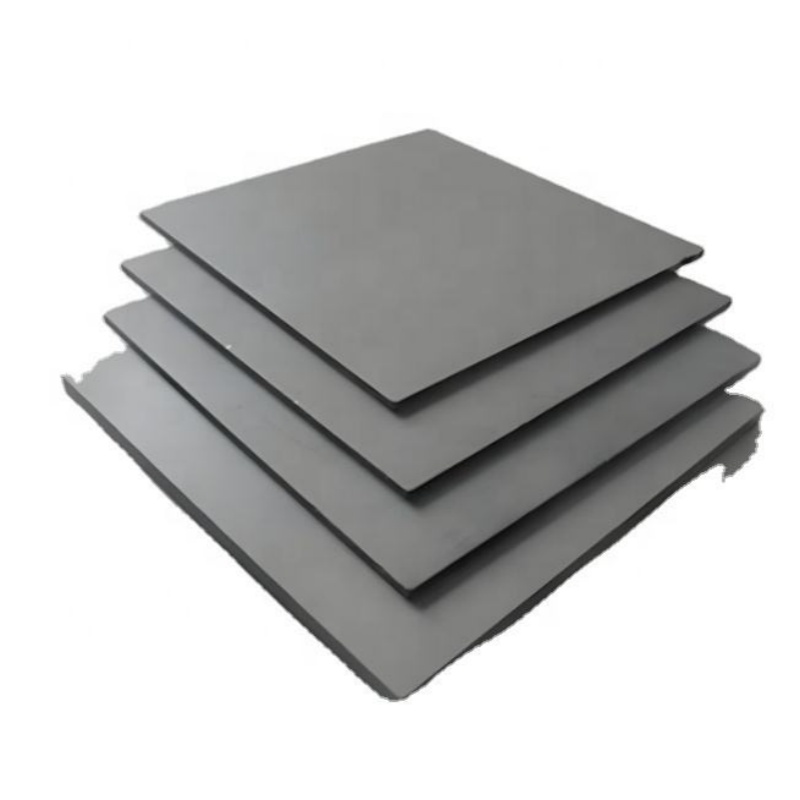
Silicon Carbide Ceramic Square Piece
Silicon carbide ceramic square piece is a precision-engineered ceramic component valued for its exceptional hardness, thermal conductivity, chemical stability, and wear resistance. In industrial and research applications, square-shaped SiC components are commonly used as substrates, wear plates, sealing surfaces, inspection targets, heating elements, and structural supports where flatness, dimensional stability, and high-performance material behavior are required.
Silicon carbide is a covalently bonded ceramic composed of silicon and carbon. Its strong atomic bonding gives it high mechanical strength and excellent resistance to abrasion, oxidation, and chemical attack. Unlike many oxide ceramics, silicon carbide retains useful mechanical properties at elevated temperatures, making it suitable for demanding thermal and mechanical environments.
Why silicon carbide performs well in square component form
The performance of a silicon carbide square piece depends less on its shape and more on the intrinsic properties of the SiC material. The square geometry is often selected when a flat, stable surface is needed for mounting, alignment, sealing, or contact with other components. Because silicon carbide has high stiffness and low thermal expansion, it can maintain dimensional accuracy under thermal cycling and mechanical load, provided the component is properly designed and manufactured.
Silicon carbide is not a single uniform material. Its properties vary depending on purity, sintering method, grain structure, and whether additives such as boron, carbon, or aluminum are used. These variations affect density, strength, thermal conductivity, electrical resistivity, and maximum service temperature.
Common material types and grades
Silicon carbide ceramics are generally classified by their processing route:
Reaction-bonded silicon carbide (RBSC): Produced by infiltrating a porous carbon-silicon carbide preform with molten silicon. RBSC typically has high density and good mechanical strength but may contain residual silicon, which can limit high-temperature performance and chemical resistance in certain environments.
Sintered silicon carbide (SSiC): Produced by solid-state sintering with sintering aids. SSiC offers high purity, good wear resistance, and strong chemical stability. It is widely used for mechanical seals, wear parts, and high-temperature components.
Recrystallized silicon carbide (RSiC): Formed at very high temperatures without densification additives. It often exhibits good thermal shock resistance and is commonly used in heating elements and kiln furniture, though it is typically more porous than SSiC or RBSC.
Chemical vapor deposition silicon carbide (CVD SiC): Produced by vapor-phase deposition, resulting in very high purity and fine microstructure. CVD SiC is used where optical quality, extreme purity, or specialized thermal and electrical behavior is required.
For a square ceramic piece, the most suitable grade depends on the application. Wear-resistant sealing surfaces often benefit from sintered SiC, while high-temperature furnace components may use recrystallized SiC. Semiconductor or optical-related applications may require CVD SiC due to its purity and microstructural uniformity.
Key engineering properties
Silicon carbide is known for high hardness, typically comparable to or exceeding that of alumina and approaching that of boron carbide in some forms. It also exhibits high compressive strength, good flexural strength, and excellent resistance to abrasive wear. These properties make silicon carbide square pieces suitable for applications involving sliding contact, particle erosion, or repeated mechanical loading.
Thermally, silicon carbide has high thermal conductivity compared with many structural ceramics. This allows heat to dissipate more efficiently, reducing localized thermal gradients. Its relatively low coefficient of thermal expansion further improves resistance to thermal shock, although rapid temperature changes can still cause fracture if the component is constrained or contains surface defects.
Electrically, silicon carbide can behave as a semiconductor or an insulator depending on purity, dopants, and processing. Standard structural grades may show semiconducting behavior, while high-purity or specially processed grades can be designed for higher electrical resistivity. Therefore, electrical performance should be verified against the specific material grade rather than assumed from the general term “silicon carbide.”
Chemically, silicon carbide offers strong resistance to many acids, alkalis, and molten metals. However, it can oxidize at high temperatures in air, forming a silica layer that may be protective up to a point. In environments containing strong oxidizers, molten alkalis, or certain halogen-containing gases, chemical compatibility must be evaluated case by case.
Typical applications
A silicon carbide ceramic square piece may be used in:
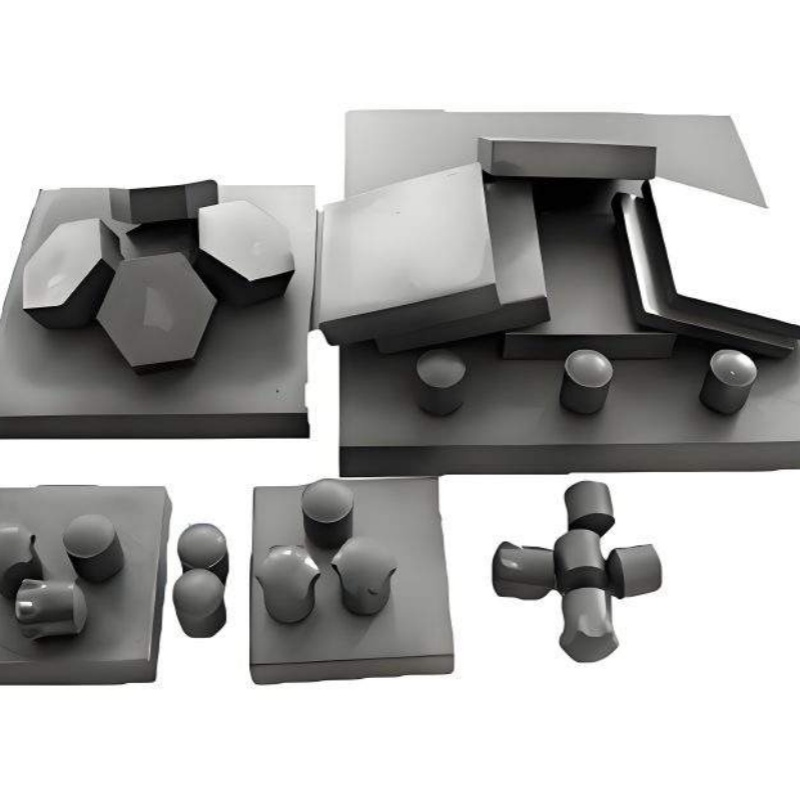
Wear-resistant surfaces: Its hardness and low friction make it suitable for sliding plates, guide blocks, and wear inserts.
Mechanical seal faces: High stiffness, wear resistance, and thermal conductivity help maintain seal integrity under load and heat.
High-temperature substrates: Square SiC pieces can support sensors, heaters, or test specimens where thermal stability is important.
Semiconductor and inspection equipment: Flat SiC components are used where cleanliness, thermal conductivity, and dimensional stability matter.
Furnace and kiln components: Certain grades serve as support plates, baffles, or heating element supports in high-temperature atmospheres.

Advantages and limitations
Silicon carbide offers several clear advantages:
Excellent wear and abrasion resistance
High thermal conductivity for a ceramic
Good high-temperature mechanical stability
Strong chemical resistance in many industrial environments
Low thermal expansion and good thermal shock resistance relative to many ceramics
However, it also has important limitations. Silicon carbide is brittle and sensitive to surface flaws. Machining is difficult and usually requires diamond tooling. Large or thin square pieces may be prone to cracking if edges are damaged or if thermal gradients are uneven. RBSC grades may lose strength above the melting point of residual silicon, while porous RSiC grades may not be suitable for high-pressure sealing. Electrical behavior also varies, so it should not be assumed to be fully insulating without grade-specific data.
When to choose silicon carbide over other ceramics
Silicon carbide is often preferred over alumina when higher thermal conductivity, better wear resistance, or higher high-temperature strength is needed. Compared with zirconia, silicon carbide generally offers better thermal conductivity and chemical stability, though zirconia may provide higher fracture toughness in some mechanical applications. Silicon nitride can be a better choice when high toughness and thermal shock resistance are required under repeated mechanical loading, while alumina may remain more cost-effective for general electrical insulation or moderate wear applications.
Selecting the right silicon carbide square piece requires matching the material grade to the operating temperature, mechanical load, chemical environment, flatness requirement, and electrical behavior. Because properties vary significantly between RBSC, SSiC, RSiC, and CVD SiC, engineering decisions should be based on verified material data rather than generic silicon carbide specifications.
FAQ
What is a silicon carbide ceramic square piece used for?
It is commonly used as a wear plate, sealing surface, substrate, inspection target, furnace component, or structural ceramic part where hardness, thermal stability, and flatness are important.
Is silicon carbide electrically insulating?
Not always. Electrical behavior depends on purity, dopants, and processing. Some grades are semiconducting, while high-purity or specially processed grades can have higher resistivity.
Can silicon carbide square pieces withstand high temperatures?
Yes, many grades perform well at high temperatures. However, RBSC may be limited by residual silicon, while SSiC, RSiC, and CVD SiC can often operate at higher temperatures depending on the environment.
How does silicon carbide compare with alumina?
Silicon carbide generally offers higher thermal conductivity, better wear resistance, and better high-temperature strength. Alumina may be easier to machine and more cost-effective for electrical insulation or moderate wear applications.
What are the main limitations of silicon carbide ceramics?
They are brittle, sensitive to edge damage and surface flaws, difficult to machine, and may fracture under uneven thermal stress. Chemical and electrical performance also depend on the specific grade.
Which SiC grade is best for wear applications?
Sintered silicon carbide is often preferred for wear and sealing applications due to its high density, hardness, and chemical stability, but the final choice should be based on load, environment, and manufacturing constraints.