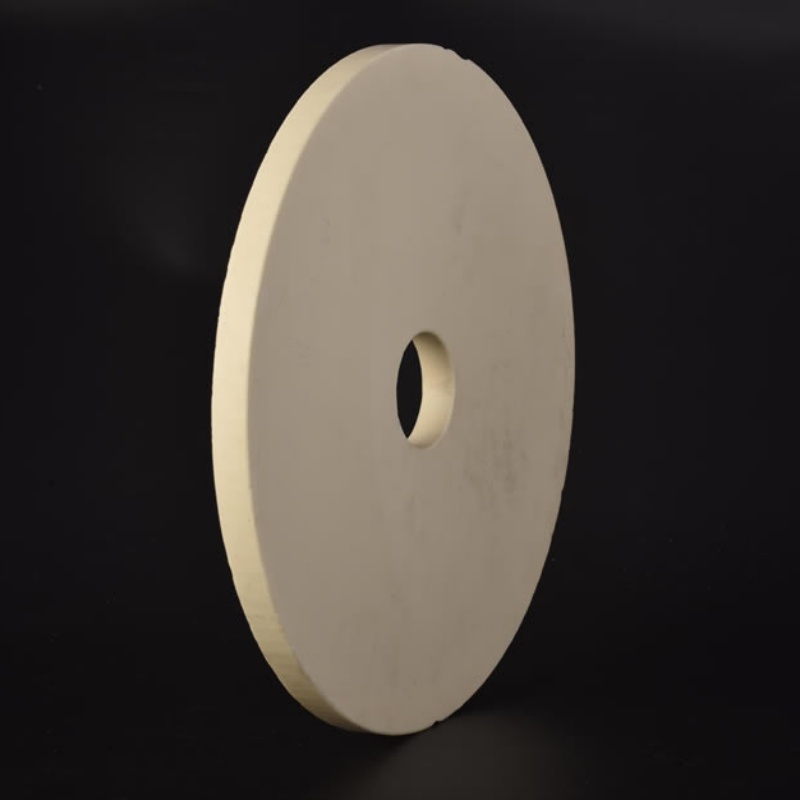
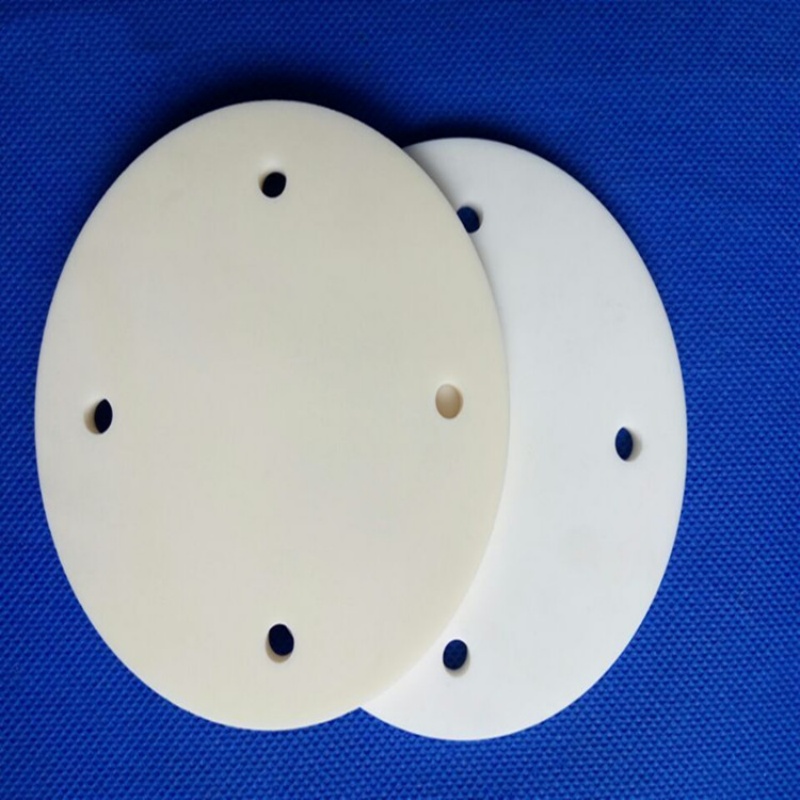
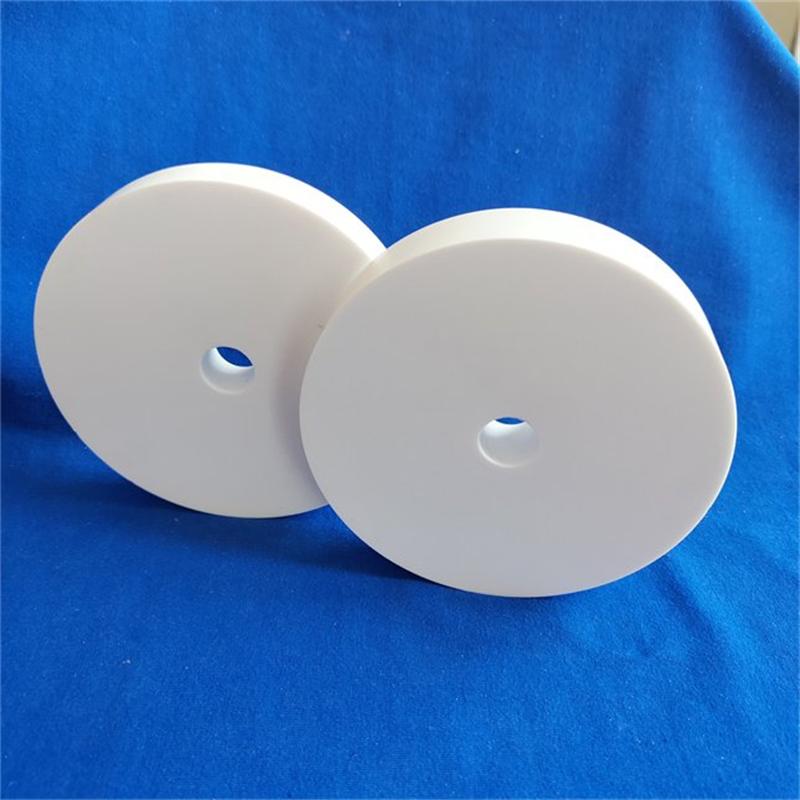
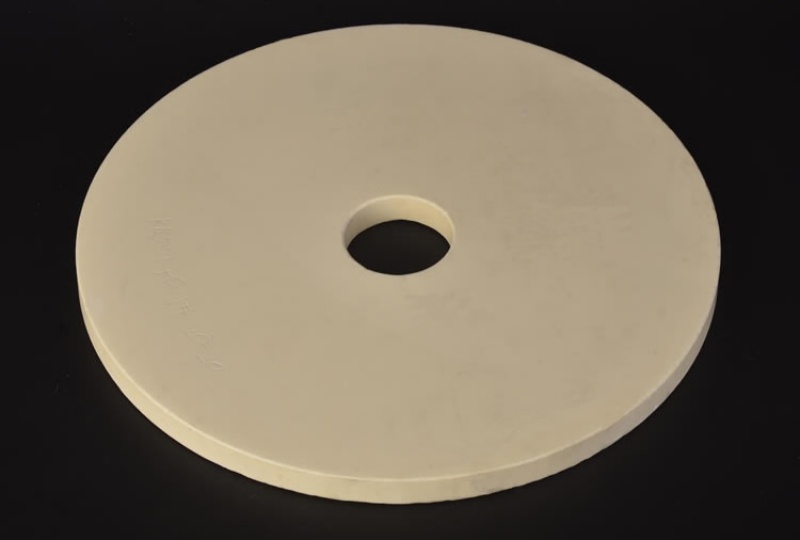
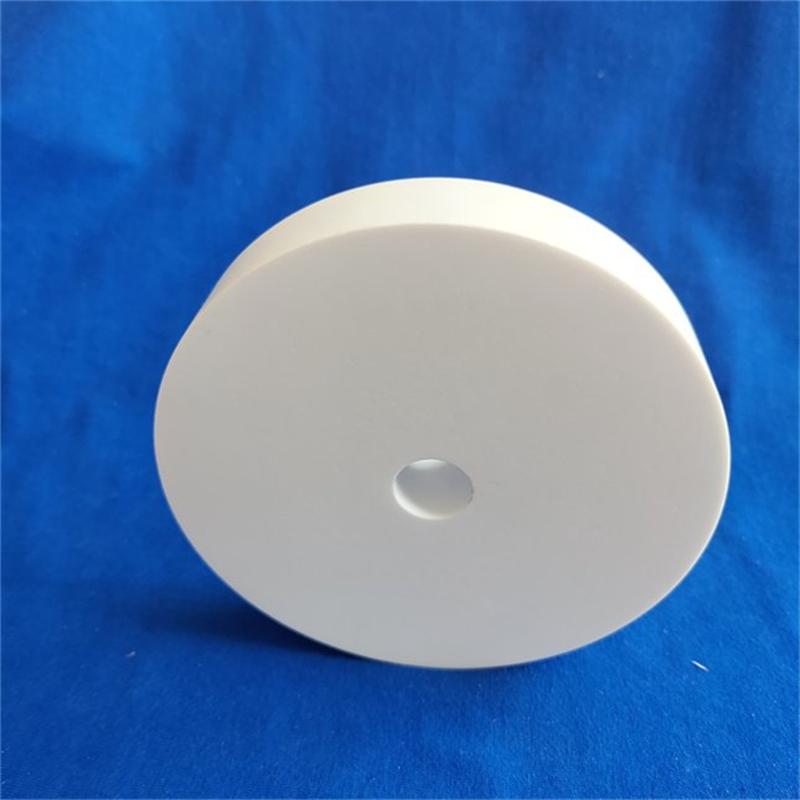
10–200 mm Alumina Ceramic Round Plates
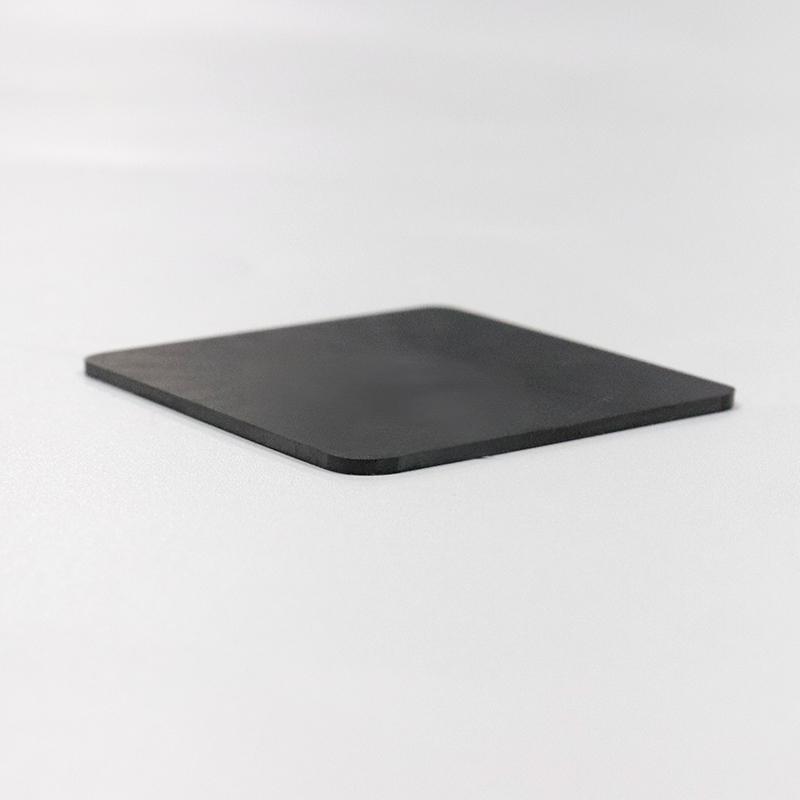
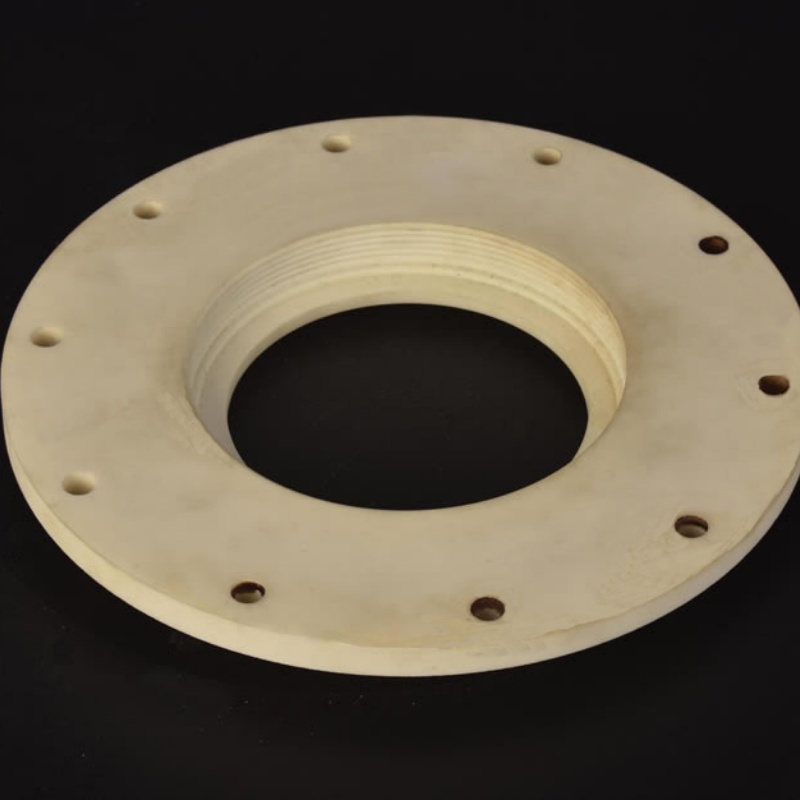
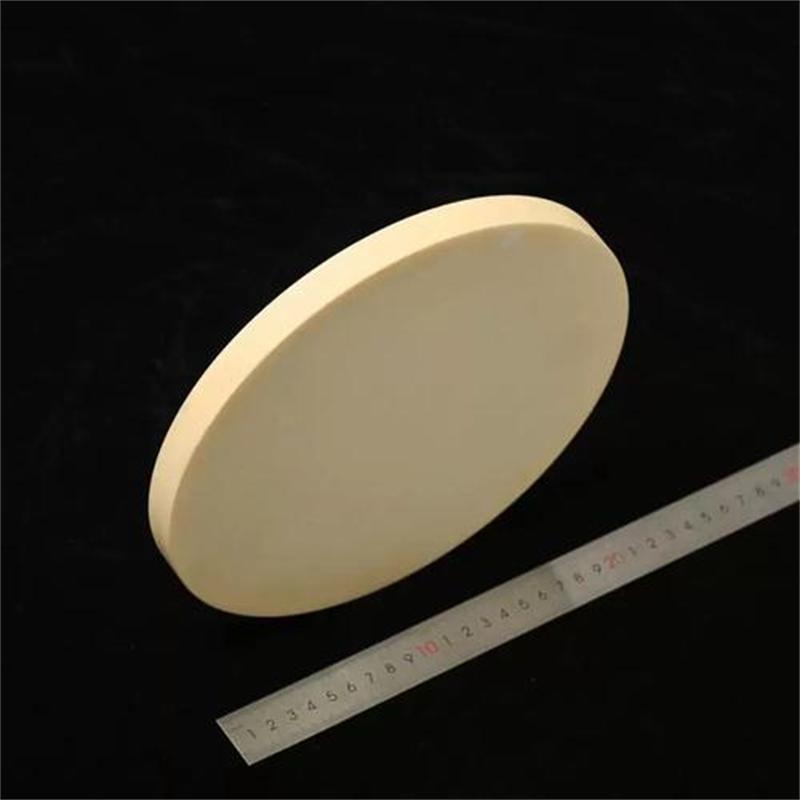
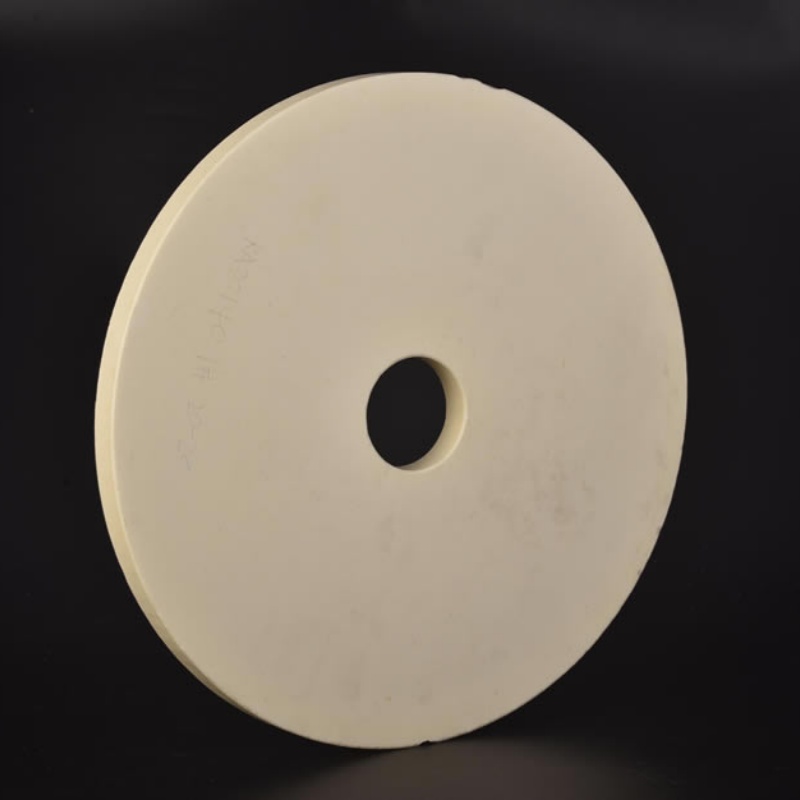
Alumina ceramic round plates with diameters between 10 and 200 mm are widely used in precision engineering where high hardness, electrical insulation, chemical stability, and dimensional stability are required. These plates are typically produced from aluminum oxide ceramics, most commonly 95% to 99.9% Al₂O₃, and are available in different thicknesses, surface finishes, and tolerance grades depending on the application.
Because alumina combines relatively high mechanical strength with good dielectric performance, it is often selected for components that must operate under mechanical load, elevated temperature, or electrically insulating conditions. The 10–200 mm size range is especially practical for test fixtures, sensor substrates, sealing surfaces, wear-resistant discs, insulating spacers, and small process components used in semiconductor, electronic, thermal, and laboratory equipment.
What Alumina Ceramic Round Plates Are
Alumina ceramic round plates are flat, disc-shaped components made primarily from aluminum oxide. They are usually manufactured by powder pressing, isostatic pressing, or dry pressing, followed by high-temperature sintering. After sintering, the plates may be ground, lapped, or polished to achieve tighter dimensional tolerances and smoother surfaces.
The performance of an alumina plate depends heavily on its purity. Higher-purity alumina generally provides better electrical insulation, higher temperature resistance, and improved chemical stability, while lower-purity grades may offer better processability or lower cost for less demanding applications.
Key Performance Characteristics
Alumina ceramic is valued for its balanced engineering properties. Typical characteristics include:
High hardness and wear resistance: Alumina resists abrasion and surface wear, making it suitable for sliding, sealing, or contact surfaces.
Good electrical insulation: It maintains high volume resistivity and low dielectric loss, which is important for electronic and electrical components.
Thermal stability: Alumina can operate at elevated temperatures and retains its properties in many high-temperature environments.
Chemical resistance: It is resistant to many acids, alkalis, and organic solvents, though performance varies with concentration and temperature.
Dimensional stability: Properly processed alumina plates maintain shape and size under mechanical and thermal loading.
Non-magnetic and non-conductive behavior: This makes alumina useful in environments where electromagnetic interference or electrical leakage must be avoided.
However, alumina is a brittle ceramic material. It does not deform plastically like metals, so it must be designed with appropriate support, clearance, and load distribution.
Common Specifications and Grades
Alumina round plates in the 10–200 mm diameter range are commonly available in several purity grades, including 95%, 96%, 99%, 99.5%, and 99.9% Al₂O₃. The choice of grade influences hardness, dielectric strength, thermal conductivity, and chemical resistance.
Typical thicknesses may range from less than 1 mm to several tens of millimeters, depending on manufacturing capability and application requirements. Surface finishes can vary from as-sintered to ground, lapped, or mirror-polished. Tighter flatness, parallelism, and surface roughness requirements usually increase processing complexity.
For engineering selection, it is important to distinguish between general-purpose alumina plates and precision-grade plates. Precision components may require controlled tolerances for diameter, thickness, flatness, and surface quality.
Typical Applications
Alumina ceramic round plates are used in many industries because they can serve as structural, insulating, wear-resistant, or thermally stable components.
In electrical and electronic applications, alumina plates are used as insulating substrates, sensor mounts, and isolation discs because of their high dielectric strength and low electrical conductivity.
In semiconductor and laboratory equipment, they are used as fixture plates, wafer handling components, and corrosion-resistant supports where cleanliness and chemical stability are important.
In thermal management and heating systems, alumina plates may serve as insulating layers, heater supports, or thermal barriers, especially when electrical isolation is required at elevated temperatures.
In wear-resistant assemblies, alumina discs are used as sealing surfaces, sliding plates, valve components, and wear pads because alumina maintains hardness even under repeated contact.

Advantages of Alumina Ceramic Plates
Alumina ceramic round plates offer several practical advantages:
Strong electrical insulation across a wide temperature range.
Good resistance to abrasion and surface wear.
Stable performance in many corrosive chemical environments.
High compressive strength and dimensional stability.
Relatively mature manufacturing processes compared with some advanced ceramics.
Wide availability in different diameters, thicknesses, and purity levels.
These advantages make alumina a reliable default choice when a component must combine insulation, hardness, and thermal stability.
Limitations and Design Considerations
Alumina ceramic plates also have important limitations. Their brittleness means they are sensitive to impact, point loading, and tensile stress. Edge chipping can occur if plates are handled improperly or mounted without adequate support.
Thermal shock resistance is moderate. Alumina can withstand high temperatures, but rapid temperature changes may cause cracking, especially in thick plates or components with sharp edges. Machining alumina after sintering is difficult and usually requires diamond tooling, so design changes after production can be costly.
Compared with zirconia, alumina generally has lower fracture toughness. Compared with silicon carbide, alumina typically has lower thermal conductivity and lower wear resistance in extreme sliding conditions. Therefore, alumina is not always the best choice for high-impact, extreme thermal shock, or ultra-high thermal conductivity applications.
When to Choose Alumina Ceramic Round Plates
Alumina ceramic round plates in the 10–200 mm range are suitable when the application requires:
Reliable electrical insulation.
Good wear resistance without metallic contamination.
Stable performance at elevated temperatures.
Resistance to many chemicals and solvents.
A balance of mechanical strength, manufacturability, and cost.
They are less suitable when the component must absorb impact, survive severe thermal shock, or provide very high thermal conductivity. In those cases, zirconia, silicon carbide, silicon nitride, or aluminum nitride may be more appropriate.
FAQ
What are alumina ceramic round plates used for?
They are commonly used as insulating substrates, wear-resistant discs, sealing surfaces, sensor supports, laboratory fixtures, and high-temperature component plates.
Is alumina electrically insulating?
Yes. Alumina has high volume resistivity and low dielectric loss, making it suitable for electrical and electronic insulation applications.
Can alumina plates be used at high temperatures?
Yes. Alumina maintains good mechanical and electrical properties at elevated temperatures, but rapid temperature changes should be avoided to reduce thermal shock risk.
What purity level should be selected?
Higher purity alumina generally provides better electrical insulation and chemical stability, while lower purity grades may be acceptable for general wear-resistant or structural applications.
How does alumina compare with zirconia?
Alumina offers better electrical insulation and usually lower cost, while zirconia typically provides higher fracture toughness and impact resistance.
What design precautions are important for alumina plates?
Avoid point loads, sharp edges, and uneven mounting surfaces. Provide adequate support, control thermal gradients, and specify realistic tolerances for flatness and surface finish.