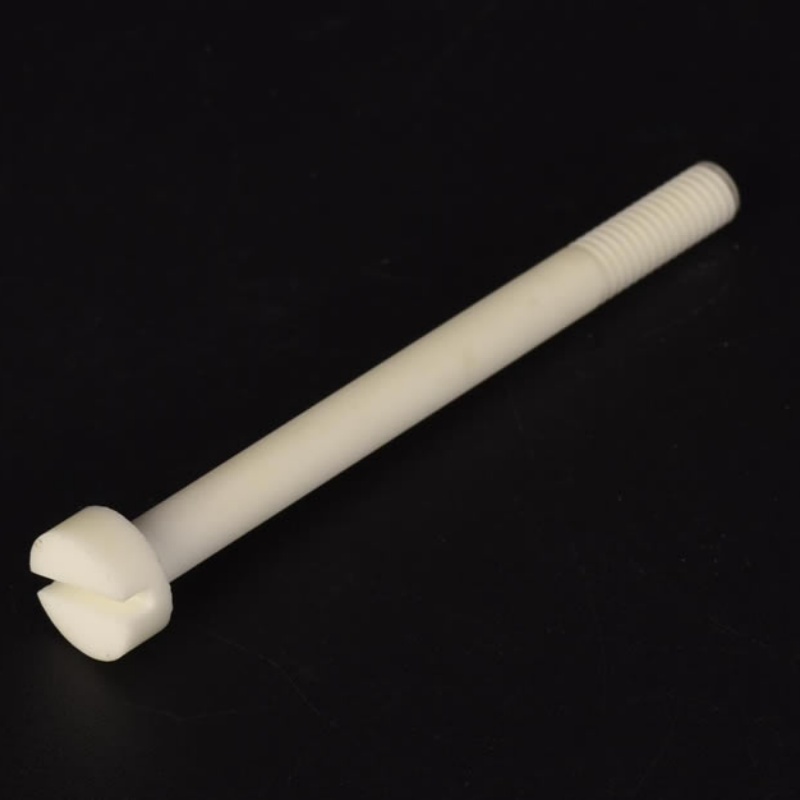
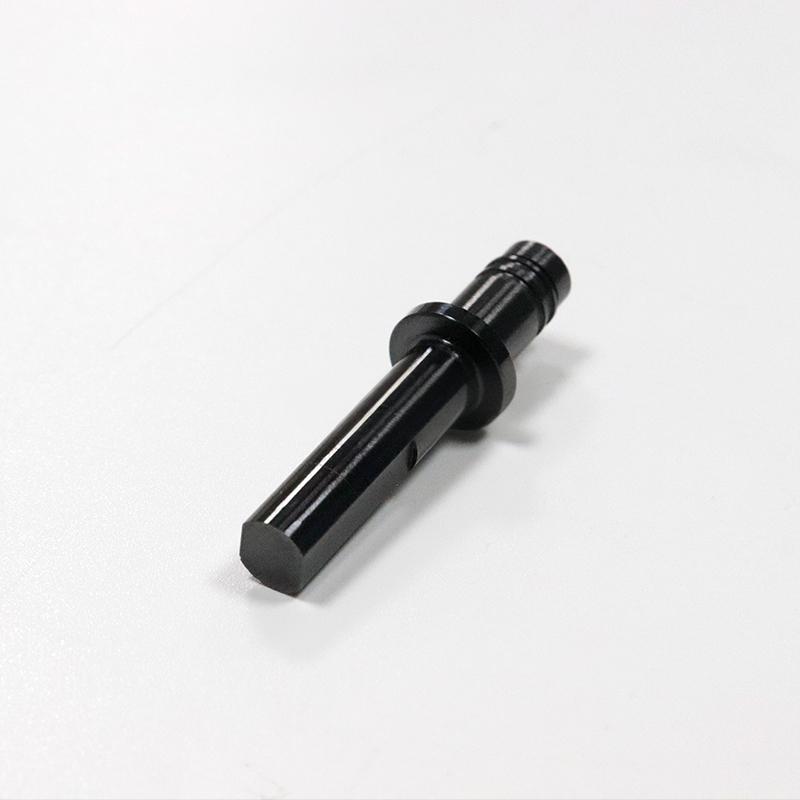
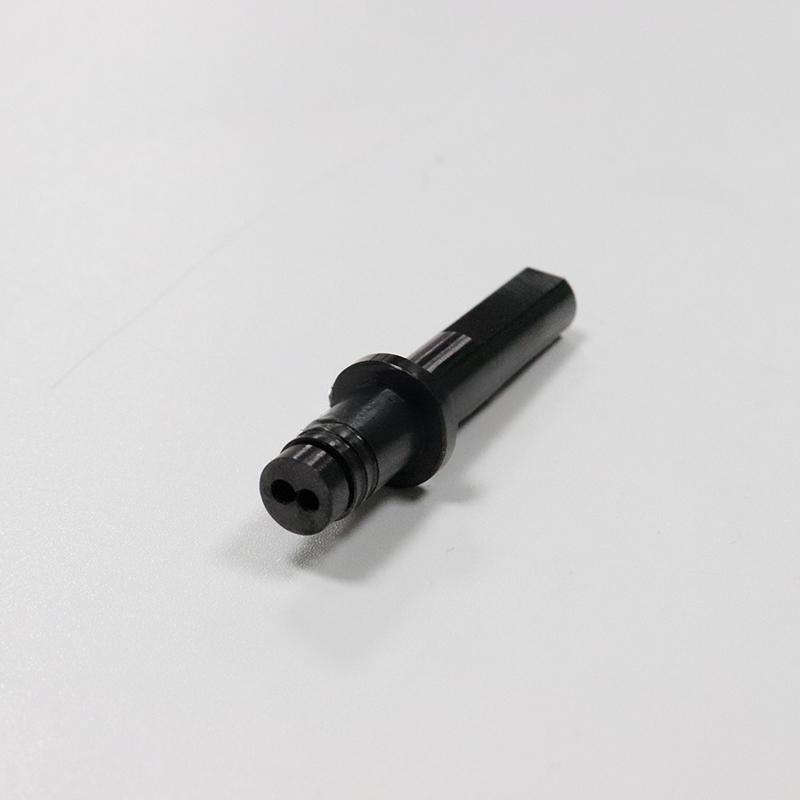
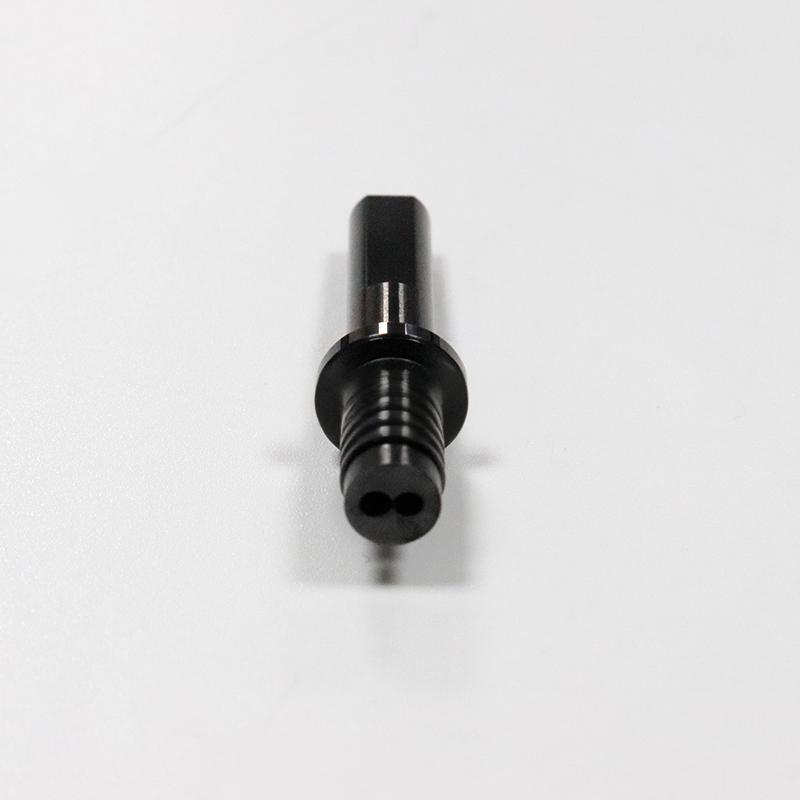
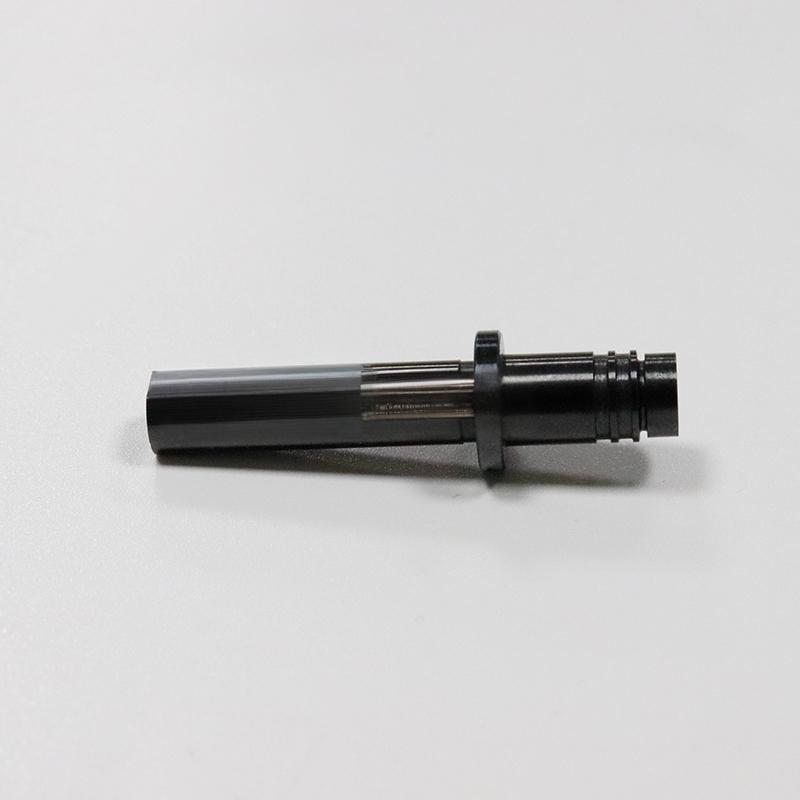
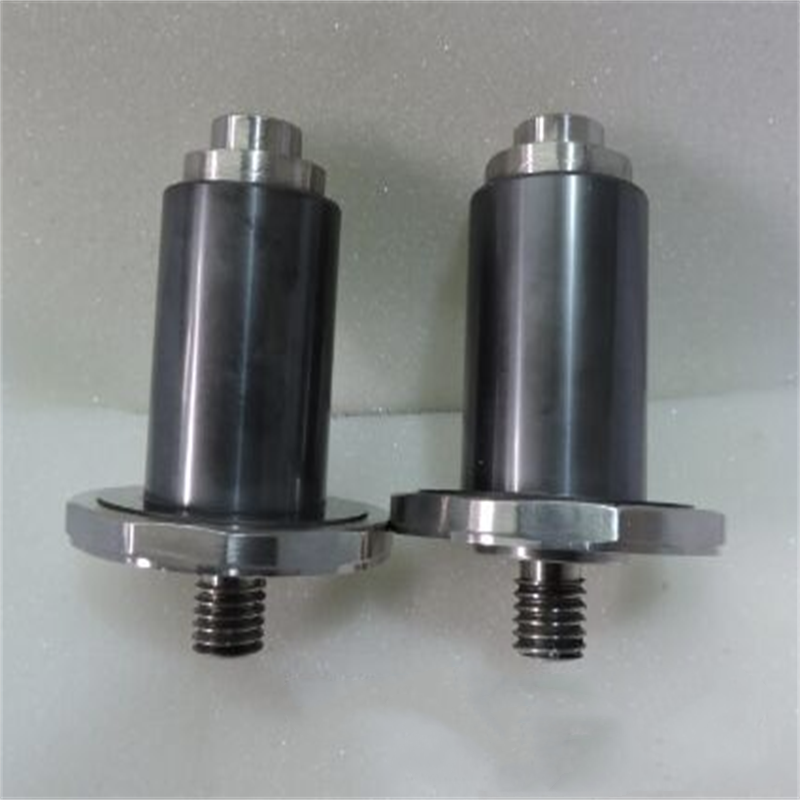
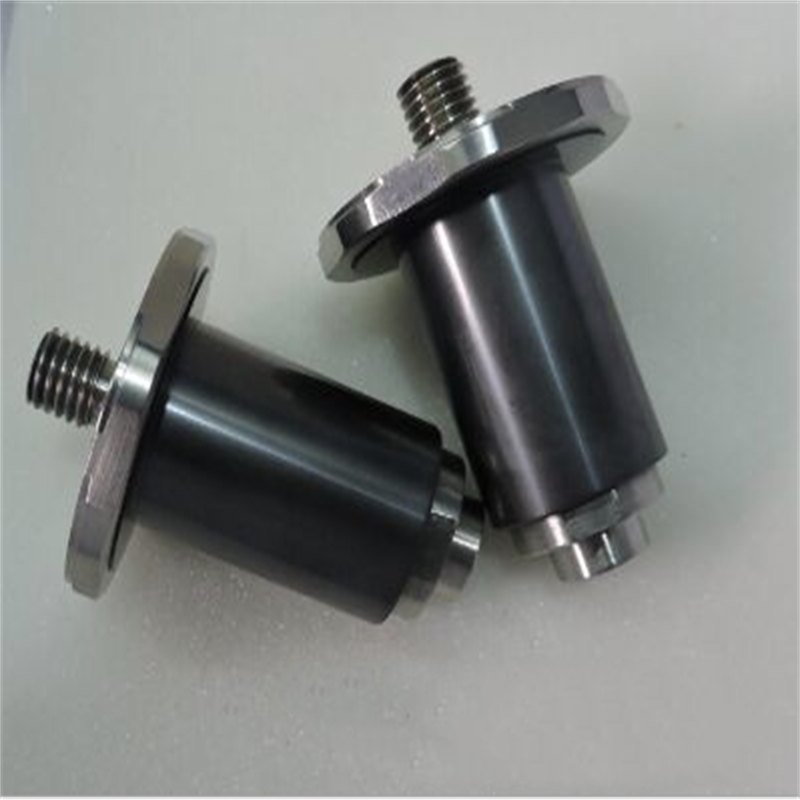
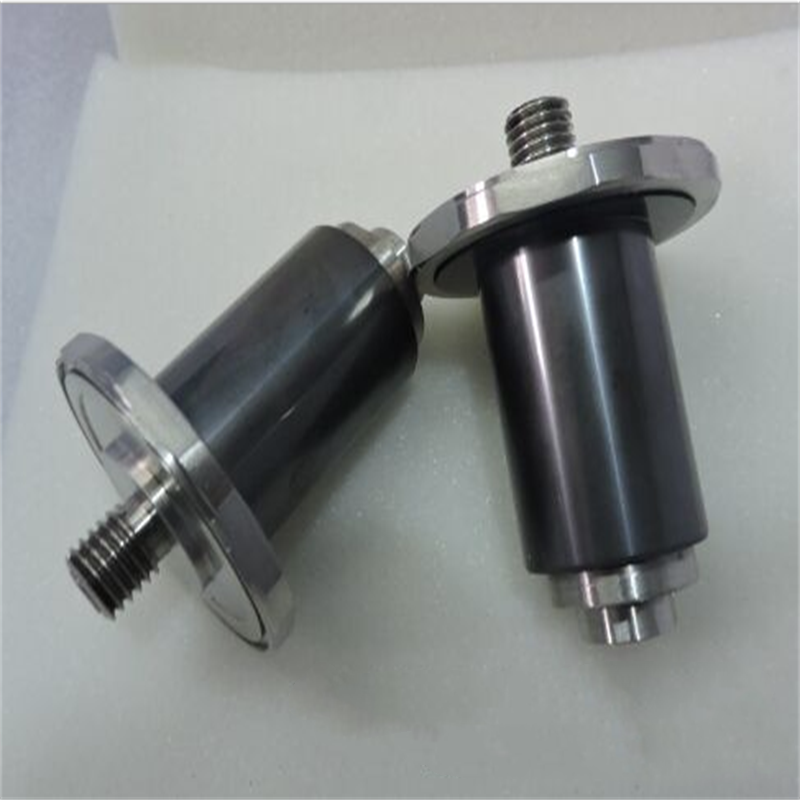
Cylindrical Silicon Carbide Ceramic Shafts
Cylindrical silicon carbide (SiC) ceramic shaft is a precision rotating or structural component engineered for extreme mechanical, thermal, and chemical environments. Unlike metal shafts, which rely on ductility and machinability, SiC shafts depend on strong covalent bonding, high hardness, and excellent dimensional stability. These characteristics make them especially suitable for pumps, seals, bearings, high-temperature rollers, semiconductor equipment, and other systems where wear resistance, corrosion resistance, and thermal performance are critical.
Silicon carbide is not a single uniform material. Its performance depends on composition, purity, sintering method, and microstructure. Common forms include reaction-bonded silicon carbide, sintered alpha silicon carbide, and liquid-phase sintered silicon carbide. Each variant offers different trade-offs among density, hardness, thermal conductivity, chemical resistance, and manufacturing complexity.
Why silicon carbide performs well in shaft applications
Silicon carbide has a crystal structure dominated by strong covalent bonds between silicon and carbon atoms. This structure gives the material high hardness, good compressive strength, and excellent resistance to abrasive wear. Because SiC does not rely on metallic bonding, it retains much of its mechanical integrity at elevated temperatures where many metals soften or oxidize.
For cylindrical shafts, these properties matter because shafts often experience continuous rotation, sliding contact, radial loads, thermal gradients, and exposure to process fluids. A SiC shaft can maintain dimensional accuracy under conditions that would cause metals to corrode, gall, or deform. Its relatively low coefficient of thermal expansion also helps reduce thermal distortion during rapid heating or cooling.
Key mechanical and thermal characteristics
Cylindrical SiC ceramic shafts are typically valued for:
High hardness and wear resistance, suitable for sliding, abrasive, or erosive environments.
Good compressive strength, allowing stable load support in bearing or seal assemblies.
High thermal conductivity, which helps dissipate frictional heat and reduce hot spots.
Low thermal expansion, improving dimensional stability during temperature changes.
Chemical inertness, especially in many acids, alkalis, and organic environments.
Low density compared with many metals, reducing rotating mass in certain designs.
However, SiC is a brittle ceramic. It has limited tensile strength and low fracture toughness compared with metals or transformation-toughened ceramics such as zirconia. Shaft designs must therefore avoid sharp notches, uneven clamping, excessive bending loads, and sudden mechanical shock.
Material types and grade selection
The choice of SiC grade strongly influences shaft performance.
Reaction-bonded silicon carbide contains residual silicon that fills porosity during processing. It can offer good dimensional control and relatively high thermal conductivity, but its chemical resistance may be reduced in environments that attack free silicon.
Sintered alpha silicon carbide is produced without metallic binders and typically provides better high-temperature stability and chemical resistance. It is often preferred when purity, corrosion resistance, and wear resistance are primary requirements.
Liquid-phase sintered silicon carbide uses sintering aids to achieve dense microstructures at lower temperatures. It can offer good mechanical strength, but the added phases may affect high-temperature behavior and chemical compatibility.
Engineers should select the grade based on operating temperature, fluid chemistry, load type, speed, mating materials, and required service life.
Typical applications
Cylindrical SiC ceramic shafts are commonly used where metal shafts face premature failure.
In pumps and mechanical seals, SiC shafts or shaft sleeves resist abrasive slurries, corrosive chemicals, and dry-run conditions better than many metals. Their hardness and thermal conductivity help control wear at sealing interfaces.
In bearing and roller systems, SiC shafts can operate in high-temperature furnaces, corrosive processing lines, or clean environments where metallic contamination must be minimized.
In semiconductor and electronics manufacturing, high-purity SiC shafts are valued for thermal stability, low particle generation, and resistance to aggressive process atmospheres.
In food, chemical, and pharmaceutical processing, SiC may be considered when corrosion resistance, cleanability, and wear resistance outweigh the higher cost and brittleness concerns.

Advantages
The main advantages of cylindrical silicon carbide ceramic shafts include excellent wear resistance, strong chemical stability, high-temperature capability, good thermal conductivity, and stable dimensions under thermal cycling. They are particularly effective when the dominant failure modes are abrasion, corrosion, thermal distortion, or adhesive wear.
Limitations
SiC shafts are not universal replacements for metal shafts. They are brittle and sensitive to impact loading, misalignment, and uneven mounting forces. Machining complex geometries is difficult and costly after sintering. Designers must also consider that certain SiC grades may react with specific molten metals, strong oxidizers, or aggressive alkalis at elevated temperatures.
When to choose silicon carbide over other ceramics
Compared with alumina, SiC generally offers higher thermal conductivity, better wear resistance, and higher temperature capability, though often at higher cost. Compared with zirconia, SiC has superior thermal stability and chemical resistance but lower fracture toughness. Zirconia may be preferable when impact resistance is critical, while SiC is usually stronger in abrasive, high-temperature, or corrosive service.
Selection should be based on load type, temperature, environment, mating components, tolerance requirements, and expected failure modes rather than hardness alone.
FAQ
What is a cylindrical silicon carbide ceramic shaft used for?
It is used in pumps, seals, bearings, high-temperature rollers, semiconductor equipment, and corrosive or abrasive systems where metals wear, corrode, or deform.
Is silicon carbide suitable for high-temperature shafts?
Yes. SiC retains strength and dimensional stability at high temperatures better than most metals, but design must account for brittleness and thermal shock risk.
Is SiC electrically conductive?
Electrical behavior depends on composition and purity. Some SiC ceramics are semi-conductive, while high-purity grades may behave differently. Electrical requirements should be confirmed for each grade.
How does SiC compare with alumina for shaft applications?
SiC usually provides higher thermal conductivity and better wear resistance, while alumina may be more cost-effective for less demanding mechanical or thermal conditions.
Can SiC ceramic shafts replace metal shafts directly?
Not always. SiC requires careful design for mounting, alignment, load distribution, and shock avoidance. Direct substitution without redesign can lead to premature fracture.
Which SiC grade should be selected?
The grade depends on temperature, chemical exposure, wear conditions, purity requirements, and manufacturing constraints. Reaction-bonded, sintered alpha, and liquid-phase sintered SiC each serve different engineering needs.