
Carbon Fiber vs Glass Fiber Composites
When engineers and procurement teams evaluate composite materials for structural, mechanical, or industrial applications, two families consistently dominate the decision space: carbon fiber reinforced polymers (CFRP) and glass fiber reinforced polymers (GFRP). Both are fiber-reinforced composites, both offer high strength-to-weight performance, and both can replace metals in demanding environments. However, their engineering behavior, cost structure, processing requirements, and suitable applications differ significantly.
Choosing between carbon fiber and glass fiber is rarely a simple “which material is better” question. The correct answer depends on mechanical requirements, stiffness-to-weight targets, electrical conductivity needs, thermal environment, fatigue life expectations, production volume, and total program cost. A material that is optimal for an aerospace wing spar may be unnecessarily expensive for a marine deck panel, while a glass fiber solution that works well for corrosion-resistant tanks may lack the stiffness required for a robotic arm.
What Are Carbon Fiber and Glass Fiber Composites?
Carbon Fiber Composite (CFRP)
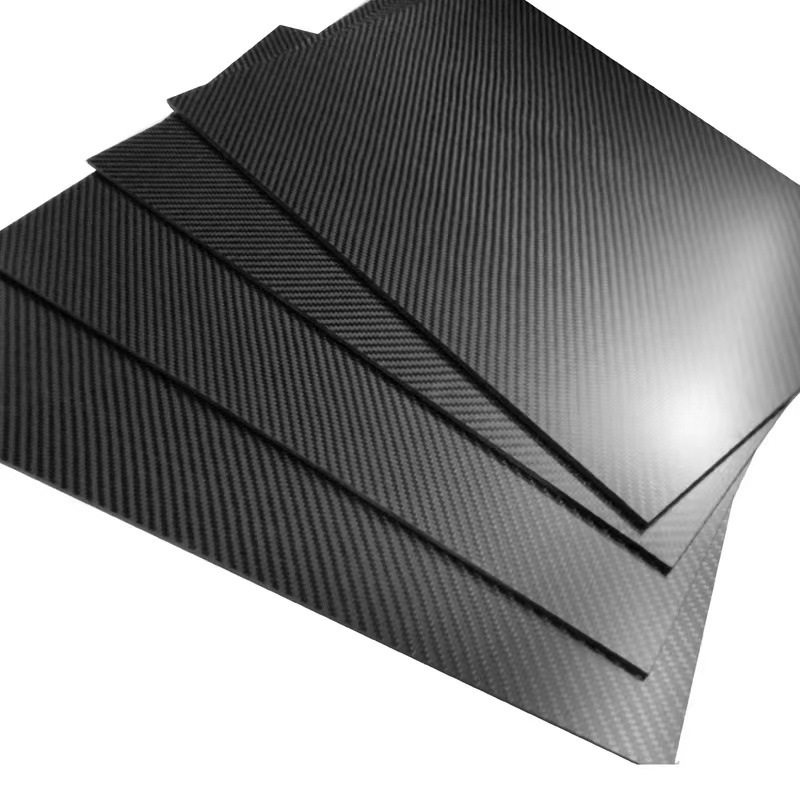
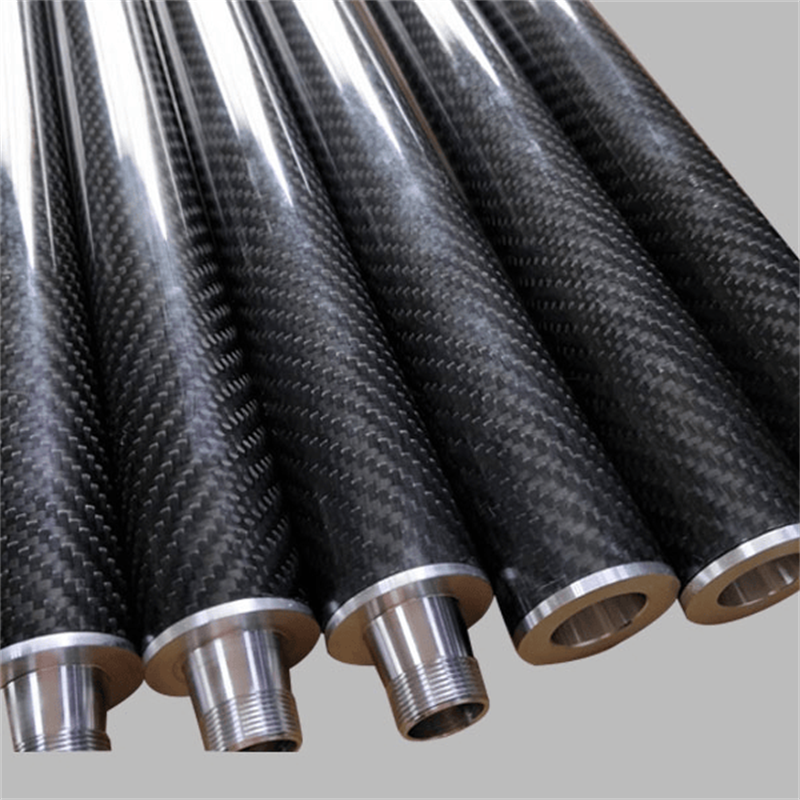
Carbon fiber composite is a material system in which carbon fibers act as the primary load-bearing reinforcement, embedded in a polymer matrix such as epoxy, vinyl ester, bismaleimide, or thermoplastic resin. The fibers carry most of the mechanical load, while the matrix transfers stress between fibers, protects them from damage, and maintains their orientation.
Carbon fibers are produced by thermally stabilizing and carbonizing precursor materials, most commonly polyacrylonitrile (PAN) or, less frequently, pitch. The resulting fibers are composed largely of aligned graphite-like crystalline structures, which give carbon fiber its characteristic combination of high tensile strength, high modulus, low density, and low thermal expansion.
CFRP is widely used where stiffness, weight reduction, dimensional stability, and fatigue resistance are primary design drivers.
Glass Fiber Composite (GFRP)
Glass fiber composite uses glass fibers as the reinforcement phase, combined with a resin matrix such as polyester, vinyl ester, epoxy, or thermoplastic resin. Glass fibers are typically produced by melting silica sand and other minerals, then drawing the molten material into fine filaments.
Glass fiber composites are generally more ductile than carbon fiber composites and often provide better impact tolerance relative to their cost. They are widely used in applications requiring corrosion resistance, electrical insulation, moderate structural performance, and cost-effective composite construction.
GFRP is especially common in marine, chemical processing, construction, infrastructure, transportation, and general industrial applications.
Composition and Microstructure
Fiber Chemistry and Structure
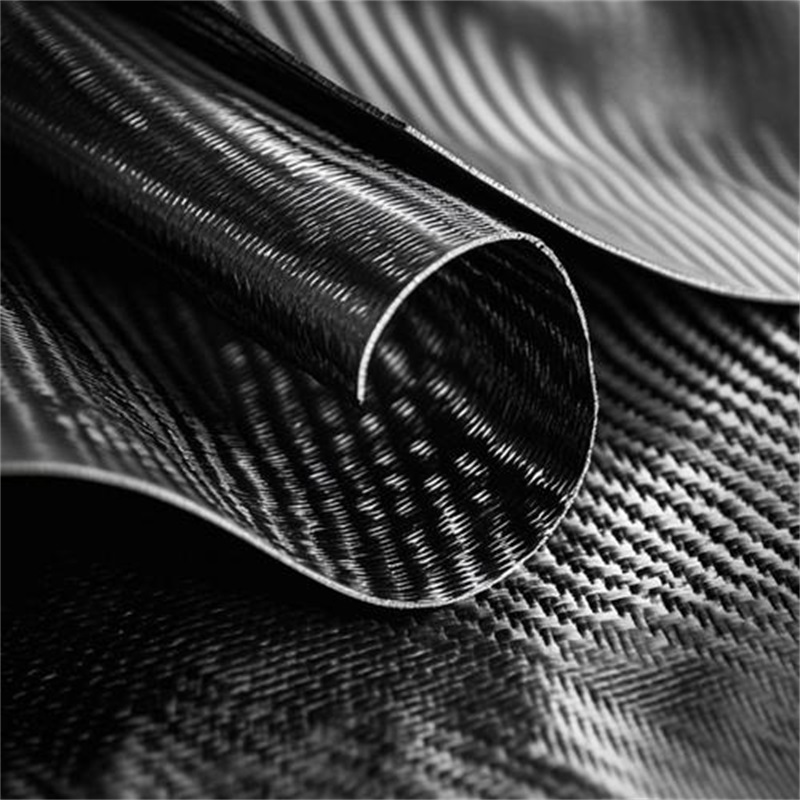
Carbon fibers are primarily composed of carbon atoms arranged in highly oriented graphitic structures. Their mechanical performance depends on precursor type, processing temperature, fiber alignment, and microstructural defects. High-modulus carbon fibers have more ordered crystalline structures, while high-strength carbon fibers are optimized for tensile load capacity.
Glass fibers are amorphous inorganic materials. Their structure is less crystalline than carbon fiber, which influences their mechanical behavior. Glass fibers tend to be more strain-tolerant before fracture, but they are generally less stiff than carbon fibers at equivalent weight.
Matrix Interaction
In both CFRP and GFRP, the resin matrix is not merely a binder. It performs several critical functions:
Transferring load between fibers
Protecting fibers from moisture, chemicals, and abrasion
Maintaining fiber alignment during manufacturing
Influencing interlaminar shear strength
Affecting processing temperature, cure behavior, and service temperature
Contributing to damage tolerance and environmental resistance
The fiber-matrix interface is especially important. Poor adhesion between fiber and resin can reduce composite strength, increase microcracking, and shorten service life. Surface treatments, sizing agents, and resin selection all influence this interface.
Manufacturing Processes
Common Processes for Both Materials
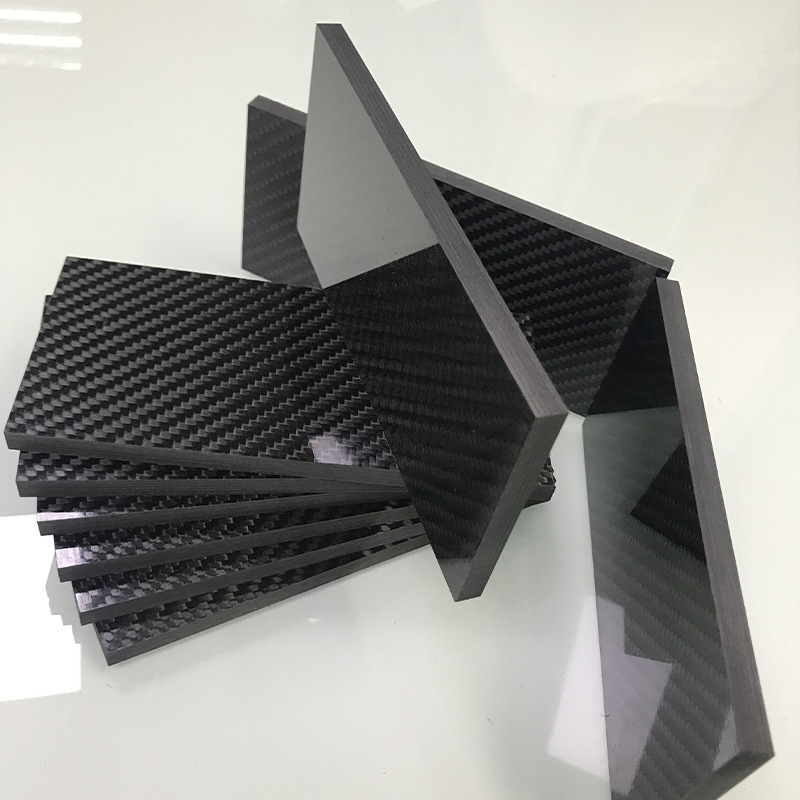
Carbon fiber and glass fiber composites can be processed using many of the same manufacturing methods:
Hand lay-up
Spray-up
Wet lay-up
Vacuum infusion
Resin transfer molding (RTM)
Compression molding
Filament winding
Pultrusion
Autoclave curing
Prepreg lay-up
Thermoplastic consolidation
However, the practical experience of processing each material can differ.
Processing Differences
Carbon fiber prepregs and high-performance epoxy systems often require tighter control of temperature, pressure, vacuum, and cure cycle. Autoclave processing is common in aerospace-grade CFRP because it helps reduce void content and improve fiber volume fraction.
Glass fiber composites are frequently processed using open molding, hand lay-up, spray-up, or vacuum infusion with polyester or vinyl ester resins. These processes are often more accessible for medium-volume production and large structural parts.
For pultruded profiles, glass fiber is especially common because it balances cost, strength, corrosion resistance, and continuous production efficiency. Carbon fiber pultrusion exists but is typically reserved for applications where stiffness or weight reduction justifies the cost.
Key Properties Comparison
Mechanical Performance
Carbon fiber composites generally offer higher specific stiffness, meaning stiffness relative to weight. This makes CFRP attractive for applications where deflection control and weight savings are critical.
Glass fiber composites typically have lower modulus but can provide good tensile strength, toughness, and elongation before failure. In some impact or overload situations, glass fiber laminates may absorb energy differently than brittle carbon fiber laminates.
For structural design, the important distinction is not simply “stronger” or “weaker.” Engineers must consider:
Tensile strength
Compressive strength
Flexural modulus
Interlaminar shear strength
Strain to failure
Fatigue performance
Damage tolerance
Creep behavior
Environmental durability
Density and Weight
Carbon fiber composites are generally lighter than glass fiber composites at equivalent reinforcement volume. Carbon fiber density is lower than glass fiber density, and CFRP laminates often achieve higher stiffness at reduced thickness.
This weight advantage becomes significant in aerospace, motorsport, high-performance sporting goods, robotics, and mobile equipment where every kilogram affects energy consumption, payload, or dynamic response.
Electrical and Thermal Behavior
Carbon fiber is electrically conductive. This can be an advantage in applications requiring electromagnetic shielding, static dissipation, or lightning strike protection. It can also be a disadvantage where electrical isolation is required.
Glass fiber is electrically insulating, making GFRP suitable for electrical enclosures, utility structures, radomes, and environments where conductivity could create safety or interference issues.
Thermally, carbon fiber composites can have low coefficients of thermal expansion, especially when fibers are highly aligned. This dimensional stability is valuable in precision equipment, optical structures, and aerospace components.
Corrosion and Chemical Resistance
Glass fiber composites are widely used in corrosive environments because they do not rust and can be formulated with corrosion-resistant resins. Chemical tanks, ductwork, grating, piping, and marine structures often use GFRP for this reason.
Carbon fiber composites can also resist many chemicals, but their performance depends heavily on the resin system. In some environments, the fiber itself is stable, but the matrix may degrade. Material selection must therefore consider both fiber and resin compatibility.
Advantages of Carbon Fiber Composites
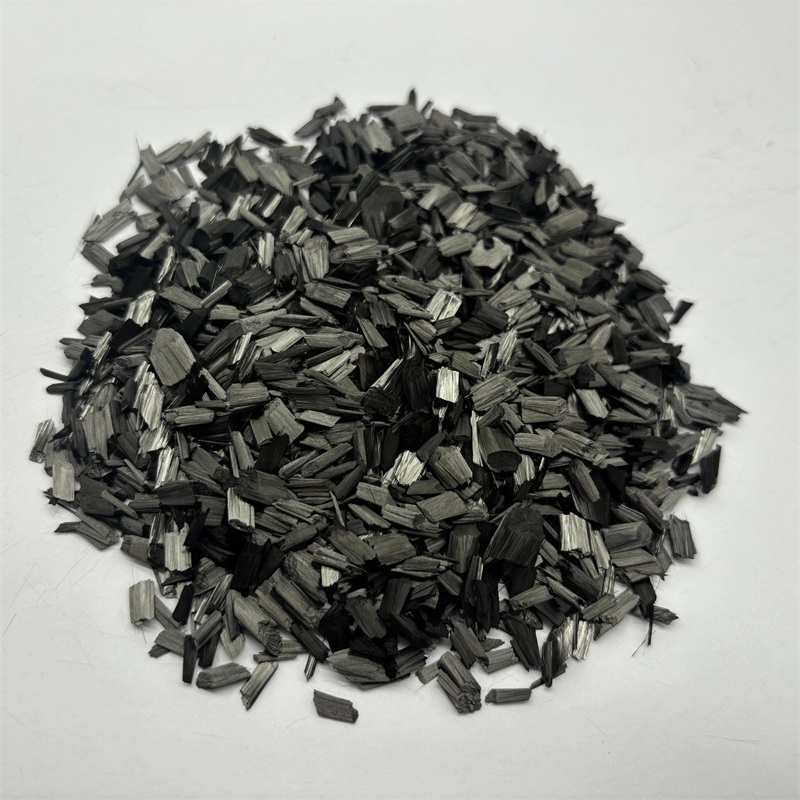
Carbon fiber composites are typically selected when one or more of the following engineering requirements dominate the design:
High stiffness-to-weight ratio
Low thermal expansion
Fatigue resistance in cyclic loading
Dimensional stability
Weight reduction in moving structures
Electrical conductivity where required
High-performance structural efficiency
Precision in aerospace, defense, medical, or optical applications
CFRP is especially useful when deflection limits are strict and mass must be minimized. In aerospace secondary structures, drone frames, robotic arms, and high-performance sporting equipment, the stiffness advantage often justifies higher material cost.
Advantages of Glass Fiber Composites
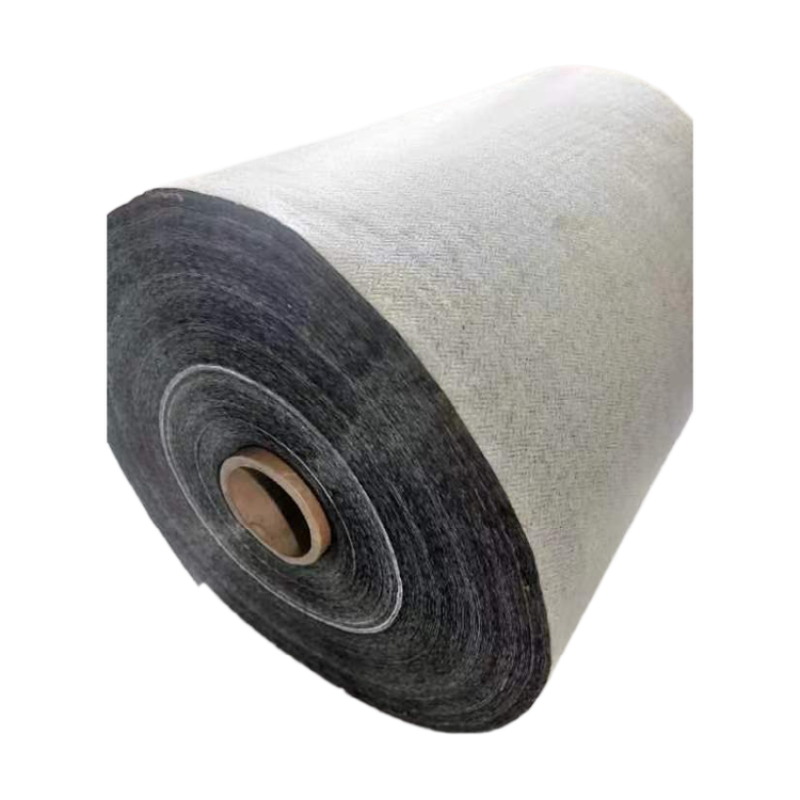
Glass fiber composites are often selected when the design requires a practical balance of performance, durability, and cost:
Lower material cost than carbon fiber
Good corrosion resistance
Electrical insulation
Impact tolerance in many laminate configurations
Suitable for large molded or pultruded parts
Established supply chains for industrial and marine applications
Compatibility with polyester, vinyl ester, and epoxy resins
GFRP is frequently chosen for chemical processing equipment, marine hulls and decks, infrastructure reinforcement, utility poles, enclosures, transportation panels, and general-purpose structural profiles.
Limitations and Design Risks
Carbon Fiber Limitations
Carbon fiber composites are not universally superior. Their main limitations include:
Higher raw material cost
Greater sensitivity to impact damage in some laminate designs
Electrical conductivity, which may be undesirable in insulated systems
More demanding processing requirements for high-performance grades
Potential for brittle failure depending on fiber orientation and matrix toughness
Repair complexity in structural aerospace-grade laminates
Designers should also recognize that carbon fiber composites can fail in ways that are not always visible. Barely visible impact damage may reduce compression strength significantly, especially in thin aerospace laminates.
Glass Fiber Limitations
Glass fiber composites also have constraints:
Lower stiffness than carbon fiber at equivalent weight
Higher density than carbon fiber
Lower fatigue performance in some high-cycle structural applications
Potential for moisture absorption depending on resin system
Lower dimensional stability in precision thermal environments
Reduced specific performance in weight-critical aerospace structures
GFRP can perform well structurally, but it may require greater thickness or reinforcement volume to match the stiffness of CFRP.
Applications and Selection Logic
Where Carbon Fiber Is Often Preferred
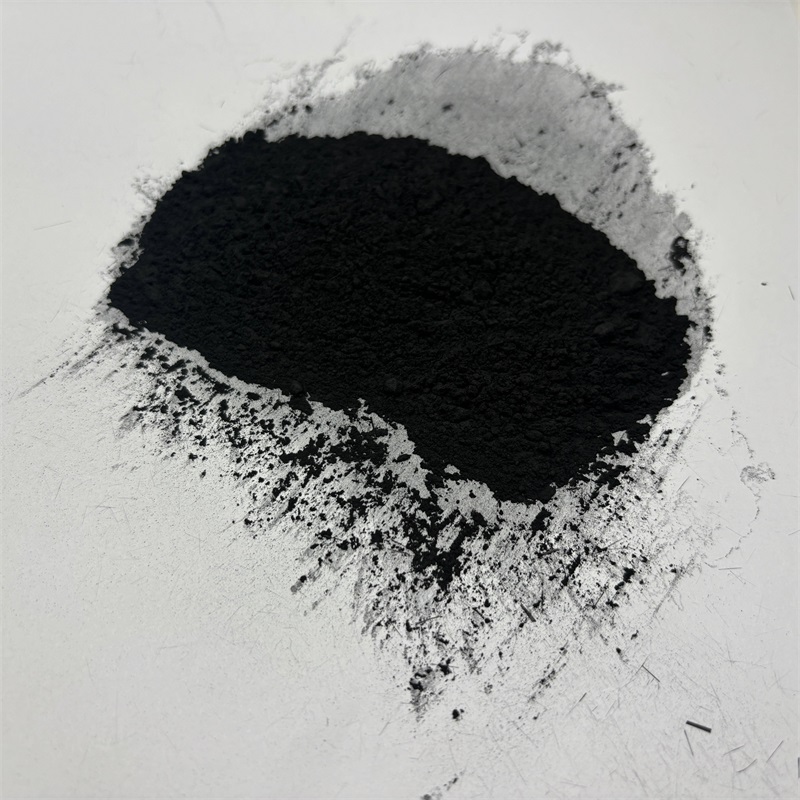
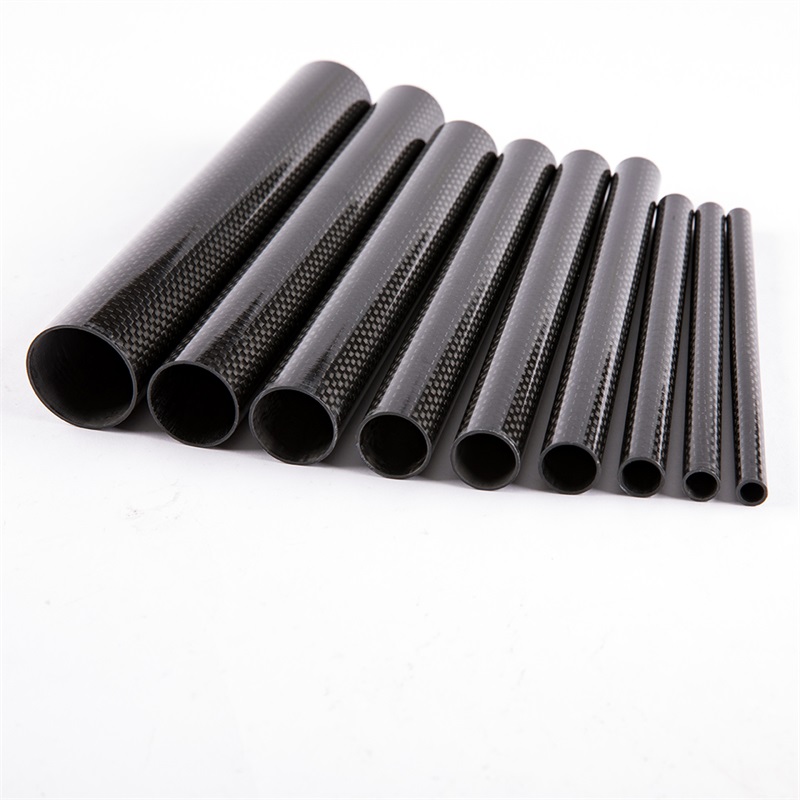
Carbon fiber composites are commonly considered in applications where weight, stiffness, and precision are primary constraints:
Aerospace primary and secondary structures
High-performance automotive components
Drone and UAV airframes
Robotics arms and end-effectors
Medical imaging equipment structures
Precision optical benches
Motorsport chassis and bodywork
High-end sporting goods such as bicycle frames, rackets, and paddles
Lightweight industrial tooling
The selection logic is usually: if weight reduction directly improves system performance, CFRP becomes more justifiable.
Where Glass Fiber Is Often Preferred
Glass fiber composites are commonly preferred where cost, corrosion resistance, electrical insulation, or large-part manufacturability are more important than maximum stiffness:
Marine hulls, decks, and structural panels
Chemical storage tanks and piping
FRP grating and walkways
Utility poles and electrical enclosures
Infrastructure strengthening systems
Transportation body panels
Industrial ductwork
Wind energy components where cost and durability are balanced
General-purpose pultruded profiles
The selection logic is usually: if the application does not require extreme stiffness-to-weight performance, GFRP often provides a more economical and practical solution.
Cost Considerations for Engineering and Procurement
Cost comparison between carbon fiber and glass fiber should not focus only on raw material price per kilogram. A realistic evaluation must include:
Fiber cost
Resin cost
Tooling cost
Labor and cycle time
Scrap rate
Quality control requirements
Testing and certification costs
Repair and maintenance costs
Lifetime performance
Weight-related system savings
In some programs, carbon fiber reduces assembly weight enough to improve fuel efficiency, battery range, payload capacity, or dynamic performance. In those cases, the higher material cost may be offset by system-level benefits.
In other programs, such as large corrosion-resistant tanks or industrial walkways, glass fiber may meet performance requirements at a fraction of the cost, making carbon fiber technically unnecessary.
Procurement teams should avoid comparing materials only by price per kilogram. A more useful metric is cost per functional requirement, such as cost per unit of stiffness, cost per unit of strength, or cost per validated design life.
Design Considerations
Fiber Orientation
Composite performance is highly directional. A unidirectional carbon fiber laminate will be very stiff along the fiber direction but much weaker in transverse loading. Glass fiber laminates behave similarly.
Engineers should design fiber orientation around actual load paths rather than assuming isotropic behavior. Quasi-isotropic layups, cross-ply laminates, and hybrid constructions can improve multidirectional performance.
Hybrid Construction
A hybrid carbon-glass design can sometimes provide a practical compromise. For example, outer carbon fiber plies may provide surface stiffness and dimensional stability, while inner glass fiber plies reduce cost and improve damage tolerance.
Hybrid designs require careful analysis because differences in stiffness and strain capacity between carbon and glass layers can create internal stress concentrations.
Joining and Fastening
Both CFRP and GFRP require careful attention to fastening, bonding, and load introduction. Drilling, bolting, adhesive bonding, and co-curing each introduce different failure risks.
Carbon fiber’s electrical conductivity can also create galvanic corrosion risks when fastened directly to certain metals, especially aluminum, in the presence of moisture. Proper isolation, coatings, or fastener selection may be required.
Environmental Exposure
Long-term performance depends on resin selection as much as fiber selection. UV exposure, moisture, temperature cycling, chemical contact, and mechanical fatigue can all degrade composite performance if the matrix is not properly matched to the environment.
Common Mistakes to Avoid
Assuming Carbon Fiber Is Always Stronger
Carbon fiber is generally stiffer and lighter, but “stronger” depends on the failure mode. Glass fiber laminates can sometimes tolerate impact, deformation, or overload differently than carbon fiber laminates.
Ignoring the Resin System
The fiber does not act alone. A high-performance carbon fiber in a poorly matched resin may underperform a well-designed glass fiber composite.
Overlooking Electrical Conductivity
Carbon fiber’s conductivity can cause interference, grounding issues, or galvanic corrosion. This is not a defect; it is a material characteristic that must be managed in design.
Comparing Only Material Cost
Low-cost glass fiber may be false economy if the part must be thicker, heavier, or less durable than required. High-cost carbon fiber may also be unjustified if stiffness and weight are not critical.
Treating Composites Like Metals
Composites are anisotropic, sensitive to damage, and dependent on manufacturing quality. Design methods must account for fiber direction, laminate stacking, delamination risk, and process variability.
Underestimating Manufacturing Quality
Void content, fiber wet-out, resin-rich zones, poor consolidation, and incorrect cure cycles can reduce composite performance regardless of whether the reinforcement is carbon or glass.
Frequently Asked Questions
Is carbon fiber always stronger than glass fiber?
No. Carbon fiber composites generally offer higher stiffness-to-weight performance and often higher tensile strength, but strength depends on fiber type, resin system, layup, load direction, and failure mode. Glass fiber composites can provide good strength, toughness, and damage tolerance at lower cost.
Which composite is lighter?
Carbon fiber composites are generally lighter than glass fiber composites for equivalent stiffness or structural performance. Carbon fiber’s lower density and higher modulus make it more effective in weight-critical designs.
Is carbon fiber more expensive than glass fiber?
Yes, carbon fiber raw materials are typically more expensive than glass fiber. However, total program cost depends on tooling, processing, labor, testing, weight savings, durability, and lifetime performance.
Can carbon fiber and glass fiber be used together?
Yes. Hybrid carbon-glass laminates are used in some applications to balance stiffness, cost, and damage tolerance. However, hybrid designs require careful engineering because the two fiber types have different stiffness and strain characteristics.
Is carbon fiber corrosion resistant?
Carbon fiber itself is chemically stable in many environments, but composite corrosion resistance depends largely on the resin matrix and fiber-matrix interface. The resin must be selected based on the specific chemical, moisture, and temperature conditions.
Is glass fiber better for electrical insulation?
Yes. Glass fiber composites are generally electrically insulating, making them suitable for enclosures, utility structures, and applications where conductivity is undesirable. Carbon fiber composites are electrically conductive.
Which material is better for marine applications?
Both are used in marine applications. Glass fiber is common for hulls, decks, and corrosion-resistant marine structures due to cost and durability. Carbon fiber is used where weight reduction, stiffness, or performance justifies higher cost.
Which composite has better fatigue resistance?
Carbon fiber composites often perform well in fatigue-sensitive applications, especially where high stiffness and low weight are required. However, fatigue performance depends on laminate design, resin toughness, load ratio, and manufacturing quality.
Can composites be repaired?
Yes, both carbon fiber and glass fiber composites can be repaired, but repair quality depends on damage type, access, surface preparation, resin compatibility, and curing conditions. Structural repairs should be validated for the specific application.
Which material is better for pultrusion?
Glass fiber is more common in pultrusion because it offers a strong balance of cost, corrosion resistance, and structural performance. Carbon fiber pultrusion is used when higher stiffness or lower weight is required.
Does carbon fiber conduct electricity?
Yes. Carbon fiber is electrically conductive, which can be useful for shielding or static dissipation but may create galvanic corrosion or electrical isolation issues when used with certain metals or in sensitive electronic environments.
How should engineers choose between carbon fiber and glass fiber?
Start with the primary design requirement. If weight, stiffness, dimensional stability, or fatigue performance are critical, carbon fiber may be justified. If cost, corrosion resistance, electrical insulation, or large-part manufacturability are more important, glass fiber is often the more practical choice.
Carbon fiber and glass fiber composites are both valuable engineering materials, but they serve different roles in composite design. Carbon fiber composites are generally preferred when high stiffness, low weight, dimensional stability, and fatigue performance are critical. Glass fiber composites are generally preferred when cost efficiency, corrosion resistance, electrical insulation, and practical manufacturability are more important.
The most effective material selection does not begin with choosing a fiber type. It begins with defining the functional requirements: load paths, stiffness limits, weight targets, environmental exposure, electrical requirements, production volume, and total cost of ownership. Once those requirements are clear, the choice between carbon fiber and glass fiber becomes a structured engineering decision rather than a general preference.
For engineers, the key is to design around anisotropy, fiber orientation, matrix selection, and manufacturing quality. For procurement teams, the key is to evaluate total system cost and performance rather than raw material price alone. For both groups, the goal is the same: selecting the composite system that reliably meets performance requirements without unnecessary cost or technical risk.
The Influence of Fiber Orientation on the Mechanical Performance of Composite Laminates
The Multifunctionality of Polymer Composites
 Thermoplastic vs. Thermoset Composites
Carbon Fiber Composites: A Technical Analysis of Lightness, Strength, and Performance