
Carbon Fiber Composites: A Technical Analysis of Lightness, Strength, and Performance
The engineering community has long sought materials that combine high strength with low weight—a balance often characterized by the strength-to-weight ratio. In this context, carbon fiber reinforced polymers (CFRP) have emerged as a transformative class of materials, challenging the dominance of traditional metals like steel and aluminum across numerous industries from aerospace to automotive and sporting goods.
While the claim that carbon fiber composites are “lighter and stronger” than steel and aluminum is frequently made, the engineering reality is more nuanced. This article provides a detailed, evidence-based comparison of carbon fiber composites with steel and aluminum, examining not only tensile properties but also stiffness, fatigue resistance, anisotropy, cost, and application-specific considerations.
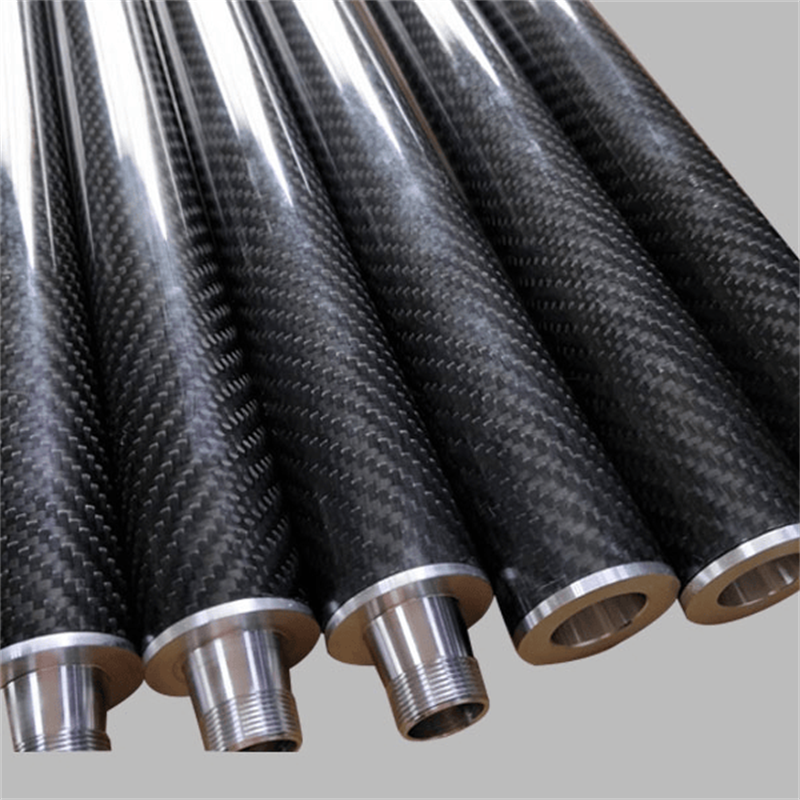
What Is Carbon Fiber Composite?
Carbon fiber composite is a material system consisting of two primary constituents:
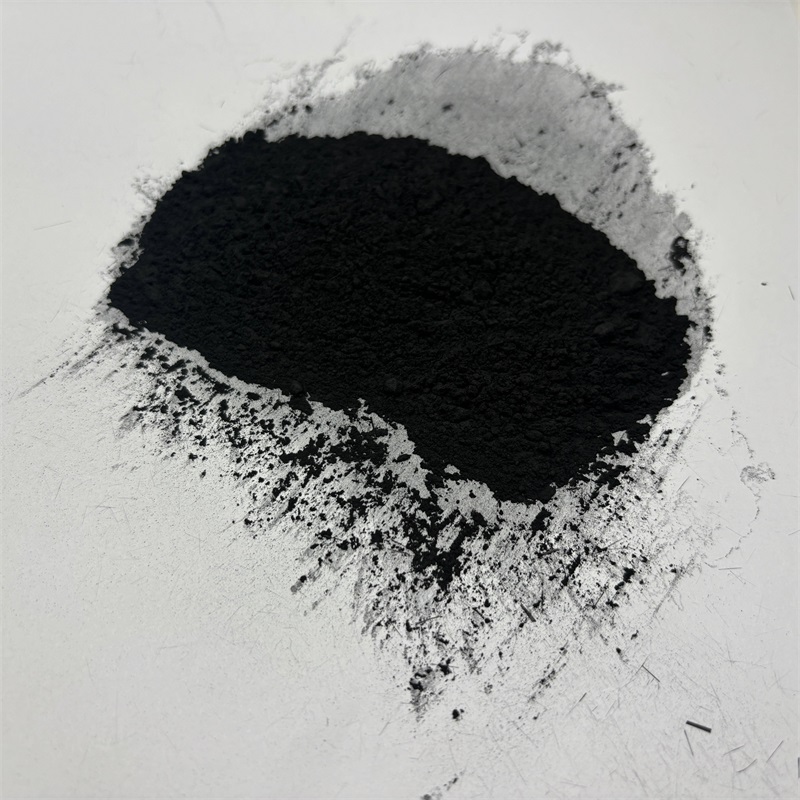
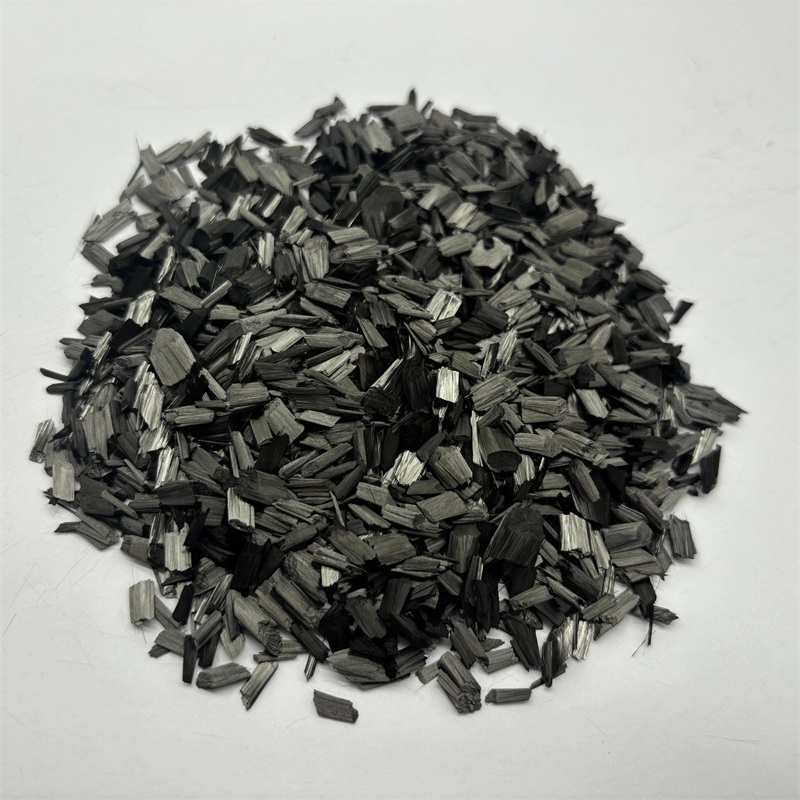
– Reinforcement phase: Carbon fibers—thin filaments composed primarily of carbon atoms (typically 5–10 micrometers in diameter) that provide strength and stiffness.
– Matrix phase: A polymer resin (thermoset or thermoplastic) that binds the fibers together, transfers loads between fibers, protects them from environmental degradation, and dictates the composite’s overall toughness and temperature resistance.
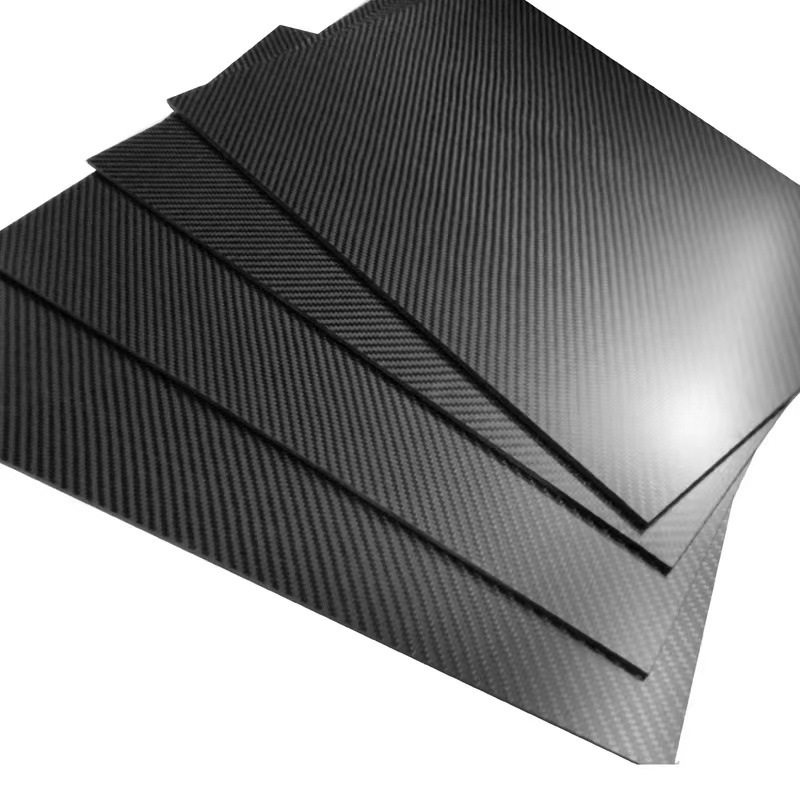
This combination yields a material whose properties are direction-dependent (anisotropic), allowing engineers to tailor performance by orienting fibers to align with primary load paths—a capability not possible with isotropic metals.
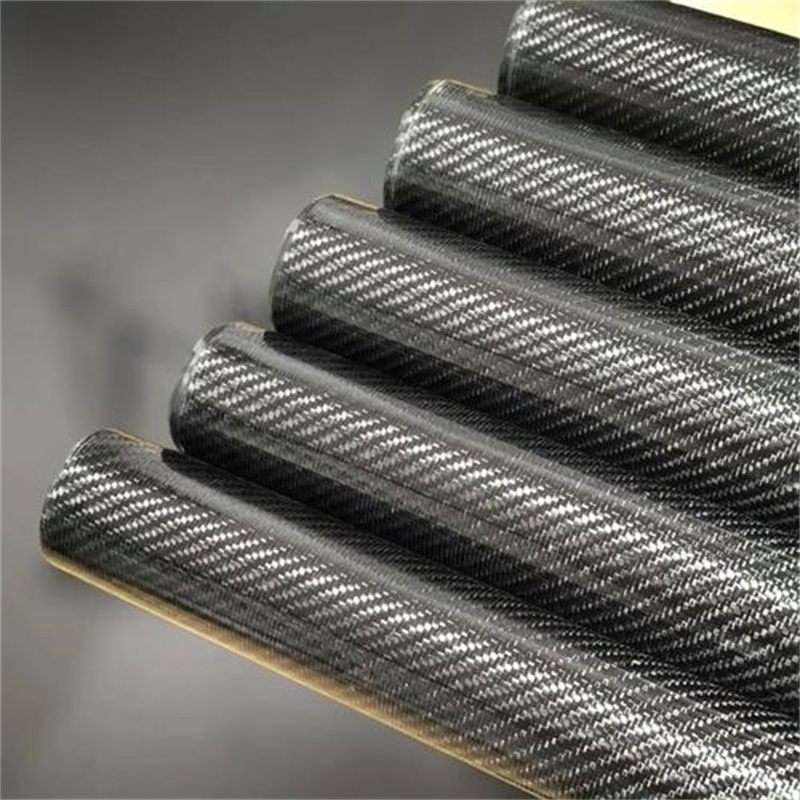
Composition & Structure
Carbon fiber composites are typically characterized by their fiber volume fraction (Vf) , which significantly influences mechanical properties. A unidirectional carbon/epoxy composite with a fiber volume fraction of approximately 60% represents a typical high-performance configuration.
Fiber Types
Carbon fibers are classified by their tensile modulus:
– Standard Modulus (SM): ~228 GPa tensile modulus, ~3.5 GPa tensile strength
– Intermediate Modulus (IM): Balanced properties for aerospace applications
– High Modulus (HM): Up to 350 GPa or higher, providing exceptional stiffness
Matrix Systems
– Thermoset resins (epoxy, polyester, vinyl ester): Provide excellent mechanical properties and chemical resistance but cannot be remelted or reformed.
– Thermoplastic resins (PEEK, PEKK, PAEK): Offer higher toughness, faster processing cycles, and repairability at elevated temperatures.
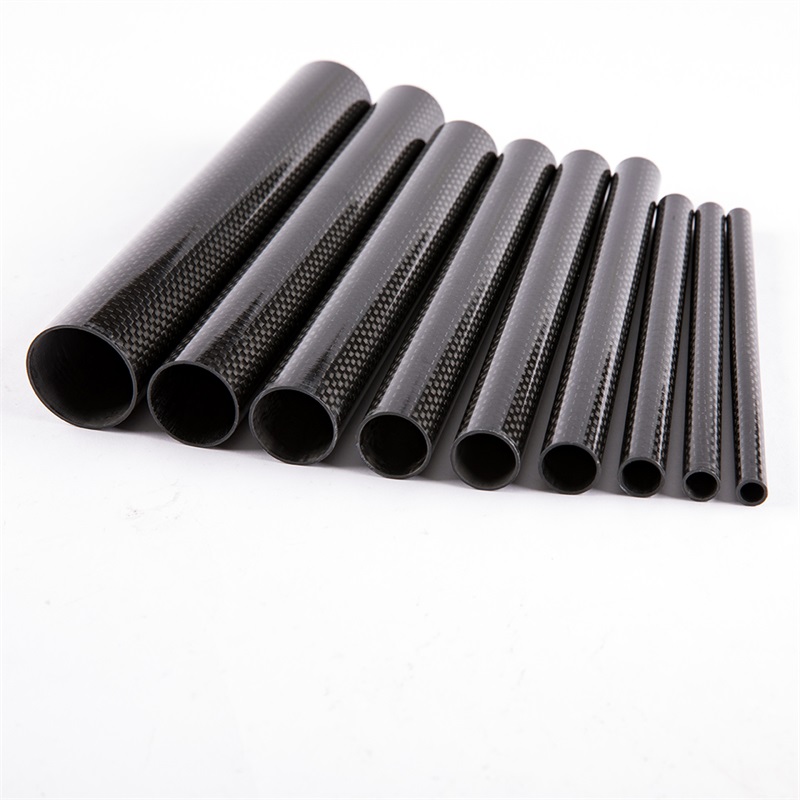
Key Properties
Density
Carbon fiber composites exhibit a density of approximately 1.50–1.60 g/cm³, significantly lower than both aluminum (2.7–2.8 g/cm³) and steel (7.8–7.9 g/cm³). This low density is the foundation of the weight savings that make CFRP attractive for weight-sensitive applications.
Tensile Strength and Modulus
The mechanical performance of CFRP varies substantially based on fiber orientation:
– Unidirectional (0°) carbon/epoxy composite (Vf ≈ 60%) : Tensile strength up to 1,500–2,950 MPa, tensile modulus up to 140–208 GPa
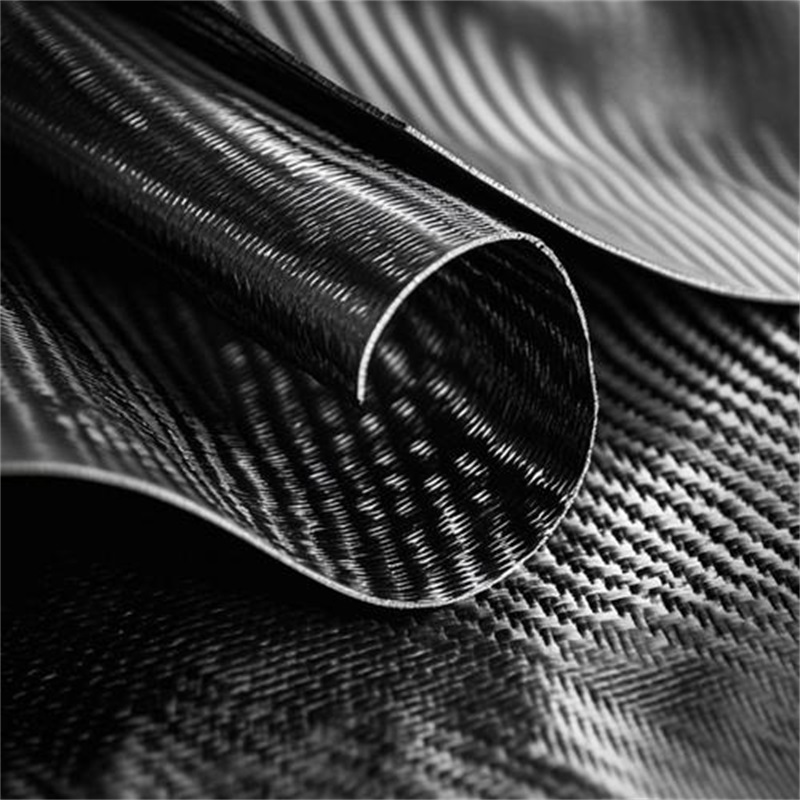
– Woven fabric composites: Lower properties due to fiber crimp, with tensile strength approximately 600 MPa and modulus approximately 70 GPa
A Hyosung Advanced Materials unidirectional composite (Tansome® H2550) demonstrates tensile strength of 2,950 MPa at 0° orientation with a tensile modulus of 140 GPa—values that rival or exceed many engineering alloys.
Specific Strength and Specific Stiffness
To properly compare materials of differing densities, engineers use specific properties—the material property normalized by density. These metrics are critical for weight-limited designs such as aircraft structures, automotive body panels, and sporting equipment.
Research data compiled by Taylor & Francis provides clear numerical comparisons. High-tensile carbon/epoxy composites achieve a specific tensile strength of 1,536 MPa·m³/kg and a specific tensile modulus of 68.4 GPa·m³/kg. High-modulus carbon/epoxy variants offer specific tensile strength of 1,370 MPa·m³/kg and specific tensile modulus of 133.1 GPa·m³/kg. S-Glass/epoxy composites reach 1,330 MPa·m³/kg and 34.5 GPa·m³/kg respectively.
For comparison, common engineering metals demonstrate significantly lower normalized performance. Aluminum alloy 6061-T6 provides specific tensile strength of approximately 102 MPa·m³/kg and specific tensile modulus of 26.9 GPa·m³/kg. Steel offers roughly 79 MPa·m³/kg and 26.4 GPa·m³/kg. Titanium alloy 6Al-4V, often considered a high-performance metal, reaches 220 MPa·m³/kg and 56.9 GPa·m³/kg.
This data demonstrates that carbon fiber composites offer specific tensile strengths 5 to 15 times higher than conventional metals and specific moduli 2 to 5 times higher than steel or aluminum, depending on the specific fiber grade and matrix system employed.
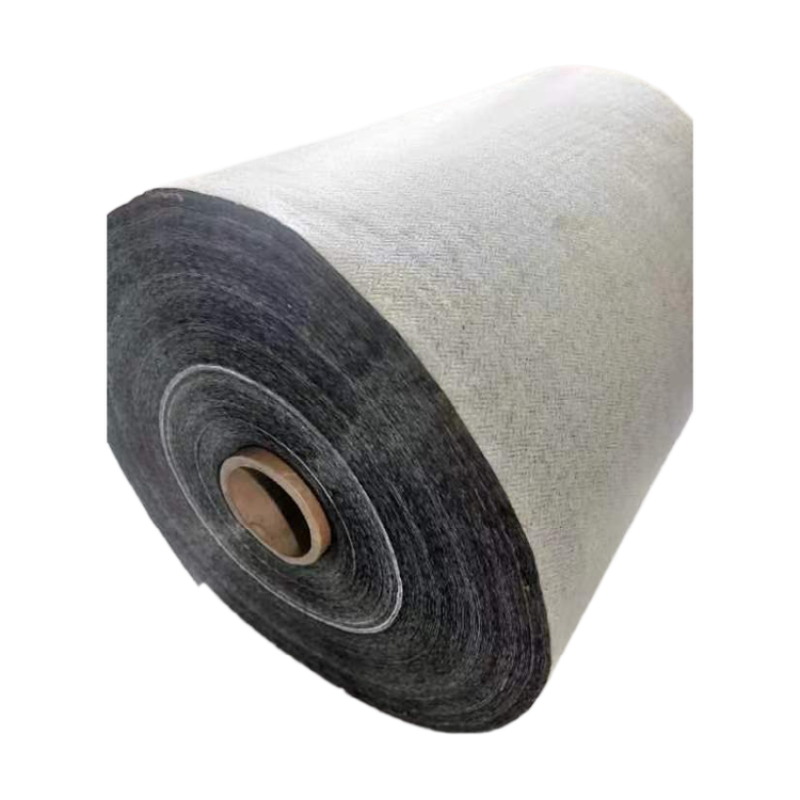
Advantages
Weight Reduction
The most immediate benefit is weight savings. Replacing a steel component with CFRP typically reduces weight by 60 to 70 percent; replacing aluminum offers reductions of 30 to 40 percent while maintaining equivalent structural performance. The Boeing 787 Dreamliner and Airbus A350 leverage this advantage, with over 50 percent of their structural weight composed of composite materials.
Fatigue Resistance
Carbon fibers are stable under cyclic loading. Research indicates that after one million stress cycles, CFRP retains approximately 60 percent of its original strength, compared to 40 percent for steel and 30 percent for aluminum. This fatigue resistance contributes to extended service life in applications subject to repeated loading, such as aircraft wings, wind turbine blades, and automotive suspension components.
Tailorable Properties
Unlike metals with fixed isotropic properties, CFRP can be engineered for specific loading conditions:
– Unidirectional layups maximize strength in one direction
– Multidirectional layups provide balanced properties
– Hybrid designs combine different fiber types or orientations for optimized performance
Corrosion and Chemical Resistance
Carbon fiber composites do not corrode like metals and resist many chemicals and environmental exposures, reducing maintenance requirements in marine, chemical processing, and infrastructure applications.
Design Freedom
Composite manufacturing processes enable complex geometries, part consolidation (reducing fastener count), and integration of functions that would require multiple metal components.
Limitations
Anisotropy and Design Complexity
The direction-dependent properties of CFRP require careful design to ensure loads align with fiber orientations. Off-axis loads may result in premature failure if not properly considered.
Compressive Strength
While CFRP excels in tension, compressive strength is typically lower than tensile strength. A typical unidirectional carbon/epoxy composite may have compressive strength of approximately 1,450 MPa at 0° orientation—impressive but still below its tensile capacity. Compressive failure mechanisms (microbuckling, fiber kinking) differ fundamentally from metallic yielding.
Cost
Carbon fiber composites are significantly more expensive than steel and aluminum on a per-kilogram basis. Raw material costs, processing (autoclave curing, prepreg storage), and inspection contribute to higher part costs.
Impact Damage Susceptibility
CFRP can suffer from delamination and internal damage from impacts that may not be visually apparent. This “barely visible impact damage” (BVID) can compromise structural integrity without external signs.
Repairability
Repairing damaged CFRP structures is more complex than welding or riveting metal components. Repairs typically require specialized training, materials, and processes, and may not fully restore original properties.
Temperature Limitations
Most thermoset matrix composites have service temperature limits of 150 to 200°C, whereas titanium and many steels maintain properties to significantly higher temperatures.
Comparison: CFRP vs. Aluminum vs. Steel
Mechanical Properties Overview
Unidirectional carbon/epoxy composites with a fiber volume fraction of approximately 60 percent provide significantly higher specific properties than conventional metals. Standard modulus carbon/epoxy demonstrates tensile strength comparable to many steel alloys while weighing approximately one-quarter as much.
In absolute terms, carbon fiber composites provide tensile strength up to 2,950 MPa in unidirectional configurations, which exceeds many common steel grades. Woven fabric versions offer lower absolute strength around 600 MPa but still deliver substantial weight benefits over metals.
Fatigue Performance
Carbon fiber composites demonstrate superior fatigue performance, retaining 60 percent of original strength after one million cycles compared to 40 percent for steel and 30 percent for aluminum. This advantage becomes increasingly significant in applications with high-cycle loading requirements.
Stiffness-to-Weight Ratio
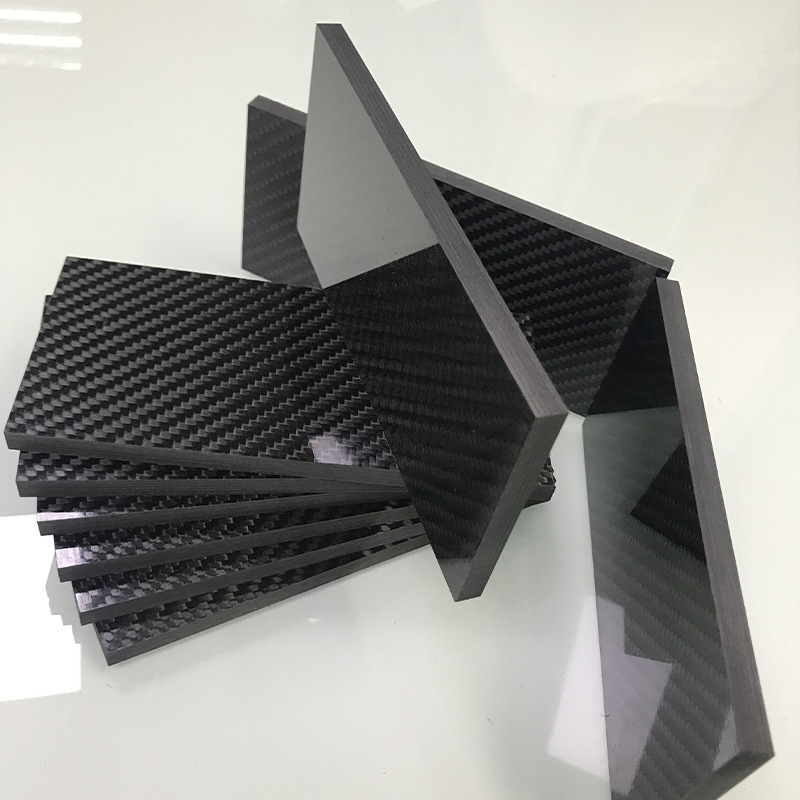
Even basic woven carbon fiber panels offer 14 to 18 percent higher stiffness-to-weight ratio than steel or aluminum. Using high-modulus fibers or unidirectional prepreg configurations, this advantage can exceed 10 times that of metals.
Failure Modes
Metals typically exhibit plastic deformation before failure—a visible warning sign that allows for inspection and intervention. Carbon fiber composites fail in a brittle, sudden manner with little or no deformation prior to rupture. This characteristic necessitates careful design with appropriate safety factors and redundant load paths.
Manufacturing and Processing
Common Processes
– Prepreg layup and autoclave curing: Used for high-performance aerospace applications; produces highest quality and consistency but at higher cost
– Resin transfer molding (RTM): Closed-mold process suitable for medium-volume production
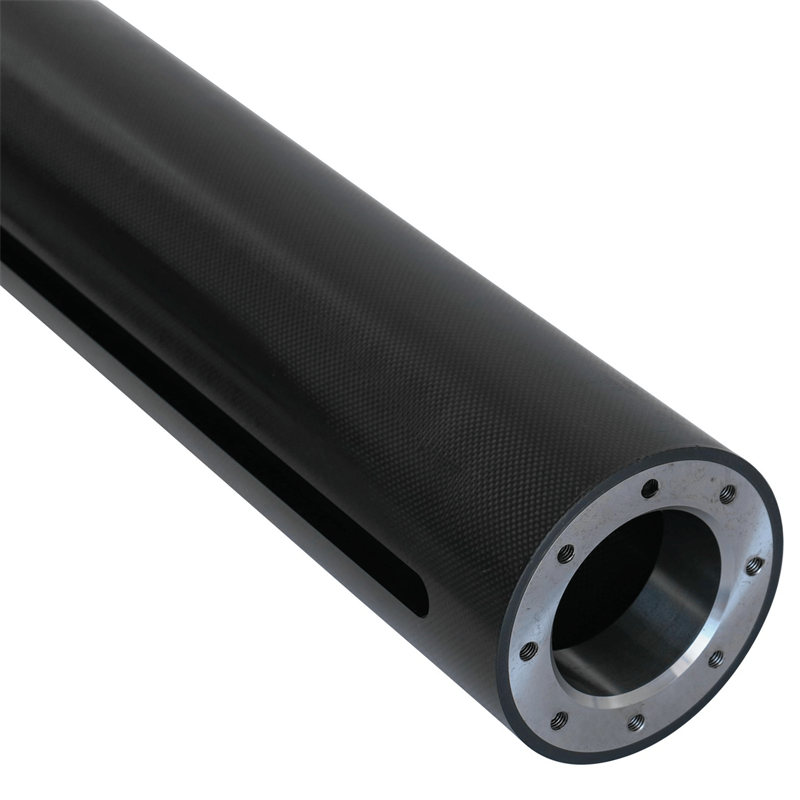
– Pultrusion: Continuous process for constant-cross-section profiles such as tubes and beams
– Filament winding: Used for cylindrical and pressure vessel applications
– Compression molding: Suitable for automotive and consumer goods with chopped or sheet molding compounds
Machining Considerations
Unlike metals, CFRP is abrasive and does not generate chips—it produces fine dust. Diamond-coated tooling is typically required, and machining must be conducted with proper dust extraction due to the health hazards of carbon fiber particulate. Feeds and speeds are critical to prevent delamination and fiber pullout.
Applications
Aerospace
CFRP comprises over 50 percent of the primary structure in modern commercial aircraft such as the Boeing 787 and Airbus A350. Applications include fuselage sections, wings, empennage, and interior components where weight savings directly translate to fuel efficiency and increased payload capacity.
Automotive
High-performance vehicles incorporate CFRP for body panels, chassis components, and structural elements where weight reduction directly impacts performance and efficiency. Electric vehicles particularly benefit from weight reduction to extend driving range.
Sporting Goods
Tennis rackets, golf clubs, fishing rods, and bicycles benefit from the high specific strength of CFRP. The ability to tune stiffness and weight distribution allows for optimized performance.
Marine
Boat hulls, masts, and structural components resist corrosion while providing significant weight savings compared to metal alternatives.
Industrial Equipment
Robotic arms, machine tool components, and rotating equipment leverage CFRP’s stiffness-to-weight ratio for improved dynamics and reduced power consumption.

Industry Standards
Relevant standards for CFRP characterization and testing include ASTM D3039 for tensile properties of polymer matrix composite materials, ASTM D790 for flexural properties of unreinforced and reinforced plastics, ASTM D3410 for compressive properties of polymer matrix composites, ASTM D2344 for short-beam shear strength (interlaminar shear strength) of polymer matrix composites, and ASTM D648 for deflection temperature of plastics under flexural load.
These standards ensure consistent testing methodologies and allow for meaningful comparison of material data across different suppliers and research programs.
Design Considerations
Orientation and Layup
The fiber orientation in each ply must align with anticipated load directions. For structures with complex, multidirectional loading, a quasi-isotropic layup (such as 0°, 90°, and ±45° orientations) may be appropriate, though this reduces properties in any single direction compared to a unidirectional layup.
Joining
CFRP components cannot be welded. Mechanical fastening (bolts, rivets) requires careful design to prevent stress concentrations and bearing failure. Adhesive bonding provides more uniform load distribution and avoids stress risers from holes but requires rigorous surface preparation and process control.
Environmental Exposure
Moisture absorption can reduce glass transition temperature and mechanical properties. UV exposure may degrade polymer matrices. Protective coatings or surface treatments are recommended for outdoor applications.
Damage Tolerance
Designs should incorporate redundant load paths or fail-safe features given the brittle nature of composite failure. Inspection plans should include non-destructive evaluation methods such as ultrasonic testing or thermography.
Selection Guide: CFRP vs. Metals
When evaluating whether to specify carbon fiber composite or a metal alternative, several key criteria should guide the decision.
Weight considerations: CFRP is preferable when weight reduction is critical, particularly for moving or rotating mass. Metals may be preferred when weight is not a constraint.
Stiffness requirements: CFRP offers high stiffness-to-weight ratio, making it ideal for applications requiring stiffness with minimum weight. Metals may be preferred when absolute stiffness is primary and weight is acceptable.
Fatigue performance: CFRP excels under cyclic loading, making it suitable for aircraft, wind turbines, and other high-cycle applications. Metals may be preferred when loading is primarily static and cost sensitivity is high.
Cost constraints: CFRP is justified when performance benefits outweigh material costs. Metals may be preferred when cost drives decision-making and production volume is low.
Impact resistance: CFRP is suitable when risk of impact damage is low or damage is inspectable. Metals may be preferred when high impact risk exists or damage tolerance is critical.
Temperature requirements: CFRP performs well below 150 to 200°C. Metals may be preferred for high-temperature service above 200°C.
Geometric complexity: CFRP enables complex geometries and part consolidation. Metals may be simpler for basic shapes where ease of fabrication is important.
Repair and maintenance: CFRP is suitable for replaceable components or defined service life. Metals may be preferred when long service life and extensive repair expectations exist.
Frequently Asked Questions
Is carbon fiber always stronger than steel?
Not in absolute terms. Certain steel alloys have tensile strengths exceeding 2,000 MPa, comparable to or higher than some CFRP grades. However, carbon fiber composites achieve significantly higher specific strength (strength per unit weight) than steel, making them stronger on a weight-for-weight basis.
How much lighter is carbon fiber compared to steel?
Carbon fiber composites weigh approximately 75 to 80 percent less than steel for equivalent volume. Replacing a steel component with CFRP typically achieves 60 to 70 percent weight reduction while maintaining comparable structural performance.
Does carbon fiber flex like metal?
CFRP can be designed to have comparable stiffness to metals while weighing substantially less. However, unlike metals, carbon fiber composites exhibit elastic behavior until failure, without significant yielding or plastic deformation.
Why is carbon fiber more expensive than aluminum?
Carbon fiber production involves energy-intensive processes using precursor materials such as polyacrylonitrile (PAN) or pitch. Aerospace-grade prepregs require controlled storage and autoclave curing. These factors result in material costs significantly higher than aluminum or steel.
What is “specific strength” and why does it matter?
Specific strength is tensile strength divided by density. It represents a material’s strength per unit weight and is the critical metric for weight-limited applications where gravitational, inertial, or accelerative loads are significant.
Can carbon fiber composites be welded?
No. Carbon fiber composites are thermoset or thermoplastic polymer matrices with embedded carbon fibers and cannot be fusion-welded like metals. Joining is accomplished via mechanical fasteners, adhesive bonding, or in some cases, fusion bonding techniques for thermoplastic matrices.
What are the temperature limits for carbon fiber composites?
Typical epoxy-based composites have service temperatures of 120 to 180°C. High-performance matrices like PEEK or polyimide can extend this to 250 to 300°C. Specialized carbon-carbon composites can withstand 2,000°C or higher in inert atmospheres.
How durable is carbon fiber for long-term use?
Carbon fiber composites exhibit excellent durability and fatigue resistance. After one million stress cycles, CFRP retains approximately 60 percent of original strength, compared to 40 percent for steel and 30 percent for aluminum. However, they are susceptible to UV degradation, moisture absorption, and impact damage.
Can carbon fiber composites be recycled?
Recycling CFRP is more challenging than metals. Current approaches include pyrolysis (thermal degradation of the matrix), solvolysis (chemical breakdown), and mechanical grinding. Recycling rates remain low compared to metals, though the industry is developing more sustainable solutions.
Is carbon fiber conductive?
Yes. Carbon fibers are electrically conductive, which can be advantageous for static dissipation or electromagnetic shielding applications but may also create galvanic corrosion concerns when in contact with dissimilar metals.
What is the typical fiber volume fraction in aerospace CFRP?
Aerospace-grade unidirectional composites typically have fiber volume fractions of 55 to 65 percent, balancing mechanical performance with resin content for adequate toughness and processability.
Does carbon fiber rust or corrode?
No, carbon fibers are chemically inert and do not rust. However, when coupled with metallic components, the conductivity of carbon fibers can promote galvanic corrosion of the metal. This should be addressed through design isolation or surface treatments.
Carbon fiber composites have revolutionized structural engineering by enabling designs that are simultaneously lighter and stronger than traditional metal alternatives when compared on a weight-normalized basis. With specific tensile strengths 5 to 15 times that of steel and aluminum and specific moduli 2 to 5 times higher, CFRP offers compelling advantages for weight-critical applications.
However, this performance comes at a cost—both financial and in design complexity. The anisotropic nature of composites requires sophisticated analysis and testing, while material costs, manufacturing complexity, and repairability limitations must be weighed against performance benefits.
For engineers and designers, the decision to specify carbon fiber composites versus aluminum or steel should be guided by application requirements: weight reduction needs, load conditions, environmental exposures, cost constraints, and service life expectations. When selected appropriately and designed with the material’s characteristics in mind, carbon fiber composites deliver performance unattainable with conventional metals.
As manufacturing processes continue to evolve and costs gradually decline, the adoption of carbon fiber composites will likely expand beyond aerospace and high-end automotive into broader industrial, infrastructure, and consumer applications—making understanding of this material system increasingly valuable across the engineering profession.
Carbon Fiber vs Glass Fiber Composites
The Influence of Fiber Orientation on the Mechanical Performance of Composite Laminates
 The Multifunctionality of Polymer Composites
 Thermoplastic vs. Thermoset Composites