
The Multifunctionality of Polymer Composites
When engineers and materials scientists consider polymer composites, the conversation traditionally begins and ends with mechanical performance—strength, stiffness, and weight reduction. This focus, while valid, represents only a fraction of what these materials can offer. The true value of modern polymer composites lies in their multifunctionality: the ability to serve structural roles while simultaneously providing electrical conductivity, thermal management, electromagnetic shielding, self-sensing, or even self-healing capabilities .
This paradigm shift transforms composites from simple structural materials into integrated functional systems. For design engineers, procurement specialists, and R&D professionals, understanding this multifunctionality is essential for making informed material selections and unlocking innovation across industries—from aerospace and automotive to robotics and renewable energy.
What Is Multifunctionality in Polymer Composites?
Multifunctionality refers to the intentional design of composite materials to perform multiple functions beyond primary load-bearing requirements. While traditional composites optimize for mechanical properties—strength, stiffness, and fatigue resistance—multifunctional composites integrate additional capabilities through careful selection of matrix materials, reinforcements, and fillers.
The Core Concept
Polymer composite consists of three primary components:
– Matrix (continuous phase): The polymer that binds reinforcements, transfers loads, and protects fibers from environmental damage
– Reinforcement (dispersed phase): Fibers (glass, carbon, aramid) that provide mechanical strength and stiffness
– Fillers/additives (optional): Particles or nanomaterials that impart specific functional properties
The composite’s properties are not merely additive but synergistic—the combination of constituents creates characteristics that neither material possesses alone. For example, carbon fibers provide electrical conductivity, but the polymer matrix can be engineered to enhance or moderate this conductivity, enabling tailored electromagnetic properties .
Why This Matters
Multifunctionality addresses a fundamental engineering challenge: the need to integrate increasing functionality into limited space and weight budgets. Consider these scenarios:
– An aircraft wing that not only bears flight loads but also monitors its own structural health, reducing inspection costs
– An automotive battery enclosure that provides structural protection, thermal management, and electromagnetic shielding in one component
– A robotic arm that combines lightweight structural performance with integrated sensing for precise control
The economic and performance advantages are substantial. By consolidating functions into single components, manufacturers can reduce part counts, assembly time, and system weight while improving reliability.
Key Functional Properties Beyond Mechanical Performance
Electrical Conductivity
Traditional polymer composites are electrical insulators due to the polymer matrix. However, incorporating conductive fillers—carbon nanotubes (CNTs), graphene, carbon black, or metallic particles—creates conductive pathways. The critical factor is percolation threshold: the filler volume fraction at which conductive networks form .
Design considerations:
– Filler concentration, aspect ratio, and dispersion quality determine conductivity
– Higher aspect ratios (fiber-shaped fillers) reduce percolation thresholds
– Processing methods affect filler alignment and network formation
Electromagnetic Interference (EMI) Shielding
As electronic devices proliferate, EMI shielding becomes increasingly critical. Conductive polymer composites offer lightweight shielding solutions for aerospace, automotive, and consumer electronics applications .
Recent research demonstrates approaches including:
– Silver-coated hollow microspheres creating conductive networks with low density
– Segregated honeycomb structures in biopolymer composites for biomedical devices
– Expandable polymer microsphere/silver nanowire composites for wideband shielding
Thermal Management
Polymers typically exhibit low thermal conductivity. However, composites can be engineered for heat dissipation using:
– Thermally conductive fillers (boron nitride, aluminum oxide, graphite)
– Carbon fiber reinforcements (which conduct heat along fiber direction)
– Hybrid filler systems for isotropic thermal conductivity
Applications include electronic housings, heat sinks, and battery thermal management systems.
Self-Sensing and Structural Health Monitoring
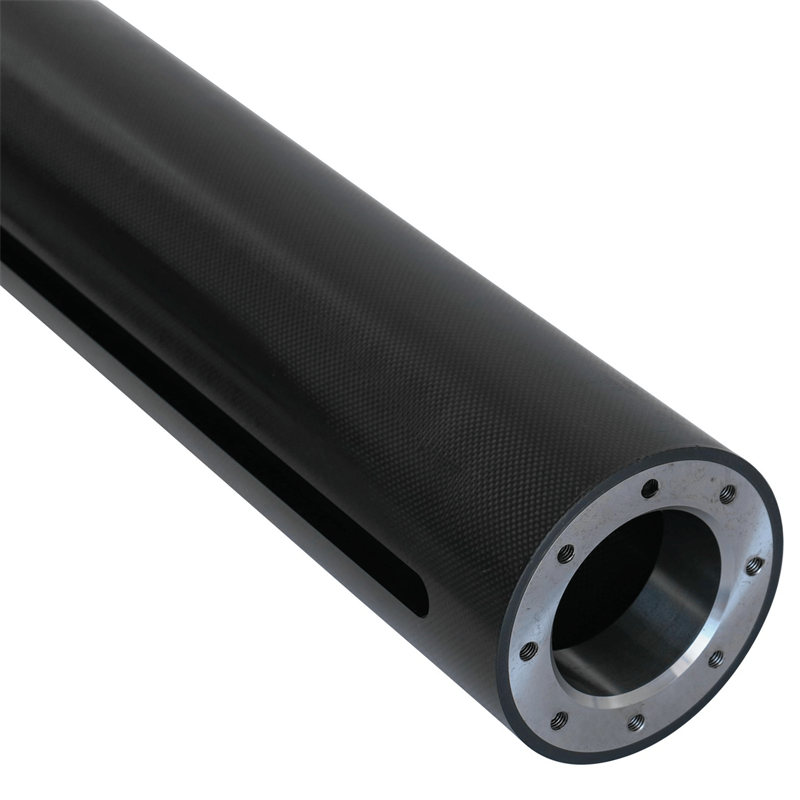
Carbon fiber composites can serve as self-sensing materials: the electrical resistance changes with mechanical strain or damage. This enables:
– Real-time load monitoring without external sensors
– Damage detection and localization
– Predicting remaining service life
Practical advantage: Embedded sensing reduces system complexity and weight compared to add-on sensor networks.
Self-Healing Capabilities
Emerging composite systems incorporate self-healing mechanisms :
– Microencapsulated healing agents that release upon crack formation
– Reversible polymer networks (vitrimers) that can repair damage through thermal treatment
– Vascular networks that circulate healing agents
While still primarily in research phases, self-healing composites promise extended service life and reduced maintenance costs.
Thermal and Fire Resistance
Resin selection significantly affects thermal performance:
– Thermoplastic matrices (PEEK, PEI, PPS): High service temperatures, excellent fire resistance
– Thermoset matrices (epoxy, phenolic, bismaleimide): Varying thermal stability; phenolics offer exceptional fire resistance
Fire performance considerations include flame spread, smoke generation, and toxicity—critical for aerospace, rail, and building applications.
Engineering Trade-Offs and Limitations
Multifunctionality is not without compromises. Material selection requires careful evaluation of trade-offs.
Processing Challenges
Adding fillers changes composite rheology and processability. Key considerations:
– Increased viscosity affects molding and impregnation
– Filler dispersion quality impacts property consistency
– Some functional fillers may increase cost significantly
– Thermoplastic composites require higher processing pressures and temperatures
Cost Implications
Functional fillers—particularly nanomaterials—can dramatically increase material costs. Engineers must evaluate whether performance gains justify cost premiums. In many cases, balanced trade-offs are more practical than maximizing one property at the expense of others.
Property Conflicts
Design objectives can conflict. For example:
– High filler content for conductivity may reduce mechanical properties
– Conductive fillers can compromise electrical insulation requirements
– Thermal management improvements may affect other properties
Recycling and Sustainability
Thermoset composites, dominant in high-performance applications, are difficult to recycle. Thermoplastics offer recyclability but may not match thermoset performance in all areas. The sustainability of multifunctional composites is an active research area .
Applications Across Industries
Aerospace
Aerospace has driven advanced composite development for decades. Modern large aircraft (Boeing 787, Airbus A350) use over 50% composites by weight .
Multifunctional applications include:
– Structural components with lightning strike protection
– De-icing systems using conductive composites
– Structural health monitoring for fatigue-critical components
– EMI shielding for sensitive avionics
Material emphasis: High-performance thermoplastics like PEEK, PEKK, and PPS offer excellent fire resistance and damage tolerance .
Automotive
The automotive industry uses composites for weight reduction and fuel efficiency. Over 90% of automotive composites are fiberglass-reinforced, though carbon fiber usage is growing, particularly in high-performance vehicles .
Multifunctional opportunities:
– Battery enclosures with thermal management and structural protection
– Lightweight body panels with EMI shielding
– Integrated sensors for autonomous vehicles
Robotics and Automation
Polymer composites are enabling the “rigid-to-flexible” transformation in robotics . The specific strength and stiffness of composites like carbon fiber-reinforced PEEK exceed those of metals, enabling lighter, more energy-efficient robots.
Key advantages:
– Weight reduction (PEEK is ~50% lighter than aluminum)
– Excellent fatigue resistance: CF/PEEK fatigue strength of 120 MPa at 10⁶ cycles, vs. 50 MPa for aluminum
– Self-lubricating properties for bearings and joints
– Customizable stiffness through fiber architecture
Renewable Energy
Wind turbines demonstrate multifunctionality in practice. Modern blades use carbon fiber-reinforced structural components for stiffness and fatigue resistance, combined with fiberglass skins for durability and corrosion resistance . This combination delivers:
– Decades of continuous cyclic loading performance
– Lightning protection systems
– Ice detection and de-icing capabilities

Design Considerations for Multifunctional Composites
Material Selection Framework
Engineers should consider these factors when specifying multifunctional composites:
1. Primary structural requirements: Loads, stiffness, fatigue life
2. Functional requirements: Conductivity, shielding, sensing, thermal management
3. Environmental exposure: Temperature, moisture, chemicals, UV
4. Manufacturing compatibility: Available processes, production volume, quality requirements
5. Cost constraints: Material costs, processing costs, lifecycle costs
6. Regulatory requirements: Fire safety, emissions, certification
The Building Block Approach
The Composite Materials Handbook (CMH-17) recommends a building block approach for composite development :
1. Constituent level: Characterize fibers, resin, and fillers individually
2. Lamina level: Test unidirectional or fabric layers
3. Laminate level: Validate stacking sequences and thicknesses
4. Element level: Test structural elements (joints, stiffeners)
5. Component level: Validate full components
6. System level: Final validation in actual operating conditions
This approach reduces risk and ensures reliable performance.
Quality Control and Testing
Quality assurance for multifunctional composites requires:
– Mechanical testing: Tensile, compressive, flexural, fatigue per CMH-17 standards
– Functional testing: Electrical conductivity, EMI shielding effectiveness, thermal conductivity
– Nondestructive evaluation: Ultrasonic, thermographic, or radiographic inspection for defects
– Statistical analysis: Proper data reduction and reporting per CMH-17 guidelines
Selection Guide: Choosing Multifunctional Composites
Step 1: Define Requirements
Begin with clear specifications:
– What are the structural loads (static, cyclic, impact)?
– What functional properties are required?
– What environment will the component face?
– What is the expected service life?
Step 2: Evaluate Constituent Materials
Matrix options:
– Epoxy: Industry standard, good mechanical properties, moderate cost
– Polyester/Vinyl ester: Lower cost, corrosion resistance, marine applications
– PEEK/PEKK: High temperature, excellent fatigue, expensive
– PPS: Balanced performance, good chemical resistance
– Polyamide: Affordable, good impact resistance
Reinforcement options:
– Fiberglass: Cost-effective, good corrosion resistance, moderate stiffness
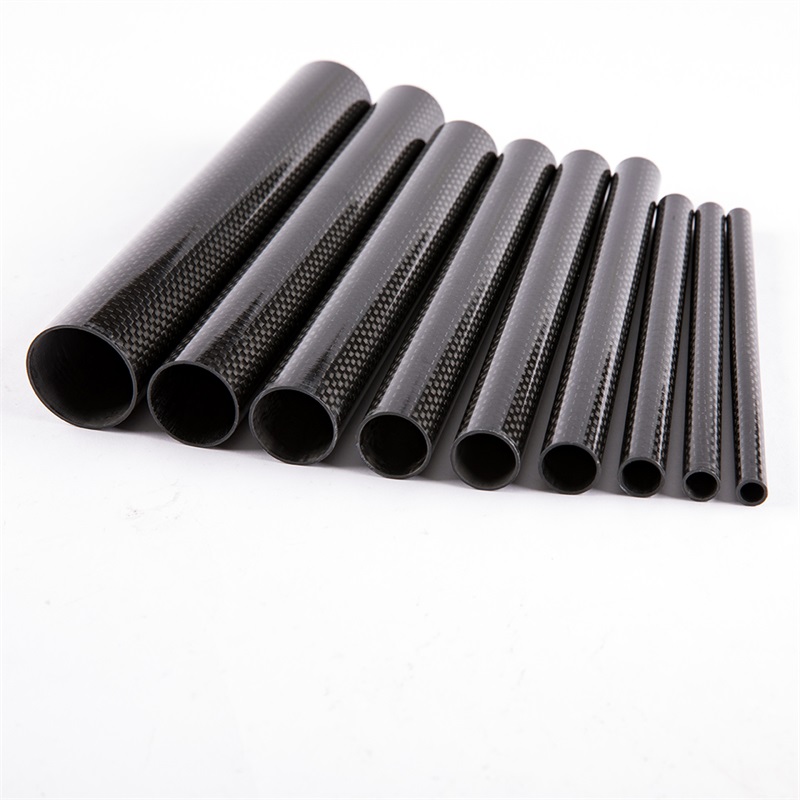
– Carbon fiber: High stiffness-to-weight ratio, conductive, expensive
– Aramid: Impact resistance, toughness, ballistic protection
Functional fillers:
– Carbon nanotubes/graphene: High conductivity at low loadings, costly
– Carbon black: Cost-effective but requires higher loadings
– Metallic particles: High conductivity, heavy
– Boron nitride: Thermal conductivity, electrical insulation
Step 3: Assess Manufacturing Feasibility
– Is the shape compatible with available processes?
– What volume is required?
– What tolerances are needed?
– How does filler content affect processing?
Step 4: Consider Lifecycle Costs
Evaluate total cost of ownership, including:
– Raw material costs
– Processing costs
– Assembly and integration
– Inspection and maintenance
– End-of-life disposal or recycling
Step 5: Verify Through Testing
Always validate through appropriate testing. Relying on published data alone is insufficient—manufacturing variations and specific application requirements demand verification.
Industry Standards and Resources
CMH-17 (Composite Materials Handbook)
The internationally recognized standard for composite design, analysis, and testing:
– Volume 1: Guidelines for characterization of structural materials
– Volume 2: Material properties data
– Volume 3: Design, analysis, and manufacturing guidance
– Volume 6: Sandwich structures
– Volume 7: Non-metallic additive manufacturing
Other Relevant Standards
– ASTM D30 Committee: Composite materials testing standards
– ISO/TC 61: Plastics standards, including composites
– SAE Aerospace: Specific aerospace composite standards
Frequently Asked Questions (FAQ)
What is the difference between a composite and a blend?
Composites are multiphase materials where the dispersed phase consists of non-polymer compounds (fibers, fillers, particles). Blends are mixtures of two or more polymers . The key distinction is that composites are engineered to achieve properties superior to their constituents, particularly for structural applications.
How can composites be made electrically conductive?
Conductive fillers such as carbon nanotubes, graphene, carbon black, or metal particles are added to the polymer matrix. Achieving conductivity requires exceeding the percolation threshold—the minimum filler volume fraction at which a conductive network forms. Higher aspect ratio fillers reach percolation at lower loadings .
What limits the maximum filler content in composites?
For thermoplastics, maximum filler loading is typically around 40% by volume because the material must remain processable. Thermoset composites can accommodate up to 80% fiber volume because they don’t require flow during processing . Higher filler content generally improves properties up to a point but becomes impractical for processing.
Are multifunctional composites recyclable?
Thermoplastic composites offer potential recyclability—they can be reheated and remolded. However, fiber damage during reprocessing reduces mechanical properties. Thermoset composites are generally not recyclable, though some recycling pathways exist (mechanical grinding, pyrolysis, chemical recycling). Sustainability research is active, including self-healing and circular economy approaches .
What is the percolation threshold and why does it matter?
The percolation threshold is the filler volume fraction where conductive networks form, causing conductivity to increase dramatically. Below this threshold, conductivity remains low. Above it, conductivity rises exponentially as connected filler networks form . This concept is fundamental to designing conductive composites.
How do I choose between thermoset and thermoplastic matrices?
Thermosets (epoxy, polyester, vinyl ester, phenolic) offer excellent mechanical properties, lower processing viscosity, and good wet-out of fibers. However, they cure irreversibly and are difficult to recycle. Thermoplastics (PEEK, PPS, polyamide, PP) can be reheated and remolded, offer higher toughness, and support faster processing cycles, but require higher processing pressures and temperatures .
What is the critical fiber length in composite reinforcement?
The critical fiber length is the minimum length required for stress transfer from the matrix to the fiber. Below this length, the fiber cannot be effectively loaded. Above it, the full tensile strength of the fiber can be utilized . This depends on fiber tensile strength and the interfacial shear strength between fiber and matrix.
How does fiber orientation affect composite properties?
Fiber orientation determines anisotropic properties. Maximum strength and stiffness occur along the fiber direction. Perpendicular to fibers, properties are matrix-dominated and significantly lower. Random fiber orientation provides more isotropic properties but reduces peak performance in any direction . Design must account for this anisotropy.
What are the main cost drivers in multifunctional composites?
Raw material costs (particularly functional fillers like nanomaterials), processing complexity, quality control requirements, and low production volumes all contribute to higher costs. The cost-benefit analysis must consider value-added functions and potential system-level savings (reduced part count, weight savings, etc.).
How do I ensure quality in composite manufacturing?
Follow established standards (CMH-17, ASTM). Use a building block approach for validation. Implement rigorous process control and nondestructive inspection. Maintain proper material storage and handling. Document all process parameters and conduct statistical analysis of test results .
What are the fire safety considerations for composites?
Fire performance depends on the polymer matrix. Phenolics and high-performance thermoplastics (PEEK, PPS) offer excellent fire resistance with low smoke and toxicity. Epoxies typically require flame-retardant additives. Testing per standards (UL 94, FAR 25.853 for aerospace) is essential for safety-critical applications.
Can composites be used for structural health monitoring?
Yes. Carbon fiber composites are inherently self-sensing—electrical resistance changes with strain and damage. This enables real-time monitoring without external sensors. Research also explores embedded fiber optic sensors and other health monitoring techniques .
The multifunctionality of polymer composites represents a paradigm shift in materials engineering. Beyond the traditional focus on strength and stiffness, these materials now offer electrical and thermal functionality, self-sensing capabilities, electromagnetic shielding, and potential for self-healing. This integration of functions enables significant system-level benefits: reduced weight, lower part counts, improved reliability, and enhanced performance.
For engineers, procurement professionals, and designers, understanding multifunctionality is essential for making informed material selections. The key lies in balancing competing requirements—mechanical performance, functional properties, processability, cost, and sustainability—through careful material selection, design, and validation.
The industry continues to advance with new materials, processing technologies, and applications. The Composite Materials Handbook (CMH-17) provides authoritative guidance for engineering practice, while ongoing research explores next-generation multifunctionality including programmable composites, morphing structures, and advanced thermoelectric capabilities .
As polymer composites continue to evolve, their role will expand beyond structural materials to become integrated functional systems—delivering not just strength and stiffness, but comprehensive solutions for complex engineering challenges.
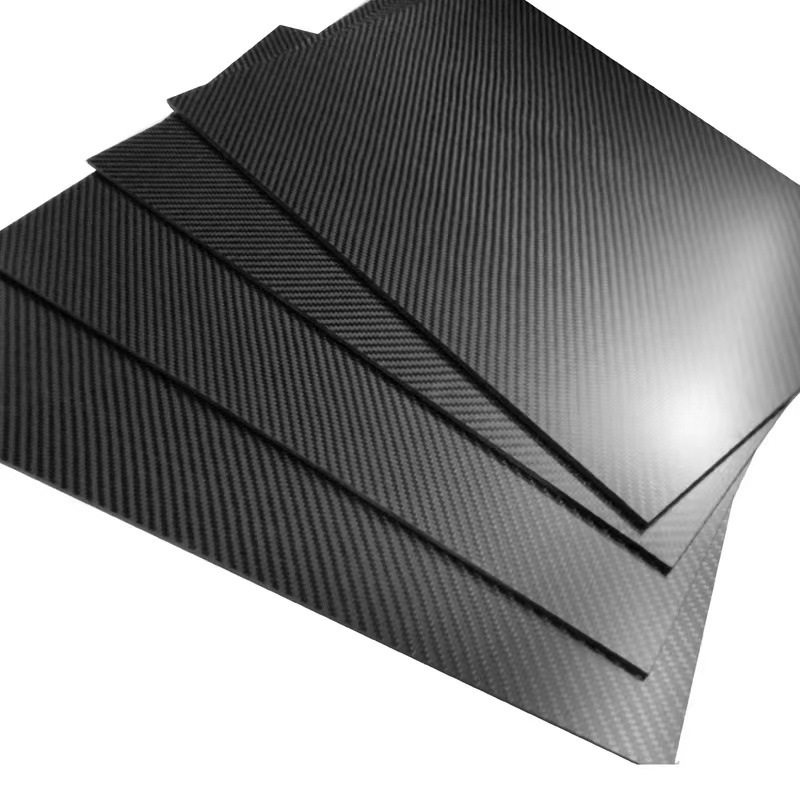 Carbon Fiber vs Glass Fiber Composites
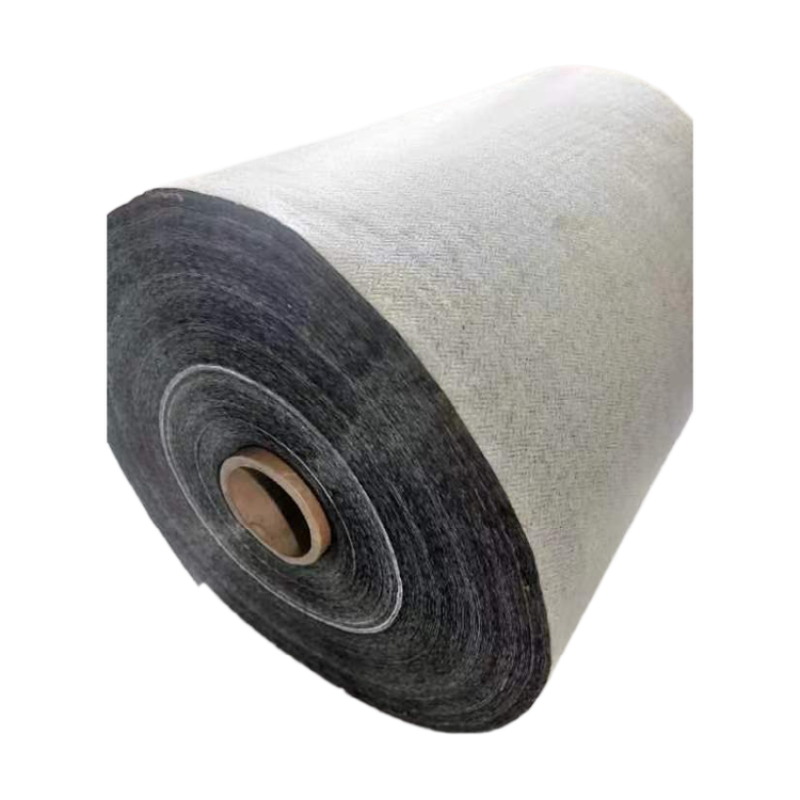 The Influence of Fiber Orientation on the Mechanical Performance of Composite Laminates
Thermoplastic vs. Thermoset Composites
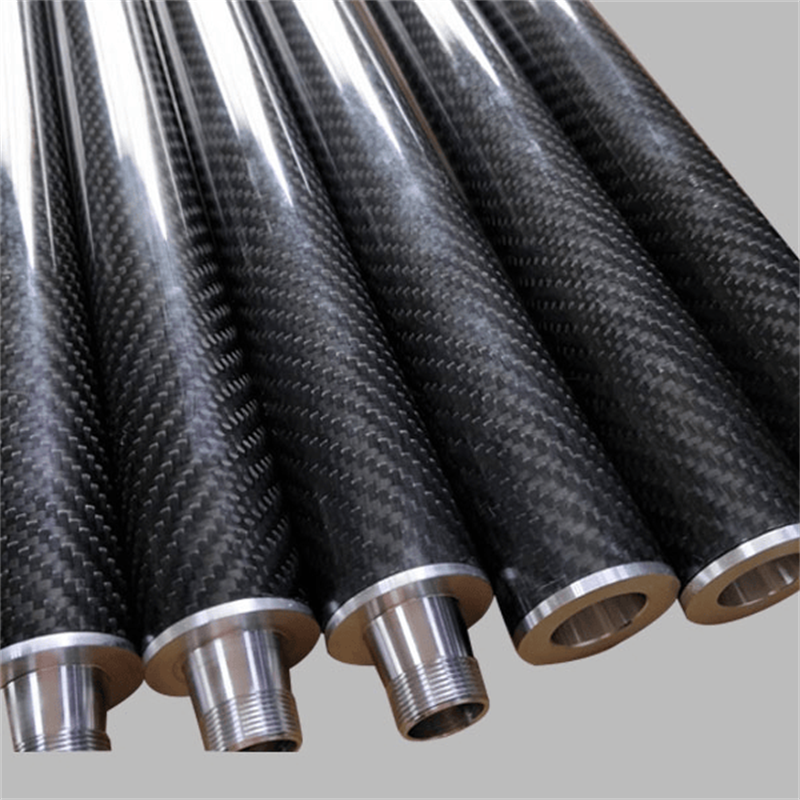 Carbon Fiber Composites: A Technical Analysis of Lightness, Strength, and Performance