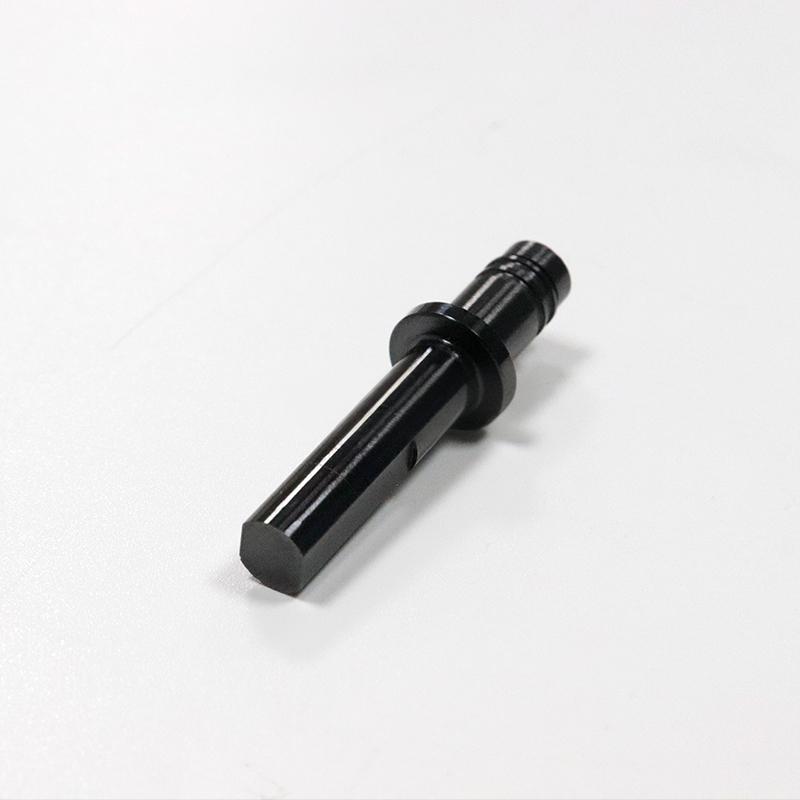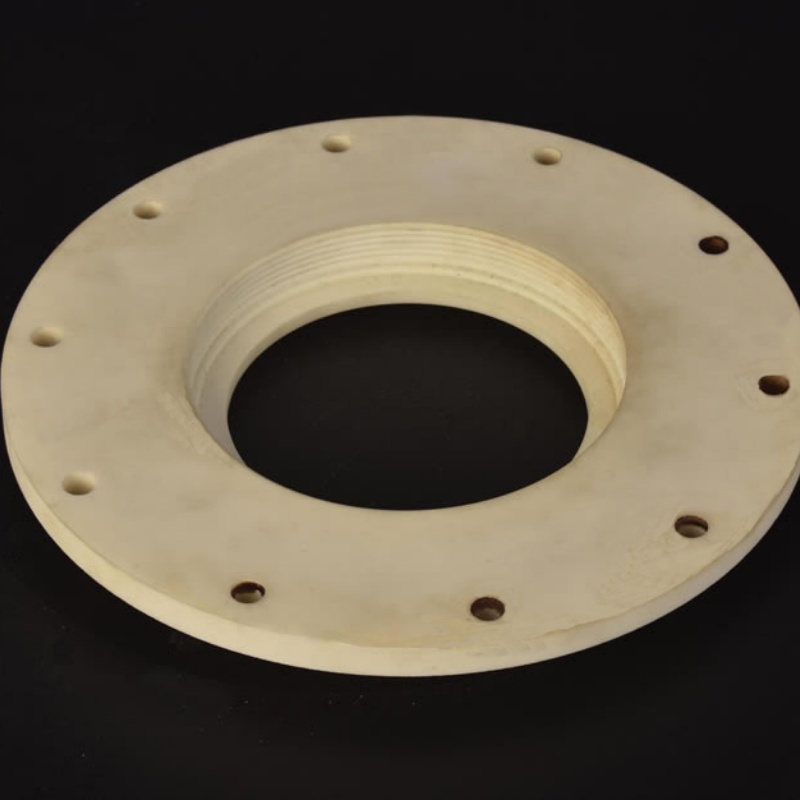
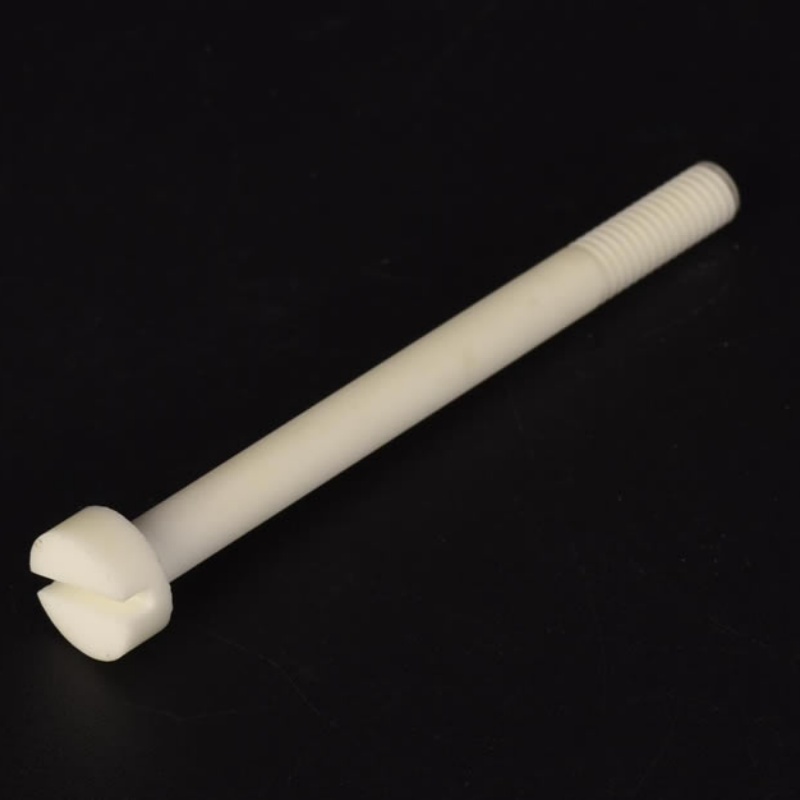
99% Alumina Ceramic Screws
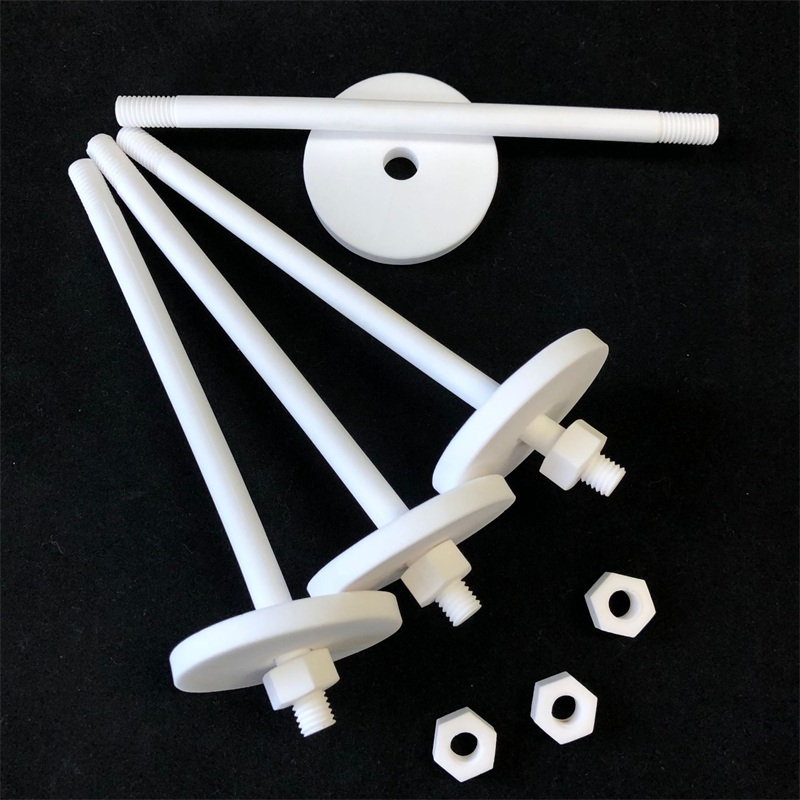
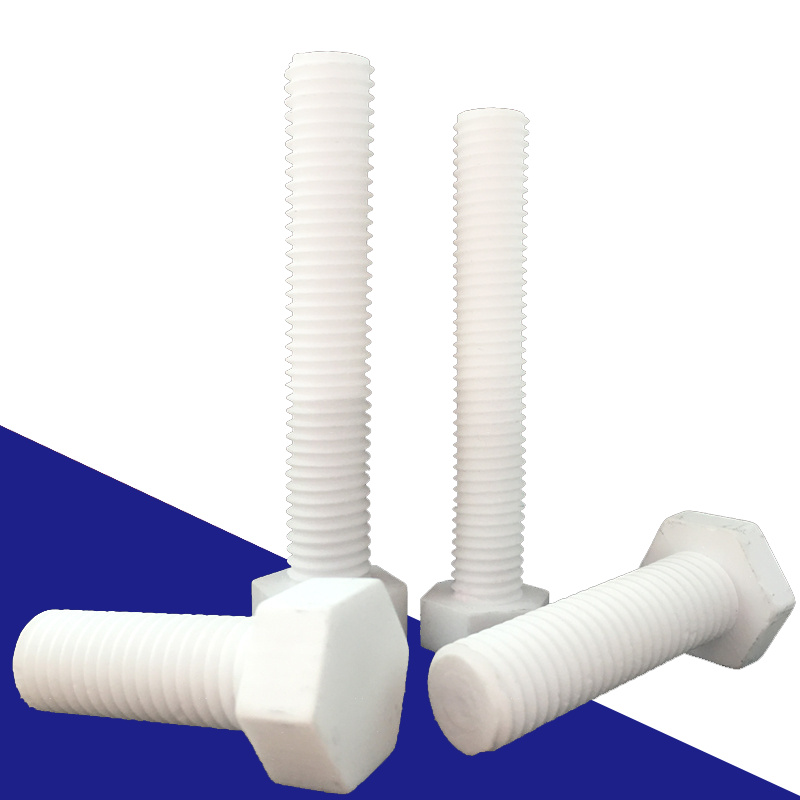
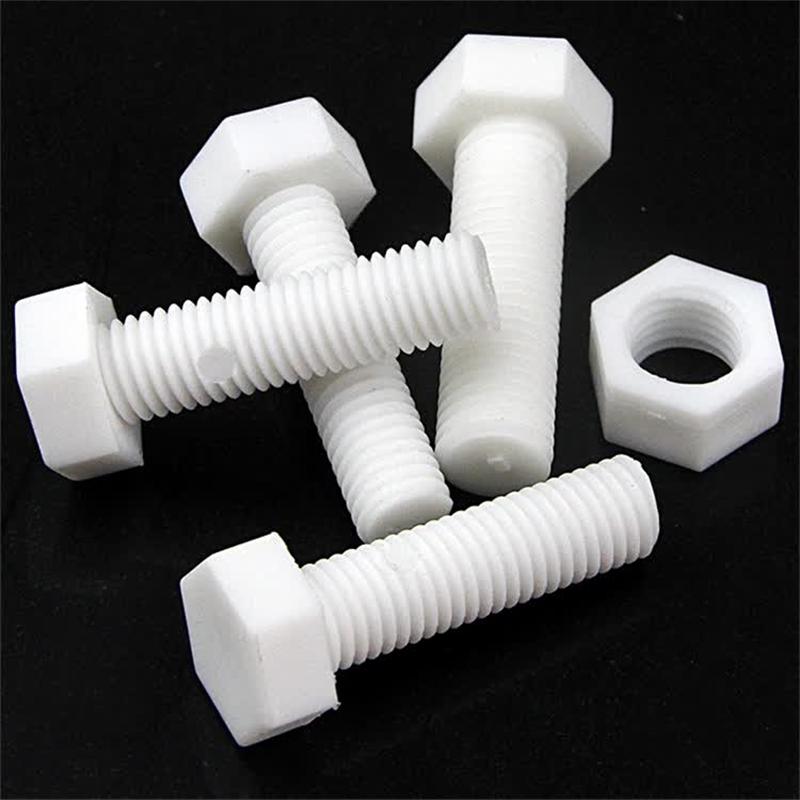
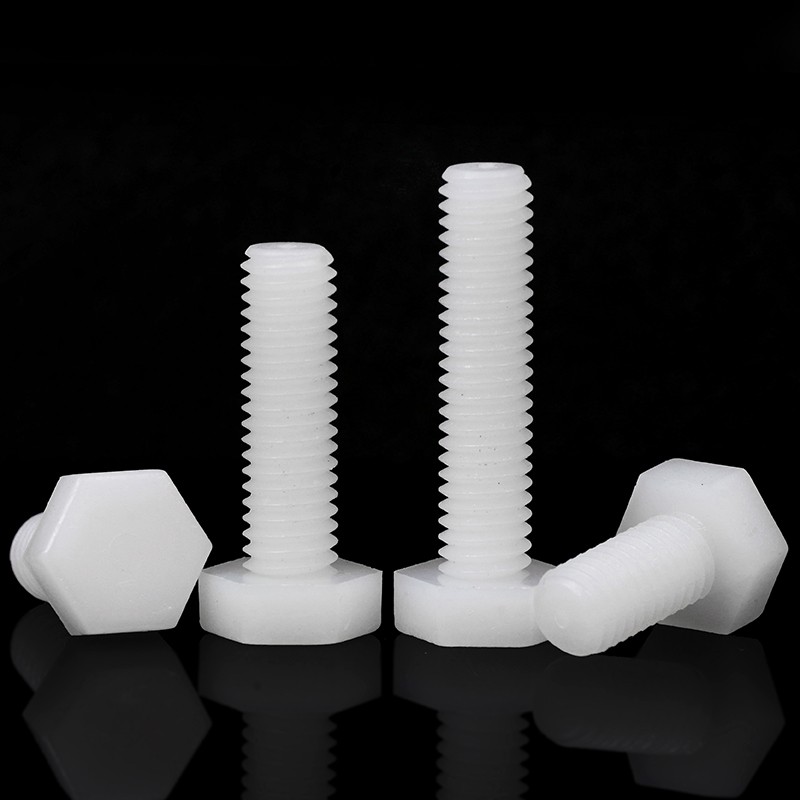
Alumina ceramic screws, particularly those made from 99% alumina, represent a specialized class of fastening components designed for extreme environments where metal fasteners fail. These fasteners leverage the exceptional mechanical strength, electrical insulation, and chemical inertness of high-purity aluminum oxide to provide reliable performance in semiconductor manufacturing, high-temperature furnaces, and corrosive chemical processing equipment.
Material Composition and Structure
99% alumina refers to aluminum oxide (Al₂O₃) ceramic with a minimum purity of 99% by weight. The remaining 1% typically consists of sintering aids such as silica, magnesia, or calcia, which facilitate densification during the firing process. This high purity level results in a fine-grained microstructure that delivers superior mechanical properties compared to lower-purity grades like 95% or 85% alumina. The material is produced through powder pressing, isostatic pressing, or injection molding, followed by high-temperature sintering above 1600°C to achieve near-theoretical density.
Key Engineering Properties
The defining characteristic of 99% alumina ceramic screws is their combination of high compressive strength and excellent electrical insulation. With a compressive strength typically exceeding 2000 MPa, these fasteners can withstand significant axial loads without deformation. Their dielectric strength ranges from 15 to 35 kV/mm, making them ideal for applications requiring electrical isolation between components.
Thermally, 99% alumina maintains structural integrity up to approximately 1600°C in oxidizing atmospheres, with a thermal conductivity of 25–30 W/m·K. This allows the screws to function reliably in furnace assemblies and heating element fixtures where metal fasteners would oxidize, creep, or melt. The coefficient of thermal expansion is relatively low at around 7–8 × 10⁻⁶/K, contributing to dimensional stability during thermal cycling, though this also means alumina is sensitive to rapid temperature changes.
Chemically, 99% alumina exhibits outstanding resistance to acids, alkalis, and molten metals. It is virtually inert to most industrial chemicals at room temperature and retains significant corrosion resistance at elevated temperatures. This makes alumina screws suitable for use in chemical reactors, plating equipment, and environments exposed to aggressive media.
Typical Specifications and Grades
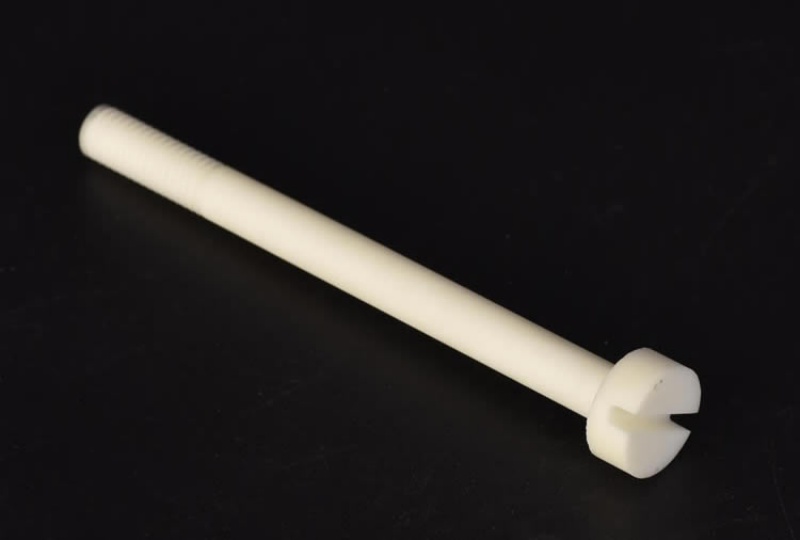
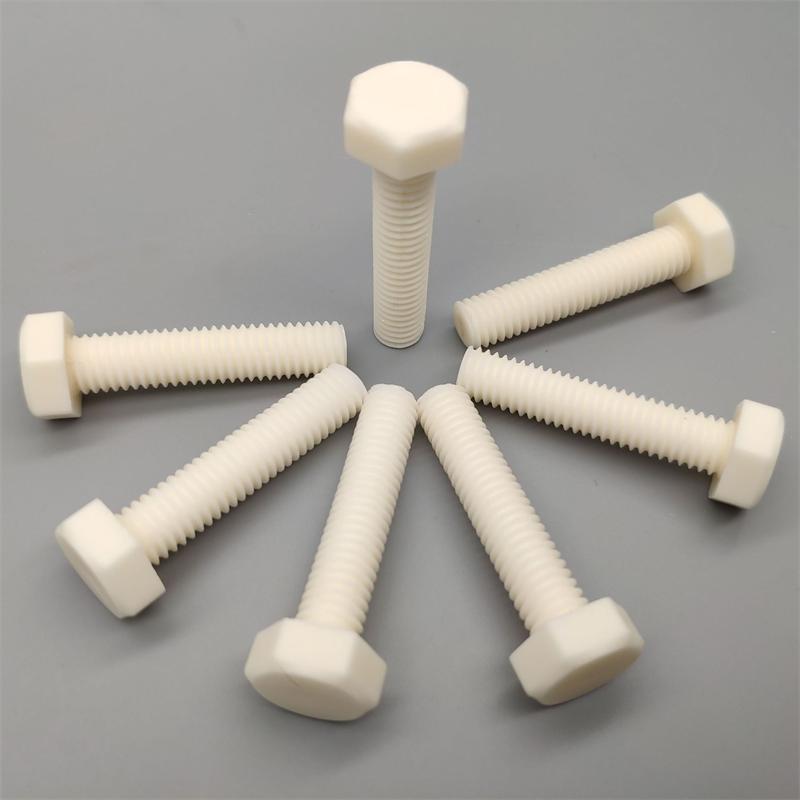
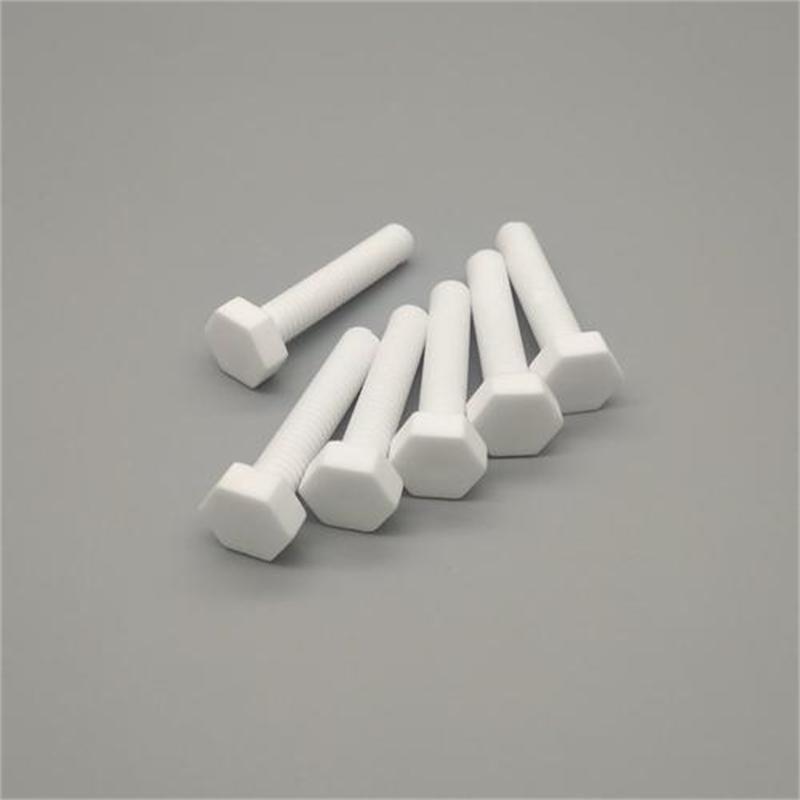
Alumina ceramic screws are available in standard metric and imperial thread sizes, commonly ranging from M2 to M12 or #2-56 to 1/2-13. Due to the brittle nature of ceramics, thread profiles are often modified with larger root radii to reduce stress concentration. Common head styles include pan head, flat head, and hex socket head, though design options are more limited compared to metal fasteners due to manufacturing constraints.
It is important to note that 99% alumina represents one grade within a broader family. For applications where extreme purity is not critical, 95% alumina offers a cost-effective alternative with slightly reduced mechanical and thermal performance. Conversely, applications demanding maximum wear resistance or thermal conductivity may consider specialized grades with additives.
Advantages in Engineering Applications
The primary advantage of 99% alumina ceramic screws lies in their ability to operate in conditions that would rapidly degrade conventional fasteners. In semiconductor wafer processing equipment, their low particle generation and high purity prevent contamination. In vacuum furnaces, they eliminate outgassing concerns associated with polymer-based insulators. In corrosive chemical environments, they provide decades of service life where stainless steel would pit and fail within months.
Their non-magnetic nature also makes them valuable in MRI equipment and other sensitive electronic instruments where magnetic interference must be avoided.
Limitations and Design Considerations
Despite their impressive properties, 99% alumina ceramic screws have important limitations that engineers must account for. The most significant is brittleness. Unlike metals, alumina has virtually no ductility and fails catastrophically without plastic deformation. This means torque specifications must be carefully controlled during installation, and overtightening can lead to immediate fracture. Thread engagement length should be maximized to distribute loads, and Belleville washers or compliant inserts can help accommodate differential thermal expansion.
Alumina is also susceptible to thermal shock. Rapid heating or cooling can induce tensile stresses that exceed the material’s modest tensile strength of 250–350 MPa. Designers should avoid exposing alumina fasteners to direct flame impingement or quenching conditions. Additionally, while alumina is hard and wear-resistant, it can be damaged by impact or point loading, so handling and installation procedures should minimize mechanical shock.
Material Selection: When to Choose 99% Alumina
99% alumina ceramic screws are the preferred choice when the application demands a combination of high-temperature capability, electrical insulation, and chemical resistance. They are particularly well-suited for:
Semiconductor processing equipment requiring ultra-clean, non-contaminating fasteners
High-temperature furnace assemblies operating above 1000°C
Electrical insulators in high-voltage or high-frequency applications
Chemical processing equipment exposed to aggressive acids or alkalis
Non-magnetic environments such as MRI facilities or research laboratories
When to Consider Alternatives
For applications involving severe mechanical shock or impact loading, zirconia-toughened alumina or fully stabilized zirconia may offer better fracture toughness, albeit at higher cost and with reduced maximum service temperature. In environments requiring extreme thermal shock resistance, silicon nitride or reaction-bonded silicon carbide may be more appropriate, though these materials are significantly more expensive and more difficult to machine into complex threaded geometries. For lower-temperature applications where only electrical insulation is needed, engineering plastics such as PEEK or PTFE may provide a more economical solution with easier installation.
FAQ
What is the maximum operating temperature for 99% alumina ceramic screws?
99% alumina can continuously operate at temperatures up to approximately 1600°C in air or oxidizing atmospheres. In reducing atmospheres or vacuum, the maximum usable temperature may be lower due to potential oxygen loss from the lattice.
Are alumina ceramic screws electrically conductive?
No. Alumina is an excellent electrical insulator with high dielectric strength and low dielectric loss, making it suitable for high-voltage and high-frequency applications.
Can 99% alumina screws be reused after removal?
Reusing ceramic screws is generally not recommended. Microcracks may develop during initial installation or service, which can lead to unexpected failure upon reinstallation. It is safer to use new fasteners for critical applications.
How does 99% alumina compare to zirconia for fastener applications?
Zirconia offers significantly higher fracture toughness and can withstand greater mechanical shock, but it has lower maximum service temperature and may undergo low-temperature degradation in humid environments. Alumina provides better high-temperature stability and chemical resistance at a lower cost.
What torque values should be used when installing alumina ceramic screws?
Torque values depend on thread size, lubrication, and joint design. As a general guideline, use significantly lower torque than equivalent metal fasteners—typically 30–50% of the recommended torque for stainless steel screws of the same size. Consult the component supplier for specific recommendations.
Are alumina ceramic screws resistant to all chemicals?
99% alumina is resistant to most acids, alkalis, and organic solvents at room temperature and elevated temperatures. However, it can be attacked by hydrofluoric acid, hot concentrated phosphoric acid, and strong molten alkalis. Always verify chemical compatibility for your specific operating conditions.