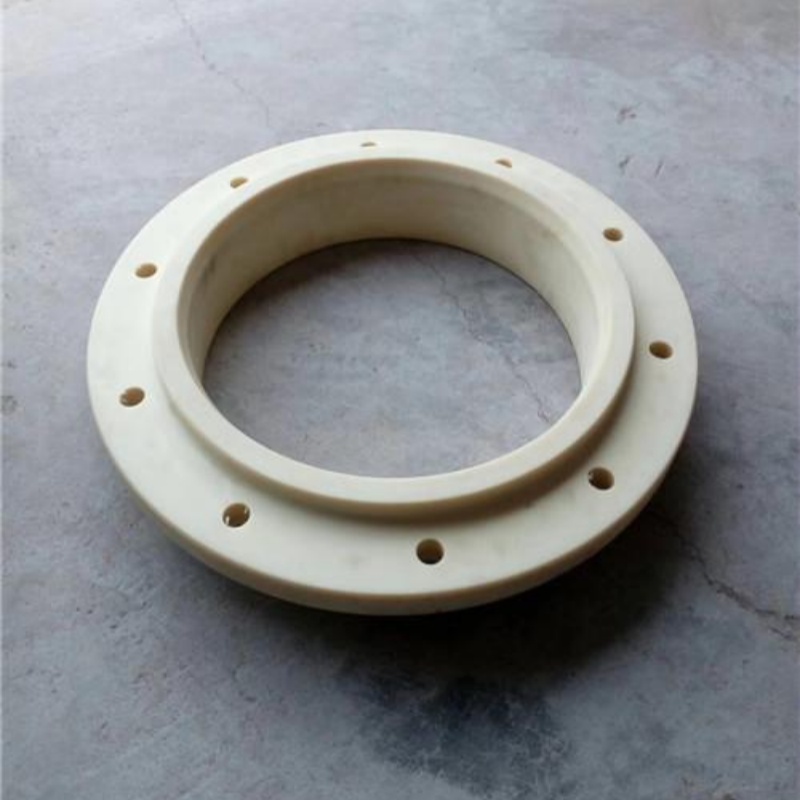
Alumina Ceramic Seal Flange Rings
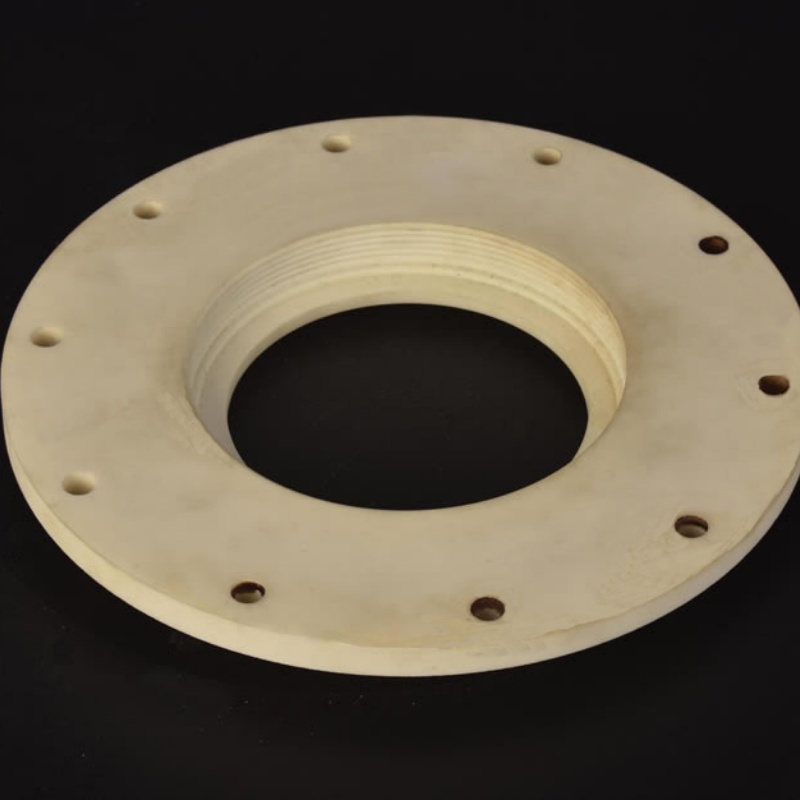
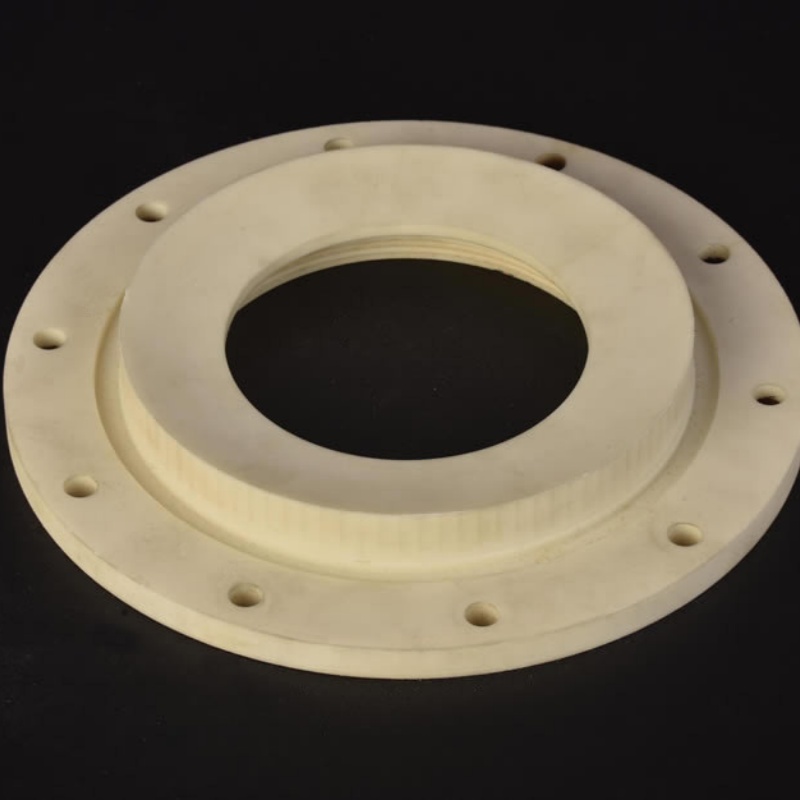
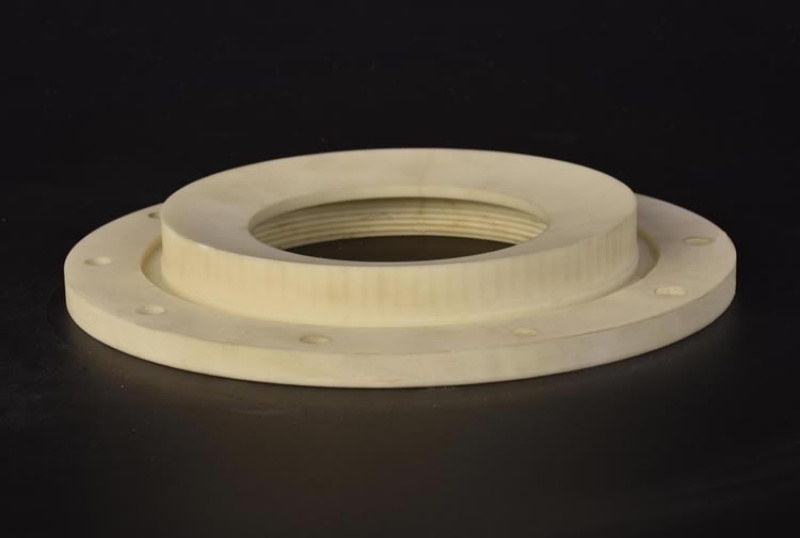
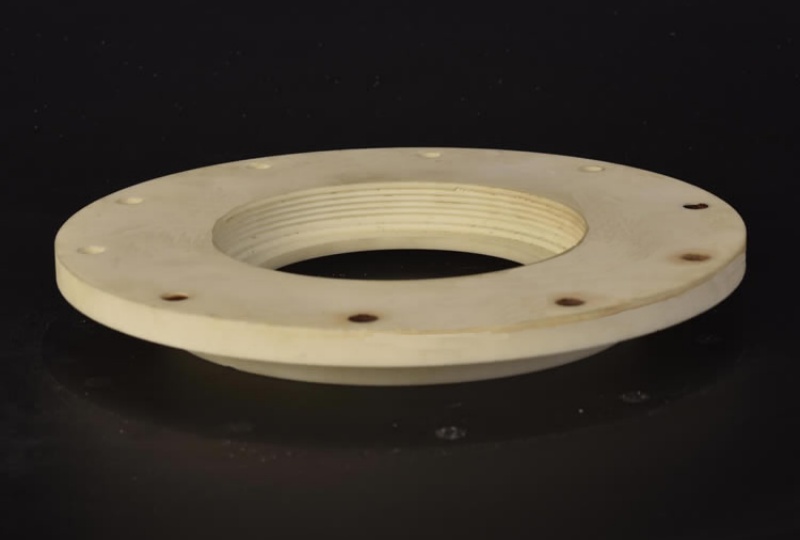
Alumina ceramic seal flange rings are precision-engineered sealing components designed to provide reliable isolation between fluid or gas systems in demanding industrial environments. Unlike polymer or metal gaskets, these ceramic flange rings leverage the inherent hardness, chemical inertness, and thermal stability of aluminum oxide (Al₂O₃) to maintain sealing integrity under conditions that would rapidly degrade conventional materials. They are commonly found in pumps, valves, semiconductor processing equipment, and chemical handling systems where long-term dimensional stability and corrosion resistance are critical.
Material Composition and Microstructure
The performance of an alumina ceramic seal flange ring is primarily determined by its purity level. Commercial grades typically range from 90% to 99.9% Al₂O₃, with the remainder consisting of sintering aids such as silica, magnesia, or calcium oxide. Higher-purity grades (99.5% and above) offer superior mechanical strength, better electrical insulation, and enhanced chemical resistance, making them the preferred choice for high-performance sealing applications. Lower-purity grades (90–95%) may be selected when cost considerations are more significant and the operating environment is less aggressive.
The microstructure of sintered alumina consists of densely packed alumina grains bonded together through a high-temperature sintering process. The resulting material exhibits minimal porosity, which is essential for sealing applications because any open pores could serve as leakage paths. Achieving a near-theoretical density through proper sintering control is therefore a key manufacturing requirement for seal flange rings.
Key Engineering Properties
Alumina ceramic seal flange rings are valued for a combination of properties that make them uniquely suited for challenging sealing tasks:
Wear and abrasion resistance. Alumina ranks among the hardest engineering ceramics, with a Vickers hardness typically between 1,200 and 1,800 HV depending on purity. This exceptional hardness allows seal flange rings to resist abrasive wear from particulate-laden fluids, slurries, or repeated mating cycles without significant surface degradation.
Chemical stability. Aluminum oxide is highly resistant to acids, alkalis, and organic solvents at ambient and elevated temperatures. This makes alumina flange rings suitable for use in chemical processing, pharmaceutical production, and other environments where aggressive media would attack metal or polymer seals. However, alumina can be attacked by hydrofluoric acid and hot concentrated phosphoric acid, which should be considered during material selection.
Thermal performance. Alumina maintains its mechanical properties at temperatures well above those tolerated by polymers. It can operate continuously at temperatures exceeding 1,000°C in inert or oxidizing atmospheres. Its moderate thermal conductivity (approximately 20–30 W/m·K for high-purity grades) helps distribute heat across the sealing interface, reducing localized thermal stress.
Electrical insulation. With a dielectric strength of approximately 10–35 kV/mm, alumina provides excellent electrical isolation. This property is particularly important in applications such as semiconductor manufacturing equipment, where electrical isolation between process chambers and surrounding components is required.
Dimensional stability. Alumina exhibits a low coefficient of thermal expansion (approximately 7–8 × 10⁻⁶/K), which means seal flange rings maintain their dimensions across a wide temperature range. This stability helps preserve sealing force and prevents leakage due to thermal cycling.
Typical Applications
Alumina ceramic seal flange rings are used wherever conventional sealing materials fail due to temperature, corrosion, or wear:
Pump and valve seals in chemical processing, where corrosive fluids demand inert sealing surfaces.
Semiconductor processing equipment, where ultra-clean, electrically insulating seals are required in plasma etching and deposition chambers.
High-temperature furnace assemblies, where polymer seals cannot survive the operating environment.
Analytical instrumentation, such as chromatography systems, where chemical compatibility and dimensional precision are essential.
Vacuum systems, where low outgassing and hermetic sealing are necessary.

Advantages and Limitations
The primary advantages of alumina ceramic seal flange rings include outstanding hardness, broad chemical compatibility, high-temperature capability, and electrical insulation. These properties collectively enable reliable sealing in environments that would quickly destroy elastomeric or metallic alternatives.
However, alumina ceramics also have important limitations. Like all ceramics, alumina is brittle and lacks the ductility of metals. It cannot accommodate large mechanical deformations or misalignments, so flange surfaces must be properly machined and aligned during assembly. Alumina is also sensitive to thermal shock, particularly in lower-purity grades, meaning rapid temperature changes can cause cracking if not carefully managed. Additionally, machining alumina to tight tolerances requires diamond tooling and specialized processes, which increases manufacturing cost compared to metal or polymer seals.
Material Selection Considerations
When evaluating alumina ceramic seal flange rings, engineers should consider the following:
Purity selection. Choose 99.5% or higher purity for the best combination of mechanical strength, chemical resistance, and electrical insulation. Lower-purity grades may be acceptable for less demanding applications.
Surface finish. The sealing surface should be ground or lapped to an appropriate roughness to ensure proper contact without excessive leakage paths.
Thermal shock risk. If the application involves rapid temperature cycling, consider the thermal shock resistance of the chosen grade and whether alternative ceramics such as silicon nitride might offer better performance.
Alternative ceramics. For applications requiring higher fracture toughness, zirconia ceramics may be considered. For extreme thermal conductivity combined with wear resistance, silicon carbide is a strong alternative, though at higher cost.
FAQ
What is an alumina ceramic seal flange ring used for?
It is used as a sealing component in pumps, valves, semiconductor equipment, and chemical processing systems where high wear resistance, chemical inertness, and thermal stability are required.
What are the main advantages of alumina ceramic flange rings?
They offer exceptional hardness, broad chemical resistance, high-temperature capability, electrical insulation, and excellent dimensional stability.
What are the limitations of alumina ceramic seal flange rings?
Alumina is brittle, sensitive to thermal shock, and cannot accommodate significant mechanical misalignment. It also requires specialized machining processes.
Is alumina ceramic suitable for high-temperature sealing?
Yes. High-purity alumina can operate continuously at temperatures above 1,000°C in appropriate atmospheres, far exceeding the limits of polymer or elastomer seals.
Is alumina ceramic electrically insulating?
Yes. Alumina is an excellent electrical insulator with a dielectric strength of approximately 10–35 kV/mm, making it suitable for applications requiring electrical isolation.
How does alumina compare with zirconia for seal flange rings?
Alumina offers better chemical resistance and lower cost, while zirconia provides higher fracture toughness and impact resistance. The choice depends on whether chemical stability or mechanical toughness is the higher priority.