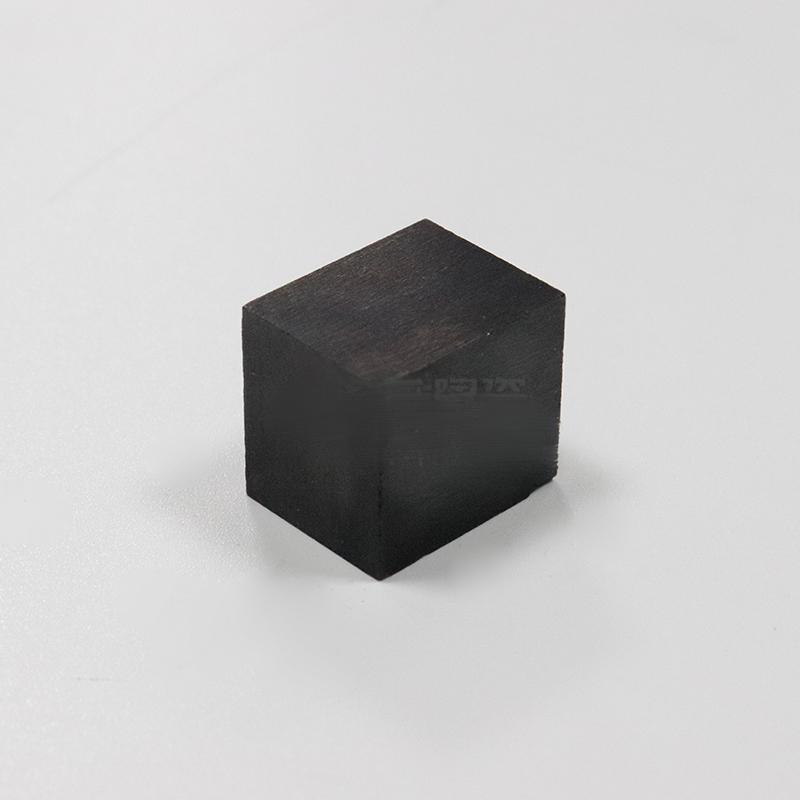
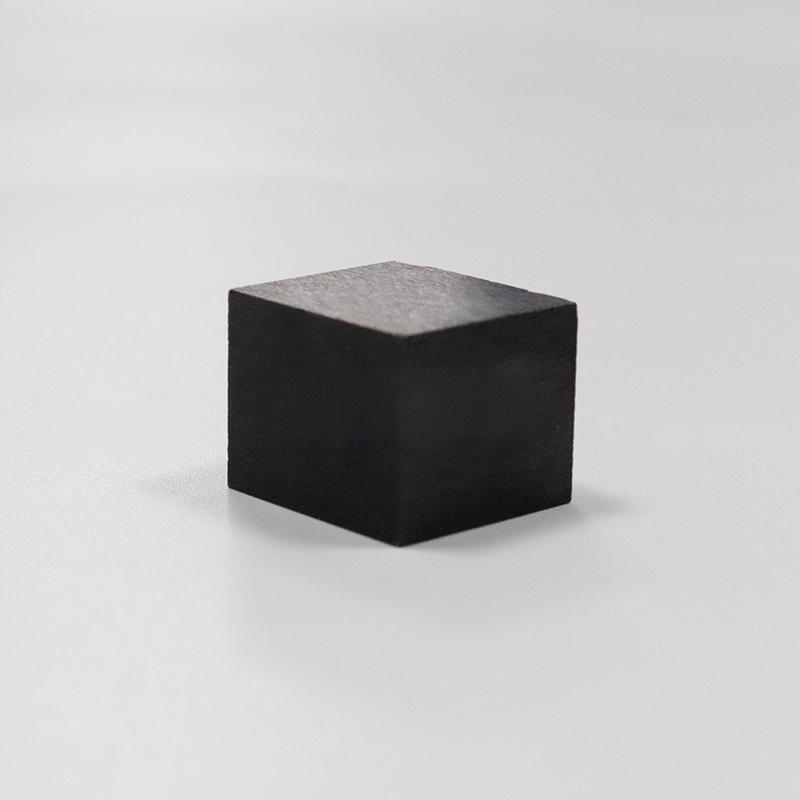
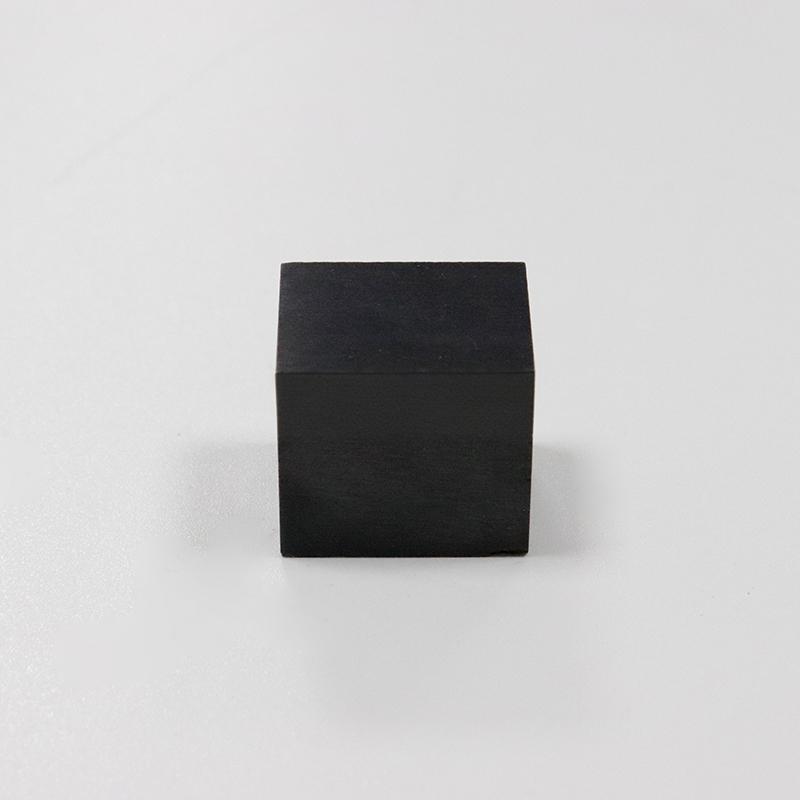
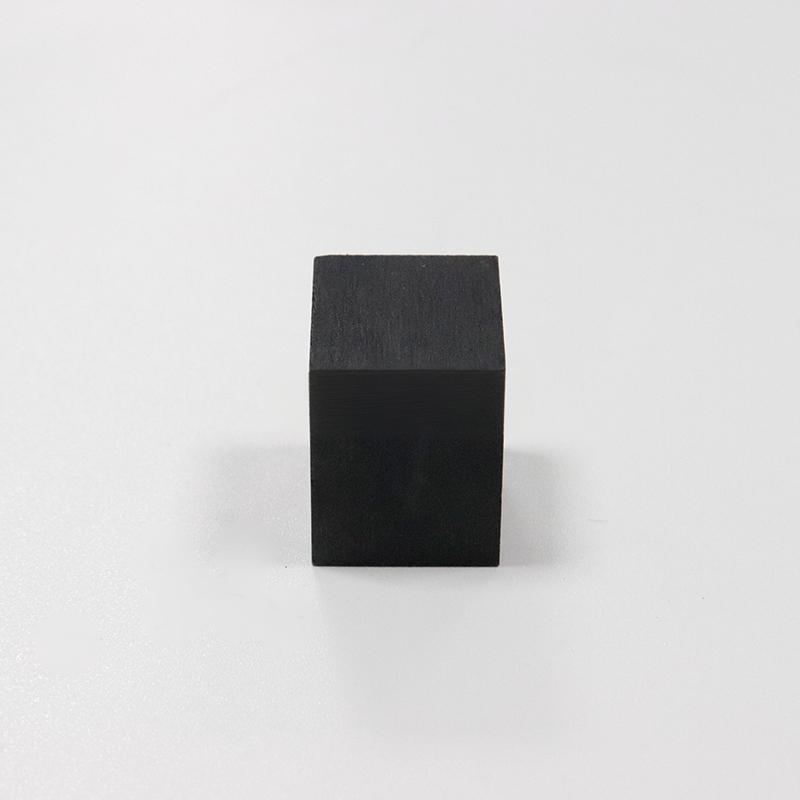
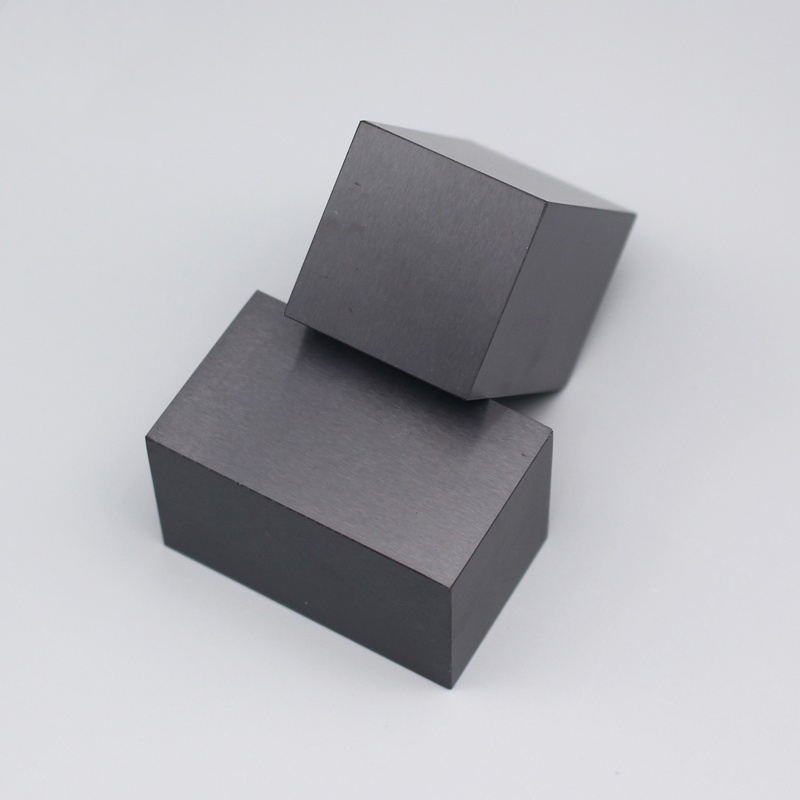
Silicon Carbide Ceramic Blocks
Silicon carbide (SiC) ceramic blocks represent a class of advanced engineering ceramics characterized by exceptional hardness, high thermal conductivity, and outstanding chemical stability. Unlike traditional oxide ceramics, silicon carbide possesses a covalent bonding structure that imparts unique mechanical and thermal behaviors, making it an indispensable material for extreme environments. For engineers and designers, SiC blocks are often the material of choice when components must withstand severe abrasion, rapid thermal cycling, or corrosive chemical attack without compromising structural integrity.
Material Composition and Microstructure
The performance of a silicon carbide block is intrinsically linked to its manufacturing process and resulting microstructure. SiC is primarily produced in two forms: reaction-bonded silicon carbide (RBSC) and sintered silicon carbide (SSiC).
Sintered Silicon Carbide (SSiC) is produced by sintering pure SiC powder with a sintering aid at high temperatures. This results in a material with high purity and excellent chemical resistance, as there are no free secondary phases to react with aggressive media.
Reaction-Bonded Silicon Carbide (RBSC), also known as siliconized silicon carbide, is created by infiltrating a porous carbon preform with molten silicon. The resulting material contains a mixture of SiC and free silicon. While RBSC generally offers higher toughness and is easier to machine into complex block shapes near-net-shape, the presence of free silicon limits its maximum operating temperature (typically below 1380°C) and reduces its corrosion resistance compared to SSiC.
Key Engineering Properties
The utility of silicon carbide blocks in industrial applications stems from a specific combination of physical properties:
Thermal Conductivity: SiC exhibits thermal conductivity ranging from 80 to over 120 W/m·K, significantly higher than alumina. This property allows SiC blocks to dissipate heat rapidly, preventing thermal gradients that could lead to fracture.
Thermal Shock Resistance: Coupled with a low coefficient of thermal expansion, the high thermal conductivity gives SiC superior resistance to thermal shock. It can withstand rapid heating and cooling cycles that would shatter other ceramics.
Mechanical Hardness and Wear Resistance: With a Mohs hardness of roughly 9.5, SiC is one of the hardest materials available. Blocks used in sliding or abrasive environments exhibit minimal wear over long service lives.
High-Temperature Strength: Unlike metals that soften as temperatures rise, SiC maintains its flexural strength and creep resistance at temperatures up to 1400°C–1600°C, depending on the grade.
Typical Applications
The unique property profile of silicon carbide blocks dictates their use in demanding sectors:
Semiconductor Manufacturing: High-purity SSiC blocks are used for wafer handling components and heating elements. The material’s low thermal expansion ensures dimensional stability during rapid thermal processing, while its purity prevents contamination.
Heat Exchangers: SiC blocks are machined into plates or shells for heat exchangers handling corrosive fluids. The high thermal conductivity ensures efficient heat transfer, while the chemical inertness prevents degradation by acids or alkalis.
Wear and Armor Components: Due to its extreme hardness, SiC blocks serve as liners for pumps, valves, and cyclones handling abrasive slurries. In defense applications, the high hardness-to-density ratio makes it effective for ballistic armor.
Kiln Furniture: In ceramics and metallurgy firing, SiC beams and blocks support heavy loads at high temperatures without sagging, offering a longer lifespan than oxide ceramic alternatives.

Advantages and Limitations
When selecting materials, it is crucial to weigh the benefits against the limitations of silicon carbide.
Advantages:
Superior wear resistance compared to alumina and zirconia.
Excellent thermal management capabilities.
High resistance to oxidation and chemical attack (especially SSiC).
High stiffness (Young’s Modulus > 400 GPa).
Limitations:
Brittleness: Like all ceramics, SiC is brittle and has low fracture toughness compared to metals. Design must avoid stress concentrations.
Machining Difficulty: The extreme hardness makes post-sintering machining difficult and expensive, often requiring diamond grinding.
Cost: Raw material and processing costs are higher than standard oxide ceramics.
Material Selection Considerations
Engineers should consider silicon carbide blocks when the operating environment involves temperatures exceeding the limits of metals or polymers, or when wear rates for alumina are unacceptable. If the application involves extreme thermal shock (e.g., rapid quenching), SiC is often superior to alumina. However, if high fracture toughness is the primary requirement and temperatures are moderate, Zirconia (ZrO2) might be a more suitable alternative despite its lower thermal conductivity.
FAQ
What is the maximum operating temperature for silicon carbide blocks?
For Sintered Silicon Carbide (SSiC), the maximum operating temperature can reach 1600°C in inert atmospheres and roughly 1400°C in oxidizing environments. Reaction-Bonded Silicon Carbide (RBSC) is generally limited to roughly 1380°C due to the melting point of the free silicon phase.
Is silicon carbide electrically conductive?
Yes, unlike alumina which is an insulator, silicon carbide is a semiconductor. Its electrical resistance varies depending on the doping and purity. This property makes it suitable for heating elements and electrostatic chucks but unsuitable for high-voltage electrical insulation.
How does silicon carbide compare to alumina for wear applications?
Silicon carbide is significantly harder and has a higher modulus of elasticity than alumina. In abrasive wear scenarios, SiC typically outperforms alumina, offering a longer service life, although it comes at a higher material cost.
Can silicon carbide blocks be machined to tight tolerances?
Yes, but it is challenging. Because SiC is extremely hard, it must be machined using diamond grinding tools. Complex geometries are often pressed or molded near-net-shape to minimize the amount of hard machining required.
What is the difference between RBSC and SSiC blocks?
RBSC (Reaction-Bonded) contains free silicon, making it denser, tougher, and easier to machine, but less chemically resistant and limited to lower temperatures. SSiC (Sintered) is pure SiC, offering better corrosion resistance and higher temperature capability but is more brittle and difficult to manufacture.